 Now under new ownership & part of the Arista Recovery Network! For more information,

Key Takeaways
- Essential Tools: A supportive care team, family involvement, and local community resources.
- Prerequisites: A willingness to learn about triggers and an open mind toward longer treatment durations.
- Identify the three stages of relapse to catch warning signs early.
- Implement evidence-based strategies like extended care and medication-assisted treatment.
- Build “recovery capital” by connecting with family and Ohio community groups.
- Practice daily tools like trigger management and mindfulness.
Outcome: You will create a personalized, resilient plan for maintaining long-term sobriety in Hilliard, OH.
Understanding Relapse Prevention in Hilliard, OH as a Process
The Three Stages of Relapse You Need to Know
When you are working on relapse prevention in Hilliard, OH, it helps to understand that relapse isn’t just a one-time mistake. It usually unfolds in three distinct stages: emotional, mental, and physical. Knowing the difference between these stages can give you—and your loved ones—a real advantage on your recovery path.
The first stage is emotional relapse. This doesn’t look like what most people imagine. You might not even think about drinking or using, but your feelings start to shift. Maybe you are bottling up emotions, skipping support meetings, or neglecting self-care. People in this stage often feel tired, irritable, or down, and these warning signs can sneak up quietly7.
If emotional needs go ignored, the mental relapse stage begins. This is when the battle in your mind starts. Part of you wants to stay on track, but another part starts to remember the “good times” or imagine using again. You might find yourself bargaining with your own commitment.
“Maybe just once won’t hurt.” — This thought is a common sign of mental relapse, but reaching out for support here can make all the difference7.
Physical relapse is the last stage, when a person actually uses a substance. By the time this happens, emotional and mental warning signs have usually been present for a while. Recognizing and responding early can stop things before they reach this point. Arista knows the process well, and we are here to help you identify these stages so you can stay ahead.
Why Relapse Rates Mirror Chronic Diseases
When you hear about relapse in recovery, it helps to know you are not alone. Relapse rates for substance use disorders are actually similar to those of other long-term illnesses, like diabetes or asthma. About 40% of people who reach remission from addiction will face a relapse at some point—almost the same as you would see with these other chronic diseases3.
That means relapse isn’t a sign of failure or weakness. It simply shows that, like any ongoing health challenge, recovery needs regular care and attention. Here is a simple way to look at the data:
| Condition | Approximate Relapse Rate |
|---|---|
| Substance Use | 40% |
| Diabetes | 30–50% |
| Asthma | 50–70% |
Just as people with diabetes check their blood sugar and adjust their treatment, those in recovery benefit from regular support and adjustments to their plan. That is why relapse prevention in Hilliard, OH is an ongoing process. Arista understands that lasting recovery means staying connected, learning new ways to cope, and making changes when life shifts.
Evidence-Based Strategies for Relapse Prevention in Hilliard, OH
How Treatment Duration Predicts Success
Step 1: Learn Why Longer Treatment Helps Recovery. When it comes to relapse prevention in Hilliard, OH, the length of your treatment can make a big difference. Research shows that people who stay in treatment for at least three months are much more likely to achieve long-term recovery than those who leave sooner1. Think of recovery like physical therapy after an injury: you wouldn’t expect to heal overnight. Building new habits, repairing relationships, and learning coping skills all take time.
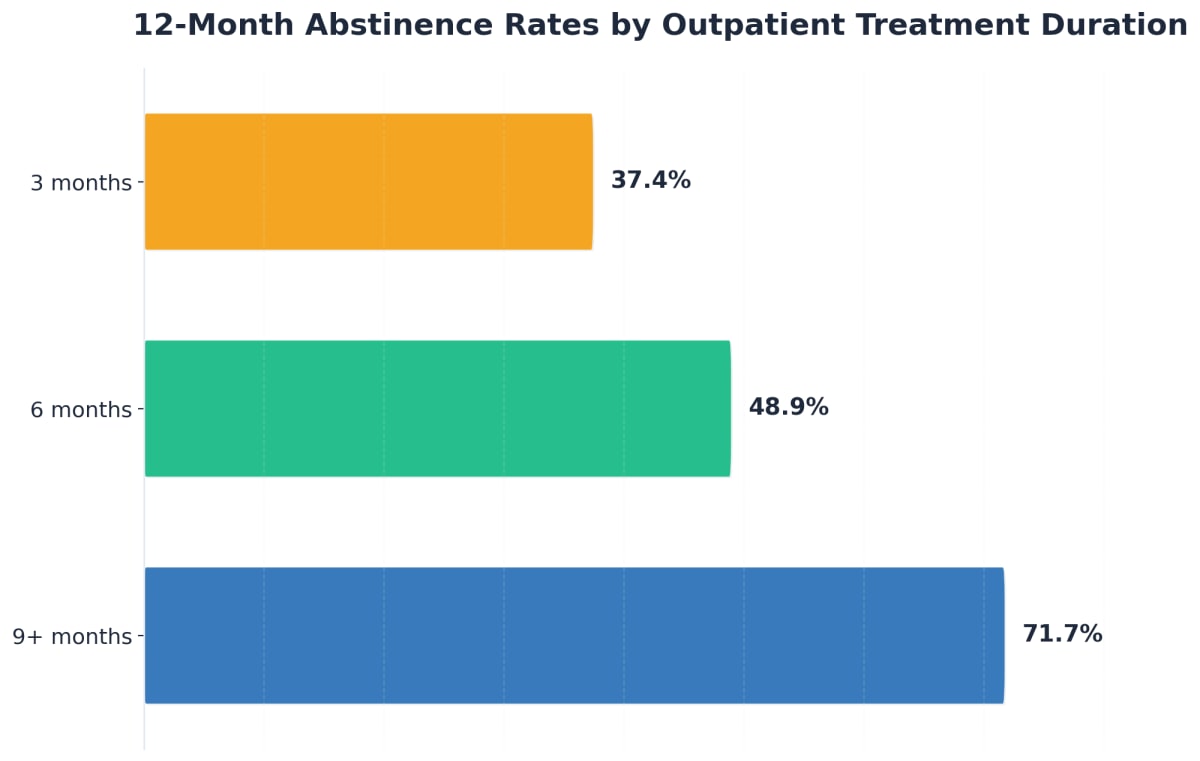
Step 2: Compare Success Rates Based on Treatment Duration. It is encouraging to see how much your chances improve with longer care. The numbers show that sticking with treatment—especially programs that include aftercare or self-help groups—can greatly boost your odds of staying substance-free for a year1.
| Treatment Duration | 12-Month Abstinence Rate |
|---|---|
| 3 months | 37.4% |
| 6 months | 48.9% |
| 9+ months | 71.7% |
Step 3: Choose a Program With Ongoing Support. The best results come when you combine professional treatment with regular participation in support groups. At Arista, we help you build a plan that fits your needs and connects you with local resources in Ohio. Our team is here to support you every step, from the first day to long after you leave formal treatment.
Medication-Assisted Treatment for Opioids
Step 1: Understand How Medication-Assisted Treatment (MAT) Works. If you or someone you care about is facing opioid addiction, Medication-Assisted Treatment (MAT) can be a powerful tool for relapse prevention in Hilliard, OH. MAT uses safe, doctor-prescribed medications—like methadone, buprenorphine, or naltrexone—along with counseling and support. These medications help by easing cravings and withdrawal symptoms, so you can focus on rebuilding your life instead of fighting constant urges. MAT is not swapping one addiction for another; it is a well-researched, medical approach that helps people stay in recovery longer2.
Step 2: Compare Your MAT Options. Each MAT medication works a little differently, and your doctor will help you find the best fit. Here is a simple table to show the main differences:
| Medication | How It’s Given | Main Benefits |
|---|---|---|
| Methadone | Daily clinic visit | “Gold standard” for treatment retention2 |
| Buprenorphine | Doctor’s office/home | Easier access, fewer clinic visits |
| Naltrexone | Monthly injection | No risk of misuse, but must be opioid-free first |
Step 3: Get Connected to Local Support. In Ohio, MAT is available in clinics, hospitals, and through some primary care doctors. At Arista, our team guides you to the right resources and supports you through every step—helping you create a plan that fits your life and goals. MAT can make recovery feel achievable, especially when you combine it with therapy and local support groups.
Building Your Recovery Capital in Ohio
Strengthening Family Support Systems
Step 1: Recognize Your Family’s Role in Recovery. Family is one of the strongest sources of support for relapse prevention in Hilliard, OH. When your family is involved in your recovery, it can boost your self-esteem and help you bounce back from tough days. Research shows that strong family support actually lowers the risk of relapse by building up your confidence and resilience—two things you need to stay on track6.
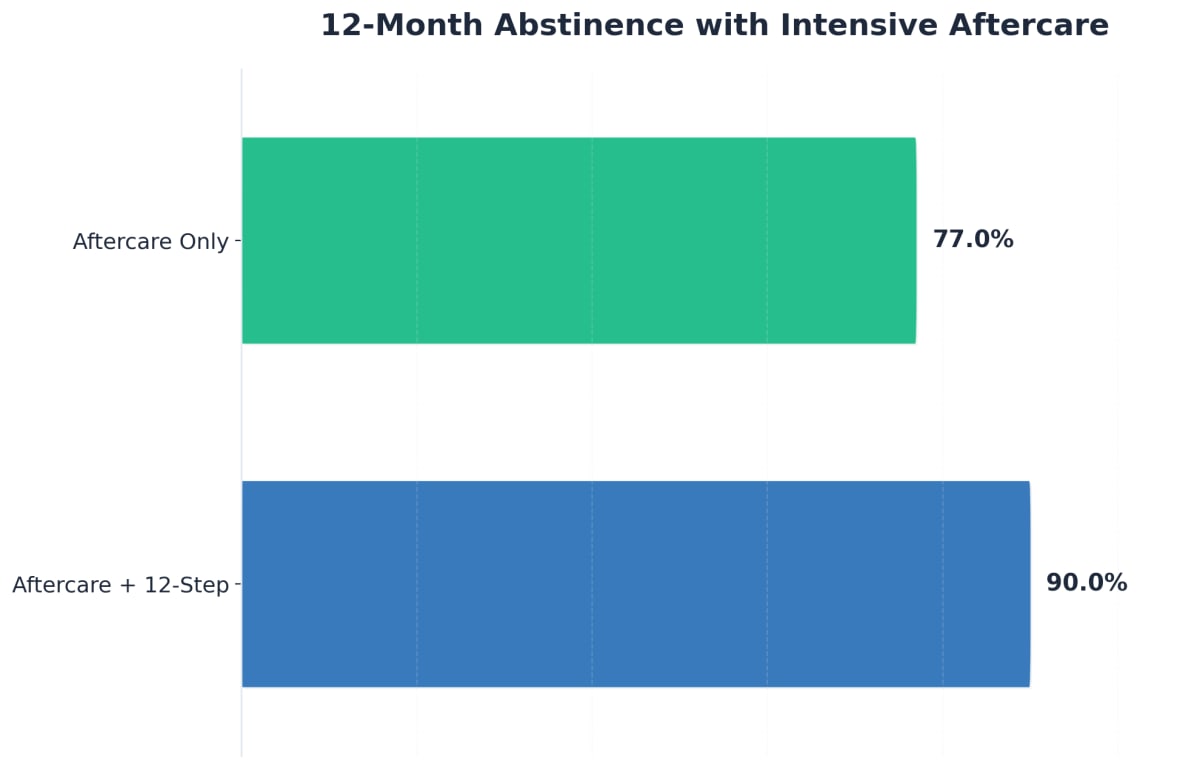
Step 2: Build Healthy Communication Habits. Talking openly about feelings, setbacks, and successes makes a big difference. Try sharing your needs and setting clear boundaries. For example, you might let your family know when you need quiet time or when you would like encouragement. Listening to each other helps everyone feel respected and included in the recovery journey.
Step 3: Involve Loved Ones in Recovery Activities. Invite your family to attend support meetings or family therapy sessions in Ohio. Many local programs welcome loved ones to join, and these shared experiences can help everyone learn new coping skills. Arista offers guidance and referrals for family-friendly recovery resources in the Hilliard area, making it easier to grow together.
Connecting to Community Resources
Step 1: Discover Local Recovery Resources. Finding strong community resources is a key part of relapse prevention in Hilliard, OH. In Ohio, there are many organizations and programs ready to help you build your “recovery capital”—the people, places, and services that make staying sober more manageable. This includes support groups, recovery community organizations, sober living homes, and job or housing assistance.
Step 2: Understand the Impact of Community Support. Research shows that people who use both clinical treatment and community recovery support services have much better outcomes. For example, combining formal treatment with self-help or peer support groups can nearly double your chances of staying sober for a year1. Community recovery organizations, like those found in Ohio, help by removing barriers and linking you to the right resources, whether you need help with transportation, finding a job, or just want a friendly group to lean on10.
Step 3: Let Arista Be Your Guide to Ohio Resources. You don’t have to navigate local resources alone. Arista works closely with community partners in Hilliard and throughout Ohio. Our team will help you connect with support groups, social services, or volunteer opportunities that match your needs and interests.
Practical Tools for Daily Relapse Prevention
Recognizing and Managing Your Triggers
Step 1: Learn What Triggers Are and Why They Matter. Triggers are people, places, feelings, or situations that make you want to return to old habits. For many working on relapse prevention in Hilliard, OH, common triggers include running into old friends who used with you, passing by certain neighborhoods, or feeling stressed or lonely. Spotting these triggers early is key—over 60% of people in recovery face the risk of relapse, so having a plan really helps7.
Step 2: Identify Your Personal Triggers. Think back to times when you felt close to slipping. Was it after a tough day at work, during family arguments, or when you felt bored? Write down your top triggers and talk them over with someone you trust. This step takes courage but puts you in control.
Step 3: Build a Practical Plan to Cope. Once you know your triggers, you can plan ahead. Maybe you avoid certain places, call a supportive friend, or use healthy distractions like a walk or a hobby. At Arista, our Ohio-based team can help you practice these strategies so you feel ready—not caught off guard—when triggers pop up.
Mindfulness Techniques That Reduce Cravings
Step 1: Try Simple Mindfulness to Calm Cravings. When a craving hits, practicing mindfulness can help you pause and notice what is happening in your body and mind. Mindfulness means paying attention to the present moment—without judging yourself or trying to push feelings away. Instead of battling a craving, you might close your eyes, take a slow breath, and notice how the urge feels.
Step 2: Practice the “Urge Surfing” Technique. Urge surfing is a mindfulness trick used for relapse prevention in Hilliard, OH. Picture your craving like a wave: it rises, peaks, and then fades. Sit quietly, breathe, and remind yourself that the feeling will pass. Studies show that mindfulness-based relapse prevention helps people reduce cravings and stay sober longer compared to traditional methods4.
Step 3: Build Mindfulness Into Your Routine. You don’t have to meditate for hours. Even a few minutes of mindful breathing or walking each day can lower stress and make it easier to handle tough moments. At Arista, our recovery specialists in Ohio can teach you mindfulness exercises that fit your lifestyle.
Frequently Asked Questions
What should I do if I experience a relapse after completing treatment?
If you experience a relapse after completing treatment, remember that it doesn’t mean you’ve failed. Relapse is common—about 40% of people in recovery go through it at some point, which is similar to other chronic illnesses like diabetes3. The most important thing is to reach out for help as soon as possible. Contact your support team, counselor, or a trusted friend. You may need to adjust your recovery plan or add new supports, like joining a group or trying a different therapy. At Arista, we help people in Ohio get back on track with relapse prevention in Hilliard, OH. You’re not alone, and recovery is always possible.
How long does it take before my risk of relapse significantly decreases?
The risk of relapse is highest in the first few months after treatment. Research shows that staying engaged in treatment and continuing care for at least three months greatly boosts your chances of long-term recovery1. As you reach milestones like six months or a year, your risk of relapse drops even more. After five years of continuous sobriety, the chance of relapse falls to about 15%, which is much lower than during early recovery3. This is why relapse prevention in Hilliard, OH, focuses on building strong routines and support early on. Arista is here to help you stay connected and supported as you move forward.
Are there specific relapse prevention resources available in the Hilliard area?
Yes, there are specific relapse prevention resources available in the Hilliard area. You’ll find support groups like Alcoholics Anonymous (AA), Narcotics Anonymous (NA), and SMART Recovery meeting regularly in local churches, clinics, and community centers. The Hilliard Recovery Center and other Ohio-based organizations also offer counseling, peer mentoring, and educational workshops. Many people benefit from connecting with both clinical treatment providers and local recovery support services, as research shows combining these resources can nearly double your chances of staying sober for a year1. If you need help finding or joining a group, Arista can guide you to the right options for relapse prevention in Hilliard, OH.
Can family members participate in my relapse prevention plan?
Yes, family members can absolutely be part of your relapse prevention plan in Hilliard, OH. In fact, research shows that when families are involved, people in recovery are less likely to relapse because family support builds self-esteem and resilience6. Your loved ones might join you for counseling, attend support group meetings, or simply help you stick to healthy routines at home. If your family learns more about addiction and recovery, they can be even more supportive and understanding. At Arista, we encourage families in Ohio to be active partners in your journey, offering resources and guidance to help everyone grow stronger together.
What’s the difference between a lapse and a full relapse?
A lapse is a brief slip—maybe just one drink or a single use—while a full relapse means returning to a pattern of regular substance use. Many people working on relapse prevention in Hilliard, OH, experience a lapse before bouncing back. The key difference is that a lapse is often seen as a warning sign and a chance to adjust your recovery plan, while a full relapse usually involves giving up on your strategies and support for a longer period. Recognizing a lapse early gives you the best chance to get back on track and avoid further setbacks7.
Does insurance cover aftercare and relapse prevention services in Ohio?
Yes, many insurance plans in Ohio cover aftercare and relapse prevention services, including outpatient counseling, group therapy, and continuing care programs. Coverage can depend on your specific insurance provider and plan, so it’s a good idea to check directly with your insurer. Medicaid and most private health insurance plans are required to include substance use disorder treatment, which often extends to aftercare support1. If you’re unsure how your benefits work, Arista can help you understand your options and navigate the process—making it easier to access relapse prevention in Hilliard, OH. Don’t hesitate to reach out for support as you plan next steps.
Conclusion
Finding the right path to recovery means understanding your options and choosing a program that fits your unique needs. Partial hospitalization programs (PHP) offer intensive clinical support while allowing you to maintain connections with your home, family, and daily life. Research shows that PHPs achieve completion rates of 60-70%, significantly higher than less structured outpatient programs, because this structured approach creates space for healing without requiring you to step away from everything familiar.
Throughout Ohio, individuals and families are discovering that recovery doesn’t have to mean choosing between comprehensive care and personal freedom. The flexibility of PHP allows you to attend therapy sessions and group counseling during the day—typically 9 AM to 3 PM—while having dinner with your family each evening and sleeping in your own bed. This gradual reintegration helps you build coping skills, process underlying issues, and develop healthy routines in real-world settings.
Studies indicate that patients who complete PHP treatment maintain sobriety at six-month follow-up at rates 40% higher than those in standard outpatient care, demonstrating how this balance often makes the difference between short-term improvement and successfully returning to work and family responsibilities. If you are considering treatment options for yourself or someone you care about, know that taking this step reflects courage and hope. Start by contacting your insurance provider to verify coverage and inquire about in-network facilities. The right support system can help you move forward with confidence toward a healthier future.
References
- The Continuing Care Model of Substance Use Treatment. https://www.ncbi.nlm.nih.gov/pmc/articles/PMC3670792/
- A Comparison of Medication-Assisted Treatment Options for Opioid Addiction. https://www.ncbi.nlm.nih.gov/pmc/articles/PMC6442223/
- Rates and Predictors of Relapse After Natural and Treated Remission. https://www.ncbi.nlm.nih.gov/pmc/articles/PMC3334430/
- Mindfulness-Based Relapse Prevention for Substance Use Disorders. https://www.ncbi.nlm.nih.gov/pmc/articles/PMC3280046/
- Continuing Care and Long-Term Substance Use Outcomes. https://www.ncbi.nlm.nih.gov/pmc/articles/PMC3670793/
- Family Function Impacts Relapse Tendency in Substance Use Disorder. https://www.ncbi.nlm.nih.gov/pmc/articles/PMC6883200/
- Addiction Relapse Prevention. https://www.ncbi.nlm.nih.gov/books/NBK551564/
- Integrated vs Non-Integrated Treatment Outcomes in Dual Diagnosis. https://www.ncbi.nlm.nih.gov/pmc/articles/PMC3670790/
- Pathways to Long-Term Recovery. https://www.ncbi.nlm.nih.gov/pmc/articles/PMC3670795/
- Enabling or Engaging? The Role of Recovery Support Services. https://www.ncbi.nlm.nih.gov/pmc/articles/PMC3670788/
