 Now under new ownership & part of the Arista Recovery Network! For more information,

Key Takeaways
- Assess Your Needs: Use the diagnostic checklist to identify gaps in housing, support networks, and mental health care.
- Build a Framework: Combine evidence-based tools like CBT, peer support (AA or SMART), and Recovery Management Checkups.
- Take Action: Follow the 30-day resource plan to secure insurance, schedule appointments, and establish a routine.
- Stay Connected: Regular engagement with aftercare increases the likelihood of long-term sobriety by up to 50%.
Understanding Rehab Aftercare in Ohio as Your Foundation
Think of rehab aftercare in Ohio as the bridge between intensive treatment and independent living. It is the structured support system that helps you navigate daily life while maintaining recovery—and it is often the difference between lasting success and relapse.
After completing a residential or outpatient program, you have built a strong foundation. You have learned coping strategies, identified triggers, and begun healing. However, stepping back into everyday routines—work, family obligations, social situations—brings new challenges that can test even the strongest commitment to sobriety.
“Aftercare isn’t a sign that treatment didn’t work; it’s recognition that recovery is an ongoing process requiring continued support.”
In Ohio, aftercare options range from weekly support groups and individual counseling to sober living homes and alumni programs. The right combination depends on each person’s unique situation, including the substances they have struggled with, their home environment, and the strength of their support network.
Research consistently shows that people who engage in aftercare have significantly better long-term outcomes. One study found that individuals participating in aftercare for at least one year were twice as likely to maintain sobriety compared to those who didn’t continue support after initial treatment.
A sustainable aftercare strategy should feel manageable, not overwhelming. It needs to fit into everyday life while providing enough structure to keep you grounded during vulnerable moments. Some people thrive with daily check-ins and multiple weekly meetings, while others do better with less frequent but consistent touchpoints.
The key is recognizing that aftercare isn’t optional—it is essential. Recovery doesn’t end when you leave treatment; it evolves. This personalized roadmap guides that evolution, helping you build a life where sobriety isn’t just possible, but natural.
Why Aftercare Determines Long-Term Success
Let’s use a quick checklist to understand why aftercare makes such a big difference for lasting recovery in Ohio:
- Do you have regular check-ins after treatment ends?
- Are you part of a support group or therapy?
- Is your living and work situation stable and supportive?
If you answered yes, you are stacking the odds in your favor. Research shows that people who stay connected to aftercare programs in Ohio are much more likely to avoid relapse and maintain recovery over time2. Continuing care—like counseling, group meetings, or even just regular phone check-ins—gives you a safety net as life’s challenges pop up.
This approach is ideal for anyone who wants real, long-term change, not just short-term results. The data is clear: strong aftercare, including ongoing addiction support and relapse prevention strategies, sets the stage for better outcomes and a healthier future.
The 4-5 Year Reality of Recovery Durability
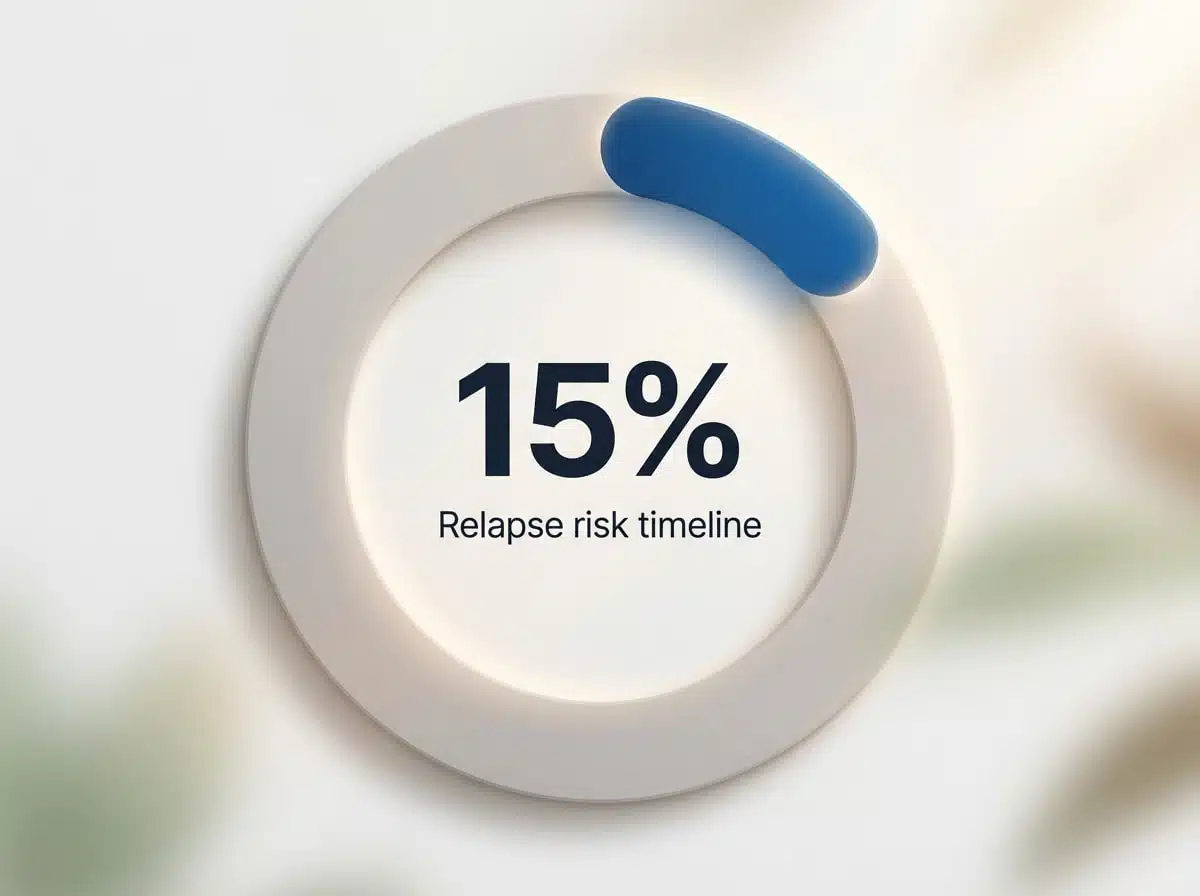
Recovery isn’t a quick fix—it is a journey that takes real time and steady support, especially here in Ohio. Here is a simple reality check: studies show that your risk of relapse doesn’t shrink below 15% until you have reached four to five years of continuous sobriety9.
That means even after your first year clean, staying connected to aftercare, like therapy, peer groups, or Recovery Management Checkups, is vital for lasting results. This approach works best when you want to make sure your progress sticks for the long haul. Many people in rehab aftercare in Ohio find that ongoing addiction support, regular check-ins, and a strong community help them stay on track. If you are looking for lifelong stability and hope, Arista Recovery is here to walk with you each step of the way.
How Aftercare Bridges Treatment to Life
Imagine aftercare as the bridge that connects everything you learned in treatment to your everyday life in Ohio. Once you finish a rehab program, things like job stress, family routines, and social situations can all feel brand new. Rehab aftercare in Ohio helps you carry over the strategies, confidence, and support you built in treatment so you don’t have to face these challenges alone.
A good aftercare plan includes tools like ongoing counseling, support groups, and regular check-ins—these keep you grounded and help you spot triggers before they become setbacks. Research shows that active continuing care, especially when it includes regular outreach, gives people in recovery better outcomes and faster re-entry to treatment if needed2. This solution fits anyone who wants steady support as they rebuild their daily life. Programs like Arista Recovery offer tailored aftercare, ensuring you and your loved ones always have a safe place to turn as you step forward.
Recognizing Relapse as a Multi-Stage Process
Relapse isn’t a single event—it is a process that happens in stages, and learning to spot these stages is key for anyone using rehab aftercare in Ohio. Most people think relapse means picking up a drink or drug again, but it often starts much earlier with emotional and mental warning signs.
Recognizing this multi-stage process lets you and your support team act before things spiral into a physical relapse. In Ohio, experts agree this approach helps families and individuals feel more in control, giving everyone a real chance to prevent setbacks and stay on track1. When you understand how relapse unfolds, aftercare programs—like those at Arista Recovery—can step in early, offering support groups, therapy, and tools designed just for Ohioans.
Emotional, Mental, and Physical Stages
Relapse unfolds in three stages—emotional, mental, and physical—and knowing these can help you and your loved ones stay ahead of trouble.
| Stage | What It Looks Like | Action to Take |
|---|---|---|
| Emotional | Stress, isolation, skipping meetings, poor sleep. | Focus on self-care, reach out to a peer. |
| Mental | Cravings, bargaining, thinking about using. | Call your sponsor, attend a meeting immediately. |
| Physical | Actual substance use. | Contact Arista Recovery or emergency services. |
It usually starts with the emotional stage, when you may feel stressed, isolated, or stop reaching out for support. This is common in Ohio, especially if your routine changes or you skip aftercare meetings. The mental stage follows, where cravings or thoughts about using pop up, even if you are still saying no. If these feelings build, the physical stage might come next, which is when actual substance use happens. Experts agree that catching the emotional and mental stages early is key for anyone using rehab aftercare in Ohio, since it gives you the best shot at preventing a full relapse1.
Early Warning Signs You Can Catch
Spotting early warning signs can make all the difference in staying on track with rehab aftercare in Ohio. Look out for small shifts like feeling more irritable than usual, avoiding support meetings, or losing interest in hobbies that once helped you cope. You might notice you are isolating yourself or skipping meals and sleep—these are cues that recovery support is needed.
Many Ohioans find that reaching out at the first sign of slipping back into old habits, like not returning calls from your aftercare team or neglecting therapy appointments, helps prevent things from getting worse. Research highlights that catching these subtle changes early gives you the best shot at stopping relapse before it starts1. Programs like Arista Recovery encourage you to keep an eye out for these signs and to ask for help as soon as you notice them. Staying aware and connected is a key part of long-term addiction recovery support in Ohio.
Self-Assessment: Is Your Aftercare Plan Complete?
Before moving forward with any aftercare program, take a moment to evaluate what you truly need. A complete recovery strategy addresses multiple dimensions of your recovery, not just one or two aspects. This honest self-assessment helps you identify gaps that could leave you vulnerable during this critical transition period.

Start by asking yourself some fundamental questions. Do you have stable housing lined up after treatment? Many people overlook this basic need, yet housing instability is one of the fastest paths to relapse. Consider whether your living situation supports your recovery or puts you back in environments where substance use was common.
Next, examine your support network. Who will you call during moments of crisis or temptation? If you are returning to Ohio communities where old connections might trigger relapse, you will need a strong alternative support system in place. This might include 12-step meetings, therapy appointments, or recovery-focused social groups.
Your post-treatment roadmap should also address practical life skills. Can you manage daily responsibilities like work, finances, and healthcare appointments? If early recovery feels overwhelming, you might benefit from structured programs that help rebuild these capabilities gradually.
Mental health considerations deserve equal attention. If you are managing co-occurring disorders like depression or anxiety, your continuing care must include appropriate treatment. These conditions don’t disappear when substance use stops—they require ongoing professional support.
Finally, think about accountability. How will you track your progress and stay committed to recovery goals? Whether through regular check-ins with a counselor, drug testing, or structured programming, accountability measures help you stay on course when motivation wavers.
Diagnostic Questions for Your Recovery Stage
To figure out if your recovery plan is truly supporting you in Ohio, walk through these diagnostic questions:
- Are you checking in with a counselor, peer group, or recovery coach at least once a week?
- Do you have practical ways to manage stress, cravings, and unexpected changes?
- Is your home or living situation stable and free from triggers?
- Can you quickly reach help if you start to notice warning signs of relapse?
If you are missing any of these, your rehab aftercare in Ohio might need a boost. Research shows that a well-structured aftercare plan—including ongoing therapy, peer support, and regular outreach—makes a big difference in long-term recovery success2. Many Ohioans find that regular self-assessment helps them stay proactive and connected to vital addiction recovery resources.
Evaluating Your Current Support System
A quick way to check if your support system is ready for the demands of recovery in Ohio is to map out the people and programs you rely on. List your weekly connections: Do you have access to a counselor, a peer group, or a trusted recovery coach? Are family or friends actively involved, or do you mostly lean on professional support?
Click to expand: How to map your support network
Draw three circles. In the center, put your professional support (therapists, doctors). In the second ring, put your peer support (AA, SMART, sponsors). In the outer ring, put family and friends. If any circle is empty, that is a gap you need to fill.According to research, ongoing outreach and a mix of therapy, peer support, and structured aftercare lead to better recovery outcomes for Ohioans2. If your network mostly relies on one type of support, consider this method if you want to add more balance and safety nets. Many in rehab aftercare in Ohio find it helps to check if their system covers emotional, practical, and emergency needs. Arista Recovery can help you evaluate and strengthen your recovery support system, making sure you are not missing vital connections for long-term success.
Identifying Gaps in Your Recovery Plan
Here is a quick way to spot gaps in your recovery plan: list out each key area—emotional support, practical help, emergency contacts, and relapse prevention strategies. If you notice you are missing regular counseling or don’t have quick access to peer support, these are clear signals your rehab aftercare in Ohio could use a boost.
Research confirms that well-rounded aftercare, including therapy, group support, and ongoing check-ins, leads to stronger recovery outcomes for Ohioans2. This approach works best when you want to prevent setbacks and build confidence in your sobriety. Ohio residents often find that filling these gaps—like adding more peer meetings or updating your crisis plan—makes staying on track easier. Arista Recovery can help you review your plan and connect you with the addiction recovery resources you need for lasting support.
Matching Your Needs to Aftercare Options
Now that you know where your recovery plan stands, it is time to look at aftercare options that truly fit your needs in Ohio. Start by listing your top priorities: do you need flexible scheduling, extra medical support, or strong community connections? Rehab aftercare in Ohio offers choices like intensive outpatient programs, medication-assisted treatment, peer support groups, and specialized therapies.
Research shows that people who use a mix of ongoing therapy, peer connections, and medical care have better recovery outcomes2. This approach is ideal for Ohioans who want tailored support—maybe you are balancing work or family, or need more structure as you leave treatment. Arista Recovery can help you match your unique needs to the right resources, whether that is adding peer meetings, exploring medication options, or building a stronger daily routine.
When Intensive Outpatient Programs Fit Best
Intensive Outpatient Programs (IOPs) can be a great fit when you need more structure than weekly counseling, but you still want to live at home and keep up with work or family in Ohio. IOPs usually provide at least nine hours of therapy and support each week, often through group sessions and skill-building activities.
This method works well if you have finished residential treatment or need extra support after a relapse, but don’t require medical detox or round-the-clock supervision. Studies show that IOPs help Ohioans reduce substance use and manage daily challenges, making them a smart option for many in rehab aftercare in Ohio7. If you want a flexible, evidence-based way to stay connected and accountable, Arista Recovery can help you decide if an IOP matches your stage of recovery and life needs.
Medication-Assisted Treatment in Aftercare
Medication-Assisted Treatment (MAT) is a proven tool that can support long-term recovery for many Ohioans. MAT means using doctor-prescribed medications—like methadone or buprenorphine—alongside counseling and peer support to manage cravings and help you stay in treatment. For people in rehab aftercare in Ohio, MAT is especially helpful if opioid use disorder is part of your story.
Studies show that MAT can cut the risk of overdose death by 50%, making it a life-saving choice for many families8. This path makes sense if you need extra help managing urges or want a steady foundation as you rebuild daily routines. Many addiction recovery programs in Ohio, including Arista Recovery, offer MAT as part of a broader aftercare plan—helping you combine medical support, therapy, and community connections for the best chance at lasting success.
Building Your Rehab Aftercare in Ohio Framework
Now that you have completed your self-assessment and identified gaps in your current support system, it is time to transform those insights into action. Creating a solid aftercare framework means taking what you have learned about your needs and building a personalized roadmap that addresses your specific situation, resources, and recovery goals right here in Ohio.
Start by identifying your non-negotiables—the support elements you absolutely need to maintain stability. For some, this might be daily peer support meetings. For others, it is ongoing therapy or medication management. Write these down as your foundation. These aren’t optional; they are the pillars holding up your recovery.
Next, assess local resources honestly. What is actually available within your community? Ohio offers options ranging from intensive outpatient programs like the Glenbeigh IOP in Columbus or Cleveland’s Lutheran Metropolitan Ministry services, to telehealth platforms such as Ohio CareLine that reach rural areas. Map out what is within reasonable distance from your home or workplace. Consider transportation realistically—if driving isn’t an option, is public transit available? Can rides be arranged?
Your framework should also account for potential obstacles before they arise. What happens if your employment ends? If your insurance changes? If your primary therapist moves? Build backup plans into this structure now. Identify at least two alternatives for each critical support service.
Think about your daily schedule and how aftercare fits into real life. Recovery support shouldn’t feel like a second full-time job. Look for natural integration points—for example, you might attend a 7 AM SMART Recovery meeting on your way to work, use your lunch break for a 20-minute mindfulness app session, and join an evening Celebrate Recovery group that ends by 8 PM so you are home for family time.
Finally, include accountability measures within your framework. Who will you check in with regularly? How will you track progress? Many Ohioans find success through a combination of professional oversight and peer accountability. Your framework should answer the question: “How will I know if my recovery strategy is working?”
Evidence-Based Aftercare Components That Work
Let’s break down the most effective components of rehab aftercare in Ohio, using a handy checklist so you can see what really works:
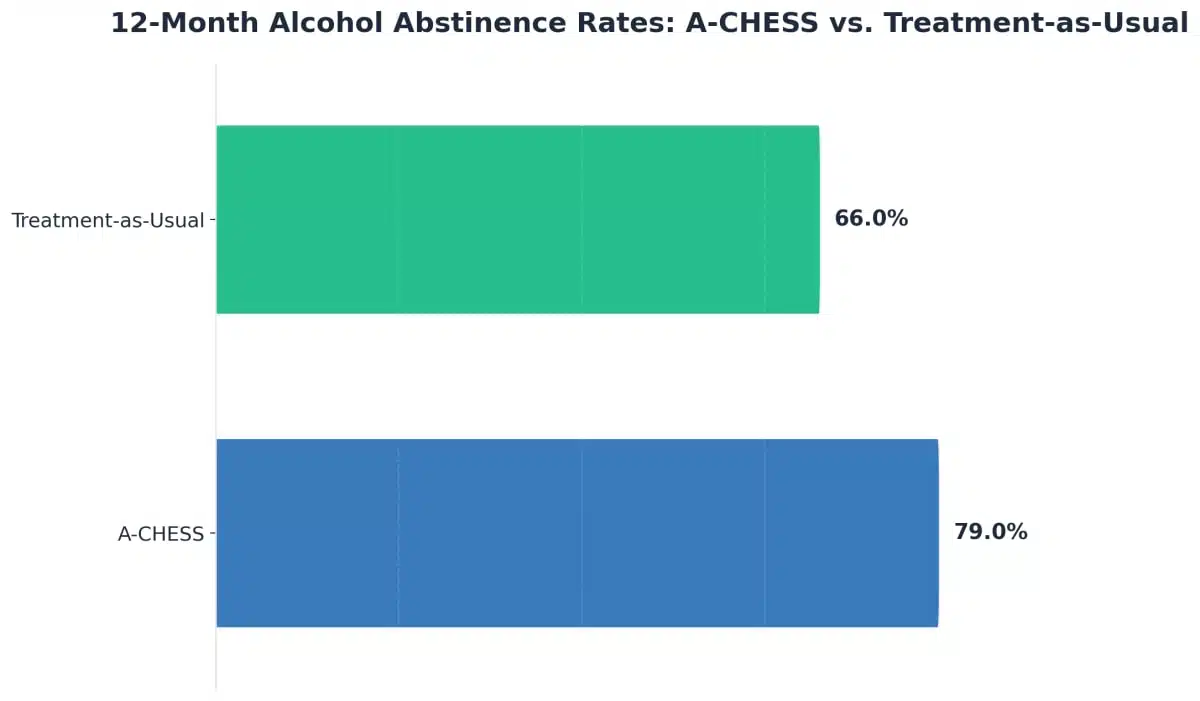
- Do you have regular Recovery Management Checkups (RMC)?
- Are you participating in evidence-based therapy like CBT (Cognitive-Behavioral Therapy) or DBT (Dialectical Behavior Therapy)?
- Do you attend peer support groups, such as AA or SMART Recovery, that fit your personal beliefs?
Each of these aftercare tools has strong research behind it. For example, people in Ohio who receive structured Recovery Management Checkups return to treatment more often when needed (64% vs. 51%) and get help faster than those without this support9. Therapy options like CBT and DBT teach you real-world skills to manage triggers and emotions—giving you practical tools for everyday life6.
Peer support, whether it is a 12-step group or an alternative, helps you feel connected and increases your sense of belonging, which is key for long-term recovery10. These strategies work well for Ohioans looking for a mix of professional guidance and community. At Arista Recovery, we help you pick and combine these evidence-based approaches, making sure your aftercare plan is both practical and personal.
Recovery Management Checkups: 64% vs 51%
Recovery Management Checkups (RMC) are like scheduled tune-ups for your recovery—making sure you catch problems early and get support right when you need it. In Ohio, people who take part in RMC are 64% likely to return to treatment when needed, compared to just 51% who don’t have these regular check-ins9.
That is a real difference for anyone relying on rehab aftercare in Ohio. RMC means meeting with a recovery specialist every few months to talk honestly about your progress, struggles, and goals. This approach suits you if you want consistent accountability and a faster response if things start to get tough. Many Ohioans find these regular checkups help them stay engaged with addiction recovery support and prevent small setbacks from turning into bigger challenges. Arista Recovery can help you build RMC into your aftercare plan, giving you structure and peace of mind as you move forward.
Therapy Options: CBT, DBT, and Beyond
Let’s explore the therapy options that help Ohioans build real skills for lasting recovery. Cognitive-Behavioral Therapy (CBT) is a proven approach that teaches you how to spot risky situations and change unhelpful thought patterns. You will practice new ways to handle cravings or stress, making it easier to stay steady even when life gets tough.
Dialectical Behavior Therapy (DBT) adds tools for handling big emotions and improving relationships—key for anyone rebuilding trust with family or friends. Both CBT and DBT are evidence-based, meaning research shows they work well for addiction recovery6. This method works when you want structured support that fits your unique needs, whether you are early in recovery or have been sober for years. Some Ohio rehab aftercare programs, like Arista Recovery, also offer mindfulness-based therapy and relapse prevention groups to round out your plan.
Peer Support: 12-Step vs Alternative Groups
Peer support is a powerful part of rehab aftercare in Ohio, but not every group fits everyone. In Ohio, you will often find 12-step programs like Alcoholics Anonymous (AA) and Narcotics Anonymous (NA), which focus on shared experiences, regular meetings, and a step-by-step approach to recovery. AA, in fact, is shown to be one of the most effective ways to maintain long-term abstinence from alcohol and can even lower mental health care costs5.
| Feature | 12-Step (AA/NA) | Alternatives (SMART) |
|---|---|---|
| Focus | Spirituality & Surrender | Self-Empowerment & Skills |
| Structure | The 12 Steps | 4-Point Program |
| Best For | Community & Tradition | Science-Based Tools |
But maybe you want something that feels more flexible, less focused on spirituality, or better matches your personal beliefs. That is where alternative mutual help groups like SMART Recovery, LifeRing, or Women for Sobriety come in. Research shows these alternatives offer just as much support, with some Ohioans reporting higher satisfaction and stronger group connections compared to traditional 12-step members10. Consider this method if you prefer a science-based approach or want a group that emphasizes self-empowerment and practical skills.
No matter which path you choose, consistent peer support is a key part of addiction recovery support in Ohio. Arista Recovery helps you explore both 12-step and alternative group options, making sure your aftercare plan fits your values and supports your lifelong healing.
Implementation Pathways for Different Situations
Every recovery journey looks a little different, so your rehab aftercare in Ohio should be flexible enough to meet your unique situation. Here is a quick decision checklist to help you identify the best pathway:
- Are you just leaving residential treatment?
- Balancing a busy work schedule?
- Needing to include your family in your recovery support?
If you are moving from a live-in program, step-down care like Intensive Outpatient Programs can offer structure and accountability as you adjust to life at home—this solution fits those who want steady support while regaining independence7. For working professionals in Ohio, many aftercare programs provide evening or virtual sessions, making it easier to stay connected without missing work.
If your family is part of your recovery, family-inclusive aftercare options help everyone learn new skills and support each other, which research shows boosts recovery outcomes2. No matter your path, combining addiction recovery support with practical, real-life adjustments boosts your odds of long-term success. Arista Recovery understands these different needs and can help you build a plan that is designed for your lifestyle and goals.
Transitioning from Residential Treatment
Stepping down from residential treatment can feel both exciting and overwhelming, but with the right plan, you will set yourself up for long-term recovery in Ohio. Here is a simple transition checklist:
- Schedule your first aftercare appointment before leaving treatment.
- Confirm your ongoing support group or therapy sessions.
- Arrange safe, stable housing if needed.
This path makes sense for you if you want structure while gaining more independence. Research shows that moving into step-down care—like Intensive Outpatient Programs, which offer at least nine hours of weekly support—helps reduce relapse and builds confidence as you adjust to life outside the treatment center7. Many Ohioans also rely on Recovery Management Checkups to stay connected and catch early warning signs, increasing their chance of returning to treatment quickly if needed9.
Aftercare for Working Professionals in Ohio
If you are juggling a demanding career, finding time for rehab aftercare in Ohio can be a real challenge. But with the right tools, you can fit recovery support into your busy life. Start by checking if your aftercare plan offers flexible evening or virtual sessions, so you don’t have to miss work or family obligations.
Many Ohio addiction recovery programs, including Arista Recovery, provide aftercare options outside standard business hours and through secure telehealth platforms. Research shows that outpatient models help professionals maintain employment while reducing risk of relapse7. This approach is ideal if you want to blend accountability with the freedom to manage your work schedule. Consider joining an online support group or scheduling regular check-ins with a peer coach. These strategies let you build a network and stay connected, even on the go.
Family-Inclusive Aftercare Planning
Family-inclusive aftercare planning puts your loved ones at the heart of your recovery journey in Ohio. Use this step-by-step tool to create a team approach:
- Invite family to join an aftercare orientation or education session.
- Schedule regular family meetings with your recovery team.
- Create a shared crisis plan for early warning signs.
This method works when you want to build a strong home support system and teach everyone new ways to communicate and cope. Research shows that aftercare involving family leads to better recovery outcomes, more stable home environments, and improved confidence for everyone involved2. Many Ohioans in addiction recovery find that when families learn about relapse warning signs and support strategies together, it is easier to handle tough moments and celebrate successes.
Resource Planning: Your 30-Day Action Plan
Creating a structured timeline helps you move from decision to action with confidence. A 30-day planning window gives you enough time to make informed decisions without delaying the critical transition from treatment to aftercare—research shows that gaps longer than one week significantly increase relapse risk. This plan breaks down the resource planning process into manageable steps that won’t overwhelm you during an already emotional time.
You can print this section by pressing Ctrl + P (or Cmd + P on Mac) to keep it handy.
- Week 1: Information Gathering Start by identifying your top three aftercare options based on the framework outlined earlier—considering intensity level, clinical approach, and practical factors. Request detailed information from each program, including schedules, staff credentials, and success metrics. Schedule facility tours if possible—seeing the environment firsthand often clarifies decisions. Connect with the treatment team to understand their specific recommendations for Ohio-based aftercare resources.
- Week 2: Financial Planning Contact the insurance provider to verify coverage for each program under consideration. Request pre-authorization if required. Explore Ohio-specific funding options, including county mental health boards and state assistance programs. Create a realistic budget that accounts for program fees, transportation, and any additional support services that may be needed.
- Week 3: Coordination and Preparation Begin coordinating the transition with the current treatment facility. Confirm start dates with the chosen aftercare program and arrange transportation. If housing is needed, finalize those arrangements now. Connect with local support groups throughout the Ohio community—both for the person in recovery and for family members. Work with your treatment coordinator or aftercare specialists to ensure these connections are established and nothing falls through the cracks.
- Week 4: Final Details Complete all enrollment paperwork and confirm insurance authorization. Create an emergency contact list with crisis hotline numbers, sponsor information, and supportive family members. Set up medication reminders if prescriptions are part of the aftercare plan. Schedule the first three support group meetings or therapy sessions to establish immediate structure. Pack necessary items and prepare the home environment to support recovery. Most importantly, have an open conversation about expectations, concerns, and hopes for this next chapter.
Budgeting and Insurance for Aftercare Services
Let’s start your resource planning with a budgeting and insurance checklist for aftercare in Ohio. Ask yourself: Have you checked which aftercare services your insurance covers? Do you know if you will need to plan for out-of-pocket costs? If you are like many Ohioans, understanding your insurance options and finding cost-effective addiction recovery support is a big step.
Research shows that while some aftercare programs add modest costs, they are considered cost-effective for long-term health and recovery4. This approach is ideal if you want to make the most of your insurance benefits and avoid financial surprises as you continue rehab aftercare in Ohio. Arista Recovery can guide you through the process, helping you get clear answers on coverage, deductibles, and the best affordable options for addiction recovery support.
Navigating Ohio Insurance Coverage Options
Navigating insurance coverage for rehab aftercare in Ohio can feel confusing, but a step-by-step approach makes it manageable. Start by calling your insurance provider and asking specifically which addiction recovery services are included—coverage can vary for things like therapy, medication-assisted treatment, or peer support. Many Ohio plans, including Medicaid and commercial insurance, now cover evidence-based aftercare, but you may need pre-approval or to use in-network providers.
It is smart to ask about deductibles, co-pays, and any yearly visit limits. Research shows that while some addiction services add modest costs, they are considered cost-effective in the long run for your health and recovery4. This method works when you want to avoid financial surprises and make the most of your benefits. If you feel stuck, Arista Recovery is ready to help you review your options and connect you with Ohio-based addiction recovery resources, so you can focus on healing without added stress.
Cost-Effective Aftercare Strategies
If you are looking for ways to stretch your aftercare resources in Ohio, try this quick cost-saving guide:
- Ask about group therapy or peer-led support, which can be more affordable than one-on-one sessions.
- Use technology—virtual check-ins or secure telehealth can cut down on travel and time away from work.
- Check if local community organizations or recovery groups offer free or sliding-scale options for addiction recovery support. You can search online for
"free recovery support Ohio"to find local listings.
Research shows that aftercare services, even when they add some out-of-pocket costs, are considered cost-effective for long-term health and recovery4. This strategy suits anyone wanting to keep rehab aftercare in Ohio affordable while still getting strong addiction recovery support. If you need help comparing options or finding low-cost solutions, Arista Recovery is always ready to guide you and connect you with practical, Ohio-based resources.
Your First 30 Days: Week-by-Week Steps
Let’s walk through a week-by-week guide for your first month of rehab aftercare in Ohio. Start by downloading or printing a simple 30-day checklist—this tool makes it easy to track your progress, from attending support meetings to keeping up with therapy. In your first two weeks, focus on connecting with your support network and confirming your appointments.
By week three and four, shift toward building healthy routines—like regular sleep, meal planning, and daily check-ins with your recovery team. Keeping these steps manageable helps you lower stress and feel in control. Research shows that following a structured, step-by-step plan leads to stronger and more stable recovery outcomes for people in Ohio2. This strategy fits anyone wanting to settle into daily life with confidence and clear direction. Arista Recovery is here to help, offering practical tools and support so you and your loved ones can start strong.
Week 1-2: Establishing Your Support Network
Start your recovery journey strong by building your support network in the first two weeks of rehab aftercare in Ohio. Grab a pen or use your phone to make a contact list: include your peer support group, counselor, and at least one trusted family member or friend. Scheduling your first check-in—whether it is a therapy session, group meeting, or call with a recovery coach—sets the tone for staying connected.
Research shows that people in Ohio who regularly check in with their support team experience better recovery outcomes and feel less isolated2. This approach is ideal if you want to feel confident and supported as you return to daily routines. Many Ohioans find that reaching out early to group meetings or community resources like Arista Recovery makes the transition from treatment smoother and less overwhelming. Remember, building these connections now gives you a safety net for the weeks and months to come.
Week 3-4: Building Sustainable Routines
During weeks three and four of your rehab aftercare in Ohio, focus on building routines you can stick with for the long haul. Start by setting a consistent sleep and meal schedule—this helps your body and mind recover. Use a daily planner to pencil in appointments, exercise, and time for hobbies.
Many people in Ohio find that repeating simple actions, like checking in with your recovery coach or joining a weekly support group, makes these habits feel natural over time. Research shows that following a clear, structured routine leads to stronger, more stable recovery outcomes and helps lower the risk of relapse2. This method works when you want to add predictability to your day and boost your confidence as you adjust. Arista Recovery is ready to help you shape a routine that fits your real life, offering tools and encouragement every step of the way.
Frequently Asked Questions
As you develop your aftercare action plan, you will likely have questions about what to expect and how to navigate the process. Here are answers to some of the most common questions families in Central Ohio ask about aftercare planning and support.
How long does aftercare typically last?
There is no one-size-fits-all timeline. Some people benefit from structured aftercare for three to six months, while others continue with varying levels of support for a year or longer. Individual needs, recovery goals, and personal circumstances will guide the duration that works best.
Does insurance cover aftercare services?
Many insurance plans provide coverage for aftercare components like outpatient therapy, medication management, and certain support services. In Ohio, Medicaid covers many aftercare services including outpatient treatment and peer support programs. Coverage varies significantly between providers and plans, so it is important to verify specific benefits with your insurance company and understand any out-of-pocket responsibilities.
Can I work or go to school during aftercare?
Absolutely. Most aftercare programs are designed to integrate with daily life. Intensive outpatient programs typically meet in the evenings or on weekends, allowing participants to maintain work or educational commitments while receiving the support they need.
How can family members support aftercare?
Family involvement can strengthen recovery outcomes significantly. You can participate in family therapy sessions offered through many programs, educate yourself about addiction and mental health, create a supportive home environment, and connect with family support groups. Many providers in Central Ohio offer dedicated family programming as part of comprehensive aftercare.
What if I experience a setback during aftercare?
Setbacks can be part of the recovery journey, and they don’t mean failure. Quality aftercare programs provide crisis support and can quickly adjust care strategies to address challenges as they arise. Ohio’s county mental health boards also offer crisis services that can provide additional support when needed. The key is having a support system in place that responds with compassion and clinical expertise.
How do I know which aftercare services I need?
A comprehensive assessment with an experienced provider will help identify the right combination of services for each situation. Request an aftercare assessment from your treatment provider before discharge—this evaluation will consider your treatment history, support system, living environment, and personal goals to create an effective recovery strategy tailored specifically to your individual needs.
What should I do if I notice early warning signs of relapse?
If you spot early warning signs of relapse—like skipping support meetings, feeling more stressed or isolated, or losing interest in healthy routines—the first step is to reach out for help right away. Don’t wait until things get worse; even small changes in mood or behavior matter. Contact your aftercare team, counselor, or a trusted peer from your support group. Research shows that catching these warning signs early and getting support is one of the most effective ways to prevent full relapse during rehab aftercare in Ohio1. Practical steps include scheduling an extra check-in, talking honestly about what’s going on, and using coping skills you learned in treatment. Many Ohioans find that using tools like daily checklists or journaling helps them notice patterns and stay connected to their recovery support network. Arista Recovery is always here to help you respond quickly and confidently, offering local resources and guidance for addiction recovery support in Ohio.
What if I don’t feel comfortable in 12-step meetings—are there other options in Ohio?
If 12-step meetings like AA or NA don’t feel like the right fit for you, you’re not alone—and there are plenty of other choices for rehab aftercare in Ohio. Many people in Ohio find alternative peer support groups such as SMART Recovery, LifeRing, or Women for Sobriety to be a welcoming space, especially if you prefer a science-based, self-empowerment approach over spirituality. Research shows that people attending these alternatives often feel more satisfied and connected with their group compared to those in traditional 12-step programs10. The good news is, addiction recovery support comes in many forms, from secular peer meetings to online forums and therapist-led groups. This solution fits anyone seeking a supportive community that matches their personal beliefs and recovery style. If you’re not sure where to start, Arista Recovery can help you explore local Ohio options and find ongoing support tailored just for you.
How can I find an aftercare program that respects my privacy as a professional?
You can absolutely protect your privacy as a professional while participating in rehab aftercare in Ohio. Many Ohio addiction recovery support programs offer confidential options such as evening or virtual sessions—perfect if you have a busy work schedule or need more discretion. It’s common for aftercare providers, including Arista Recovery, to offer secure telehealth appointments and private one-on-one counseling, which means you don’t have to worry about running into colleagues or sharing information you’d rather keep private. Research shows that outpatient programs are especially helpful for working adults, letting you maintain your job and keep your recovery journey separate from your professional life7. If privacy is a top concern, ask about HIPAA-compliant platforms and how your personal details are kept confidential. This approach suits anyone who wants strong addiction recovery support in Ohio without sacrificing their professional reputation or comfort.
What role does housing stability play in aftercare success?
Having stable housing is one of the most important building blocks for aftercare success in Ohio. When your living situation is safe, supportive, and free from triggers, it’s much easier to focus on your recovery—not just getting by day-to-day. Research highlights that stable housing, along with ongoing therapy and peer support, forms a strong foundation for addiction recovery support and helps prevent relapse2. This is especially true for those in rehab aftercare in Ohio, where unpredictable housing or returning to old environments can add stress or increase risk. Many Ohioans find that working with a provider like Arista Recovery to secure stable housing—whether that’s returning home, finding sober living, or getting help with housing resources—makes long-term recovery more achievable. If you’re unsure about your living situation, know that safe, supportive housing is a key part of a well-rounded aftercare plan.
Can I participate in aftercare remotely or do I need to attend in person?
Yes, you can participate in rehab aftercare in Ohio either remotely or in person—whichever works best for your situation. Many Ohio addiction recovery programs, including Arista Recovery, offer flexible options like virtual therapy sessions, online peer support groups, and telehealth check-ins. This approach is ideal if you need to balance aftercare with work, family, or transportation challenges. Research shows that technology-based continuing care, such as mobile check-ins or text support, leads to higher abstinence rates and helps you stay connected to vital addiction recovery support2. Whether you prefer meeting face-to-face or joining from home, these choices make it easier for Ohio residents to access ongoing addiction recovery help. The key is to choose the format that keeps you engaged and supported—Arista Recovery is ready to help you find the right aftercare fit, so you never have to walk the recovery path alone.
How does Arista Recovery’s aftercare approach differ from other programs in Ohio?
Arista Recovery’s aftercare stands out in Ohio by offering a blend of evidence-based support and flexible, truly personalized care. Unlike some programs that follow a one-size-fits-all model, Arista tailors your rehab aftercare in Ohio using proven strategies like Recovery Management Checkups and ongoing therapy, adjusting them to fit your lifestyle, work, or family needs. You’ll get access to a multidisciplinary team—including counselors, peer coaches, and family support—so your plan covers emotional, practical, and relapse prevention needs. Research shows that this kind of ongoing, individualized continuing care leads to better outcomes for Ohioans and helps you re-enter treatment faster if needed29. If you want an approach that adapts as your life changes and keeps both you and your loved ones connected, Arista Recovery is ready to guide you with Ohio-based addiction recovery support every step of the way.
How much does aftercare typically cost in Ohio, and will my insurance cover it?
The cost of rehab aftercare in Ohio can vary depending on the type of program and your insurance coverage. Many insurance plans in Ohio, including Medicaid and private options, now cover evidence-based aftercare like therapy, medication-assisted treatment, and peer support, though you may need pre-approval or to use in-network providers4. While some aftercare services may add a modest out-of-pocket cost, research shows these programs are considered cost-effective for long-term health and recovery4. Common ways to keep costs manageable include group therapy, telehealth sessions, or community-based recovery support, which are often lower-cost or offer sliding-scale fees. If you’re unsure about what your plan covers, Arista Recovery can help you review your benefits and connect you with affordable addiction recovery support options in Ohio.
Can I continue working while participating in an aftercare program?
Yes, you can continue working while participating in a rehab aftercare program in Ohio. Many aftercare options, such as Intensive Outpatient Programs (IOPs) and outpatient counseling, are designed with busy schedules in mind. These programs often offer evening or virtual sessions, making it easier to fit addiction recovery support around your job and family commitments. Research shows that outpatient care helps working professionals maintain employment while reducing the risk of relapse7. This approach suits people who want accountability and support without putting their career on hold. If you need help balancing work and aftercare, Arista Recovery can connect you with Ohio-based addiction recovery resources that fit your real-life needs.
Is medication-assisted treatment safe for long-term use in aftercare?
Yes, medication-assisted treatment (MAT) is considered safe and effective for long-term use as part of rehab aftercare in Ohio. MAT uses medications like methadone or buprenorphine—prescribed and monitored by your doctor—to help manage cravings and prevent relapse, especially for opioid use disorder. Research shows that people who stay on MAT are 50% less likely to die from overdose than those who don’t receive this support8. These medications are meant to be taken as long as you and your care team agree they’re helping, sometimes even for years. Many Ohioans find that combining MAT with counseling and peer support gives them the best shot at lasting recovery. If you’re worried about safety, know that MAT is closely supervised and adjusted to fit your needs, helping you stay healthy and engaged in your recovery journey.
What’s the difference between AA and alternative support groups like SMART Recovery?
Alcoholics Anonymous (AA) and alternative groups like SMART Recovery both offer peer support, but their approaches feel quite different. AA is a 12-step program that emphasizes spirituality, group sharing, and a step-by-step journey—many Ohioans appreciate its structure and long history. Research shows AA is especially effective for those seeking long-term abstinence, and it often helps lower mental health care costs5. On the other hand, SMART Recovery and similar groups focus on self-empowerment, practical skills, and using evidence-based tools like cognitive-behavioral strategies. They’re a great fit if you prefer a science-based approach or feel less comfortable with spiritual language. Studies found that members of these alternatives in Ohio often report higher satisfaction and group connection compared to 12-step members10. Both paths play a strong role in rehab aftercare in Ohio, so choosing depends on what feels right for you—Arista Recovery can help you explore each option and find a group where you belong.
How can I support a loved one in aftercare without enabling them?
To support a loved one in rehab aftercare in Ohio without enabling them, focus on encouragement and healthy boundaries. Instead of rescuing them from every consequence, listen openly, offer rides to counseling or meetings, and celebrate their progress. Encouraging their independence—like letting them schedule their own appointments—helps them build confidence. Research highlights that family involvement, when paired with clear expectations and accountability, leads to better outcomes in addiction recovery support2. If you’re unsure where to draw the line, talk with your loved one’s aftercare team or reach out to Arista Recovery for guidance. Remember, being supportive means showing care while letting your loved one take responsibility for their recovery journey.
What happens if I relapse during aftercare—will I have to start over?
Relapse during rehab aftercare in Ohio doesn’t mean you have to start over from scratch. Think of it as a setback on a longer road—something that can happen as part of managing a chronic condition. Experts say relapse is common and can even be a learning opportunity, not a failure3. Instead of wiping the slate clean, your aftercare team will help you review what led to the relapse and adjust your addiction recovery support plan to make it stronger. Many Ohioans find that returning to therapy, joining peer groups, or adding Recovery Management Checkups helps them get back on track more quickly. This approach fits anyone who wants to keep moving forward, even after a slip. Arista Recovery is here to guide you through the next step, making sure you still feel supported and hopeful as you continue your recovery journey.
How often should I attend aftercare sessions to maintain my recovery?
There’s no single answer for how often you should attend aftercare sessions to maintain your recovery—your needs may change over time. In Ohio, most people find that weekly check-ins, whether that’s group meetings, counseling, or peer support, are a strong starting point. Research shows that ongoing, regular contact with addiction recovery support is linked to better outcomes and helps you get help faster if you need it2. As you gain confidence, your aftercare team might suggest tapering sessions, but staying connected for at least the first year—and often longer—is key for lasting progress. Many Ohioans in rehab aftercare find that building a flexible routine with regular support keeps them grounded and reduces their risk of relapse.
Are there aftercare options specifically for people with co-occurring mental health conditions?
Yes, there are aftercare options in Ohio designed just for people who have both substance use and mental health conditions, often called co-occurring or dual diagnoses. Many rehab aftercare programs in Ohio include counseling, therapy (like Cognitive-Behavioral Therapy or Dialectical Behavior Therapy), and medication management in one plan, so you can get support for your mental health and addiction at the same time. This approach works best when you need help managing anxiety, depression, or trauma alongside addiction recovery support. Research shows that combining these services leads to stronger recovery outcomes and helps you stay connected to care longer6. At Arista Recovery, you’ll find aftercare programs that focus on the whole person and connect you with Ohio-based mental health and addiction recovery resources, making it easier to keep moving forward with confidence.
Your Aftercare Partner in Central Ohio
Creating a sustainable recovery requires three essential elements: understanding that aftercare is a critical bridge between treatment and independence, honestly assessing your individual needs and circumstances, and developing a structured framework to guide your decisions. With these foundations in place, you can build an action plan that transforms intention into daily practice—one that accounts for your unique challenges, leverages your existing strengths, and connects you with the specific resources that will support your long-term success.
The transition from structured treatment back to daily life doesn’t have to feel overwhelming when you approach it systematically. By identifying your priorities, evaluating available options, and creating accountability measures, you are taking control of your path forward rather than leaving it to chance.
In Central Ohio, you will find a community dedicated to supporting this transition through comprehensive aftercare services. Whether you are in Columbus, Delaware, Dublin, or the surrounding areas, local resources can help bridge the gap between treatment completion and independent living—from outpatient therapy and peer support groups to specialized counseling and family services.
Organizations like Arista Recovery can help navigate the local landscape of available options and connect you with services that align with your specific needs. What matters most is finding support that fits your schedule, addresses your circumstances, and provides guidance when questions arise or adjustments become necessary.
To begin your aftercare assessment, call 844-465-0190 or visit aristarecovery.com to explore how personalized planning can support your long-term success. You have already taken the hardest step by committing to change—now it is about building the structure that makes sustained progress possible. With the right support system in place, you are not just maintaining what you have achieved; you are creating the foundation for the life you want to build.
How Arista Recovery Supports Lifelong Recovery
Arista Recovery stands by your side in Central Ohio, offering a recovery partnership that keeps you connected and growing for the long haul. Our team brings together counselors, peer coaches, and family support, giving you a well-rounded aftercare plan that fits your life—not just a one-size-fits-all approach. Through regular check-ins and access to group therapy, you will always have someone to turn to when challenges pop up.
Research shows that ongoing addiction recovery support like this leads to stronger, longer-lasting results for individuals in rehab aftercare in Ohio2. You will find practical tools at Arista Recovery, such as Recovery Management Checkups and help with stable housing or employment—each proven to boost your odds of lasting success. Our flexible options let you attend sessions in person or virtually, making it easier to fit addiction recovery support into your busy schedule. When you are ready for a recovery partner that grows with you, Arista Recovery is here to help you and your loved ones step forward, every day.
Taking Your Next Step Today
Taking your next step with rehab aftercare in Ohio can feel like a big decision, but you don’t have to do it alone. Start by reaching out to a trusted team—like Arista Recovery—who understands the unique challenges and hopes of Central Ohio families. Whether you are looking for ongoing counseling, peer group support, or flexible virtual sessions, there is a path that fits your life.
Research shows that staying engaged with addiction recovery support, especially during tough transitions, leads to stronger, longer-lasting results for Ohioans2. This approach is ideal when you want steady guidance and real community as you move forward. If you are ready to explore your options or just need someone to listen, Arista Recovery is here to help you and your loved ones take the next step toward lifelong healing.
References
- Addiction Relapse Prevention – StatPearls. https://www.ncbi.nlm.nih.gov/books/NBK551500/
- Impact of Continuing Care on Recovery From Substance Use Disorder. https://pmc.ncbi.nlm.nih.gov/articles/PMC7813220/
- Treatment and Recovery. https://nida.nih.gov/publications/drugs-brains-behavior-science-addiction/treatment-recovery
- Clinical Outcomes and Cost-effectiveness Associated With Addiction Services. https://jamanetwork.com/journals/jamanetworkopen/fullarticle/2803734
- Alcoholics Anonymous Most Effective Path to Alcohol Abstinence. https://med.stanford.edu/news/all-news/2020/03/alcoholics-anonymous-most-effective-path-to-alcohol-abstinence.html
- Cognitive-Behavioral Therapy for Substance Use Disorders. https://pmc.ncbi.nlm.nih.gov/articles/PMC2897895/
- Substance Abuse Intensive Outpatient Programs: Assessing Effectiveness. https://pmc.ncbi.nlm.nih.gov/articles/PMC4152944/
- Medications for Opioid Use Disorder. https://nida.nih.gov/research-topics/medications-opioid-use-disorder
- Recovery Management Checkups: A Future Function of Addiction Treatment. https://pmc.ncbi.nlm.nih.gov/articles/PMC6329465/
- Comparison of 12-Step Groups to Mutual Help Alternatives for Alcohol Use Disorder. https://pmc.ncbi.nlm.nih.gov/articles/PMC5193234/
