 Now under new ownership & part of the Arista Recovery Network! For more information,

Key Takeaways
- State Regulations: Ohio Administrative Code Rule 4723-9-14 requires individualized, evidence-based withdrawal management protocols with 24/7 medical oversight for acute detox.
- Major Metros Served: Arista Recovery provides accessible care for residents across Ohio, including Columbus, Cleveland, Cincinnati, Dayton, and Toledo.
- Ohio Progress: In 2023, Ohio saw a 9% decline in unintentional drug overdose deaths, reflecting the life-saving impact of accessible medical detox and naloxone distribution.
- State Resource: The Ohio Department of Mental Health and Addiction Services (OhioMHAS) offers comprehensive support and guidance for individuals seeking recovery.
Understanding How Long Does Detox Take: Timelines and Variables
The 3-10 Day Acute Phase Explained
Let’s talk about what the acute detox phase really looks like here in Ohio. When you or a loved one are facing the reality of withdrawal, the first question on your mind is often, how long does detox take? For most adults in crisis, the first 3 to 10 days are the most physically and emotionally demanding. During this window, withdrawal symptoms can surge—sometimes peaking between 48 and 72 hours—whether you are in Cleveland, Cincinnati, or the Columbus region.
We know how overwhelming this feels, but every hour you push through is a massive step forward. State guidelines echo the importance of this critical window, outlining the acute phase as a time that demands professional medical oversight. This is especially true for substances like alcohol or opioids, where symptoms can escalate quickly and unpredictably.5
You are not alone in this fight. Ohio’s overdose rates have dropped 9% in the past year, a sign that evidence-based care and community support are making a real difference statewide.8 As the acute phase ends, it’s important to understand how the specific type of substance shapes what comes next in your recovery journey.
Why Substance Type Changes Everything
Why does the type of substance make such a difference in Ohio detox timelines? You might notice that alcohol withdrawal can peak and resolve in less than a week, but benzodiazepines or long-acting opioids stretch the process out for weeks or months. This is true across diverse communities, from Toledo to Youngstown.
Each substance brings a unique withdrawal profile:
- Alcohol and short-acting opioids: Often resolve physical symptoms relatively quickly.
- Stimulants (like methamphetamine): Can lead to extended psychological symptoms that linger well past the acute phase.5
Ohio’s clinical guidelines require withdrawal management protocols to match the substance and your individual risk factors. This means tailoring care for everything from fentanyl exposure in Dayton to cocaine use in the Columbus area.2 These differences impact not only your physical safety but also the emotional support you and your family receive.
Yes, this process is challenging, and that is completely okay. Recognizing these substance-specific timelines is a win because it means you are receiving the safest, most effective care possible. Up next, let’s explore how timelines and risks play out specifically in alcohol detox.
Alcohol Detox: Ohio’s Most Critical Timeline
The 48-72 Hour Peak and Delirium Tremens Risk
During alcohol detox in Ohio, the 48-72 hour window is often the most critical period you will face. Symptoms like tremors, anxiety, hallucinations, and confusion can escalate rapidly, especially if you have a long drinking history or underlying health concerns.
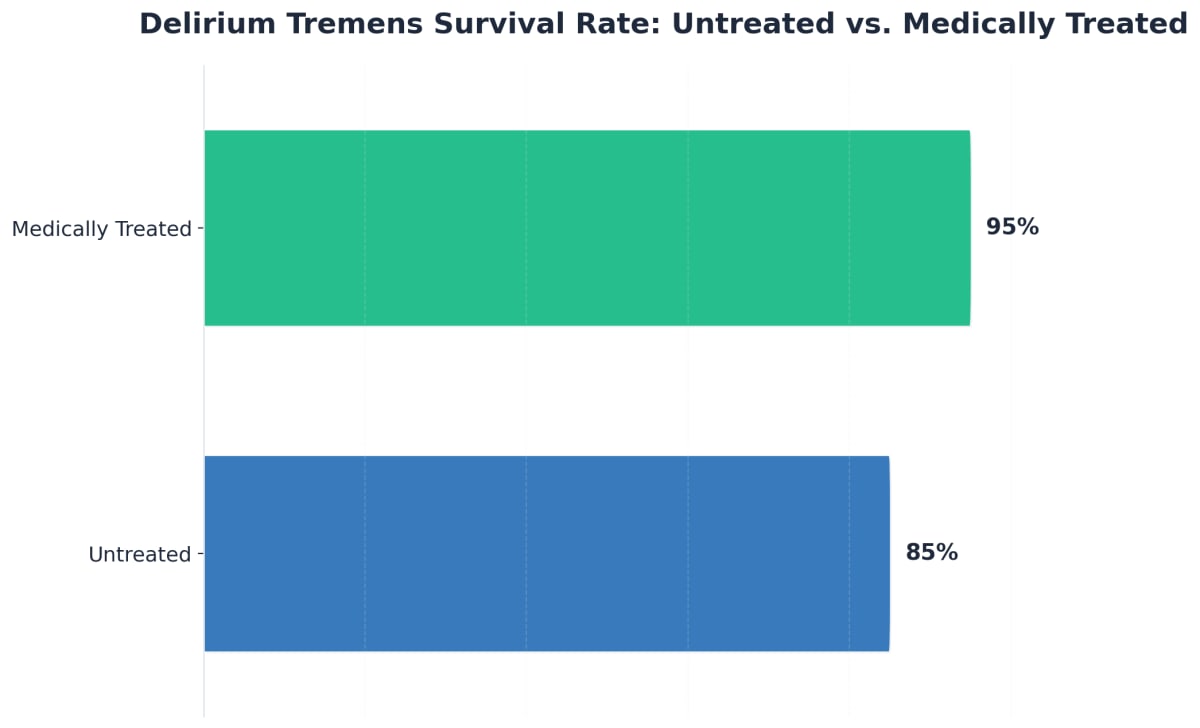
For many individuals in cities such as Akron or Dayton, this is when the risk of delirium tremens (DTs) is at its highest. DTs are a severe complication that can turn life-threatening in a matter of hours if not managed promptly by medical professionals. Ohio clinicians know the sobering reality: untreated DTs have a mortality rate of up to 15%. However, with hospital-level care and vigilant monitoring, survival rates improve dramatically to about 95%.6
That is exactly why state withdrawal management protocols stress around-the-clock supervision and fast response during this phase.2 Yes, it is intense, but every intervention—hydration, medication, and reassurance—keeps you safe. Even if your symptoms seem to plateau or improve, medical teams know the risk can persist into day four and beyond, ensuring you are never left vulnerable.
Protracted Withdrawal: Months Beyond Acute Phase
After the acute phase of alcohol detox, many Ohioans experience what is known as protracted withdrawal. This stage, sometimes called Post-Acute Withdrawal Syndrome (PAWS), can last for weeks or even months—long after the most dangerous physical symptoms have faded.
We see this across the state, from the suburbs of Columbus to the rural corners of the Appalachian region. You might experience ongoing anxiety, irritability, sleep problems, and trouble with memory or concentration. These symptoms aren’t just frustrating; they can feel like setbacks, even when the acute phase went smoothly.
Clinical research confirms that subacute symptoms of PAWS can persist for months, requiring ongoing support and flexibility in your care plan.4 State guidelines encourage continued monitoring and integrated mental health support as a core part of withdrawal management.2
Remember to celebrate each small improvement during this stage. A night of better sleep or a day with fewer mood swings makes a real difference and proves you are healing. Next, we’ll turn to the unique timelines and challenges of opioid detox across Ohio’s regions.
Opioid Detox Timelines in Ohio’s Crisis: How Long Does Detox Take?
Short-Acting vs. Long-Acting Opioid Withdrawal
Across Ohio, opioid detox timelines look completely different depending on the specific type of opioid used. Short-acting opioids, like heroin and many prescription painkillers, tend to trigger withdrawal within 6 to 12 hours after the last dose, with symptoms peaking by day two or three.
For most people seeking help in places like Cincinnati or the Columbus area, physical symptoms—such as nausea, chills, and muscle pain—usually ease within 5 to 7 days. That is a tough stretch, but each day brings progress, even if it’s just a little more comfort or a few hours of restful sleep.
The story changes with long-acting opioids, such as methadone or extended-release oxycodone. Here in Ohio, withdrawal may not start until 24 to 48 hours after the last use, but it can drag on for weeks. In Dayton or the Appalachian region, individuals often struggle with persistent symptoms like fatigue, anxiety, and insomnia long after the acute phase should be over.
This prolonged course can be discouraging, but adjusting your expectations and leaning on your support system is a massive win. State guidelines reinforce that the detox timeline is shaped by the opioid type, your prior medical history, and your access to supervised care.5 Every person’s timeline is unique, but steady, compassionate support makes the process safer and more hopeful.
Medication-Assisted Detox: The Buprenorphine Advantage
Medication-assisted treatment (MAT)—especially with buprenorphine—has completely changed the landscape for opioid withdrawal management in Ohio. Initiating buprenorphine can significantly shorten the most severe phase of withdrawal, particularly for those using heroin or fentanyl in metropolitan areas like Cleveland or the Appalachian region.
Instead of enduring days of relentless symptoms, many patients experience a gentler, safer transition through acute detox. Cravings and physical discomfort are reduced significantly. This doesn’t just ease your suffering; it keeps you engaged and less likely to leave treatment early, which is a huge win for your long-term recovery.
Clinical guidelines now recommend buprenorphine as the first-line treatment for moderate to severe opioid withdrawal, thanks to its proven ability to relieve symptoms and lower the risk of complications.5 Recent Ohio protocols build on this foundation, making it possible to start MAT in both inpatient and outpatient settings, expanding access from Columbus to rural counties.
When you or your family ask about the timeline with buprenorphine protocols, the answer often shrinks from a week or more to just a few days of acute symptoms. This gives you and your care team real hope for a smoother process. Next, we’ll turn to the unique challenges and extended timelines of benzodiazepine and stimulant detox in Ohio.
Benzodiazepine and Stimulant Detox Considerations
Why Benzo Detox Requires Weeks, Not Days
Benzodiazepine detox presents a unique challenge across Ohio, whether you are finding support in the heart of Columbus or in smaller communities around the Buckeye State. Unlike alcohol or short-acting opioids, withdrawal from benzodiazepines requires a much longer timeline—often stretching over several weeks or even months.
This extended timeline is necessary because abrupt cessation can lead to severe symptoms. These include seizures, panic attacks, and dangerous fluctuations in blood pressure, making a slow, medically supervised taper the absolute safest approach.5
In Ohio, clinical guidelines mandate a gradual reduction in dosage, often utilizing micro-titration and close monitoring to minimize risks and support your stabilization at each step.2
You and your family might hope for a quick process, but every week of careful progress is a victory. Even small improvements—like fewer night sweats or better focus—deserve to be recognized and celebrated. Every day of safe tapering is a win for your long-term recovery.
Methamphetamine Withdrawal: The Psychological Timeline
Methamphetamine withdrawal in Ohio brings a timeline that is less about physical discomfort and more about persistent psychological symptoms. Right after acute use stops—whether you are in Cleveland or the Appalachian region—you will likely experience a “crash” marked by exhaustion, depression, and intense cravings.
While physical symptoms like fatigue and sleep disturbance may start to ease within a week, feelings of anxiety, low motivation, and mood swings can linger for several weeks or even months.3
We know how challenging this is. Your recovery journey might feel like a mental marathon rather than a sprint, and that is completely normal. Ohio guidelines stress the importance of ongoing monitoring and integrated mental health care, as the risk of relapse remains high during this extended psychological phase.2
Progress during stimulant detox is measured in steady emotional gains—like improved sleep, a brighter outlook, or feeling a little more connected to your loved ones. Every time you feel a spark of hope, that is a massive win. Up next, let’s look at how Ohio’s medical detox standards and resources help ensure you receive this level of safe, consistent care.
Ohio’s Medical Detox Standards and Resources
State Regulations for Withdrawal Management
State regulations for withdrawal management in Ohio are designed to ensure that every adult in crisis receives the safest, most effective care possible. Whether you are seeking help in a major metro like Columbus or a smaller city in the Appalachian region, these standards protect you.
Ohio Administrative Code Rule 4723-9-14 lays out clear expectations: withdrawal management protocols must be individualized, evidence-based, and delivered by qualified professionals with access to medical oversight at every stage.2
These regulations require that the acute detox phase—which often lasts 3 to 10 days, depending on the substance and your health history—takes place in a setting equipped to handle medical emergencies. This includes round-the-clock monitoring for complications like seizures or delirium tremens when indicated.5
The Ohio approach recognizes the complex realities of addiction. It accounts for substance-specific timelines, co-occurring mental health needs, and the absolute necessity of supporting both your physical and emotional safety. Celebrating each instance when these regulations help create a smoother transition to ongoing care is a win for the entire state.
Ohio’s Progress: 9% Drop in Overdose Deaths
Ohio has seen real, measurable progress in the fight against addiction—a testament to the resilience of individuals like you who choose to seek help. In 2023, Ohio recorded a 9% decline in unintentional drug overdose deaths compared to the previous year, dropping from 4,915 to 4,452 statewide.8
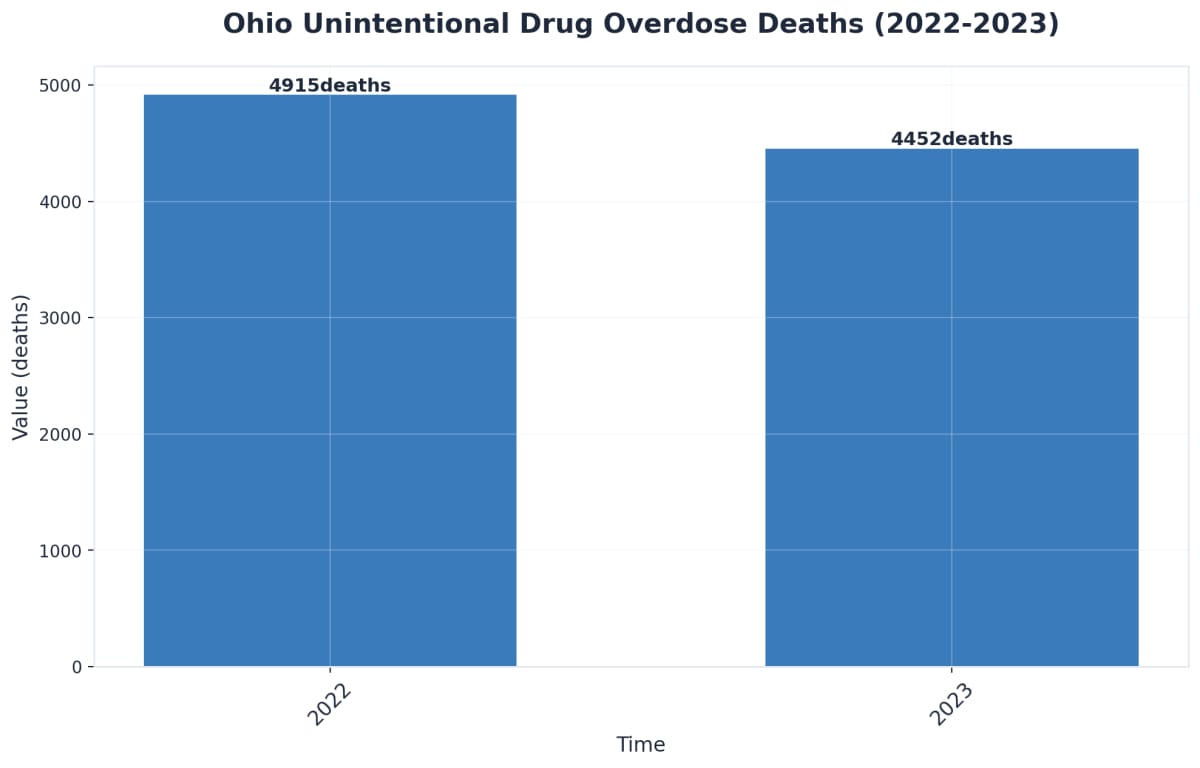
This isn’t just a statistic; it represents thousands of families spared heartbreak in communities from Columbus and Dayton to the Appalachian region. Much of this improvement is tied to expanded access to medical detox, naloxone distribution, and integrated care efforts across Ohio.
Because more people are surviving the acute phase and moving forward into ongoing treatment, there is profound hope for your journey. Statewide initiatives, including training first responders and community education, have played a huge role in making detox safer and more accessible.
Every time someone completes detox and steps into residential care, it proves that recovery is possible. Ohio’s progress is proof that consistent, evidence-based withdrawal management saves lives. Next, let’s look at how to begin your recovery journey in Ohio and connect with the resources you need.
Frequently Asked Questions
What happens if I need to detox from multiple substances at once?
Detoxing from multiple substances at once—known as polysubstance withdrawal—is common across Ohio’s treatment settings, from Columbus to the Appalachian region. The process is more complex than single-substance detox, as symptoms can overlap, intensify, or even mask each other. For example, alcohol and benzodiazepines both carry seizure risks, while opioids and stimulants may have opposite effects on the nervous system. Ohio clinical guidelines require individualized protocols to manage these risks, often involving staggered tapers, careful medication selection, and close monitoring for medical complications 5.
How long does detox take in these cases? The timeline usually matches the slowest-withdrawing substance—sometimes weeks, not days. Every step toward stability is a real victory, even in the face of these challenges.
Can I detox at home in Ohio, or do I need medical supervision?
Detoxing at home in Ohio is rarely recommended due to the serious risks involved—especially with substances like alcohol, benzodiazepines, or opioids. State guidelines require that withdrawal management be medically supervised because symptoms can become life-threatening without professional intervention, even in the first few days 2. You know how unpredictable complications like seizures or delirium tremens can be. While some people may ask, “How long does detox take?” the reality is that a safe detox isn’t just about time—it’s about having the right support and oversight. Every time you help someone choose safety over isolation, you’re making a real difference.
How does Ohio’s naloxone distribution program support people during and after detox?
Ohio’s naloxone distribution program is a major support for people during and after detox, especially in regions hit hard by opioid overdoses like the Appalachian counties and urban centers. By making naloxone widely available—through public health departments, first responders, and community organizations—the state has helped reverse over 20,000 overdoses in 2023 alone 8. Having naloxone on hand gives both individuals and support teams a critical safety net if relapse occurs after detox, reducing the risk of fatal overdose. This program is a reminder that every stage of recovery matters, and that protecting life during vulnerable periods is a real success.
What should I expect after the acute detox phase ends?
After the acute detox phase ends in Ohio, you can expect symptoms to shift from intense physical discomfort to more subtle, lingering challenges like anxiety, sleep troubles, and mood swings. This stage—sometimes called post-acute withdrawal—can last for weeks or even months, especially with substances like alcohol, benzodiazepines, or long-acting opioids 4. Many adults notice emotional ups and downs, low energy, or trouble concentrating. It’s normal for these symptoms to come and go. Ongoing support, regular check-ins, and integrated mental health care are key to steady progress. Every small step—better sleep, a calmer day—counts as a real win during this period.
Are there detox facilities throughout Ohio, or only in major cities?
Detox facilities are available across Ohio, not just in major cities. While the largest concentration is in metro areas like Columbus, Cleveland, and Cincinnati, access has grown in recent years, including more treatment centers in the Appalachian region and smaller communities. Ohio now has over 125 opioid treatment providers—up from just 35 in 2019—reflecting a commitment to statewide access 8. You know how essential it is for people to find care close to home, whether in the suburbs, the rural northwest, or the Southeast Ohio hills. Every new facility means another chance for safe recovery, right where it’s needed most.
How do I know if a facility follows Ohio’s withdrawal management standards?
You can tell if a facility follows Ohio’s withdrawal management standards by checking if they’re licensed and operating under Ohio Administrative Code Rule 4723-9-14. This regulation requires individualized, evidence-based protocols, access to medical supervision, and qualified staff at every level of detox care 2. Ask if their care plans include substance-specific timelines, integrated mental health support, and 24/7 monitoring for complications like seizures or delirium tremens. Facilities should be open about their protocols and able to show compliance with state guidelines. Every time you confirm these details, you help raise the standard of care for adults in crisis across Ohio.
Beginning Your Recovery Journey in Ohio
If you’re in acute crisis right now, you need immediate, safe support—and Arista Recovery in Hilliard is here to help. Located just outside Columbus, our medical detox program provides 24/7 supervised care specifically designed to manage withdrawal symptoms safely and prevent the life-threatening complications that can occur during acute detox. You don’t have to face this alone or wait until tomorrow.
Our Ohio facility understands that an acute crisis requires immediate action. That’s why Arista Recovery offers same-day admissions for medical detox, with specialized clinical protocols for alcohol, opioids (including fentanyl and heroin), benzodiazepines, and other substances.
Our medical team uses evidence-based medication-assisted treatment—including Suboxone, Vivitrol, and Methadone—to ease withdrawal symptoms while keeping you medically stable. If you are also dealing with co-occurring conditions like anxiety, depression, or PTSD, our dual diagnosis approach addresses both simultaneously, giving you comprehensive care from day one.
Taking action right now matters. Call Arista Recovery at our Hilliard location to speak with our admissions team about starting medical detox today. We accept most major commercial insurance, including Aetna, Blue Cross Blue Shield, Cigna, Unicare, and United Healthcare, and we will verify your coverage immediately. From acute detox through residential treatment and aftercare, we will walk with you through every phase of recovery. Your next step is simple: reach out now. Help is available right now—let’s get you safe and stable today.
References
- 2 Settings, levels of care, and patient placement. https://www.ncbi.nlm.nih.gov/books/NBK64109/
- Rule 4723-9-14 – Standards and procedures for withdrawal management for substance use disorder. https://codes.ohio.gov/ohio-administrative-code/rule-4723-9-14
- Treatment for amphetamine withdrawal. https://pmc.ncbi.nlm.nih.gov/articles/PMC7138250/
- Neurobiology and symptomatology of post-acute alcohol withdrawal. https://pmc.ncbi.nlm.nih.gov/articles/PMC9798382/
- Clinical guidelines for withdrawal management and treatment of substance use disorders. https://www.ncbi.nlm.nih.gov/books/NBK310652/
- Delirium tremens: What it is, causes, symptoms & treatment. https://my.clevelandclinic.org/health/diseases/25052-delirium-tremens
- About the ASAM criteria. https://www.asam.org/asam-criteria/about-the-asam-criteria
- Ohio’s overdose deaths drop for second consecutive year. https://governor.ohio.gov/media/news-and-media/governor-dewine-ohios-overdose-deaths-drop-for-second-consecutive-year-outperforming-national-average
- National helpline for mental health, drug, alcohol issues. https://www.samhsa.gov/find-help/helplines/national-helpline
- Pathways to long-term recovery: A preliminary investigation. https://pmc.ncbi.nlm.nih.gov/articles/PMC1852519/
