 Now under new ownership & part of the Arista Recovery Network! For more information,

Key Takeaways for Ohio Families
- Assess Severity First: Use the self-assessment checklist to determine if you need outpatient support or 24/7 medical supervision based on your withdrawal risk.
- Verify Medical Safety: Ensure your chosen facility uses evidence-based protocols like
CIWA-Arand holds valid Ohio state licensing. - Plan Beyond Detox: Detox is only the first step; secure a transition plan to residential or outpatient rehab to reduce the 40-60% risk of relapse.
- Check Insurance Coverage: Marketplace plans in Ohio are required to cover substance use disorder treatment as an essential health benefit.
Understanding Your Alcohol Detox Ohio Needs
Choosing the right path for alcohol detox Ohio starts with understanding what you or your loved one actually needs. Detoxification isn’t a one-size-fits-all process—the level of care required depends on several personal factors that deserve careful consideration before making this important decision.
The substance being used plays a significant role in determining appropriate care. Alcohol and benzodiazepine withdrawal, for example, can produce life-threatening complications that require 24/7 medical supervision. Opioid withdrawal, while extremely uncomfortable, typically presents different medical risks. Understanding these distinctions helps you identify facilities equipped to handle specific withdrawal symptoms safely.
Consider your home environment as well. Do you have a stable, supportive living situation to return to after detox? Are there triggers or stressors that contributed to the dependency in the first place? These factors help determine whether you’d benefit most from inpatient care with round-the-clock support or whether an outpatient program might work for your situation.
Self-Assessment: Determining Your Severity
Before jumping into any alcohol detox Ohio program, it helps to use a quick self-assessment. Use the checklist below to gauge your situation:
- Frequency: How many days a week do you drink?
- Withdrawal: Do you notice symptoms like shaking or sweating if you skip a drink?
- Control: Have you tried to cut back and found it difficult?
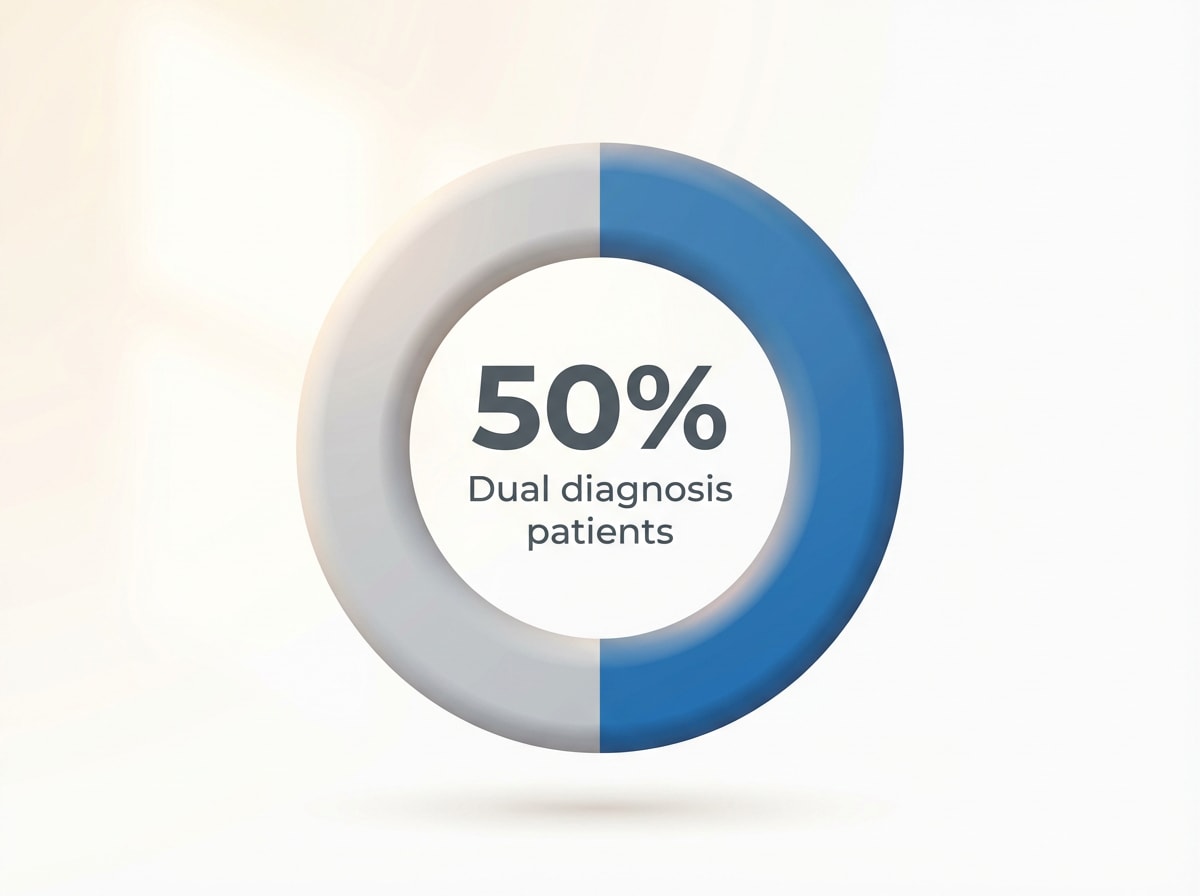
These questions help you notice if your use may be moderate, severe, or somewhere in between. About 50% of people with substance use disorders also have another mental health concern, so being honest about both your physical and emotional health is key4. Tools like this are especially useful for Ohio families deciding if professional support is needed.
Physical Dependence Warning Signs
Physical dependence happens when your body gets so used to alcohol that stopping suddenly leads to uncomfortable symptoms. In Ohio, common warning signs include shakiness, sweating, trouble sleeping, or feeling anxious when you haven’t had a drink.
Sometimes, symptoms get more serious—like confusion, seizures, or seeing things that aren’t there—which means you need medical help right away. Alcohol withdrawal can progress quickly and may even become life-threatening, so spotting these signs early helps you decide if a professional alcohol detox program is the safest route2.
Co-Occurring Mental Health Factors
When thinking about alcohol detox Ohio, it’s important to look at your mental health as well as your drinking habits. Many people in Ohio who need help with alcohol withdrawal also experience depression, anxiety, or post-traumatic stress. In fact, about half of those with a substance use disorder are also dealing with another mental health challenge4.
These co-occurring issues can make detox more complicated, sometimes leading to stronger cravings or mood swings during withdrawal. If you or a loved one has been diagnosed with a mental health condition or notices changes in mood, sleep, or stress along with alcohol use, a program that treats both at once is often the best fit.
ASAM Levels of Care Explained
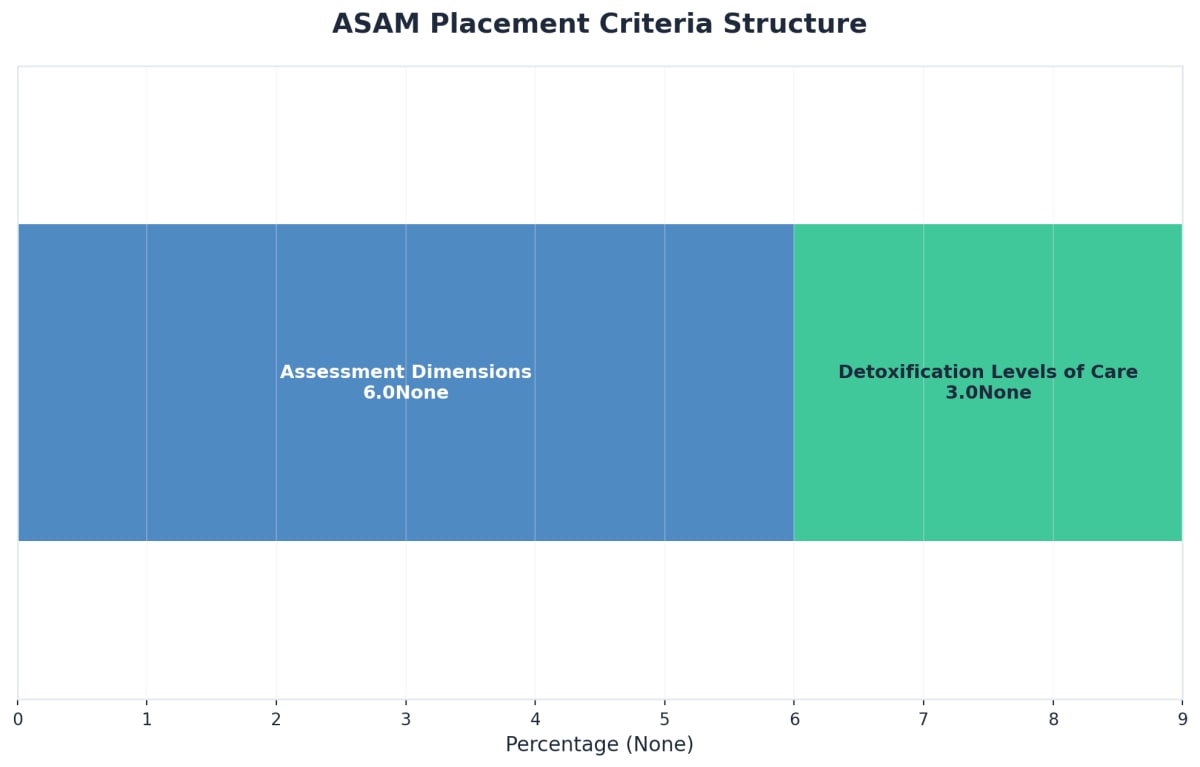
The American Society of Addiction Medicine (ASAM) uses a six-point checklist to help you and your care team choose the right level of help for alcohol detox Ohio. These six areas include withdrawal risk, physical health, mental health, readiness to change, possible relapse, and your living situation.
The table below breaks down the differences between the primary care levels available in Ohio:
| Feature | Ambulatory (Outpatient) | Residential / Inpatient |
|---|---|---|
| Setting | You live at home and visit a clinic for check-ins. | You stay at a facility with 24/7 support. |
| Ideal Candidate | Mild symptoms, strong home support, no major health issues. | Severe symptoms, complicated home environment, or history of relapse. |
| Supervision | Periodic medical checks. | Round-the-clock medical monitoring. |
| Safety | Good for low-risk withdrawal. | Essential for preventing seizures or delirium tremens. |
About half of people with substance use disorder benefit from the integrated care that a residential setting can offer1. Facilities in Ohio follow ASAM guidelines to make sure you receive the safest care, using daily assessments and evidence-based treatments like symptom-triggered medication for alcohol withdrawal.
Essential Medical Standards for Alcohol Detox Ohio
When you’re evaluating detox programs in Ohio, medical standards should be your top priority. A quality facility must have 24/7 medical supervision by licensed professionals who can respond immediately to any complications. Look for programs staffed by physicians, registered nurses, and certified addiction specialists who understand the complexities of withdrawal management.
“Medical assessment should begin before you even arrive. A comprehensive intake evaluation examines your health history, current medications, psychological well-being, and any co-occurring conditions that might affect your detox experience.”
Accreditation matters significantly in your decision. Seek facilities certified by The Joint Commission or licensed by the Ohio Department of Mental Health and Addiction Services. These credentials confirm that a program meets rigorous safety protocols and maintains proper medication management practices. You’ll want to verify that the facility follows evidence-based withdrawal protocols tailored to your specific dependency pattern.
Evidence-Based Withdrawal Management
Evidence-based withdrawal management is the backbone of safe alcohol detox Ohio. The best programs in Ohio start by using structured tools—like the CIWA-Ar (Clinical Institute Withdrawal Assessment for Alcohol)—to measure your symptoms and guide treatment. This helps medical teams spot risks quickly and choose the safest care plan.
For moderate to severe alcohol withdrawal, benzodiazepines are the gold standard for easing symptoms and preventing dangerous problems like seizures and delirium tremens2. Look for programs that use these proven strategies, as they lower the risk of complications and help you feel more comfortable.
CIWA-Ar Assessment Protocol
The CIWA-Ar is a simple scoring tool that helps Ohio detox teams safely manage alcohol withdrawal. This test covers 10 symptoms—like sweating, anxiety, and tremors—each rated on a scale from 0 to 7. Your total score guides doctors in deciding if you need more support or medication. Using this protocol during alcohol detox Ohio means your care is based on real symptoms, which lowers the risk of serious problems and keeps you more comfortable2.
Benzodiazepine Treatment Approaches
Benzodiazepines are the main type of medication doctors use to treat alcohol withdrawal in Ohio detox programs. These medicines help calm your nervous system, lower the risk of seizures, and make withdrawal symptoms less intense. Your care team will choose a specific benzodiazepine—like diazepam or lorazepam—based on your medical needs.
Some programs use a set dosing schedule, while others adjust doses depending on your CIWA-Ar score, which can mean fewer meds and a shorter stay for many people3. This method is especially important for those with severe alcohol withdrawal or complicated health issues.
Staff Credentials and Accreditation
Staff credentials and accreditation are key signs of a trustworthy alcohol detox Ohio program. Start with this quick checklist:
- Are the doctors and nurses licensed in Ohio?
- Does the program have a medical director and addiction specialists on staff?
- Is the facility accredited by CARF or The Joint Commission?
Staff with strong credentials are trained to handle withdrawal management and monitor for any sudden health changes. Accreditation, like CARF or state licensing, shows the program meets strict standards for quality and safety5.
Medical Supervision Requirements
Medical supervision is a must-have for any reliable alcohol detox Ohio program. You want to see doctors and nurses available around the clock, not just during regular hours. This is especially important in Ohio, where withdrawal symptoms can change quickly and sometimes become dangerous.
The best detox centers provide 24/7 medical monitoring—meaning a nurse or doctor is always on-site to check your symptoms and respond to emergencies. If you have a history of severe withdrawal or other health problems, this level of clinical supervision helps keep you safe and comfortable throughout detox1.
Integrated Treatment Components
Once you’ve completed medical detox at an Ohio facility, your treatment journey continues with integrated care that addresses the full scope of your recovery needs. Quality detox centers recognize that medical stabilization is just the first step—comprehensive programs connect you to ongoing treatment that addresses both substance use and any co-occurring mental health conditions that may have contributed to your addiction.
The most effective post-detox programs bring together multiple therapeutic approaches that address psychiatric conditions and addiction simultaneously. Evidence-based therapies form the core of this continuing care:
- Cognitive Behavioral Therapy (CBT): Helps you identify and change thought patterns that contribute to both psychological symptoms and compulsive behaviors.
- Dialectical Behavior Therapy (DBT): Teaches practical skills for managing intense emotions, reducing self-destructive behaviors, and improving relationships.
- Medication Management: A qualified psychiatrist can prescribe medications to stabilize psychiatric conditions while carefully monitoring for interactions with your recovery efforts.
Dual Diagnosis and Trauma-Informed Care
Dual diagnosis and trauma-informed care are two must-haves in any top alcohol detox Ohio program. Ask if the program screens for both mental health conditions and past trauma when you begin treatment. About half of Ohioans seeking help for alcohol use also live with depression, anxiety, or another mental health concern, so these issues need to be treated alongside withdrawal4.
Trauma-informed care is equally important—up to 90% of people in detox report at least one serious trauma in their past7. This approach is ideal for those who want a program that sees the whole person, offering emotional support as well as medical help.
Addressing Co-Occurring Disorders
When you’re exploring alcohol detox Ohio programs, it’s smart to ask if they offer real support for co-occurring disorders—meaning both substance use and mental health conditions are treated together. If you’ve noticed mood swings, trouble sleeping, or ongoing stress, you’re not alone—these issues are common during alcohol withdrawal and can make recovery harder.
Programs that provide dual diagnosis care will have staff trained in both addiction recovery and mental health support, so you get help for all the issues affecting your well-being. This path makes sense for anyone who wants a full recovery plan, not just short-term symptom relief.
Aftercare Planning and Relapse Prevention
Aftercare planning is a core feature of any high-quality alcohol detox Ohio program. Ask if the program helps you set up follow-up therapy, support groups, relapse prevention strategies, and clear next steps before you leave. About 40-60% of people relapse within the first three months after detox, so aftercare is essential—not just an add-on6.
Transition to Residential Treatment
Transitioning to residential treatment is a powerful next step after completing alcohol detox Ohio, especially if you need ongoing support and structure. If you or your loved one have a history of relapse, struggle with cravings, or lack a stable home environment, moving into a residential program can provide the safety and daily guidance needed to maintain progress.
Research shows that people with more severe alcohol use or co-occurring mental health conditions benefit most from stepping up to a higher level of care after detox1,4. Residential alcohol treatment centers in Ohio offer 24/7 supervision, group and individual counseling, and help with relapse prevention skills.
Medication-Assisted Treatment Options
Medication-assisted treatment (MAT) can be a valuable part of your aftercare plan in an alcohol detox Ohio program. MAT uses FDA-approved medicines—like naltrexone, acamprosate, or disulfiram—alongside therapy and support to help reduce cravings and prevent relapse. These medications don’t replace one addiction with another; instead, they support your recovery by giving your brain and body extra help as you adjust to life without alcohol2.
Decision Framework & Action Plan
Choosing the right detox center requires a systematic evaluation process using the medical standards and criteria we’ve established. Begin by creating a checklist from Section 2’s medical protocols—verify that each facility you’re considering offers 24/7 medical supervision, evidence-based medication protocols for withdrawal management, and licensed medical staff experienced in addiction medicine.

Contact facilities directly to confirm their accreditation status through CARF or The Joint Commission, and verify state licensing through your state’s health department website. Schedule in-person tours of your top facility choices and come prepared with specific questions. Ask about their staff-to-patient ratios during different shifts, their protocols for managing medical emergencies, and how they handle co-occurring mental health conditions during detox.
Evaluating Programs in Ohio
Start by using a comparison checklist when evaluating alcohol detox Ohio programs:
- Is the facility licensed in Ohio and accredited by organizations like CARF?
- Does it offer 24/7 medical supervision?
- Are dual diagnosis care and aftercare planning included?
About half of people in detox need treatment for both substance use and mental health, so picking a center with integrated services is especially wise4. Look for care teams trained in alcohol withdrawal management and trauma support—this combination can make recovery smoother.
Insurance Verification and Coverage
To check if an alcohol detox Ohio program fits your budget, start with this insurance coverage checklist:
- Ask if the facility accepts your health insurance.
- Request a verification call or online form.
- Confirm exactly what services are covered—like detox, counseling, and aftercare.
In Ohio, all Marketplace health plans must cover substance use disorder treatment, including detox, as an essential health benefit, and coverage for mental health and substance use services has to be just as strong as coverage for other medical care8.
Your Next 30 Days: Taking Action
Kick off your recovery journey with a focused 30-day action plan for alcohol detox Ohio. Break the month into two phases:
Week 1-2: Research and Consultation
Start your first two weeks with a simple action plan: make a list of the top alcohol detox Ohio programs, then schedule phone calls or virtual consultations with each one. Jot down questions about their detox timeline, staff credentials, medical supervision, and aftercare plans. About 50% of people seeking detox in Ohio also need help with mental health, so ask if dual diagnosis support is available4.
Week 3-4: Admission and Preparation
Now it’s time to move forward with admission and preparation for your alcohol detox Ohio experience. Use this quick checklist:
- Confirm your admission date.
- Gather necessary paperwork (like ID and insurance cards).
- Pack essentials such as comfortable clothing and approved toiletries.
Ask your chosen program about what items to bring and what to leave at home—most Ohio detox centers have specific guidelines to keep everyone safe and comfortable. Remember, programs with strong alcohol withdrawal support and clear detox timelines can make the process smoother for you and your loved ones.
Frequently Asked Questions
When you’re researching detox options in Ohio, you likely have questions about what to expect during this critical first step. Here are answers to some of the most common concerns families and individuals share when considering medical detoxification.
How much does alcohol detox typically cost in Ohio?
The cost of alcohol detox in Ohio can vary based on the type of care you need and your insurance coverage. Outpatient detox programs are usually less expensive than residential or inpatient settings, but exact prices are different from one center to another. Many Ohio families use insurance to help pay for detox services, since all Marketplace health plans must cover substance use disorder treatment—including alcohol detox—as an essential health benefit8. This means most people won’t have to pay the full cost out of pocket, especially if they have health insurance.
Will my insurance cover alcohol detox treatment?
Most health insurance plans in Ohio are required to cover alcohol detox treatment as part of substance use disorder services. Under federal law, all Marketplace insurance plans must treat mental health and substance use services, including alcohol detox Ohio, the same as other types of medical care. This means things like pre-existing condition exclusions or lifetime limits don’t apply, and your plan can’t set stricter rules for detox than for any other covered treatment8.
How long does alcohol detox usually take?
Alcohol detox in Ohio usually takes about 3 to 7 days, but the exact length depends on your health, drinking history, and how your body responds to stopping alcohol. Most people feel the worst withdrawal symptoms within the first 48 to 72 hours, and these symptoms can include shaking, anxiety, or trouble sleeping. If you have a more severe alcohol use disorder or other health concerns, the detox process may last a bit longer, especially if medical supervision is needed for safety2.
Can I detox at home, or do I need a medical facility?
Detoxing from alcohol at home may sound appealing, but it can be risky—especially if you’ve had withdrawal symptoms like shaking, sweating, or confusion in the past. However, most people benefit from starting in a medical facility, since withdrawal can get dangerous quickly. Severe symptoms such as seizures or hallucinations can develop with little warning, and having medical supervision keeps you safe2.
What happens if I relapse after completing detox?
Relapsing after alcohol detox Ohio can feel discouraging, but it’s much more common than most people think—about 40-60% of people experience relapse within three months after detox is finished6. Remember, recovery is a process, not a straight line. If you return to drinking, it doesn’t mean you’ve failed or that detox didn’t work. Instead, it’s a signal that you may need extra support, like counseling, relapse prevention training, or medication-assisted treatment.
How do I know if a detox program is properly licensed in Ohio?
To know if an alcohol detox Ohio program is properly licensed, ask the center to show proof of their Ohio state license and check if they’re listed on the state’s official treatment provider directory. Licensed detox programs must meet state safety, staffing, and clinical supervision standards. Many top programs also hold national accreditation, such as CARF, which means they’ve passed extra quality checks5.
Can I bring my cell phone and personal belongings to detox?
Most alcohol detox Ohio programs have clear rules about cell phones and personal items. In many centers across Ohio, you may need to store your cell phone securely or use it only at certain times, to help you focus on recovery and keep everyone safe. Personal belongings like clothing, toiletries, and a favorite book are usually allowed, but items that could distract or trigger others—such as electronics or valuables—might be restricted.
What if I have other health conditions or take prescription medications?
If you have other health conditions—like diabetes, heart issues, or take prescription medications—be sure to share this with your alcohol detox Ohio care team right from the start. Quality detox centers in Ohio will review your full medical history and current medications so they can create a safe, personalized treatment plan. Many people starting alcohol withdrawal are already taking medicines for other health problems, and your detox team will work closely with you and your doctors to avoid harmful drug interactions or complications2.
Will my employer or family find out I’m in detox?
Your privacy is protected when you enter an alcohol detox Ohio program—facilities are required by law to keep your health information confidential. In Ohio, detox centers follow strict rules from HIPAA (the Health Insurance Portability and Accountability Act), which means they cannot share details about your treatment with your employer, family, or anyone else without your written permission.
What’s the difference between detox and rehab?
Detox and rehab are two different parts of recovery, but many people mix them up. Alcohol detox Ohio focuses on helping you safely stop drinking and manage withdrawal symptoms, usually with medical supervision and support for a few days. Rehab, short for rehabilitation, is a longer process that starts after detox. It includes therapy, counseling, and skill-building to help you understand addiction, build new habits, and plan for long-term recovery2.
Are there detox programs specifically for women or veterans in Ohio?
Yes, there are alcohol detox Ohio programs tailored specifically for women and veterans. Many centers in Ohio offer gender-specific tracks or veteran-focused services, recognizing that unique experiences—such as trauma history or military service—can shape recovery needs. Up to 90% of people seeking help for substance use have a history of trauma, so trauma-informed care is a big part of these specialized programs7.
What should I pack or bring when I check into detox?
When preparing for alcohol detox Ohio, pack light and stick to the basics. Most Ohio detox programs recommend bringing comfortable clothing, approved toiletries (like toothbrush, toothpaste, and shampoo), a list of current medications, and your insurance or ID cards. Leave valuables, sharp objects, and anything not allowed by the program at home—every center has its own list of approved and restricted items, so check with staff before you pack2.
Can family members visit during detox treatment?
Family visitation during alcohol detox Ohio depends on the program’s specific rules and your care needs. Many Ohio detox centers allow family visits, but they might have set hours or limit visitors during the first phase to make sure you can focus on withdrawal management and recovery. Programs focused on trauma-informed care often encourage family involvement, since supportive relationships can help with healing and relapse prevention7.
What if I’ve tried detox before and it didn’t work?
If you’ve tried alcohol detox Ohio before and didn’t reach your goal, you’re not alone—many people need more than one attempt to find lasting recovery. Research shows that about 40-60% of individuals relapse within three months after detox, which is why ongoing support and aftercare planning are so important6.
Beginning Your Recovery Journey in Ohio
Choosing the right detox center is the critical first step in your recovery journey—and that decision deserves careful consideration. As you evaluate your options across Ohio, prioritize facilities that offer 24/7 medical supervision, hold current accreditation from recognized bodies like JCAHO or CARF, conduct comprehensive personalized assessments before admission, and maintain clear emergency protocols for withdrawal complications.
It’s important to understand that detoxification is a medical process, not simply a matter of willpower. Attempting to withdraw from alcohol, benzodiazepines, or opioids without professional supervision can lead to severe health consequences, including seizures, cardiac events, and other dangerous complications. Professional detox centers provide the medical monitoring, symptom management, and emergency intervention that make withdrawal both safer and more comfortable.
Whether you’re in Columbus, Cleveland, Cincinnati, or any community throughout Ohio, accredited detox facilities are available to provide the specialized care you need. Many centers offer free assessments to help you understand your specific needs and determine the appropriate level of care. This initial evaluation is an opportunity to ask questions about their medical protocols, staff credentials, insurance acceptance, and transition planning to ongoing treatment.
Your path to lasting wellness begins with this essential first step. If you or a loved one is struggling with substance dependence, contact accredited detox centers today to schedule a confidential assessment. The compassionate professionals at these facilities understand what you’re facing and can guide you through the withdrawal process safely, setting the foundation for comprehensive treatment and long-term transformation.
References
- Settings, Levels of Care, and Patient Placement – ASAM Criteria (NIH/NCBI). https://www.ncbi.nlm.nih.gov/books/NBK64109/
- Alcohol Withdrawal Syndrome – StatPearls (NIH/NCBI). https://www.ncbi.nlm.nih.gov/books/NBK441882/
- Alcohol Withdrawal Syndrome: Benzodiazepines and Beyond – PMC (NIH). https://pmc.ncbi.nlm.nih.gov/articles/PMC4606320/
- SAMHSA’s National Helpline – Treatment Referral and Information Service. https://www.samhsa.gov/find-help/helplines/national-helpline
- CARF International – Independent Nonprofit Accreditor. https://carf.org
- Addiction Relapse Prevention – StatPearls (NIH/NCBI). https://www.ncbi.nlm.nih.gov/books/NBK551500/
- Study Protocol: Implementing and Evaluating Trauma-Informed Care – PMC (NIH). https://pmc.ncbi.nlm.nih.gov/articles/PMC10572352/
- Mental Health & Substance Abuse Coverage – Healthcare.gov. https://www.healthcaregov/coverage/mental-health-substance-abuse-coverage/
- Barriers to Broader Use of Medications to Treat Opioid Use Disorder – NCBI. https://www.ncbi.nlm.nih.gov/books/NBK541389/
- Summary of Evidence – Inpatient and Outpatient Treatment – NCBI. https://www.ncbi.nlm.nih.gov/books/NBK507689/
