 Now under new ownership & part of the Arista Recovery Network! For more information,

Key Takeaways
- Definition: Outpatient treatment is a flexible level of care that allows you to receive professional addiction and mental health support while continuing to live at home.
- It empowers you to practice new coping skills in your everyday environment, keeping you connected to your family, work, and community.
- Programs range from highly structured Partial Hospitalization Programs (PHPs) to standard weekly therapy sessions, adapting to your specific needs.
- Evidence-based therapies, like Cognitive Behavioral Therapy (CBT) and family counseling, form the core of the healing process.
- Who it’s for: This approach is most relevant for individuals who have a stable home environment and do not require 24/7 medical supervision, or those stepping down from residential care.
What Is Outpatient Treatment Really?
Core Definition and Treatment Philosophy
If you are exploring your recovery options and wondering exactly what is outpatient treatment, imagine a bridge instead of a wall. Outpatient treatment is a way for people to get professional help for addiction or mental health challenges while they keep living at home and stay connected to their daily routines. Instead of moving away from your family, work, or community, you walk across that bridge to get support and return home each day.
The goal of outpatient care is to help you learn new skills, manage your symptoms, and build a strong support network right where your real life happens.
The philosophy behind outpatient care is focused entirely on real-life recovery. This means helping you practice healthy habits, handle triggers in your own environment, and rely on community support. Outpatient programs come in many shapes—including group therapy, individual counseling, and education about substance use—so your care can be tailored exactly to your needs. Research shows that for most people, intensive outpatient programs work just as well as inpatient treatment, especially when there is no need for 24-hour medical supervision1.
Yes, it can be tough to balance treatment with life’s everyday challenges, but every single step forward counts! Next, we will look at how outpatient care stands apart from residential treatment and how both play a vital role in your recovery journey.
How It Differs From Residential Care
To understand how outpatient care stands apart from residential treatment, picture two different paths on the exact same recovery journey. In outpatient care, you return home after each session, keeping your daily life mostly intact. With residential care, you live full-time at a treatment center, away from home, work, or school.
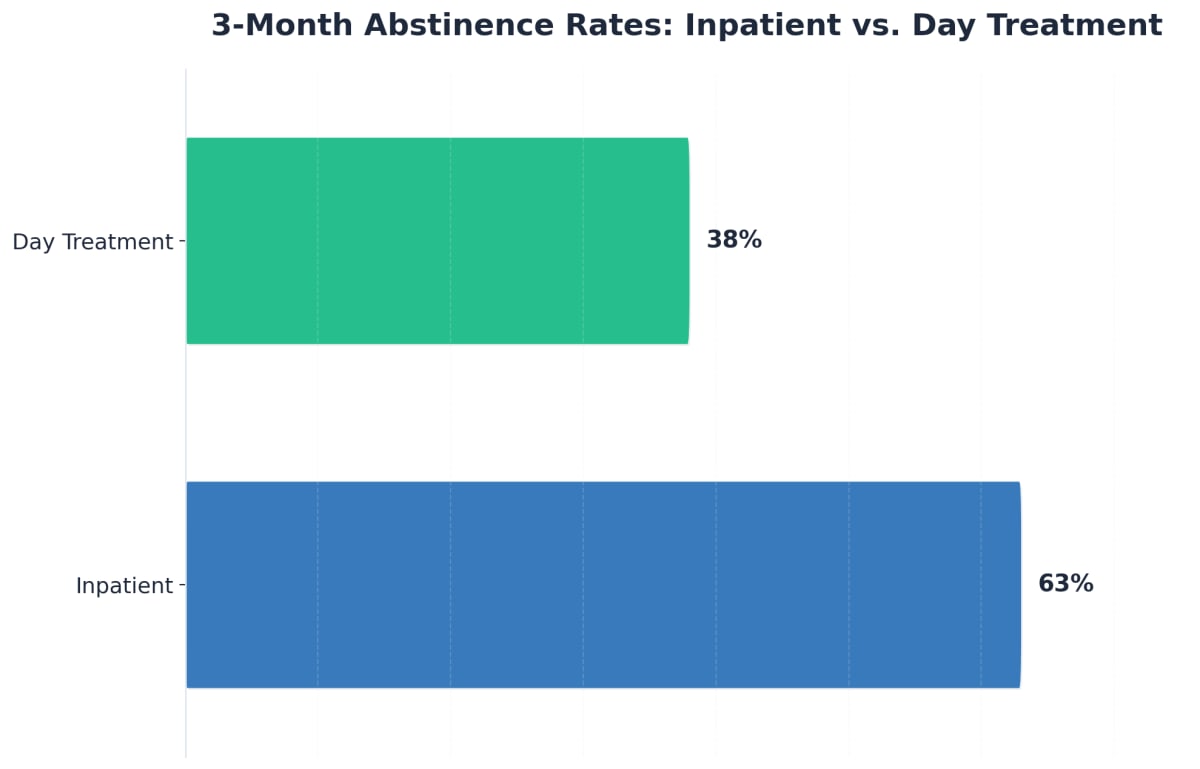
Residential care is like pressing pause on life, giving you round-the-clock support when you are most vulnerable. Outpatient care, on the other hand, is more like hitting play—letting you practice new coping skills in real time while still getting expert support from professionals.
| Feature | Outpatient Care | Residential Care |
|---|---|---|
| Living Situation | Return home after sessions | Live full-time at the facility |
| Supervision Level | Support during scheduled hours | 24/7 medical and clinical monitoring |
| Daily Routine | Maintains work, school, or family duties | Fully immersive, structured environment |
| Best For | Stable home environments, stepping down from detox | Acute crisis, severe withdrawal, need for safety |
The main difference comes down to supervision. Outpatient treatment relies on your ability to manage daily triggers and responsibilities, using therapy as a tool you bring back to your regular environment. Residential care provides a safe, controlled setting for those who need extra structure or medical monitoring. Research shows that for many people, especially those who don’t require 24-hour medical help, both outpatient and residential programs can lead to similar improvements in substance use and long-term recovery1.
Choosing between these options depends entirely on your unique needs, strengths, and risks. Next, you’ll explore the different levels of outpatient care, from the most intensive to the more flexible options.
The Spectrum of Outpatient Care Levels
Partial Hospitalization Programs
Partial Hospitalization Programs, often called PHPs, are the most intensive form of outpatient care on the spectrum. Think of PHP as a “day hospital”—you come in for treatment most of the day, several days a week, but you get to go home in the evenings. This allows you to get high-level support and structure without moving into a facility full-time. It is a fantastic fit for individuals who need more care than standard outpatient therapy provides but are stable enough not to require 24-hour supervision.
In a PHP, your schedule is similar to a regular workday, which helps you keep some of your routines while focusing heavily on recovery. A typical day might include:
- Individual therapy sessions
- Medical check-ins and medication management
- Skill-building workshops
- Group support sessions
Usually lasting five to six hours a day, this level of care is highly effective. For example, someone in early recovery from opioid use disorder might start with PHP to safely manage cravings and mental health symptoms before stepping down to less intensive care2.
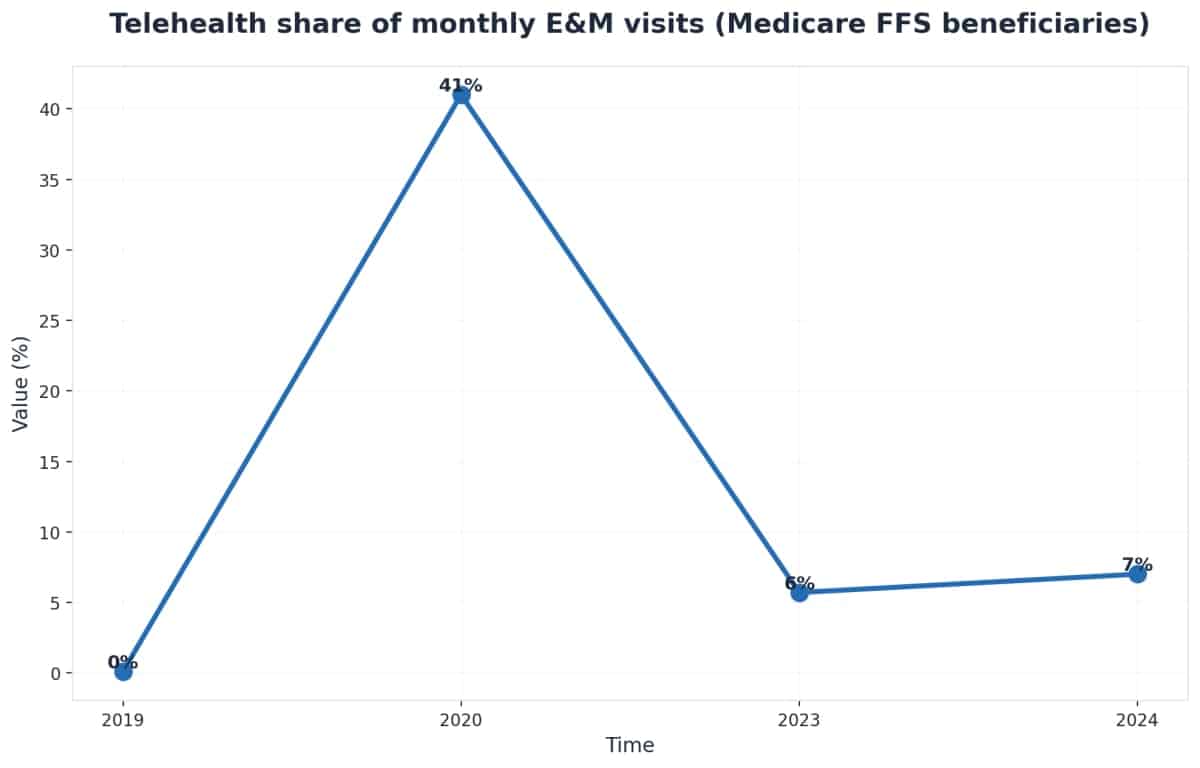
Recent changes have made PHPs more accessible, with Medicare and many private insurers now recognizing and covering these programs4. This matters deeply in Ohio, where access to different levels of care can help tackle rising addiction rates and support people in staying connected to their local communities.
Intensive and Standard Outpatient Models
On the outpatient care spectrum, intensive outpatient programs (IOPs) and standard outpatient programs offer different levels of support for people working toward recovery. Think of IOPs as the middle ground between day-long partial hospitalization and the most flexible outpatient care.
Understanding Intensive Outpatient Programs (IOPs)
In an IOP, you might attend therapy or group sessions for three to four hours a day, several days a week, but still return home at night. This setup gives you a strong support system while allowing you to handle responsibilities like work or family. For example, you might take part in group therapy three evenings a week after your job, so you are building coping skills without putting your life on hold.
Understanding Standard Outpatient Programs
Standard outpatient programs are even more flexible. These might involve weekly or twice-weekly therapy sessions, either individually or in groups. This approach works beautifully for those who need ongoing support but are stable enough not to require daily or near-daily care.
The main goal with both models is to help you practice healthy habits and manage triggers in your real-life environment. Research confirms that outpatient treatment—especially in IOPs—can be just as effective as inpatient care for many people, leading to similar improvements in substance use and quality of life1.
Evidence-Based Therapies in Action
Cognitive and Behavioral Approaches
Cognitive and behavioral therapies are at the absolute heart of many outpatient treatment programs. Imagine your thoughts and actions as gears in a machine—sometimes, they get stuck in patterns that keep addiction or mental health struggles going. Cognitive Behavioral Therapy (CBT) is designed to help you spot those unhelpful patterns and learn new, empowering ways to respond.
In a typical outpatient setting, you might work with a therapist to figure out what thoughts trigger cravings or negative moods. For example, if stress after work leads to the urge to use substances, CBT helps you notice that trigger and practice healthier coping skills, like calling a friend or taking a walk. You will learn to challenge negative self-talk and celebrate your progress, no matter how small. Research has shown that CBT is especially effective for substance use disorders, helping people stay sober and manage setbacks3.
Other approaches, like Dialectical Behavior Therapy (DBT), build on these ideas by teaching mindfulness and emotional regulation. These therapies help you handle the ups and downs of recovery in real time, making them a strong fit for outpatient care.
Family Therapy and Support Systems
When you look at outpatient treatment, one of its greatest strengths is the way it brings families and support networks into the healing process. Think of recovery like building a new house after a storm. It takes more than just the person in recovery—having family, friends, or trusted supporters by your side gives you extra hands to lift the heavy beams and steady the walls.
Family therapy isn’t just about talking through problems. It creates a safe space for everyone to share feelings, rebuild trust, and learn healthier ways to communicate. For example, a parent might learn how to set healthy boundaries, or a partner might discover new ways to offer encouragement instead of criticism. These changes can make home life less stressful and more supportive for everyone involved.
Research shows that involving family members in treatment leads to stronger, longer-lasting recovery outcomes—sometimes even up to 18 months after treatment ends9. In outpatient programs, families may join regular therapy sessions, attend educational groups, or connect with local support resources. In Ohio, where close-knit communities are common, this kind of teamwork can be especially powerful for recovery. Your support system doesn’t have to be just family, either. Friends, mentors, and peer groups all count!
What Is Outpatient Treatment and Why It Works
When you are in the grip of active addiction and withdrawal symptoms are overwhelming, you need more than flexibility—you need safety. Medical detox and residential treatment work because they provide exactly what your body and mind need most during that critical time: 24/7 medical supervision, a structured environment free from triggers, and comprehensive support when you are most vulnerable. This isn’t about convenience; it is about creating the safest possible foundation for your recovery journey.
Medical detox works because it addresses the physical reality of withdrawal head-on. When you stop using substances after prolonged addiction, your body goes through significant changes that can be uncomfortable, dangerous, or even life-threatening without proper medical care. At Arista Recovery in Hilliard, Ohio, you will have medical professionals monitoring your vital signs around the clock, managing symptoms with appropriate medications, and ensuring your safety through every stage of withdrawal. Whether you are detoxing from alcohol, opioids, benzodiazepines, or other substances, you are not facing this alone or trying to push through dangerous symptoms at home.
The transition from detox to residential treatment is where real transformation begins. Once your body has stabilized, residential care provides the protected space you need to focus entirely on healing—no work stress, no access to substances, no familiar triggers pulling you back into old patterns. You are living in a supportive community where everyone understands what you are going through because they are walking the same path. This immersive environment allows you to build recovery skills without the distractions and pressures of daily life that often derail early sobriety attempts.
Evidence-based therapies like cognitive behavioral therapy and dialectical behavior therapy form the backbone of residential treatment. During your stay, you will work with counselors to identify the thought patterns and emotional triggers that fuel substance use, develop healthier coping strategies, and build the emotional regulation skills that support long-term sobriety. You will also benefit from medication-assisted treatment options when appropriate, with medications like Suboxone, Vivitrol, or Methadone reducing cravings and supporting your recovery while you focus on therapy and healing.
Group therapy sessions in residential treatment create powerful connections with others who truly understand your struggles. When you hear someone share an experience that mirrors your own, you realize you are not alone in this journey. These peer relationships become a vital support network that often extends well beyond your time in treatment. In Ohio’s recovery community, these connections can be especially meaningful as you build the foundation for your new life.
Residential treatment also addresses co-occurring mental health conditions that often accompany addiction. If you are struggling with PTSD, depression, anxiety, bipolar disorder, or other mental health challenges, you will receive integrated dual diagnosis treatment that addresses both conditions simultaneously. This comprehensive approach recognizes that lasting recovery requires healing the whole person—not just addressing substance use in isolation.
Family involvement strengthens your recovery foundation even while you are in residential care. Your loved ones can participate in family therapy sessions, learning how to support your recovery while setting healthy boundaries. This healing extends beyond you as an individual—it strengthens the entire family system that will surround you when you return home.
The structure and safety of medical detox followed by residential treatment give you what you need most right now: time and space to heal without the constant threat of relapse. This protected environment allows you to build the skills, connections, and confidence you will need when you transition to outpatient aftercare and return to your daily life. Recovery starts with getting medically stable and safe—everything else builds from there.
Frequently Asked Questions
How long does outpatient treatment typically last?
How long you spend in outpatient treatment really depends on your situation. Most people attend for at least 8 to 12 weeks, but some continue for several months or longer if extra support is needed. Research shows that staying engaged in care for at least 90 days is usually linked to better outcomes—think of it like giving your brain and habits time to really change 2. The length can be flexible, with sessions becoming less frequent as you get stronger in your recovery. Remember, what is outpatient care is designed to fit real life, so treatment can be adjusted as your needs change. Every week you stick with it is progress.
Will my insurance cover outpatient treatment in Ohio?
Most health insurance plans in Ohio, including those from the Health Insurance Marketplace, are required to cover what is outpatient treatment for substance use and mental health conditions as an essential health benefit. This means your insurance should help pay for services like therapy, group sessions, and even intensive outpatient programs. Coverage details can vary, so it’s important to check with your insurance provider about copays, deductibles, and specific approved providers. Medicare now also covers intensive outpatient services, making care more accessible for those who qualify 45. If you ever feel unsure, you’re not alone—reaching out to a local treatment center or your insurance company can help you understand your options.
Can I work or go to school while attending outpatient treatment?
Yes, you can work or go to school while attending what is outpatient treatment. Outpatient programs are designed to fit into your real life, not take you away from it. Many people schedule their therapy sessions in the mornings, evenings, or even on weekends so they can keep up with classes or job shifts. This flexibility is one of the main reasons outpatient care is so effective for long-term recovery—because you get to practice new coping skills in your everyday environment and stay connected to your responsibilities 1. If you ever feel overwhelmed, remember that adjusting your schedule is normal, and every small step forward is progress.
What happens if I relapse during outpatient treatment?
If you relapse during what is outpatient treatment, you are not alone—relapse is a common part of recovery for many people, with studies showing 30% to 50% of individuals may return to substance use after treatment 8. This doesn’t mean you’ve failed. Instead, it’s a signal that more support, a different strategy, or a temporary increase in care might be needed. Your treatment team will work with you to adjust your plan, explore what led to the setback, and help you build stronger coping skills. Every time you reach out after a relapse, you’re choosing progress over shame.
Is telehealth outpatient treatment as effective as in-person sessions?
Yes, telehealth outpatient treatment can be just as effective as in-person sessions for many people. Research shows that the core elements of what is outpatient care—like therapy, group support, and skill-building—can be delivered successfully through video calls or secure online platforms. This remote approach helps break down barriers such as transportation and privacy concerns, making it easier for Ohio residents in rural or underserved areas to access support 4. Of course, some may still prefer face-to-face sessions, especially if they need hands-on care or struggle with technology. Try different options if you can—finding what works best for you is a win in itself.
Do I need to complete detox before starting outpatient treatment?
You usually need to complete detox before starting what is outpatient treatment, especially if you are physically dependent on substances like alcohol, opioids, or benzodiazepines. Detox is the process where your body clears these substances, often with medical support, to safely manage withdrawal symptoms. This step helps make sure you’re stable enough for outpatient care, where you’ll be learning new skills and facing triggers in daily life. Trying to start outpatient treatment while still going through withdrawal can make it much harder to focus or stay engaged. Clinical guidelines recommend matching the treatment setting to your needs, and safely completing detox first improves success rates in outpatient programs 10.
Finding the Right Path Forward in Ohio
Taking the next step toward recovery during an acute crisis can feel overwhelming—especially when you are struggling with severe withdrawal symptoms or concerned about your safety during detox. But here is the truth: you do not have to figure this out alone. Arista Recovery in Hilliard, just outside Columbus, offers the medical supervision and compassionate support you need during this critical time.
When you are searching for crisis-level care in the Columbus area or throughout Ohio—from Cleveland to Cincinnati, Dayton to Akron—consider what matters most during this vulnerable moment. Do you need 24/7 medical supervision during withdrawal? Are you concerned about safety during detox, especially from alcohol or benzodiazepines? Do you need dual diagnosis care for co-occurring mental health conditions like anxiety, depression, or PTSD that might complicate your withdrawal?
Arista Recovery provides comprehensive medical detox and residential treatment designed specifically for these acute situations. Our team understands that crisis doesn’t wait, and neither should access to care. We accept major insurance including Aetna, Blue Cross Blue Shield, Cigna, and United Healthcare, making quality treatment accessible when you need it most. If you are in crisis right now, reach out today—call our admissions team to discuss your situation, verify your insurance, and begin the path to safety and healing. You have already shown tremendous courage by recognizing you need help. That is the most powerful step, and we are here to walk alongside you through what comes next.
References
- Substance Abuse Intensive Outpatient Programs: Assessing the Evidence. https://pmc.ncbi.nlm.nih.gov/articles/PMC4152944/
- Intensive Outpatient Treatment and the Continuum of Care. https://www.ncbi.nlm.nih.gov/books/NBK64088/
- An Evaluation of Cognitive Behavioral Therapy for Substance Use Disorders. https://pmc.ncbi.nlm.nih.gov/articles/PMC10572095/
- CMS Billing Requirements for Intensive Outpatient Program Services. https://www.cms.gov/files/document/mm13496-billing-requirements-intensive-outpatient-program-services-new-condition-code-92.pdf
- Mental Health & Substance Abuse Coverage. https://www.healthcare.gov/coverage/mental-health-substance-abuse-coverage/
- SAMHSA National Helpline. https://www.samhsa.gov/find-help/helplines/national-helpline
- Improved Quality of Life Following Addiction Treatment. https://pmc.ncbi.nlm.nih.gov/articles/PMC6780566/
- Long-Term Outcomes of Adolescent Outpatient Treatment for Substance Use Problems. https://pmc.ncbi.nlm.nih.gov/articles/PMC11665878/
- Family Involvement in Treatment and Recovery for Substance Use Disorders. https://pmc.ncbi.nlm.nih.gov/articles/PMC8380649/
- About the ASAM Criteria. https://www.asam.org/asam-criteria/about-the-asam-criteria
