 Now under new ownership & part of the Arista Recovery Network! For more information,

Key Takeaways: Your Path to Safety
- Medical Necessity: Unsupervised detox from alcohol or opioids can be life-threatening; medical supervision reduces risks of seizures and complications.
- Regional Resources: Ohio offers specific protections (FMLA) and funding (Medicaid/RecoveryOhio) to make treatment accessible.
- Decision Framework: Use the severity of your physical dependence to choose between inpatient (residential) and outpatient care.
- Immediate Action: Contacting a provider like Arista Recovery for a benefits check is the first, no-obligation step to understanding your costs.
Understanding Safe Detox in Ohio
Safe detox Ohio is the medically supervised process of removing substances from the body while managing withdrawal symptoms in a controlled environment. Throughout the state, where addiction continues to impact thousands of families—with over 5,000 overdose deaths reported annually—understanding what makes detox safe can be the difference between a successful recovery journey and a dangerous setback.
When you stop using drugs or alcohol after prolonged use, the body goes through withdrawal. These symptoms can range from uncomfortable to life-threatening, depending on the substance and duration of dependency. Alcohol, benzodiazepines, and opioids each create unique withdrawal challenges that require different medical approaches.
“Attempting to detox alone—often called ‘going cold turkey’—can be both ineffective and dangerous. Safe detox means having access to 24/7 medical monitoring, medication-assisted treatment when appropriate, and a team trained to respond to complications.”
Licensed detox facilities in Ohio follow evidence-based protocols proven to reduce risks and increase comfort. You’ll have nurses and doctors who understand the physical and emotional challenges at hand, adjusting treatment plans as individual needs change. The goal isn’t just to get substances out of the system—it’s to prepare you for the next phase of recovery.
During detox, you’ll begin learning about addiction, developing coping strategies, and connecting with resources that support long-term sobriety. Safe detox creates a foundation of stability that makes ongoing treatment more effective, giving you the best possible start on this path to recovery.
Why Medical Supervision Matters
Having medical supervision during detox is essential because withdrawal can bring on serious symptoms that are hard to predict. In a safe detox Ohio setting, doctors and nurses monitor your vital signs, give medications to relieve discomfort, and catch problems early—like high blood pressure, seizures, or dehydration—that you might not notice on your own.
National guidelines confirm that unsupervised detox increases the risk of relapse, overdose, and even death, especially if you’re not followed by ongoing treatment6. If you’re worried about the safety of detoxing alone, know that Arista Recovery is ready to provide the support and expertise you need.
The Science Behind Withdrawal
Withdrawal is what happens when your body, used to a substance like alcohol or opioids, suddenly stops getting it. Imagine your body has been depending on these chemicals to function—so when they’re gone, it scrambles to adjust.
Symptoms can show up as early as 8 hours for alcohol or 12-48 hours for long-acting opioids, and might include shaking, sweating, anxiety, or even nausea and vomiting9, 10. These reactions can last days or even weeks, and the severity depends on the type of substance, how long you’ve used it, and your overall health.
Life-Threatening Risks Without Care
Trying to detox on your own—without professional help—can put your life in real danger. Serious risks include seizures, heart problems, dehydration, or even death, especially with alcohol or benzodiazepine withdrawal.
About 1–20% of people who go through severe alcohol withdrawal without care may develop delirium tremens, a life-threatening condition marked by confusion, shaking, and hallucinations9. For opioid withdrawal, unsupervised detox also brings a high chance of relapse, which can lead to accidental overdose if your body’s tolerance drops6.
Ohio’s Overdose Landscape in 2025
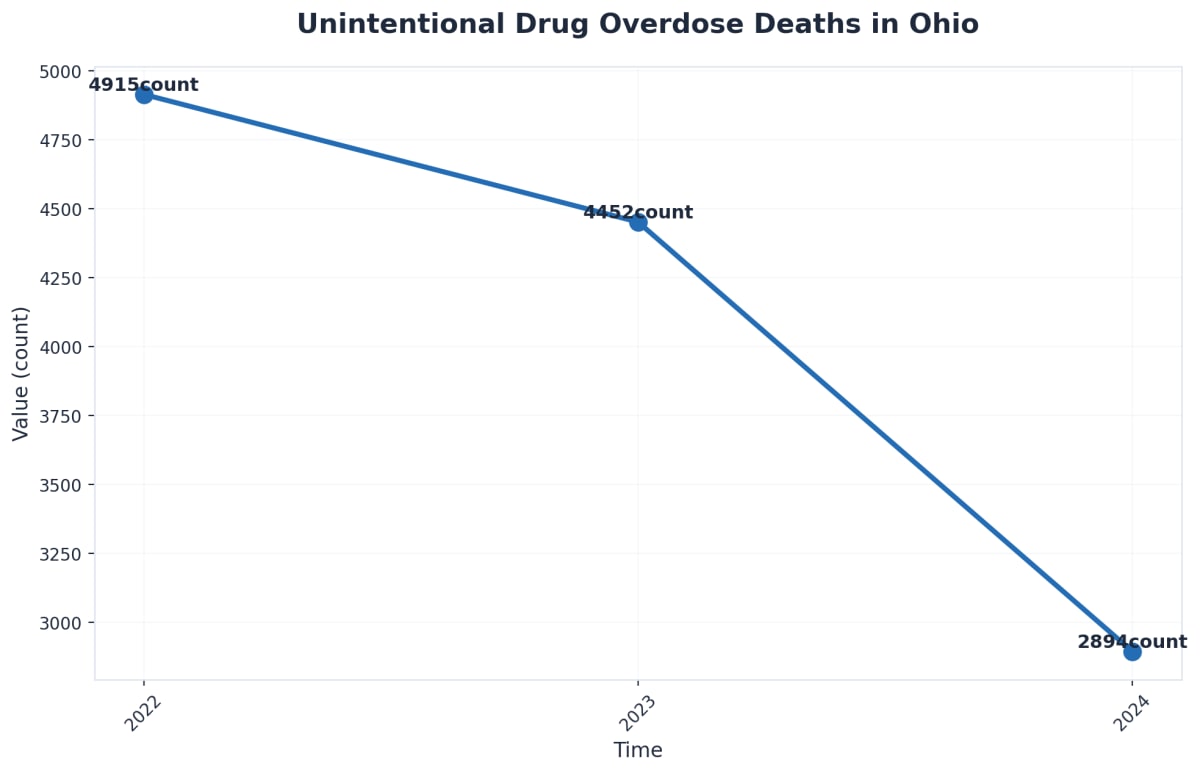
Ohio’s overdose crisis is changing, and so are the solutions. In 2023, the state saw 4,452 unintentional drug overdose deaths—a 9% drop from the year before, outpacing the national average decline of just 2%1. Still, fentanyl remains a huge threat, showing up in 78% of overdose deaths.
This path makes sense for families trying to understand why safe detox Ohio is so vital: progress is real, but the dangers haven’t disappeared. More detox centers now use evidence-based care and medication-assisted treatment to boost safety and recovery odds.
Progress and Persistent Challenges
Ohio has made real gains in reducing overdose deaths. Expanded access to medication-assisted treatment and community programs has helped more people start their recovery. However, many families still struggle to find local, trusted detox resources1. Arista Recovery stays on the front lines, working with Ohioans to bridge gaps in care and support.
Fentanyl’s Grip on Communities
Fentanyl continues to shape Ohio’s overdose crisis, touching nearly every corner of the state. In 2023, fentanyl was found in 78% of unintentional drug overdose deaths in Ohio, making it the single biggest driver of fatal overdoses1.
Choosing a medically supervised detox center like Arista Recovery gives you immediate access to expert care, keeping you safe while your body adjusts. This method works when you need strong protection against relapse or complications linked to fentanyl.
Self-Assessment: Is Detox Right for You?
Before entering a detox program, it’s important to honestly evaluate your relationship with substances. This self-assessment can guide your decision about whether detoxification is the right next step for your recovery journey.
Ask yourself these key questions:
- Have you tried to quit or cut back on your own without success?
- Do you experience physical symptoms like shaking, sweating, or nausea when you stop using?
- Has your relationship with substances affected your work, relationships, or daily responsibilities?
- Are you using more than you intended or for longer periods than planned?
If you answered yes to any of these questions, medical detox may be an appropriate option. Physical dependence—where your body has adapted to the presence of a substance—often requires professional intervention to manage withdrawal safely.
Consider the severity and duration of how long you’ve been using. Long-term, heavy consumption typically requires more intensive medical monitoring during detox. Your overall health matters too—pre-existing medical conditions, mental health concerns, or previous withdrawal complications increase the importance of professional care.
Recognizing Physical Dependence Signs
It’s not always easy to spot when physical dependence has taken hold, but knowing some common signs can help you decide if safe detox Ohio is needed. Watch for symptoms like needing more of a substance to get the same effect (tolerance), feeling shaky or sick when you try to stop, or finding it hard to control your use.
About 80% of people who used heroin first misused prescription opioids, showing how dependence often grows quietly over time2. Recognizing these warning signs early can lead to safer, more supported recovery.
Alcohol Withdrawal Warning Signals
Here’s a quick warning-sign checklist for alcohol withdrawal. These symptoms usually start within 8 hours after your last drink and can become most intense between 24 to 72 hours9.
- Shaking hands (tremors)
- Sweating and racing heartbeat
- Anxiety and trouble sleeping
- Nausea or vomiting
- Emergency Signs: Confusion, hallucinations, or seizures (Delirium Tremens)
If you notice confusion or seizures, this could be a medical emergency. Experienced teams like Arista Recovery use evidence-based tools to monitor and manage these risks.
Opioid Dependence Indicators
When it comes to opioid dependence, your body gives you certain signs that it’s time to seek support. Watch for symptoms like muscle aches, yawning, watery eyes, runny nose, chills, or stomach cramps—these often start 12-48 hours after your last use with long-acting opioids10.
Needing more opioids to feel the same effects (tolerance) and feeling sick or irritable when you miss a dose are strong red flags of dependence. Professional detox is the best fit if you’re struggling with these symptoms and want a safer, more comfortable start to recovery.
Evaluating Your Treatment Readiness
Figuring out if you’re truly ready for treatment is a big step. Ask yourself: Are you open to accepting help from professionals? Can you commit to a safe detox Ohio program that may require a break from work or family routines?
Only about 10% of people with a substance use disorder get the help they need, often because they aren’t sure they’re ready or don’t know what to expect7. At Arista Recovery, our team makes the process feel less intimidating and helps you build confidence for what comes next.
Medical History Considerations
Before starting a detox program, review your medical history. Have you experienced seizures, heart issues, or other serious health events? Are you taking any medications for chronic conditions like diabetes, high blood pressure, or asthma?
If you’ve had severe withdrawal symptoms in the past or live with a long-term illness, these factors are crucial for your care team to know. In Ohio, detox centers like Arista Recovery use this information to tailor care and keep you safe every step of the way.
Mental Health Co-Occurring Factors
Mental health plays a huge role in detox, especially if you have both substance use and conditions like depression, anxiety, or PTSD. About 82% to 93% of veterans with substance issues also have at least one mental health condition, and this pattern is seen in the broader Ohio community as well8.
Addressing both substance withdrawal and mental health together boosts your odds for lasting recovery. Detox centers like Arista Recovery are equipped to support these co-occurring needs, offering both emotional and medical care.
Decision Framework: Choosing Your Path
Making the choice between medical detox and at-home detox requires honest evaluation of several key factors. Think of this as building a safety net—the question isn’t whether you need support, but rather how much structure will give you the best chance at lasting recovery.
Start by considering how severe your dependency has become. If you’ve been drinking heavily for years or using opioids daily, your body has adapted to these substances. Stopping suddenly can trigger serious withdrawal symptoms that require medical supervision.
| Factor | Choose Medical Detox (Inpatient) | Consider At-Home (Outpatient) |
|---|---|---|
| Substance Use | Heavy alcohol, daily opioids, or benzodiazepines. | Mild to moderate dependence; shorter duration. |
| Medical History | Heart disease, diabetes, liver problems, or history of seizures. | Good overall physical health; no complications. |
| Home Environment | Easy access to substances or lack of stable support. | Stable, substance-free home with 24/7 support. |
| Past Attempts | History of severe withdrawal or delirium tremens. | Successfully managed mild withdrawal previously. |
Throughout Ohio, resources like Arista Recovery can guide you through these considerations via a professional assessment. This isn’t a decision you must make alone. A thorough evaluation considers your unique situation, medical history, and personal circumstances to recommend the safest, most effective path forward.
Inpatient vs. Outpatient Detox Options
Let’s walk through a simple decision checklist to compare inpatient (residential) and outpatient detox options in Ohio. Start by asking: Are your withdrawal symptoms severe or unpredictable? Do you have a history of relapse, medical issues, or limited support at home?
If you answered yes to any, inpatient detox—where you stay at a treatment center like Arista Recovery—may be the safest fit. Outpatient detox, where you visit a clinic daily but sleep at home, suits those with mild symptoms and strong family support. Safe detox Ohio programs use these criteria to help you choose.
When Residential Care Is Essential
Residential care is often essential if your withdrawal symptoms are moderate to severe, or if you have had a seizure, delirium tremens, or severe mental health symptoms during withdrawal before. It is also critical if you have ongoing medical problems or little support at home.
Residential programs in Ohio like Arista Recovery offer 24/7 monitoring, access to both medical and emotional support, and safe management of complicated withdrawal. Unsupervised withdrawal from certain substances can be life-threatening, and inpatient care greatly reduces these dangers9, 6.
Outpatient Suitability Criteria
Outpatient detox works when you’re able to commit to daily clinic visits while still managing family, work, or school responsibilities. It is best for people who feel safe at home and have reliable transportation to attend regular appointments.
According to medical guidelines, mild alcohol withdrawal and certain opioid detoxes can be managed safely outside the hospital if you meet these criteria9, 6. Arista Recovery’s team can help you decide if outpatient care is a fit—giving you flexible, personalized support while you stay connected to daily life.
Medication-Assisted Treatment Planning
Choosing a medication-assisted treatment (MAT) plan is a big part of safe detox Ohio, especially for opioid or alcohol use disorders. MAT uses FDA-approved medicines like methadone or buprenorphine to manage cravings and cut overdose risk in half when used for opioid use disorder5.
In Ohio, more detox programs now include MAT as a standard option—giving you a safer, more stable start. Arista Recovery’s team can guide you through your options and help you understand how MAT works alongside counseling and support.
Understanding MAT Options in Ohio
The three most common FDA-approved choices in Ohio are methadone, buprenorphine, and naltrexone. Methadone and buprenorphine are both used to ease cravings and manage withdrawal—these are taken daily. Naltrexone blocks the effects of opioids and is available as a pill or monthly shot once you’re fully detoxed.
Each option comes with its own requirements: for example, methadone must be given at specialized clinics, while buprenorphine is now easier to get since the federal X waiver was removed5. In Ohio, choosing MAT can cut your overdose risk by half, and Arista Recovery’s team helps you decide which medication fits you best.
Overcoming MAT Stigma Myths
It’s common to hear that medication-assisted treatment (MAT) is just swapping one addiction for another, but this is a myth. In reality, MAT uses FDA-approved medications to stabilize your brain and body so you can focus on healing—much like insulin helps people manage diabetes.
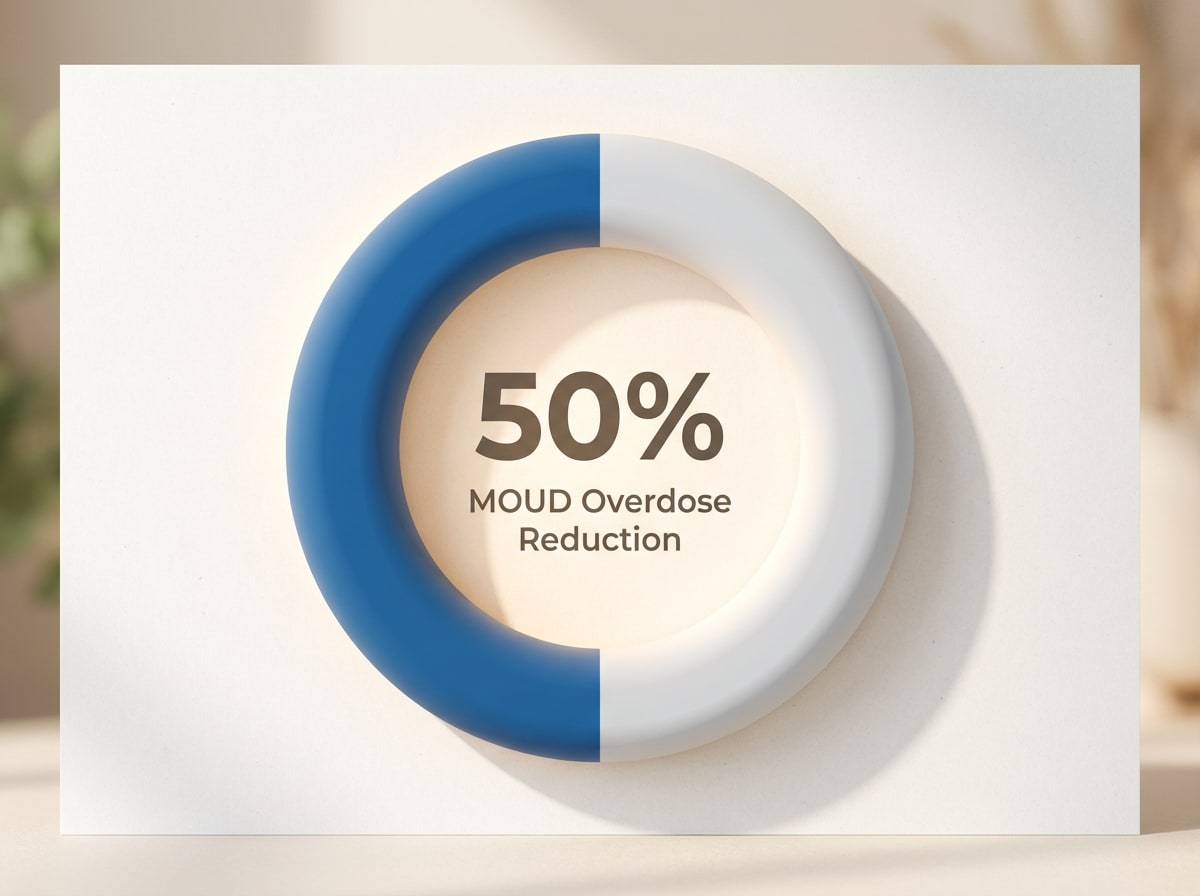
This approach is supported by science: people with opioid use disorder who receive methadone or buprenorphine are 50% less likely to die from overdose compared to those who don’t get these medications5. Recovery experts across Ohio, including Arista Recovery, encourage you to prioritize your health and let facts—not stigma—guide your decisions.
Implementation Pathways for Different Situations
After determining which level of care is right for you using the decision framework, understanding the practical steps ahead helps reduce anxiety and builds confidence. The pathway to recovery looks different for everyone, but knowing what to expect—from daily schedules to progress markers—makes the journey less overwhelming.
Pathway 1: Outpatient Treatment
If you’re considering outpatient treatment, you’ll typically start with an initial assessment. Standard outpatient programs generally run 8-12 weeks, with sessions occurring 1-3 times weekly for 60-90 minutes each. Many Ohio residents appreciate that outpatient programs allow them to maintain their daily routines while receiving support.
Success in this pathway looks like consistently attending sessions, applying coping strategies at home and work, and maintaining stability without crisis interventions. This approach works best when you have a stable living environment and a support system at home.
Pathway 2: Residential Treatment
For those entering residential treatment, the process usually begins with medical detoxification if needed (typically 3-7 days), followed by a structured 30-90 day program. You’ll live within a supportive environment where you can focus entirely on healing without the distractions and triggers of everyday life.
Progress markers include completing detox safely, actively participating in all program components, developing relapse prevention strategies, and preparing a concrete aftercare plan before discharge. This immersive experience often creates breakthroughs that might take longer to achieve through other settings.
Pathway 3: Partial Hospitalization (PHP)
Partial hospitalization programs (PHP) offer a middle ground, typically lasting 2-4 weeks. You’ll spend significant time receiving treatment each day—usually 9am to 3pm, five to six days per week—but return home during evenings.
This option provides intensive support while allowing you to practice new skills amid real-world situations. Many people transition to PHP after completing residential treatment, creating a bridge back to independent living.
Regardless of which pathway you choose, successful implementation requires honest communication with treatment providers about your needs, concerns, and goals. The right program will adjust to your progress, offering more or less support as your situation evolves.
Navigating Insurance and Costs
Sorting out insurance and costs for safe detox Ohio can feel overwhelming, but a step-by-step approach makes it manageable. Start with this simple checklist: Check if your insurance (private, Medicaid, or Medicare) covers detox services, ask your provider about in-network facilities, and gather info on any out-of-pocket costs like co-pays or deductibles.
Many Ohio detox centers, including Arista Recovery, have staff who help you verify coverage and explain your options clearly. If you don’t have insurance, some programs offer sliding-scale payment plans or connect you with state-funded resources. Nationwide, only about 10% of people with substance use disorders receive treatment, and cost confusion is a big barrier7.
Verifying Ohio Coverage Benefits
Verifying your Ohio insurance coverage for safe detox starts with a simple benefits checklist: gather your insurance card, call the number listed for behavioral health, and ask if detox and withdrawal management are included in your plan. Request a list of in-network treatment centers in Ohio—this helps you avoid surprise bills.
Many local programs, including Arista Recovery, have staff who can walk you through these steps and help check your eligibility. Remember, knowing your benefits helps you plan ahead and removes stress so you can focus fully on recovery.
Financial Planning for Treatment
Organizing your finances for safe detox Ohio starts with a realistic financial planning checklist: list all your potential treatment expenses, including co-pays, deductibles, and any uncovered services. If you don’t have insurance, look into sliding-scale fees or state-funded programs that many Ohio centers offer.
Arista Recovery’s team is ready to help you find resources, create payment plans, and connect you with local funding options for withdrawal management in Ohio. With a clear plan, you can focus on healing instead of financial worries.
Specialized Pathways for Unique Needs
Every person’s recovery journey is different, and safe detox Ohio now offers specialized pathways to honor those differences. In Ohio, about 82–93% of veterans with substance use also face a mental health challenge like PTSD or depression8, so trauma-informed detox programs are crucial for true healing.
Gender-specific and LGBTQ+-friendly detox options create safer spaces where you feel respected for who you are. At Arista Recovery, you’ll find staff trained in trauma-informed and culturally sensitive care, ensuring your safe detox experience is matched to your needs—not just your symptoms.
Veterans and Trauma-Informed Care
If you or a loved one is a veteran or has experienced trauma, it’s important to look for safe detox Ohio programs that truly understand these unique needs. Trauma-informed detox centers, like Arista Recovery, offer specialized care that combines medical safety with understanding of trauma triggers and emotional support.
This path makes sense for anyone whose recovery journey is shaped by both past service and personal challenges. Arista Recovery’s staff are trained to recognize the signs of trauma, helping you feel safe, respected, and supported as you begin healing.
Gender-Specific and LGBTQ+ Programs
Gender-specific and LGBTQ+ programs in Ohio are designed to make your safe detox experience feel more comfortable and validating. Specialized programs offer care teams trained to understand the unique stressors and health risks faced by women, men, transgender, and non-binary people.
Arista Recovery creates safe, affirming spaces for all, so you can focus on healing without fear of judgment. Throughout Ohio, these inclusive options help families and individuals get the compassionate, personalized care needed for lasting recovery7.
Resource Planning: What to Expect
Understanding what you’ll invest—both in time and financial resources—helps you move forward with confidence. Most Ohio recovery centers work with multiple insurance providers, and coverage often extends to partial hospitalization and intensive outpatient programs, typically covering 50-80% of treatment costs after deductibles.
Beyond insurance, consider scheduling’s practical aspects. Intensive outpatient programs typically meet three to four times per week for several hours each session. Reliable transportation to and from appointments is essential, which might mean coordinating with family members or exploring public transit options within your area.
Many people worry about taking time away from their jobs. Ohio law provides certain protections for employees seeking treatment under the Family and Medical Leave Act (FMLA), and some employers offer Employee Assistance Programs that can help coordinate care.
Financial assistance programs exist for those without insurance or with limited coverage. The Ohio Department of Mental Health and Addiction Services (OhioMHAS) offers grants and subsidized treatment programs for qualifying residents. The key is asking about these resources early during your search.
Timeline: From Detox to Recovery
Planning your safe detox Ohio journey means understanding the typical timeline—from your first day through the early weeks of recovery. Most detox programs in Ohio last anywhere from 3 to 14 days for alcohol or short-acting opioids.
For long-acting opioids like methadone, withdrawal can stretch 10-20 days, with symptoms often peaking around days 2-4 and gradually improving after the first week10. Recovery doesn’t stop at detox—transitioning into ongoing care, like residential treatment or medication-assisted therapy, is key for building lasting progress.
Week-by-Week Detox Expectations
- Week 1: Most people notice withdrawal symptoms starting within hours to a day after their last use. Alcohol withdrawal often peaks by days 2-4, bringing symptoms like anxiety, sweating, or sleep trouble. For opioids, symptoms may start a bit later and last longer9, 10.
- Week 2: Symptoms for alcohol usually ease up, but mood swings or sleep problems may linger. If you’re detoxing from opioids, this week often brings milder symptoms, though cravings and fatigue can stick around.
- Week 3 and beyond: Most physical symptoms fade, but emotional challenges like anxiety or strong cravings can still pop up. This is why ongoing support and planning for the next steps matter so much in Ohio’s withdrawal management programs.
Transition to Residential Treatment
Transitioning from a safe detox Ohio program to residential treatment is a key step that can make your recovery stronger and more stable. Residential treatment in Ohio usually starts right after detox, helping you stay focused on healing with 24/7 care, therapy, and peer support.
Research shows that moving straight into ongoing care, like residential programs at Arista Recovery, greatly reduces your chances of relapse and builds a stronger foundation for long-term recovery6. If you’re ready to keep building on the progress you’ve made, Arista Recovery’s team is here to guide you through every step.
Building Your Support Network
Building a strong support network is a powerful tool for your safe detox Ohio journey. Support from loved ones and peers is proven to boost your chances of staying in recovery, especially after detox7.
Many Ohio programs, including Arista Recovery, offer family therapy, group counseling, and links to local resources so you never have to face challenges alone. By weaving together family, friends, and professional help, you’re building a safety net that makes every step toward healing a little steadier.
Family Involvement and Therapy
Family involvement and therapy are key tools for making your safe detox experience stronger. Family therapy helps everyone learn about addiction, set healthy boundaries, and build trust again—making home life more supportive during withdrawal and beyond.
In Ohio, programs like Arista Recovery welcome families into the healing process, offering counseling and education so everyone feels included and empowered. This approach fits best if you want to rebuild relationships and create a safe, understanding home for ongoing healing.
Aftercare and Relapse Prevention
Aftercare and relapse prevention are your safety net after completing safe detox Ohio. Staying involved in aftercare programs like outpatient counseling or recovery groups can cut your risk of relapse and help you stay motivated when life gets tough6, 7.
Most Ohio centers, including Arista Recovery, help you build a personalized relapse prevention plan tailored to your needs—often including regular check-ins, emergency contacts, and ways to celebrate progress. By making aftercare a priority, you’re taking an active step toward long-term recovery.
Your Next 30 Days: Action Plan
Taking the first step toward recovery can feel overwhelming, but breaking it down into manageable actions makes the process less daunting. Here’s a practical roadmap for your first month as you explore treatment options throughout the state.
- Week 1: Gather Information and Reach Out
Start by researching treatment facilities that align with your requirements. Contact facilities like Arista Recovery—an Ohio-based treatment center—to ask questions about their programs. You can also call the Ohio Department of Mental Health and Addiction Services CareLine at 1-877-275-6264 for confidential guidance. - Week 2: Handle Practical Matters
Contact your insurance provider to verify your behavioral health coverage. If you’re employed, speak with your HR department about FMLA or leave options. Arrange care for dependents, pets, or household responsibilities during your time in treatment. - Week 3: Prepare Emotionally and Physically
Schedule a physical exam with your doctor if possible. Begin having conversations with trusted family members or friends who can offer support. Consider attending a local support group meeting—visit OhioMHAS.gov to find AA, NA, or SMART Recovery meetings near you. - Week 4: Finalize and Commit
Confirm your admission date and complete any remaining paperwork. Pack according to the facility’s guidelines, focusing on comfortable clothing and personal comfort items. Set up automatic payments for bills that will come due during treatment.
Days 1-7: Assessment and Preparation
Your first week of safe detox Ohio starts with assessment and preparation. Begin by contacting local treatment centers like Arista Recovery to ask about availability, admission steps, and support services. Next, go through a medical pre-screening, where caring staff will review your physical health, mental health, and substance use history.
In Ohio, only about 10% of people with substance use disorders begin treatment, often because the first steps feel confusing or overwhelming7. This approach is ideal if you want to make sure nothing is missed—assessment tools and pre-screening make your entry into detox safer and more supported.
Contacting Treatment Facilities
Reaching out to a safe detox Ohio facility is your first real action step. Start by using this simple contact checklist:
- Look up local detox centers in Ohio, like Arista Recovery, and write down their phone numbers.
- Call or submit an online inquiry to ask about available spots and admission requirements.
- Have your insurance card handy, plus a list of any medications or health needs.
Most centers, including Arista Recovery, have caring staff ready to answer questions and walk you through the next steps. Taking this first step can make all the difference7.
Medical Pre-Screening Steps
Your medical pre-screening is a key safety step before starting safe detox Ohio. Share your full health history, including any past withdrawal symptoms, mental health diagnoses, or chronic conditions like heart problems or diabetes.
Be honest about the substances you’ve used, how much, and for how long—this helps staff predict and manage withdrawal safely. In Ohio, this pre-screening is often quick, and most centers, like Arista Recovery, walk you through each question with care.
Days 8-30: Treatment and Stabilization
Now that you’ve finished your first week, the next three weeks (days 8-30) of safe detox Ohio focus on active treatment and stabilization. Your daily routine may include medical check-ins, medication support, group or individual counseling, and learning new ways to cope with triggers.
Most Ohio programs will help you track milestones—like reducing withdrawal symptoms, sleeping better, or feeling more in control of cravings. With Arista Recovery, you’ll find clear guidance, encouragement, and expert care to help you move through setbacks and celebrate small wins.
Active Detox Phase Milestones
Tracking your progress in the active phase of safe detox Ohio helps you see real changes and stay motivated. Look for physical symptoms easing—less shaking, fewer headaches, or improved sleep are common signs of stabilization.
Start feeling more control over cravings, thanks to regular medical check-ins and support from your care team. Attend group or individual counseling sessions at centers like Arista Recovery, where you’ll learn practical ways to handle stress and triggers.
Transitioning to Ongoing Treatment
Moving from the active phase of safe detox Ohio to ongoing treatment is a turning point in your healing journey. Talk with your care team about next steps, set up appointments for therapy or medication-assisted treatment, and ask about community support groups.
Detox alone is not enough—research shows that ongoing care, like counseling and medication support, cuts your risk of relapse and overdose by half for opioid use disorder5, 6. Programs like Arista Recovery will help you plan your next steps, making the shift from detox to long-term care smooth and supportive.
Frequently Asked Questions
As you consider treatment options throughout the state, you likely have questions about what to expect. Here are answers to some of the most common concerns families and individuals share when exploring recovery paths.
What is the typical cost of detox treatment in Ohio, and what if I don’t have insurance?
The typical cost of detox treatment in Ohio varies, depending on the type of program, how long you stay, and your insurance coverage. Many safe detox Ohio centers accept private insurance, Medicaid, or Medicare, which can lower out-of-pocket expenses. If you don’t have insurance, ask about sliding-scale fees or state-funded programs—many Ohio facilities, including Arista Recovery, can connect you with options to fit your budget. Nationwide, only about 10% of people with substance use disorders actually get treatment, and confusion about cost is a major reason why7. This solution fits anyone worried about paying for care: reach out to a trusted provider for help verifying benefits, understanding your financial options, or finding local resources. You’re not alone—support for safe withdrawal management in Ohio is available, even if you’re uninsured.
Can I detox at home, or do I really need a medical facility?
Detoxing at home might sound simpler or more private, but it can be dangerous—especially with substances like alcohol, opioids, or benzodiazepines. Medical facilities in Ohio are set up to keep you safe during withdrawal, with doctors and nurses ready if symptoms get serious. Trying to detox on your own can lead to seizures, heart problems, or even death, and up to 1–20% of people with severe alcohol withdrawal may develop life-threatening delirium tremens without medical help9. Safe detox Ohio programs let professionals monitor your health, give you medicine to ease discomfort, and step in fast if issues arise. This approach is ideal when safety and comfort matter most or if you have other health conditions. If you or a loved one is considering detox, Arista Recovery offers the medical support, experience, and compassion you need for a safer, more successful recovery journey.
How do I know if my loved one needs detox versus going straight to rehab?
Deciding if your loved one needs safe detox Ohio or can go straight to rehab depends on their recent substance use, physical health, and withdrawal risks. Detox is the right step if they show signs of physical dependence—like cravings, shaking, sweating, or feeling sick when they stop using—or if they’ve tried quitting before and had serious withdrawal symptoms. This method works when you notice symptoms starting within hours or days after their last use, especially with alcohol or opioids, and can help prevent dangerous complications9, 10. On the other hand, some people with mild use and no withdrawal may be able to start rehab without detox. In Ohio, treatment centers like Arista Recovery use medical assessments to guide you, making sure your loved one gets the safest start. Always reach out for a professional evaluation if you’re unsure, since detox followed by rehab is proven to lower relapse and keep families safer6.
Will I be on medication-assisted treatment forever, or is it temporary?
Medication-assisted treatment (MAT) is not always forever—how long you stay on it depends on your unique needs and goals. Some people in Ohio use MAT, like methadone or buprenorphine, for a few months to help them get stable, while others find that longer-term or even ongoing treatment keeps them safest from relapse and overdose. Research shows that staying on MAT lowers the risk of overdose death by 50% for people with opioid use disorder5. Your doctor will work with you to decide what’s best, and you’ll never be forced to continue MAT longer than you want. Safe detox Ohio programs, including Arista Recovery, offer regular check-ins so you can talk about your plan and make changes as you go. This approach is ideal if you want flexibility and a say in your recovery, knowing that support is always there if you need it.
What happens if I relapse after completing detox?
If you relapse after completing safe detox Ohio, it doesn’t mean you’ve failed or lost all progress—it’s actually a common part of many recovery journeys. The most important step is to reach out for help right away, whether that’s returning to your treatment provider, connecting with an aftercare counselor, or calling a local Ohio support resource. Relapse can happen because withdrawal alone isn’t a full treatment; ongoing support like counseling and medication-assisted treatment is proven to greatly reduce your risk of future overdose and help you regain stability6. This approach is ideal if you want a real chance at long-term recovery: re-engage with your support network and talk openly with your care team about what triggered your relapse. Programs like Arista Recovery understand setbacks and are ready to adjust your plan, offering new strategies and encouragement so you can keep moving forward. Remember, compassionate, regionally focused help is always available in Ohio to help you get back on track.
How can I verify that a detox facility in Ohio is licensed and safe?
To verify that a detox facility in Ohio is licensed and safe, start with this simple safety checklist: 1) Check if the center is certified by the Ohio Department of Mental Health and Addiction Services (OhioMHAS), which sets standards for safe detox Ohio programs. 2) Ask the facility to show proof of state licensure and accreditation from trusted organizations like The Joint Commission or CARF. 3) Look for reviews or reports from previous clients and check if there have been any complaints filed with state agencies. 4) Confirm that the program uses evidence-based detox and withdrawal management practices, as recommended in Ohio’s clinical guidelines10. This method works when you want peace of mind that your chosen center follows Ohio law and puts your safety first. Arista Recovery encourages all families and individuals to ask questions and verify credentials before starting care—because your trust and well-being matter most.
Does Arista Recovery accept Medicaid or Medicare for detox services?
Yes, Arista Recovery accepts both Medicaid and Medicare for safe detox Ohio services, making treatment accessible to more individuals and families throughout the state. If you have Medicaid or Medicare, our admissions team will help you verify your benefits, explain your coverage, and guide you through every step so there are no surprises. This solution fits those who want care that’s effective, affordable, and close to home—especially if you’re worried about the cost of withdrawal management. Only about 10% of people with substance use disorders in Ohio use their insurance to access treatment, so reaching out for help is a strong first move7. At Arista Recovery, we’re committed to making safe detox and recovery support available to everyone, no matter your insurance status.
What should I bring with me to a detox program?
When you’re preparing for safe detox Ohio, packing smart helps you feel more comfortable and settled. Bring a few days’ worth of comfy clothes, closed-toe shoes, and simple toiletries like a toothbrush and toothpaste. Most Ohio detox centers, including Arista Recovery, recommend leaving valuables at home and only bringing what you truly need. Don’t forget your photo ID, insurance card, and a list of any current medications or allergies. If you have important documents, such as your doctor’s contact info or advance directives, those are helpful too. Personal support items—like a favorite book or journal—can make your stay feel less stressful. Each program may have its own specific list, so it’s always a good idea to call ahead and ask. This way, you can focus on healing and let your care team handle the rest. Safe detox programs in Ohio want you to feel welcome, safe, and ready for the journey ahead10.
Can I keep my job confidential while attending detox or treatment?
Yes, you have the right to keep your job confidential while attending safe detox Ohio or treatment. Federal laws like the Family and Medical Leave Act (FMLA) and the Americans with Disabilities Act (ADA) protect your privacy and let you take medical leave for treatment without having to share details about your condition. In Ohio, employers are not allowed to disclose your treatment information without your consent. Most safe withdrawal management programs, including Arista Recovery, help you handle paperwork discreetly and work with you to protect your job status. Only about 10% of people with substance use disorders get treatment, and worries about privacy are a common reason why7. If you’re concerned, talk directly with your treatment provider—they’ll guide you on how to communicate with your employer while keeping your health journey private and secure.
How do I talk to my family about entering detox without causing more conflict?
Talking to your family about entering safe detox Ohio can feel really tough, especially if there’s already stress or past arguments. Start by choosing a calm, private time to talk. Use “I” statements like, “I want to get healthy and need some extra help,” instead of blaming or focusing on past mistakes. Share why you think professional detox is the safest step—reminding them that medical support makes withdrawal less risky and gives you your best shot at real recovery6. If things get heated, take a pause and return to the conversation later. Many Ohio families find bringing in a neutral third party, such as a counselor or support group, helps everyone feel heard and supported. Arista Recovery offers family support and guidance, helping turn these hard talks into the first step toward healing together7.
Are there detox programs in Ohio specifically for veterans or people with PTSD?
Yes, Ohio has safe detox programs that are designed specifically for veterans and people with PTSD. Many centers, including Arista Recovery, offer trauma-informed care with staff trained to understand the unique challenges veterans face—such as flashbacks, anxiety, and co-occurring mental health conditions. In fact, between 82% and 93% of veterans with a substance use disorder also have another mental health concern like PTSD or depression, so specialized support is essential8. These programs in Ohio often include therapy for trauma, peer support with other veterans, and medical withdrawal management for both substance use and emotional symptoms. This approach fits best if you want care that respects your military background or trauma history and keeps you safe during detox. If you’re looking for a program that truly understands veterans’ needs, Arista Recovery can connect you with compassionate, regionally focused help right here in Ohio.
What is the difference between detox and withdrawal management?
Detox and withdrawal management might sound the same, but there’s an important difference—especially in safe detox Ohio programs. Detox is the first step: it’s the process of clearing drugs or alcohol from your body, often under medical supervision to keep you safe. Withdrawal management, on the other hand, means treating and easing the uncomfortable or risky symptoms that happen as your body adjusts. In Ohio, most trusted centers like Arista Recovery combine both steps, using evidence-based care to monitor your health, give medication if needed, and support you emotionally through the process. This approach helps lower the risk of problems like seizures or relapse, and makes sure you’re not just getting through withdrawal, but starting real recovery with the right support10.
How long will withdrawal symptoms last after I complete detox?
Withdrawal symptoms in safe detox Ohio programs can last anywhere from a few days to several weeks after you complete detox, and timing depends on what substance you were using and for how long. For alcohol, most symptoms peak within 24-72 hours but can linger for weeks—think trouble sleeping, anxiety, or mood swings9. With opioids, especially long-acting ones like methadone, some symptoms may stick around for 10-20 days, with cravings and low energy sometimes lasting even longer10. If you’re worried about how long you’ll feel unwell, know that most people see steady improvement after the first week, especially with medical support and a strong aftercare plan. Centers like Arista Recovery in Ohio will help you track progress, manage any lasting discomfort, and connect you to resources for ongoing recovery—so you’re never facing these changes alone.
Can I visit or contact my family during the detox process?
Yes, in most safe detox Ohio programs, you can contact or even visit with your family—but the details depend on the center’s policies and your individual treatment plan. Many Ohio detox centers, including Arista Recovery, encourage family support because staying connected to loved ones can boost your comfort and motivation during withdrawal management. Usually, phone calls and scheduled visits are allowed once your care team says it’s safe and won’t interrupt your recovery or medical care. Some centers also offer family therapy sessions or support groups, helping everyone feel more confident about next steps. If you’re unsure what your center allows, just ask your care team—they’ll walk you through the options and make sure your support network stays strong throughout detox7, 10.
What support is available in Ohio after I finish detox to help me stay sober?
After finishing safe detox Ohio, you’ll find plenty of support to help you stay sober. Most Ohio treatment centers—including Arista Recovery—offer aftercare programs like outpatient counseling, peer support groups, and ongoing medication-assisted treatment to strengthen your recovery. Staying connected to therapy, support groups, or a sponsor can make a big difference, as follow-up care is proven to lower your risk for relapse and overdose6, 7. Many Ohio communities also have local recovery meetings, sober activities, and helplines available anytime if you need extra encouragement. This network of support is ideal if you want steady guidance and real tools for long-term success. Arista Recovery’s team will help you build a personalized aftercare plan and connect you with resources so you always have someone in your corner.
Beginning Your Healing Journey in Ohio
Taking the first step toward recovery can feel overwhelming, but you don’t have to navigate this path alone. Throughout Ohio, you’ll find a supportive network of treatment centers, healthcare professionals, and community resources dedicated to helping individuals overcome addiction and reclaim their lives.
The journey through detox and recovery is deeply personal, and there’s no single “right” way to approach it. As you’ve learned throughout this guide, medical detox provides the safest foundation for overcoming physical dependence, while comprehensive treatment addresses the psychological, social, and behavioral aspects of addiction.
Whether you’re considering residential treatment with 24/7 support, outpatient programs that fit around your daily responsibilities, or specialized approaches for co-occurring mental health conditions, Ohio offers a range of evidence-based options designed to meet you where you are.
If you’re ready to explore treatment options, start by reaching out to your primary care physician, who can provide medical guidance and referrals to reputable facilities. You can also contact the Ohio Department of Mental Health and Addiction Services’ confidential helpline at 1-877-275-6364 for free assistance connecting with local resources.
Many treatment centers offer complimentary consultations where you can ask questions about their programs, insurance coverage, treatment duration, and what to expect during your stay. Don’t hesitate to inquire about staff credentials, therapy approaches, family involvement opportunities, and aftercare planning—these conversations help you make informed decisions about your care.
Remember that seeking help is an act of courage, not an admission of failure. Thousands of Ohioans have walked this path before you and discovered that recovery isn’t just about stopping substance use—it’s about building a life worth living. You deserve support, compassion, and professional care as you work toward healing. The resources are here, the professionals are ready to help, and your healthier future is waiting. Take that first step today—reach out, ask questions, and begin writing the next chapter of your story.
References
- Drug Overdose – Ohio Department of Health. https://odh.ohio.gov/know-our-programs/violence-injury-prevention-program/drug-overdose/
- Prescription Opioids DrugFacts. https://nida.nih.gov/publications/drugfacts/prescription-opioids
- SAMHSA’s National Helpline for Mental Health, Drug, Alcohol Issues. https://www.samhsa.gov/find-help/helplines/national-helpline
- Understanding the Opioid Overdose Epidemic – CDC. https://www.cdc.gov/overdose-prevention/about/understanding-the-opioid-overdose-epidemic.html
- Medication-Assisted Treatment (MAT) for Opioid Use Disorder. https://www.naco.org/resource/osc-mat
- Medically Supervised Withdrawal (Detoxification) from Opioids. https://pcssnow.org/courses/detoxification-from-opioids/
- Combatting the Stigma of Addiction. https://nam.edu/perspectives/combatting-the-stigma-of-addiction-the-need-for-a-comprehensive-health-system-approach/
- Statistics on Veterans and Substance Abuse. https://veteranaddiction.org/resources/veteran-statistics/
- Alcohol Withdrawal – MedlinePlus Medical Encyclopedia. https://medlineplus.gov/ency/article/000764.htm
- Clinical Guidelines for Withdrawal Management and Treatment of Substance Use Disorders. https://www.ncbi.nlm.nih.gov/books/NBK310652/
