 Now under new ownership & part of the Arista Recovery Network! For more information,

Key Takeaways: Your Decision Guide
If you are considering recovery options in Ohio, use this quick guide to determine if Motivational Interviewing (MI) aligns with your current needs:- Assess Your Readiness: MI is specifically designed for the 80% of people who are unsure about treatment or feel “stuck” between wanting to change and fearing it.
- Success Metrics: Adding MI to your treatment plan can increase retention rates by 15% and improve positive outcome probabilities by 55% compared to standard care alone.
- Immediate Action: If you feel defensive when people tell you to “just quit,” MI is likely the right starting point. It focuses on your reasons for change, not someone else’s.
Foundation: Understanding the Core Purpose of Motivational Interviewing Therapy in Ohio
Motivational interviewing therapy in Ohio represents a fundamental shift in how we approach conversations about transformation, particularly in addiction recovery. Rather than confronting resistance head-on or telling someone what they should do, this collaborative method creates a space where individuals discover their own reasons for making different choices.
This person-centered approach recognizes a simple truth: people are far more likely to follow through on decisions they articulate themselves. At its heart, this framework operates on a core principle—ambivalence about shifting behaviors is normal and expected.
When someone struggles with substance use, they often experience conflicting feelings. Part of them may recognize the harm being caused, while another part fears what life without substances might look like. Traditional intervention methods sometimes increase this internal conflict, causing people to defend their current behavior more strongly. MI takes a different path by exploring both sides of this ambivalence with curiosity rather than judgment.
The purpose of this methodology extends beyond simply getting someone to agree to treatment. It aims to strengthen a person’s own motivation and commitment to transformation by helping them voice their concerns, values, and goals. When a family member, counselor, or friend uses these techniques, they’re essentially holding up a mirror that allows the person to examine their situation more clearly. This reflection often reveals discrepancies between current behaviors and deeply held values—a powerful catalyst for growth.
“These principles aren’t about manipulation or clever tactics to ‘win’ an argument. It’s about genuine partnership, respecting autonomy, and recognizing that lasting transformation emerges from within.”
For families throughout Ohio navigating the complexities of addiction, understanding this foundation matters tremendously. When you grasp this core purpose, you’re better equipped to support your loved one’s journey toward recovery with compassion and effectiveness.
What Makes MI Different from Traditional Talk Therapy
To help you visualize the difference, we have broken down the key distinctions between traditional directive therapy and the MI approach used at Arista Recovery.
| Feature | Traditional Directive Therapy | Motivational Interviewing (MI) |
|---|---|---|
| Therapist Role | Expert / Authority Figure | Partner / Guide |
| Primary Goal | Prescribe solutions and give advice | Elicit your own reasons for change |
| Handling Resistance | Confrontation / Argumentation | Rolling with resistance / Listening |
Unlike traditional therapy where advice is often given, motivational interviewing (MI) is all about collaboration. Your therapist works with you as a teammate, not an expert telling you what to do. MI focuses on drawing out your own reasons for change, which research shows can boost confidence and make lasting change more likely 6.
In Ohio, MI-trained counselors at places like Arista Recovery use a gentle approach, helping you sort through mixed feelings and supporting you at your own pace. This method is especially helpful when you feel uncertain or stuck, which is very common in early recovery 2.
The Spirit of Partnership, Not Persuasion
With MI, your counselor at Arista Recovery doesn’t push or pressure. Instead, they create a safe space where your voice is respected and your choices matter. Imagine a coach who cheers you on, listens deeply, and helps you find your own way forward—that’s the spirit of partnership in MI.
This approach is proven to boost trust and engagement, which helps more people stay in treatment and feel hopeful about recovery 10. In Ohio, this teamwork style is especially valued by those who may feel judged or unsure in traditional settings.
Practice This: Think about a time when someone helped you by listening, not lecturing. Jot down what made that feel different. You’re ready to move on when you can explain why feeling heard and respected can make a big difference in recovery.
How MI Strengthens Your Own Motivation
MI works a bit like holding up a mirror—you get to see your hopes and worries clearly, with a counselor who guides you to focus on what matters most to you. Instead of pushing you, MI-trained therapists at Arista Recovery in Ohio ask questions that help you talk through your own goals and what’s holding you back.
Research shows that this approach can lift your confidence and make the odds of a positive outcome about 55% higher than not having MI support at all 4. By focusing on your own words and values, MI strengthens your commitment for real, lasting change—especially when you’re not sure you’re ready to take the leap yet 6.
When Ambivalence Becomes Your Biggest Barrier
Ambivalence is common, especially in early recovery. You might feel stuck, noticing reasons both to change and to keep things the way they are. In fact, research shows that about 80% of people starting treatment are not ready to jump into action—they’re weighing their options, often bouncing between “I should do something” and “Maybe I’m not ready yet” 5.
This is where MI shines. At Arista Recovery in Ohio, therapists use MI to gently explore your mixed feelings, helping you sort through what’s holding you back and what might help you move forward. MI’s client-centered approach is especially helpful for those who feel unsure, as it builds trust and makes change seem possible 6.
Recognizing the Signs You’re Stuck Between Change and Status Quo
Feeling stuck often sounds like, “I know I should do something, but I’m just not sure I can,” or “Maybe things aren’t really that bad yet.” You might find yourself making lots of plans but never acting on them, or feeling hopeful one day and doubtful the next.
These ups and downs are classic signs of ambivalence—the tug-of-war between change and the comfort of old habits. In Ohio, therapists at Arista Recovery see this struggle often, especially early in recovery, and know that motivational interviewing techniques are designed to gently explore these mixed feelings 6.
Why 80% of People Aren’t Ready for Action
Here’s a simple way to picture it: Imagine a room of 10 people just starting treatment. Studies show that 8 out of 10 are either just beginning to think about change or are still unsure if they want to do anything different. Only 2 are ready to take clear action right away.
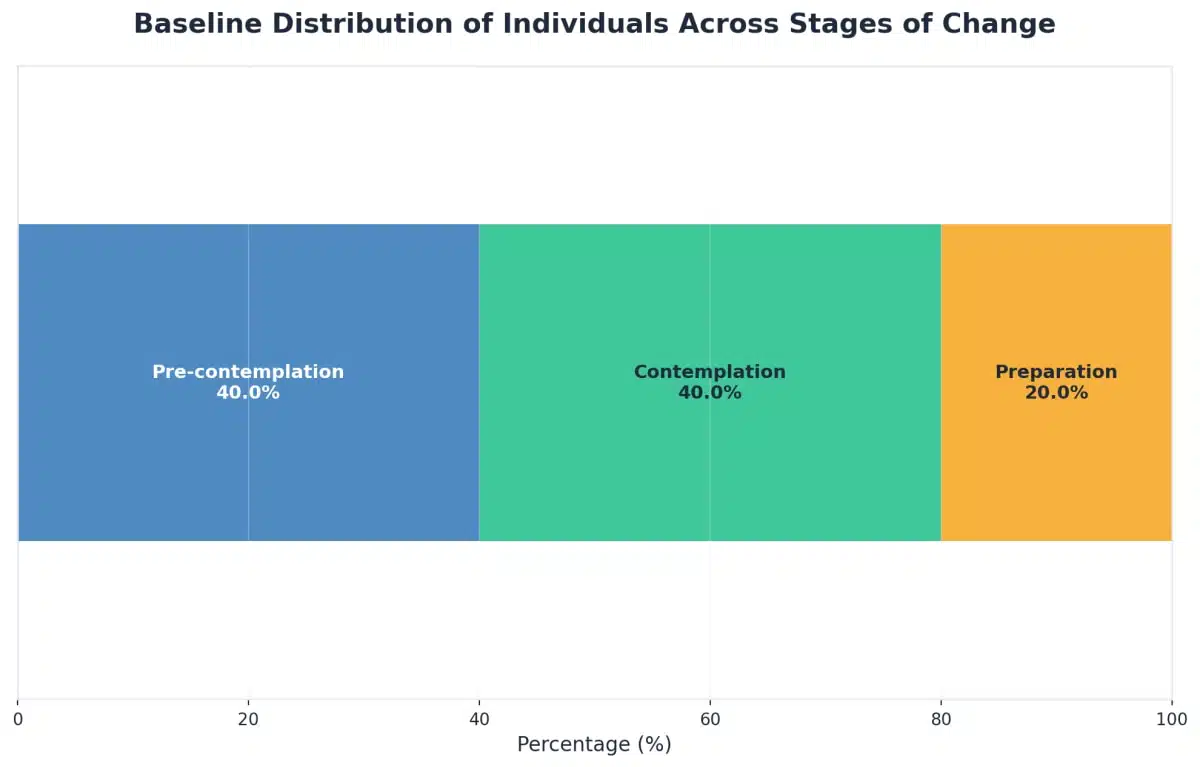
In Ohio, this pattern is common—about 40% are in pre-contemplation and another 40% in contemplation, leaving just 20% getting ready for action 5. This is why MI is so valuable: it’s designed for people who feel stuck or unsure, helping you gently move from “maybe someday” to real steps forward. At Arista Recovery, counselors are specially trained to use MI with people in these early stages, making the process of change feel less overwhelming.
Intermediate Practice: Identifying Your Readiness for Motivational Interviewing Therapy in Ohio
Understanding how MI works in practice begins with recognizing that change happens in stages—and that effective support looks different depending on where someone is in their journey. Whether you’re personally considering treatment or supporting a family member through their recovery process, identifying readiness levels helps you apply MI principles more effectively.
The “Stages of Change” model, developed alongside MI principles, identifies five distinct phases. Recognizing which stage applies—whether for yourself or someone you care about—transforms how you approach conversations about getting help and shapes what kind of support will actually resonate.
- Precontemplation: Not yet considering change.
- Contemplation: Thinking about change but ambivalent.
- Preparation: Planning to take action soon.
- Action: Actively making changes.
- Maintenance: Sustaining new behaviors.
If you’re in the contemplation stage, you might find yourself weighing the pros and cons of seeking help. Perhaps you’ve noticed how substance use affects your relationships or work, but you’re not quite ready to commit to treatment. This ambivalence is completely normal and actually represents progress from not considering any shift at all.
For family members, recognizing these stages helps you meet your loved one where they are emotionally. Instead of pushing someone in precontemplation toward immediate action, MI principles suggest exploring their concerns and building awareness gradually. This patient approach often proves more effective than urgent demands, even when the situation feels critical.
Readiness to transform isn’t linear—you might move forward and backward through these stages as part of the natural process. At Arista Recovery, our team works with individuals and families across the state by tailoring support to match current readiness levels. For someone in contemplation, this might mean exploring ambivalence through reflective conversations rather than immediately discussing treatment logistics.
Self-Assessment: Where You Stand on the Stages of Change
Recognizing your stage is powerful: It helps you and your counselor at Arista Recovery pick the right support for you, whether you’re just beginning to think, almost ready, or taking action. This approach is used throughout Ohio, making MI a reliable choice for substance use treatment and mental health challenges 5.
Practice This: Write down which stage you think you’re in today. Be honest—there’s no wrong answer. This self-awareness is your starting point.
Pre-Contemplation to Contemplation: Early-Stage Indicators
If you’re in pre-contemplation, you might not see your behavior as a problem or feel ready to talk about change. Common thoughts are, “Things are fine” or “I don’t need help.” In Ohio, about 40% of people starting treatment are in this stage, while another 40% are in contemplation—just starting to think, “Maybe something should change” but feeling unsure 5.
MI-trained counselors at Arista Recovery use gentle questions and real listening to help you move from not considering change to being open to it. This early stage is where motivational interviewing shines, helping you explore what really matters to you and when you might be ready to take a small step.
Preparation to Action: When You’re Almost Ready
If you’re in the preparation stage, you’re likely making plans, gathering resources, or telling trusted people that you want things to change. This could mean researching treatment options in Ohio, talking with your family, or making a list of goals. The shift to action happens when you start following through—attending a first session, setting a quit date, or reaching out to Arista Recovery.
MI-trained counselors in Ohio are skilled at helping you turn these plans into meaningful steps, which research shows can raise your odds of success by about 55% compared to going it alone 4. MI’s focus on your strengths and values makes it easier to move from thinking to doing, especially when you’re almost ready but need a boost.
Specific Situations Where MI Shows Strongest Results
Research shows that motivational interviewing is especially valuable when people feel unsure about treatment, have low confidence, or are juggling both addiction and mental health concerns 2, 9. In Ohio, MI is often used when someone isn’t fully ready for change or has tried other approaches without success.
For example, if you’re facing substance use issues or a dual diagnosis, MI can help you build trust in the process and take the next step on your terms. Ohio providers, including Arista Recovery, use MI to move past resistance and guide families through tough conversations, too. This approach is also effective in crisis situations and for those who feel treatment might not work for them 8.
Substance Use and Low Treatment Confidence
Many people in Ohio who struggle with substance use also feel doubtful about their ability to change. Maybe you’ve tried quitting before or worry that treatment won’t work for you. Research shows MI is especially effective here: it gently builds trust, helps you explore your reasons for change, and boosts your belief that recovery is possible 2.
At Arista Recovery, MI-trained counselors meet you without judgment, using strategies proven to increase motivation and engagement even when confidence is low. Evidence suggests that MI can raise your odds of a positive outcome by about 55% compared to trying to go it alone 4. This approach is widely used across Ohio, especially for those who have struggled to commit to treatment or have felt discouraged in the past.
Dual Diagnosis: When Mental Health Complicates Recovery
Having a dual diagnosis means you’re managing more than one battle at once. It’s common in Ohio—about 43% of people in substance use treatment also have a mental health disorder 9.
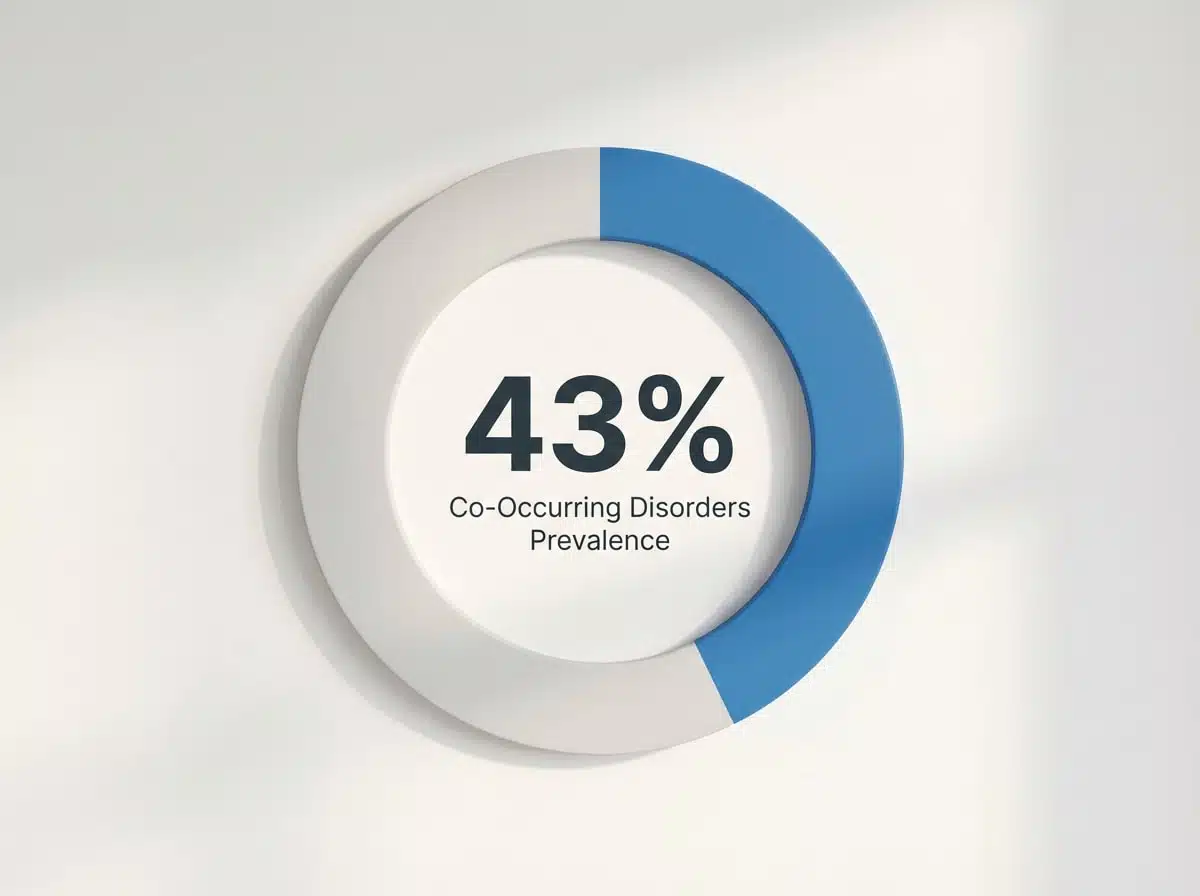
Instead of focusing only on one issue, your counselor at Arista Recovery uses motivational interviewing to help you talk through both struggles together. MI helps you set your own goals, break down big problems into smaller steps, and build trust in the treatment process. Research shows that using MI with dual diagnosis clients improves treatment retention and completion rates, making recovery more likely even when things feel overwhelming 9.
Advanced Applications: Motivational Interviewing Therapy in Ohio Treatment Settings
Now that you understand what Motivational Interviewing is and how it works, let’s examine how Ohio treatment providers are putting these principles into action—and the results they’re achieving. This evidence-based approach has become a foundational element in addiction treatment centers, mental health facilities, and integrated care programs throughout Ohio, with studies showing that MI can increase treatment retention rates by up to 50% compared to traditional counseling methods.
- Residential Treatment: Counselors apply reflective listening during intake assessments to help you articulate your own reasons for seeking help. Rather than being told what you need to change, you’re guided to discover your personal motivations.
- Outpatient Settings: Across the state, outpatient programs have embraced MI, particularly in medication-assisted treatment programs. Counselors blend these strategies with other evidence-based therapies to address both the physical and psychological aspects of addiction.
- Community Mental Health: Centers throughout the region have integrated MI into their standard practice, recognizing that many clients struggle with co-occurring disorders.
- Emergency Departments: Crisis intervention teams increasingly use brief MI techniques during critical moments. Even a short conversation using these guiding principles can plant seeds of transformation.
These applications prove particularly effective because Ohio providers have invested significantly in specialized training. Many treatment professionals complete certification programs in MI, and this expertise directly impacts your experience—research indicates that counselors with formal MI training achieve better client outcomes, including higher engagement levels and reduced relapse rates.
How Ohio Providers Integrate MI with Evidence-Based Care
Treatment centers across Ohio use motivational interviewing alongside approaches like medication-assisted treatment and cognitive-behavioral therapy to boost engagement and keep people in care. Research shows that when MI is added to staff training, clinics see a 42% jump in knowledge and a 43% boost in clinical skills, which leads to more patients staying in treatment and finishing their programs 10.
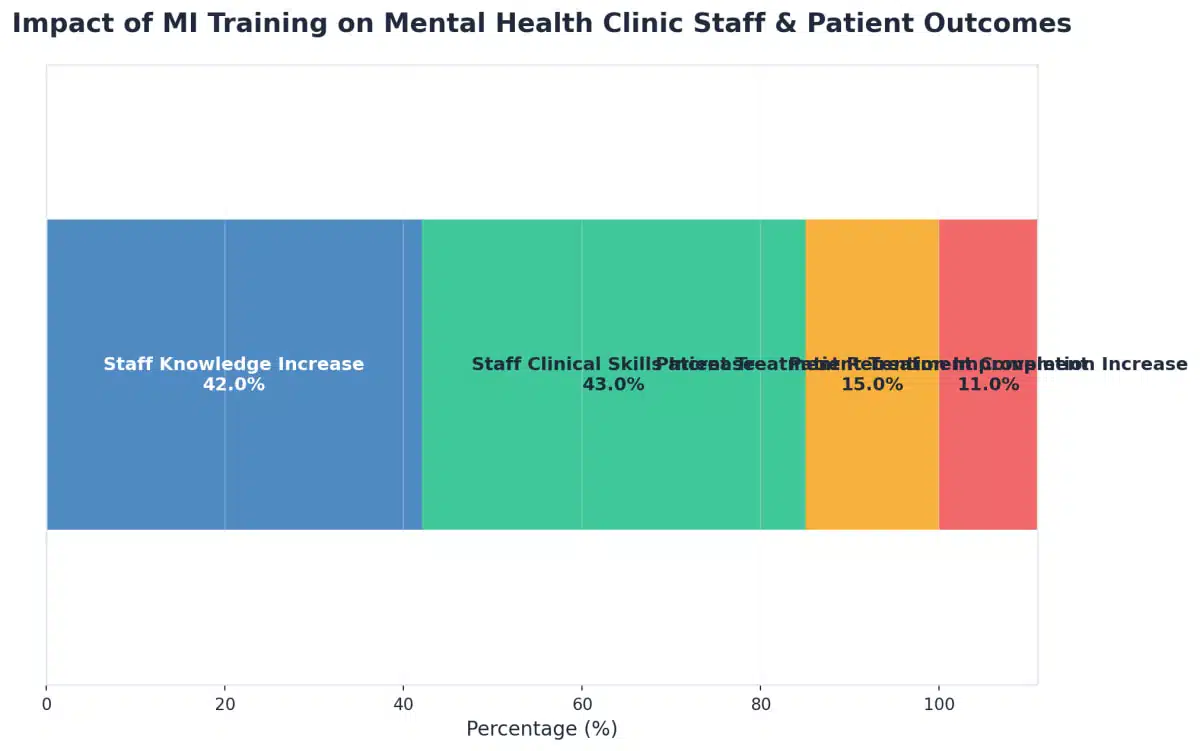
Arista Recovery and other Ohio providers also use MI in hospitals and crisis settings, adapting the approach for people facing medical or mental health emergencies. This teamwork helps make each person’s recovery plan more personal and effective, especially for those who might have struggled with other therapies.
Combining MI with Medication-Assisted Treatment
Think of MI as the supportive conversation that helps you sort through doubts, while MAT provides medical support—like buprenorphine or naltrexone—to ease withdrawal and cravings. At Arista Recovery and other Ohio centers, counselors use motivational interviewing to talk through your worries about medication, answer questions, and help you set personal goals for both taking meds and making healthy choices.
Research shows that mixing MI with MAT can raise treatment engagement and improve outcomes for substance use disorders 3, 2. For many Ohioans, this combined approach makes it easier to stay in care, feel hopeful, and see long-term progress.
MI in Crisis Response and Emergency Departments
When someone arrives at an Ohio emergency department after a mental health or substance use crisis, things can feel rushed and scary. MI-trained staff at places like Arista Recovery use brief, nonjudgmental conversations to help you sort through your feelings and decide what kind of support you want next.
Research shows that even a single MI session in an emergency room can reduce suicidal thoughts and make it more likely you’ll follow up with mental health services after your visit 8. This approach is especially helpful in the first six months after a crisis, when risk is highest and hope may be hardest to find. By focusing on your strengths and honoring your choices, MI helps you regain a sense of control and opens the door to ongoing care.
Specialized Populations Benefiting from MI in Ohio
Many people in Ohio face more than substance use or mental health challenges alone. For example, veterans may struggle with PTSD, LGBTQ+ clients often want a safe space free from judgment, and individuals who have experienced trauma need extra care and respect. MI’s flexible, empathetic style helps these groups feel heard and supported, which research shows boosts treatment engagement and completion rates 9.
At Arista Recovery, counselors use MI to adapt conversations and build trust—so each person’s background is honored in their healing journey. This is especially important in Ohio, where diverse communities need support that truly fits their experiences.
Veterans, LGBTQ+ Individuals, and Trauma Survivors
Veterans in Ohio often face challenges like PTSD or adjusting to civilian life. MI gives them a place where their experiences are respected, and their voice leads the conversation. LGBTQ+ individuals sometimes worry about being misunderstood or judged in traditional therapy. MI’s respectful, nonjudgmental approach helps create a sense of safety and trust, which is key to opening up.
Trauma survivors, too, need extra sensitivity—MI honors their pace and choices, making it easier to talk through next steps without pressure. Studies show that when MI is used with these specialized populations, treatment engagement and completion rates go up, helping more people move forward with hope 9.
Family-Inclusive MI for Caregivers and Loved Ones
Families in Ohio often want to help but aren’t sure how. With motivational interviewing, counselors at Arista Recovery invite caregivers to join sessions in a nonjudgmental, supportive way. Instead of focusing on blame or control, MI encourages open listening and shared problem-solving.
This helps reduce family stress and builds a stronger recovery network at home. Research shows that when caregivers receive MI training, family conflict goes down and well-being goes up—making recovery more sustainable for everyone involved 9.
Resource Library: Finding MI-Trained Providers in Ohio
Now that you understand the diverse settings where Motivational Interviewing is applied—from outpatient therapy to residential treatment—the next step is connecting with a qualified provider who can deliver this evidence-based approach. Finding someone properly trained in MI isn’t just about location; it’s about ensuring they have the skills to facilitate the collaborative, person-centered conversations that make this method effective.
Several directories can help you identify trained practitioners. The Motivational Interviewing Network of Trainers (MINT) maintains a searchable directory of certified practitioners across the United States, including throughout Ohio. Psychology Today’s therapist finder allows you to search for providers who list this approach as a specialty within your community.
Professional organizations like the Ohio Counseling Association and the Ohio Psychological Association provide member directories where practitioners list specialized training. University-affiliated clinics connected to Ohio State University, Case Western Reserve University, and the University of Cincinnati often employ clinicians skilled in this method and offer services to the broader community.
Questions to Ask About Provider Training and Fidelity
Not every counselor offering motivational interviewing has the same level of training or supervision. In Ohio, it’s smart to ask specific questions to verify their expertise. Research shows that treatment is more effective—and patient retention goes up 15%—when MI is delivered by properly trained and supervised clinicians 10.
Asking about supervision, ongoing training, and how providers measure their MI skills helps you spot high-quality care. Places like Arista Recovery are open about their MI credentials and welcome your questions.
Verifying Clinician Competence and Supervision
Start by asking if the provider is regularly supervised or receives feedback on their MI skills. MI-trained clinicians should have completed formal training and take part in ongoing reviews or coaching. In Ohio, the best motivational interviewing provider standards include regular practice sessions, group feedback, and real-world performance checks—not just a single workshop.
Research shows that clinics with strong MI supervision see a 42% jump in staff knowledge and a 15% boost in patient retention, which means more people stay in care and make progress 10. At Arista Recovery, counselors are open about their supervision and work as a team to keep skills sharp, so clients can feel safe and supported.
Checklist for Vetting Providers:
- “What specific MI training have you completed, and do you hold any certifications?”
- “How long have you been using MI in your practice?”
- “Can you describe how you incorporate MI into sessions?”
- “How do you measure progress when using this approach?”
Understanding Treatment Duration and Follow-Up
Motivational interviewing (MI) is flexible: some people benefit from just a few focused sessions, while others find regular meetings over several months most helpful. In Ohio, high-quality MI-trained clinicians will talk with you about what’s realistic and work together on a schedule that fits your needs.
Research shows that ongoing follow-ups—like booster sessions or check-ins—can help you stay motivated and improve your chances of sticking with treatment 10. At Arista Recovery, MI provider standards include talking openly about your progress and adjusting your care plan as you go, ensuring support continues after your main sessions end.
Troubleshooting Common MI Misconceptions
Some people think MI is just a casual conversation, or that it works for everyone, every time. Actually, MI is a structured, evidence-based method that helps you explore your own motivation, but it’s not always the first choice—especially if someone isn’t ambivalent about change or is facing a crisis that needs immediate, directive support 2.
In Ohio, the best MI-trained clinicians know when to use MI and when to recommend other services, so your care is safe and effective. Another misconception is that MI means “anything goes,” but real MI balances your choices with gentle accountability and clear next steps—especially at places like Arista Recovery.
When MI May Not Be the Primary Approach
MI is most effective when someone feels unsure about change or is weighing their options. But if you or a loved one is facing a crisis—like active psychosis, severe depression, or an emergency where safety is at risk—a more directive or immediate intervention is usually needed before MI becomes helpful 2.
Sometimes, people are already committed to change and just want step-by-step guidance, so MI’s focus on exploring motivation isn’t as necessary. In Ohio, skilled providers like those at Arista Recovery will use motivational interviewing as part of a larger care plan, switching to other evidence-based methods when it’s safer or more effective to do so. This flexibility ensures you get care matched to your needs, not a one-size-fits-all approach.
Balancing Autonomy with Accountability in Treatment
MI isn’t about letting anything slide or leaving you on your own. Instead, your provider in Ohio—like those at Arista Recovery—uses careful listening and motivational interviewing provider standards to encourage your independence, but also checks in on your progress and helps you problem-solve challenges.
This means you get to set your pace and goals, but you’re not left without guidance. Research shows that this balance leads to better engagement and a 15% improvement in treatment retention for people in recovery programs 10.
Frequently Asked Questions
Now that you know where to find qualified providers throughout Ohio, you’re probably wondering what actually happens in these sessions and whether this approach is the right fit for your situation. Let’s address the questions we hear most often from people considering MI-based treatment.
What does a Motivational Interviewing session actually look like?
Picture a conversation, not an interrogation. Your counselor might start by asking what brings you in and what matters most to you right now. Rather than lecturing about the dangers of substance use, they’ll ask open-ended questions like “What concerns you about your current situation?” or “What would your life look like if things were different?” You’ll do most of the talking while your counselor listens carefully, reflects back what they hear, and helps you explore the connections between your values and your choices.
How is MI different from traditional counseling or therapy?
Traditional approaches often position the counselor as the expert who identifies your problems and prescribes solutions. MI flips this dynamic. Your counselor believes you’re the expert on your own life and that you already possess the insights needed for transformation—they’re simply helping you access them. Instead of confronting denial or breaking down resistance, MI works with your natural ambivalence.
How long does Motivational Interviewing take to work?
This approach isn’t a one-size-fits-all timeline. Some people experience meaningful shifts in motivation after just a few sessions—perhaps recognizing for the first time that their substance use conflicts with being the parent they want to be. Others benefit from longer engagement, revisiting their motivation as circumstances change. The collaborative nature of this technique means you and your counselor work at a pace that feels right for you.
Can this approach work alongside other therapies?
Absolutely. MI integrates beautifully with other evidence-based methods like Cognitive Behavioral Therapy, group counseling, and medication-assisted treatment. Many Ohio treatment programs—from Cleveland’s MetroHealth System to Columbus-area Maryhaven—use this person-centered strategy as a foundational element that enhances other therapeutic interventions.
Will my counselor tell me what to do?
No. This person-centered method respects your autonomy and recognizes that lasting transformation comes from within. Your counselor acts as a guide, helping you explore your own thoughts, values, and goals. You remain in control of your decisions while receiving supportive, non-judgmental guidance.
Is MI covered by insurance in Ohio?
Most insurance plans that cover substance use treatment include this counseling approach as part of therapeutic services. Ohio Medicaid, for instance, covers MI when provided by licensed counselors within approved treatment programs. Private insurance coverage varies by plan, so it’s worth checking your specific benefits or speaking with local providers about your options.
Can MI help if my loved one doesn’t think they have a problem?
Yes, motivational interviewing therapy in Ohio can help when a loved one doesn’t believe they have a problem. MI is designed for situations where someone feels uncertain or isn’t ready to admit there’s an issue. Instead of forcing change, MI-trained clinicians at places like Arista Recovery use gentle questions and listening to help a person explore their own thoughts and feelings. Research shows that about 80% of people entering treatment start out unsure or in denial, which is exactly where MI works best 5.
What happens if MI doesn’t work for me?
If motivational interviewing therapy in Ohio doesn’t seem to help, you’re not alone—everyone’s recovery journey is different, and sometimes another approach might fit better. MI works best when you’re feeling unsure or stuck, but if you don’t see progress, it could be a sign that another method or extra support is needed. Skilled MI-trained clinicians in Ohio, like those at Arista Recovery, are ready to adjust your care plan and can blend MI with other treatments, such as cognitive-behavioral therapy or medication-assisted options 2.
Does Arista Recovery offer MI as part of their treatment programs?
Yes, Arista Recovery offers motivational interviewing therapy in Ohio as a core part of their treatment programs. MI-trained clinicians at Arista are specially trained to use motivational interviewing techniques alongside other evidence-based methods—including medication-assisted treatment and cognitive-behavioral therapy—to help you or your loved one build motivation and confidence for lasting recovery.
Can MI help with both my addiction and depression at the same time?
Yes, motivational interviewing therapy in Ohio can help with both addiction and depression at the same time. MI-trained clinicians at Arista Recovery are skilled at working with people who face more than one challenge—this is often called a dual diagnosis. MI uses a caring, step-by-step approach that helps you talk through your substance use and mental health struggles in one safe space, rather than treating them separately.
How is MI different from intervention or confrontation approaches?
Motivational interviewing therapy in Ohio stands apart from intervention or confrontation approaches because it’s built on respect and partnership—not pressure or blame. Traditional interventions often involve telling someone what’s wrong and pushing them to admit a problem, which can make people feel defensive or shut down. In contrast, MI-trained clinicians at places like Arista Recovery use open questions and careful listening to help you talk about your own hopes, worries, and goals.
How long does motivational interviewing therapy typically last?
Motivational interviewing therapy in Ohio is very flexible—some people need only a few sessions, while others benefit from regular meetings over several months. The number of sessions depends on your goals, your comfort level, and how things are going in your recovery journey. In many Ohio programs, including Arista Recovery, your MI-trained clinician will talk with you about what feels realistic for your situation and adjust the schedule as needed.
Will my insurance cover MI therapy in Ohio?
Yes, many Ohio insurance plans—such as Medicaid, Medicare, and most private health insurers—do cover motivational interviewing therapy when it’s part of a treatment plan for substance use or mental health. Coverage may depend on your diagnosis, the provider’s credentials, and whether the therapy is offered at a licensed facility like Arista Recovery. It’s smart to call your insurer ahead of time and ask if MI is included under behavioral health services.
Is MI effective for someone who has relapsed multiple times?
Yes, motivational interviewing therapy in Ohio is often effective for people who have relapsed multiple times. Relapse is a common part of the recovery journey, especially with substance use or mental health challenges. MI-trained clinicians at places like Arista Recovery understand that each return to treatment brings new experiences, doubts, and hopes. MI’s focus on listening without judgment and exploring your personal reasons for change helps you rebuild confidence, even after setbacks.
Can MI be combined with medication for opioid addiction?
Yes, motivational interviewing therapy in Ohio is often combined with medication-assisted treatment (MAT) for opioid addiction. This team approach means you’ll talk with an MI-trained clinician about your worries, hopes, and goals, while also having medical support—like buprenorphine or naltrexone—to help manage cravings and withdrawal. Research shows that using MI together with MAT can improve treatment engagement and lead to better outcomes for people with opioid use disorder 3, 2.
What if I’m not ready to commit to full treatment yet?
You don’t need to be ready for a big commitment to benefit from motivational interviewing therapy in Ohio. MI is actually designed for people who feel unsure, want to take things slow, or just aren’t ready to jump into a full treatment program. Many Ohioans start their recovery journey by meeting with an MI-trained clinician at Arista Recovery for just a few sessions—no pressure or strings attached.
How do I know if a therapist is properly trained in MI?
To know if a therapist is properly trained in motivational interviewing therapy in Ohio, ask about their formal MI training, regular supervision, and whether they follow recognized motivational interviewing provider standards. Look for MI-trained clinicians who have completed specific courses or certifications—not just a single workshop—and who receive ongoing feedback on their skills.
Can family members participate in MI sessions?
Yes, family members can participate in motivational interviewing therapy in Ohio. Involving loved ones can strengthen recovery by building trust, reducing conflict, and creating a supportive home environment. MI-trained clinicians at Arista Recovery often invite caregivers or family into some sessions—always with your consent—to encourage open listening, teamwork, and shared problem-solving.
Is MI appropriate for someone in immediate crisis?
Motivational interviewing therapy in Ohio can be helpful in crisis situations, but it’s not always the first or only approach needed. If you or your loved one is in immediate danger—such as suicidal thoughts, severe psychosis, or a medical emergency—safety and stabilization come first, often with more direct crisis care or medical intervention. However, once the immediate crisis is under control, MI-trained clinicians at places like Arista Recovery may use brief motivational interviewing sessions to help you process what happened and encourage follow-up care.
Begin Your Recovery Journey with MI at Arista
Now that you understand how Motivational Interviewing works—its core principles, therapeutic techniques, and evidence-based effectiveness—you might be wondering how to access this transformative approach for yourself or someone you care about. At Arista Recovery, MI isn’t just a technique we use; it’s the foundation of how we partner with you throughout your entire recovery journey.
Our approach embodies the MI principles you’ve learned about in this article. We genuinely meet you where you are, whether you’re still exploring your relationship with substances or you’re ready to commit to change. Our trained counselors create the non-judgmental, collaborative environment where you can safely work through ambivalence—examining both your concerns about substance use and your hesitations about change.
Rather than prescribing a one-size-fits-all solution, we help you discover your own compelling reasons for transformation, strengthening the internal motivation that research shows leads to lasting recovery.
What makes Arista’s MI approach distinctive is how we integrate it throughout your treatment experience. From your first conversation with our admissions team through ongoing therapy sessions, you’ll experience the reflective listening, affirmations, and collaborative goal-setting that make MI so effective. We combine this person-centered foundation with evidence-based therapies and comprehensive support services, creating a treatment experience that honors your autonomy while providing expert clinical guidance.
Taking the next step is straightforward: our admissions team is available to have an honest conversation about where you are right now, what concerns you have about treatment, and what you hope might be different in your life. There’s no pressure, no judgment—just an opportunity to explore your options. We’ll discuss how MI can address your specific situation, answer questions about our programs, and explain how we work with most insurance plans to make treatment accessible.
Your readiness to learn about Motivational Interviewing shows you’re already engaging in the change process, even if you’re still weighing your options. That’s exactly how MI works—change begins with curiosity and exploration. Contact Arista Recovery today to speak with an admissions counselor who understands ambivalence and respects your timeline. Whether you’re ready to start treatment next week or you simply want to learn more, we’re here to support you in taking whatever next step feels right for you.
References
- Motivational interviewing for substance use reduction – PubMed (Cochrane Review). https://pubmed.ncbi.nlm.nih.gov/38084817/
- Using Motivational Interviewing in Substance Use Disorder Treatment (SAMHSA Advisory 35). https://library.samhsa.gov/sites/default/files/PEP20-02-02-014.pdf
- Motivational Interviewing and Motivational Enhancement Therapy for the Treatment of Opioid Use Disorders. https://case.edu/socialwork/centerforebp/sites/default/files/2024-09/MI%20and%20MET%20for%20Opioid%20Use%20Disorders%20Research%20Summary%20Report.pdf
- Motivational Interviewing: An Evidence-Based Approach for Use in Medical Care. https://pmc.ncbi.nlm.nih.gov/articles/PMC8200683/
- Stages of Change Theory – StatPearls. https://www.ncbi.nlm.nih.gov/books/NBK556005/
- Understanding Motivational Interviewing (Motivational Interviewing Network of Trainers). https://motivationalinterviewing.org/understanding-motivational-interviewing
- Incorporating Motivational Interviewing in Specialized Dockets (Ohio Court System). https://www.supremecourt.ohio.gov/sites/specDockets/2018/materials/I2/I2.pdf
- The Effect of Motivational Interviewing-Based Training on the Rate of Using Mental Health Services in Suicide Attempters. https://pmc.ncbi.nlm.nih.gov/articles/PMC7652075/
- Motivational Interviewing and Dual Diagnosis Clients. https://collected.jcu.edu/cgi/viewcontent.cgi?article=1049&context=fac_bib_2017
- Teaching Motivational Interviewing to Staff in a Mental Health Clinic: Improving Treatment Retention. https://scholarworks.waldenu.edu/cgi/viewcontent.cgi?article=18326&context=dissertations
