 Now under new ownership & part of the Arista Recovery Network! For more information,

Key Takeaways: Your Decision Guide
- Assessment: If you experience cravings that disrupt your daily life or have relapsed previously, MAT combined with therapy offers the highest statistical chance of long-term success.
- Success Factors: The most effective recovery plans in Ohio include three pillars: FDA-approved medication (like Naltrexone), behavioral therapy (CBT), and community support.
- Immediate Action: Check your insurance coverage today. Ohio Medicaid and most private insurers cover these services. Call Arista Recovery to verify your benefits instantly.
Understanding MAT for Alcohol Use Disorder in Ohio
What MAT Combines to Treat AUD
Navigating recovery options can be confusing, but understanding the basics is the first step toward healing. MAT for alcohol use disorder in Ohio is a comprehensive approach that goes beyond simply taking a pill; it is a clinically proven strategy that integrates medical and behavioral health services.
Think of MAT like the safety systems in a car: the medication acts as the seatbelt to keep you physically secure, while therapy acts as the steering wheel to help you navigate the road ahead. When combined, these elements significantly reduce the risk of relapse compared to using either method alone1. A complete MAT program typically includes:
- FDA-Approved Medications: Agents like naltrexone or acamprosate that reduce cravings and normalize brain chemistry.
- Behavioral Therapies: Counseling methods such as Cognitive Behavioral Therapy (CBT) to build coping skills.
- Social Support: Group therapy or peer support to reduce isolation.
Skill Checkpoint: You are ready to move forward when you can identify that MAT is not a “crutch,” but a dual-approach treatment involving both biological and psychological support.
Why Ohio Residents Need MAT Options Now
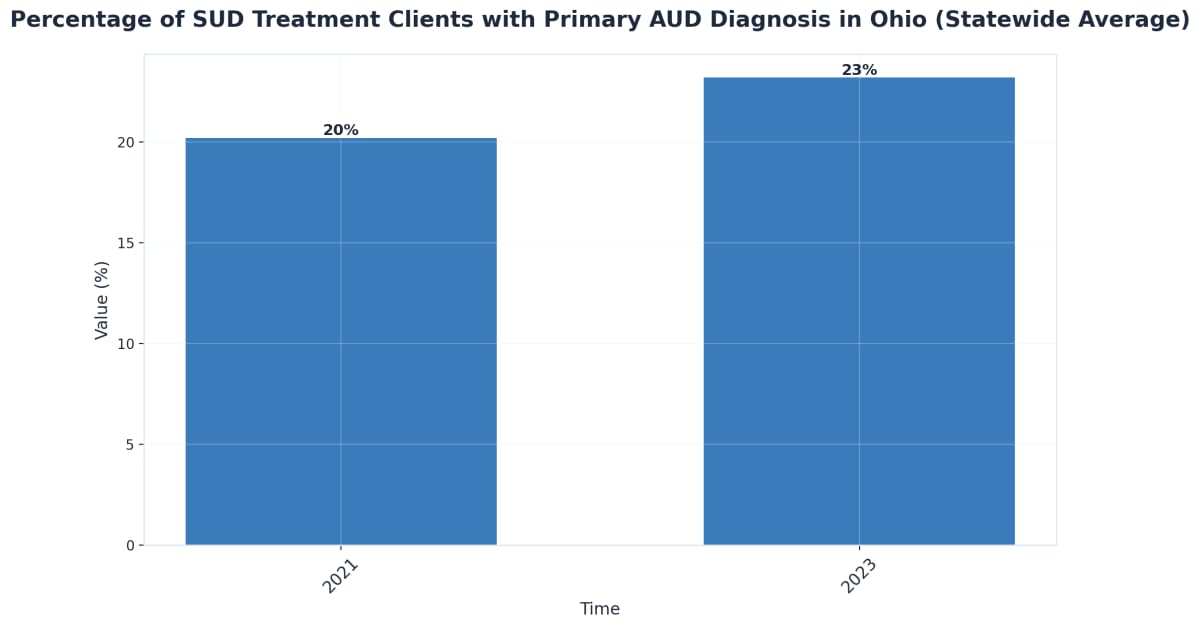
The need for effective treatment in our state has never been more urgent. Between 2021 and 2023, the percentage of individuals in substance use treatment with a primary diagnosis of Alcohol Use Disorder (AUD) in Ohio rose from 20.2% to 23.2%—a nearly 15% increase10. Despite this rise, fewer than 1 in 10 people receive medication-based care2.
“Many Ohio residents face extra barriers, including stigma, lack of nearby providers, or not knowing about effective options like MAT.”9
Fortunately, access is expanding. Telehealth regulations and policy changes in Ohio are making it easier for residents in both urban centers like Columbus and rural counties to connect with providers8. Arista Recovery is committed to bridging this gap, ensuring that geography is no longer a barrier to quality care.
FDA-Approved Medications for MAT for Alcohol Use Disorder in Ohio
Naltrexone and Acamprosate as First-Line
When discussing MAT for alcohol use disorder in Ohio, two medications stand out as the primary tools for recovery: Naltrexone and Acamprosate. Both are non-addictive and FDA-approved, but they function differently in the body.
| Medication | How It Works | Best Suited For |
|---|---|---|
| Naltrexone | Blocks the euphoric/pleasurable effects of alcohol in the brain. | Individuals seeking to reduce heavy drinking and curb intense cravings. |
| Acamprosate | Restores chemical balance in the brain disrupted by long-term alcohol use. | Individuals who have already stopped drinking and need help maintaining abstinence. |
Research indicates that for every 11 people treated with either medication, one person avoids a return to heavy drinking who otherwise would have relapsed3. This statistic represents a significant improvement in outcomes for Ohio families seeking stability.
Practice This: Review the table above. Based on your current stage of recovery (trying to stop vs. maintaining abstinence), which medication seems more aligned with your needs? Discuss this preference with your Arista Recovery provider.
Alternative Medications for Special Cases
Standard treatments may not be suitable for everyone due to specific health conditions, such as liver disease or allergies. In these instances, Ohio providers may utilize alternative FDA-approved or off-label options to ensure safety.
- Disulfiram (Antabuse): Creates an unpleasant physical reaction (nausea, flushing) if alcohol is consumed. It is best for highly motivated individuals but does not reduce cravings5.
- Baclofen & Gabapentin: Sometimes used off-label for patients with significant liver damage, as they are processed differently than Naltrexone5.
Skill Checkpoint: You should feel confident knowing that even if you have complex health issues, there are medical options available. Always disclose your full medical history to your care team to find the safest path forward.
Building Your Complete Plan for MAT for Alcohol Use Disorder in Ohio
Pairing Medication with Behavioral Therapy
Medication provides the biological stability needed to focus, but behavioral therapy provides the tools to rebuild. To create a robust recovery plan, you must address the psychological triggers that lead to drinking.
“Recovery is like building a house. Medication lays the foundation, helping your body adjust and reducing cravings. But the house needs walls, a roof, and sturdy doors—these are your behavioral therapies.”
Therapeutic modalities often available in Ohio treatment centers include:
- Cognitive Behavioral Therapy (CBT): Helps identify and change negative thought patterns.
- Motivational Interviewing: Strengthens your personal motivation and commitment to a specific goal.
- Family Counseling: Repairs relationships and builds a home-based support system.
Studies confirm that combining these therapies with medication boosts success rates and helps prevent relapse1.
Relapse Prevention and Long-Term Support
Relapse is often a part of the recovery journey, not a signal of failure. The goal of a long-term plan is to minimize the frequency and intensity of these setbacks. Effective relapse prevention relies on a combination of professional monitoring and lifestyle changes4.
To build a durable safety net, consider implementing the following strategies:
- Regular Check-ins: Consistent appointments with your Arista Recovery team to adjust medication dosages.
- Peer Support: Joining local Ohio recovery groups or online meetings to share experiences.
- Routine Building: Establishing new hobbies and daily schedules that do not revolve around alcohol.
Practice This: Identify three specific “warning signs” that indicate you might be heading toward a setback (e.g., high stress, skipping meals, isolation). Share this list with a trusted family member or your counselor.
Overcoming Barriers to MAT Access in Ohio
Insurance Coverage and Financial Options
Financial concerns should never be the reason you delay treatment. Most insurance plans in the state, including Ohio Medicaid and Medicare, cover evidence-based treatments like MAT for alcohol use disorder in Ohio. This coverage typically includes FDA-approved medications, counseling, and therapy services13.

If you are navigating this process without insurance or are worried about high deductibles, resources are available:
- Sliding-Scale Fees: Many clinics adjust costs based on income.
- Payment Plans: Arista Recovery can help structure payments to be manageable.
- National Helplines: The SAMHSA helpline can direct you to funded programs. Dial 1-800-662-4357 for assistance11.
Skill Checkpoint: Call your insurance provider using the number on the back of your card. Ask specifically: “Does my plan cover MAT services for substance use disorder, and what is my out-of-pocket maximum?”
Frequently Asked Questions
Can I receive MAT through telehealth in Ohio?
Yes, you can receive MAT for alcohol use disorder in Ohio through telehealth. Many providers now offer appointments by phone or video, which means you can access medication management, counseling, and support groups from home or anywhere you have internet. This option has grown quickly since 2020, especially in rural areas where in-person treatment can be hard to find. Most major insurers in Ohio, including Medicaid, now cover telehealth for MAT services, making it a practical and private choice for many people 8. Arista Recovery can help you get started with telehealth if you’re interested.
What if I have liver problems—can I still take MAT medications?
Yes, you can often still use MAT for alcohol use disorder in Ohio if you have liver problems, but the choice of medication matters. Acamprosate is usually the safest FDA-approved option because it is not processed by the liver and has no known risk of liver damage. Naltrexone and disulfiram are generally avoided if you have significant liver disease. In some cases, your provider might consider alternatives like baclofen or gabapentin, which have shown promise for people with liver conditions 5. Always talk with your doctor about your full health history so your MAT plan is both safe and effective. Arista Recovery can help you and your care team find the right approach.
How long will I need to stay on MAT medications?
The length of time you’ll need MAT for alcohol use disorder in Ohio depends on your personal recovery journey. Some people stay on medications like naltrexone or acamprosate for several months, while others benefit from continuing for a year or longer. National guidelines recommend using MAT as long as it helps you avoid drinking and feel stable, with regular check-ins to see if your needs change 1. Stopping too soon can increase the risk of relapse. Your doctor will help you decide the best timeline, and Arista Recovery is here to support you every step of the way.
Will MAT work if I’ve tried treatment before and relapsed?
Yes, MAT for alcohol use disorder in Ohio can still work even if you’ve relapsed after treatment before. Relapse is a common part of recovery, not a sign that you can’t succeed 4. Sometimes, trying a different medication, adding new therapies, or getting more support makes all the difference. Research shows that combining MAT with therapy and regular monitoring helps people bounce back and stay on track after setbacks 1. Arista Recovery believes every recovery journey is unique, and we’re here to help you find a plan that fits—no matter your history or how many times you’ve tried before.
Does Medicaid or Medicare cover MAT in Ohio?
Yes, both Medicaid and Medicare cover MAT for alcohol use disorder in Ohio. Ohio Medicaid includes all FDA-approved medications for alcohol use disorder, along with counseling and therapy services, so you can get a full range of support through your plan 13. Medicare also covers MAT services, although coverage details may differ depending on your specific plan 14. If you have questions, you can call your insurance provider or reach out to Arista Recovery—we can help you understand your benefits and connect you to the right care. You shouldn’t have to worry about coverage when seeking help for recovery.
Can family members participate in my MAT treatment?
Yes, family members can participate in your MAT for alcohol use disorder in Ohio. Involving loved ones in your treatment—through family education sessions, support groups, or counseling—can make recovery stronger and help everyone understand what you’re going through. Research shows that family support leads to better outcomes and helps prevent relapse by keeping communication open and building a team approach 1. Many Ohio programs, including Arista Recovery, encourage family involvement and offer special resources just for families. If you’d like your loved ones to join your journey, ask your provider about the best ways they can participate.
Your Path to Recovery Starts Here
Taking the first step toward recovery can feel overwhelming, but you don’t have to face it alone. Across Ohio’s cities and rural communities alike, compassionate professionals are ready to support you through every stage of your healing journey. Whether you’re struggling with substance use, mental health challenges, or both, specialized treatment programs—including medication-assisted treatment (MAT), dual diagnosis care for co-occurring disorders, and trauma-informed therapy—can provide the structure and guidance you need to rebuild your life.
Recovery looks different for everyone. Some people benefit from residential treatment that offers 24/7 support in a structured environment. Others thrive in outpatient programs that allow them to maintain work and family commitments while receiving care. This structure often includes daily therapy sessions, peer support groups, and regular check-ins with counselors who help you develop coping strategies for real-world challenges. The key is finding an approach that addresses your unique circumstances and challenges.
Reaching out for help is a sign of strength, not weakness. When you’re ready to explore your options, qualified treatment providers can assess your needs and recommend appropriate care levels. Many facilities offer free consultations to answer your questions and help you understand what treatment involves. Your journey toward lasting wellness begins with a single conversation—and that conversation can happen today.
References
- Recommend Evidence-Based Treatment: Know Your Options – NIAAA. https://www.niaaa.nih.gov/health-professionals-communities/core-resource-on-alcohol/recommend-evidence-based-treatment-know-options
- Acamprosate and Oral Naltrexone Are Effective—but Underutilized – Boston University. https://www.bu.edu/aodhealth/2024/04/26/acamprosate-and-oral-naltrexone-are-effective-but-underutilized-medications-for-alcohol-use-disorder/
- Pharmacotherapy for Alcohol Use Disorder: A Systematic Review and Meta-Analysis – JAMA. https://jamanetwork.com/journals/jama/fullarticle/2811435
- Addiction Relapse Prevention – StatPearls – NIH. https://www.ncbi.nlm.nih.gov/books/NBK551500/
- Treatment of Alcohol Use Disorder – Alcoholic Liver Disease – NIH/NLM. https://pmc.ncbi.nlm.nih.gov/articles/PMC5263063/
- Stigma: Overcoming a Pervasive Barrier to Optimal Care – NIAAA. https://www.niaaa.nih.gov/health-professionals-communities/core-resource-on-alcohol/stigma-overcoming-pervasive-barrier-optimal-care
- Disparities in the Treatment of Substance Use Disorders – NIH/NLM. https://pmc.ncbi.nlm.nih.gov/articles/PMC6087681/
- Telehealth Options for Alcohol Treatment – NIAAA. https://www.niaaa.nih.gov/publications/telehealth-options-alcohol-treatment
- Experiences and Barriers to Alcohol Use Disorder Treatment – NIH/NLM. https://pmc.ncbi.nlm.nih.gov/articles/PMC12519047/
- Alcohol Use Disorder (AUD) in the United States – NIAAA Statistics. https://www.niaaa.nih.gov/alcohols-effects-health/alcohol-topics/alcohol-facts-and-statistics/alcohol-use-disorder-aud-united-states-age-groups-and-demographic-characteristics
- SAMHSA National Helpline. tel:1-800-662-4357
- SAMHSA Behavioral Health Treatment Services Locator. https://www.findtreatment.gov
- The NIAAA Alcohol Treatment Navigator. https://www.niaaa.nih.gov/publications/brochures-and-fact-sheets/niaaa-alcohol-treatment-navigator
- Medicare Coverage Information. tel:1-800-633-4227
