Now under new ownership & part of the Arista Recovery Network! For more information,

Recovery Strategy: Key Takeaways
- Assess Your Readiness: Use the “Readiness for Change” scale to determine if you need motivational enhancement or if you are ready for action-oriented CBT skills.
- Match the Modality: Choose CBT for habit change, DBT for emotional regulation, or EMDR for underlying trauma.
- Measure Success: Track progress not just by sobriety days, but by the reduction of cravings and improvement in relationship dynamics.
- Immediate Action: Schedule a 90-minute intake assessment to establish a baseline using the Addiction Severity Index (ASI).
Foundation: Understanding Individual Therapy for Addiction in Hilliard OH
Finding effective individual therapy for addiction in Hilliard OH creates a confidential space where you work directly with a trained therapist to address personal challenges, develop coping strategies, and work toward meaningful goals. Unlike group settings or family counseling, these sessions focus entirely on what you’re experiencing—the unique thoughts and feelings that belong to you alone—without the dynamics of others in the room.
Think of this professional as a skilled guide who helps you navigate difficult emotions and life transitions. During sessions, which typically last 45 to 60 minutes, you will:
- Explore patterns in how you think and behave.
- Identify obstacles to well-being.
- Practice new approaches to handling stress, relationships, and daily challenges.
This isn’t about someone telling you what to do—it’s a collaborative process where you set the direction based on what matters most. The foundation of effective therapy rests on the relationship between client and counselor. Research consistently shows that this therapeutic alliance—built on trust, respect, and genuine understanding—plays a crucial role in positive outcomes. You should feel heard, not judged, and comfortable sharing thoughts you might not express anywhere else.
Private counseling addresses a wide range of concerns. You might seek support for anxiety, depression, trauma, grief, or relationship difficulties. Perhaps you’re navigating a major life transition, struggling with substance use recovery, or simply feeling stuck and unsure how to move forward. Many people throughout Ohio communities find that therapy provides tools they carry far beyond the session room.
What Makes Individual Therapy Effective
| Factor | Why It Matters | Impact on Recovery |
|---|---|---|
| Therapeutic Alliance | The bond of trust between you and your counselor. | Highest predictor of success, regardless of technique used1. |
| Evidence-Based Methods | Using proven techniques like CBT or DBT. | Ensures treatment is scientifically validated to reduce relapse. |
| Personalization | Tailoring the plan to your specific history. | Increases engagement and relevance to your daily life in Hilliard. |
Individual therapy for addiction works best when it’s tailored to you and built on trust. In Ohio, therapists often combine evidence-based approaches like cognitive behavioral therapy and motivational interviewing with a personal touch, ensuring you feel seen and heard.
Practice This: Write down one thing that helps you feel comfortable opening up to someone new. Share it in your next session to strengthen your partnership.
The Therapeutic Alliance: Your Most Powerful Tool
Think of the therapeutic alliance like a bridge built from understanding and respect. In individual counseling, this relationship is proven to be one of the best predictors of successful recovery outcomes—even more than the specific methods used1. When you feel safe and truly listened to, you’re more likely to open up about your struggles and stick with therapy when it gets tough. Therapists in Ohio focus on building this connection from your first session, making sure your needs and comfort guide every step.
Evidence-Based Approaches vs. Traditional Methods
Think of evidence-based therapy as using a GPS with up-to-date maps, while traditional methods can feel more like relying on an old paper map. In Ohio, many therapists now use proven approaches like cognitive behavioral therapy (CBT), dialectical behavior therapy (DBT), and motivational interviewing. These methods have shown real results—CBT, for example, leads to large improvements in days abstinent and fewer drinks per day1. DBT helps more people stay in treatment, which is a key part of long-term recovery2. Older, untested methods may focus more on willpower or advice, which research shows are less effective.
When You Need Individual Therapy for Addiction
Sometimes, group support or self-help tools aren’t enough. If you’re feeling stuck, cycling through relapses, or facing tough emotions like guilt, anxiety, or trauma, individual therapy can offer focused help. Research shows that people dealing with both addiction and mental health concerns—like depression or PTSD—benefit most from individualized care that addresses both at once6.
Dual Diagnosis: Treating Co-Occurring Conditions
In Ohio, many people facing addiction also deal with mental health challenges. This is called dual diagnosis. If you only treat one issue, the other may make recovery harder. That’s why therapists use integrated approaches—combining addiction counseling with support for depression or trauma. Research shows that people with both substance use and PTSD make the most progress when individual therapy addresses both at once, not separately6.
Assessing Your Readiness for Change
Getting started with addiction counseling often begins with asking yourself: Am I ready to take the next step? Feeling unsure is common. Therapists in Ohio use simple questions to help you reflect, such as, “What would life look like without substance use?” or “What worries or excites me about change?” Research shows that therapies like motivational interviewing are especially helpful for people who feel stuck or uncertain, gently building motivation at your own pace3.
Intermediate Practice: Core Modalities in Individual Therapy for Addiction in Hilliard OH
Understanding different therapy approaches helps you make informed decisions about treatment and communicate more effectively with your care team. When you know what techniques therapists use and why they work, you become an active participant in your healing rather than a passive recipient of care.
Cognitive Behavioral Therapy (CBT) stands as among the most widely practiced approaches. This modality helps you identify and change negative thought patterns that influence behaviors and emotions. If you’re struggling with anxiety, depression, or substance use, CBT teaches practical skills to challenge distorted thinking and develop healthier coping mechanisms.
Dialectical Behavior Therapy (DBT) builds on CBT principles while adding mindfulness and emotional regulation techniques. Originally developed for borderline personality disorder, DBT now helps people manage intense emotions, improve relationships, and reduce self-destructive behaviors.
Motivational Interviewing (MI) takes a different approach by meeting you where you are in the healing journey. Rather than confrontation, clinicians use MI to explore personal motivations for change. This collaborative style helps resolve ambivalence and strengthens commitment to treatment goals.
Cognitive Behavioral Therapy for Addiction
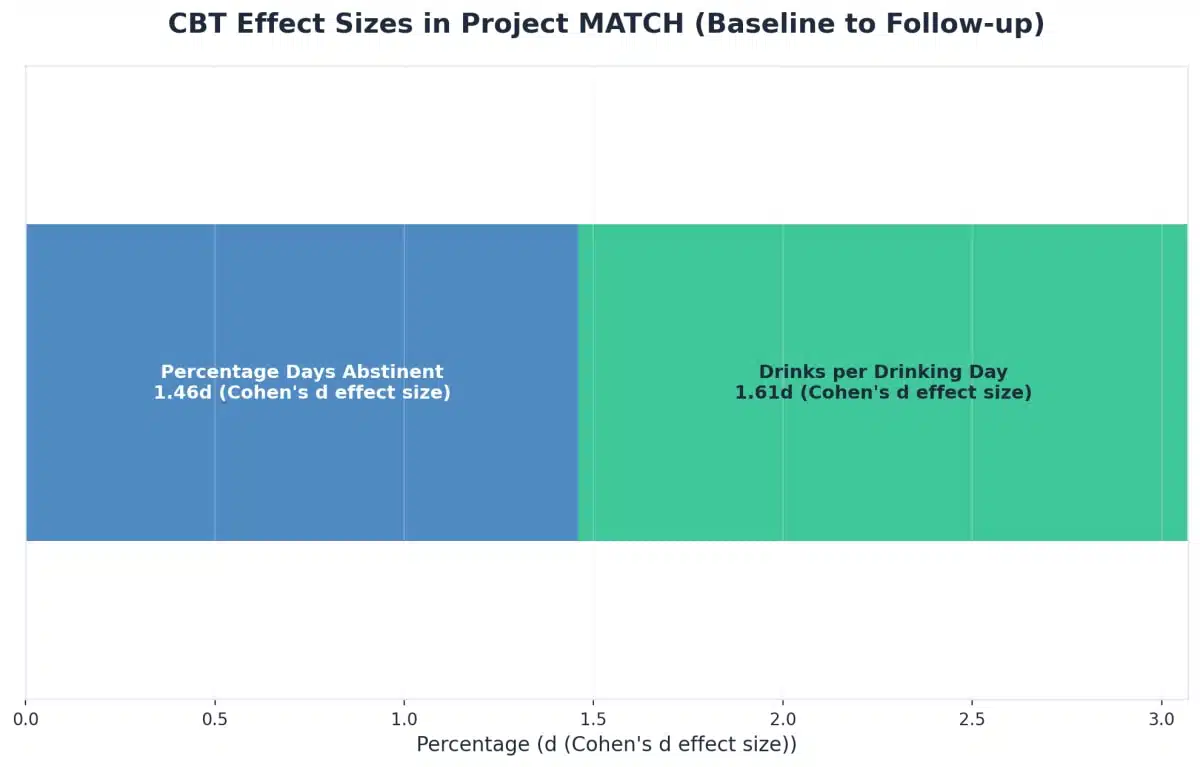
CBT is one of the most widely used forms of individual therapy for addiction in Hilliard OH. It teaches you to spot unhelpful thought patterns and swap them for healthier ways of thinking and coping. Imagine learning to pause when a craving hits and picking a new response—like reaching out for help or practicing a calming technique. CBT’s step-by-step approach is backed by research: studies show that people who use CBT see big improvements in their ability to stay sober and reduce substance use, with large effect sizes for both days abstinent and drinks per day1.
Practice This: Try noticing one automatic thought you have when you’re stressed or tempted. Write it down, then ask yourself if there’s another, more helpful way to look at the situation.
How CBT Rewires Addictive Thought Patterns
Think of your brain as a set of well-worn trails—old habits and thoughts that lead you straight to substance use. CBT, a leading method in addiction counseling, helps you spot those paths and start building new ones that support your recovery. In Ohio, therapists guide you to notice negative thinking patterns, then practice swapping them for healthier alternatives. Over time, this process actually helps “rewire” your brain, making it easier to pause, reflect, and choose recovery-supporting actions instead of old, automatic responses.
CBT Skills: From Cravings to Coping Strategies
CBT in individual therapy for addiction in Hilliard OH is all about building real, everyday tools you can use when cravings strike or stress feels overwhelming. Key skills include:
- Urge Surfing: Noticing the feeling, describing it like a wave, and letting it rise and fall without acting on it.
- Distraction: Engaging in a different activity to break the focus on the craving.
- Problem-Solving: Identifying triggers and creating safe plans for high-risk situations.
Motivational Interviewing and Enhancement
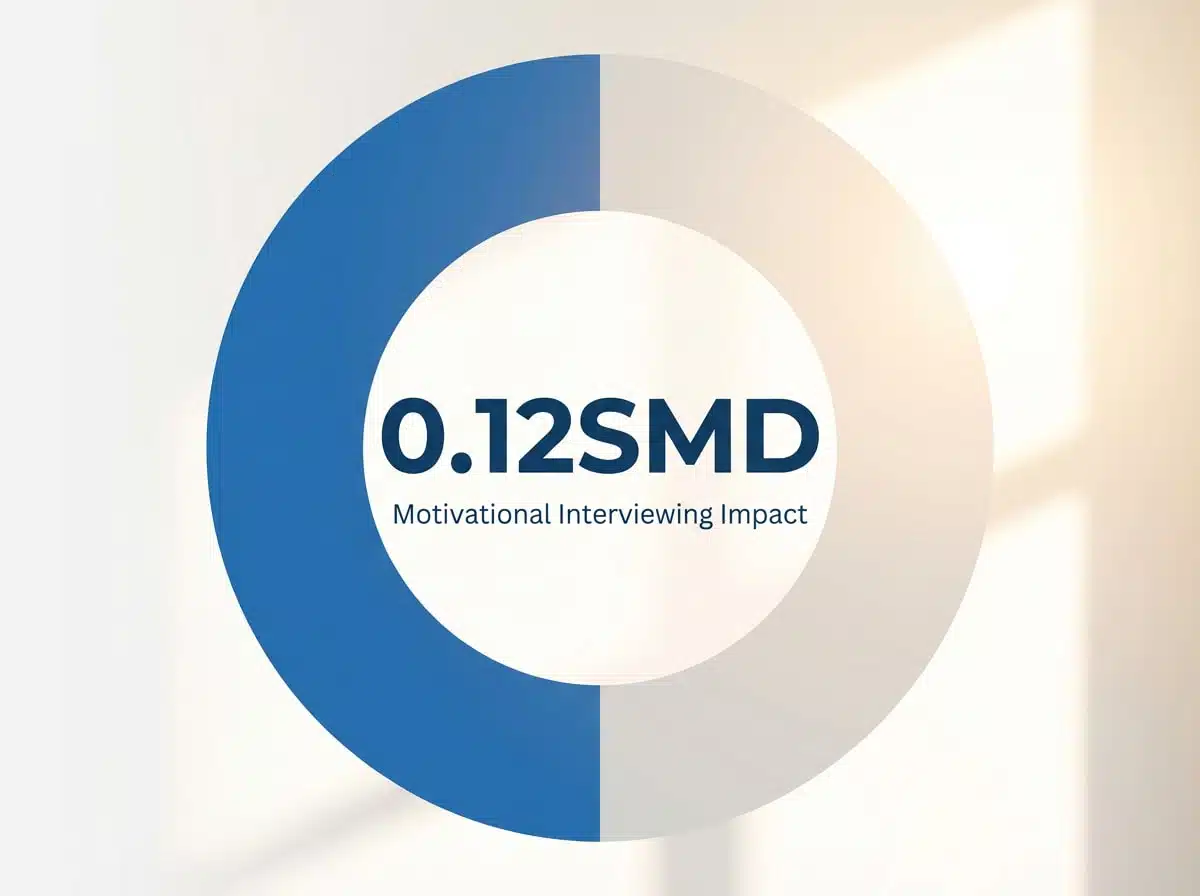
Motivational interviewing is a counseling style focused on helping you uncover your personal reasons for wanting change. Instead of being told what to do, your therapist guides you with open-ended questions—like, “What matters most to you right now?” or “How do you picture your future if things stay the same?” In Ohio, this approach is widely used in addiction counseling because it meets you where you are and works even if you feel unsure about recovery. Research shows motivational interviewing produces small but meaningful reductions in substance use, with benefits that grow stronger over time3.
Building Your Internal Motivation to Change
Motivational interviewing guides you to look inside and find what truly matters. Instead of lectures, your therapist in Ohio will ask questions like, “What could life look like if you made a change?” This process helps you connect recovery to your real-life dreams—being present for family, feeling proud of yourself, or reaching a personal goal. Research shows that when people find their own reasons, even small, lasting changes are more likely to happen3.
Working Through Ambivalence About Recovery
Feeling torn about quitting substance use is normal. In Ohio, addiction counseling often starts with conversations about your doubts, fears, and hopes. Motivational interviewing gives you space to say, “Part of me wants to stop, but part of me is scared.” Your therapist won’t rush or push you, but instead helps you weigh the pros and cons, clarify what you want, and explore what’s getting in the way.
Advanced Applications: Specialized Therapies
As you deepen your recovery work beyond foundational approaches, certain specialized therapeutic modalities offer targeted support for complex challenges that often underlie addiction. These advanced therapies differ from core treatments by addressing deeper psychological patterns, relational dynamics, or body-based trauma responses that standard approaches may not fully reach.
| Therapy Type | Primary Focus | Best For |
|---|---|---|
| Psychodynamic Therapy | Unconscious patterns & early life experiences. | Understanding the “why” behind choices and defense mechanisms. |
| Acceptance and Commitment Therapy (ACT) | Psychological flexibility & values. | Accepting difficult emotions without letting them control actions. |
| Somatic Experiencing | Trauma stored in the body. | Releasing physical tension and nervous system dysregulation. |
| Family Systems Therapy | Relationship patterns within the family unit. | Healing the relational environment that supports recovery. |
Dialectical Behavior Therapy for Complex Cases
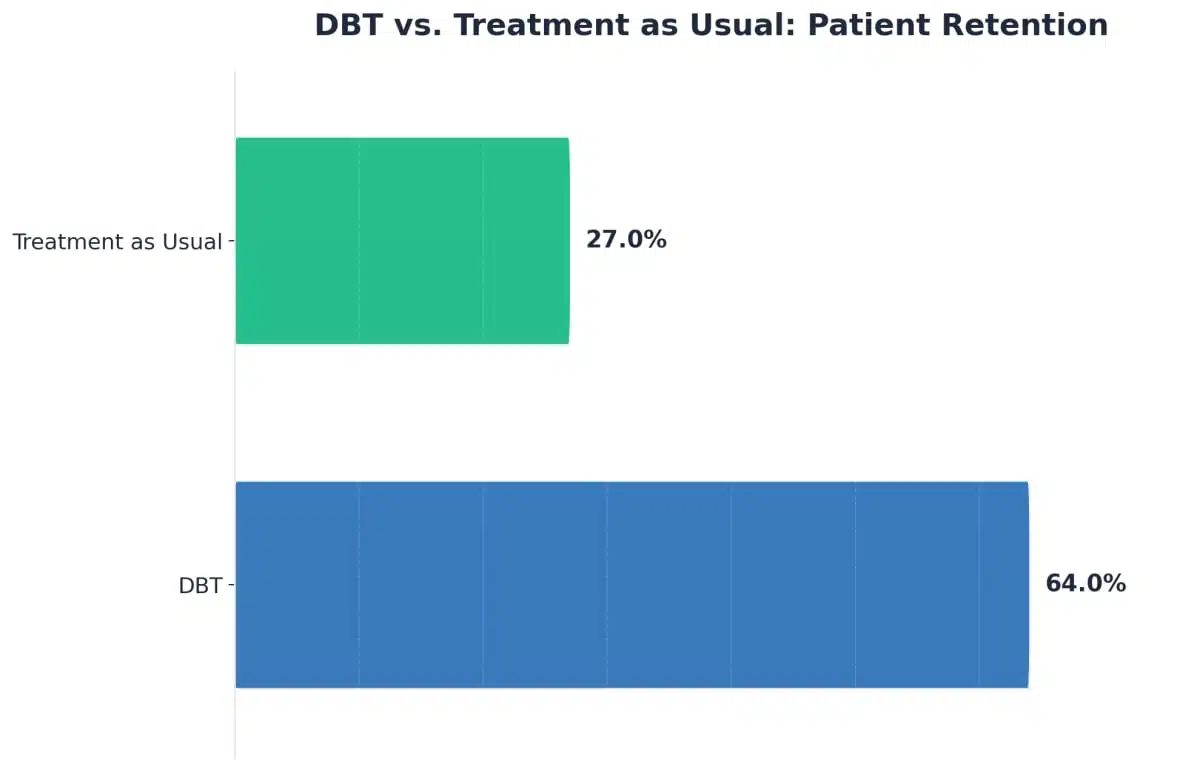
DBT is a type of addiction counseling that blends acceptance with practical change. Imagine DBT as a toolkit for emotional storms: it teaches you to handle tough feelings, build healthy relationships, and avoid black-and-white thinking. For those in Ohio who struggle with both substance use and intense emotions, DBT’s structured approach and focus on real-life skills can be life-changing. Research shows DBT keeps 64% of people in treatment—compared to just 27% for standard therapy—and leads to bigger drops in substance use over time2.
DBT’s Four Core Skill Modules Explained
DBT breaks recovery skills into four main areas:
- Mindfulness: Teaches you to notice your feelings and cravings without getting swept away.
- Distress Tolerance: Offers tools for surviving tough urges or emotional pain—like using grounding techniques until a craving passes.
- Emotion Regulation: Helps you understand and manage strong feelings so they don’t lead to substance use.
- Interpersonal Effectiveness: Focuses on building healthy relationships and setting boundaries, which is key for lasting change.
Trauma-Informed and Emerging Approaches
Some people in Ohio face addiction that’s tightly linked to trauma or powerful, unresolved feelings. Trauma-informed individual therapy recognizes that past hurts—like abuse, loss, or violence—often shape substance use patterns. Therapists create a space that feels safe and respectful, helping you build trust and avoid reactivating painful memories. Newer options, like Eye Movement Desensitization and Reprocessing (EMDR) and Acceptance and Commitment Therapy (ACT), are gaining popularity in Hilliard.
EMDR and ACT for Underlying Trauma
EMDR is used in individual therapy for addiction in Hilliard OH to help you safely revisit difficult memories, breaking the connection between trauma and the urge to use substances. By gently reprocessing painful events, EMDR has been shown to significantly reduce cravings—especially for those with a history of trauma or PTSD10. ACT, another evidence-based addiction therapy, teaches you to accept tough feelings rather than fight them, while focusing on what truly matters to you. Studies show ACT can lower substance use by helping you build psychological flexibility and stay focused on your recovery goals5.
Resource Library: Maximizing Your Recovery
The work you do in individual therapy sessions represents just a fraction of your recovery journey—what happens between appointments often determines how effectively you transform insights into lasting change. Maximizing your therapy outcomes requires intentional preparation, consistent practice, and the right tools to support your growth throughout the week.
Practice Projects: Building Recovery Skills
Think of these practice projects as your personal “training ground” for recovery. In Ohio, therapists encourage using daily thought records and relapse prevention plans as part of addiction counseling. By tracking your thoughts and identifying triggers, you’ll spot patterns and get better at catching cravings early.
Beginner: Daily Thought Records and Triggers
A daily thought record is like a simple diary where you jot down when cravings show up, what was happening, and what thoughts or feelings you had at the time. Use the template below to get started:
Date | Time | Situation (Where/Who) | Emotion (0-10) | Automatic Thought | Alternative Action
-----|------|-----------------------|----------------|-------------------|-------------------
     |      |                       |                |                   |
Research shows that tracking triggers and thoughts at home, then discussing them in session, leads to stronger engagement and better outcomes in recovery1, 2.
Advanced: Developing Your Relapse Prevention Plan
A relapse prevention plan is your personal playbook for tough times. In Ohio, addiction counseling often includes this tool to help you spot warning signs, plan for risky situations, and write out clear actions for when cravings hit. Your plan might list triggers (like stress or certain places), early warning signs (irritability, skipping meetings), and a list of coping skills or support people to call.
Troubleshooting Common Therapy Challenges
Sometimes, the journey through addiction counseling feels like you’re stuck or not making the progress you want. This is normal—many people in Ohio experience ups and downs during recovery. Research shows that keeping up with individual therapy, even when it’s tough, leads to better long-term results and stronger engagement in treatment1, 2.
When Progress Feels Slow or Stalled
If progress stalls, talk openly with your therapist about what’s working and what isn’t. For those using medication-assisted treatment, combining it with regular counseling helps you build new habits and stay connected to your goals. These solutions are part of why Ohio recovery programs, like Arista, encourage teamwork between you and your care team.
Individual Therapy at Arista Recovery
At Arista Recovery, individual therapy begins with a comprehensive 90-minute intake assessment where a licensed clinician evaluates your substance use history, mental health background, trauma experiences, and treatment goals. This initial session uses standardized assessment tools including the Addiction Severity Index (ASI) and PHQ-9 depression screening to create a baseline understanding of your needs and inform your personalized treatment plan.
You’ll be matched with a licensed therapist—either an LPCC (Licensed Professional Clinical Counselor), LISW (Licensed Independent Social Worker), or psychologist—based on your specific clinical needs and any co-occurring disorders. Arista’s clinical team includes specialists in trauma-informed care, dual diagnosis treatment, and evidence-based modalities like Cognitive Behavioral Therapy (CBT), Dialectical Behavior Therapy (DBT), and Eye Movement Desensitization and Reprocessing (EMDR) for trauma processing.
Comprehensive Individual Therapy in Hilliard
At Arista Recovery, individual therapy for addiction in Hilliard OH blends science-backed counseling like CBT, motivational interviewing, and DBT with warm, one-on-one support. Every session is customized to your goals, whether you’re just starting out or have tried other addiction counseling before. Arista’s Ohio therapists use a team approach—helping you build practical skills, address mental health needs, and set a pace that fits your life.
Taking Your First Step Toward Recovery
Starting your recovery journey can feel big, but at Arista Recovery, you don’t have to do it alone. Your first step is simple: reach out by phone or online, and our friendly Ohio team will guide you through each step. During your first visit, you’ll meet with a licensed therapist who will listen to your story, answer your questions, and help you set goals for individual therapy for addiction in Hilliard OH.
Frequently Asked Questions
How do I know which type of individual therapy is right for me?
Choosing the right type of individual therapy for addiction in Hilliard OH starts with a conversation about your unique needs and goals. There’s no one-size-fits-all answer—what works best depends on things like your substance use history, mental health, and what feels comfortable for you. Therapists at Arista Recovery often recommend evidence-based options like cognitive behavioral therapy (CBT), motivational interviewing, or dialectical behavior therapy (DBT), each shown to help with different challenges1, 2, 3. For example, CBT is great for changing habits, while DBT helps with tough emotions and trauma. You’ll know you’re on the right path when the therapy feels supportive, matches your needs, and helps you make real progress.
Can I do individual therapy while continuing to work or go to school?
Yes, you can absolutely continue to work or attend school while participating in individual therapy for addiction in Hilliard OH. Most therapists in Ohio, including those at Arista Recovery, offer flexible scheduling—such as evening appointments or telehealth sessions—to fit around your busy life. Research confirms that online and in-person therapy are equally effective, so you can choose what works best for your situation1. Many people in Hilliard find that balancing therapy with daily responsibilities actually strengthens their recovery.
How long does individual therapy for addiction typically last?
The length of individual therapy for addiction in Hilliard OH can vary quite a bit, depending on your personal goals, the type of therapy, and how you’re progressing. Many people start with weekly sessions and may continue for a few months to a year or more. Research shows that staying engaged in individual addiction counseling—especially for at least several months—leads to better results and long-term recovery1, 2.
Will my insurance cover individual therapy at Arista Recovery?
Most major insurance plans in Ohio do cover individual therapy for addiction at Arista Recovery, but the exact coverage depends on your specific policy and provider. Many clients in Hilliard use insurance to help with the cost of one-on-one addiction counseling. Arista’s team is happy to verify your benefits, explain what’s included, and answer questions about deductibles or copays. Research shows that as addiction treatment options expand—including telehealth and flexible outpatient therapy—insurance coverage is growing too, making it easier for Ohio families to access evidence-based care1.
What happens if I don’t connect with my therapist?
If you find that you don’t connect with your therapist during individual therapy for addiction in Hilliard OH, you’re not alone—and it’s okay to speak up. The relationship between you and your counselor (called the therapeutic alliance) is one of the strongest predictors of healing and long-term recovery1. Sometimes, it takes a few sessions to know if the fit feels right. If you continue feeling uncomfortable or misunderstood, let your therapist know; many are happy to adjust their style or help you find another provider who better matches your needs.
Is individual therapy enough, or do I need residential treatment?
Individual therapy for addiction in Hilliard OH can be a strong foundation for many, but it isn’t always the only answer. Some people do well with weekly counseling and the practical skills it provides. Others may need more support—like residential treatment—if they’re struggling with severe cravings, repeated relapses, or unsafe home situations. Research shows that therapy works best when it matches your unique needs, and sometimes a combination of individual therapy and a higher level of care leads to the best outcomes1, 2.
How does individual therapy address co-occurring mental health conditions?
Individual therapy for addiction in Hilliard OH is designed to help with both substance use and co-occurring mental health conditions like depression, anxiety, or PTSD—a combination often called “dual diagnosis.” In these cases, your therapist creates a plan that addresses both challenges together, not separately. Research shows that people make the most progress when therapy treats addiction and mental health issues at the same time, rather than focusing on just one or the other6.
Can family members participate in my individual therapy sessions?
Yes, family members can participate in your individual therapy for addiction in Hilliard OH if you and your therapist agree it would be helpful. Sometimes, inviting a loved one to join a session can improve communication, build understanding, and strengthen your support network. Ohio therapists often encourage family involvement—when it feels safe and right for you—because studies show that a supportive family can boost motivation and treatment outcomes during addiction counseling7.
What if I’ve tried therapy before and it didn’t work?
If individual therapy for addiction in Hilliard OH didn’t help you before, you’re not alone—many Ohioans need to try different approaches or therapists before finding the right fit. Recovery isn’t always a straight path. Recent research shows that the relationship you build with your therapist is often the most important part of healing, sometimes even more than the specific type of addiction counseling used1. If one style or provider didn’t work, you might benefit from a new evidence-based approach—like cognitive behavioral therapy, dialectical behavior therapy, or motivational interviewing—all of which are proven to help when matched to your unique needs and readiness1, 2.
Are telehealth individual therapy sessions as effective as in-person?
Yes, telehealth individual therapy sessions for addiction are just as effective as in-person appointments for most people in Hilliard, OH. Research shows that online counseling—such as virtual cognitive behavioral therapy and motivational interviewing—produces outcomes equal to face-to-face sessions, making recovery support more accessible throughout Ohio1, 3.
How soon after detox should I start individual therapy?
Starting individual therapy for addiction in Hilliard OH should happen as soon as you are medically stable and ready after detox. Most Ohio experts recommend beginning therapy within days to a week after detox is complete. This quick transition helps you build new coping skills and stay connected to support, which research shows can improve your long-term recovery and reduce relapse risk1.
What credentials should I look for in an addiction therapist?
When searching for an addiction therapist in Hilliard, OH, look for credentials like Licensed Professional Clinical Counselor (LPCC), Licensed Independent Social Worker (LISW), or Licensed Chemical Dependency Counselor (LCDC). Therapists providing individual therapy for addiction in Hilliard OH should also have training in evidence-based methods such as cognitive behavioral therapy or motivational interviewing, which are shown to support recovery1, 3.
Will everything I share in therapy remain confidential?
Yes, your privacy is a top priority during individual therapy for addiction in Hilliard OH. What you share with your therapist stays confidential, following Ohio laws and professional ethics. There are only a few exceptions—like if you talk about plans to harm yourself or others, or if required by law to report certain situations. Research shows that trust and safety in counseling are key for recovery, helping you open up and get the most out of therapy1.
How do I prepare for my first individual therapy session?
A little preparation can help you feel more comfortable for your first individual therapy for addiction in Hilliard OH. Start by jotting down a few thoughts about what brings you to therapy and any goals or worries you have. Many people find it helpful to list out questions they want to ask—like how sessions work, or how your therapist can help with triggers or tough days. Research shows that simply making this first step and sharing openly helps build the strong relationship needed for recovery success1.
References
- NIH/PMC – CBT for Alcohol and Other Drug Use. https://www.ncbi.nlm.nih.gov/pmc/?term=Cognitive+Behavioral+Therapy+for+Alcohol+and+Other+Drug+Use+Disorders
- NIH/PMC – DBT for Substance Abusers. https://www.ncbi.nlm.nih.gov/pmc/?term=Dialectical+Behavioral+Therapy+for+Substance+Abusers
- Cochrane – Motivational Interviewing. https://www.cochranelibrary.com/search?searchExpression=motivational%20interviewing%20substance
- SAMHSA – Motivational Interviewing Advisory. https://store.samhsa.gov/search/Motivational%20Interviewing
- NIH/PMC – ACT for Substance Use. https://www.ncbi.nlm.nih.gov/pmc/?term=Acceptance+and+Commitment+Therapy+for+Substance+Use
- NIH/PMC – Concurrent PTSD and SUD Treatment. https://www.ncbi.nlm.nih.gov/pmc/?term=Concurrent+PTSD+and+SUD+Treatment
- SAMHSA – Family Therapy in SUD Treatment. https://store.samhsa.gov/product/TIP-39-Substance-Abuse-Treatment-and-Family-Therapy/SMA15-4219
- NIH/PMC – Contingency Management. https://www.ncbi.nlm.nih.gov/pmc/?term=Contingency+Management+substance+use
- NIH/PMC – Brief Humanistic and Existential Therapies. https://www.ncbi.nlm.nih.gov/books/NBK64939/
- NIH/PMC – EMDR for Substance Use. https://www.ncbi.nlm.nih.gov/pmc/?term=EMDR+for+Substance+Use+meta-analysis