 Now under new ownership & part of the Arista Recovery Network! For more information,

Key Takeaways
- Medical Safety: Professional detox provides essential supervision to manage withdrawal symptoms safely and comfortably.
- Ohio Coverage: Most insurance plans, including Medicaid and Marketplace policies, cover detox services in Ohio.
- Integrated Care: Leading centers like Arista treat co-occurring mental health issues alongside substance use.
- Actionable Steps: A clear 30-day plan helps you navigate assessment, insurance verification, and admission.
Understanding Drug Detox in Ohio
Navigating drug detox Ohio options is the critical first step in breaking free from substance dependence. During this process, your body clears itself of drugs while medical professionals help manage withdrawal symptoms that can range from uncomfortable to potentially dangerous. In Ohio, where addiction affects thousands of families each year, understanding what detox involves can help you make informed decisions about your recovery journey.
When you stop using drugs after prolonged use, your body needs time to readjust to functioning without those substances. This adjustment period is detoxification. Depending on the substance, withdrawal symptoms might include anxiety, nausea, sweating, tremors, or more severe complications. That’s why medically supervised detox is so important—trained professionals monitor your vital signs, provide medications when appropriate, and ensure your safety during the entire process.
Treatment facilities across Ohio offer several detox options to meet different needs:
- Inpatient medical detox: Provides 24/7 care in a hospital or specialized facility, ideal for severe addictions or when withdrawal poses health risks.
- Residential detox programs: Offer a structured environment with round-the-clock support in a treatment center setting.
- Outpatient detox: Allows you to receive medical supervision while living at home, suitable for those with less severe dependencies and strong home support systems.
The duration of detox varies based on the substance, how long you’ve been using, and your individual health factors. Most detox programs last between three to ten days, though some substances require longer timelines. What remains consistent in all programs is the goal: helping you safely navigate withdrawal so you can transition into comprehensive addiction treatment.
Detox alone isn’t treatment—it’s the foundation that makes recovery possible. Think of it as clearing the fog so you can begin the real work of understanding your addiction, developing coping strategies, and building a life in recovery.
What Happens During Medical Detox
Here’s a quick checklist to show what happens during medical detox in Ohio:
- Medical assessment and safety checks
- Monitoring of vital signs
- Medications for comfort and withdrawal
- Emotional support from staff
- Planning for next steps in recovery
When you arrive at a drug detox center, you’ll first get a thorough check-up to understand your health and what substances are in your system. Nurses and doctors watch over you, making sure you’re safe every step of the way. If you feel sick from withdrawal, you may get proven medications that help your body adjust, lower discomfort, and keep cravings in check2. You’ll also have caring people to talk with, so you’re never alone. This approach is ideal for anyone looking for a safe, supportive start to recovery in Ohio.
The Science Behind Withdrawal
Withdrawal is your body’s reaction to suddenly stopping a drug it has come to rely on. Here’s what’s really happening: drugs like opioids, alcohol, or stimulants change the way your brain works over time. When you stop using, your brain has to re-balance itself, which causes symptoms like anxiety, sweating, or trouble sleeping4. These changes aren’t just in your head—they’re a sign your body is working hard to heal. The severity and type of withdrawal symptoms depend on what substances you’ve used and for how long, which is why drug detox Ohio programs always include careful medical monitoring2.
Timeline Expectations by Substance
Timelines for drug detox in Ohio depend on the type of substance used. The table below provides a handy overview so you know what to expect:
| Substance Type | Onset of Symptoms | Peak Symptoms | Typical Duration |
|---|---|---|---|
| Short-acting opioids (e.g., Heroin) | 6–12 hours | 1–3 days | 1–2 weeks2 |
| Long-acting opioids (e.g., Methadone) | 12–48 hours | Variable | 10–20 days2 |
| Alcohol | Within 6 hours | 24–72 hours | 5–7 days3 |
| Stimulants (e.g., Cocaine) | Within 24 hours | Variable | 3–10 days3 |
This approach works best when you want a clear plan and peace of mind as you enter a drug detox Ohio program. At Arista, our team helps you understand every step, so you’re never caught off guard.
Why Medical Supervision Matters
Medical supervision is a must during drug detox in Ohio because withdrawal can be unpredictable and—at times—dangerous. With expert care, you’re not left alone to guess what’s normal or what’s an emergency. Ohio’s top detox centers, like Arista, use a team approach: doctors and nurses track your progress, spot any warning signs early, and step in if you need extra support2. This strategy suits anyone who wants the safest start possible, especially if you have a history of heavy use or other health conditions.
Risks of Unsupervised Detox
Trying to go through drug detox in Ohio without medical help can be risky, even for people who feel strong or want privacy. Unsupervised detox from substances like opioids or alcohol can lead to serious health crises, such as seizures, dangerously high blood pressure, or even life-threatening withdrawal complications3. In Ohio, emergency rooms sometimes see people who attempted detox alone but needed urgent care. Programs like Arista offer a much safer plan: expert teams spot problems early, keep you stable, and connect you with support.
Evidence-Based Comfort Medications
During drug detox in Ohio, comfort doesn’t mean suffering in silence. Medical teams at places like Arista use proven, evidence-based medications to help you feel safer and more at ease as your body clears harmful substances. For opioids, medicines such as buprenorphine and methadone can lower cravings and ease withdrawal symptoms, helping you focus on healing instead of pain1. Similar medical support exists for alcohol and other drugs, with doctors choosing the safest options based on your needs2.
Self-Assessment: Is Drug Detox Ohio Right Now?
Building on the understanding that detox provides the medical foundation for recovery, the next step is determining whether this foundation is right for you at this moment. Deciding whether to pursue detox is a deeply personal decision that deserves careful consideration. If you’re questioning whether now is the right time, that awareness itself is often a significant first step. Many people throughout Ohio find themselves at this crossroads, wondering if their relationship with drugs or alcohol has reached a point where professional medical detox could help.

Ask yourself these honest questions:
- Have you tried to cut back or stop on your own, only to find yourself using again?
- Do you experience physical discomfort when you go without the substance?
- Has your consumption begun affecting your relationships, work, or daily responsibilities?
- Are you using more than you intended or for longer periods than planned?
Physical warning signs can include withdrawal symptoms like shaking, sweating, nausea, or anxiety when you haven’t used. You might notice increased tolerance, needing more of the substance to achieve the same effect. Some people experience disrupted sleep patterns, changes in appetite, or unexplained health issues that won’t improve.
Beyond physical symptoms, consider the emotional and social impact. Are you isolating from loved ones? Spending significant time thinking about, obtaining, or recovering from drugs or alcohol? Feeling trapped in a cycle you can’t break alone?
If these scenarios resonate with you, reaching out for a professional assessment can provide clarity. Treatment centers across Ohio offer confidential evaluations to help you understand your situation without judgment or pressure. These assessments are designed to give you honest information about your options.
Diagnostic Questions to Ask Yourself
Here’s a quick self-check tool to guide your thinking:
Click to reveal self-assessment questions
- Am I experiencing withdrawal symptoms when I don’t use—like sweating, shaking, or anxiety?
- Has my drug or alcohol use started affecting my health, relationships, or work?
- Do I need more of a substance to feel the same effect, or feel sick without it?
- Have I tried to cut back or quit but couldn’t stick with it?
- Is my mood or mental health getting worse as my use continues?
These questions help you figure out if you might be physically dependent or struggling with emotional side effects. If you answer “yes” to several, it’s a sign that seeking support from a drug detox Ohio program could be a wise next step. Programs like Arista use these same questions to shape a personalized plan—so you’re never alone when deciding what comes next2.
Physical Dependence Indicators
Physical dependence means your body has gotten used to having a drug, so when you stop or cut back, you notice real changes. Here are some classic signs: you may feel shaky, sweaty, nauseous, or get chills if you miss a dose. Needing higher amounts of a substance to feel the same effect—or feeling sick when you don’t use—is another big clue. In Ohio, these patterns aren’t rare; thousands seek help each year for opioid or alcohol withdrawal that feels out of their control2.
Co-Occurring Mental Health Factors
Mental health and substance use often go hand-in-hand, a situation called “dual diagnosis.” This means you might be facing both substance withdrawal and challenges like depression, anxiety, or PTSD at the same time8. In Ohio, it’s common for people entering drug detox Ohio programs to also need support for their emotional well-being. If you notice your mood, sleep, or stress levels are getting worse as your substance use increases, it’s a sign to look for a program that treats both issues together.
Decision Framework for Treatment Level
Choosing the right level of care for drug detox in Ohio is easier with a clear decision framework. Use this simple logic: If you have severe withdrawal symptoms, a history of medical complications, or a co-occurring mental health condition, acute medical detox is likely needed. If your symptoms are milder and you have stable health, standard medical detox or even outpatient care might be enough. According to SAMHSA, matching your treatment level to your medical and emotional needs leads to better outcomes and helps prevent relapse2.
Acute vs. Standard Medical Detox
Here’s a quick side-by-side tool to help you compare acute and standard medical detox in Ohio:
| Feature | Acute Medical Detox | Standard Medical Detox |
|---|---|---|
| Ideal Candidate | Severe withdrawal, medical risks, or mental health conditions. | Milder symptoms and stable overall health. |
| Supervision Level | 24/7 monitoring by doctors and nurses. | Regular check-ins and safety monitoring. |
| Intervention | Immediate medical adjustment for complications. | Standard comfort protocols. |
This path makes sense for Ohioans who want the safest, most attentive level of care if withdrawal is intense or unpredictable. Programs like Arista adjust your level of care so your comfort and safety come first2.
When Residential Care Follows Detox
Residential care often follows drug detox in Ohio when you need more structure and support to keep your recovery moving forward. Here’s a quick decision tool: If you finished detox but still feel unstable, have ongoing cravings, or face triggers at home, stepping into residential care is a wise move. This path works best for people who want 24/7 support, daily therapy, and a safe space to focus on healing.
Evaluating Drug Detox Ohio Programs
Once you’ve decided detox is the right step, choosing the right program becomes your priority. Ohio offers various detox options, from hospital-based medical detox to specialized addiction treatment centers, and understanding what to look for helps you make an informed decision.
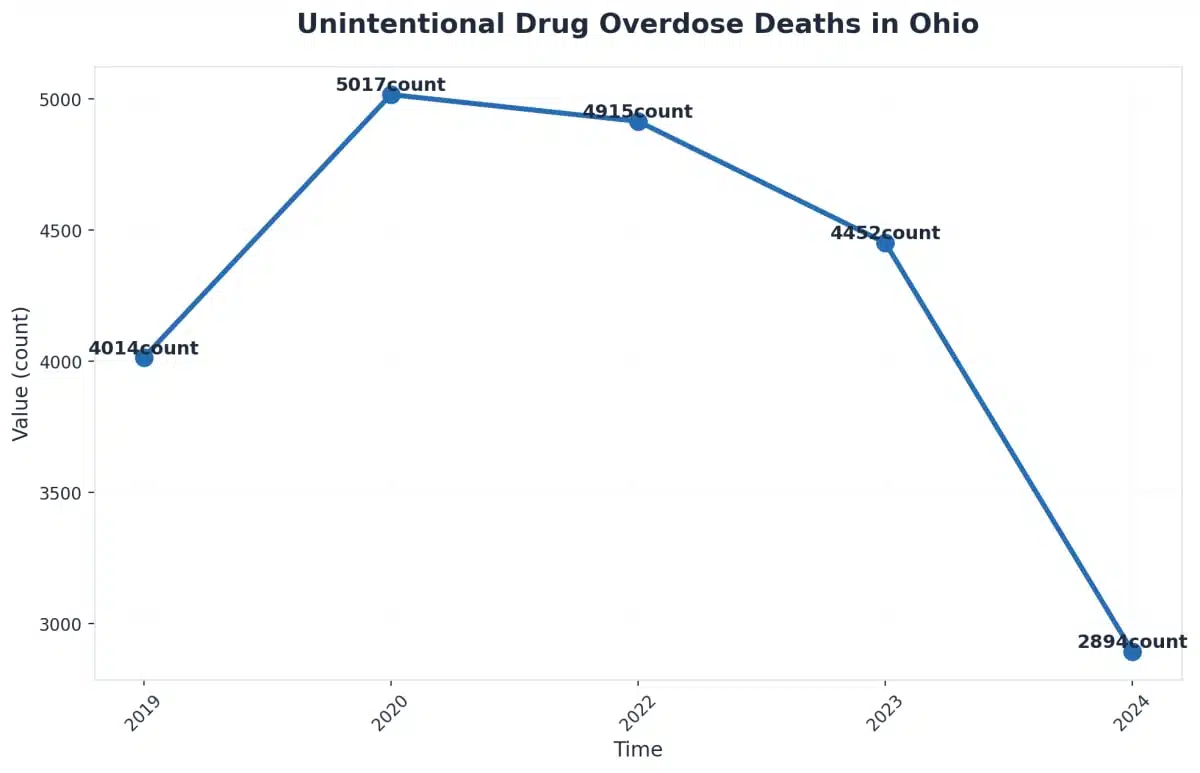
Start by verifying the program’s accreditation and licensing. Legitimate detox facilities across Ohio hold certifications and often carry accreditations from organizations like The Joint Commission or CARF. These credentials ensure the program meets established safety and quality standards.
Medical staffing makes a significant difference in your detox experience. Look for programs with 24/7 medical supervision, including physicians experienced in addiction medicine, registered nurses, and licensed mental health professionals. The presence of qualified staff means someone can respond immediately if complications arise during withdrawal.
The types of substances the program specializes in treating matter too. Some facilities excel at alcohol detox, while others have particular expertise with opioids or benzodiazepines. Ask specifically about their experience treating your substance of choice and their protocols for managing those particular withdrawal symptoms.
Treatment approach reveals a lot about program quality. Effective detox programs don’t just manage physical withdrawal—they begin addressing the psychological aspects of addiction. Look for facilities that offer counseling, develop individualized treatment plans, and discuss continuing care options before you complete detox.
Quality Indicators That Matter Most
When comparing drug detox Ohio programs, it helps to use a quick checklist of the most important quality indicators:
- Is the program accredited by a trusted national body?
- Are there licensed doctors and nurses on staff 24/7?
- Does the center offer a plan for aftercare and ongoing support?
These details show that a detox program takes your safety and future seriously. Accredited programs and strong medical teams help ensure withdrawal management is both safe and compassionate, while aftercare planning lowers your risk of relapse5. This approach makes sense if you want peace of mind, not just during detox, but as you build a foundation for lifelong recovery.
Accreditation and Medical Staffing
When you’re looking for a reliable drug detox Ohio program, start by checking for accreditation from respected organizations like The Joint Commission or CARF. Accreditation means an outside group has reviewed the center and confirmed it meets high standards for safety, staff training, and patient care. Next, ask if there are licensed doctors and nurses on-site 24/7. Strong medical staffing ensures withdrawal management and addiction treatment are handled with skill and compassion, which directly improves safety and comfort for clients5.
Aftercare Planning and Continuity
To truly support recovery after drug detox Ohio, strong aftercare planning and continuity of care are must-haves. Use this quick tool when comparing local programs: ask if they create a personalized aftercare plan before you leave detox, connect you with outpatient services or peer support, and offer follow-up check-ins. Centers like Arista make sure you leave with ongoing support, not just a discharge date.
Navigating Insurance and Costs
Navigating insurance and costs for drug detox Ohio can be confusing, but a step-by-step approach makes things clearer. First, check if your insurance plan covers substance use treatment—under the Affordable Care Act, all marketplace plans must include mental health and addiction recovery services as essential benefits7. Ohio Medicaid and Medicare also help many people access detox and rehab programs. If you have private insurance, call your provider or ask a treatment center like Arista to verify your coverage.
Ohio Coverage Options Explained
Let’s break down your options for covering drug detox Ohio so you know what’s available before you start. Ohio residents can use Medicaid, Medicare, or private insurance, and all ACA Marketplace plans are required to cover substance use treatment—this includes both medical detox and follow-up addiction treatment7. If you qualify for Medicaid or Medicare, these programs often include detox services at approved facilities, and many top Ohio centers, like Arista, accept these plans. For those without insurance, Ohio has state-funded resources supported by opioid settlement funds, which help cover costs for people who qualify6.
Verification Process Made Simple
To make verifying your insurance for drug detox Ohio as stress-free as possible, follow this simple step-by-step tool:
- Gather your insurance card and write down your member ID and plan information.
- Call the admissions team at a local Ohio detox center like Arista. They’re used to handling these questions every day.
- Share your insurance details so staff can check your coverage for substance withdrawal and addiction treatment.
- Ask about what’s covered, if you’ll owe a copay, and whether there are any out-of-pocket costs.
- If you’re using Medicaid, Medicare, or a state-funded plan, staff will help confirm which services are included and guide you through any extra paperwork7.
This approach works well for anyone wanting clarity and peace of mind before starting treatment. Most Ohio programs have dedicated staff to walk you through the verification process, making sure surprises don’t get in the way of recovery support.
Your Next 30 Days Action Plan
Now that you understand how to evaluate detox programs, it’s time to transform that knowledge into action. Taking the first step toward recovery can feel overwhelming, but breaking it down into manageable actions makes the process less daunting. Here’s a practical roadmap to guide you through the next month as you begin your journey toward healing.

- Week 1: Gather Information and Reach Out Start by researching local detox programs that align with your specific needs. Make a list of facilities that offer the level of care you require, whether that’s medical detox, dual diagnosis treatment, or specialized programs. Reach out to at least three facilities, including Arista Recovery, to ask questions about their approach, insurance acceptance, and availability. You can also contact the Ohio Department of Mental Health and Addiction Services helpline at 1-877-275-6364 or the SAMHSA National Helpline at 1-800-662-4357 for guidance and referrals.
- Week 2: Complete Assessments and Verify Insurance Schedule pre-admission assessments with your top choices. These evaluations help determine the most appropriate level of care for your unique circumstances. Contact your insurance provider to understand your behavioral health benefits and what portion of treatment costs will be covered. Many facilities across Ohio offer free insurance verification services to simplify this process.
- Week 3: Prepare Logistically and Emotionally Arrange time away from work or other obligations. Have honest conversations with family members or close friends about your decision to seek treatment—their support can be invaluable during recovery. Begin packing essentials and making arrangements for any responsibilities you’ll need to hand off temporarily.
- Week 4: Commit and Begin Finalize your admission date and complete any remaining paperwork. The night before admission, focus on self-care and remind yourself why you’re taking this courageous step. Recovery is possible, and thousands of people across the region have successfully completed detox and gone on to build fulfilling, substance-free lives. You can be one of them.
Week One: Information and Assessment
Week one of your drug detox Ohio journey centers on gathering the right information and completing your first assessments. Use this simple weekly checklist:
- Collect your medical records, medication list, and any past treatment notes
- Schedule your assessment with a detox center like Arista
- Complete insurance verification or ask staff for help checking your coverage
- Write down questions or concerns about withdrawal and addiction treatment
This step is your foundation—making sure your care team has the full picture helps them create a plan that’s safe and effective for you. Most Ohio programs, including Arista, have trained staff who walk you through paperwork and answer your questions, reducing stress as you begin recovery7.
Gathering Medical History
To start drug detox Ohio programs on solid footing, it’s key to gather your medical history before your first appointment. Here’s a quick checklist: bring copies of your medical records, a list of all current medications (including over-the-counter and supplements), details about any allergies, and notes about past hospital stays or surgeries. If you’ve received treatment for substance withdrawal or mental health in the past, include those records too. This information helps the care team at Arista or another Ohio detox center spot any health risks, tailor your addiction treatment plan, and keep you safe from day one5.
Insurance Verification Steps
Verifying your insurance for drug detox Ohio is a key first step that helps you avoid surprises and start addiction treatment with confidence. Here’s a straightforward checklist to keep things simple:
- Have your insurance card handy (Medicaid, Medicare, or private plan)
- Call the admissions team at Arista or your chosen Ohio center—they’ll check your substance withdrawal and addiction treatment coverage for you
- Ask about covered services, any deductibles, and what out-of-pocket costs might look like
- If you use Medicaid, Medicare, or a state-funded program, staff will guide you through any extra paperwork needed7
Weeks Two Through Four: Detox to Recovery
Weeks two through four of your drug detox Ohio journey are about moving from the initial detox process into early recovery and building new routines. Use this practical weekly tool: set a daily routine for meals, rest, and group sessions; attend therapy and educational classes; reach out to your support network; and take care of basic needs like hygiene and sleep. Recovery support in Ohio centers, such as Arista, means you’ll have access to peer groups, medical check-ins, and counselors who help you handle cravings and learn new coping skills2.
What to Pack and Expect
Packing for drug detox Ohio doesn’t need to be stressful—use this simple checklist to help you feel ready and comfortable. Bring enough comfy clothes for a week (think sweatshirts, t-shirts, and pajama pants), closed-toe shoes, and personal hygiene items like toothbrush, toothpaste, and unscented soap. You should also bring your insurance card, a photo ID, and a list of any prescribed medications. At centers like Arista, staff will review your items to make sure everything is safe for the group, so it’s best to leave valuables or anything with alcohol or sharp edges at home2.
Building Your Support Network
Building a support network during weeks two through four of drug detox Ohio is a powerful way to boost your recovery and keep you motivated. Start with this tool: make a list of three people you trust (family, friends, or peers from your recovery group) and reach out to them regularly—set up check-ins or calls, even if they’re short. At Arista and other Ohio centers, you’ll also meet peer supporters who understand addiction treatment firsthand and can share encouragement, tips, and hope. Studies show that strong social connections lower the risk of relapse and help you stick with your recovery plan5.
Frequently Asked Questions
As you develop your action plan and consider your next steps, certain questions naturally arise. Understanding these practical aspects of treatment can help you move forward with greater confidence. Here are some of the most common questions Ohio families ask when exploring recovery options.
How long does treatment typically last? Recovery timelines vary based on individual needs. Some people benefit from short-term programs lasting 30 days, while others find success with longer-term care spanning 60 to 90 days or more. The right duration depends on factors like addiction history, co-occurring mental health conditions, and personal circumstances. Treatment teams work with you to determine the most appropriate length of care.
Will insurance cover treatment costs? Many insurance plans provide coverage for addiction treatment, though benefits vary by provider and policy. In Ohio, the Mental Health and Addiction Equity Act requires most plans to cover substance use treatment similarly to other medical conditions. Verification of benefits helps clarify what your specific plan covers, including inpatient care, outpatient services, and therapy sessions. Financial counselors can walk you through your options and help identify available resources, including Ohio-specific assistance programs.
Can family members participate in the recovery process? Family involvement often strengthens recovery outcomes. Many Ohio programs offer family therapy sessions, educational workshops, and support groups designed to help loved ones understand addiction and learn healthy communication skills. This collaborative approach benefits everyone affected by dependency.
What happens after treatment ends? Recovery continues beyond formal treatment through aftercare planning. This might include ongoing therapy, support group participation, sober living arrangements, and connection to community resources. Ohio offers numerous recovery support services, including peer recovery programs and community-based organizations. Building a strong support network and maintaining healthy routines helps sustain long-term recovery.
How do I choose between inpatient and outpatient treatment? The decision depends on several factors: the severity of your dependency, your home environment, work or family obligations, and any co-occurring health conditions. Inpatient programs provide 24/7 structured support and remove you from triggering environments—ideal for severe addiction or unstable living situations. Outpatient treatment offers flexibility to maintain daily responsibilities while receiving regular therapy and support. An assessment with treatment professionals can help determine which level of care best matches your needs.
Will my insurance cover detox in Ohio, and how do I find out before I arrive?
Most insurance plans in Ohio—including Medicaid, Medicare, and ACA Marketplace policies—cover drug detox and addiction treatment, so you’re likely eligible for support when you start your recovery journey7. To find out your specific coverage before arriving at a center like Arista, gather your insurance card and give the admissions team a call. They’ll check your benefits for substance withdrawal and recovery support, explain what’s included, and help you understand if there are any deductibles or out-of-pocket costs. If you use state-funded detox options or have financial concerns, Ohio has resources from opioid settlement funds to help many families access care6. This way, you can focus on healing instead of paperwork, knowing that Arista and other trusted Ohio programs make the insurance process as smooth as possible.
Are there detox programs in Ohio that offer gender-specific or LGBTQ-affirming care?
Yes, there are drug detox Ohio programs that offer both gender-specific and LGBTQ-affirming care. In Ohio, some treatment centers—including Arista—understand that your background, identity, and lived experiences matter in recovery. These programs may provide separate groups or housing for men, women, or nonbinary individuals, and many now train staff to create a safe, respectful space for LGBTQ clients. Gender-responsive detox centers often use trauma-informed approaches, especially for women who may have faced violence or family concerns9. For LGBTQ individuals, affirming care means staff are sensitive to issues like stigma, identity, and family dynamics, helping you feel seen and supported.
What if I don’t have insurance or can’t afford treatment—are there options for me in Ohio?
If you don’t have insurance or worry about paying for drug detox Ohio services, there are still options to get help. Ohio has expanded access to state-funded detox and addiction treatment using opioid settlement funds—these resources are designed to support people without insurance or those facing financial hardship6. Many centers, including Arista, can guide you through the process of applying for these programs or connecting you with grants and public funding. Medicaid and Medicare are also available to many Ohio residents, often covering detox and follow-up addiction treatment at approved facilities7.
How do I choose between different detox programs in Ohio?
Choosing between detox programs in Ohio starts with a quick checklist: look for accreditation (like The Joint Commission or CARF), 24/7 medical staffing, and a clear aftercare plan. These are the signs of a quality drug detox Ohio center—places like Arista meet these standards to keep you safe and supported5. Also, ask if the program offers integrated care for mental health, trauma-informed support, or peer recovery groups, since these features can make a real difference in your experience.
Can family members visit or participate in my detox and early treatment?
Family involvement is often encouraged during drug detox Ohio programs, since having support can make a real difference in early recovery. Most centers in Ohio—including Arista—offer scheduled visiting hours or family sessions, especially after the first few days when safety and stability are established. Some programs invite family members to join educational workshops or group meetings, helping everyone understand substance withdrawal and how to support your addiction treatment. If in-person visits aren’t possible, many Ohio centers arrange phone or video calls5.
What if I relapse after detox—can I come back?
If you relapse after finishing drug detox Ohio, you are welcome—and encouraged—to return for more support. Recovery is a journey, and lapses are a common part of the process, not a sign of failure. Top Ohio centers like Arista understand that it sometimes takes more than one try to gain lasting stability. Relapse doesn’t erase the progress you’ve made; it just means your recovery plan might need some adjustments. Trusted addiction treatment programs in Ohio will work with you to figure out what’s changed and provide comfort-focused, evidence-based care again5.
What if I’ve tried to detox on my own before and failed—will medical detox be different?
If you’ve tried to detox at home before and it didn’t work, you’re not alone—and medical detox can absolutely feel different. Programs like Arista in Ohio offer medical supervision, comfort medications, and round-the-clock care, which means withdrawal symptoms are managed safely and your comfort is a top priority2. Unlike going it alone, drug detox Ohio centers use proven treatments and a supportive team to lower the risk of dangerous complications, increase your chances of finishing detox, and help you move forward with confidence5.
Can I bring my phone or stay in contact with family during detox?
Most Ohio drug detox centers, including Arista, understand how important it is to stay connected with loved ones during recovery. While each program has its own rules, you can usually keep in touch with family—just not always with your phone right away. Many centers hold your phone for part of detox to help you focus on rest and healing, but supervised calls or scheduled check-ins are often encouraged. Some programs allow phone use in certain areas after the first few days, depending on your progress and safety needs5.
How do I know if I need detox or if I can start with outpatient treatment?
If you’re unsure whether you need drug detox Ohio services or can begin with outpatient addiction treatment, start by checking for a few key signs. If you have withdrawal symptoms when you stop using—like shaking, sweating, nausea, or anxiety—or if your use has led to medical problems or mental health struggles, medical detox is usually the safest first step. Outpatient care may be an option if your symptoms are mild, your health is stable, and you have strong support at home. According to SAMHSA, matching your care level to your health needs leads to better recovery outcomes2.
What happens if I have a co-occurring mental health condition like depression or PTSD?
If you have a co-occurring mental health condition like depression or PTSD, Ohio’s top drug detox programs—including Arista—are ready to support both your mental health and substance withdrawal at the same time. This approach is called “integrated care,” meaning you’ll have access to addiction treatment and counseling for mental health in one place8. When you enter a drug detox Ohio program, the care team will assess your mental health needs along with your physical symptoms, and may adjust medications, provide therapy, or connect you with psychiatric support.
Will I be comfortable during detox, or will I suffer through withdrawal?
You might worry that drug detox Ohio means suffering, but that isn’t the case at trusted centers like Arista. Today’s programs are designed to keep you as comfortable as possible. Medical teams use evidence-based comfort medications to ease symptoms and help you rest, so you don’t just have to “tough it out”2. You’ll also get emotional support and practical recovery tips from caring staff along the way. This approach is a big shift from older “white-knuckle” methods—now, the focus is on dignity, safety, and helping you feel supported as your body heals2.
How long does detox typically last, and what comes after?
Detox in Ohio usually lasts anywhere from a few days up to two weeks, depending on what substances you’ve used and your personal health. For example, withdrawal from short-acting opioids like heroin may peak within 1 to 3 days and last up to 1–2 weeks, while detox from longer-acting opioids or alcohol can stretch out longer23. After the initial detox, most people move directly into ongoing addiction treatment—like residential care, outpatient programs, or counseling—so you’re not left without support.
Can I work or keep up with responsibilities while in detox?
Most people need to step away from work and daily responsibilities while in a drug detox Ohio program. Detox centers—like Arista—provide a safe space to focus on your health, since withdrawal symptoms and medical monitoring can make it hard to keep up with job duties or family tasks. This approach is ideal when safety and recovery are your top priorities. If you have concerns about missing work, talk to your provider; Ohio programs can help with documentation for medical leave or FMLA, so you don’t have to choose between your job and getting well2.
What if I’m using multiple substances—can detox still help me?
If you’re using multiple substances—like mixing opioids with alcohol or stimulants—drug detox Ohio programs can still help you start recovery safely. Medical detox centers, such as Arista, are skilled at handling withdrawal from more than one drug at the same time. The staff will create a personalized plan after a thorough assessment, closely monitor your symptoms, and use evidence-based comfort medications to keep you as safe and comfortable as possible2.
Finding Hope in Ohio’s Recovery Community
Recovery doesn’t happen in isolation. Across Ohio, thousands of people are finding strength, support, and lasting sobriety through vibrant recovery communities that understand what you’re going through. Whether you’re in Cleveland, Columbus, Cincinnati, or a smaller town, you’ll discover networks of people who’ve walked similar paths and are ready to welcome you.
Ohio’s recovery community offers something truly special: connection with others who understand the challenges of addiction without judgment. From peer support groups meeting in community centers to recovery cafés where you can share a cup of coffee and honest conversation, these spaces provide the encouragement you need during difficult moments. Organizations like the Ohio Recovery Housing program connect you with safe, supportive living environments, while the Ohio Peer Recovery Support Network offers trained peer supporters who provide guidance based on their own recovery experiences. Many people find that attending regular meetings or events becomes an anchor in their recovery journey, offering accountability and friendship when they need it most.
You’ll also find specialized support groups across Ohio that address specific needs—whether you’re a parent in recovery, a young adult, a veteran, or someone navigating dual diagnosis. SMART Recovery meetings are available throughout the state for those seeking science-based approaches, while traditional 12-step programs like Alcoholics Anonymous and Narcotics Anonymous maintain active chapters in communities large and small. These communities recognize that everyone’s path is unique, and they create welcoming environments where you can be yourself while working toward your goals.
The beauty of Ohio’s recovery community is that it extends beyond formal treatment. Alumni programs, sober living homes, and recovery-focused activities like sports leagues, art classes, and volunteer opportunities help you build a fulfilling life in sobriety. You’re not just giving up substances; you’re gaining a whole new way of living and connecting with others.
Taking that first step to reach out can feel intimidating, but remember that everyone in the recovery community started exactly where you are now. When you’re ready to explore treatment options and connect with supportive resources, know that help is available and recovery is possible.
Remember when we talked about detox being that crucial first step in your recovery journey? Now you understand what that step truly involves—the medical support available, the timeline you can expect, the therapies that will guide you, and the vibrant community waiting to support you. You’re no longer facing the unknown. Armed with this knowledge, you can approach detox with confidence, knowing it’s not just about getting through withdrawal—it’s about beginning a transformation. Your journey toward healing can begin today, and you now have everything you need to take that first step forward.
References
- Medications for Opioid Use Disorder. https://nida.nih.gov/research-topics/medications-opioid-use-disorder
- Substance Use Disorder Treatment Options. https://www.samhsa.gov/substance-use/treatment/options
- Clinical Guidelines for Withdrawal Management and Treatment of Drug Dependence. https://www.ncbi.nlm.nih.gov/books/NBK310652/
- Neuroscience: The Brain in Addiction and Recovery. https://www.niaaa.nih.gov/health-professionals-communities/core-resource-on-alcohol/neuroscience-brain-addiction-and-recovery
- Guide: 11 Indicators of Quality Addiction Treatment. https://www.recoveryanswers.org/resource/effective-addiction-treatment-what-makes-a-good-addiction-treatment-program/
- Grant Process. https://www.oneohiofoundation.com/grants
- Mental Health & Substance Abuse Coverage. https://www.healthcare.gov/coverage/mental-health-substance-abuse-coverage/”
- Dual Diagnosis. https://medlineplus.gov/dualdiagnosis.html
- Addressing Trauma Among Women with Serious Addictive Disorders. https://pmc.ncbi.nlm.nih.gov/articles/PMC3860828/
- Comparative Effectiveness of Different Treatment Pathways for Substance Use Disorder. https://jamanetwork.com/journals/jamanetworkopen/fullarticle/2760032
