 Now under new ownership & part of the Arista Recovery Network! For more information,

Key Takeaways for Ohio Families
- Decision Guide: If you or a loved one struggles with intense emotional swings, self-harm, or substance use that hasn’t responded to standard therapy, comprehensive DBT is the recommended clinical pathway.
- Success Metrics: The top three factors for recovery are committing to the full 6-12 month timeline, active family participation in skills training, and utilizing phone coaching during crises.
- Immediate Action: Verify your insurance specifically for “Comprehensive DBT” (CPT codes 90837, 90853) rather than general therapy to ensure full coverage.
Understanding the Foundations of Dialectical Behavior Therapy in Ohio
Finding effective dialectical behavior therapy in Ohio can be the turning point for individuals who feel trapped by intense emotions or destructive behaviors. Unlike traditional talk therapy, which often focuses on “why” you feel a certain way, DBT focuses on “how” to handle those feelings in the moment. It is a structured, evidence-based approach that balances two seemingly opposite forces: acceptance of who you are right now, and the need to change behaviors that are hurting you.
- Do your emotions feel like a rollercoaster that you can’t get off?
- Do you often act impulsively when you are upset, later regretting it?
- Have your relationships suffered because of intense anger or fear of abandonment?
- Do you struggle with self-harm or chronic thoughts of suicide?
- Have other therapies felt like they didn’t give you enough practical tools?
At its core, DBT rests on four key skill areas. Think of these as the four legs of a chair—if one is missing, the stability of your recovery is compromised.
- Mindfulness: The foundation of all other skills. It teaches you to stay present in the moment without judgment, rather than getting lost in past regrets or future worries.
- Distress Tolerance: Crisis survival skills. These are tools to help you get through a difficult situation without making it worse (e.g., by using substances or lashing out).
- Emotion Regulation: Learning to drive your emotions rather than letting them drive you. This involves naming your feelings and reducing your vulnerability to painful emotions.
- Interpersonal Effectiveness: How to ask for what you need and say “no” to others while maintaining your self-respect and keeping your relationships healthy.
“DBT isn’t just about stopping bad behaviors; it’s about building a life worth living. It gives you the manual for your emotions that you never received growing up.”
What DBT Is and How It Works
In Ohio, comprehensive DBT is typically delivered through a rigorous structure designed to support you from every angle. It is not a “drop-in” therapy; it is a commitment to a curriculum of recovery. The philosophy is based on dialectics—the idea that two opposing truths can exist at the same time. For example, you can be doing the best you can and you need to do better.
If you are exploring recovery for yourself or a loved one, understand that this is an active therapy. You won’t just sit and talk; you will learn, practice, and report back on homework. Many Ohio centers, including Arista Recovery, utilize this active model to ensure that skills learned in the office translate to your living room, workplace, and community10.
The Four Core Components Explained
To be considered “Comprehensive DBT,” a program must include four distinct modes of treatment. If a provider offers only one or two, it is considered “DBT-Informed,” which may not be sufficient for high-risk individuals.
- Individual Therapy: Weekly sessions to review your diary card (a daily log of emotions and behaviors) and apply skills to your specific life challenges.
- Skills Training Group: A classroom-style setting where you learn the specific DBT curriculum alongside others. This is not a “process group” where you share trauma, but a learning space.
- Phone Coaching: The ability to call your therapist between sessions for in-the-moment guidance on using skills before a crisis escalates.
- Consultation Team: A weekly meeting for the therapists themselves to support each other and ensure they are staying true to the DBT model.
DBT Skills: Mindfulness to Distress Tolerance
Think of DBT skills as a first-aid kit for your mental health. Mindfulness is the flashlight that helps you see where you are. Distress Tolerance is the bandage that stops the bleeding during a crisis. Emotion Regulation is the medicine that treats the underlying sensitivity. Interpersonal Effectiveness is the communication system that helps you call for help effectively.
Studies show that Ohio residents who actively practice these skills experience fewer hospitalizations and better recovery outcomes9. At Arista, we emphasize that knowing the skill isn’t enough—you have to practice it until it becomes muscle memory.
Conditions DBT Treats Effectively
While originally developed for Borderline Personality Disorder (BPD), DBT has proven highly effective for a wide range of conditions prevalent in Ohio. It is particularly suited for any condition involving “emotional dysregulation”—the inability to manage intense emotional responses.
Substance Use and Co-Occurring Disorders
Imagine trying to row a boat with holes in it—addiction and mental health issues together can make staying afloat feel impossible. DBT gives you tools to patch those holes. For those struggling with substance use, DBT includes specific modules for “Pathological Adaptation to Addiction,” teaching skills like Urge Surfing (riding out a craving like a wave until it subsides) and Burning Bridges (mentally cutting off the option to use).
Research indicates that DBT leads to higher rates of abstinence and retention in treatment, especially for those with co-occurring disorders7, 1.
Trauma, Anxiety, and Mood Conditions
For trauma survivors, DBT acts as a stabilizer. Before you can process deep trauma (which can be destabilizing), you need the skills to handle the emotions that come up. DBT provides that safety net. It improves executive functioning in those with anxiety and reduces self-harm in those with mood disorders4, 2.
Accessing Dialectical Behavior Therapy in Ohio
Once you’ve decided DBT is the right path, the next challenge is navigating the landscape of providers in Ohio. Access varies significantly depending on whether you are in a major metro area like Columbus or a rural community. Understanding the different levels of care is crucial for making a cost-effective and clinically appropriate decision.
- Are you currently unsafe or in immediate crisis? → Look for Residential Treatment or Inpatient Stabilization.
- Do you need daily support but can sleep at home? → Look for a Partial Hospitalization Program (PHP) or Intensive Outpatient Program (IOP).
- Can you function at work/school but need skills? → Look for Standard Outpatient DBT (Weekly sessions).
Types of DBT Programs Available
In Ohio, you will encounter three main delivery methods for DBT. Choosing the right one depends on your budget, time availability, and severity of symptoms.
| Program Type | Time Commitment | Typical Cost (Private Pay) | Best For |
|---|---|---|---|
| Residential | 24/7 Live-in (30-90 days) | $15,000 – $30,000/mo | Severe crisis, safety concerns, detox needs. |
| Intensive Outpatient (IOP) | 3-5 days/week (3 hrs/day) | $3,000 – $5,000/mo | Stepping down from residential or needing high support. |
| Standard Outpatient | 1-2 sessions/week | $150 – $250/session | Maintenance, working professionals, students. |
Comprehensive vs. DBT-Informed Treatment
It is vital to distinguish between “Comprehensive DBT” and “DBT-Informed” care. Comprehensive DBT includes all four components (individual, group, coaching, team) and is the evidence-based standard for high-risk clients. DBT-Informed care might just use the skills manual in individual therapy. While DBT-informed care can be helpful for mild anxiety, research shows it may not deliver the same results for complex needs like addiction or BPD9, 10.
Residential, Outpatient, and Telehealth Options
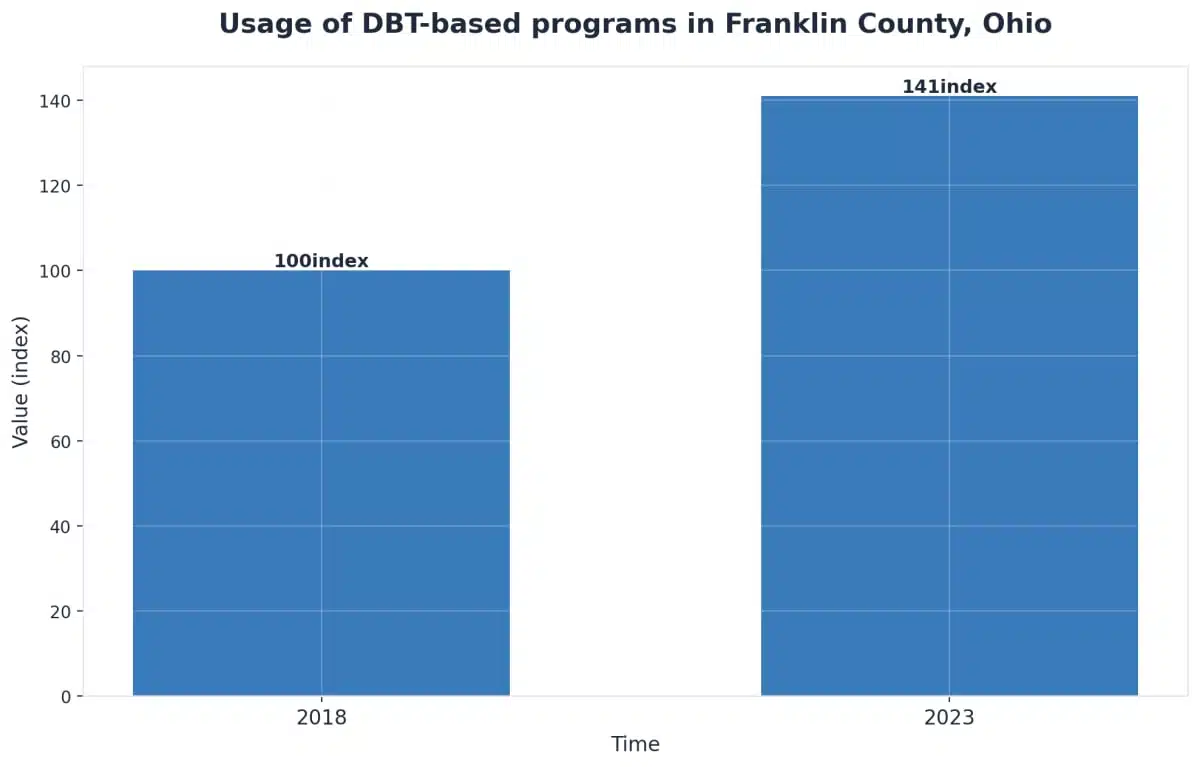
Telehealth has revolutionized access in Ohio. Usage of DBT-based programs in Franklin County rose by 41% recently, largely due to virtual options9. Telehealth allows you to attend skills groups from home, removing transportation barriers—a critical factor for those in rural counties.
Navigating Ohio’s Treatment Landscape
Finding a provider can feel like a maze. Some regions have robust networks, while others are “treatment deserts.”
Regional Availability and Provider Networks
Urban centers like Columbus and Cleveland have the highest concentration of certified DBT clinicians. However, if you live in rural Ohio, your best option is often a statewide telehealth provider like Arista Recovery, which can connect you to certified care without the commute.
Insurance Coverage and Verification Steps
Insurance is often the biggest hurdle. To verify coverage, call the number on the back of your card and ask specifically: “Does my plan cover CPT code 90853 (Group Therapy) and 90837 (Individual Therapy)?” Also ask if there are exclusions for “dialectical behavior therapy.” Arista Recovery’s admissions team can perform this verification for you, navigating the complex language of benefits to ensure you aren’t hit with surprise bills.
Evaluating Program Quality for Dialectical Behavior Therapy in Ohio
Not all DBT programs are created equal. Because “DBT” is a popular buzzword, some providers may claim to offer it without adhering to the rigorous standards that make it effective. You need to be a savvy consumer of mental health services.
- Do you offer 24/7 phone coaching? (If no, it’s not comprehensive DBT).
- Does the therapist belong to a consultation team?
- Is there a separate weekly skills group?
- Are the clinicians certified by the DBT-Linehan Board?
Certification and Therapist Qualifications
The gold standard for qualification is certification by the DBT-Linehan Board of Certification (DBT-LBC). This ensures the therapist has passed rigorous exams and submitted work samples. While many excellent therapists in Ohio are still in the process of certification, looking for this credential—or a program led by a certified clinician—is your best assurance of quality10.
DBT-LBC Standards and What They Mean
DBT-LBC standards protect you from “drift”—where therapy slowly becomes less structured and effective. These standards mandate adherence to the manual, ensuring you get the exact treatment proven to work in clinical trials.
Questions to Ask Potential Providers
When you call a center, ask: “What is your policy on missed sessions?” and “How do you handle phone coaching calls?” A quality program will have clear, strict policies because consistency is part of the treatment. If the answers are vague, consider it a red flag.
Treatment Duration and Commitment Expectations
DBT is a marathon, not a sprint. Real neurological change takes time.

Standard 6-12 Month Programs Explained
A full round of DBT skills training typically takes 6 months to complete. Most protocols recommend repeating the cycle once, for a total of one year. This allows you to learn the skills the first time through, and then master them the second time. Quitting early is a common cause of relapse8.
Homework, Phone Coaching, and Skills Practice
You will have homework. It might be filling out a diary card or practicing a “STOP” skill during a stressful meeting. Research confirms that clients who complete their homework and utilize phone coaching have significantly better outcomes than those who just attend sessions8.
Specialized DBT for Unique Populations
DBT is flexible. It has been adapted for various groups to ensure the language and examples resonate with their lived experiences.
Gender-Specific and LGBTQ+ Affirming Care
For many, safety is a prerequisite for healing. Gender-specific groups can provide a safer environment to discuss trauma.
Women’s Trauma-Informed DBT Programs
Women’s tracks often focus heavily on the intersection of trauma and emotion regulation. These programs create a space to address issues like domestic violence or sexual assault using DBT protocols to manage the resulting PTSD symptoms3.
Culturally Competent LGBTQ+ Treatment
Affirming care is critical. LGBTQ+ individuals in Ohio face unique stressors related to identity and discrimination. Culturally competent DBT validates these experiences as real stressors, rather than pathologizing the reaction to them. Arista Recovery prioritizes inclusivity, ensuring that your identity is respected as part of your recovery journey.
Veterans and Dual Diagnosis Treatment
Ohio has a large veteran population, and specialized DBT tracks address the specific culture of military service.
DBT-PTSD for Military-Related Trauma
DBT-PTSD is an adaptation that specifically targets the flashbacks and avoidance behaviors common in veterans. It combines skills training with exposure protocols to help veterans reclaim their lives from trauma3.
Integrated Substance Use Disorder Care
For those with dual diagnosis, integrated care is non-negotiable. You cannot treat the addiction without treating the emotional pain that drives it. Integrated DBT programs in Ohio address both simultaneously, preventing the “whack-a-mole” effect of treating one issue only to have the other pop up7.
Frequently Asked Questions
Deciding on treatment can be paralyzing. Here are direct answers to the most common questions Ohio families ask us.
How much does DBT treatment typically cost in Ohio?
The cost of dialectical behavior therapy in Ohio can vary quite a bit based on where you live, the type of program, and your insurance coverage. In general, comprehensive DBT programs—which include individual sessions, skills training groups, and phone coaching—tend to be more expensive than DBT-informed or group-only options. Some Ohio residents pay out-of-pocket, while others use private insurance, Medicaid, or sliding-scale fees. It’s common for costs to range from moderate to high, especially if you’re seeking a certified provider or a specialized program. Unfortunately, the lack of consistent insurance coverage and the higher price tag for fully certified DBT can be a barrier for some families in Ohio9, 10. If you’re concerned about cost, reach out to a provider like Arista Recovery—they can help explain your options, check your benefits, and discuss payment plans for recovery support.
Will my insurance cover DBT therapy in Ohio?
Many insurance plans in Ohio do cover dialectical behavior therapy, but what’s included depends on your specific policy and the DBT provider you choose. Most major insurers and Medicaid plans recognize DBT as a covered mental health service, especially when it’s delivered by a licensed, in-network provider or a certified DBT program. However, coverage can vary—some plans may limit the number of sessions, require pre-authorization, or only pay for certain DBT components (like individual therapy but not group skills or phone coaching). It’s smart to call your insurance company and ask if DBT is covered, if your preferred Ohio provider is in-network, and if telehealth DBT is included. Arista Recovery’s staff can help you verify your benefits and answer questions about costs, so you don’t have to figure it out alone. Insurance hurdles are a common barrier for families in Ohio, but with the right support, many find a path to affordable, effective DBT care9, 10.
Can I do DBT online or through telehealth in Ohio?
Yes, you can do dialectical behavior therapy online or through telehealth in Ohio. Telehealth DBT makes it easier for people across the state—including those in rural or underserved areas—to connect with certified therapists and join group skills sessions from the comfort of home. Recent research confirms that telehealth DBT is as effective as in-person treatment, helping Ohioans access recovery support even with busy schedules or transportation challenges9. Many Ohio providers, like Arista, now offer both virtual and in-person options, making DBT skills and dual diagnosis treatment more accessible than ever. If you have questions about telehealth, reach out to a trusted provider—they can explain how online sessions work and help you decide if this flexible approach is the right fit for your recovery journey.
What if I can’t commit to the full 6-12 month DBT program?
If committing to a full 6–12 month dialectical behavior therapy program in Ohio feels overwhelming, you’re not alone—many people worry about the time involved. While research shows that staying in DBT long enough to learn and use the skills leads to the best results8, 10, some Ohio providers (including Arista) offer shorter DBT-informed programs or flexible tracks for those unable to do the full course. Even a shorter experience can introduce practical tools for managing emotions and stress, though outcomes may not be as strong as with full-length treatment9. It’s always okay to talk with your provider about your schedule or barriers, so you can find a plan that fits your needs and keeps you moving forward in recovery.
Is DBT effective if I’ve already tried other therapies without success?
Yes, dialectical behavior therapy (DBT) can be effective even if you’ve tried other therapies without success. Many Ohioans come to DBT after feeling stuck with past treatments—especially if they struggle with intense emotions, substance use, or repeated crises. What sets DBT apart is its focus on practical skills like distress tolerance, mindfulness, and emotion regulation, along with real-time support through phone coaching and group sessions. Research shows that people who haven’t responded to other therapies often make meaningful progress with DBT, experiencing fewer self-harm urges, better coping, and reduced hospital stays1, 8. Programs like Arista Recovery in Ohio use these evidence-based approaches to help you build new habits for lasting recovery, even if the road has been bumpy before. If you’re looking for a fresh start, DBT’s skill-based, supportive environment might be just what you need.
How do I know if a DBT program is truly comprehensive or just DBT-informed?
To know if a dialectical behavior therapy program in Ohio is truly comprehensive or just DBT-informed, look for all four required elements: weekly individual therapy, skills training groups, between-session phone coaching, and a therapist consultation team. Comprehensive DBT includes all these parts, following the gold standard set by the DBT-Linehan Board of Certification (DBT-LBC)10. DBT-informed programs may offer only some pieces, such as just group skills or individual sessions, but not the full package. Ask if the program is DBT-LBC certified and if they provide all four elements. Research shows that programs missing key components may not offer the same level of support or results, especially for dual diagnosis treatment or substance use recovery support in Ohio9, 10. If you’re unsure, providers like Arista Recovery are happy to explain their approach so you can be confident you’re getting the most effective care for your recovery journey.
What happens during the phone coaching part of DBT?
During the phone coaching part of dialectical behavior therapy in Ohio, you can reach out to your DBT therapist between sessions for real-time support when you’re facing a tough moment or want help using a DBT skill. Think of it as having a lifeline for practicing coping tools—like distress tolerance or emotion regulation—right when you need them most. These calls are usually brief and focus on helping you apply what you’ve learned in therapy to real-life challenges, such as handling a craving, navigating a conflict, or managing strong emotions. Research shows that using phone coaching and completing skills homework makes it more likely you’ll see positive changes and fewer setbacks during recovery in Ohio8. Providers like Arista Recovery encourage phone coaching as part of comprehensive DBT, giving you and your family reassurance that help is just a call away.
Can my family participate in my DBT treatment?
Yes, your family can often participate in your dialectical behavior therapy in Ohio, and their involvement can be a big source of strength during recovery. Many Ohio DBT programs, including those at Arista Recovery, offer family education sessions or special skills workshops that teach loved ones about DBT principles and how to support your progress. These sessions help families understand how skills like emotion regulation and healthy communication work, making it easier to create a supportive home environment. Research shows that family involvement can improve engagement and outcomes, especially for people dealing with dual diagnosis treatment or substance use recovery support9, 10. If you’d like your family to be involved, talk with your DBT therapist—they can suggest the best ways for loved ones to participate, whether that’s through group sessions, educational meetings, or ongoing check-ins.
Will I need to stop working or take medical leave for DBT?
Most people do not need to stop working or take medical leave to participate in dialectical behavior therapy in Ohio. DBT sessions are usually scheduled in the evenings or around work hours, and flexible options like telehealth make it easier to fit treatment into your daily routine. Outpatient and online DBT allow you to keep up with your job or school while attending weekly therapy and skills groups. Some Ohioans may choose to adjust their work schedule briefly if they’re dealing with a crisis or starting a more intensive program, but this isn’t required for most. Programs like Arista Recovery understand the importance of maintaining your responsibilities while working on recovery and can help you find a schedule that works for you9, 10.
How quickly can I start DBT after my initial assessment?
After your initial assessment for dialectical behavior therapy in Ohio, most people can start DBT within one to three weeks, depending on program availability and insurance verification. Some Ohio DBT providers—especially in busy areas or specialty programs—may have short waitlists, while others can enroll new clients right away, particularly through telehealth or outpatient options9, 10. Arista Recovery works to minimize wait times so you can begin your recovery journey as soon as possible. If you need help sooner, ask about joining a DBT skills group or starting individual sessions while you wait for a full program slot. LSI keywords like “DBT intake process” and “enrollment timeline” can help you when searching for up-to-date information. If you’re feeling ready, reach out to Arista or another trusted Ohio provider—they’ll guide you through the next steps and keep you informed about your start date.
What if I relapse or have a crisis during DBT treatment?
Relapse or crisis moments can happen during dialectical behavior therapy in Ohio, and you’re not alone if things feel overwhelming. DBT is built for real-life challenges—it includes tools like phone coaching so you can reach out to your therapist in the moment for support with distress tolerance, emotion regulation, or safety planning. Many Ohio programs, including Arista Recovery, encourage you to use these supports if you slip up or have a crisis; the goal isn’t perfection, but learning new ways to cope and keep moving forward. Research shows that using skills during tough times and reaching out for help can lead to better outcomes and fewer setbacks8. If you experience a crisis or relapse, your therapist will help you process what happened, practice recovery skills, and update your plan together—so each step is part of your healing journey.
Are there DBT programs in rural areas of Ohio or only in major cities?
Yes, dialectical behavior therapy in Ohio is available in both rural areas and major cities, thanks to the growth of telehealth and expanding provider networks. While larger cities like Columbus and Cleveland have more in-person DBT programs and certified therapists, many rural Ohio communities now access DBT through online group skills training, individual teletherapy, or hybrid options. Telehealth DBT has been shown to be just as effective as in-person care and has closed many access gaps for those living farther from treatment centers9. Programs like Arista Recovery help connect rural residents with qualified DBT specialists, so support is within reach even if you’re outside a big city. If you’re in a rural area, check local mental health boards or reach out to Arista for help finding options nearby.
Can DBT help if I’m struggling with both addiction and depression or anxiety?
Yes, dialectical behavior therapy can help if you’re facing both addiction and depression or anxiety. In Ohio, DBT is known for its “dual diagnosis treatment” approach—meaning it addresses substance use recovery support and mental health challenges together, rather than separately. This is important because many people who struggle with addiction also deal with mood disorders, and treating both at the same time leads to better results. Research shows that DBT leads to higher rates of substance abstinence and helps people stick with treatment longer, especially when depression or anxiety are also present7, 1. Programs like Arista Recovery use DBT skills such as mindfulness, distress tolerance, and emotion regulation to help you manage cravings, cope with tough emotions, and reduce relapse risk. If you’re dealing with both issues, DBT offers real hope for long-term recovery and improved well-being in Ohio.
What support is available after I complete a DBT program?
After you finish a dialectical behavior therapy program in Ohio, support doesn’t just stop—many providers, including Arista, offer aftercare options to help you stay on track. These might include alumni skills groups, booster sessions, or ongoing check-ins with your therapist to reinforce what you’ve learned. Some Ohio DBT programs also offer resources for dual diagnosis treatment and substance use recovery support, so you can keep practicing skills and connecting with others in recovery. Research shows that continued involvement—like attending skills refreshers or reaching out for help when needed—can help prevent setbacks and support lasting change8. If you’re concerned about next steps, ask your provider about aftercare planning and how they can help you feel confident moving forward.
How does Arista Recovery incorporate DBT into their treatment approach?
Arista Recovery weaves dialectical behavior therapy in Ohio into every part of their treatment, making sure you get both the structure and flexibility you need for real progress. Their approach includes all four core DBT elements: weekly individual sessions, group skills training, phone coaching between appointments, and a team of therapists who meet regularly to support your care10. This means you learn practical coping tools for managing emotions, relationships, and cravings right as challenges come up, whether you’re in a residential, outpatient, or telehealth program. Arista’s staff receive ongoing DBT training and follow national guidelines, so you can trust you’re getting evidence-based support that’s been shown to reduce harmful behaviors and help people stay in recovery longer1, 10. Families are also welcomed into the process, with education and check-ins to help everyone build a stronger support system. If you want a program that combines expert care with real-world skills—especially for dual diagnosis treatment or substance use recovery support—Arista’s DBT track is designed to help Ohioans move forward with hope and confidence.
Beginning Your DBT Journey in Ohio
Taking the first step toward healing can feel overwhelming, but you don’t have to navigate this journey alone. Ohio offers a growing network of clinicians trained in Dialectical Behavior Therapy, making scientifically-validated treatment more accessible than ever before. Whether you’re in Columbus, Cleveland, Cincinnati, or a smaller community, qualified therapists are available to support you through this transformative process.
Start by reaching out to your primary care physician or insurance provider for referrals to DBT-trained therapists in your area. You can also visit Behavioral Tech’s therapist directory to search for certified DBT practitioners throughout Ohio, or call 2-1-1 for confidential mental health referrals and community resources. Many Ohio-based counseling centers now offer comprehensive treatment packages that include individual therapy sessions, group workshops for learning practical techniques, and phone coaching between appointments.
Before your initial consultation, prepare a list of questions about the therapist’s specific DBT training and certification, the structure of their approach, and what to expect during the first few sessions. Understanding the commitment involved—typically attending weekly private appointments and group classes focused on developing coping strategies—helps you make an informed decision about your care. For your first appointment, bring your insurance card, a list of current medications (including dosages), any previous mental health records or treatment summaries, and a brief written description of your main concerns or goals for therapy.
Many therapists offer a brief phone consultation before scheduling your first session, which gives you an opportunity to ask preliminary questions and determine if they’re a good fit. Don’t hesitate to interview multiple providers—finding the right therapeutic relationship is essential to your success in DBT. If cost is a concern, ask about sliding scale fees, payment plans, or whether the practice accepts Medicaid or other state assistance programs.
Remember that seeking help is a sign of strength, not weakness. By exploring DBT as a treatment option, you’re already taking an important step toward a more balanced, fulfilling life. Start today by making that first call, sending that first email, or visiting one of the directories mentioned above. Your path to recovery begins with action, and the skills you’ll develop through DBT can create lasting change in how you experience and respond to life’s challenges.
References
- Dialectical Behavior Therapy for Substance Abusers. https://pmc.ncbi.nlm.nih.gov/articles/PMC2797106/
- A Systematic Review on the Effectiveness of Dialectical Behavior Therapy for Bipolar Disorder. https://pmc.ncbi.nlm.nih.gov/articles/PMC9899872/
- Dialectical Behaviour Therapy for Posttraumatic Stress Disorder (DBT-PTSD). https://pmc.ncbi.nlm.nih.gov/articles/PMC9848310/
- Study of the Effects of Cognitive Behavioral Therapy versus Dialectical Behavior Therapy on Generalized Anxiety Disorder. https://pmc.ncbi.nlm.nih.gov/articles/PMC10039721/
- Efficacy of Dialectical Behavior Therapy in the Treatment of Borderline Personality Disorder: A Systematic Review and Meta-Analysis. https://pmc.ncbi.nlm.nih.gov/articles/PMC10896753/
- Evaluation of Dialectical Behavior Therapy for Adolescents in Routine Clinical Practice. https://pmc.ncbi.nlm.nih.gov/articles/PMC11177375/
- Meta-Analysis of Dialectical Behavior Therapy (DBT) for Treating Substance Use Disorders. https://epublications.marquette.edu/cgi/viewcontent.cgi?article=1601&context=edu_fac
- Skills-Homework Completion and Phone Coaching as Predictors of Change and Outcomes in DBT. https://canlab.yale.edu/sites/default/files/Edwards_et_al_2021_Skills_homework_completion_and_phone_coaching_as_predictors_of_change_and_outcomes_in_DBT.pdf
- Dialectical Behavior Therapy Group Skills Training in a Community Mental Health Setting. https://pmc.ncbi.nlm.nih.gov/articles/PMC3191933/
- Components of a Comprehensive DBT Program – DBT-Linehan Board of Certification. https://dbt-lbc.org/consumers-2/family-members/
