 Now under new ownership & part of the Arista Recovery Network! For more information,

Key Takeaways
- Definition: A structured, peer-supported framework that guides individuals through distinct stages of recovery, fostering personal accountability and spiritual growth.
- Core Characteristics: Combines clinical guidance with community fellowship, emphasizes “Higher Power” flexibility (spiritual but not necessarily religious), and focuses on making amends and helping others.
- Relevance: This approach is highly effective for individuals in Ohio seeking a proven, community-based path to sobriety, particularly when integrated with professional treatment at centers like Arista.
Understanding 12 Step Therapy in Ohio Fundamentals
The 12 Step model has helped millions of people find lasting recovery since its creation in the 1930s. Originally developed for alcohol addiction, this therapeutic approach has evolved to address various substance use disorders and behavioral addictions. When you participate in 12 step therapy in Ohio, you are joining a time-tested framework that combines personal accountability with peer support, deeply rooted in the history of our state.
At its core, this recovery method recognizes that addiction affects every aspect of your life—physical, emotional, and spiritual. The approach breaks down recovery into manageable stages, each building on the previous one:
- Step 1: Admitting powerlessness over addiction and recognizing that life has become unmanageable.
- Step 4: Making a searching moral inventory of yourself.
- Later Steps: Making amends and helping others on their recovery journey.
What makes this approach particularly effective is its emphasis on community. You’re not facing recovery alone. Instead, you connect with others who understand your struggles firsthand. This peer support creates accountability while reducing the isolation that often accompanies addiction. Research consistently shows that combining professional treatment with participation in these fellowship meetings strengthens recovery outcomes and improves long-term success rates.
“Spiritual” refers to connection with something beyond yourself—whether that’s a traditional concept of God, the collective wisdom of the group, nature, or simply the acknowledgment that willpower alone hasn’t solved the problem.
Unlike some therapeutic approaches that focus solely on symptom management, this structured methodology addresses the underlying patterns and behaviors that contribute to addiction. The sequential nature of the steps provides a clear roadmap: you’ll know where you are in the process and what comes next. As you work through each phase, you develop new coping skills, rebuild relationships, and create a foundation for long-term wellness.
Defining 12 Step Therapy and Its Origins
12 step therapy is a kind of support and healing process where people work through a series of steps meant to help them recover from addiction. Imagine it as a map guiding you from feeling lost to finding hope and connection. The idea behind 12 step therapy started in Akron, Ohio, back in 1935, when two men—Bill Wilson and Dr. Bob Smith—came together to help each other stop drinking. They created a plan that focused on honesty, support, and making amends, which became the foundation for Alcoholics Anonymous (AA) and, later, many other recovery groups6. In Ohio today, you’ll find 12 step therapy used in many addiction treatment centers, including places like Arista, because it offers a path that has helped millions find lasting recovery and community.
The Birth of AA in 1935 Akron, Ohio
The story of 12 step therapy in Ohio truly begins in Akron in 1935. Imagine two people, Bill Wilson and Dr. Bob Smith, sitting in a small house, both struggling with alcoholism and feeling hopeless. When they started talking, they realized that sharing their struggles and supporting each other helped them stay sober. This simple meeting grew into the first Alcoholics Anonymous (AA) group, right here in Ohio. Their approach was different because it focused on honesty, personal responsibility, and helping others—ideas that became the heart of the 12 steps6. Today, the 12 step model is used across Ohio, including at Arista, offering a proven path for recovery that started with just two people believing change was possible.
How 12 Step Therapy Differs from AA Meetings
Think of 12 step therapy in Ohio as a bridge between professional treatment and the peer support found in AA meetings. While they share the same roots, the application differs significantly in a clinical setting.
| Feature | 12 Step Therapy (Clinical) | AA Meetings (Community) |
|---|---|---|
| Leadership | Led by a licensed counselor or therapist. | Peer-led by members of the group. |
| Structure | Structured curriculum with specific treatment goals. | Open sharing and discussion based on traditions. |
| Focus | Understanding the steps and applying them to personal psychology. | Fellowship, storytelling, and mutual support. |
In 12 step therapy, you get extra help understanding the steps and setting personal goals, which can make it easier to apply what you learn to real life. Research shows that combining clinical guidance with group participation leads to better recovery outcomes than just attending meetings alone7.
Core Principles Behind the 12 Steps
Core principles are the building blocks of 12 step therapy in Ohio. Imagine them as the rules of a team sport—everyone follows them to help each person succeed. First, addiction is viewed as an illness that affects a person’s body, mind, and spirit. This means recovery isn’t just about stopping substance use; it’s about healing as a whole person. Second, honesty and taking personal responsibility are essential. The steps encourage you to admit when you need help and to make amends if you’ve hurt others. Third, peer support is a big part of the process. You’re not alone—people in Ohio who join 12 step groups lean on each other to stay motivated. With these guiding ideas, treatment centers like Arista help you take real, lasting steps toward recovery7.
Addiction as a Multifaceted Illness
Addiction isn’t just about having trouble saying no to alcohol or drugs—it’s an illness that affects a person in many ways. Think of addiction like a weed with roots that reach into your body, mind, and even your spirit. In 12 step therapy in Ohio, this idea is a core principle: recovery means healing more than just physical cravings. It includes addressing how addiction changes your thinking, your emotions, and your relationships. That’s why treatment centers like Arista look at the whole person, not just the symptoms. Experts agree that this multifaceted approach gives people a better chance at lasting recovery compared to only focusing on stopping use7.
The Role of Peer Support and Fellowship
In 12 step therapy in Ohio, peer support acts like a safety net—you’re surrounded by people who understand what you’re going through. Imagine being on a long hike and finding a group of fellow travelers who encourage you and help when the path gets tough. This sense of fellowship is a big reason why 12-step programs work so well. Studies show that when people regularly attend group meetings and build these supportive connections, their chances of staying substance-free are much higher7. In Ohio, groups like those at Arista foster a welcoming space where you can share struggles and celebrate progress, which helps reduce feelings of isolation.
How 12 Step Therapy in Ohio Works in Practice
When you participate in this structured program, you’ll experience an approach that blends group support with personal accountability. The process begins with acknowledging that recovery requires help beyond willpower alone—a foundational concept that opens the door to meaningful change.
In practice, you’ll work through each stage sequentially, though the timeline varies based on your individual needs. The journey generally follows this progression:
- Early Stages (Acceptance): Recognizing the impact of addiction on your life and understanding that recovery is possible with support. You’ll examine past behaviors honestly, identifying patterns that contributed to substance use.
- Middle Stages (Action): You’ll conduct a thorough personal inventory, acknowledging both strengths and areas requiring growth. This isn’t about dwelling on past mistakes—it’s about understanding yourself more completely. You’ll share this inventory with a sponsor or therapist, which helps break the isolation that often accompanies addiction.
- Final Stages (Maintenance): You’ll make amends where appropriate and develop new coping strategies for managing triggers and stress. The focus shifts to ongoing growth and helping others, creating a sustainable recovery lifestyle rather than a temporary fix.
Throughout the process, you’ll attend regular meetings—both within your treatment program and often through community groups. In a typical meeting, you might hear members share their experiences for five to ten minutes each, discussing both struggles and victories from the past week, while others listen without judgment or advice-giving. These gatherings provide consistent support and accountability.
Many treatment centers integrate these fellowship principles with evidence-based therapies like cognitive-behavioral therapy and motivational interviewing, creating a comprehensive treatment approach. This combination addresses both the practical stages of recovery and the underlying factors contributing to addiction, giving you multiple tools for long-term success.
Twelve-Step Facilitation Therapy Explained
Twelve-step facilitation therapy is a special kind of counseling designed to help you take part in 12 step recovery programs like those found all over Ohio. Think of it as having a coach who helps you learn the rules and practice the moves before joining a team sport. In this therapy, a trained counselor guides you through the steps, encourages you to join group meetings, and helps you build the confidence to stick with your recovery. This method is used in many Ohio treatment centers, including Arista, because research shows that people who get this kind of support are more likely to stay substance-free and feel connected to their community7.
Structured Sessions with Clinical Guidance
Structured sessions are a big part of twelve-step facilitation therapy in Ohio. Picture these meetings like having regular practice with a coach: your counselor guides you, helps set small, clear goals, and checks in on your progress. During each session, you’ll talk about challenges, review the steps, and make plans for connecting with group support. This clinical guidance helps you stay focused and build healthy habits for recovery—something research shows leads to much better outcomes7. With places like Arista in Ohio, these structured sessions are tailored to help you grow stronger every week and keep moving forward on your recovery journey.
Connecting You to Community Support Groups
Connecting with community support groups is a big part of twelve-step facilitation therapy in Ohio. Think of local meetings—like AA or NA—as welcoming teams where everyone roots for your success. Your counselor will help you find and join these groups, so you can build friendships and learn from others who know what recovery feels like. Research shows that attending these meetings while you’re still in treatment can double your chances of staying substance-free compared to going it alone9. At Arista and other Ohio centers, you’re encouraged to keep showing up, because these groups offer hope, encouragement, and real-life examples of recovery.
The Sponsor Relationship and Accountability
In 12 step therapy in Ohio, a sponsor is like having a guide who’s walked the same path before. This person is usually someone further along in their recovery journey, ready to offer support, encouragement, and honest feedback. When you’re facing tough days or unsure about what comes next, your sponsor is there to listen, answer questions, and help you stick to your recovery goals. This relationship adds a layer of accountability, making it less likely for you to feel alone or lose focus. Research shows that people with sponsors are more likely to attend meetings, stay involved, and see better results in their recovery14.
What a Sponsor Does for Your Recovery
In 12 step therapy in Ohio, a sponsor is like having a trusted mentor by your side—a person who’s already walked the recovery path and wants to help you succeed. Your sponsor helps you understand each step, encourages you to stick with meetings, and listens when things get tough. If you’re confused or feeling stuck, your sponsor is there to share tips from their own experience and offer honest advice. This relationship makes it easier to stay on track, because you know someone cares about your progress and will check in regularly. Research shows that people with sponsors are more likely to stay involved in their groups, keep attending sessions, and make healthy changes that last14.
How Sponsorship Improves Long-Term Outcomes
Having a sponsor is a powerful tool for building lasting recovery. Think of your sponsor as both a cheerleader and a coach—they help you stay focused on your recovery goals, even when life gets tough. Research shows that people with sponsors are more likely to keep attending support groups, which leads to better results over time14. In Ohio, where recovery communities are strong, this extra encouragement helps you stick with healthy habits long after treatment ends. Sponsors also help you celebrate progress and learn from setbacks, making it easier to stay motivated.
Evidence Supporting 12 Step Effectiveness
Research consistently demonstrates that mutual support programs can be highly effective for long-term recovery. A landmark 2007 study by Moos and Moos published in the Journal of Substance Abuse Treatment followed participants over 16 years and found that those who actively engaged in fellowship-based recovery showed significantly higher rates of sustained abstinence compared to those who didn’t participate—with approximately 49% of active participants maintaining abstinence at the 16-year mark. The data revealed that consistent meeting attendance correlated with better outcomes across multiple measures of recovery success.
The National Institute on Alcohol Abuse and Alcoholism has recognized twelve-step facilitation therapy as an evidence-based treatment approach. Their research shows that combining professional treatment with peer support participation creates a powerful synergy. When you engage in both structured therapy and fellowship meetings, you’re building multiple layers of accountability and connection that reinforce your recovery efforts.
What makes these findings particularly compelling is the long-term nature of the benefits. Unlike some interventions that show short-term promise but fade over time, involvement in these mutual aid communities appears to strengthen recovery outcomes years after initial treatment. Studies indicate that people who remain connected to their support fellowship maintain higher rates of sobriety at the three-year, five-year, and even ten-year marks.
Research Showing Superior Abstinence Rates
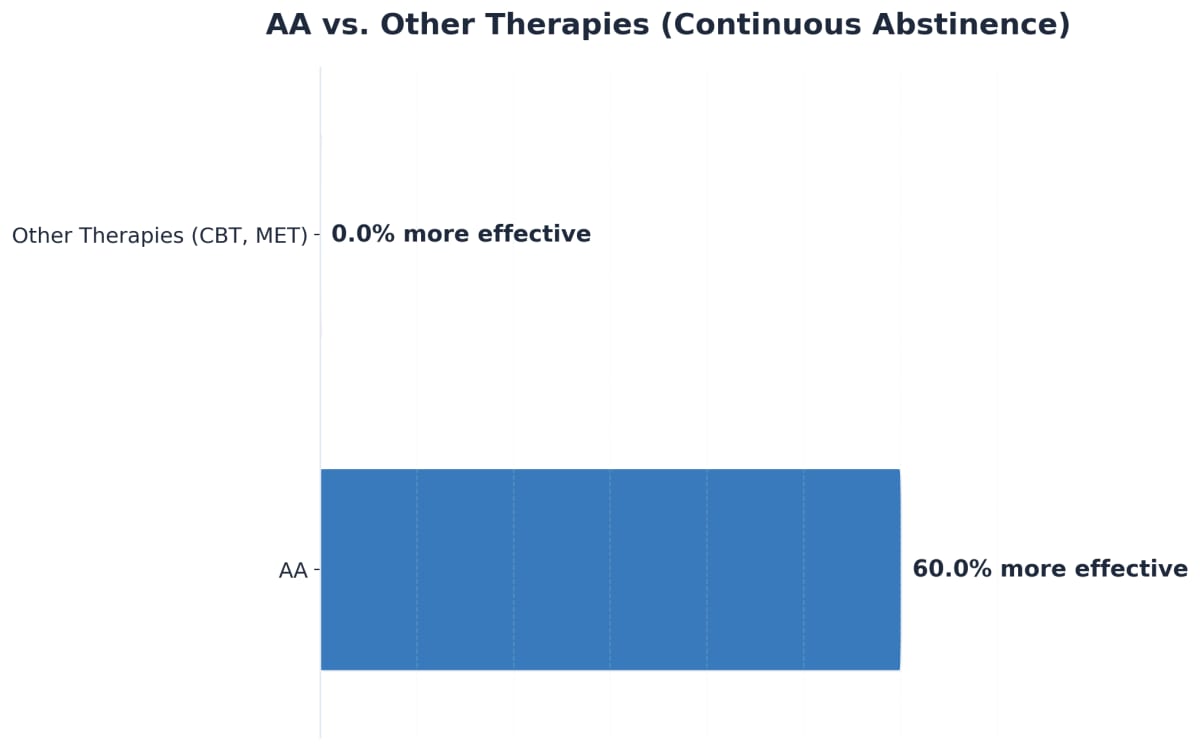
When you look at 12 step therapy in Ohio, the numbers truly stand out. Imagine two teams running a race for recovery—studies show the group using twelve-step approaches often crosses the finish line first. For example, a major review in 2020 found that Alcoholics Anonymous and similar programs are about 60% more effective at helping people stay alcohol-free than other well-known therapies like cognitive-behavioral therapy5. In Project MATCH, another well-respected study, people who stuck with twelve-step groups cut their drinking days from about 25 per month to just 6, and the number of drinks per day dropped from 15 to 33. These results give hope to Ohio families choosing Arista, since they show a real chance for lasting recovery with group-based support.
2020 Cochrane Review: 60% More Effective
Imagine you’re comparing two different playbooks for winning the recovery game. In 2020, researchers did just that—they reviewed dozens of studies to see which approach helped more people stay alcohol-free. They found that 12 step therapy in Ohio, through programs like Alcoholics Anonymous, was about 60% more effective at keeping people sober compared to other well-known therapies like cognitive-behavioral therapy5. This means if a group of 100 people used twelve-step methods, many more would reach lasting recovery than with other approaches. For Ohio families and those seeking help at centers like Arista, this result shows real, research-backed hope that group-based recovery can truly make a difference.
Project MATCH Results and Long-Term Success
The Project MATCH study is like a report card that shows how well 12 step therapy in Ohio helps people over time. In this landmark study, people who joined twelve-step programs went from drinking about 25 days a month to less than 6, and their average number of drinks per day dropped from 15 to just 33. These results aren’t just short-term; research shows that when people stick with regular meetings—like many do at Arista Recovery in Ohio—their chances of staying sober stay strong year after year.
Why 12 Step Therapy Works So Well
12 step therapy in Ohio succeeds because it helps people make real changes and feel supported, both inside and out. Imagine recovery as a journey up a steep hill—on your own, it’s tough, but with a map, a team, and encouragement, you’re more likely to reach the top. Research shows that twelve-step programs work by boosting your confidence to stay sober, teaching new habits, and connecting you with people who truly understand your struggles7. These programs help build strong social networks and give you a clear, step-by-step path to follow, which is why so many in Ohio find lasting recovery with Arista’s guidance.
Enhanced Self-Efficacy and Behavioral Change
In 12 step therapy in Ohio, building self-efficacy means helping you believe you really can stay sober and make healthy choices. Think of self-efficacy like learning to ride a bike—at first, you might feel unsure, but with each small win and encouragement from others, your confidence grows. Research shows that as people work through the 12 steps, they start to trust themselves more, stick to better habits, and are less likely to return to old patterns7. This boost in self-belief leads to real changes in how you handle challenges and make decisions.
Social Networks That Support Sobriety
In 12 step therapy in Ohio, strong social networks are like having a team cheering you on every step of your recovery. When you join a group—whether it’s at Arista or a local meeting—you’re surrounded by people who get what you’re going through and want you to succeed. Research shows that the more you participate in group meetings, the higher your chances of staying substance-free; for example, regular attendance can double abstinence rates compared to those who don’t attend9. These support networks offer understanding, encouragement, and role models who demonstrate that recovery is possible.
Is 12 Step Therapy Right for Your Recovery?
Deciding whether this structured program aligns with your recovery journey is a deeply personal choice that depends on your values, beliefs, and what resonates with you. While research shows these programs help many individuals achieve lasting sobriety, they’re not the only path forward—and that’s perfectly okay.
This approach may be a good fit if you value community support and find strength in connecting with others who understand your struggles firsthand. The fellowship aspect often becomes a lifeline, especially during vulnerable moments when you need someone who truly gets it. If you’re open to exploring spiritual concepts (which don’t require specific religious beliefs), the program’s emphasis on personal growth and humility might feel meaningful to you.
On the other hand, some individuals prefer approaches that focus more on clinical interventions, cognitive behavioral techniques, or medication-assisted treatment. SMART Recovery offers a science-based alternative emphasizing self-empowerment and practical coping strategies, while CBT-focused programs help you identify and change thought patterns that contribute to addictive behaviors. You might benefit from exploring these alternative or complementary options if the traditional framework doesn’t align with your worldview, or if you’re looking for something that emphasizes different aspects of recovery.
The good news is that recovery isn’t one-size-fits-all. Many people find success by combining participation in peer support programs with professional therapy, medical support, and other evidence-based treatments. This integrated approach allows you to draw from multiple resources while building a recovery plan that reflects your unique needs.
Who Benefits Most from 12 Step Programs
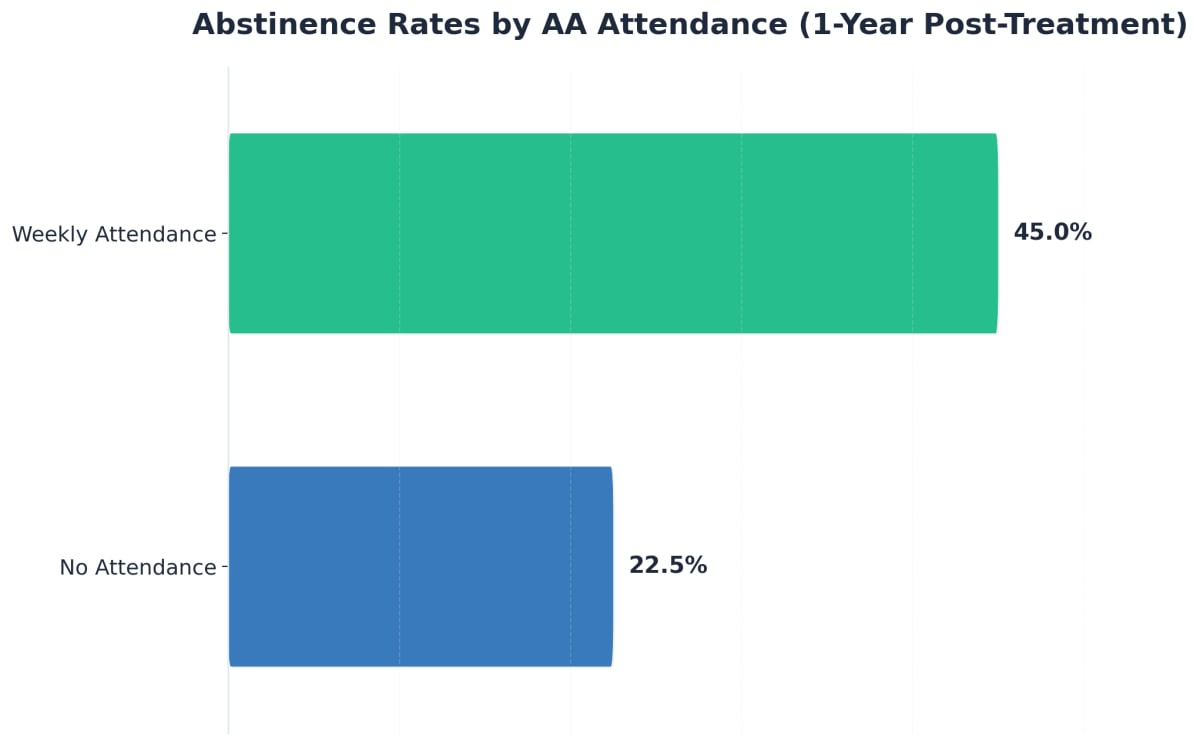
12 step therapy in Ohio can be a great fit for people who do well with teamwork and structured guidance. If you like the idea of working side-by-side with others who understand recovery, this approach is especially helpful. Research shows that people who regularly attend group meetings and get involved in twelve-step activities are much more likely to stay substance-free—abstinence rates nearly double for those who participate weekly9. Teens, adults, and even older adults in Ohio have found success in these programs, especially when they‘re paired with clinical support at places like Arista. It’s also a good match if you want ongoing encouragement and a clear plan to follow, or if you’ve tried quitting on your own without success.
Integrating 12 Step with Clinical Treatment
In Ohio, combining 12 step therapy with professional clinical care is like having two strong teammates working together for your recovery. Your counselor might use twelve-step facilitation to guide you through the steps, while also helping you manage withdrawal, mental health, or any other challenges. This approach means you’re not just attending group meetings—you’re also getting individualized support from trained professionals. Research shows that people in 12 step therapy in Ohio who start attending meetings while still in treatment have much better results—not just in staying substance-free, but also feeling supported and confident about their future79.
Addressing Spiritual and Secular Concerns
One common question about 12 step therapy in Ohio is whether it’s only for people who are religious. The truth is, the program was designed to welcome everyone, no matter what you believe. The steps use the term “Higher Power,” but this is meant to be flexible—you can interpret it in a way that fits your own views, whether that’s a traditional faith, nature, or even the support of the group itself10. Studies show that people with both spiritual and secular beliefs do well in twelve-step programs, because the real focus is on honesty, support, and taking positive steps together7.
Accessing 12 Step Therapy in Ohio
Accessing 12 step therapy in Ohio is straightforward, thanks to the state’s strong recovery community and many treatment centers ready to help. Imagine finding a map that points out all the best support teams in your area—Ohio offers just that, with thousands of local meetings and programs available both in cities and small towns. You can start with a phone call to a trusted provider like Arista, where caring staff will guide you toward the right type of group or therapy for your needs. Many centers offer both in-person and online options, so you can join from home if travel is tough. Research shows that starting twelve-step involvement while still in treatment leads to better results, especially when combined with clinical guidance9.
How Arista Recovery Incorporates 12 Step Work
At Arista, 12 step therapy in Ohio is woven right into your treatment plan—not just as an add-on but as a key part of your recovery journey. Imagine having a coach and a team who help you practice the steps, talk through challenges, and celebrate progress together. Clinical counselors guide you through twelve-step facilitation, making sure you understand each part and feel comfortable joining local support groups. This hands-on approach means you get both expert help and the encouragement of peers. Studies show that when people start twelve-step involvement during treatment, their chances of staying substance-free go way up9.
Combining 12 Step with MAT and Dual Diagnosis
If you’re seeking 12 step therapy in Ohio and need extra medical or mental health support, you’re not alone. Many people have both addiction and another condition, like anxiety or depression—this is called a dual diagnosis. Others may need medication-assisted treatment (MAT), which uses safe medicines to help manage cravings or withdrawal. Good news: programs like Arista are designed to blend twelve-step work with MAT and support for dual diagnosis. Imagine having a team with both coaches (12 step support) and doctors (medical care) working together to help you heal. Research shows that connecting twelve-step involvement with clinical treatment, including MAT and mental health counseling, leads to better results and more people staying substance-free79.
Frequently Asked Questions
You likely have questions about how this recovery approach works and whether it’s the right fit for your situation. Here are answers to some of the most common questions people ask when considering this path to healing.
Can I participate in 12 step therapy if I’m not religious?
Yes, you can participate in 12 step therapy in Ohio even if you’re not religious. The 12 steps mention a “Higher Power,” but this is meant to be flexible—some people think of it as God, while others see it as the strength of the group, nature, or something personal. Research shows that people with both spiritual and non-spiritual beliefs do well in twelve-step programs because the real focus is on honesty, support, and taking positive action, not on any one religious view107. At Arista, you’ll find a welcoming environment where your beliefs are respected, and your recovery goals matter most.
Is 12 step therapy the same as attending AA meetings?
12 step therapy in Ohio is not exactly the same as just attending AA meetings. Think of 12 step therapy as a guided class where a counselor helps you work through each step, often in a treatment center like Arista. AA meetings, on the other hand, are peer-led gatherings where people share experiences and support each other, but there’s no professional leading the group. In 12 step therapy, you get extra help understanding the steps and setting personal goals, which can make it easier to apply what you learn to real life. Research shows that combining clinical guidance with group participation leads to better recovery outcomes than just attending meetings alone7.
How long do I need to attend 12 step meetings to see results?
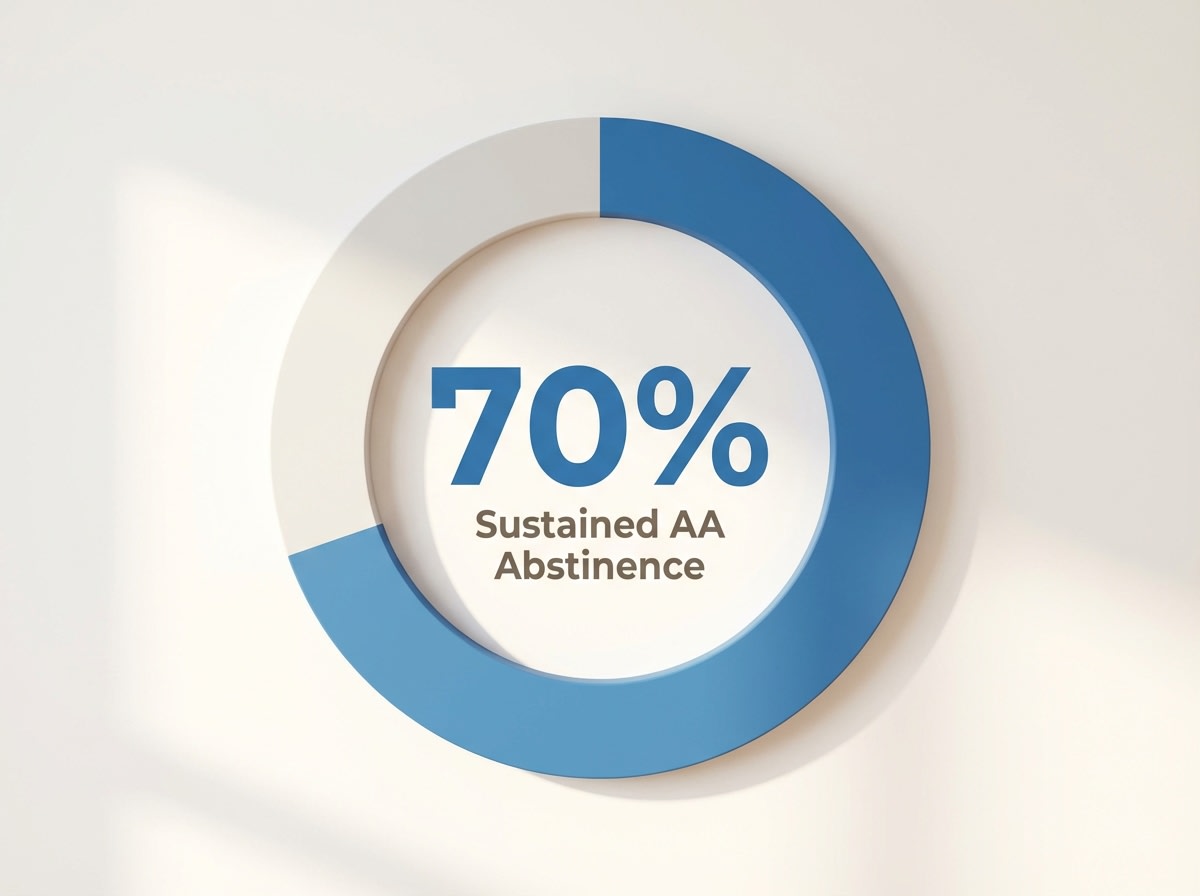
To see results from 12 step therapy in Ohio, research shows that regular and ongoing meeting attendance is key. Many people notice some positive changes after just a few weeks, such as feeling less alone or more hopeful. But the biggest gains come with steady participation—studies found that those who attend meetings weekly are about twice as likely to stay substance-free compared to those who don’t attend regularly9. In fact, one long-term study found that 70% of people who attended 27 weeks or more of meetings in a year maintained sobriety even 16 years later9.
Can 12 step therapy work alongside medication-assisted treatment?
Yes, 12 step therapy can work alongside medication-assisted treatment (MAT) in Ohio. Many treatment centers, including Arista, blend these approaches to support the whole person. Think of it like having both a coach (the 12 step program) and a doctor (MAT) on your recovery team. MAT uses safe, doctor-prescribed medicines to help manage cravings or withdrawal, while 12 step therapy provides structure, peer support, and a path for lasting change. Research shows that combining twelve-step involvement with professional medical care leads to better outcomes and helps more people stay substance-free79.
What if I’ve tried 12 step programs before and they didn’t work?
If 12 step therapy in Ohio didn’t help you before, don’t lose hope—many people need to try a few different approaches before they find what truly works. Sometimes, it’s about finding the right group, a supportive sponsor, or combining twelve-step support with professional help at places like Arista. Research shows that outcomes improve when therapy is matched to your needs and when you stay involved with meetings and clinical care together7.
Do I need a sponsor right away when starting 12 step therapy?
You don’t need to have a sponsor right away when you start 12 step therapy in Ohio. Many people begin by attending meetings and getting comfortable with the group first. A sponsor is like a mentor or guide—someone who’s further along in recovery and can help you work through challenges. When you’re ready, you can choose a sponsor you feel connected to. Research shows that having a sponsor does improve your chances of success because it adds support and accountability14.
Are there 12 step meetings specifically for women or LGBTQ+ individuals?
Yes, there are 12 step meetings in Ohio created just for women or LGBTQ+ individuals. These special groups offer a safe and welcoming space where you can share openly with people who understand your unique experiences. For example, you might find meetings labeled “Women’s AA” or “LGBTQ+ NA,” and many cities and towns across Ohio host these options, both in-person and online. Research shows that feeling accepted and understood in a group makes it more likely that you’ll keep coming back and see better results in your recovery7.
Will my insurance cover 12 step facilitation therapy?
Insurance coverage for 12 step therapy in Ohio depends on your specific plan, but many insurance providers will help pay for addiction treatment that includes twelve-step facilitation. Most plans—especially those that follow state and federal guidelines—cover some form of outpatient or inpatient care, which often includes group therapy and recovery support at places like Arista. It’s a good idea to call your insurance company or talk with an admissions specialist at Arista, who can help you check your benefits and explain what’s included.
Can 12 step therapy help if I struggle with multiple substances?
Yes, 12 step therapy in Ohio can help if you struggle with more than one substance. Many people joining twelve-step programs, like those offered at Arista, face challenges with alcohol, drugs, or both at the same time. The 12 step approach is designed to support anyone working toward recovery, no matter the specific substances involved. Groups like Alcoholics Anonymous (AA) and Narcotics Anonymous (NA) welcome people with multiple addictions, and meetings focus on building healthy habits, support networks, and confidence to stay substance-free7.
What are secular alternatives to traditional 12 step programs?
If you’re looking for recovery help without a spiritual focus, there are several secular alternatives to 12 step therapy in Ohio. Programs like SMART Recovery, LifeRing Secular Recovery, and Women for Sobriety offer group support and proven techniques for overcoming addiction, but they don’t use spiritual language or require belief in a higher power. SMART Recovery, for example, is based on scientific methods like cognitive-behavioral tools and teaches practical ways to manage cravings and build confidence11.
How does 12 step therapy address co-occurring mental health conditions?
12 step therapy in Ohio addresses co-occurring mental health conditions by working alongside professional treatment, not in place of it. If you have both addiction and another challenge like anxiety or depression (sometimes called dual diagnosis), centers like Arista blend twelve-step support with counseling or medication to help you heal on all levels. Imagine your recovery team as a group of coaches—some focus on addiction, while others help with mental health, and together they coordinate your care. Research shows that combining twelve-step involvement with clinical support leads to better outcomes and helps more people stay substance-free79.
Is it possible to maintain my career while participating in 12 step therapy?
Yes, it is possible to keep your career while participating in 12 step therapy in Ohio. Many meetings and therapy sessions are scheduled in the early morning, lunch hour, or evening so they fit around work hours. Some people even join online groups, which makes it even easier to attend from home or during a break. Research shows that regular involvement in twelve-step programs actually helps people build healthier routines and manage stress, which can make balancing work and recovery more successful7.
What happens after I complete formal treatment—do I keep going to meetings?
After you finish formal treatment, many people in 12 step therapy in Ohio choose to keep attending meetings as part of their ongoing recovery. Think of it like staying connected to a supportive sports team or club—you keep practicing and sharing with others, which helps you stay strong and avoid old habits. Research shows that people who continue going to meetings after treatment are much more likely to maintain sobriety over the long term; in fact, one study found that 70% of those who attended at least 27 weeks of meetings in a year remained abstinent 16 years later9.
How can family members support someone in 12 step recovery?
Family members can play a big role in supporting someone going through 12 step therapy in Ohio. You might start by learning about the 12 steps yourself, so you understand the process and can cheer on your loved one’s progress. Offering encouragement to attend meetings, listening without judging, and celebrating small wins can help build confidence. Some families join support groups like Al-Anon, which are made for those affected by someone else’s addiction and follow similar peer support ideas. Research shows that when families stay involved and supportive, people in recovery are more likely to keep participating and have better outcomes7.
Begin Your Recovery Journey in Ohio Today
Understanding 12-step therapy is an important first step, but knowing how to actually begin can feel overwhelming. The good news is that recovery resources are widely available, and you can start exploring your options at whatever pace feels right for you.
Recovery looks different for everyone. Whether you’re considering 12-step programs, professional treatment, or a combination of both, finding an approach that addresses your unique needs, circumstances, and goals is essential. Many people benefit from integrating 12-step participation with professional therapy, medication-assisted treatment, or other evidence-based interventions. This combination often provides both the clinical support and peer community that sustain long-term recovery.
If you’re interested in exploring 12-step programs, start by attending a few different meetings to find one where you feel comfortable. Most communities offer meetings at various times and in different formats—some are discussion-based, others follow a speaker format, and many are now available online. You’re not required to speak, identify yourself beyond a first name, or make any commitments at your first meeting. Simply attending and listening can help you determine if this approach resonates with you.
Finding a sponsor is another important step, though you don’t need to rush this decision. A sponsor is someone with sustained recovery who can guide you through the 12 steps and provide support during challenging moments. Look for someone whose recovery you admire, who has worked through all 12 steps themselves, and who demonstrates the kind of life you’re working toward. Most people recommend choosing a sponsor of the same gender and someone you feel comfortable being honest with.
If you’re also considering professional treatment, look for programs that respect and integrate 12-step principles if that approach appeals to you. Many treatment centers incorporate 12-step meetings into their programming, help clients connect with community meetings, and support ongoing participation after formal treatment ends. Ask potential treatment providers how they view 12-step programs and whether they facilitate connections to local recovery communities.
Recovery is not just about stopping substance use—it’s about building a fulfilling life where you feel healthy, connected, and hopeful about the future. Whether through 12-step programs, professional treatment, or both, thousands of people have transformed their lives and discovered that lasting recovery is possible. Your journey is uniquely yours, and the resources to support you are available when you’re ready to reach out.
References
- Stanford School of Medicine research findings on Alcoholics Anonymous effectiveness. https://med.stanford.edu/news/all-news/2020/03/alcoholics-anonymous-most-effective-path-to-abstinence.html
- Stanford School of Medicine findings on AA as most effective path to abstinence. https://med.stanford.edu/news/all-news/2020/03/alcoholics-anonymous-most-effective-path-to-abstinence.html
- NIAAA Project MATCH main findings. https://www.niaaa.nih.gov/publications/project-match
- University of Connecticut Project MATCH findings PDF. https://health.uconn.edu/project-match/wp-content/uploads/sites/1125/2015/07/project_match_summary.pdf
- PMC/NIH article examining AA effectiveness with faith-meets-science analysis. https://www.ncbi.nlm.nih.gov/pmc/articles/PMC3140338/
- Wikipedia article on Twelve-step programs covering historical development, structure, principles, and variations. https://en.wikipedia.org/wiki/Twelve-step_program
- Recovery Research Institute on Twelve-Step Facilitation therapy, including TSF interventions, mechanisms, and evidence. https://www.recoveryanswers.org/research-post/twelve-step-facilitation-tsf/
- Recovery Research Institute detailed resource on TSF treatment approaches. https://www.recoveryanswers.org/research-post/twelve-step-facilitation-tsf/
- PMC/NIH article on 12-step interventions and mutual support programs for substance abuse. https://www.ncbi.nlm.nih.gov/pmc/articles/PMC3753023/
- PMC/NIH article examining whether AA is religious, spiritual, or neither. https://www.ncbi.nlm.nih.gov/pmc/articles/PMC2859842/
- PMC/NIH article comparing 12-step groups to mutual help alternatives. https://www.ncbi.nlm.nih.gov/pmc/articles/PMC5047841/
- Alcoholics Anonymous official history resource. https://www.aa.org/the-aa-group
- Alcoholics Anonymous official twelve steps resource. https://www.aa.org/the-twelve-steps
- Sober Austin article on role of sponsors in 12-step programs. https://soberaustin.com/sponsors/
