 Now under new ownership & part of the Arista Recovery Network! For more information,

Key Takeaways
- Essential Prerequisites: A phone, internet access, and basic identification or income documents are all you need to begin the process.
- Step 1: Contact SAMHSA’s free helpline for immediate, confidential guidance and local referrals.
- Step 2: Explore Ohio’s state-funded programs and check your Medicaid eligibility for comprehensive coverage.
- Step 3: Connect with Federally Qualified Health Centers (FQHCs) or non-profit organizations for sliding-scale care.
- The Outcome: By leveraging state and community resources, you can successfully enter a medically supervised detox and treatment program regardless of your insurance status.
Understanding Ohio’s Treatment Landscape for Rehab Without Insurance
Why Insurance Barriers Don’t End Recovery
Facing addiction without health coverage may feel overwhelming, but your journey toward recovery is absolutely still possible. Finding rehab without insurance is a common challenge—about 16% of Ohioans have no health coverage, making the search for help more complicated and sometimes discouraging. Yet, this challenge does not mean the end of hope or the end of recovery. Every day, people across Ohio begin treatment and find support through state programs, federally funded clinics, and dedicated community organizations2.
Research shows that the biggest obstacle to treatment for most people is cost and lack of coverage, with 65-70% of those who need care citing these as the main reasons they don’t start treatment9. But there are strong systems in place—SAMHSA’s national helpline, Ohio’s mental health agencies, and networks of health centers—that specialize in connecting uninsured individuals to detox, therapy, and ongoing support.
These pathways work because recovery is not reserved for those with perfect circumstances. You have the strength to move forward, even if the road feels steep. Yes, it’s challenging to navigate paperwork, waitlists, or complicated processes. But every small step you take matters. Don’t let the lack of insurance stop your progress. Many of Ohio’s programs are designed to catch you if you fall and lift you up again.
Next, you’ll learn how a single free phone call can open the door to practical resources and expert help.
Ohio’s Growing Treatment Infrastructure
Ohio’s investment in addiction treatment has grown stronger in recent years, bringing a wider safety net for those seeking care. The number of opioid treatment providers in Ohio has jumped from just 35 in 2019 to 125 in 2024—a 250% increase that directly expands access for people who might otherwise fall through the cracks2. This growth means more beds, more outpatient slots, and more specialized programs available statewide.
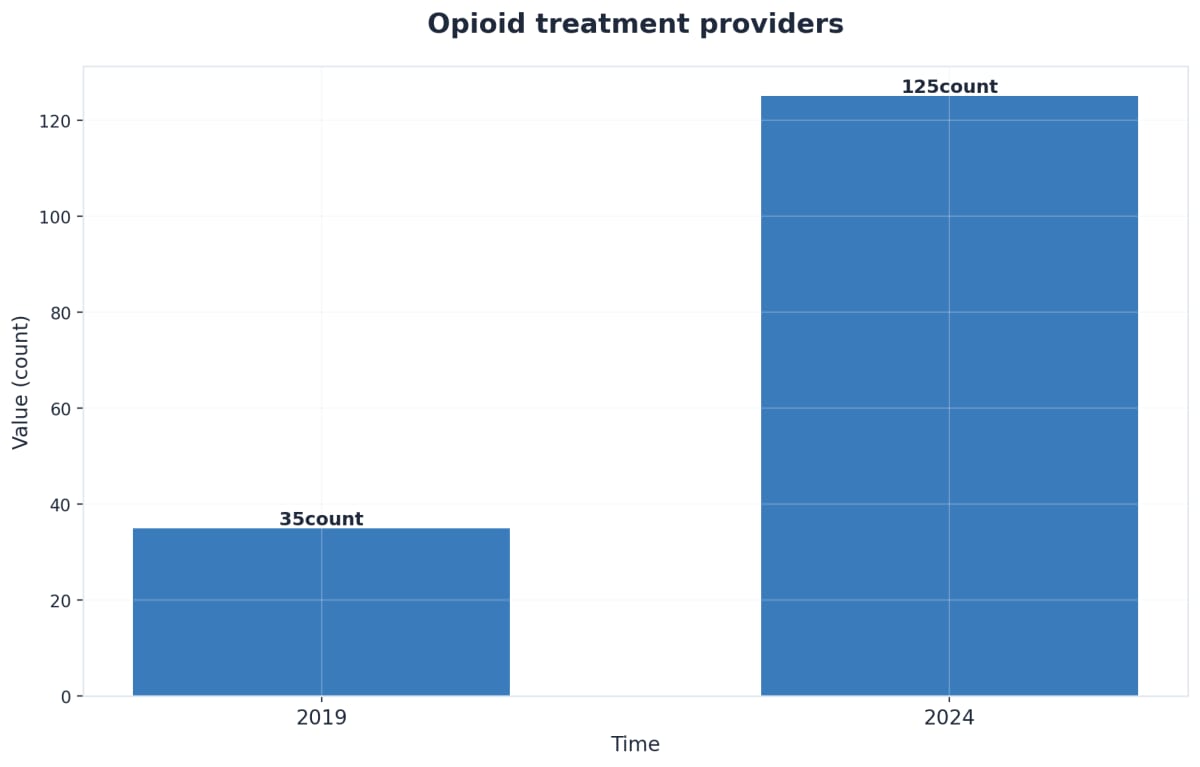
Community health centers have also stepped up, offering sliding-scale payment options and not turning anyone away because of an inability to pay. More than 57 federally qualified health centers now provide addiction services across Ohio, reaching both cities and rural areas2. These centers play a vital role in helping people start their recovery journey, even if finances are tight.
State funding has gone up as well, with over 12,000 uninsured Ohioans served every year through public mental health agencies2. Expanded Medicaid coverage, increased telehealth options, and federal grants have all contributed to a treatment landscape that’s more flexible and welcoming than ever before.
Yes, challenges remain—especially with rural access and occasional waitlists. But the direction is hopeful: there’s real momentum in Ohio’s commitment to make recovery possible for all. Next, you’ll see how a single call to a free helpline can connect you quickly to these services.
Step 1: Contact SAMHSA’s Free Helpline
What to Expect from Your First Call
Making your first call to SAMHSA’s free helpline can feel daunting, but you’re not alone. When you dial 1-800-662-4357, you’ll reach a compassionate, trained specialist who is ready to listen without judgment. The conversation is confidential and free, no matter your situation or how complex things might feel.
You don’t need to have all the answers or documentation—just sharing where you are right now is enough to start. The specialist will ask some basic questions about your location, what substances you want help with, and any immediate needs for detox or crisis support. Within minutes, you’ll receive tailored referrals to treatment facilities, support groups, or community services in Ohio that accept people seeking care without coverage.
The helpline connects over 4 million people each year to resources that meet their unique needs, regardless of their ability to pay1. If you’re feeling anxious about next steps, remember: the person on the other end is there to walk you through what happens next and answer your questions with patience. Yes, reaching out is a big step—and it takes real courage. Every time you ask for help, you’re opening the door a little wider to recovery. Next, you’ll discover how to use the online treatment locator to keep your momentum going.
Using the Online Treatment Locator
Taking the next step in finding care is easier when you use SAMHSA’s online treatment locator. This free tool lets you search for addiction treatment programs anywhere in Ohio, whether you’re in Columbus, Cincinnati, or a rural county. Just visit the website and enter your ZIP code.
You can filter results by the type of treatment you need—like detox, residential care, or outpatient services—and even specify that you don’t have insurance or need sliding-scale payment options. Each listing provides contact information, types of services offered, and details about insurance or payment policies, so you know right away if a facility can help you. The locator is updated regularly and includes hundreds of Ohio providers, including clinics that welcome people who are uninsured.
According to SAMHSA, the online locator gets millions of visits each year and is one of the most reliable ways for professionals and individuals to connect with treatment quickly, especially in urgent situations1. If you feel overwhelmed by the number of choices, remember that every search is a step forward. You’re taking action for yourself or someone else, and that’s something to celebrate. After you’ve explored your options online, you’ll be ready to look into Ohio’s state-funded treatment programs for even more support.
Step 2: Explore State-Funded Programs
Accessing OhioMHA Community Services
Accessing community services through Ohio’s Department of Mental Health and Addiction Services (OhioMHA) can be a lifeline for individuals navigating the system without coverage. OhioMHA coordinates a statewide network of treatment providers, local mental health boards, and addiction recovery agencies that serve people regardless of their ability to pay. These community-based programs offer detox, residential care, outpatient treatment, and ongoing support. Many operate on a sliding-fee scale, which means your payment is based on your income, and if you have no income, you may receive services at no cost2.
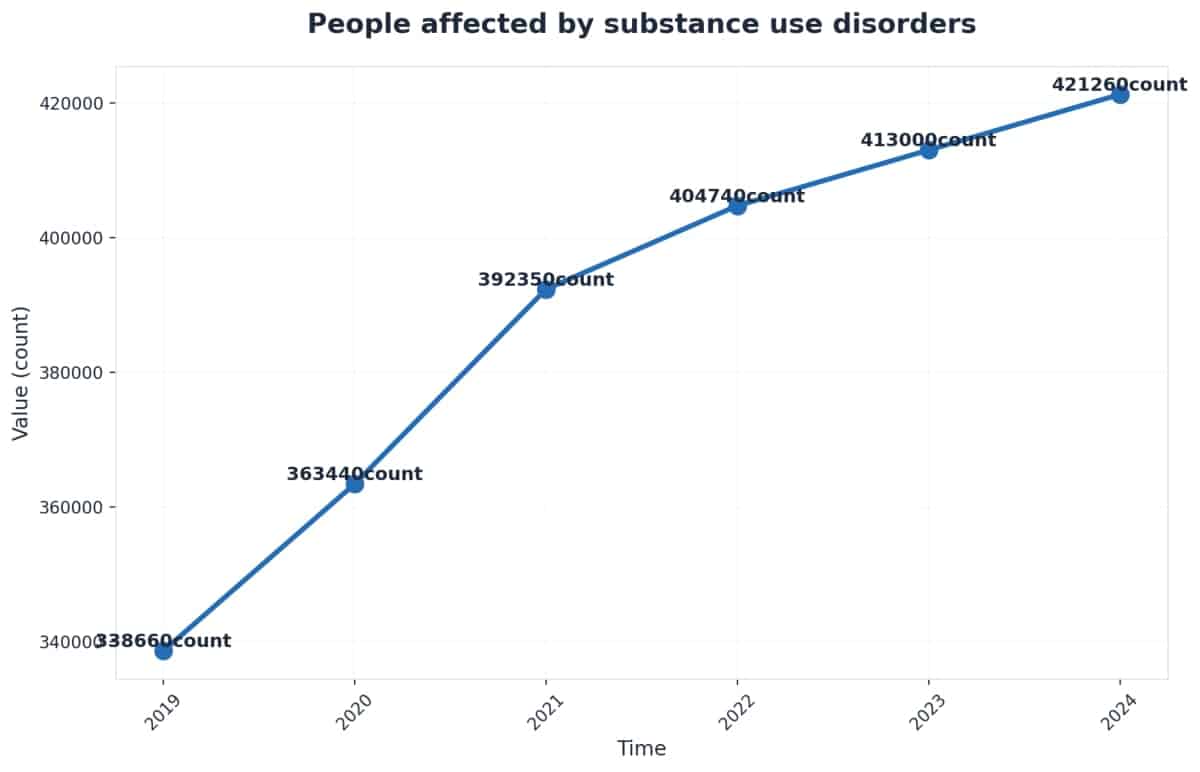
To start, contact your county mental health or addiction board directly. They’ll guide you through available options in your area, help with paperwork, and explain eligibility for state-funded care. You may need to provide basic information like your address, ID, and a description of your current situation. The process can feel intimidating, but these staff are trained to walk with you at every stage, answering questions and addressing concerns. Waitlists sometimes happen, especially for residential beds, but emergency and crisis services are prioritized so no one is left unsafe.
Here’s a quick reference for what OhioMHA community services typically provide:
| Service Type | Availability for Uninsured | Payment Model |
|---|---|---|
| Detox/Medical Detox | Yes | Sliding scale/free |
| Residential Rehab | Yes | Sliding scale/free |
| Outpatient Care | Yes | Sliding scale/free |
| Peer Support | Yes | Free |
If you’re searching for help, remember that these programs exist to catch you when you need support most. Every call, every application, and every honest conversation brings you closer to safety and healing. Next, you’ll learn about Medicaid eligibility and how to apply for additional coverage.
Medicaid Eligibility and Application
Understanding Medicaid eligibility is a key step for professionals supporting individuals seeking care in Ohio. Medicaid is Ohio’s public health insurance program for people with low income, and it now covers nearly every evidence-based addiction treatment—medical detox, residential rehab, outpatient care, and medication-assisted treatment are all included for those who qualify3. The 2024 expansion of coverage makes it more accessible than ever for adults without dependent children, pregnant individuals, and people with disabilities to receive substance use disorder care.
To check if you or someone you serve may be eligible, review the current income guidelines and citizenship or immigration requirements listed on the Ohio Medicaid website. Many applicants qualify through the state’s online portal, which guides you step-by-step. You’ll need basic details: proof of Ohio residency, income documentation (like recent paystubs or a benefits letter), and identification.
The process is designed to be as user-friendly as possible, but it’s normal to feel overwhelmed by paperwork at times. Remember, every document you submit is a step toward life-saving support. Applying online is often the fastest way, but paper applications are available at county Job and Family Services offices. Once approved, Medicaid coverage begins right away. That means you can immediately access detox and treatment programs that accept Medicaid, removing the financial barrier to starting recovery3.
If you’re working with someone who is anxious about the process, encourage them—this step is worth it, and help is available at every stage. With Medicaid, getting comprehensive care becomes a real and immediate option for Ohioans in need. Next, let’s explore how sliding-scale and community-based programs widen access even further.
Step 3: Find Sliding-Scale Treatment for Rehab Without Insurance
Federally Qualified Health Centers
Federally Qualified Health Centers (FQHCs) are a lifeline for anyone seeking care in Ohio. These centers are found across the state, from big cities to small towns, and their mission is simple: provide quality health care—including addiction treatment—regardless of your ability to pay. FQHCs are required by law to offer services on a sliding-fee scale based on income, so even if you have no insurance or money, you won’t be turned away. This model helps remove one of the biggest barriers to treatment and welcomes people at their most vulnerable moments.
At an FQHC, you’ll find a supportive team that understands the urgency of addiction recovery. They offer a range of services: medical detox, outpatient therapy, medication-assisted treatment, mental health care, and ongoing support groups. The process is straightforward. You answer a few questions about your financial situation, and the center adjusts your fee accordingly.
Many FQHCs also help with paperwork and can connect you to other community resources if you need extra support. Over 57 FQHCs in Ohio now provide addiction services, reaching thousands of uninsured individuals each year2, 4. It’s not easy to ask for help, but every time you walk through their doors, you’re making progress. Next, you’ll see how non-profit and faith-based programs can offer even more options for affordable care.
Non-Profit and Faith-Based Options
Non-profit and faith-based organizations play a powerful role in making care possible for people across Ohio. Many of these groups—like local recovery missions, church-based ministries, and community foundations—offer a welcoming path to care when finances or paperwork feel overwhelming. Their mission is clear: meet people where they are and offer hope, support, and practical help, no matter their background or income.
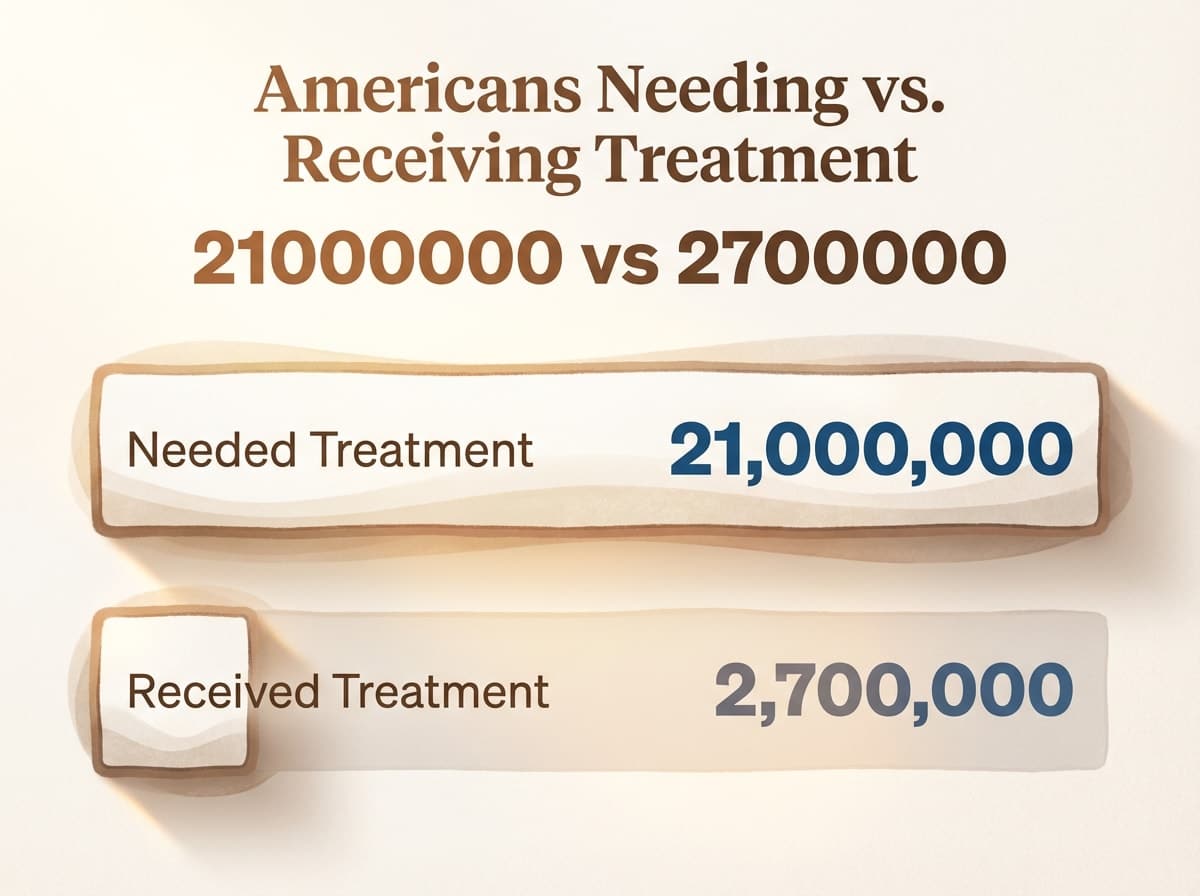
These programs often provide a range of services, including detox, counseling, sober living, and peer support groups. Some offer residential beds or outpatient therapy, while others focus on spiritual guidance, job readiness, or family healing. What sets non-profit and faith-based options apart is their deep connection to the community and their focus on dignity and respect.
Fees are usually minimal, and many services are entirely free thanks to donations or grants. For example, the Substance Abuse Block Grant helps fund non-profit rehab programs across Ohio so that uninsured individuals can access treatment without cost being a barrier7. Yes, it can be hard to take that first step, especially if you’ve been turned away elsewhere. But every time you reach out to a non-profit or faith-based group, you’re showing resilience. You’re not alone—Ohio’s network of caring organizations is ready to walk beside you. Next, you’ll discover how to pull all these resources together for the strongest start on your recovery journey.
Frequently Asked Questions
What happens if I’m on a waitlist for state-funded treatment?
If you’re placed on a waitlist for state-funded rehab without insurance in Ohio, you don’t have to pause your recovery journey. Most local boards and providers will offer immediate support options while you wait, like crisis counseling, outpatient groups, or access to peer support networks. Emergency situations—such as severe withdrawal or risk of harm—are always prioritized for faster placement, so be honest about your symptoms and safety needs when you check in. While delays can feel discouraging, every call and follow-up helps keep you connected to resources. Ohio public agencies served over 12,000 uninsured individuals last year, showing that persistence truly pays off2.
Can I access medication-assisted treatment without insurance in Ohio?
Yes, you can access medication-assisted treatment (MAT) without insurance in Ohio. Many state-funded programs, federally qualified health centers, and some non-profit organizations offer MAT services—such as Suboxone, Vivitrol, or Methadone—on a sliding-fee scale or even free of charge for those who qualify. These programs are designed to remove barriers for people starting rehab without insurance, making evidence-based support available regardless of your ability to pay. In 2024, Ohio expanded access to MAT through community clinics and public agencies, helping thousands of uninsured individuals begin recovery each year2, 3. If paperwork feels overwhelming, staff at these centers are ready to walk you through each step with care and patience.
How long does it take to get approved for Ohio Medicaid coverage?
Approval times for Ohio Medicaid coverage can vary, but most online applications are reviewed within 30 to 45 days. In urgent cases, such as when someone needs immediate substance use treatment, counties may fast-track the process—sometimes granting temporary Medicaid eligibility within days so you can access rehab without insurance right away3. Delays can happen if documents are missing or if there’s a high volume of applications, but you can check your status online or get live assistance through your local Job and Family Services office. Remember, every step you complete brings you closer to the support you deserve.
Are there telehealth options for uninsured individuals in Ohio?
Yes, telehealth options are available for uninsured individuals seeking rehab without insurance in Ohio. Many state-funded programs and federally qualified health centers now include virtual counseling, group sessions, and medication management as part of their substance use disorder services. These telehealth options help remove barriers related to transportation, geography, or scheduling, making it easier for people to get support from home or a safe location. Recent updates in Ohio’s mental health infrastructure have expanded telehealth access, especially since 2024, so more uninsured Ohioans can connect with licensed professionals without needing to travel2, 5. Every virtual session you attend is a step forward, showing your commitment to recovery.
What documentation do I need to qualify for sliding-scale fees?
To qualify for sliding-scale fees at most Ohio rehab centers, you’ll typically need to provide documents that show your current financial situation. The basics usually include a photo ID, proof of Ohio residency (like a utility bill or rental agreement), and income information. Paystubs or a benefits letter can work if you have them, but if you’re unemployed, you may just need to sign a statement about your income. Some clinics might also ask about household size or dependents, since this affects where you fall on the fee scale. If gathering paperwork feels stressful, remember—staff are there to help you through each step and will never turn you away just because you’re missing a document. Every bit of effort you put in brings you closer to affordable rehab without insurance2.
Can I receive treatment if I have unpaid medical debt from previous rehab?
Yes, you can still receive treatment in Ohio even if you have unpaid medical debt from previous rehab. Most state-funded programs, federally qualified health centers, and non-profit organizations do not deny care based on past debts, especially for those seeking rehab without insurance. Their mission is to provide support when it’s needed most, not to create more barriers. If you’re worried about old bills, talk openly with intake staff—they’re often able to work out payment plans or connect you to financial counseling. The focus remains on your safety and recovery, not your debt history2.
Begin Your Recovery Journey Today
If you’re experiencing withdrawal symptoms or concerned about detox safety, medical supervision is available now in Hilliard, Ohio—just minutes from Columbus. Whether you’re dealing with alcohol, opioids, benzodiazepines, or other substances, medically supervised detox significantly reduces health risks and manages symptoms that can otherwise become dangerous.
At Arista Recovery, our medical detox program provides 24/7 monitoring by licensed medical staff who assess vital signs, adjust medication protocols as needed, and respond immediately to any complications. Within the first 24-48 hours, our team conducts comprehensive medical evaluations, begins symptom management (including FDA-approved medications for opioid and alcohol withdrawal), and creates an individualized detox plan based on your substance use history and current health status. We accept most major Ohio insurance plans including Aetna, Blue Cross Blue Shield, Cigna, and United Healthcare, and our admissions team can help you navigate payment options if you are uninsured.
Taking action during an acute crisis takes courage. You can call now to speak with our admissions team about what medical detox involves, verify your coverage or payment options, and understand the specific protocols we’ll use to keep you safe through withdrawal. Our Hilliard facility serves the greater Columbus area and throughout Ohio. Contact Arista Recovery today—medical support is available, and getting accurate information about your options is the practical first step.
References
- SAMHSA’s National Helpline and Treatment Locator. https://www.samhsa.gov/find-treatment
- Ohio Department of Mental Health and Addiction Services (OhioMHA). https://mha.ohio.gov/
- Ohio Medicaid – Substance Use Disorder (SUD) Treatment Coverage. https://medicaid.ohio.gov/
- HRSA Federally Qualified Health Center (FQHC) Locator. https://www.hrsa.gov/find-a-health-center
- NIDA – Principles of Drug Addiction Treatment: A Research-Based Guide. https://www.drugabuse.nida.nih.gov/publications/principles-drug-addiction-treatment-research-based-guide-third-edition
- NAMI Ohio – Addiction and Mental Health Resources. https://www.nami.org/Get-Involved/Affiliate/NAMI-Ohio
- SAMHSA Substance Abuse Block Grant (SABG) Program. https://www.samhsa.gov/grants-funding/block-grants/sabg
- CDC – Substance Abuse and Mental Health Statistics. https://www.cdc.gov/nchs/fastats/substance-abuse.htm
- NIH Research on Treatment Access Barriers. https://www.nih.gov/about-nih/what-we-do/nih-research-matters/what-barriers-prevent-people-substance-use-disorder-seeking-treatment
- FindTreatment.gov – Federal Treatment Locator. https://findtreatment.gov/
