 Now under new ownership & part of the Arista Recovery Network! For more information,

Key Takeaways: Your Action Plan
- Assess the Signs: Use the checklist in Section 2 to identify if your loved one exhibits 3 or more symptoms of Alcohol Use Disorder (AUD).
- Understand the Science: Alcoholism is a medical condition involving brain chemistry, not a lack of willpower.
- Take Action in Ohio: From local detox centers to Arista’s recovery programs, professional help is available to navigate insurance and treatment options.
How to Explain Alcoholism: What It Means for Families
Medical Reality vs. Moral Myths
When you look for answers to explain alcoholism to your family, it is easy to run into old myths that blame the person or their loved ones. However, science tells us something very different: alcoholism is a medical condition, not a moral weakness. Doctors call it Alcohol Use Disorder (AUD).
It happens when someone’s brain and body become dependent on alcohol, making it extremely hard to stop drinking even when it causes harm. This isn’t about willpower or being a “bad person.” Many Ohio families still face stigma because of these myths. Shame and judgment can keep people from reaching out for help, even though recovery is possible with the right support.
“Did you know only about 7% of adults with AUD actually get treatment each year? Stigma is one of the biggest reasons for this gap.”5
It is important to recognize that genetics and life experiences play a big part in the risk for alcoholism. About 50-60% of a person’s risk comes from their genes2. Stressful events or trauma can also make someone more vulnerable. Just as you wouldn’t blame someone for having diabetes or asthma, blaming a loved one for AUD only creates more pain. Instead, approaching alcoholism as a medical problem opens the door to understanding and hope. If you’re ready to move past myths and focus on real solutions, the next step is understanding how alcohol changes the brain—and why quitting isn’t just a matter of choice.
How Brain Chemistry Changes with Alcohol
Let’s walk through how alcohol affects the brain and why this makes quitting so tough—especially for families in Ohio seeking to explain alcoholism and support loved ones. When someone drinks, alcohol changes the way brain cells talk to each other.
Alcohol first boosts feel-good chemicals like dopamine, giving a rush of relaxation or happiness. Over time, the brain gets used to this shortcut and stops making as much dopamine on its own. This creates a cycle where a person needs to drink more just to feel “normal.”
Alcohol also affects parts of the brain that control decision-making, memory, and self-control. As these areas become less active, it is much harder to stop drinking, even when people really want to. This isn’t just a matter of willpower—the brain’s wiring has been changed by repeated alcohol use10.
Long-term drinking can make someone anxious, moody, or even physically sick when they try to quit. These withdrawal symptoms can be severe, which is a big reason why stopping suddenly can be dangerous and sometimes requires medical help3. Understanding these brain changes helps families respond with support instead of blame. Recovery is possible, but it often means retraining the brain and body over time. Arista can guide your family through this journey with expertise and compassion.
Recognizing Signs to Explain Alcoholism in Ohio
Warning Signs Your Family Should Know
Spotting the early warning signs of alcohol use disorder (AUD) can make a huge difference for Ohio families searching to explain alcoholism and find real solutions. Here is a quick checklist you can use at home:
- Drinking more or longer than planned.
- Wanting to cut down or stop but not being able to.
- Spending a lot of time getting, using, or recovering from alcohol.
- Missing work, school, or family events because of drinking.
- Losing interest in hobbies or activities once enjoyed.
- Taking risks, like driving after drinking.
- Feeling anxious, irritable, or sick when not drinking.
If you notice several of these signs in a loved one, it may be time to talk about getting help. This approach is ideal for families who want to act before the situation worsens. Remember, these signs can show up slowly or all at once, and they may look different in teens versus adults. Arista understands how hard these conversations can be. Our team is ready to guide you in recognizing the signs and planning your next steps.
Ohio’s Unique Alcohol Health Challenges
Ohio faces some unique hurdles when it comes to alcohol and health—knowing these can help families better explain alcoholism and seek the right support. Let’s start with a quick checklist to see if these challenges affect your family:
Click to view Ohio Risk Factors
- Has anyone in your family experienced job loss, economic hardship, or rural isolation?
- Are there concerns about underage drinking or easy alcohol access in your community?
- Has a loved one struggled with both mental health and alcohol?
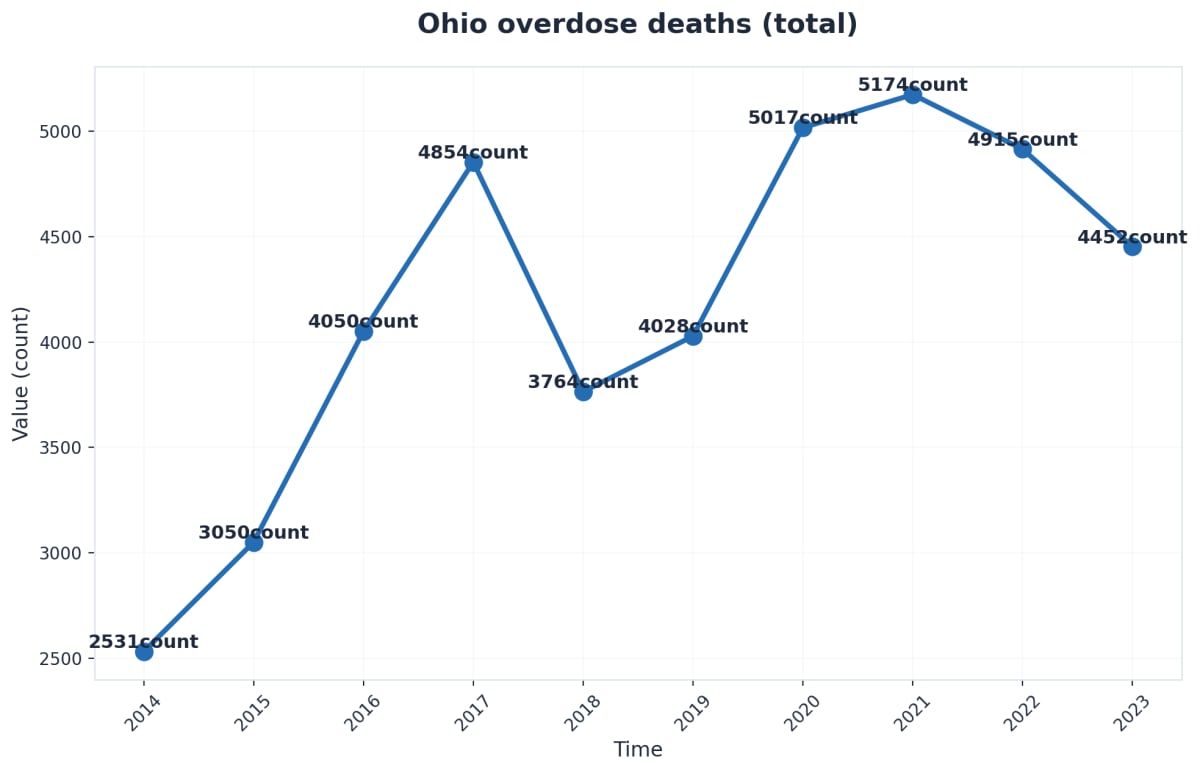
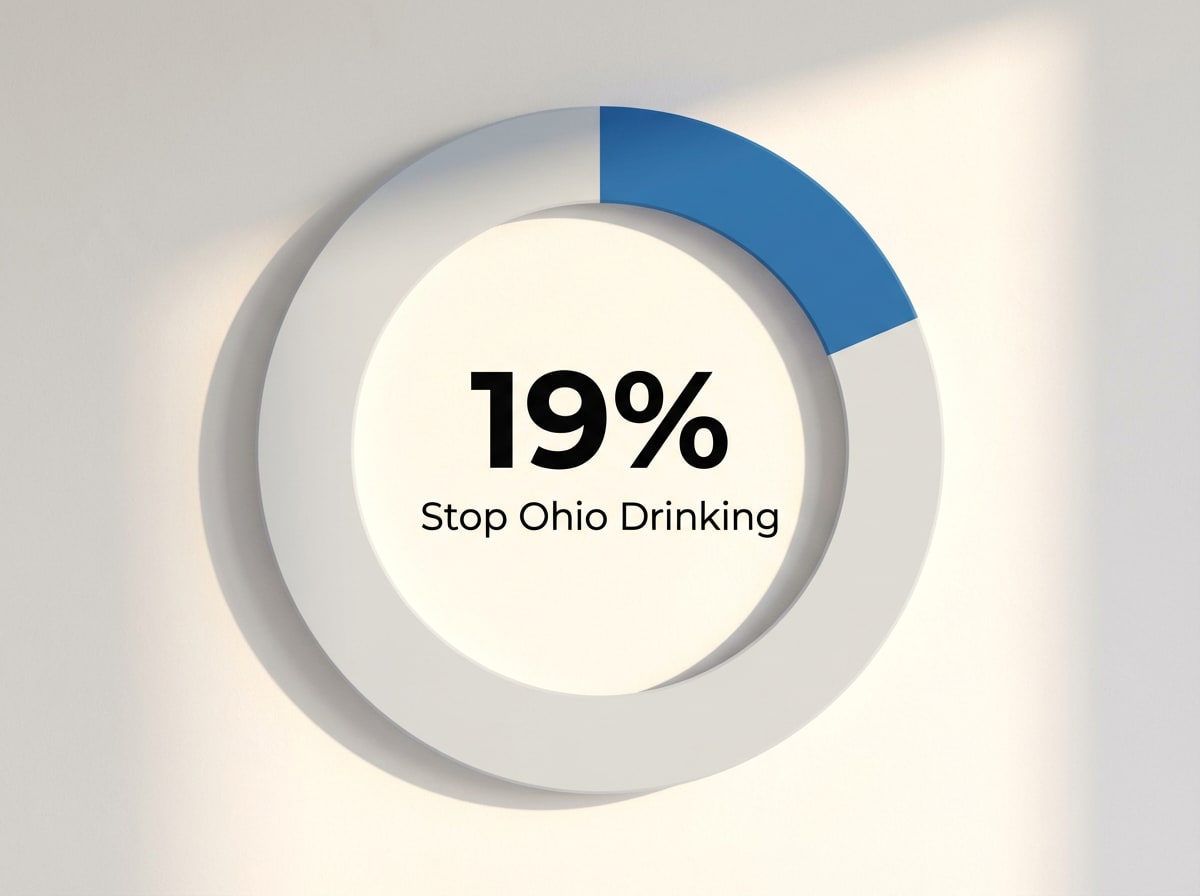
These factors often make recovery even more complicated for Ohio families. In Ohio, the number of adults who drink alcohol is dropping, but the harm from excessive drinking remains high. Consider the following statistics:
| Metric | Trend (2000-2020) | Impact |
|---|---|---|
| Liquor Sales | Nearly Doubled | Indicates more private/at-home drinking18. |
| Alcohol-Related Deaths | Increased >50% (2015-2019) | Higher mortality risk per capita18. |
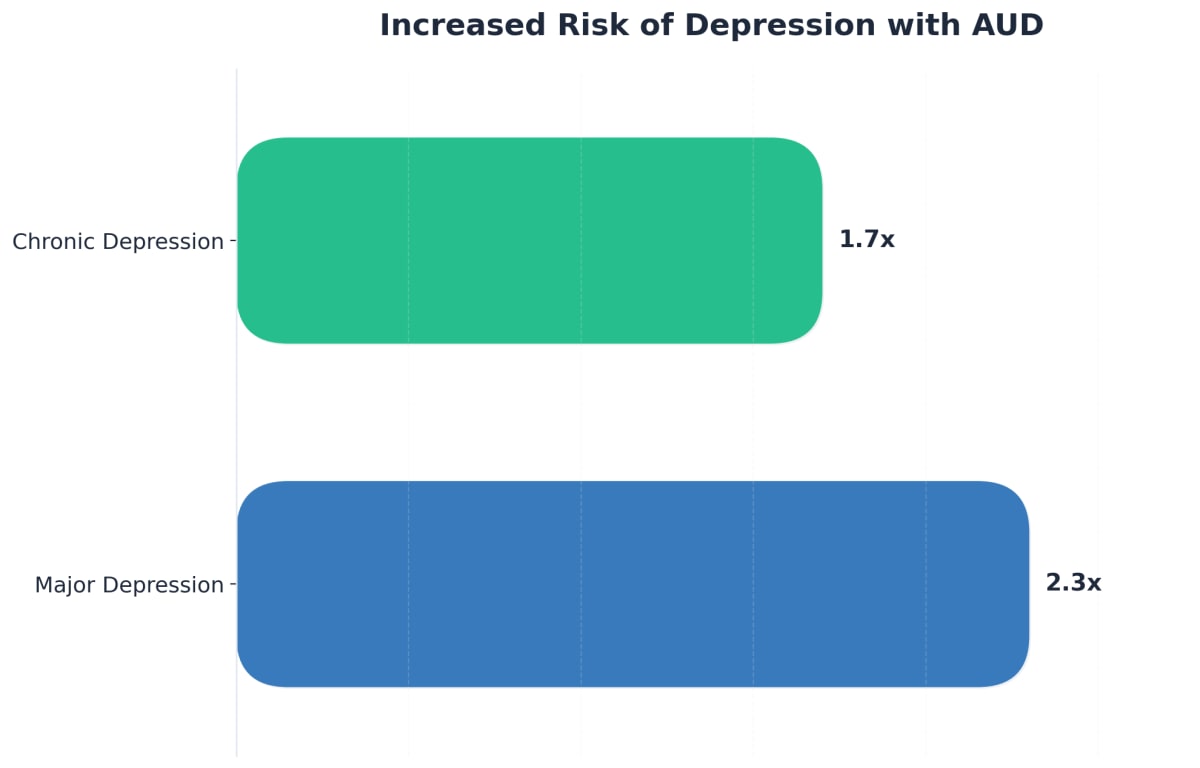
Rural areas in Ohio can be especially tough. Fewer treatment centers mean longer drives for care, and stigma may be stronger in small communities. Many people also face co-occurring depression or anxiety, which makes recovery harder—those with Alcohol Use Disorder are 2.3 times more likely to have major depression3. If your family is seeing any of these patterns, know that you’re not alone. Arista understands Ohio’s unique challenges and is ready to help you find solutions close to home.
Why Genetics and Environment Both Matter
Understanding Your Family’s Risk Factors
When you try to explain alcoholism in your family, a helpful starting point is understanding your unique risk factors. Here is a quick checklist you can use:
- Does alcoholism run in your family history?
- Has anyone in your home faced mental health challenges like anxiety or depression?
- Are there regular stressors, such as financial troubles or relationship issues?
- Do you or your loved ones live in an area with high alcohol availability, like parts of Ohio with many liquor stores?
Research shows that genetics account for about 50-60% of a person’s risk for Alcohol Use Disorder (AUD)2. This means if a parent or sibling has struggled with alcohol, your family’s risk is higher. But genes are only part of the picture. Your environment—stress at home, exposure to heavy drinking, and even local culture—also plays a major role.
This approach works best when families want to be proactive and prevent problems before they start. If you’re worried about your family’s risk, know that knowledge is power. Arista can help you sort out which factors matter most and connect you to resources that fit your situation. Taking a close look now can make all the difference.
Childhood Trauma’s Role in Adult Drinking
If you want to explain alcoholism and understand why some adults in Ohio struggle with drinking, it helps to look back at childhood experiences. Research shows that tough events in childhood—like abuse, neglect, or losing a parent—can increase the risk of developing alcohol problems later in life. These early hardships are called Adverse Childhood Experiences, or ACEs.
They can make a person feel stressed or unsafe, which may lead them to use alcohol as a way to cope with difficult feelings. Here is a simple checklist for families to consider:
- Has your loved one experienced trauma as a child?
- Were there long periods of stress or instability growing up?
- Did they lack strong support from adults during tough times?
“In Ohio, it’s estimated that nearly 1 in 5 cases of heavy adult drinking could be prevented if ACEs were eliminated.”3
This means that past trauma plays a bigger role than many people realize. If your family has a history of difficult childhood experiences, this path makes sense for understanding why alcohol use can become a problem. Arista welcomes families who want to break the cycle and heal together. By learning about the impact of childhood trauma, you can better support your loved ones—and open the door to recovery.
Evidence-Based Treatment Options That Work
Behavioral Therapies and Support Groups
When Ohio families look for real help to explain alcoholism and support recovery, behavioral therapies and support groups often play a central role. Here is a simple decision checklist to see if these options fit your loved one’s needs:
- Is your family looking for tools to handle cravings and triggers?
- Do you want a space where your loved one can share openly and learn from others?
- Are you seeking strategies to rebuild trust and healthy routines at home?
Behavioral therapies—like Cognitive Behavioral Therapy (CBT)—help people recognize patterns, manage stress, and replace drinking with healthier choices. Family therapy can also strengthen relationships and improve communication, which is especially valuable for Ohio households working through the effects of Alcohol Use Disorder (AUD)3.
Support groups such as Alcoholics Anonymous (AA) or Al-Anon (for families) offer a sense of belonging and practical advice. These groups meet in communities across Ohio, making them accessible even in rural areas. Many people find comfort knowing they’re not alone and can connect with others who truly understand their journey. Arista can help you find therapy and group options close to home, so your family feels supported every step of the way.
FDA-Approved Medications for Recovery
FDA-approved medications can be a game-changer for families in Ohio looking for new ways to support a loved one’s recovery journey. Here is a quick assessment to see if medication might fit your situation:
- Has your loved one tried therapy or support groups but still struggles with cravings?
- Are there worries about relapse, even after making progress?
- Would combining medication with counseling feel more manageable?
There are three main medications used to treat Alcohol Use Disorder (AUD): Naltrexone, Acamprosate, and Disulfiram. Each works a little differently:
Naltrexone: Helps reduce the urge to drink by blocking the “reward” pathways in the brain.Acamprosate: Helps balance brain chemicals to lessen cravings.Disulfiram: Causes uncomfortable symptoms if alcohol is consumed3.
These medicines aren’t a cure, but when paired with therapy and support, they can improve the chances of long-term recovery. This solution fits families who want extra support, especially if past attempts at recovery haven’t worked. Medications are available through many Ohio healthcare providers, and Arista can help you find a doctor familiar with these treatments.
Frequently Asked Questions
How much does alcohol treatment cost in Ohio, and will my insurance cover it?
Alcohol treatment costs in Ohio can vary a lot depending on the level of care you need. Outpatient programs may range from free community support to several hundred dollars per session, while inpatient or residential stays can be much more expensive. Many Ohio families wonder if insurance will help. The good news is most private insurance plans, Medicaid, and Medicare cover some or all of the costs for alcohol use disorder treatment16. To find out exactly what’s covered, you’ll want to call your insurance provider and ask about benefits for addiction treatment. Arista can also help you navigate coverage and payment options.
What should I do if my loved one refuses to admit they have a drinking problem?
If your loved one won’t admit to having a drinking problem, try to stay patient and avoid arguments. It’s common for people with Alcohol Use Disorder (AUD) to deny the issue—this is known as denial, and it’s part of the condition itself3. Instead of forcing the topic, express your care and concern with specific examples of how their drinking affects you or the family. You might say, “I’ve noticed you seem more stressed after drinking, and I’m worried.” Offer support and share information about recovery when they’re ready. Arista can help Ohio families explain alcoholism and guide these tough conversations with compassion. You’re not alone—help is available.
How long does alcohol treatment typically take before someone can return to normal life?
The time it takes to complete alcohol treatment and feel ready for “normal life” can be different for everyone. Most Ohio programs offer outpatient therapy lasting several weeks to a few months, while residential or inpatient care may take 30 to 90 days or more. Recovery doesn’t end when treatment stops—ongoing support through counseling, peer groups, or medication is often needed to maintain progress3. Some people may feel ready to return to daily routines quickly, but others need a longer adjustment period. Explaining alcoholism to family and employers can help set healthy expectations as your loved one heals.
Can someone with alcohol use disorder ever drink socially again after treatment?
For most people with alcohol use disorder, returning to social drinking after treatment is not recommended. Alcohol changes the brain in ways that make it very hard to control drinking once it starts again, even after a long period without alcohol3. This isn’t about lacking willpower—AUD is a medical condition that makes moderation risky. Most Ohio recovery experts and support groups encourage complete abstinence to protect long-term health and prevent relapse. If you or your loved one is struggling to explain alcoholism or unsure about next steps, Arista can help you build a plan for lasting recovery and social connection—without returning to drinking.
What resources are available in Ohio specifically for families affected by alcoholism?
Ohio offers many resources to help families affected by alcoholism. The Ohio Department of Mental Health and Addiction Services connects families to treatment centers, crisis hotlines, and community programs across the state16. You can also reach out to Al-Anon Family Groups, which provide support specifically for loved ones of people struggling with alcohol17. Local organizations like Take Charge Ohio share practical advice and lists of nearby services9. If you need help to explain alcoholism or just want to talk, Arista is here for you—our team can connect you with Ohio-based programs that fit your family’s needs.
Is it safe to stop drinking suddenly, or does someone need medical supervision?
Quitting alcohol suddenly, especially after heavy or long-term drinking, can be dangerous and sometimes life-threatening. Withdrawal symptoms may include shaking, sweating, anxiety, and in severe cases, seizures or delirium tremens (a serious condition with confusion and hallucinations)3. Because these risks are real, medical supervision is strongly recommended for anyone with Alcohol Use Disorder (AUD) who wants to stop drinking. In Ohio, hospitals and specialized detox centers can provide safe monitoring and support. If you’re helping a loved one explain alcoholism and consider quitting, Arista can guide you to trusted local resources to keep the process as safe as possible.
How can I tell if my family member needs inpatient treatment versus outpatient care?
Deciding between inpatient and outpatient treatment depends on your loved one’s needs and level of support at home. Inpatient care is usually best if they have severe alcohol use disorder, can’t stay sober on their own, have tried outpatient programs without success, or face medical risks during withdrawal. Outpatient care works when your family member is stable, motivated, and has a safe, alcohol-free home environment. In Ohio, treatment providers use assessments to recommend a level of care3. If you’re trying to explain alcoholism and are unsure what’s right, Arista can connect you with local experts to guide your family through this important choice.
Taking the First Step Toward Recovery
Recovery begins with a single decision—often the hardest one you’ll make—to reach out for help. If you or someone you love is struggling with addiction, know that taking this step takes courage, and support is available right here in Ohio.
Start by having an honest conversation with your loved one about treatment options. Many people find it helpful to connect with a healthcare provider, counselor, or addiction specialist who can assess the situation and recommend appropriate care. In Ohio, numerous resources exist to guide families through this process, from crisis hotlines to community-based programs.
Remember that recovery looks different for everyone. Some individuals benefit from residential treatment, while others thrive in outpatient settings. The most important factor is finding a program that addresses both the physical and emotional aspects of addiction.
Don’t wait for a crisis to seek help. Early intervention can prevent complications and set the foundation for lasting recovery. Reaching out today means opening the door to healing, stability, and a renewed sense of hope for tomorrow.
References
- Health impacts of excessive alcohol use in Ohio. https://www.healthpolicyohio.org/files/publications/alcoholbrief12.3.20211.pdf
- Understanding Alcohol Use Disorder. https://www.niaaa.nih.gov/publications/brochures-and-fact-sheets/understanding-alcohol-use-disorder
- Alcohol Use Disorder: What It Is, Symptoms & Treatment. https://my.clevelandclinic.org/health/diseases/3909-alcoholism
- Alcohol use disorder – Symptoms and causes. https://www.mayoclinic.org/diseases-conditions/alcohol-use-disorder/symptoms-causes/syc-20369243
- Stigma: Overcoming a Pervasive Barrier to Optimal Care. https://www.niaaa.nih.gov/health-professionals-communities/core-resource-on-alcohol/stigma-overcoming-pervasive-barrier-optimal-care
- The Impact of Substance Use Disorders on Families and Children. https://pmc.ncbi.nlm.nih.gov/articles/PMC3725219/
- About Underage Drinking. https://www.cdc.gov/alcohol/underage-drinking/index.html
- National Helpline for Mental Health, Drug, Alcohol Issues. https://www.samhsa.gov/find-help/helplines/national-helpline
- Get Help – Take Charge Ohio. https://takecharge.ohio.gov/get-help
- Alcohol’s Effects on the Body. https://www.niaaa.nih.gov/alcohols-effects-health/alcohols-effects-body
- SAMHSA (Substance Abuse and Mental Health Services Administration). https://www.samhsa.gov/
- NCBI/NIH (National Institutes of Health). https://www.nih.gov/
- CDC (Centers for Disease Control and Prevention). https://www.cdc.gov/
- NIAAA (National Institute on Alcohol Abuse and Alcoholism). https://www.niaaa.nih.gov/
- Mayo Clinic. https://www.mayoclinic.org/
- Ohio Department of Mental Health and Addiction Services. https://mha.ohio.gov/
- Al-Anon Family Groups. https://al-anon.org/
- Health Policy Institute of Ohio. https://www.healthpolicyohio.org/
