 Now under new ownership & part of the Arista Recovery Network! For more information,

Key Takeaways for Ohio Families
- Structured Flexibility: A PHP offers 4–6 hours of daily treatment while allowing you to sleep at home, bridging the gap between inpatient detox and standard outpatient care.
- Financial Accessibility: Ohio Medicaid (via the SUD 1115 Waiver) and commercial insurance plans are legally required to cover these programs, often with minimal out-of-pocket costs.
- Quality Assurance: New regulations require Ohio PHPs to hold national accreditation (e.g., Joint Commission), ensuring higher safety and treatment standards.
- Regional Access: While urban centers like Columbus and Cleveland have abundant resources, Arista helps navigate access barriers in rural Appalachian and western regions.
Ohio’s Addiction Crisis & Drug and Alcohol Partial Hospitalization Program Solutions
Understanding PHP in Recovery Context
A drug and alcohol partial hospitalization program (PHP) is a powerful option for Ohioans seeking structured support without the need for overnight stays. For many families in Ohio, this model makes recovery more manageable and less disruptive to daily life.
“Think of PHP as a bridge: it offers more daily care than standard outpatient therapy, but you go home at night to your own bed.”
PHPs in Ohio are designed for people who need intensive help but don’t require 24/7 supervision. This is especially important in Ohio, where about 18.3% of residents over age 12 have a substance use disorder—higher than the national average4. You will typically find a comprehensive mix of services tailored to help you manage recovery and daily stress:
- Individual Counseling: One-on-one sessions to address personal triggers.
- Group Therapy: Peer support to build community and shared understanding.
- Skill-Building: Practical tools for emotional regulation and relapse prevention.
- Medical Support: Monitoring health stability without full hospitalization.
A key strength of Ohio’s PHPs is their focus on both addiction and mental health, often called dual-diagnosis care. Family involvement is also common, helping you and your loved ones heal together. At Arista, you can expect a welcoming team that understands Ohio’s unique challenges and walks with you every step of the way.
Ohio’s Treatment Landscape Today
Ohio’s addiction treatment landscape is shifting—and there are signs of real hope. In 2023, the state saw a 9% drop in unintentional drug overdose deaths, outpacing national progress1. This encouraging trend is fueled by a major increase in treatment access, especially in areas hit hardest by opioids.

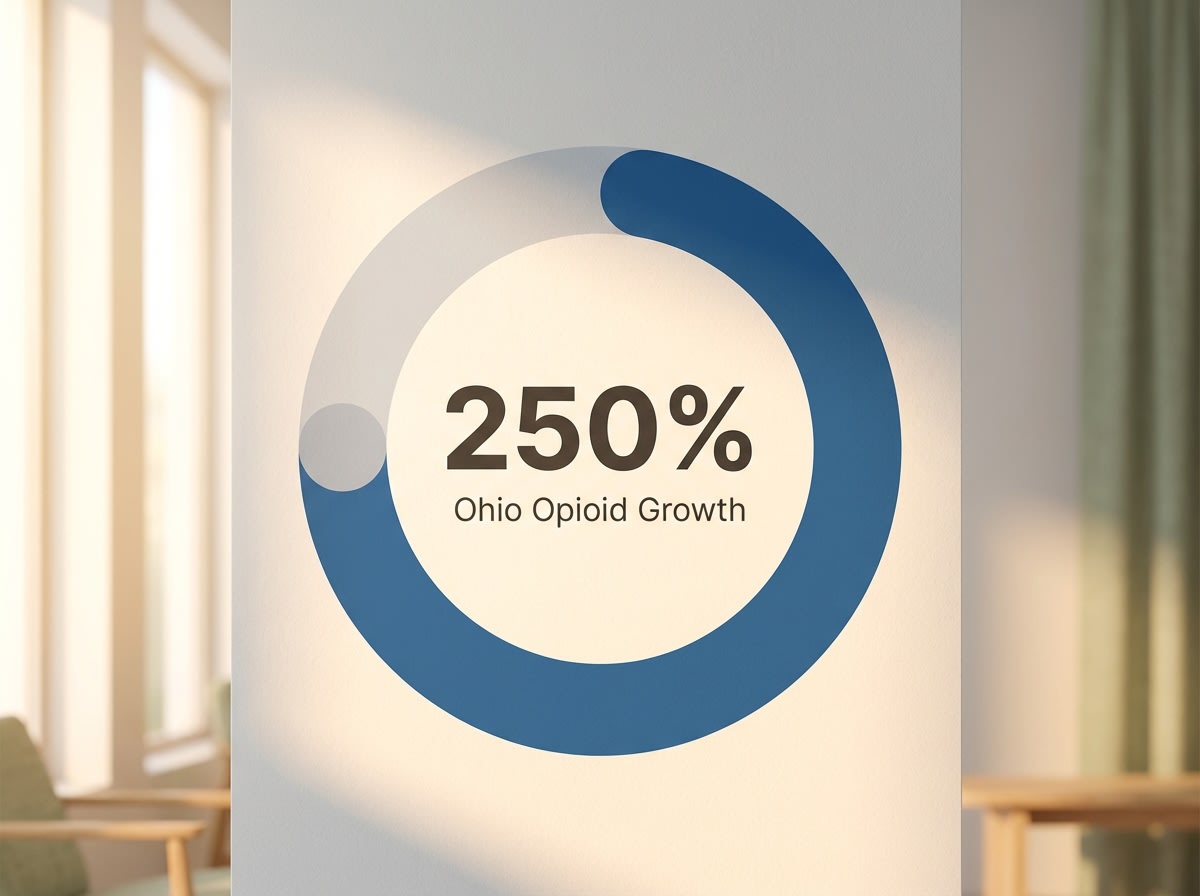
- Provider Increase: 250% jump in opioid treatment providers across the state2.
- Coverage Expansion: Enhanced Medicaid waivers broadening access in rural and urban zones.
- Overdose Trend: 9% reduction in fatalities in 2023.
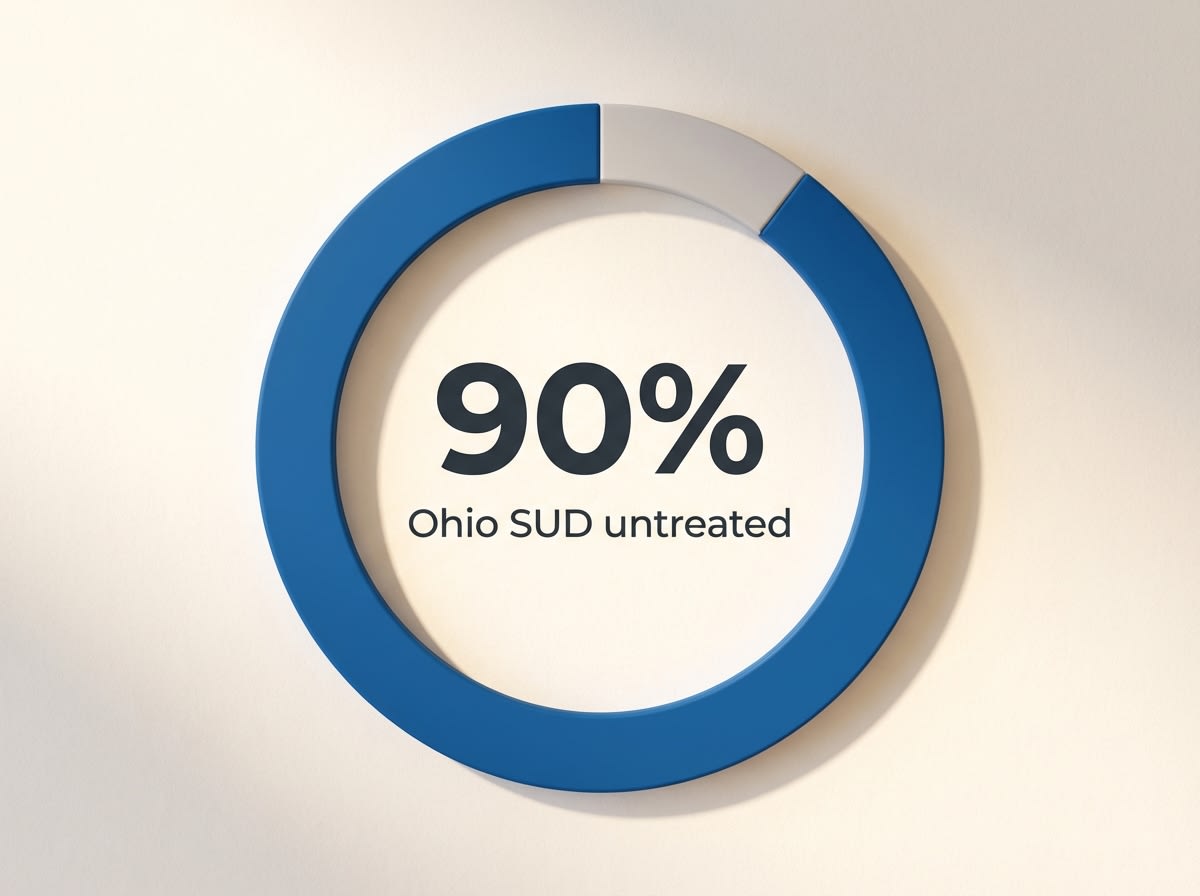
Still, the need remains urgent: about 90% of Ohioans with substance use disorders aren’t getting the treatment they need4. Programs like a drug and alcohol partial hospitalization program are crucial because they meet people where they are—offering flexible, intensive care that fits Ohio’s diverse communities. Family involvement and dual-diagnosis support are now common features, reflecting what works for real Ohio families.
At Arista, we understand the unique pressures facing Ohioans, from the challenges in the Appalachian region to the growing recovery networks in places like Cleveland and Columbus. Through compassion, local expertise, and a focus on practical solutions, we’re dedicated to helping you find your way forward.
How a Drug and Alcohol Partial Hospitalization Program Works
If you’re exploring treatment options for substance use disorders in Ohio, you’ve likely encountered the term “partial hospitalization program” or PHP. These programs offer intensive, structured treatment that falls between round-the-clock inpatient care and weekly outpatient therapy. Understanding how PHPs work, what to expect during treatment, and how to access these services in Ohio can help you make an informed decision about your recovery path.
Most PHPs operate five to seven days per week, with treatment sessions lasting four to six hours each day. You’ll attend programming during daytime hours and return home each evening, giving you the opportunity to practice new coping skills in real-world settings while still receiving structured clinical support. To help you visualize the commitment, consider this comparison of care levels:
| Feature | Inpatient / Residential | Partial Hospitalization (PHP) | Intensive Outpatient (IOP) |
|---|---|---|---|
| Time Commitment | 24/7 Supervision | 4–6 hours/day, 5–7 days/week | 2–3 hours/day, 3–5 days/week |
| Living Situation | Live at facility | Live at home | Live at home |
| Primary Focus | Stabilization & Detox | Intensive Therapy & Skill Application | Transition & Maintenance |
Your day in a PHP typically includes a combination of individual therapy, group counseling, and specialized treatment activities. Individual sessions allow you to work one-on-one with a therapist to address personal challenges, trauma, or co-occurring mental health conditions. Group therapy creates a supportive community where you can share experiences, learn from others facing similar struggles, and build accountability with peers who understand your journey.
Beyond talk therapy, PHPs incorporate evidence-based treatments tailored to substance use disorders. You might participate in several therapeutic modalities:
Cognitive Behavioral Therapy (CBT)
Focuses on identifying and changing unhealthy thought patterns that lead to substance use.
Dialectical Behavior Therapy (DBT)
Helps develop emotional regulation skills and distress tolerance to manage triggers without using substances.
Family Therapy
Sessions designed to repair relationships and build a stronger support system within the home environment.
Throughout your time in a PHP, a multidisciplinary team monitors your progress and adjusts your treatment plan as needed. This team typically includes licensed therapists, psychiatric providers, nurses, and case managers who collaborate to address every aspect of your recovery. They’ll help you transition smoothly to the next level of care when you’re ready, whether that’s intensive outpatient treatment or ongoing aftercare support.
The flexibility of PHPs makes them particularly valuable for Ohio residents who need intensive treatment but have work commitments, family responsibilities, or other obligations that make residential care challenging. With over 50 licensed PHP facilities across Ohio—concentrated in major metropolitan areas like Columbus, Cleveland, and Cincinnati, but also available in smaller communities—you can often find quality care close to home.
State Regulations & Insurance Coverage
Ohio Licensing & Accreditation Standards
In Ohio, strict rules are in place to make sure any drug and alcohol partial hospitalization program meets the highest standards for safety and quality. To operate legally, PHPs must be licensed by the Ohio Department of Mental Health and Addiction Services. But that’s not all—since October 2023, Ohio also requires new programs to hold national accreditation from respected organizations like The Joint Commission. This step helps raise the bar for care and builds trust for families across Ohio39.
These standards are more than paperwork. Accredited programs are checked regularly to ensure staff are properly trained, patient rights are protected, and treatment plans are up to date. State inspectors also look at things like emergency plans, medication safety, and the way records are kept—all to make sure you get safe, ethical care.
By choosing an accredited, licensed program like Arista, you know you’re getting help that meets Ohio’s highest expectations. This peace of mind is especially important when you’re seeking support for yourself or a loved one.
Medicaid & Commercial Insurance Access
Paying for a drug and alcohol partial hospitalization program in Ohio doesn’t have to feel overwhelming. If you’re covered by Ohio Medicaid, you’re in luck—Medicaid covers PHP treatment through certified providers, including both community agencies and hospitals10. This means many Ohioans can access intensive day treatment with little or no out-of-pocket costs.
Medicaid’s SUD 1115 Waiver has even expanded coverage, so more services are available than ever before2. If you have commercial insurance (like from your employer or the Marketplace), state and federal law require your plan to cover substance use treatment, including PHP, on par with other medical care7. However, it is common to run into hurdles like prior authorization or medical necessity reviews, so checking your benefits early really helps.
Some plans may have specific PHP networks, so make sure your chosen provider is in-network to avoid surprise bills. At Arista, we work directly with both Medicaid and private insurance to help families across Ohio—whether in Akron, Toledo, or the Appalachian region—navigate coverage and reduce financial stress.
Regional Considerations Across Ohio
Urban Treatment Access in Major Cities
If you live in one of Ohio’s major cities—like Columbus, Cleveland, or Cincinnati—you’ll find more choices and shorter wait times for a drug and alcohol partial hospitalization program than in many other parts of the state. Thanks to expanded funding and a 250% increase in opioid treatment providers since 2019, urban centers now have robust PHP options with services tailored for diverse populations2.
Most city-based programs offer medication-assisted treatment, dual-diagnosis support, and evening family sessions to fit busy schedules. These features matter in cities where work, school, and family responsibilities often overlap, helping you stay connected to your daily life while getting strong support. Cities are also home to hospital-affiliated PHPs and specialized clinics that reflect each community’s unique needs. For example, Cleveland’s PHPs may focus on fentanyl-related addiction, while Columbus centers might prioritize support for young adults.
Rural & Underserved Area Challenges
Accessing a drug and alcohol partial hospitalization program in rural and underserved parts of Ohio can feel much harder than in the big cities. If you live in the Appalachian region, the western farmlands, or smaller towns, you might face long drives to reach a program—or find that there aren’t any nearby at all. Even though Ohio has increased its opioid treatment providers by 250% since 2019, many of those new resources are still clustered around urban centers, leaving gaps in the countryside2.
Stigma also plays a bigger role in rural areas. It’s common to worry about privacy or feel judged when seeking help, which can keep people from reaching out. Plus, fewer local healthcare workers are trained in addiction treatment, and high-speed internet isn’t always available for telehealth. That means accessing care—even virtually—can be an uphill battle. At Arista, we understand these barriers and work hard to connect families in every Ohio community with the support they need, whether that means helping you find transportation or exploring creative ways to get you into a PHP.
Choosing the Right PHP in Ohio
Now that you understand how PHPs operate in Ohio, let’s explore how to find the right program for your specific situation. Finding the right partial hospitalization program requires careful consideration of several key factors. The quality of care you or your loved one receives can significantly impact the recovery journey, so taking time to evaluate your options is essential.
Use this checklist to evaluate potential programs:
- Licensing Check: Verify the facility is licensed by the Ohio Department of Mental Health and Addiction Services (ODMHAS).
- Accreditation: Look for the Gold Seal from The Joint Commission or CARF International.
- Therapy Mix: Does the program offer CBT, DBT, and trauma-informed care?
- Logistics: Is the facility accessible from your home? Do the hours (morning vs. afternoon) fit your schedule?
- Insurance: Confirm they are in-network with your provider or accept Ohio Medicaid.
To illustrate how you might evaluate options, imagine comparing two programs: Program A in suburban Columbus offers specialized trauma therapy and flexible afternoon scheduling, while Program B in downtown Cleveland provides comprehensive dual-diagnosis treatment with morning sessions. If you’re dealing with PTSD and need to maintain afternoon work hours, Program A might better serve your specific needs, even if it requires a slightly longer commute.
Don’t hesitate to ask about staff qualifications and patient-to-staff ratios. Experienced, licensed clinicians who specialize in your specific concerns—whether that’s substance use, mental health conditions, or co-occurring disorders—can make a meaningful difference in your outcomes. Finally, trust your instincts. Schedule a tour or consultation if possible. The right program should feel supportive, professional, and aligned with your recovery goals.
Frequently Asked Questions
How does Ohio Medicaid coverage for PHP differ from commercial insurance?
Ohio Medicaid covers a drug and alcohol partial hospitalization program through certified providers, making this level of care available with little or no out-of-pocket cost for those who qualify10. Medicaid coverage is guided by the SUD 1115 Waiver, which allows more flexible access to intensive treatment, including both community agencies and hospitals2. Commercial insurance—like employer or Marketplace plans—also must cover PHP under state and federal law, but you may face extra steps such as prior authorization or needing your program to be in-network7. At Arista, our team helps you understand and navigate both options so you can focus on recovery, not paperwork.
Can I transition directly from detox to a PHP in Ohio?
Yes, you can often move straight from a detox program to a drug and alcohol partial hospitalization program (PHP) in Ohio, as long as your medical team feels you’re stable enough. Detox helps you get through withdrawal safely. Once that’s done and your health is steady, PHP is the next step for many people in recovery. This transition lets you get daily treatment and support while living at home, which is helpful for Ohio families wanting strong structure without full-time hospitalization. At Arista, we make sure your care plan fits your needs and coordinate closely with detox providers for a smooth handoff5.
What happens if my insurance denies PHP authorization in Ohio?
If your insurance denies authorization for a drug and alcohol partial hospitalization program in Ohio, don’t lose hope. Start by asking your provider for a written explanation—sometimes it’s just a paperwork issue or a question about medical necessity. Ohio law and the Mental Health Parity and Addiction Equity Act require insurance plans to cover addiction treatment fairly, so you can appeal the decision with help from your treatment team7. At Arista, we support you through every step: gathering documentation, guiding you through appeals, and helping you explore other coverage options or payment assistance if needed. Recovery remains possible, even when insurance hurdles pop up.
Are medication-assisted treatment options available in Ohio PHPs?
Yes—most drug and alcohol partial hospitalization programs (PHPs) in Ohio offer medication-assisted treatment (MAT) as part of their services. MAT uses approved medications, like buprenorphine or naltrexone, along with counseling and therapy to help you manage cravings and withdrawal symptoms. This approach is especially important in Ohio, where fentanyl is involved in 78% of overdose deaths and opioid use disorder rates remain high15. Arista Recovery is committed to providing safe, doctor-supervised MAT options as part of a full recovery plan, so you or your loved one can find support that truly meets your needs.
How long does a typical PHP last in Ohio?
Most drug and alcohol partial hospitalization programs (PHPs) in Ohio last between two and six weeks, though your exact length can vary based on your needs and progress. You’ll usually attend sessions five days a week, with each day lasting about six hours. Your treatment team will regularly review your goals and may adjust your program if you need more or less time. The focus is on building a strong foundation for recovery, so some people may benefit from shorter or longer stays depending on their situation5. At Arista Recovery, your PHP plan is always tailored to support lasting change.
Does Arista Recovery serve all regions of Ohio?
Yes, Arista Recovery is dedicated to serving individuals and families throughout all regions of Ohio. Whether you’re in a large metro area like Cleveland or Columbus, or in a rural community in the Appalachian region or western farmlands, our team works to connect you with the right drug and alcohol partial hospitalization program for your needs. We understand the unique barriers faced in both urban and rural areas—such as transportation, stigma, and local resource gaps—and tailor our support accordingly2. No matter where you live in Ohio, Arista is here to guide you toward lasting recovery with compassionate, regionally informed care.
Start Your Recovery Journey Today
You now understand how partial hospitalization programs provide structured, intensive care without requiring an overnight stay, and you’ve learned the key factors that distinguish quality programs in Ohio—from accreditation and evidence-based therapies to insurance coverage and family involvement. Armed with this knowledge, you’re ready to take concrete steps toward finding the right program for your situation.
Start by calling the Ohio CareLine at 1-800-720-9616, a free, confidential resource available 24/7 to connect you with mental health and addiction services in your area. You can also visit the Ohio Department of Mental Health and Addiction Services (ODMHAS) website to search their directory of licensed programs. When you contact programs, ask specific questions about their treatment approach, staff credentials, typical day structure, and how they’ll measure your progress—the answers will help you identify the best fit.
Don’t wait for the “perfect moment” to reach out. Most quality PHPs can schedule an initial assessment within 3-5 days, and beginning treatment sooner often leads to better outcomes. If you’re currently in crisis or your symptoms are worsening, same-day assessments are frequently available. Taking action this week—even just making that first phone call—puts you on a path toward stability and healing.
Recovery isn’t about perfection; it’s about progress. By choosing to explore your options today, you’re already demonstrating the courage and commitment that will carry you through treatment and beyond. You have the power to change your story, and the right PHP can provide the tools, support, and structure to make that change last.
References
- Ohio Department of Health – Drug Overdose Prevention & Response. https://odh.ohio.gov/know-our-programs/violence-injury-prevention-program/drug-overdose/
- Ohio Department of Medicaid – SUD 1115 Demonstration Waiver. https://medicaid.ohio.gov/about-us/notices/sud-1115-demo-waiver
- Ohio Department of Behavioral Health – National Accreditation Requirements. https://dbh.ohio.gov/wps/portal/gov/dbh/supporting-providers/licensure-and-certification/community-behavioral-health-services-cbhs/national-accreditation
- 2024 National Survey on Drug Use and Health (NSDUH) Annual Report. https://www.samhsa.gov/data/sites/default/files/reports/rpt56287/2024-nsduh-annual-national-report.pdf
- American Society of Addiction Medicine (ASAM) – Clinical Guidelines. https://www.asam.org/quality-care/clinical-guidelines
- CDC – Understanding the Opioid Overdose Epidemic. https://www.cdc.gov/overdose-prevention/about/understanding-the-opioid-overdose-epidemic.html
- Healthcare.gov – Mental Health & Substance Abuse Coverage. https://www.healthcare.gov/coverage/mental-health-substance-abuse-coverage/
- Best Practices and Barriers to Engaging People with Substance Use Disorders in Treatment. https://aspe.hhs.gov/reports/best-practices-barriers-engaging-people-substance-use-disorders-treatment-0
- The Joint Commission – Behavioral Health Care & Human Services Accreditation. https://www.jointcommission.org/en-us/accreditation/behavioral-health-care-and-human-services
- Ohio Department of Medicaid – Behavioral Health Services. https://medicaid.ohio.gov/families-and-individuals/srvcs/bh/bh
