 Now under new ownership & part of the Arista Recovery Network! For more information,

Key Takeaways for Ohio Families
- Safety First: Medically supervised detox Ohio programs are essential for managing life-threatening withdrawal symptoms from alcohol, benzodiazepines, and opioids.
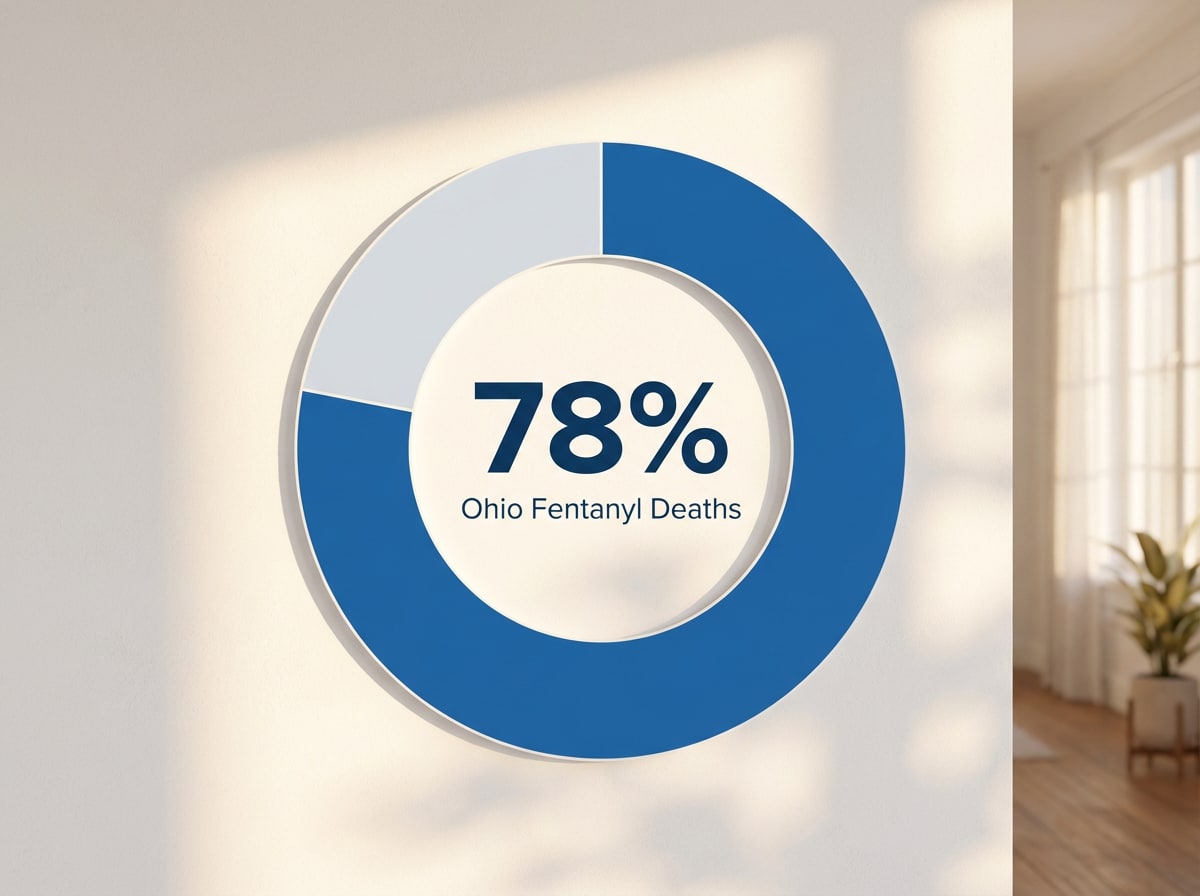
- Fentanyl Risk: With fentanyl involved in 78% of Ohio overdose deaths, professional monitoring is critical to manage rapid and severe withdrawal.
- Insurance Coverage: Most Ohio insurance plans cover detox services; verifying benefits early can reduce financial stress.
- Critical Transition: Completing detox is only the first step—transitioning immediately to residential or outpatient treatment significantly improves long-term recovery rates.
Understanding Medically Supervised Detox Ohio Programs
Medically supervised detox Ohio programs provide the first critical step in overcoming substance dependence, offering a safe environment as your body clears itself of drugs or alcohol. In a state where addiction rates have impacted communities from Cleveland to Cincinnati, access to professional withdrawal management can make the difference between a safe recovery and a dangerous attempt to quit alone.
When you cease substance use after prolonged periods, your body undergoes withdrawal—a process ranging from uncomfortable to medically severe. Clinical detoxification programs monitor vital signs 24/7, manage symptoms with FDA-approved medications, and intervene immediately if complications arise. This level of care is vital for substances like alcohol, benzodiazepines, and opioids, where withdrawal can escalate quickly.
Ohio offers various settings for this care. Inpatient withdrawal management provides residential safety for severe dependencies, while outpatient options may suit those with mild symptoms and strong home support. The process typically lasts three to ten days, focusing on physical stabilization to prepare you for the therapeutic work of comprehensive treatment.
What Makes Detox Medically Supervised
To be classified as medically supervised, a program must integrate continuous clinical oversight with evidence-based medical intervention. It acts as a safety net provided by a team of doctors, nurses, and addiction specialists.
- Continuous Monitoring: 24/7 tracking of heart rate, blood pressure, and oxygen levels.
- Immediate Intervention: Rapid response capabilities for seizures or cardiac distress.
- Medication Management: Administration of relief medications to reduce cravings and pain.
24/7 Clinical Monitoring & Safety Protocols
Safety is the priority in medically supervised detox Ohio centers. Clinical staff check vital signs frequently to detect early warning signs of distress, such as dehydration or hypertension. This is particularly crucial in Ohio, where the prevalence of potent substances like fentanyl increases the risk of severe withdrawal complications2. Constant observation prevents medical emergencies and provides peace of mind for families knowing their loved one is never alone during the most vulnerable hours.
Medication-Assisted Withdrawal Management
Medication-assisted withdrawal management utilizes specific pharmaceuticals to ease symptoms and prevent complications. Common medications include:
| Medication Type | Primary Use | Benefit |
|---|---|---|
| Buprenorphine / Methadone | Opioid Withdrawal | Reduces cravings and physical pain without producing a “high.” |
| Benzodiazepines | Alcohol Withdrawal | Prevents seizures and manages severe anxiety or tremors. |
| Non-narcotic Adjuncts | General Symptom Relief | Treats nausea, insomnia, and muscle aches. |
These medications are administered by professionals who adjust dosages based on your body’s response, ensuring the process is as comfortable as possible3, 6.
Why Ohio Residents Need Supervised Care
Ohio faces unique challenges regarding substance potency and polysubstance use. The landscape of addiction here often involves combinations of drugs that make withdrawal unpredictable.
Fentanyl’s 78% Role in Ohio Overdoses
“In 2023, fentanyl was linked to 78% of all overdose deaths in the state, making it the single biggest danger for people struggling with opioid use.”2
Fentanyl is significantly more potent than other opioids, causing withdrawal symptoms to onset rapidly and intensely. Symptoms can include severe respiratory distress and extreme agitation. Medically supervised detox Ohio programs are specifically equipped to handle these high-acuity cases, using specialized protocols to stabilize patients who may have unknowingly consumed fentanyl mixed with other substances.
Rising Alcohol & Polysubstance Trends
While opioid awareness is high, alcohol use disorders and polysubstance addiction (using multiple drugs simultaneously) are rising in Ohio7. Mixing alcohol with opioids or benzodiazepines compounds withdrawal risks, often requiring complex medical management. Supervised detox centers are designed to treat these overlapping dependencies, ensuring that treating one substance doesn’t dangerously exacerbate withdrawal from another.
Is Medically Supervised Detox Ohio Right for You?
Determining whether you need medical supervision requires an honest assessment of your substance use and health history. If you consume more than 4-5 alcoholic drinks daily, use benzodiazepines beyond prescribed limits, or regularly use opioids, professional monitoring is strongly recommended.
Warning signs requiring immediate medical attention include:
- Morning tremors or “shakes” before substance use.
- History of withdrawal seizures or hallucinations.
- Co-occurring health conditions like diabetes or heart disease.
- Previous failed attempts to quit independently due to symptom severity.
Diagnostic Questions for Your Situation
Use this simple diagnostic framework to evaluate your needs. If you answer “Yes” to any of the following, medically supervised detox Ohio is likely the safest option.
Click to Expand: Self-Assessment Checklist
- Do you use fentanyl, methadone, or mix alcohol with other drugs?
- Have you ever experienced a seizure or delirium tremens (DTs) during withdrawal?
- Do you have a diagnosed mental health condition (depression, anxiety, bipolar disorder)?
- Do you lack a sober, supportive environment at home?
- Do you experience severe physical illness (vomiting, rapid heart rate) when you stop using?
Substance Use & Withdrawal Risk Factors
The type of substance dictates the risk level. Fentanyl use creates a high risk for severe, rapid-onset withdrawal2. Alcohol and benzodiazepine withdrawal can be fatal without medical intervention due to the risk of seizures. If your usage involves these substances, or if you have been using them for an extended period, the physiological dependency requires clinical management rather than willpower alone.
Mental Health & Medical Complications
Only 14.5% of Ohio adults with co-occurring disorders receive treatment for both conditions simultaneously1, 4. Underlying issues like depression or anxiety often worsen during withdrawal. Medical detox centers provide dual-diagnosis support, ensuring that your mental health is stabilized alongside your physical health. This integrated approach prevents psychiatric crises that often lead to early relapse.
Decision Framework: Detox Level of Care
Choosing between acute inpatient detox and other forms of care depends on risk severity.
| Feature | Acute Medical Detox (Inpatient) | Standard/Outpatient Detox |
|---|---|---|
| Patient Profile | History of seizures, heavy daily use, co-occurring medical issues. | Mild symptoms, short duration of use, healthy otherwise. |
| Monitoring | 24/7 Nursing & Physician oversight. | Scheduled check-ins (daily or weekly). |
| Safety Level | Highest; immediate emergency response. | Moderate; relies on patient self-reporting. |
When Outpatient Detox Is Insufficient
Outpatient detox is often insufficient for those facing strong cravings or a history of relapse. If you are dealing with fentanyl or heavy alcohol use, the lack of 24-hour supervision can lead to medical emergencies at home. Medically supervised detox Ohio programs provide the structure necessary to navigate the unpredictable nature of withdrawal safely.
Implementation Pathways for Ohio Families
Once the decision for medical detox is made, navigating the logistics is the next step. Ohio offers several pathways, from private insurance to state-funded resources via ADAMHS boards.

Direct admission to facilities like Arista is often the fastest route. These centers offer confidential assessments to determine the appropriate level of care. Alternatively, hospital emergency departments serve as entry points for immediate medical crises, though they may not offer specialized addiction counseling.
Navigating Insurance & Financial Planning
Financial concerns should not be a barrier to safety. Use this checklist to clarify your coverage:
- Verify Coverage: Call your provider to confirm if “medically supervised withdrawal” is a covered benefit.
- Check Network Status: Ask if the specific facility (e.g., Arista) is in-network to minimize costs.
- Understand Costs: Request a breakdown of deductibles and copays.
- Explore Aid: Ask the treatment center about payment plans or financial assistance.
Verifying Coverage with Ohio Insurers
Before admission, contact your insurance carrier using the number on your card. Specifically ask about coverage for “inpatient detoxification” and “medication-assisted treatment.” Knowing your pre-authorization requirements and day limits helps avoid unexpected bills. Facilities like Arista often handle this verification process for you, communicating directly with insurers to maximize your benefits1.
Bridging the Gap: Detox to Treatment
Detox is the starting line, not the finish line. The transition from detox to ongoing treatment is the most critical period for preventing relapse.
Why 50% Never Enter Further Treatment
Statistics show that approximately 50% of individuals complete detox but fail to enter follow-up care5. This drop-off is often due to a lack of planning, transportation issues, or the false belief that detox “cured” the addiction. Effective programs mitigate this by arranging direct handoffs—scheduling appointments and transportation before you leave the detox facility.
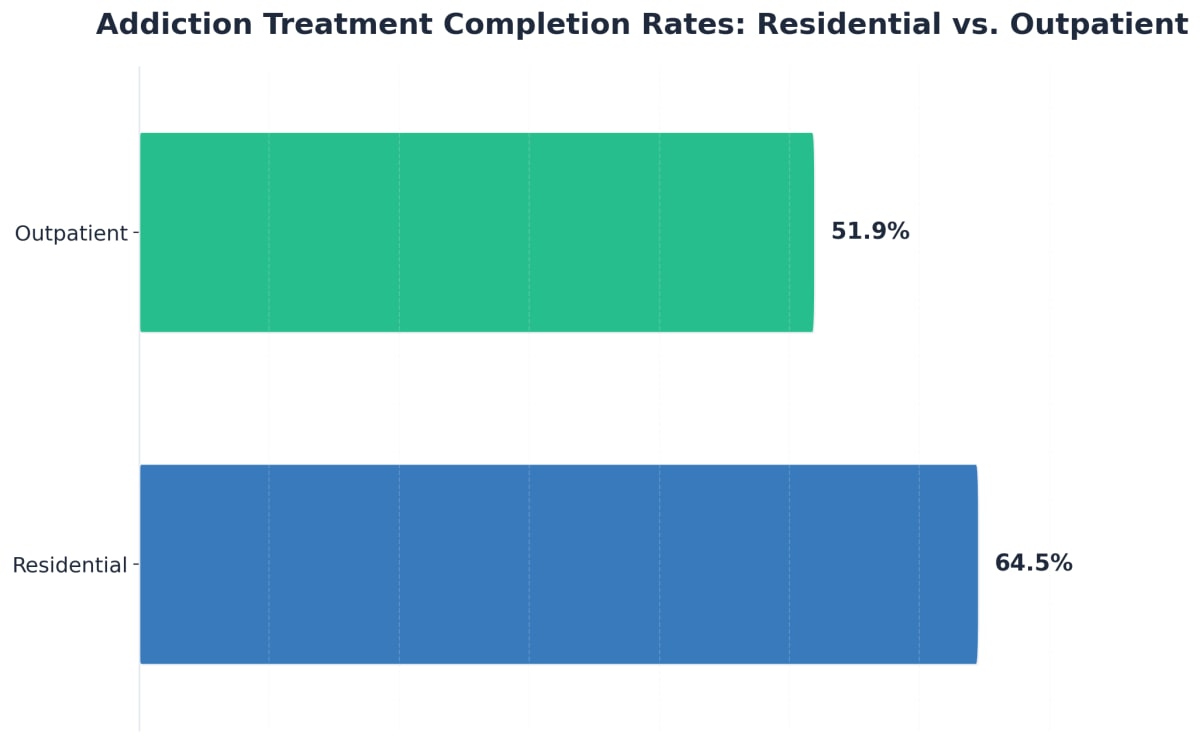
Residential Programs’ 64.5% Success Rate
Data indicates that the setting of your follow-up care impacts success rates.
| Treatment Setting | Completion Rate | Best Suited For |
|---|---|---|
| Residential Treatment | 64.5%9 | Individuals needing structure, 24/7 support, or with unstable home environments. |
| Outpatient Treatment | 51.9%9 | Individuals with strong family support and work/school obligations. |
Residential programs offer a higher completion rate, providing the immersive environment many need to solidify early recovery skills.
Your Next 30 Days: Action Plan for Recovery
Recovery requires a strategic approach. Breaking the next month into manageable steps can reduce overwhelm and keep you focused on progress.
Week 1-2: Assessment & Admission Prep
- Gather Documents: Collect medical records, insurance cards, and a list of current medications.
- Schedule Assessments: Book intake appointments with at least two facilities to compare options.
- Engage Support: Inform a trusted family member or friend to act as your advocate.
Gathering Medical Records & Insurance Info
Having your medical history ready ensures the detox team can tailor your care plan immediately. Include details on past surgeries, current prescriptions, and any history of withdrawal complications. This preparation allows for a safer and more efficient admission process into medically supervised detox Ohio programs.
Family Support Using the CRAFT Approach
Families can utilize the CRAFT method (Community Reinforcement and Family Training) to support their loved one effectively. This evidence-based approach teaches families to reward healthy behaviors and withdraw support for substance use without confrontation. It has been shown to be two to three times more effective than traditional interventions in getting loved ones into treatment10.
Week 3-4: Detox & Transition Planning
- Complete Detox: Focus on physical stabilization and medication adherence.
- Plan Next Steps: Finalize enrollment in a residential or outpatient program.
- Logistics: Arrange transportation and time off for the continued treatment phase.
What to Expect During Withdrawal Phases
Withdrawal is dynamic. Early symptoms (8–24 hours) often include anxiety and flu-like aches. Peak symptoms (days 2–4) may involve intense cravings and physical distress. Late withdrawal (days 5+) typically sees physical symptoms subside while emotional symptoms persist. Understanding this timeline helps you stay committed, knowing that the discomfort is temporary and managed by professionals.
Securing Residential or Outpatient Continuity
Before discharge from detox, confirm your spot in the next level of care. Whether choosing residential treatment for its high success rate or outpatient care for flexibility, ensuring there is no gap in treatment is vital. Arista’s case managers assist with this coordination, ensuring you move directly from one supportive environment to the next.
Frequently Asked Questions
Common questions regarding medically supervised detox Ohio services and recovery planning.
How do I know if I need medical detox or if I can detox at home?
If you are unsure whether you need medically supervised detox Ohio programs or could try detoxing at home, evaluate your recent substance use and health history. Detox at home is risky, particularly with fentanyl, heavy alcohol, or polysubstance use—major concerns in Ohio2, 7. If you have a history of seizures, hallucinations, or co-occurring conditions like depression, medically monitored detox with 24/7 support is the safest route.
What should I expect during the first 48 hours of medically supervised detox?
During the first 48 hours in a medically supervised detox Ohio program, a care team checks vital signs and stabilizes your condition. Expect early withdrawal symptoms like anxiety or sweating. Medical staff monitor for sudden changes—crucial for fentanyl and alcohol withdrawal—and may administer medications like buprenorphine to manage cravings and discomfort3, 6.
Will my insurance cover medical detox in Ohio?
Most Ohio insurance plans cover medically supervised detox, including withdrawal management and medication-assisted treatment. Coverage varies by policy. Contact your insurer or the Arista team to verify benefits, check for pre-authorization requirements, and confirm in-network status1.
How long does medical detox typically take for opioid withdrawal?
The duration of medically supervised detox for opioids depends on the substance. Short-acting opioids (heroin) typically require 4–10 days, while long-acting opioids (methadone) may require 10–20 days6. Medical teams monitor progress and adjust medications to ensure safety throughout the process.
What happens after I complete detox if I don’t continue with treatment?
Completing detox without follow-up treatment significantly increases relapse risk. Only about half of individuals transition to further care, yet ongoing support like residential treatment is essential for building new habits. Continued treatment greatly improves long-term recovery odds5.
Can I bring my prescribed medications to detox?
Yes, bring prescribed medications in their original bottles. The medical team will review them to ensure safety during withdrawal management. Some medications may be adjusted or temporarily held, but coordination with your prescriber ensures your overall health is maintained6.
How can I convince my loved one to go to medical detox?
Use the CRAFT approach (Community Reinforcement and Family Training), which focuses on positive communication and reinforcing healthy behaviors. This method helps families in Ohio engage loved ones in treatment 65–75% of the time10. Avoid confrontation; instead, offer empathy and specific support.
What’s the difference between detox at a hospital versus a specialized detox center?
Hospital detox focuses on medical stabilization on general floors, while specialized centers like Arista offer tailored withdrawal management in a recovery-focused environment. Specialized centers provide addiction counseling, 24/7 specific expertise, and smoother transitions to ongoing treatment6.
Will I be given medications during detox, and are they addictive?
Yes, medications like buprenorphine or methadone are often used to manage withdrawal. When administered by professionals for short-term detox, they ease symptoms without creating a new addiction. Doses are carefully tapered to ensure safety3, 6.
Can I work or attend school while in medical detox?
Typically, no. Medically supervised detox requires 24/7 on-site monitoring to manage unpredictable symptoms and ensure safety. Taking a short break from responsibilities allows you to focus entirely on physical stabilization before returning to daily life6.
What if I have both a mental health condition and addiction?
This is known as a co-occurring disorder. Integrated care is essential, as treating both conditions simultaneously leads to better outcomes. Medically supervised detox centers monitor mental health alongside withdrawal to prevent complications1, 4.
How much does medical detox cost in Ohio without insurance?
Costs vary by facility and length of stay. While specific rates differ, many centers offer payment plans or financial aid guidance. Contacting the facility directly is the best way to understand out-of-pocket expenses and budget accordingly1.
Is medical detox confidential, and will my employer find out?
Yes, strict HIPAA laws protect your privacy. Employers are not notified without your written permission. You can use medical leave for treatment, and care teams can assist with paperwork without disclosing sensitive details6.
What are the risks of detoxing from alcohol without medical supervision?
How can Arista Recovery support my transition from detox to ongoing treatment?
Arista facilitates a seamless transition by scheduling follow-up care, arranging transportation, and connecting you with case managers. This hands-on support bridges the gap between detox and residential or outpatient programs, reducing the risk of relapse5.
Finding Hope with Arista Recovery in Ohio
Taking the first step toward recovery requires courage, but you do not have to face it alone. Arista Recovery provides compassionate, evidence-based care tailored to the unique challenges of Ohio residents. Located in Westerville, minutes from Columbus, our facility offers a welcoming environment where healing begins.
We specialize in treating the whole person—addressing not just the addiction, but the underlying mental health and lifestyle factors that contribute to it. With an 87% satisfaction rate among graduates, our integrated approach ensures you have the tools needed for lasting success.
Recovery is possible. Contact Arista Recovery at (844) 701-0751 to speak with our admissions team. We are available to verify insurance benefits, answer your questions, and guide you toward a healthier future.
References
- SAMHSA – Release of the 2024 National Survey on Drug Use and Health. https://www.samhsa.gov/data/report/2022-nsduh-annual-national-report
- Ohio Department of Health – Drug Overdose Prevention. https://odh.ohio.gov/know-our-programs/violence-injury-prevention-program/drug-overdose-prevention
- FDA – Information about Medications for Opioid Use Disorder (MOUD). https://www.fda.gov/drugs/information-drug-class/information-about-medication-assisted-treatment-mat
- SAMHSA – Integrated Treatment for Co-Occurring Disorders: Building Your Program. https://store.samhsa.gov/product/integrated-treatment-co-occurring-disorders-building-your-program/SMA08-4366
- NCBI/NIH – Transitioning from Detoxification to Substance Use Disorder Treatment. https://www.ncbi.nlm.nih.gov/pmc/articles/PMC4524949/
- NCBI/NIH – Clinical Guidelines for Withdrawal Management and Treatment of Drug Dependence. https://www.ncbi.nlm.nih.gov/books/NBK310652/
- Health Policy Ohio – As opioid overdose deaths decline in Ohio. https://www.healthpolicyohio.org/as-opioid-overdose-deaths-decline-in-ohio-addiction-to-other-drugs-increases/
- Stanford Medicine – Alcoholics Anonymous most effective path to alcohol abstinence. https://med.stanford.edu/news/all-news/2020/03/alcoholics-anonymous-most-effective-path-to-abstinence.html
- Recovery Answers Institute – Residential Versus Outpatient Treatment in the US. https://www.recoveryanswers.org/research-post/residential-versus-outpatient-addiction-treatment-in-the-united-states/
- Partnership to End Addiction – The CRAFT Approach. https://drugfree.org/article/craft-approach-encouraging-healthy-behaviors/
