 Now under new ownership & part of the Arista Recovery Network! For more information,
Key Takeaways: The Facility Vetting Checklist
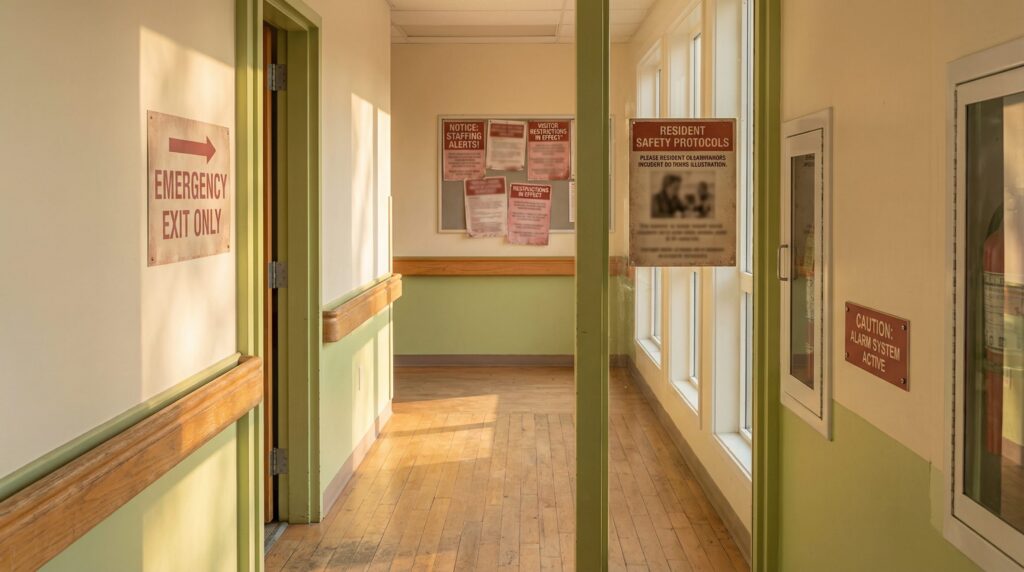
Before committing to a program, use this quick assessment to ensure safety and quality. If you answer “No” to more than one of these, proceed with extreme caution.
- Accreditation Check: Is the facility accredited by The Joint Commission or CARF?
- Staff Verification: Are the primary therapists and medical staff licensed in Ohio?
- Billing Transparency: Did they explain all costs and insurance coverage before asking for payment?
- Dual Diagnosis: Do they have a psychiatrist on-site to treat co-occurring mental health conditions?
- Immediate Action: If you spot red flags, contact the Ohio Department of Mental Health and Addiction Services or call Arista for a second opinion.
Why Choosing the Right Residential Treatment Facility for Adults Matters
Selecting a residential treatment facility for adults is one of the most significant decisions you will make for yourself or a loved one. The facility you choose acts as the foundation for long-term recovery, and research consistently shows that individuals who attend programs aligned with their specific clinical needs are more likely to maintain sobriety. This isn’t just about finding an open bed; it is about finding a safe, therapeutic environment that addresses your unique history, challenges, and goals.
Quality treatment facilities offer evidence-based therapies tailored to the individual rather than relying on a generic, one-size-fits-all approach. They employ licensed, experienced staff who understand the complexities of addiction and co-occurring mental health conditions. In the right environment, you should feel safe, supported, and genuinely understood. Conversely, a poor fit can lead to early discharge, relapse, or a discouraging experience that makes future attempts at recovery feel more daunting.
For Ohio residents, location is a critical factor. Some individuals benefit from traveling away from their local environment to break free from triggers, while others find strength in staying closer to home where family can participate in therapy. Access to facilities that understand regional challenges—from the specific opioid trends affecting our communities to local insurance networks—can make treatment more accessible and effective.
“The right environment doesn’t just treat addiction—it helps you rebuild your life with confidence and hope.”
Practical factors such as insurance acceptance, program length flexibility, and aftercare planning are also vital. Treatment shouldn’t end when you complete a residential program; the best facilities connect you with resources and support systems that continue long after you leave their care. Taking the time to research facilities, ask questions about their treatment philosophy, and understand what makes each program unique helps ensure you are investing in a future of lasting change.
Unqualified Staff Risks in a Residential Treatment Facility for Adults
Credentials That Don’t Meet Standards
Mistake 1: Overlooking Staff Credentials and Qualifications
It is a common assumption that if a residential treatment facility for adults is open for business, the staff must be fully qualified. Unfortunately, this is not always the case. Some facilities may hire staff who lack proper licenses or degrees in addiction counseling, nursing, or mental health to cut costs. Unqualified staff may miss critical warning signs, struggle to de-escalate crises, or fail to provide the depth of support required for trauma-informed care.
If a counselor lacks a state license or recognized certification, they might rely on outdated or unsafe practices. This can lead to therapeutic setbacks or even discourage a client from seeking future help. To protect yourself, use this verification checklist:
- Ask Directly: Request to see the licenses or certifications for the primary counselors and medical professionals.
- Seek Multi-Disciplinary Teams: Look for a mix of physicians, psychiatrists, licensed therapists, and nurses. Research indicates these teams lead to better recovery outcomes1.
- Verify Accreditation: Check for accreditation from The Joint Commission or CARF, as these bodies require staff to meet strict educational and professional standards5.
- Trust Your Gut: Be cautious if answers about credentials are vague or if the staff seems evasive.
At Arista, we believe your recovery deserves expert care. By ensuring your chosen facility in Ohio holds its staff to high professional standards, you are prioritizing safety and effectiveness.
Missing Clinical Supervision Systems
Mistake 2: Ignoring the Need for Clinical Supervision

Even well-intentioned staff need guidance. Clinical supervision is a formal process where experienced supervisors regularly review cases, provide feedback, and ensure staff are following safe, evidence-based practices. Without this layer of oversight, warning signs in a patient’s behavior can go unnoticed, and staff burnout can lead to poor quality care.
| Feature | Quality Facility (With Supervision) | Risky Facility (No Supervision) |
|---|---|---|
| Case Review | Weekly meetings to discuss patient progress and adjust plans. | Staff work in silos; treatment plans are rarely updated. |
| Crisis Management | Protocols are reviewed and overseen by senior clinicians. | Staff may react impulsively or use outdated methods. |
| Outcome Tracking | Structured feedback systems to improve safety3. | No clear process for measuring success or failure. |
To avoid this mistake, ask if the facility holds regular supervision meetings for all counselors. Arista ensures that our team in Ohio receives ongoing support and training because real recovery depends on quality care at every level.
Fraudulent Billing and Patient Brokering
Insurance Fraud Schemes to Watch For
Mistake 3: Failing to Recognize Insurance Fraud Schemes
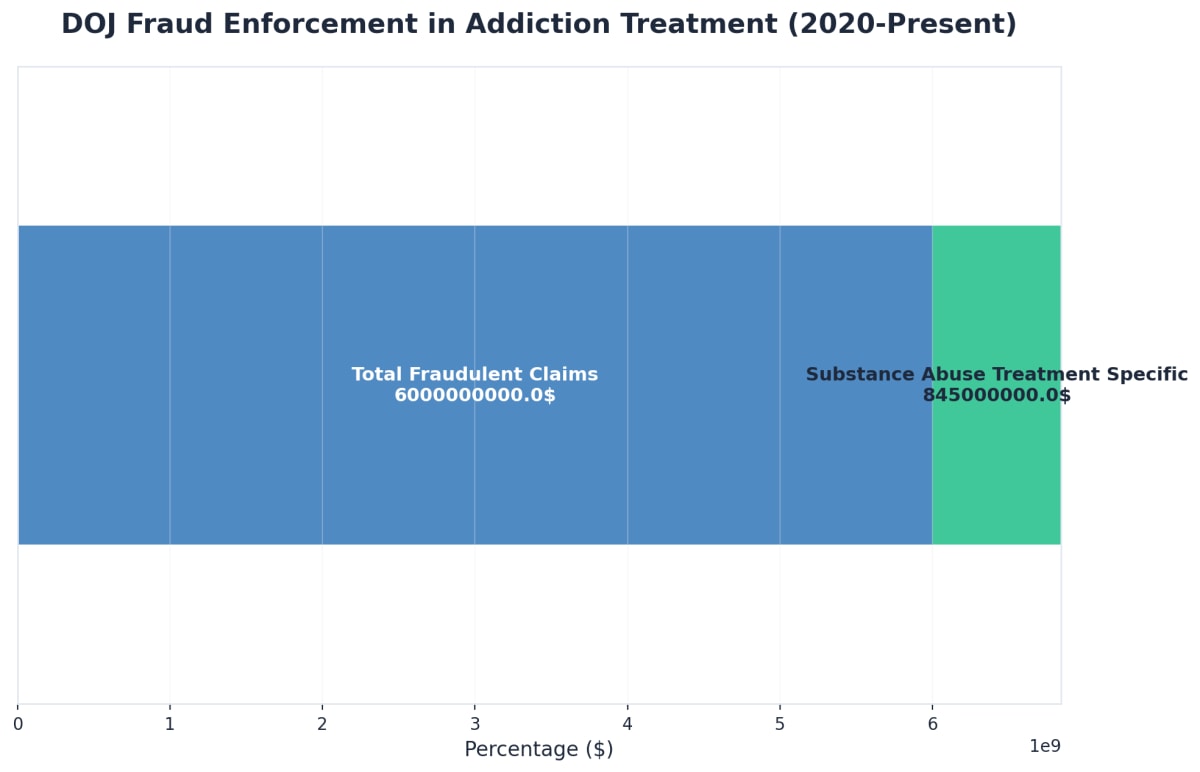
Financial exploitation is a trap that catches many families, especially when they are in a state of crisis. Some unethical facilities engage in billing fraud, charging insurance companies for services never provided, conducting excessive drug testing, or fabricating diagnoses to secure higher reimbursement rates. A notorious example involves urine drug tests: simple cups that cost roughly $10 have been billed to insurance providers for $1,000 or more, sometimes multiple times a week8.
These practices do not just waste resources; they can lead to denied claims, unexpected financial liability for your family, or legal complications. Protect yourself by watching for these red flags:
- Vague Billing: The facility cannot or will not provide a clear, itemized explanation of costs before admission.
- Excessive Testing: You notice repeated, high-frequency medical tests that do not seem relevant to the treatment plan.
- Pressure Tactics: Staff pressure you to switch insurance plans to one with “better” out-of-network benefits.
Arista takes billing integrity seriously. We ensure every client and family in Ohio understands exactly what is covered so your focus remains on healing.
Patient Brokering and Financial Kickbacks
Mistake 4: Overlooking Patient Brokering and Kickbacks
Patient brokering is an unethical practice where a facility pays a third party—often called a “marketer” or “referral agent”—to send clients their way. This transaction treats patients like commodities rather than people in need of help.
“When money is exchanged for referrals, facilities may fill beds with anyone who has good insurance, regardless of whether the program is actually a good clinical fit for that individual.”
In Ohio and across the nation, this can lead to poor treatment matches and increased relapse risk. Families might not realize this is happening behind the scenes. To detect this, ask if the facility pays for referrals or uses outside marketers. Be wary of aggressive cold calls or offers of free airfare, rent, or other incentives to choose a specific program7. Ethical centers like Arista are transparent about their admissions process and prioritize your clinical needs over profit.
Absence of Evidence-Based Treatment Plans
Generic Programs Without Individualization
Mistake 5: Settling for Generic, One-Size-Fits-All Programs
Many people seeking help end up in programs that look identical for every patient. While this is efficient for the facility, it is often ineffective for the individual. Research confirms that successful recovery depends on matching the program to the person’s unique history and needs3.
If you have specific triggers, family dynamics, or trauma history, a generic program may ignore them entirely. You might find yourself in group therapy sessions that don’t apply to you, with little access to one-on-one counseling. This lack of personalization can lead to early exit or relapse.
The Difference in Approach:
| Generic Program | Individualized Program (Arista) |
|---|---|
| Standardized daily schedule for everyone. | Schedule adapted to personal therapy needs. |
| Focus primarily on group sessions. | Balance of individual counseling and group work. |
| Static treatment goals. | Goals evolve based on regular progress reviews. |
Missing Dual Diagnosis Capabilities
Mistake 6: Overlooking Dual Diagnosis Support
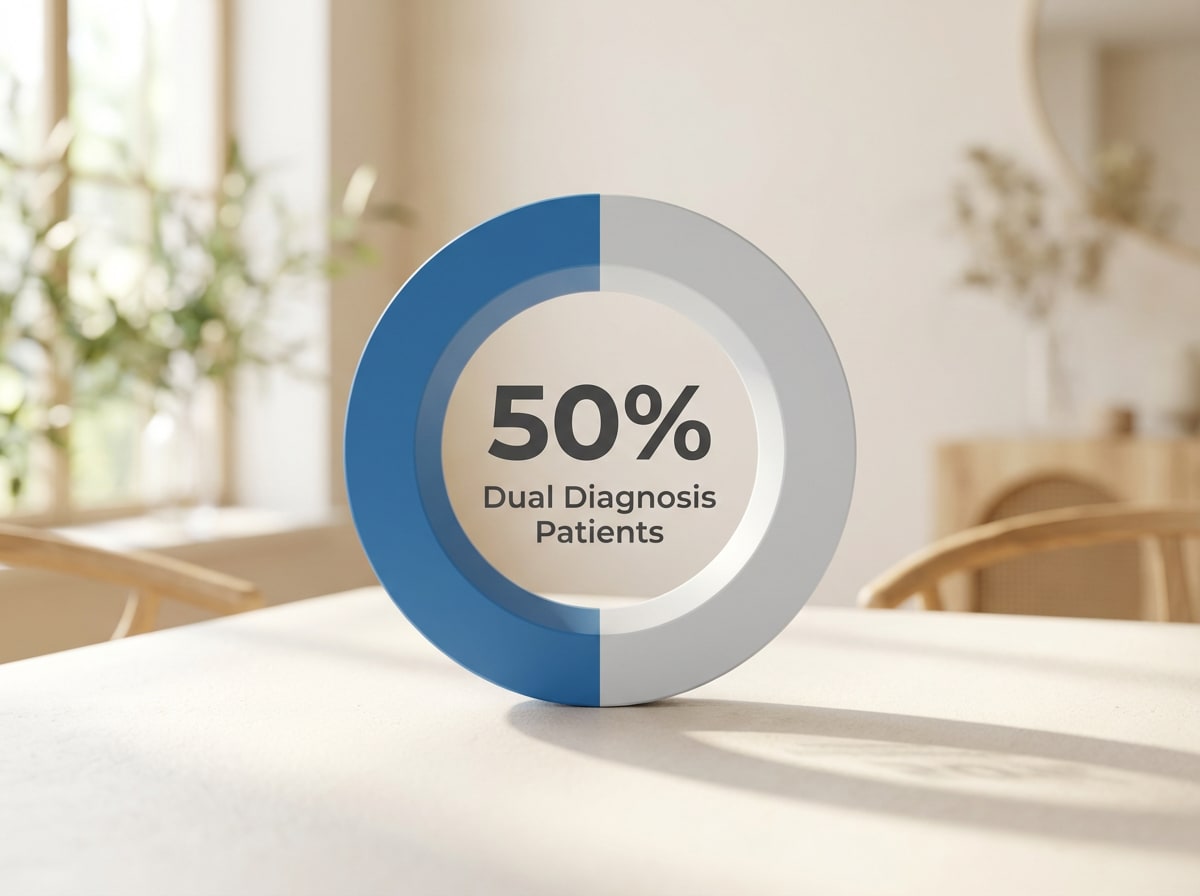
Choosing a facility that cannot treat co-occurring mental health issues is a critical error. Approximately 50% of people seeking addiction treatment also struggle with a mental health disorder such as depression, anxiety, or PTSD10. If a facility focuses solely on addiction, the underlying mental health conditions remain untreated, often triggering a relapse shortly after discharge.
To ensure you are getting comprehensive care, verify the following:
- Integrated Care: Does the facility have licensed therapists and psychiatrists on staff?
- Comprehensive Assessment: Do they screen for both mental health and substance use upon admission?
- Evidence-Based Therapies: Do they use modalities like Cognitive Behavioral Therapy (CBT) or medication management?
At Arista, our Ohio team is trained to treat the whole person. If you or your loved one needs a facility that truly understands dual diagnosis, refuse to settle for a program that only treats half the problem.
Frequently Asked Questions
What should I do if I discover my loved one is in a facility with red flags?
If you realize your loved one is in a residential treatment facility for adults in Ohio with red flags—like unqualified staff, missing therapy, or shady billing—don’t panic. First, document your concerns with notes or photos if possible. Next, reach out to the facility director and ask questions about credentials, licensing, or treatment plans. If answers are vague or problems continue, contact the Ohio Department of Mental Health and Addiction Services or a trusted group like Arista for help. Facilities must meet certain standards, but oversight can vary, so staying proactive is key2. Your advocacy can make a real difference.
How can I verify if a treatment facility in Ohio is properly accredited?
To verify if a residential treatment facility for adults in Ohio is properly accredited, start by asking the facility directly about their accreditation status. Look for certificates from trusted organizations like The Joint Commission or CARF, as these groups use strict standards and conduct on-site reviews5. You can also check the official websites of these accrediting bodies, which list approved facilities in Ohio. Don’t hesitate to ask for documentation or contact the accreditor yourself. Accreditation means the facility has met high safety, staffing, and care standards—giving you more peace of mind on your recovery journey.
What questions should I ask during a facility tour to spot potential problems?
When touring a residential treatment facility for adults in Ohio, bring a list of questions to help uncover red flags. Ask about staff credentials—are counselors and therapists licensed and experienced? Request details on how treatment plans are made and if they’re tailored to each person. Inquire about daily schedules: Is there a mix of group and individual therapy? Check for accreditation by The Joint Commission or CARF, which signals high standards5. Ask how family involvement works and how progress is tracked. If answers are vague or staff seem evasive, trust your gut and consider looking elsewhere. Arista encourages you to be thorough—your questions can help you find the right fit for lasting recovery.
Can I report a facility if I suspect insurance fraud or unethical practices?
Yes, you can and should report a residential treatment facility for adults in Ohio if you suspect insurance fraud or unethical practices. Start by gathering any documentation—such as questionable bills, emails, or notes about what you’ve witnessed. Contact your insurance company to discuss your concerns. You can also file a complaint with the Ohio Department of Mental Health and Addiction Services, which oversees facility licensing and investigates reports of fraud or abuse2. If you need support, Arista can guide you through the process or connect you with the right resources. Speaking up helps protect your loved one and others from harm.
How do I know if a facility can truly treat co-occurring mental health conditions?
To know if a residential treatment facility for adults in Ohio can truly treat co-occurring mental health conditions, ask if they offer integrated dual diagnosis care. About 50% of people seeking addiction treatment also have a mental health disorder, so the right facility should have licensed therapists and psychiatrists on staff, not just addiction counselors10. Look for programs with on-site mental health assessments, medication management, and therapies like cognitive behavioral therapy (CBT). Ask if treatment plans address both addiction and mental health together, not separately. At Arista, we believe treating the whole person is essential for lasting recovery—never settle for less.
What are realistic success rates I should expect from a quality treatment program?
When exploring a residential treatment facility for adults in Ohio, it’s normal to wonder about success rates. The truth is, no quality program can promise a perfect outcome—addiction recovery is complex and deeply personal. National research shows that about 40% to 60% of people remain sober in the first year after treatment, but real success depends on factors like program quality, individualized care, and ongoing support3. Be cautious if a facility advertises unrealistically high rates or guarantees “cures.” Instead, look for centers like Arista that focus on honest tracking, evidence-based care, and supporting long-term progress.
Is it normal for a facility to ask for payment before explaining my insurance coverage?
No, it is not normal for a residential treatment facility for adults in Ohio to ask for payment before clearly explaining your insurance coverage. Ethical facilities should walk you through what your insurance covers, any out-of-pocket costs, and get your approval before any billing. If a center pushes for upfront payment or won’t answer your questions about billing, that’s a warning sign. Unfortunately, some facilities have engaged in questionable billing or even insurance fraud, which has led to increased oversight and consumer caution in recent years7. At Arista, you’ll always get clear, honest answers about costs so you can focus on recovery, not financial surprises.
Finding Quality Care in Ohio and Beyond
Now that you understand the importance of individualized, evidence-based care, the next step is identifying facilities that deliver on these promises. Finding the right treatment program requires more than browsing websites—it demands careful evaluation and asking the hard questions.
Quality care starts with proper licensing and accreditation. Look for facilities certified by The Joint Commission or the Commission on Accreditation of Rehabilitation Facilities (CARF). These credentials ensure the program meets rigorous standards for safety, clinical excellence, and ethical practices.
When evaluating potential facilities, verify that staff credentials match their advertised expertise. During your tours or initial calls, use this final checklist:
- What is your staff-to-client ratio?
- How do you customize treatment plans?
- What happens if I am not progressing as expected?
- Can I see the therapy rooms and living spaces?
Don’t limit your search to Ohio alone, though local options offer convenience for family involvement. National directories through SAMHSA (1-800-662-4357) can connect you with accredited facilities across the country. Compare programs based on specializations, treatment philosophy, aftercare support, and insurance acceptance—not just location or cost. Armed with these evaluation tools, you can confidently select a program that aligns with your recovery needs and sets the foundation for lasting change.
References
- Guide: 11 Indicators of Quality Addiction Treatment. https://www.recoveryanswers.org/resource/guide-11-indicators-of-quality-addiction-treatment/
- Licensing and Certification for Facility Licensing. https://www.dhcs.ca.gov/provgovpart/Pages/FacilityLicensing.aspx
- Advancing Quality Measurement in Behavioral Health. https://www.samhsa.gov/data/report/advancing-quality-measurement-behavioral-health-care
- Finding Quality Treatment for Substance Use Disorders. https://www.samhsa.gov/sites/default/files/finding-quality-treatment-for-substance-use-disorders.pdf
- Behavioral Health Care & Human Services Accreditation. https://www.jointcommission.org/what-we-offer/accreditation/health-care-settings/behavioral-health-care-and-human-services/
- Clinical Issues, Challenges, and Strategies in Intensive Outpatient Treatment. https://www.ncbi.nlm.nih.gov/books/NBK64094/
- Knowledge of Predatory Practices within Substance Use Disorder Treatment. https://www.ncbi.nlm.nih.gov/pmc/articles/PMC10103043/
- Addiction Treatment Scams Explained. https://www.recoveryanswers.org/research-post/addiction-treatment-scams-explained/
- The Continuing Care Model of Substance Use Treatment. https://www.ncbi.nlm.nih.gov/pmc/articles/PMC4553654/
- Management of Persons with Co-occurring Severe Mental Illness and SUD. https://www.ncbi.nlm.nih.gov/pmc/articles/PMC3051410/
