 Now under new ownership & part of the Arista Recovery Network! For more information,

Key Takeaways for Ohio Families
- Assess Your Risk: Determine if you need medical detox, especially given that fentanyl is involved in 78% of Ohio overdose deaths.1
- Verify Quality: Look for both state licensure (OhioMHAS) and national accreditation (Joint Commission/CARF) to ensure the facility meets rigorous safety standards.
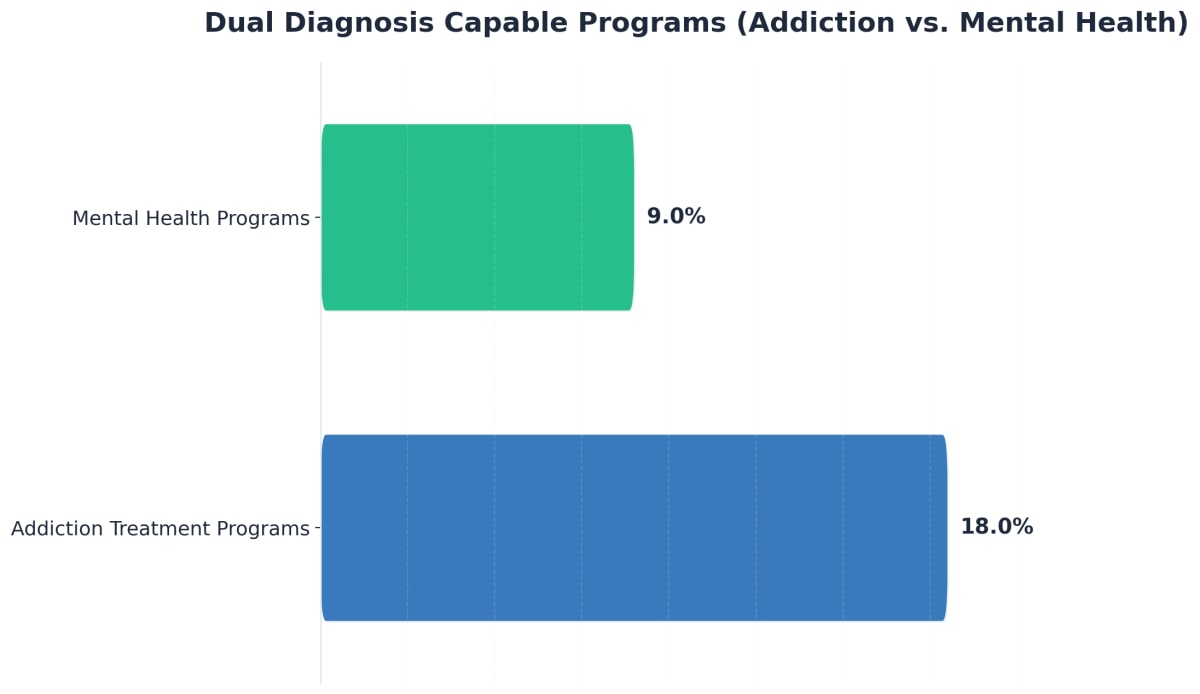
- Check Capabilities: Only 18% of Ohio programs are truly dual diagnosis capable; verify that the facility can treat co-occurring mental health issues effectively.8
- Act Decisively: Use the provided 30-day action plan to move from research to admission, reducing decision paralysis during a crisis.
Is Ohio Rehab Right for You? Self-Assessment
Whether you are considering treatment for the first time, questioning if your current program is meeting your needs, or helping a loved one navigate these decisions, understanding the signs that indicate a need for change is crucial. This guide provides simple tools to evaluate your situation and make informed decisions about Ohio rehab options—ensuring you find the quality care necessary for recovery.
Taking a moment to honestly evaluate your current situation can provide valuable clarity. When questioning whether your treatment program is meeting your needs—or whether it’s time to seek help for the first time—trust that instinct. Your recovery deserves the full support and resources necessary for lasting success.
“Recovery should gradually build your confidence and coping skills. When feeling increasingly anxious, isolated, or hopeless despite being in treatment—or when these feelings are driving substance use—these are significant warning signs.”
Consider these key indicators that may signal it’s time to explore your options:
- Are you experiencing persistent cravings that feel unmanageable?
- Has your program addressed the underlying causes of your addiction, or does it focus solely on abstinence?
- Do you feel genuinely supported by your treatment team, or do you sense you’re just going through the motions?
- For those not yet in treatment, are these struggles intensifying to the point where daily life feels unmanageable?
For Ohio residents, geographic accessibility can also impact recovery success. When attending your current program creates significant hardship—whether due to distance, scheduling conflicts, or family obligations—this barrier might be preventing you from fully engaging in treatment.
Diagnostic Questions for Treatment Readiness
Use this readiness checklist to see if an Ohio rehab is right for you at this stage. Ask yourself:
- Have you tried to cut back or stop using substances, but struggled to follow through?
- Are cravings or withdrawal symptoms interfering with your daily life?
- Has your substance use caused problems at work, in school, or in relationships?
If you answer yes to any of these, it may be time to look for addiction treatment resources near you. Many in Ohio find that asking these questions helps clarify what kind of support they need. Only 18% of addiction programs in the state are considered dual diagnosis capable, so finding the right fit can take some careful thought.8
Evaluating Your Substance Use Patterns
Start by mapping your substance use: jot down how often you use, what you use, and if your patterns have changed over time. Notice if your use has become more frequent, involves multiple substances, or if higher amounts are needed for the same effect—these shifts can be warning signs.
In Ohio, nearly two-thirds of overdose deaths involve mixing drugs like fentanyl, heroin, and cocaine, showing just how risky evolving patterns can be. If you’re seeing these changes in your life, it may be time to look into addiction treatment centers or local support groups.7
Identifying Co-Occurring Mental Health Needs
Spotting co-occurring mental health needs—like anxiety, depression, or trauma—can be just as important as tracking substance use. Take a moment to notice if you’ve been feeling persistently down, anxious, or find it hard to manage stress, even when you’re not using. These feelings may point to a dual diagnosis.
In Ohio, only 18% of addiction treatment programs are prepared to treat both at once, making it crucial to look for facilities that truly offer dual diagnosis support. This approach is ideal for people whose moods, thoughts, or trauma history keep making recovery harder.8
Understanding Your Treatment Requirements
Pinpointing the right level of care is a crucial step in finding the services that fit your needs. Here’s a treatment-matching tool: Make a list of your concerns—do you need withdrawal help, mental health support, or a highly structured routine? Some people need medical detox to safely manage withdrawal, while others may benefit from outpatient or specialty programs.
Medical Detox Necessity Assessment
Use this quick checklist to see if you may need medical detox before starting an Ohio rehab program:
- Are you physically dependent on alcohol, opioids, or benzodiazepines?
- Have you experienced severe withdrawal symptoms like shaking, confusion, or seizures in the past?
- Do you need to use substances just to feel normal each day?
If you answered yes to any of these, a safe, medically supervised detox might be necessary. In Ohio, fentanyl is found in 78% of overdose deaths, making withdrawal riskier than many realize.1
Specialized Program Consideration Guide
Here’s a quick tool to help you decide if a specialty program is right for your recovery in Ohio: List your main challenges—do you need trauma support, help for a co-occurring mental health disorder, or care tailored for professionals or teens?
Only 18% of addiction programs in Ohio are equipped for dual diagnosis, meaning they can treat both mental health and substance use struggles together. This solution fits those who have tried standard options without success or who need focused support for unique circumstances.8
Decision Framework: Choosing Quality Ohio Rehab Care
Once you’ve identified warning signs in your current situation, the next step is evaluating your care options with specific criteria in mind. Making an informed choice about your recovery support requires a clear framework that balances your current needs with your long-term wellness goals.
Start by honestly evaluating your current stability. When you’re experiencing withdrawal symptoms, struggling with co-occurring mental health conditions, or finding it difficult to maintain sobriety for more than a few days, you likely need a higher level of care. Partial hospitalization or intensive outpatient programs provide the structure and medical oversight necessary during this critical phase.
As you research programs, focus on these measurable quality indicators:
- Staff-to-patient ratios: Look for 1:6 or better in group settings.
- Accreditation: Look for The Joint Commission or CARF.
- Evidence-based modalities: Ensure they offer CBT, DBT, or similar proven therapies.
- Credentials: Verify staff are licensed therapists or certified addiction counselors.
State Licensure and Accreditation Standards
Use this quick-check tool to spot quality in Ohio addiction centers: Ask if the facility is licensed by the Ohio Department of Mental Health and Addiction Services and if it holds national accreditation. Facilities with both credentials are often more reliable and transparent.2,4
| Credential Type | What It Means | Why It Matters |
|---|---|---|
| Ohio Certification (OhioMHAS) | Meets state legal requirements for safety, staffing, and care. | Ensures the facility is legally operating and regularly reviewed by the state. |
| National Accreditation (Joint Commission/CARF) | Voluntary adherence to rigorous, higher-level standards of care. | Indicates a commitment to excellence and evidence-based practices beyond basic rules. |
Ohio Certification Requirements Explained
Ohio rehab centers must be certified by the Ohio Department of Mental Health and Addiction Services (OhioMHAS) to legally provide addiction treatment. This certification checks that a facility follows all state safety, staffing, and care requirements, including staff background checks and minimum training standards. The process uses a centralized system called LACTS, which tracks provider applications, renewals, and compliance history2.
National Accreditation Benchmarks Matter
National accreditation from groups like The Joint Commission or CARF gives Ohio rehab facilities a gold star for quality and safety. These organizations set rigorous benchmarks—covering everything from staff training to patient rights and evidence-based care—that go beyond basic state rules. Accredited centers must pass regular inspections and show ongoing improvement, giving you extra peace of mind.4
Evidence-Based Treatment Verification
Use this quick checklist to verify evidence-based care when choosing an Ohio rehab: Ask if the facility uses therapies proven to work, like cognitive-behavioral therapy (CBT), medication-assisted treatment (MAT), and support for dual diagnosis. Evidence-based means these methods have been thoroughly tested and shown to help people recover from addiction and co-occurring mental health issues.6
In Ohio, only about 11% of people with opioid use disorder receive FDA-approved medications, even though MAT can boost recovery rates and save lives. Prioritize centers that openly discuss their therapies, train staff in the latest techniques, and can show their treatment outcomes.9
Medication-Assisted Treatment Availability
To check if an Ohio rehab offers medication-assisted treatment (MAT), ask if they provide FDA-approved medications for opioid use disorder, like buprenorphine or methadone. MAT combines these medicines with counseling and support, making it one of the most effective options for recovery. This approach works best when you or your loved one have struggled with opioid cravings or repeated relapses.
Dual Diagnosis Capability Assessment
Here’s a quick tool to assess if an Ohio rehab truly offers dual diagnosis care: Ask if the program provides both mental health and addiction treatment with licensed staff for each area. See if they use integrated therapy plans—meaning your mental health and substance use are treated together, not separately.
Be aware: research shows 75% of program leaders say they offer dual diagnosis care, but only 25% pass outside checks, so ask for specifics about staff training and treatment methods.8
Implementation Pathways for Different Situations
After determining the right level of care, understanding your specific entry point helps you take immediate action. Your path to recovery looks different depending on where you’re starting from and what you’re facing. Understanding the most common entry points helps you take action with confidence.
When experiencing a crisis or severe withdrawal symptoms, immediate medical attention is your priority. You can reach Ohio’s CareLine at 1-800-720-9616 for 24/7 crisis support and connection to local resources. Emergency departments can stabilize your condition while connecting you with appropriate treatment resources.
For those who recognize the need for change but aren’t in immediate danger, starting with an assessment is a smart approach. Many recovery centers offer free, confidential evaluations that determine the level of care you need. During this assessment, ask directly about insurance acceptance and payment options—most facilities have financial counselors who can verify your coverage and explain costs upfront.
Crisis Intervention and Immediate Placement
When a crisis hits—like an overdose scare or dangerous withdrawal—the right Ohio rehab can step in fast with immediate placement options. Here’s a quick action checklist for emergencies:
- Call 911 if someone is unresponsive or having trouble breathing.
- For urgent substance use help, reach out to a local treatment center or the Ohio Department of Mental Health and Addiction Services.
- Text 4HOPE to 741 741 for the Ohio Crisis Text Line.
Many Ohio facilities offer same-day detox or rapid assessments designed for people in crisis. In Ohio, fentanyl is involved in 78% of overdose deaths, making quick intervention more important than ever.1
Emergency Detox Admission Process
Here’s a simple step-by-step guide for emergency detox admission at an Ohio rehab facility: First, call the treatment center or Arista’s support line—staff will ask about symptoms, safety, and what substances are involved. If you’re in a life-threatening situation, always call 911 first.
Next, the center arranges a rapid assessment, often within hours. Bring a photo ID, insurance card (if you have one), and a list of any medications. Because fentanyl is found in 78% of overdose deaths in Ohio, centers take special precautions to monitor breathing, heart rate, and withdrawal.1
Insurance Verification and Financial Planning
During a crisis, sorting out insurance and payment can feel overwhelming—but it’s a crucial step for immediate Ohio rehab access. Here’s a quick tool: Have your insurance card handy and ask the admitting staff if the detox program is in-network or accepts Medicaid, which covers many Ohio residents in urgent need.
If you don’t have insurance, ask about state-funded programs or payment plans designed for emergency care. Many Ohio addiction treatment centers work with a range of insurance providers and offer help navigating your options on the spot.
Planned Residential Treatment Transitions
If you’re planning a move into residential treatment, a smooth transition makes all the difference. Here’s a transition planning tool: Create a timeline with key steps, such as finishing detox, scheduling pre-admission health checks, and arranging transportation to the Ohio rehab center.
Most facilities in Ohio recommend giving yourself at least a week for this process, so you can complete paperwork, coordinate with your care team, and prepare personal items. Research shows that well-coordinated transitions and continuing care help keep people engaged in recovery and lower the risk of relapse after leaving detox or outpatient programs.5
Coordinating Post-Detox Continuation Care
For a smooth recovery journey after detox, use this continuation care checklist: Confirm a clear discharge plan with your detox team, schedule your intake date at the Ohio rehab center, and review your ongoing medication and therapy needs. Ask if your new treatment program offers evidence-based therapies and if they coordinate with your previous providers.
Family Involvement and Support Preparation
To prepare your family for a successful transition into Ohio rehab, start with a support checklist: Talk openly about the reasons for treatment, set up a plan for regular updates with the care team, and decide on roles—like who will handle paperwork, transportation, or calls.
Ohio research shows that strong family involvement helps people stick with recovery and lowers their risk of relapse after leaving detox or outpatient care. Make sure everyone knows what to expect, from visiting hours to rules about communication, so surprises are less likely.5
Your Next 30 Days: Recovery Action Plan
This 30-day timeline is designed for planned entry into recovery—when you have time to research, prepare, and make informed decisions. If you’re in crisis, move directly to assessment and treatment.

- Week One: Research and Initial OutreachYour focus this week is gathering specific information. Call at least 3 facilities that match your needs. Ask about treatment approaches, daily schedules, success rates, and insurance acceptance. Identify one trusted person to update weekly about your progress.
- Week Two: Assessments and Decision-MakingSchedule and complete at least two professional assessments. Prepare by writing down your history and concerns. After each consultation, rate the facility: Did I feel heard? Can I see myself succeeding here? Select your program and confirm your start date.
- Week Three: Logistics and Support BuildingRequest time off work (citing “medical treatment” is sufficient). Arrange childcare or pet care. Identify your transportation plan. Write down three people you can contact for encouragement and research one local support group (AA, NA, SMART Recovery).
- Week Four: Engagement and Routine-BuildingYou’re now actively participating in treatment. Attend every scheduled session. Start a simple recovery journal to track one thing you learned and one challenge you faced each day. Practice at least one coping strategy outside of sessions.
Week 1-2: Research and Outreach Timeline
Kick off your Ohio recovery journey with a two-week timeline you can trust. Start by gathering a list of Ohio rehab centers that match your needs—focus on those with state licensure, national accreditation, and evidence-based practices. Use a simple checklist to compare things like treatment options, staff qualifications, and whether they offer dual diagnosis or medication-assisted treatment.
Recent Ohio data shows that taking structured, early action like this is linked to stronger engagement and better recovery outcomes. This path makes sense for families who want a clear, step-by-step plan and the reassurance that they’re not missing important details.5
Facility Comparison Checklist Creation
Create a comparison checklist to help you evaluate Ohio rehab centers with confidence. Start by listing essentials: Is the facility licensed by the Ohio Department of Mental Health and Addiction Services? Do they hold national accreditation (like The Joint Commission or CARF)?
Next, check for evidence-based therapies, staff credentials, dual diagnosis care, and medication-assisted treatment options. In Ohio, only 18% of addiction treatment programs are truly dual diagnosis capable, so it’s key to verify this claim.8
Initial Consultations and Tours Scheduling
Once you’ve narrowed down your Ohio rehab options, the next step is to set up initial consultations and schedule facility tours. Use a simple outreach tool: call or email your top choices and ask for available dates to meet with staff, either in person or virtually. Be sure to prepare a few questions about treatment philosophy, visiting policies, and how families are included in care.
Week 3-4: Commitment and Admission Steps
Week 3 and 4 are all about turning your Ohio rehab choice into real action. Here’s a commitment and admission checklist: Confirm your spot with your chosen facility, then complete any pre-admission health screenings or paperwork they require. Many Ohio treatment centers will ask for recent medical records and insurance details; be ready to share this info to help them tailor your care.
Strong follow-through at this stage—like locking in your admission date and arranging transportation—has been shown to boost engagement and lower relapse risk for Ohio families.5
Pre-Admission Medical and Insurance Clearance
Before you can start at an Ohio rehab, make sure your medical and insurance clearance is complete. Here’s a simple tool: gather your recent medical records, list your medications, and get a copy of your insurance card. Most Ohio addiction recovery centers will ask for a basic health screening—this might include a physical exam, TB test, and updated vaccinations.
Personal and Family Preparation Protocols
Getting ready for Ohio rehab isn’t just about paperwork—it’s about setting up your life and family for a smoother transition. Here’s a preparation checklist: Pack comfortable clothes and personal items (like ID and medications), confirm who will handle home responsibilities, and set up communication plans with loved ones.
Ohio research shows that when families take an active role—like arranging regular check-ins and learning about recovery—it helps people stay engaged and lowers the risk of relapse after treatment.5
Frequently Asked Questions
How long does addiction treatment typically last?
Treatment duration varies based on your unique needs and circumstances. Many people begin with a 30-day program, though research shows longer treatment periods often lead to better outcomes. In Ohio, typical residential programs range from 28 to 90 days, with many transitioning to intensive outpatient care. Your treatment team will work with you to determine an appropriate timeline.
Will my insurance cover treatment?
Most insurance plans provide coverage for addiction treatment under the Mental Health Parity and Addiction Equity Act. To understand your specific coverage, call your insurer and ask about deductibles, covered inpatient days, and copays. Treatment centers can also verify your benefits and help you navigate coverage details.
Can I keep my job while in treatment?
Many outpatient programs are designed to work around your schedule, allowing you to maintain employment while receiving care. For those who need residential treatment, the Family and Medical Leave Act (FMLA) may protect your job during recovery. Contact your employer’s HR department to discuss your options.
What should I expect in the first 72 hours of treatment?
The first three days typically focus on assessment, stabilization, and orientation. You’ll meet with medical staff for health evaluations, begin any necessary detox support, and start connecting with your treatment team. Expect to complete intake paperwork, learn facility routines, and participate in initial therapy sessions.
What if I’ve tried treatment before and relapsed?
Relapse doesn’t mean failure—it’s often part of the recovery journey. Each treatment experience builds on the last, and many people find success after multiple attempts. Modern treatment approaches now address underlying factors that may have contributed to previous challenges, offering new strategies and support systems.
How do I know if I really need professional help?
If substance use is affecting your health, relationships, work, or daily functioning, professional treatment can make a difference. You don’t need to hit “rock bottom” to seek support. Early intervention often leads to smoother, more successful recovery. Start by completing an honest self-assessment or calling Ohio’s CareLine at 1-800-720-9616.
What percentage of Ohio rehab facilities actually have dual diagnosis capability?
Only about 18% of Ohio rehab facilities actually have true dual diagnosis capability, meaning they can offer both mental health and substance use disorder treatment together with qualified staff. This is much lower than you might expect—many programs say they provide dual diagnosis care, but research shows most don’t meet the full standard when checked by outside experts.8
What is fentanyl’s role in Ohio’s overdose crisis and how does this affect treatment approaches?
Fentanyl plays a huge role in Ohio’s overdose crisis—last year, it was involved in 78% of unintentional drug overdose deaths in the state. This powerful synthetic opioid is much stronger than heroin or morphine, which means even tiny amounts can be deadly. Addiction recovery centers now focus on rapid access to medical detox and stronger overdose prevention tools.1
How can family members participate in the treatment process?
Family members can play a big part in the Ohio rehab process by joining family therapy, attending educational workshops, and staying in regular contact with the treatment team. Research shows that when families are actively involved, people in recovery are more likely to stick with their programs and have better long-term outcomes.5
What happens if I relapse after completing a treatment program?
Relapse after finishing an Ohio rehab program can feel discouraging, but it does not mean you’ve failed. Many people in addiction recovery experience ups and downs, and research shows that having strong aftercare and support makes it much more likely you’ll get back on track if a slip happens5.
Are there Ohio rehab facilities that specialize in treating professionals who need discretion?
Yes, some Ohio rehab centers do specialize in treating professionals who require extra privacy and discretion. These programs often offer flexible scheduling, smaller group sizes, and private accommodations. Facilities with national accreditation, like The Joint Commission or CARF, are more likely to have strong confidentiality policies.4
What aftercare support should a quality rehab facility provide following discharge?
A quality Ohio rehab should set you up for success by offering strong aftercare support once you finish your program. Look for facilities that create a personalized aftercare plan before you leave, including regular follow-up appointments, relapse prevention groups, and help connecting with local support resources.
How can I verify if a facility’s dual diagnosis claims are accurate or just marketing?
To check if an Ohio rehab truly offers dual diagnosis care, start by asking direct questions: Are there licensed mental health professionals on staff? Do treatment plans combine both addiction and mental health therapy? Research shows that while 75% of program directors in Ohio claim dual diagnosis capability, only 25% pass independent checks.8
What is medication-assisted treatment and why do only 11% of opioid users receive it?
Medication-assisted treatment (MAT) is a proven approach for opioid addiction that uses FDA-approved medications, like buprenorphine or methadone, together with counseling and support. In Ohio, only about 11% of people with opioid use disorder actually receive these life-saving medications due to gaps in provider training and stigma.9
How do I know if I need medical detox before entering a rehab program?
You might need medical detox if you’re physically dependent on substances like alcohol, opioids, or benzodiazepines. Watch for warning signs such as needing to use just to feel normal or having had severe withdrawal symptoms in the past. Detox is especially important in Ohio, where fentanyl is found in 78% of overdose deaths1.
What’s the difference between state licensure and national accreditation for Ohio facilities?
State licensure means the program meets Ohio’s legal requirements for safety, staffing, and treatment, as checked by the Ohio Department of Mental Health and Addiction Services. National accreditation is a voluntary process from groups like The Joint Commission or CARF that goes above and beyond state rules, setting extra standards for quality and evidence-based care.2,4
Will my insurance cover the full cost of residential treatment in Ohio?
Whether your insurance will cover the full cost of residential treatment at an Ohio rehab depends on your specific plan and the services you need. Many insurance plans—including Medicaid and most private providers—cover at least part of addiction treatment when the facility is properly licensed and accredited in Ohio.2,4
How long does the typical admission process take from first contact to entering treatment?
The typical admission process for an Ohio rehab center usually takes anywhere from a few hours up to one week. If you’re facing a crisis or need emergency detox, many Ohio facilities can often arrange same-day or next-day admissions. Research shows that taking a structured approach with early outreach helps speed up the process.5
What should I look for during a facility tour to assess quality of care?
During a facility tour at an Ohio rehab center, look for visible state licensure and national accreditation certificates. Notice how staff interact with clients: are they respectful, attentive, and open to questions? Ask about evidence-based treatment options and request to see clean, well-kept spaces.2,4
Can I receive trauma therapy while still using substances, or must I be abstinent first?
You don’t have to wait until you’ve stopped using substances to start trauma therapy at an Ohio rehab. Recent research shows that integrated trauma-focused treatments—like those for PTSD—can safely begin even if someone is still struggling with addiction.10
Trusted Recovery Starts with Arista
Armed with this framework for evaluating quality care, you may be wondering where to start in Ohio. Taking the first step toward recovery can feel overwhelming, but you don’t have to navigate this journey alone. Arista Recovery has been helping individuals and families across Ohio find their path to lasting healing through compassionate, evidence-based treatment programs designed for real-world success.
Licensed by the Ohio Department of Mental Health and Addiction Services and accredited by The Joint Commission, Arista has served thousands of Ohioans since 2016 through evidence-based modalities including Cognitive Behavioral Therapy, Dialectical Behavior Therapy, and trauma-informed care.
What sets Arista apart is the commitment to treating each person as an individual, not a diagnosis. The clinical team takes time to understand your unique circumstances, challenges, and goals, then builds a personalized treatment plan that addresses your specific needs. Whether you’re struggling with substance use disorder, mental health challenges, or both, you’ll find comprehensive care that treats the whole person.
Recovery looks different for everyone, which is why Arista offers multiple levels of care to meet you wherever you are in your journey. From intensive outpatient programs that allow you to maintain work and family commitments, to partial hospitalization for those needing more structured support, the flexible treatment options adapt to your changing needs as you progress.
If you or someone you love is ready to begin the journey toward recovery, Arista Recovery is here to guide you forward. The team is available to answer your questions, verify insurance benefits, and clarify your treatment options at (844) 895-1537 or through the confidential contact form at aristarecovery.com. Recovery is possible, and it starts with a single conversation.
References
- Ohio Department of Health – Drug Overdose Data and Prevention. https://odh.ohio.gov/know-our-programs/violence-injury-prevention-program/drug-overdose/
- Ohio Department of Behavioral Health – Licensure and Certification. https://dbh.ohio.gov/supporting-providers/licensure-and-certification
- National Association of Addiction Treatment Providers (NAATP) – Outcomes and Research. https://www.naatp.org/treatment-outcomes-and-research
- The Joint Commission – Behavioral Health Care and Human Services Accreditation. https://www.jointcommission.org/en-us/accreditation/behavioral-health-care-and-human-services
- SAMHSA – Data, Outcomes, and Quality Resources. https://www.samhsa.gov/data-outcomes-quality/data-resources
- Evidence-Based Practices for Substance Use Disorders (NIH/PMC). https://pmc.ncbi.nlm.nih.gov/articles/PMC3678283/
- Trends in Opioid Overdose Fatalities in Cuyahoga County, Ohio (NIH/PMC). https://pmc.ncbi.nlm.nih.gov/articles/PMC9948855/
- Dual Diagnosis Capability in Mental Health and Addiction Treatment (NIH/PMC). https://pmc.ncbi.nlm.nih.gov/articles/PMC3594447/
- Medication-Assisted Treatment for Opioid Use Disorder in Rural Settings (NIH/PMC). https://pmc.ncbi.nlm.nih.gov/articles/PMC7278292/
- Advancing Integrated Treatment for PTSD and Substance Use Disorders (JAMA). https://jamanetwork.com/journals/jamanetworkopen/fullarticle/2836418
