 Now under new ownership & part of the Arista Recovery Network! For more information,

Key Takeaways: Your Recovery Roadmap
- Assessment Scoring: If you identify with 3+ physical or mental warning signs listed below, professional intervention at an Ohio recovery center is recommended immediately.
- Success Factors: Prioritize facilities with
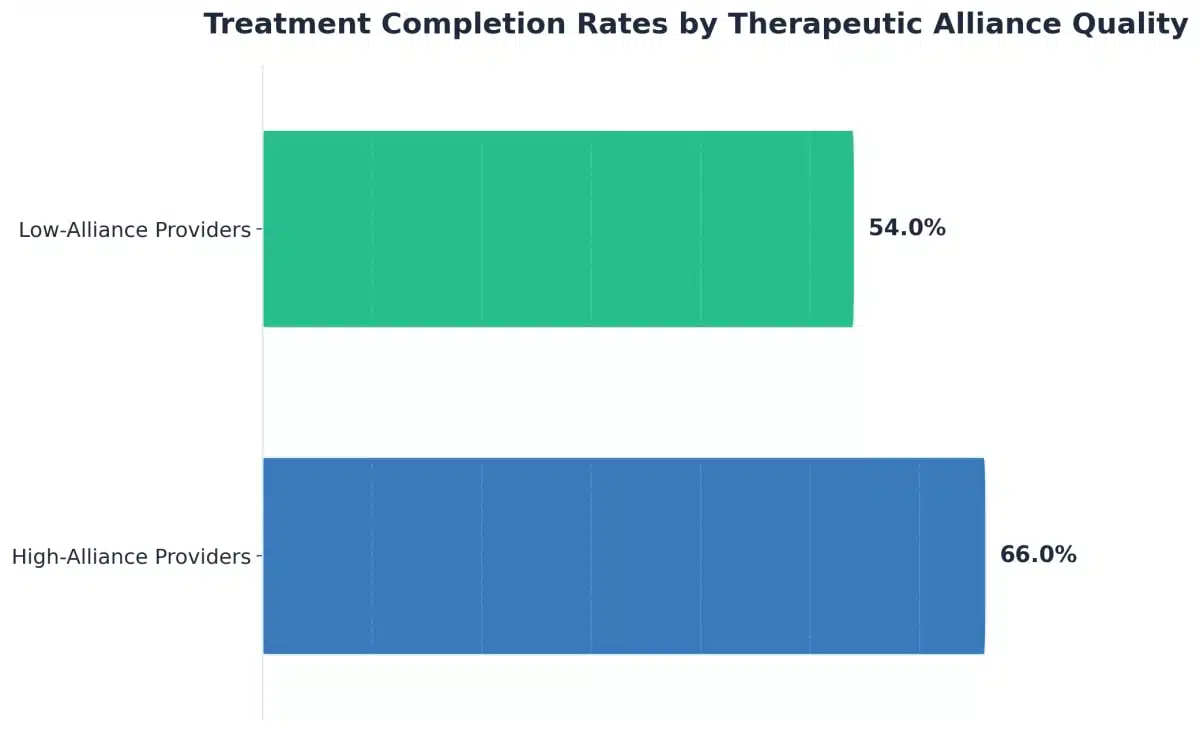
dual diagnosiscapabilities and OCDPB-licensed staff, as these factors increase treatment completion rates to 66%9. - Immediate Action: Verify your insurance benefits within 24 hours using the mental health parity checklist to understand your coverage rights.
Self-Assessment: Is Now the Right Time for an Ohio Recovery Center?
Recognizing when to seek help for addiction can feel overwhelming, especially when you’re trying to balance recovery needs with daily responsibilities. If you are reading this article, you have already taken an important first step—acknowledging that change might be necessary. Finding the right Ohio recovery center isn’t just about location; it’s about aligning your readiness with the right level of support.
Start by asking yourself some honest questions to gauge your current situation:
- Are you able to maintain your current responsibilities while managing withdrawal symptoms or cravings?
- Do you have a support system in place that can help during treatment?
- Have previous attempts at quitting on your own been unsuccessful?
Consider your physical and emotional state right now. If you’re experiencing severe withdrawal symptoms, struggling with co-occurring mental health conditions, or facing medical complications from substance use, waiting could put your health at greater risk. These factors often indicate that professional intervention isn’t just helpful—it’s necessary for your safety.
“Sometimes the ‘perfect’ time doesn’t exist, but you can identify whether your current circumstances provide a foundation for success or present obstacles that need addressing first.”
For Ohio residents, accessibility to quality treatment has improved significantly in recent years, with various programs designed to meet different needs and schedules. This means you have options that can work with your life circumstances rather than requiring you to put everything on hold. Remember, self-assessment isn’t about finding reasons to delay treatment—it’s about understanding what type of support will serve you best.
Recognizing When You Need Specialized Care
It’s common to wonder when help from an Ohio recovery center becomes the right choice. You might want to think about specialized care if your efforts to cut back aren’t working, withdrawal symptoms are tough to manage, or using substances feels like the only way to feel okay. For many in Ohio, half of those struggling with substance use also face mental health challenges, which often need more than just willpower or quick fixes to improve7.
This approach is ideal for people who notice that their daily routines, relationships, or physical health keep getting interrupted by substance use. Arista can help you sort through these signs and talk about what type of support could move you forward.
Physical Warning Signs That Require Action
If you’re unsure when to seek help, pay close attention to physical changes—these are your body’s way of asking for support. In Ohio, the number of unintentional drug overdose deaths jumped by 25% from 2019 to 2020, showing just how urgent it is to recognize these red flags early6.
Critical Physical Indicators:
- Unexplained weight loss or gain.
- Persistent shakes or tremors that don’t go away.
- Frequent nosebleeds or recurring infections.
- Trouble sleeping or ongoing stomach problems.
- Feeling run-down or fatigued most days.
This solution fits anyone noticing persistent health shifts that aren’t explained by other causes. If you’re experiencing these symptoms, Arista is here to help you sort out what’s going on and connect you with the right treatment resources.
Mental Health Red Flags to Consider
Mental health struggles often signal it’s time to reach out to an Ohio recovery center for extra support. Watch for signs like persistent sadness, feeling hopeless or numb, sudden mood swings, or pulling away from friends and family. Trouble concentrating, losing interest in things you usually enjoy, or feeling anxious for days on end are also important to notice. About half of people dealing with substance use in Ohio also face mental health conditions, so these signs rarely happen alone7.
Questions to Ask Before Starting Your Search
Before you contact any Ohio recovery center, pause to ask yourself a few key questions. Grab a notepad and jot down your answers:
- What substances am I using, and how often?
- Have I tried to stop before? What happened?
- Who do I trust to support me—family, friends, or maybe a counselor?
- Are there barriers (like work, childcare, or cost) that might make treatment tricky?
This path makes sense for anyone who wants to avoid surprises and feel prepared during their search. Research shows that programs tailored to your unique needs—rather than one-size-fits-all plans—lead to better outcomes and higher rates of treatment success9.
Evaluating Your Substance Use Patterns
Start by making a simple chart: List which substances you use, how often, and in what situations. Notice if your use has changed—are you needing more to feel the same effects, or using at different times than before? Even small shifts can be important. About 3.7% of Ohio adults report a substance use disorder each year, but only a fraction get care at an Ohio recovery center2.
Decision Framework: Clinical Quality Markers in an Ohio Recovery Center
Once you’ve determined the timing feels right for yourself or someone you’re helping, the next step involves evaluating the clinical quality markers that distinguish effective treatment programs. Moving from personal readiness to program selection, you’ll need objective criteria to identify facilities that can provide the comprehensive support you need for lasting recovery.
Use the table below to compare standard facilities against high-quality clinical programs like Arista:
| Quality Marker | Standard Facility | High-Quality Clinical Program |
|---|---|---|
| Accreditation | State License Only | Joint Commission or CARF Accredited + State License |
| Staffing | General Counselors | Board-certified addiction specialists, Psychiatrists, LICDC Counselors |
| Treatment Model | Generic / 12-Step Only | Evidence-Based (CBT, DBT) + Medication-Assisted Treatment (MAT) |
| Mental Health | Referral Out | Integrated Dual Diagnosis Treatment |
Start by examining accreditation and licensing. Look for programs accredited by The Joint Commission or the Commission on Accreditation of Rehabilitation Facilities (CARF). In Ohio, facilities should maintain current licensure through the Ohio Department of Mental Health and Addiction Services. These credentials confirm that a program meets established standards for safety, staffing, and clinical protocols.
Accreditation and Licensing Standards
Start your search for an Ohio recovery center by checking two things right away: accreditation and licensing. Use this quick tool—ask: Is the center certified by the state of Ohio? Are their counselors and medical staff properly licensed through the Ohio Chemical Dependency Professionals Board (OCDPB)? Accreditation means the facility meets strict safety and treatment standards, which research shows leads to better outcomes and higher treatment completion rates compared to non-accredited centers9.
Verifying Staff Credentials Through OCDPB
Verifying that staff at an Ohio recovery center are licensed through the Ohio Chemical Dependency Professionals Board (OCDPB) is a step you can take in just a few minutes. Go to the OCDPB website and use their public database to look up each counselor’s name. You’ll see their license status, expiration date, and any special certifications, such as CDCA (Chemical Dependency Counselor Assistant) or LICDC (Licensed Independent Chemical Dependency Counselor)4.
Evidence-Based Treatment Offerings
When you’re looking at an Ohio recovery center, focus on whether they provide evidence-based treatments—meaning therapies and support proven by research to help people recover. Use this quick checklist:
- Does the center offer choices like cognitive behavioral therapy (CBT)?
- Do they provide trauma-informed care?
- Is medication-assisted treatment (MAT) available?
- Are their programs able to treat both addiction and mental health conditions at the same time (dual diagnosis)?
Programs in Ohio that use these proven approaches see higher rates of lasting recovery and lower relapse rates compared to those that rely on outdated or generic methods9.
Why Dual Diagnosis Capability Matters
Ask if the Ohio treatment center can treat both addiction and mental health conditions—sometimes called ‘dual diagnosis.’ This simply means you’ll get help for anxiety, depression, trauma, or other mental health needs right alongside addiction treatment, not in separate programs. About 50% of people in Ohio with a substance use disorder also have a mental health condition, so it’s very common to need both types of care at once7.
Medication-Assisted Treatment Options
As you compare Ohio recovery centers, ask if they offer medication-assisted treatment (MAT) for opioid or alcohol use disorders. MAT combines safe, approved medications (like methadone or buprenorphine) with counseling and support. This approach is backed by science—people who receive MAT for opioid addiction are 50% less likely to die from overdose compared to those not in treatment or in abstinence-only programs3.
Implementation Pathways for Different Situations
Your path to implementing the right treatment level depends on your current situation, and there’s no single timeline that works for everyone in Ohio. Whether you’re just beginning to recognize concerns or facing an immediate crisis, understanding your options helps you move forward with confidence.

Scenario A: Early Recognition (Planning Phase)
If you’re in the early stages of recognizing a problem, you have time to research and plan thoughtfully. Start by scheduling assessments with multiple providers to compare recommendations. Many Ohio facilities offer free consultations where clinicians can help you understand what treatment level makes sense. Taking two to three weeks to gather information ensures you’re making an informed choice rather than a rushed decision.Scenario B: Escalating Symptoms (Urgent Action)
For situations where symptoms are escalating but not yet critical, you’ll want to move more quickly while still being deliberate. Contact facilities directly to discuss availability and admission timelines. Many Ohio programs can accommodate new clients within a few days to a week. During this window, focus on the most important factors: clinical expertise in treating your specific concerns, insurance acceptance, and program structure.Scenario C: Crisis Situation (Immediate Intervention)
In crisis situations—when there’s risk of harm, severe withdrawal symptoms, or acute psychiatric symptoms—immediate action is necessary. Contact a crisis hotline, visit an emergency room, or call 988 for mental health emergencies. Hospital emergency departments can stabilize the situation and connect you with appropriate support.Navigating Insurance and Financial Planning
When planning treatment at an Ohio recovery center, sorting out insurance and finances early can lower stress for you and your loved ones. Start with this tool: Make a list of your current health insurance details, including policy numbers and any mental health benefits you have. Jot down questions about out-of-pocket costs (like deductibles or copays) to ask when you call each Ohio addiction treatment facility.
Thanks to mental health parity laws, insurance plans must now cover substance use treatment at similar levels to medical care, so you shouldn’t face higher costs or stricter limits for recovery services5. Arista’s admissions team can walk you through insurance verification and help you understand your options for quality addiction treatment programs in Ohio.
Understanding Mental Health Parity Rights
Understanding your mental health parity rights is key when exploring treatment at an Ohio recovery center. Here’s a quick guide: Mental health parity means your insurance plan must cover addiction and mental health care the same way it covers physical health care. This includes things like copays, visit limits, and pre-approvals—your plan can’t make it harder or more expensive to get help for substance use than for a medical condition5.
Matching Programs to Your Unique Needs
When you’re searching for an Ohio recovery center, it’s important to find a program that fits your unique story and needs. Here’s a simple matching tool: Write down your main challenges—such as past trauma, co-occurring mental health conditions, or needing family involvement. Then, check if the treatment centers you’re considering offer specialized care tracks (like trauma-informed treatment or dual diagnosis services) and flexible family support options.
Specialized Tracks for Different Populations
Make a quick checklist of what’s important to you—are you looking for women-only care, veteran-specific programs, LGBTQ+ friendly spaces, or trauma-focused tracks? Next, ask each Ohio recovery center if they offer these options and how they personalize care for different backgrounds. Less than 1 in 5 addiction programs nationwide are set up to fully help people with both addiction and mental health needs (called dual diagnosis), and even fewer offer tracks for special populations1.
Your Next 30 Days: Taking Action in Ohio
Recovery doesn’t wait for the perfect moment—it begins with a single, intentional step. Over the next 30 days, you have the opportunity to transform concern into action and uncertainty into a clear path forward.

- Week 1: Assessment & Outreach Start this week by reaching out for a professional assessment. Call the Ohio CareLine at 1-800-720-9616 for 24/7 confidential support. This initial conversation removes guesswork and provides clarity about what comes next.
- Week 2: Building Support Focus on building your support network. Search for Alcoholics Anonymous (AA), Narcotics Anonymous (NA), or SMART Recovery meetings in your county. Set a measurable goal: attend at least two different meetings this week to find the right fit.
- Week 3: Logistics & Finance Address the practical details. Contact Ohio’s 2-1-1 helpline to connect with case managers who specialize in insurance navigation. Ask specifically about Ohio’s Medicaid coverage for substance use treatment and the Bureau of Workers’ Compensation drug-free workplace resources.
- Week 4: The Written Plan Document emergency contacts including the Ohio CareLine, your treatment facility’s direct number, and your counselor’s contact information. List specific treatment schedules, medication times if applicable, and three concrete 30-day goals.
Week 1-2: Research and Initial Outreach
Start your journey by setting a realistic research goal for weeks one and two: aim to compare at least three Ohio recovery center options and reach out to one or two for more details. Use a simple outreach checklist—gather contact info, jot down your main questions, and schedule calls or virtual tours. Most families in Ohio find it helpful to involve a trusted friend or loved one at this stage, which can boost confidence and help remember key details during conversations.
Creating Your Facility Comparison Checklist
Building a comparison checklist makes it much easier to spot the differences between each Ohio recovery center you’re considering. Here’s a simple tool to get started: list each center’s name, their accreditation status, staff credentials (like CDCA or LICDC), evidence-based therapies offered, dual diagnosis support, family involvement options, aftercare planning, and insurance accepted.
Questions to Ask During Facility Tours
During a tour of any Ohio recovery center, use this question guide to get the information that matters most:
- How are staff licensed and does the center hold Ohio state certification?
- Which evidence-based therapies do you offer?
- Can you treat both addiction and co-occurring mental health challenges (dual diagnosis)?
- Is family involvement encouraged?
- What aftercare or relapse prevention support is provided?
Week 3-4: Making Your Decision Confidently
Now that you’ve gathered information and visited your top Ohio recovery center options, it’s time to make your decision and prepare for admission. Use this decision tool: Make a list of your top two or three programs, then write down what matters most—like dual diagnosis support, aftercare planning, or family involvement. Compare how each center meets those needs, and talk it through with someone you trust.
Red Flags That Should Concern You
Keep an eye out for warning signs during your Ohio recovery center search. Start with this quick checklist: Does the program refuse to show proof of state certification or staff licenses? Are costs or billing details confusing or withheld? Watch for centers promising instant results or using high-pressure tactics to make you commit on the spot—these are rarely signs of quality care. In Ohio, only accredited and transparent programs consistently deliver better outcomes and higher satisfaction rates9.
Frequently Asked Questions
As you take these steps outlined in your 30-day action plan, you’ll likely encounter common questions. Here are answers to concerns families and individuals frequently bring to us when seeking help for addiction in Ohio.
What percentage of Ohio treatment centers can actually treat both addiction and mental health conditions together?
Only about 18% of addiction treatment programs in Ohio are truly equipped to treat both addiction and mental health conditions together—a model called dual diagnosis care1. This means most centers still focus on just one issue or refer clients out for mental health support, instead of offering integrated help in the same program. If you or your loved one faces both challenges, finding an Ohio recovery center with true dual diagnosis capability can make a big difference. People with co-occurring conditions are twice as likely to struggle with relapse when they’re treated in separate programs, so choosing a center that addresses both—like Arista—gives you a stronger chance at lasting recovery1.
What happens after residential treatment ends—will I be on my own?
You won’t be left alone after residential treatment at an Ohio recovery center. Quality addiction treatment programs—including those in Ohio—build in aftercare plans to help you stay connected and supported as you return home. This usually means you’ll have access to alumni groups, follow-up counseling, relapse prevention workshops, or even regular check-ins with your care team. Research shows that strong aftercare and a positive relationship with your providers can boost treatment completion rates to 66%—much higher than programs without these supports9. Arista Recovery works with you to design a plan for the next steps, so you’re never left to figure it out by yourself.
If someone has tried treatment before and relapsed, does that mean treatment doesn’t work for them?
Relapse after treatment doesn’t mean recovery is impossible or that an Ohio recovery center can’t help you. Addiction is a chronic condition, so it’s common to need more than one round of care—much like managing diabetes or high blood pressure. Research shows that lasting recovery is more likely when treatment is tailored to your unique needs and includes strong support after you leave the program9. Each return to treatment is a chance to learn what works for you, find new coping skills, and build a stronger recovery plan.
What’s the typical out-of-pocket cost range for addiction treatment in Ohio?
The typical out-of-pocket cost for addiction treatment at an Ohio recovery center can vary a lot depending on your insurance coverage, the type of program (inpatient, outpatient, or medication-assisted), and any extra support services you might need. Thanks to mental health parity laws, most insurance plans in Ohio are required to cover addiction treatment the same way they cover other medical care, which can help lower your direct costs5. Without insurance, costs can add up quickly, but with coverage, you might only pay standard copays or deductibles.
How do I balance finding quality care with staying close to home and family support?
It’s very common to wonder how you can stay close to family while still getting the best care at an Ohio recovery center. Start by making two lists: Write down what you need from a treatment program—like dual diagnosis support, trauma-informed care, or strong aftercare—and what you need from your home life, such as being near loved ones for encouragement or childcare help. Research shows that programs with strong family involvement and a quality provider-patient relationship have up to 66% treatment completion rates, much higher than generic or distant programs9.
What role does trauma treatment play in addiction recovery, and should I look for it specifically?
Trauma treatment is a key part of recovery for many people in Ohio. Research shows that up to 90% of those seeking addiction help have also experienced trauma, such as abuse, violence, or major loss9. When trauma isn’t addressed, it can make it much harder to stay sober—old wounds may drive cravings or trigger relapse. That’s why it’s smart to look for an Ohio recovery center that offers trauma-informed care, meaning the staff understands how trauma affects addiction and uses gentle, supportive therapies to help you heal.
Can I visit Arista Recovery before making a decision, and what should I look for during a tour?
Yes, you can absolutely visit Arista Recovery before making your decision. Touring an Ohio recovery center in person helps you get a real feel for the environment and see if it’s the right fit for your needs. During your visit, pay attention to more than just the building—notice how staff greet you, how clean and welcoming the space is, and whether you see personalized touches like comfortable common areas or private spaces for reflection. Ask about staff credentials and check if the center is state-certified and offers evidence-based care, including dual diagnosis and trauma-informed treatment—these are linked to better recovery outcomes in Ohio9.
How do I know if a recovery center accepts my insurance before I call?
You can often find out if an Ohio recovery center accepts your insurance without making a phone call. Start by visiting the treatment center’s website—most quality addiction treatment programs in Ohio list accepted insurance plans online, sometimes with an insurance verification form you can fill out for a quick response. You can also check your insurance company’s provider directory, which usually shows covered facilities in your area.
Is medication-assisted treatment really effective, or is it just replacing one drug with another?
Medication-assisted treatment (MAT) isn’t just swapping one drug for another—it’s a proven, science-based approach that combines safe medications like methadone or buprenorphine with counseling and support to help people recover from opioid or alcohol use disorders. Studies show that people in MAT for opioid addiction are 50% less likely to die from an overdose than those not in treatment or in abstinence-only programs3.
What’s the difference between a licensed counselor and someone with addiction medicine certification in Ohio?
In Ohio, a licensed counselor is someone who has met education and training requirements through the Ohio Chemical Dependency Professionals Board (OCDPB) and holds credentials like CDCA (Chemical Dependency Counselor Assistant) or LICDC (Licensed Independent Chemical Dependency Counselor)4. These professionals are trained to provide counseling, support, and case management for addiction recovery at an Ohio recovery center. Someone with addiction medicine certification, on the other hand, is a medical doctor or advanced practice provider who has completed specialty training in addiction medicine, often through programs like those at Ohio State University10.
How long does someone typically need to stay in treatment to see real results?
Most people see the best results from addiction treatment at an Ohio recovery center when they stay engaged for at least 80 days—around three months. Research shows that continuing care up to six months can be even more helpful, but staying longer doesn’t always guarantee better results if someone isn’t ready or drops out early9. Your exact treatment length depends on your needs, progress, and the type of program you choose.
Can my insurance company deny coverage for addiction treatment even though I have mental health benefits?
No, your insurance company generally cannot deny coverage for addiction treatment just because you have mental health benefits. Thanks to mental health parity laws, insurance plans in Ohio must cover substance use and mental health care the same way they cover physical health conditions. This means they can’t set higher copays, stricter visit limits, or tougher approval steps for care at an Ohio recovery center compared to other medical treatments5.
What should I do if my loved one refuses to go to treatment?
If your loved one is saying “no” to help, it’s natural to feel worried or even helpless. The truth is, you can’t force an adult into treatment at an Ohio recovery center, but you can offer steady support and keep communication open. Start by listening without judgment and share your concerns using “I” statements (like “I’m worried about your health”). Sometimes, just knowing someone cares can plant a seed for change.
Are there recovery centers in Ohio that offer women-only or veteran-specific programs?
Yes, there are recovery centers in Ohio that offer women-only and veteran-specific programs. These specialized tracks are designed to address unique needs—like trauma history, family responsibilities, or military-related experiences—that can impact recovery. Less than 1 in 5 addiction programs nationwide are set up to fully help people with both addiction and mental health needs, and even fewer provide options for special populations such as women or veterans1.
How can I verify that a treatment center’s staff are actually licensed in Ohio?
You can check if a treatment center’s staff are licensed in Ohio by visiting the Ohio Chemical Dependency Professionals Board (OCDPB) website. Use their public search tool to look up each counselor’s name—this lets you see their current license status, expiration date, and any special certifications, such as CDCA (Chemical Dependency Counselor Assistant) or LICDC (Licensed Independent Chemical Dependency Counselor)4.
Finding Hope at Arista Recovery in Ohio
As you consider the path forward, remember that choosing the right treatment program is a deeply personal decision. You’ve learned about the various levels of care available—from medical detox through residential treatment to outpatient services—and how each serves different needs at different stages of recovery. The key is finding a program that aligns with your specific circumstances, addresses any co-occurring mental health concerns, and provides evidence-based therapies that resonate with you.
When you’re ready to take the next step, several resources can help you explore your options. The Ohio Department of Mental Health and Addiction Services maintains a confidential helpline and treatment directory to connect you with programs throughout the state. For immediate support, the national SAMHSA helpline (1-800-662-4357) offers free, 24/7 assistance in English and Spanish, providing referrals to local treatment facilities and support groups.
If you’re exploring treatment options in the region, facilities like Arista Recovery offer comprehensive programs that include medical detoxification, residential treatment, and outpatient services. When evaluating any treatment center, consider asking about their approach to individualized care, the credentials of their clinical team, family involvement opportunities, and aftercare planning. The right program will take time to understand your unique situation and develop a treatment plan tailored to your specific needs and goals.
Recovery is possible, and thousands of people find their path to healing each year through quality treatment programs. Reaching out for help is a sign of strength and self-awareness. Whether you connect with a state helpline, contact a local facility, or attend a support group meeting, taking that first step toward recovery is what matters most. You deserve support, compassion, and evidence-based care as you work toward a healthier future.
References
- SAMHSA Comprehensive Continuous Integrated System of Care for Serious Mental Illness and Substance Use Disorders. https://www.integration.samhsa.gov/clinical-practice/comprehensive-continuous-integrated-system-of-care-for-smd
- SAMHSA National Survey on Drug Use and Health (NSDUH) – 2022 Findings. https://www.samhsa.gov/data/sites/default/files/NSDUH-FFR-2022/NSDUH-FFR-2022.pdf
- NIH Research: Methadone and Buprenorphine Overdose Prevention. https://www.nih.gov/news-events/news-releases/methadone-buprenorphine-reduce-risk-death-after-opioid-overdose
- Ohio Chemical Dependency Professionals Board – Substance Abuse Counselor Licensing. https://www.ocdpb.ohio.gov/
- SAMHSA Mental Health Parity and Addiction Equity Act (MHPAEA) Resources. https://www.samhsa.gov/mental-health-parity-addiction-equity-act
- National Institute on Drug Abuse (NIDA) Trends and Statistics. https://www.drugabuse.gov/research/trends-statistics
- National Institute of Mental Health – Co-Occurring Disorders Information. https://www.nimh.nih.gov/health/topics/substance-use-and-co-occurring-mental-illness
- Ohio Attorney General Consumer Protection Office – Reporting Healthcare Fraud. https://www.ohioattorneygeneral.gov/Business/Consumer-Protection/Scams-Fraud-Complaints
- RAND Corporation Addiction Treatment Research and Effectiveness Studies. https://www.rand.org/health-care/projects/addiction-treatment-research.html
- Ohio State University Addiction Medicine Education and Research. https://med.osu.edu/departments-institutes/addiction-medicine
