Now under new ownership & part of the Arista Recovery Network! For more information,

Key Takeaways: Your Path to Recovery
- Immediate Access: Ohio has expanded treatment networks by 250%, meaning wait times are shorter and help is often available within 24-48 hours.
- Financial Support: Most Ohio drug rehab centers accept Medicaid and private insurance, and state-funded programs exist to close the financial gap.
- Integrated Care: Effective treatment now addresses the “whole person,” treating mental health (like PTSD or anxiety) alongside addiction.
- Family Matters: Involvement from loved ones significantly increases the statistical likelihood of long-term sobriety.
- Privacy Guaranteed: Strict HIPAA and federal laws protect your employment and personal reputation when seeking help.
Finding the right Ohio drug rehab can feel overwhelming, but understanding the landscape is your first step toward reclaiming control. If you are researching addiction treatment in Ohio, you should know that the state faces significant challenges—but also offers robust solutions. Ohio has consistently ranked among those most affected by the opioid epidemic, yet communities across all 88 counties are responding with expanded resources and compassionate care.
Understanding the Need for Ohio Drug Rehab
When you look at recent data, you’ll see that Ohio continues to experience high rates of overdose deaths, particularly involving synthetic opioids like fentanyl. However, the addiction landscape you’re navigating extends beyond opioids alone. Methamphetamine consumption has surged in recent years, and alcohol remains one of the most commonly misused substances throughout the state. If you or your loved one struggles with polysubstance dependency, you’ll find that treatment needs become more complex and require comprehensive, individualized approaches to recovery.
What makes your situation in Ohio particularly challenging is the way addiction affects diverse populations differently:
- Rural Communities: You may face limited access to immediate facilities and longer travel distances, though telehealth is expanding.
- Urban Centers: While treatment options are plentiful, these areas often contend with higher concentrations of drug trafficking.
- Suburban Neighborhoods: Prescription drug misuse and behavioral health disorders impact families across all socioeconomic backgrounds here.
The good news is that Ohio has made significant investments in addressing this crisis. The state has expanded access to medication-assisted treatment (MAT), increased the availability of naloxone, and developed comprehensive support systems. When you explore treatment centers throughout Ohio, you’ll now find evidence-based therapies that address not just the physical aspects of addiction, but also the underlying mental health conditions.
The Current State of Substance Use in Ohio
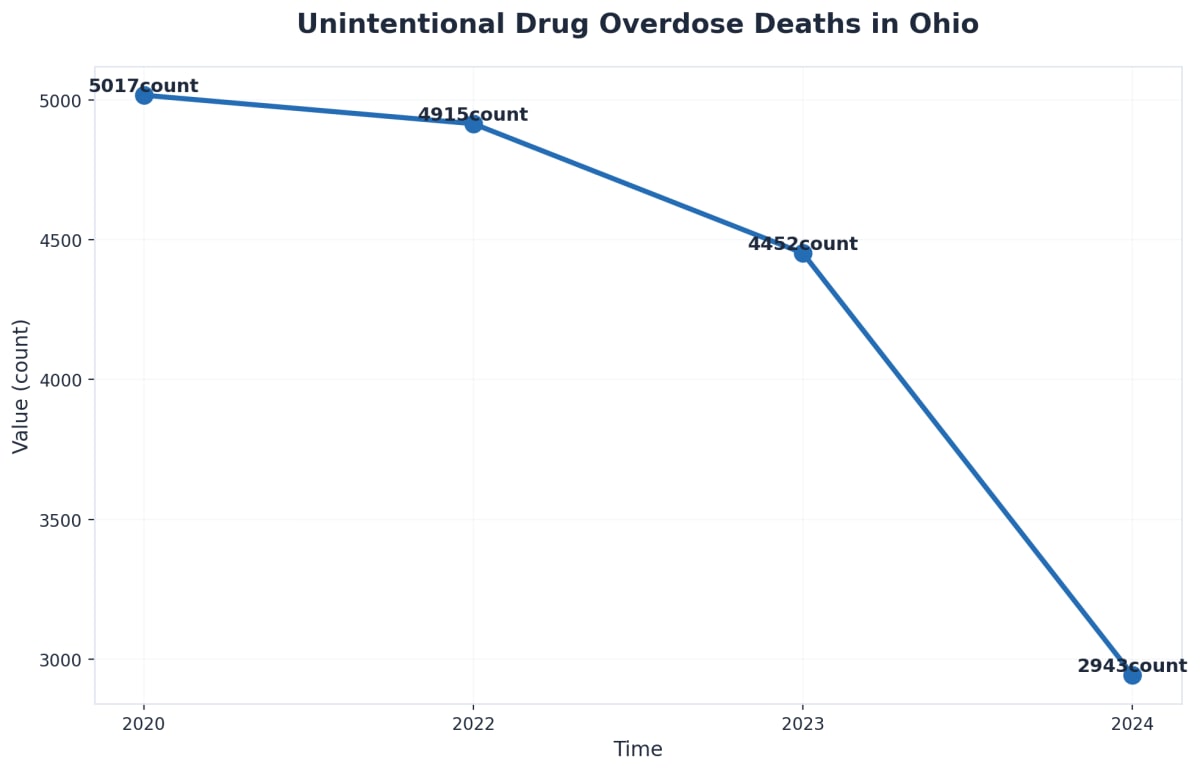
Ohio has seen important progress—overdose deaths dropped 9% from 2022 to 2023, and the state is on track for a 35% decrease in 20241. Yet, the need for help remains high. Around 700,000 Ohioans need addiction treatment each year, but 90% don’t get it1. This treatment gap is why connecting with a trusted resource like Arista matters.
The Fentanyl Crisis and Evolving Threats
Fentanyl is involved in 78% of overdose deaths in Ohio—a sign that the drug supply is more dangerous than ever1. Even a tiny amount can be deadly, and fentanyl is often mixed with other substances like methamphetamine. This makes it harder for people to know what they’re taking, raising the risk for accidental overdose. Ohio treatment centers now see more cases of mixed-substance use and have adapted their care to address these risks.
Recognizing When You Need Professional Help
“I thought I could handle it on my own, but I was missing work and isolating from my family. Realizing I needed help wasn’t a failure; it was the first step to getting my life back.”
For many Ohio families, it’s tough to know when everyday struggles cross the line into something that needs specialized care. Warning signs can include struggling to keep up with work or school, missing important events, or feeling isolated from loved ones. If substance use is putting your health or safety at risk, or if you’re facing repeated relapses, it’s time to consider more intensive support.
- Are cravings becoming impossible to control despite your best efforts?
- Have you experienced withdrawal symptoms (shaking, sweating, nausea) when stopping?
- Are you using substances to manage underlying mental health issues like anxiety?
- Is your home environment unstable or filled with triggers?
Understanding Co-Occurring Mental Health
About 35% of adults with a substance use disorder also face a mental health condition, making dual diagnosis care extremely important4. This means recovery works better when both issues are treated together—not separately. At Arista, you’ll find support for your whole self, not just the addiction.
Navigating Ohio Drug Rehab Treatment Options
Given Ohio’s diverse treatment landscape—from urban centers with specialized programs to rural communities with expanding telehealth options—you’ll find a range of treatment options designed to meet different needs. Understanding what’s available across the state empowers informed decisions about your recovery journey.
| Program Type | Time Commitment | Best Suited For |
|---|---|---|
| Medical Detox | 3–7 Days | Individuals with physical dependency requiring safe, supervised withdrawal. |
| Residential Treatment | 28–45 Days (Avg) | Those needing 24/7 support, removal from triggers, and intensive therapy. |
| Intensive Outpatient (IOP) | 9–20 Hours/Week | People who need structured support but must maintain work/home duties. |
| Partial Hospitalization (PHP) | 5–6 Hours/Day | Hospital-level care during the day with the ability to return home at night. |
Medical Detox: Your Safe Starting Point
Medical detox means you don’t have to face withdrawal alone. Trained staff help manage symptoms and keep you safe as your body clears substances. This is especially important in Ohio, where fentanyl and other potent drugs have made withdrawal more risky than ever1. The state’s treatment centers use proven approaches, like medication to ease cravings and round-the-clock care, to help you start strong.
Medication-Assisted Treatment (MAT) Explained
Think of MAT like giving your body a safety net while you heal. Medications help balance brain chemistry, making it easier to focus on counseling and build healthy habits. In Ohio, MAT is called the gold standard for opioid addiction care because it lowers the risk of overdose death by 50% compared to no treatment3.
Residential Treatment Programs
Residential programs give you a break from daily triggers and pressures—think of it like pressing the pause button so you can focus fully on recovery. In Ohio, these programs offer 24/7 support, access to medical professionals, and a recovery community all under one roof. This round-the-clock care is especially helpful for those who’ve faced repeated relapses or have complex health needs.
Evidence-Based Therapies That Work
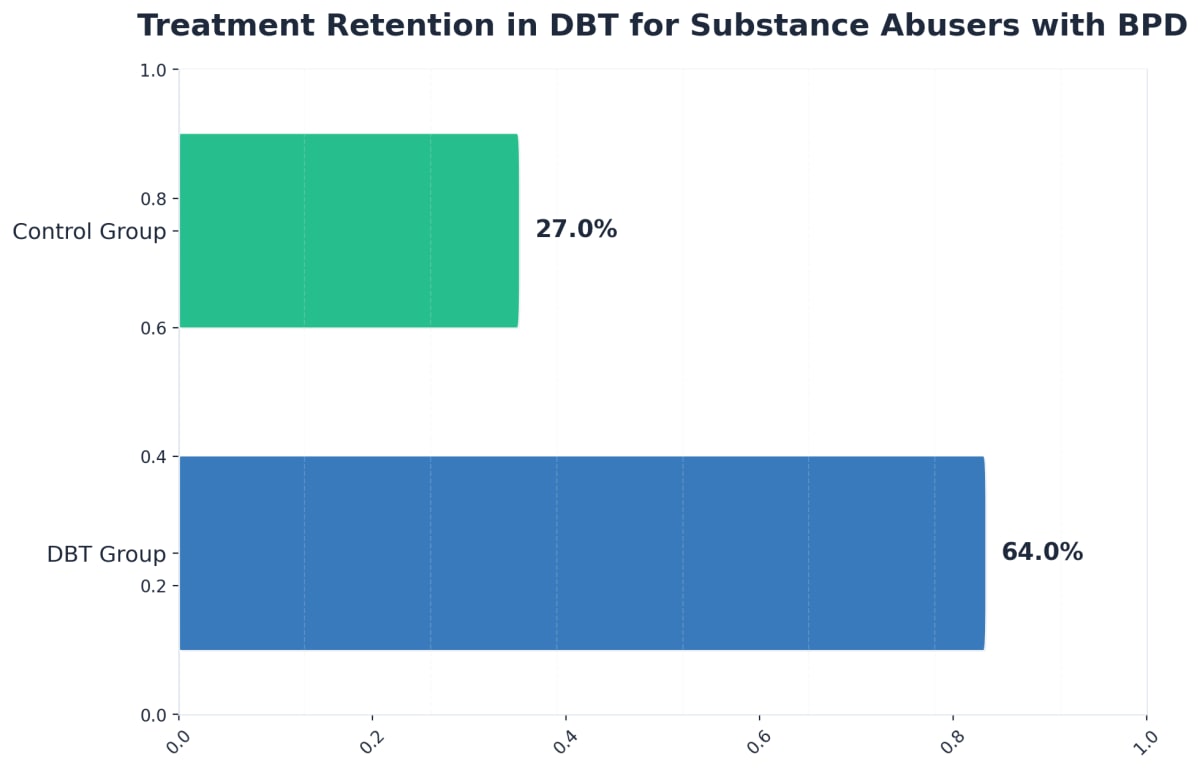
The most trusted Ohio addiction centers rely on therapies like Cognitive Behavioral Therapy (CBT), Dialectical Behavior Therapy (DBT), and 12-step facilitation. In one study, 64% of people with addiction and emotional struggles stayed in DBT treatment, compared to just 27% in other programs—showing how this approach helps people stay on track9.
Specialized Programs for Your Unique Needs
Recovery isn’t one-size-fits-all. Throughout Ohio, you’ll find specialized programs designed to address specific needs, circumstances, and challenges that influence your path to lasting wellness.

- Gender-Specific Programs: Create safe environments to address trauma and social pressures specific to men or women.
- Executive Programs: Offer flexible scheduling and privacy protections for working professionals.
- Young Adult Tracks: Address developmental challenges and peer relationships critical for those under 30.
- Veterans’ Programs: Provide specialized care understanding military culture and combat trauma.
Gender-Specific and Identity-Affirming Care
Some people in Ohio face extra barriers—like trauma, discrimination, or family pressures—that make standard addiction care less helpful. Specialized programs, such as women’s trauma groups and LGBTQ+ supportive spaces, are designed to meet these needs head-on. This kind of care creates safer environments where you can talk openly, learn coping skills, and build trust with staff who get your experience.
Veterans and Dual Diagnosis Support
Many Ohio veterans have unique experiences—like trauma from military service—that can make recovery more complicated. In fact, veterans with a substance use disorder are 3-4 times more likely to also have PTSD, which means they need care that addresses both challenges at once6. Arista offers programs that combine treatment for trauma, addiction, and mental health, so you don’t have to tackle recovery alone.
Building Your Long-Term Recovery Plan
Recovery doesn’t end when you complete a treatment program—it’s a lifelong journey. Your recovery plan should address multiple aspects of your life, starting with your immediate aftercare needs. This includes scheduling follow-up appointments with therapists or counselors, identifying support group meetings in your area, and establishing a routine that supports your new lifestyle.
Ohio residents have access to robust recovery resources:
- Ohio Recovery Housing Directory: Helps you find certified sober living environments.
- RecoveryOhio Community Coalitions: Located in all 88 counties to provide local support.
- Peer Support Networks: Coordinated through local ADAMHS Boards.
Aftercare and Relapse Prevention Strategies
Relapse rates for substance use are about 40–60%, similar to other chronic health conditions4. That’s why building a strong safety net after treatment is so important. Aftercare includes things like recovery housing, ongoing therapy, and community support networks. These resources help you handle real-life triggers and stay connected, even when things get tough.
Understanding Insurance and Accessing Care
Paying for addiction treatment can feel overwhelming, but many Ohio families use Medicaid, private insurance, or state-funded programs to get needed help5. Most Ohio addiction centers—including Arista—will walk you through the process, from checking your benefits to helping you gather paperwork. If you’re uninsured, there are state programs and financial assistance options so you’re not left out.
Confidentiality and Your Privacy Rights
Your privacy matters. Ohio drug rehab centers—including Arista—follow strict laws like HIPAA and federal confidentiality rules (42 CFR Part 2) to keep your information safe. This means your treatment details can’t be shared with employers, friends, or family without your written permission. Research shows that strong privacy protections help more people feel safe reaching out for care, which is key for closing Ohio’s treatment gap5.
Frequently Asked Questions
If you’re considering addiction treatment in Ohio, you likely have questions about what to expect. Here are answers to some of the most common concerns families and individuals share when exploring recovery options.
How quickly can someone start treatment at an Ohio rehab facility?
Most Ohio drug rehab centers do their best to get you started quickly—sometimes within just a day or two of your first call. If you reach out to Arista or another trusted Ohio facility, an admissions team member will guide you through a short assessment, check your insurance, and help you plan your next steps. Because Ohio has expanded its network of treatment providers by 250% since 2019, it’s easier than ever to find a local spot with an open bed or appointment1.
Will my employer find out if I enter addiction treatment in Ohio?
No, your employer will not automatically find out if you enter addiction treatment at an Ohio drug rehab. Treatment centers like Arista protect your privacy under strict laws, including HIPAA and federal rules called 42 CFR Part 2. These laws mean your personal health details can’t be shared with your employer—or anyone else—unless you give written permission.
What if my loved one refuses to go to rehab?
If your loved one refuses to go to an Ohio drug rehab, you are not alone. The best thing you can do is keep showing care, set healthy boundaries, and avoid blaming language. Research shows that when families stay involved and supportive, it improves the chances of someone entering treatment and staying committed to recovery7.
Is medication-assisted treatment just replacing one drug with another?
No, medication-assisted treatment (MAT) isn’t just swapping one drug for another. At Ohio drug rehab centers like Arista, MAT uses safe, doctor-prescribed medications such as methadone or buprenorphine to help your brain and body heal from opioid addiction. Research shows people taking these medications are 50% less likely to die from overdose than those who don’t get this kind of help3.
How do I know if I need detox before starting rehab?
Not everyone entering an Ohio drug rehab will need detox, but you might if you’ve been using alcohol, opioids, or other drugs regularly and worry about withdrawal symptoms. Signs you could need detox first include shaking, sweating, feeling sick when you stop using, or past trouble quitting on your own.
What happens if I relapse after completing treatment?
Relapse is more common than many people realize—about 40–60% of people in recovery will experience it at some point, similar to rates for other chronic illnesses like diabetes4. If you relapse after finishing treatment at an Ohio drug rehab, it doesn’t mean you’ve failed. It’s a signal that you may need extra support or a new approach.
Can I bring my phone or stay in contact with family during residential treatment?
Most Ohio drug rehab centers, including Arista, understand how important it is to stay connected with loved ones. While every center has its own guidelines, you’ll usually have some access to your phone and can keep in touch with family—just not all day, every day. Staying connected to family is proven to support better recovery outcomes7.
Does Ohio Medicaid cover addiction treatment?
Yes, Ohio Medicaid does cover addiction treatment at many Ohio drug rehab centers, including services like detox, outpatient care, and residential programs. Medicaid is a key way for Ohio families to access help for substance use disorder, and most treatment centers—including Arista—accept it.
How long does the average person stay in residential treatment?
The average stay in residential treatment at an Ohio drug rehab is usually between 28 and 45 days, but some people may need longer or shorter stays based on their personal needs and progress. Research shows that longer stays often lead to better recovery outcomes, especially for people with complex needs4.
What if I have multiple substance dependencies—can one program address them all?
Yes, most Ohio drug rehab programs—including Arista—are prepared to help if you’re dealing with more than one substance dependency at the same time. This approach is called integrated treatment, and it combines evidence-based therapies, medical support, and counseling to help you safely manage withdrawal, cravings, and long-term recovery.
Are there Ohio rehab programs that allow me to continue working?
Yes, many Ohio drug rehab programs—including Arista—offer flexible options so you can keep working during treatment. Outpatient programs often have schedules in the mornings, evenings, or weekends to fit around your job, and some intensive outpatient and partial hospitalization programs let you return home after sessions.
What support is available for families while their loved one is in treatment?
Families in Ohio don’t have to go through a loved one’s treatment alone. Most Ohio drug rehab programs—including Arista—offer family therapy, educational sessions, and support groups. Research shows that when families get involved, recovery outcomes are stronger and more lasting for everyone7.
How do I verify that a rehab program is licensed and accredited in Ohio?
To verify that a rehab program is licensed and accredited in Ohio, start by checking with the Ohio Department of Mental Health and Addiction Services (OhioMHAS). Look for programs that clearly state their OhioMHAS license and any national accreditations (like CARF or The Joint Commission) on their website.
What is the difference between 12-step and non-12-step programs?
12-step programs, like Alcoholics Anonymous (AA), follow spiritual principles and peer support. Non-12-step programs often use clinical approaches like Cognitive Behavioral Therapy (CBT) or Dialectical Behavior Therapy (DBT) to build coping skills without the spiritual component. Both options are common in Ohio drug rehab centers.
Can veterans use VA benefits for addiction treatment at Arista?
Yes, many veterans are able to use VA benefits for addiction treatment at Arista and other Ohio drug rehab centers through the VA’s Community Care Program. This is especially helpful for veterans with both substance use and mental health needs—such as PTSD—as veterans with addiction are 3–4 times more likely to also have PTSD6.
Taking Your First Step Toward Recovery
If you or someone you care about is struggling with addiction, reaching out for help is a sign of strength, not weakness. Recovery is possible, and you don’t have to navigate this journey alone. The path forward begins with a single, concrete step you can take today.
When you’re ready to explore treatment options, begin with these specific actions:
- Call for Guidance: The Ohio Department of Mental Health and Addiction Services helpline is available at
1-877-275-6364. - Verify Quality: Search for CARF-accredited facilities in your county to ensure you’re considering programs that meet national standards.
- Check Insurance: Don’t let financial concerns stop you. Most treatment centers have admissions specialists who can verify your benefits immediately.
Recovery is a practical process that begins with practical action. You now have the information you need to make an informed decision about treatment. Your next step is straightforward: pick up the phone and make one call today. That single action starts your path toward recovery.
References
- Drug Overdose. https://odh.ohio.gov/know-our-programs/violence-injury-prevention-program/drug-overdose/
- Strategies and policies to address the opioid epidemic: a case study of Ohio. https://www.ncbi.nlm.nih.gov/pmc/articles/PMC5497298/
- Medication-Assisted Treatment for Opioid Use Disorder. https://www.naco.org/resources/osc-mat
- Co-Occurring Disorders & Other Health Conditions. https://nida.nih.gov/research-topics/co-occurring-disorders-health-conditions
- State Opioid and Stimulant Response. https://dbh.ohio.gov/know-our-programs-and-services/state-opioid-and-stimulant-response/state-opioid-and-stimulant-response
- Treatment of Co-occurring PTSD and Substance Use Disorder in VA. https://www.ptsd.va.gov/professional/treat/cooccurring/tx_sud_va.asp
- Family-focused practices in addictions: a scoping review protocol. https://www.ncbi.nlm.nih.gov/pmc/articles/PMC5781095/
- Recovery Housing Information. https://www.ohiorecoveryhousing.org/recovery-housing-information
- Dialectical Behavior Therapy for Substance Abusers. https://www.ncbi.nlm.nih.gov/pmc/articles/PMC2797106/
- Twelve-step interventions and mutual support programs for substance use disorders: an overview of systematic reviews. https://www.ncbi.nlm.nih.gov/pmc/articles/PMC3753023/