 Now under new ownership & part of the Arista Recovery Network! For more information,

Key Takeaways: Your Recovery Decision Guide
- Verify Safety First: Ensure your chosen facility holds CARF or Joint Commission accreditation for rigorous safety standards.
- Check for Evidence: Look for programs offering proven therapies like CBT, DBT, and Medication-Assisted Treatment (MAT).
- Understand Costs: Use insurance verification tools early to clarify coverage and avoid surprise bills.
- Assess Your Needs: Use the ASAM Criteria to determine if you need inpatient (24/7 support) or outpatient (flexible) care.
- Involve Family: Programs that include family therapy can boost abstinence rates by over 5% annually.
Foundation: Understanding Quality Standards at an Ohio Addiction Treatment Center
When you’re searching for an Ohio addiction treatment center, understanding what separates exceptional care from inadequate services can feel overwhelming. Quality standards in addiction treatment aren’t just bureaucratic checkboxes—they’re essential indicators that a facility has the expertise, resources, and commitment to support your recovery journey effectively.
Start by verifying that any treatment center you consider holds proper state licensure and accreditation from recognized organizations like The Joint Commission or CARF (Commission on Accreditation of Rehabilitation Facilities). These credentials confirm that a facility meets rigorous operational and clinical standards. In Ohio, the Ohio Department of Mental Health and Addiction Services (OhioMHAS) maintains oversight of treatment programs, ensuring they comply with state regulations designed to protect you.
Beyond credentials, examine the qualifications of the treatment team. Evidence-based addiction treatment requires professionals with specialized training—licensed therapists, certified addiction counselors, and medical staff experienced in withdrawal management and co-occurring psychological conditions. You deserve care from people who understand the complexities of dependency disorders and can address your unique needs with compassion and expertise.
At Arista Recovery, we understand that choosing treatment is one of the most important decisions you’ll make. That’s why we maintain the highest standards of care while creating an environment where healing feels possible. When you know what quality looks like, you can move forward with confidence, knowing you’re choosing a foundation that supports lasting recovery.
Accreditation Shows Commitment to Excellence
What you’ll learn: You’ll see why accreditation is a clear sign that an Ohio addiction treatment center is serious about quality and safety. You’ll know you’ve got it when you can explain why CARF or Joint Commission approval makes a center stand out.
Imagine choosing a mechanic who’s certified by the top car experts—you’d feel more confident about the repairs. The same goes for recovery: when a center in Ohio holds accreditation from CARF or the Joint Commission, it’s been checked thoroughly for safety, treatment quality, and ongoing improvement2, 3. Accredited facilities meet strict national standards that protect your health and set the bar for excellent care.
| Feature | Accredited Center | Non-Accredited Center |
|---|---|---|
| Safety Audits | Regular, rigorous external inspections | Self-monitored or minimal state checks |
| Staff Training | Mandatory continuing education | Varies by facility policy |
| Emergency Protocols | Standardized and drilled regularly | May be inconsistent |
Practice This: Make a quick chart comparing two local centers—look up if they list CARF or Joint Commission accreditation on their websites.
Skill Checkpoint: You’re ready to move on when you can spot these badges and know what they represent. Accreditation is just the first step—let’s take a closer look at what these credentials mean for your experience at an Ohio recovery center.
What CARF and Joint Commission Mean for You
What you’ll learn: You’ll understand how CARF and Joint Commission accreditation bring extra protection and peace of mind when choosing an Ohio addiction treatment center. You’ll know you’ve learned it when you can point out how these credentials directly benefit you or your loved one in recovery.
Think of CARF and Joint Commission like trusted referees on the field—they make sure everyone plays by the rules and that the environment stays safe and fair. When a center in Ohio holds CARF accreditation, it means they follow strict international standards for quality improvement, person-focused care, and ethical business practices2. The Joint Commission’s gold seal shows a center meets national benchmarks for safety, staff training, and integrated health services3.
For families, these accreditations signal that a program is always working to improve, welcomes outside review, and values your feedback. That’s why Arista is proud to meet these high standards, helping individuals and families across Ohio find real hope and support.
How Accreditation Protects Your Safety
What you’ll learn: You’ll discover how accreditation keeps you safe at an Ohio addiction treatment center. You’ll know you’ve learned it when you can explain how regular checks, policies, and training protect you and your loved ones.
Think of accreditation like a security system. CARF and Joint Commission don’t just hand out certificates—they require centers to prove they follow strict rules about patient safety, emergency planning, and infection control2, 3. Accredited facilities in Ohio must document their safety procedures, run emergency drills, and keep staff up to date with training. This means safer environments for everyone seeking recovery support.
Practice This: Ask your chosen center about their most recent safety audit and training schedule. Write down what you learn and compare it to what you’d expect from a trusted provider.
Skill Checkpoint: You’re ready to move forward when you can confidently describe how accreditation makes an Ohio treatment center safer for you and your family.
Staff Credentials Matter More Than You Think
What you’ll learn: You’ll see why staff credentials are just as vital as a center’s reputation when choosing an Ohio addiction treatment center. You’ll know you’ve learned it when you can explain how counselor licenses, medical oversight, and continuing education create a safer and more effective recovery experience for you or your loved one.
Think of staff qualifications like picking a guide for a challenging hike—you want someone who’s trained, experienced, and knows the safest routes. In Ohio, quality recovery centers employ counselors and clinicians who meet strict state requirements, like the Licensed Independent Chemical Dependency Counselor (LICDC), and receive ongoing training to stay up to date with best practices6. Research shows that the effectiveness of treatment is strongly linked to staff credentials and ongoing education7.
Practice This: Ask any Ohio recovery program about their team’s certifications and training. Write down the different licenses and specialties you hear.
Skill Checkpoint: You’re ready for the next step when you can recognize the difference between entry-level and advanced credentials among Ohio treatment staff. Next, we’ll break down exactly what Ohio’s counselor requirements mean for your care.
Ohio’s LICDC Requirements Explained
What you’ll learn: You’ll find out what it takes for a counselor to become a Licensed Independent Chemical Dependency Counselor (LICDC) in Ohio. You’ll know you’ve learned it when you can explain why these requirements matter for your recovery journey.
Think of the LICDC like a trail guide who’s earned special badges—proof they’ve passed tough tests, finished college-level courses, and have real experience helping people through addiction. In Ohio, a counselor must complete a bachelor’s or master’s degree, finish supervised hours, and pass a state exam to earn this license6. Ongoing education keeps them current with the safest, most effective therapies, too. This level of credentialing is what separates top Ohio addiction treatment providers from the rest.
Practice This: When speaking with a treatment center, ask if their lead counselors hold an LICDC. Write down what training and specialties they mention.
Skill Checkpoint: You’re ready for the next step when you can spot the LICDC credential and understand how it ensures you’ll work with an expert committed to quality care.
Medical Oversight for Safe Detox
What you’ll learn: You’ll understand why medical oversight is essential for a safe and successful detox at an Ohio addiction treatment center. You’ll know you’ve learned it when you can explain what makes medical detox safer and which credentials to look for in the team supervising your care.
Think of medically-supervised detox like setting out on a challenging road trip with a skilled driver—you want a professional at the wheel when things get tough. In Ohio, quality recovery centers staff detox units with licensed doctors and nurses who monitor withdrawal, manage symptoms, and are ready to respond to emergencies. Medical staff use evidence-based protocols and, when appropriate, FDA-approved medications like Suboxone, which achieves a 94% success rate for treatment initiation8. Centers with strong medical oversight help reduce health risks and make the first days of recovery more comfortable and safer for everyone.
Practice This: Ask about who oversees detox at your chosen center. Write down the medical titles (like physician or registered nurse) and what protocols they use for safety.
Skill Checkpoint: You’re ready for the next step when you can describe how medical oversight makes detox at an Ohio recovery center safer and more effective.
Intermediate Practice: Evaluating Treatment Approaches
Now that you understand quality standards, you can confidently evaluate which specific treatment approaches will work best for your recovery. Different programs use different methods, and finding the right match for your needs can significantly impact your journey.
Start by asking about evidence-based practices. Effective programs typically incorporate cognitive behavioral therapy (CBT), dialectical behavior therapy (DBT), and medication-assisted treatment when appropriate. These approaches have strong research supporting their effectiveness in treating addiction disorders. When touring facilities or reviewing program materials, look for specific descriptions of therapeutic methods rather than vague promises about results.
Consider the program’s approach to individualized care. Recovery isn’t one-size-fits-all, and quality programs recognize this by conducting thorough assessments and creating personalized treatment plans. Ask how often these plans are reviewed and adjusted. Programs that regularly evaluate progress and modify approaches demonstrate a commitment to meeting you where you are in your recovery.
Pay attention to how programs address co-occurring psychological conditions. Many people struggling with addiction also face depression, anxiety, or trauma-related disorders. Integrated treatment that addresses both chemical dependency and emotional wellness simultaneously tends to produce better outcomes than treating these issues separately.
In Ohio, where the opioid crisis has deeply affected communities, understanding each program’s specific expertise with opioid addiction is particularly relevant. This includes their approach to medication-assisted treatment, their protocols for managing withdrawal, and their long-term relapse prevention strategies. Ohio facilities often have specialized experience addressing the unique challenges our state’s communities face.
Don’t hesitate to ask about success metrics and outcomes. While no program can guarantee results, transparent facilities will share their completion rates, follow-up practices, and how they measure progress. This information helps you make an informed decision based on actual performance rather than marketing materials alone.
Evidence-Based Therapies You Should Expect
What you’ll learn: You’ll discover which therapies every quality Ohio addiction treatment center should offer—and how to recognize them when you’re exploring your options. You’ll know you’ve learned it when you can name the main evidence-based treatments and spot them on a center’s website or during your first call.
Think of evidence-based therapies as tried-and-true tools in a recovery toolkit—they’re proven to work, not just popular. The best Ohio drug rehab programs use approaches like:
- Cognitive Behavioral Therapy (CBT): Helps identify and change negative thought patterns.
- Dialectical Behavior Therapy (DBT): Teaches skills for emotional regulation and distress tolerance.
- Trauma-Informed Care: Creates safety by understanding the impact of past trauma.
- Medication-Assisted Treatment (MAT): Uses FDA-approved medications to manage cravings and withdrawal.
These therapies have been shown in research to help people stop substance use, rebuild relationships, and improve mental health7. Programs that use these science-backed methods—rather than just one-size-fits-all groups—have higher success rates and safer outcomes for clients and families in Ohio4, 7.
Practice This: Visit the website of a local addiction center and list the therapies they mention. Can you find CBT, DBT, or medication-assisted treatment?
Skill Checkpoint: You’re ready to move on when you can explain why using research-backed therapies is a must for your recovery or that of your loved one. Let’s take a closer look at what these therapies actually involve, so you know exactly what to expect from a trusted recovery center in Ohio.
CBT, DBT, and Trauma-Informed Care Basics
What you’ll learn: You’ll get a simple introduction to three key therapies used at a high-quality Ohio addiction treatment center: cognitive behavioral therapy (CBT), dialectical behavior therapy (DBT), and trauma-informed care. You’ll know you’ve learned it when you can describe each one and why it helps people in recovery.
Picture CBT like a pair of glasses that helps you see your thoughts and habits more clearly—so you can spot negative patterns and practice new, healthier ways of coping. DBT builds on this by teaching you skills for managing tough emotions and handling conflict without losing control. Trauma-informed care is like creating a safe, caring environment where staff understand how past hurts might affect your recovery journey. Ohio rehab programs that use these research-backed methods give you tools to heal, rebuild relationships, and feel more confident in daily life4, 7.
Practice This: Ask a local recovery center which of these therapies they use. Write down how each one is explained and consider which approach feels most helpful for you or your loved one.
Skill Checkpoint: You’re ready for the next step when you can explain in your own words how CBT, DBT, and trauma-informed care help people move forward in treatment.
Why Medication-Assisted Treatment Works
What you’ll learn: You’ll see why medication-assisted treatment (MAT) is a proven way to help people start and stay in recovery at an Ohio addiction treatment center. You’ll know you’ve learned it when you can explain how MAT works, which medicines are used, and why it leads to better results for many Ohioans.
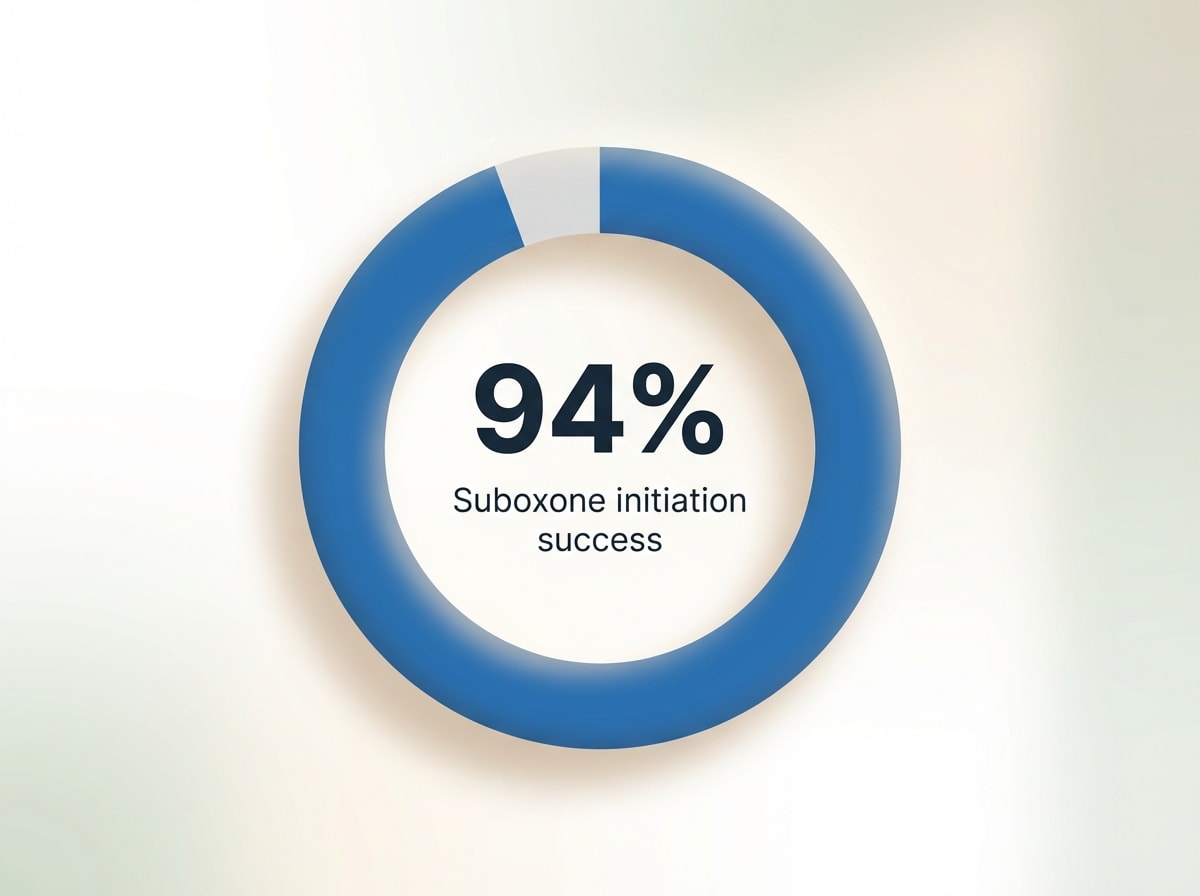
Think of MAT as a supportive bridge—it helps you cross from the tough early days of withdrawal to a steadier place where you can focus on healing. In Ohio, trusted recovery programs use FDA-approved medications like Suboxone or Vivitrol, paired with therapy, to ease cravings and lower the risk of relapse. Research shows that Suboxone, for example, has a 94% success rate for getting people started on treatment8. Centers that offer MAT combine medical care with counseling, making recovery safer and more effective for adults and families across the region7.
Practice This: Call a local Ohio program and ask if they offer medication-assisted treatment. Write down which medications and support services are available, and how they work together.
Skill Checkpoint: You’re ready to move forward when you can describe why MAT is a key part of the recovery toolkit at leading drug rehab and alcohol rehab centers in Ohio.
Comprehensive Assessment Using ASAM Criteria
What you’ll learn: You’ll find out how a trustworthy Ohio addiction treatment center uses the ASAM Criteria to build a treatment plan that’s truly tailored to you—and how this helps you get the right level of care at the right time. You’ll know you’ve learned it when you can describe what a comprehensive assessment is and why it matters for recovery.
Think of the ASAM Criteria like a detailed map for your recovery journey. Instead of guessing which path to take, a professional assessment looks at your physical health, mental well-being, risk factors, readiness for change, relapse history, and living situation4. High-quality Ohio drug rehab and alcohol rehab programs use this tool to choose the care that fits you best—whether that’s outpatient support or residential treatment. This means safer, more effective help from day one.
Practice This: Ask a local program how they assess new clients and if they use the ASAM Criteria. Write down which areas they look at during your assessment.
Skill Checkpoint: You’re ready for the next step when you can explain why a thorough, six-part assessment leads to better, more personalized care at an Ohio recovery center. Next, you’ll discover how the ASAM Criteria’s six dimensions work together to match you with the right level of support for your unique needs.
Six Dimensions That Determine Your Care Level
What you’ll learn: You’ll understand how the six ASAM Criteria dimensions shape your care at an Ohio addiction treatment center. You’ll know you’ve learned it when you can name each dimension and see how they work together to guide your recovery plan.
Picture the six ASAM Criteria dimensions like points on a compass—each one helps your assessment team find the clearest path for your recovery. These include:
- Your physical health
- Emotional and mental health
- Your willingness to change
- Risk of relapse
- How withdrawal affects you
- The safety and support in your living situation4
By looking at all six, Ohio drug rehab and alcohol rehab programs can choose the safest, most effective level of care for you. This step-by-step approach sets top treatment centers apart and helps Arista design care plans that truly fit each Ohioan’s needs.
Practice This: Write down the six dimensions and ask your chosen center how they use each one to tailor your care.
Skill Checkpoint: You’re ready for the next step when you can explain how these six areas lead to a treatment plan that feels right for your unique recovery journey.
Matching Treatment Intensity to Your Needs
What you’ll learn: You’ll see how an Ohio addiction treatment center uses your assessment to recommend just the right level of care—from outpatient visits to full residential stays. You’ll know you’ve learned it when you can explain why matching treatment intensity makes recovery safer and gives you the best chance at lasting change.
Think of treatment intensity like the volume knob on a radio—sometimes you need just a little support, and other times you need it turned way up. Using the ASAM Criteria, Ohio recovery programs look at all six assessment areas to decide how much support you need, for how long, and in what setting4. This careful matching helps prevent both under- and over-treatment, so you’re never left feeling overwhelmed or unsupported. Top Ohio drug rehab and alcohol rehab centers, like Arista, adjust care as your needs change—making sure you always get the right help at the right time.
Practice This: Ask your chosen center how they decide between outpatient, intensive outpatient, or residential treatment. Write down what factors they consider and how they’ll adjust your care if your needs change.
Skill Checkpoint: You’re ready for the next level when you can describe how a personalized intensity plan helps you feel supported, safe, and on track throughout your recovery in Ohio.
Advanced Applications: Specialized Care Options at an Ohio Addiction Treatment Center
As you explore treatment options, you’ll discover that some situations call for specialized approaches tailored to specific needs. Ohio offers several advanced care pathways designed to address complex behavioral health and addiction challenges that may require more focused expertise.
Dual diagnosis treatment programs serve individuals managing both psychiatric conditions and substance use disorders simultaneously. These integrated programs recognize that conditions like depression, anxiety, or PTSD often intertwine with addiction, requiring coordinated care that addresses both aspects together rather than in isolation. This comprehensive approach significantly improves long-term recovery outcomes.
Trauma-informed care represents another specialized option, particularly valuable if you’ve experienced significant trauma that impacts your emotional well-being or contributes to chemical dependency. These programs create safe, supportive environments where providers understand how trauma affects the brain and behavior, helping you heal without re-traumatization.
For young adults and adolescents, age-specific programs offer developmentally appropriate care. These specialized tracks recognize that teenagers and young adults face unique challenges—from peer pressure to identity formation—that require different therapeutic approaches than adult programs. Youth-focused treatment incorporates family involvement and addresses academic concerns alongside recovery.
Gender-specific treatment options provide environments where you can explore issues more comfortably with peers who share similar experiences. Women’s programs often address topics like pregnancy, parenting, and trauma, while men’s programs may focus on emotional expression and relationship patterns.
Executive and professional programs cater to individuals balancing career demands with recovery needs, offering flexible scheduling and privacy considerations. These programs understand the unique pressures professionals face and provide strategies for maintaining sobriety while managing workplace responsibilities.
At Arista, we help you identify which specialized approaches align with your specific situation, ensuring you receive care that truly addresses your unique circumstances and sets you on a path toward lasting recovery.
Dual Diagnosis Treatment for Co-Occurring Disorders
What you’ll learn: You’ll find out how an Ohio addiction treatment center addresses both substance use and mental health together—what’s called dual diagnosis or co-occurring disorders. You’ll know you’ve learned it when you can explain why treating both at the same time leads to better recovery and how to spot a program equipped for this care.
Think of dual diagnosis care like fixing a leaky roof and a broken heater on the same house—you need both problems solved to feel safe and healthy again. In Ohio, top recovery centers offer integrated treatment that addresses addiction and mental health conditions such as depression, anxiety, or PTSD all in one plan. Research shows that people with co-occurring disorders do best when mental health and substance use are treated together, not separately7. This approach reduces relapse, improves daily functioning, and brings real hope to families who have struggled with both issues.
Practice This: Ask any Ohio recovery center if they provide dual diagnosis treatment. Write down which mental health conditions they can help with and how their team works together on your care.
Skill Checkpoint: You’re ready for the next step when you can describe why it’s safer and more effective to treat addiction and mental health at the same time, and how Arista’s dual diagnosis programs make that possible in Ohio.
Integrated Mental Health and Addiction Care
What you’ll learn: You’ll see how true healing happens when an Ohio addiction treatment center blends mental health and addiction care together. You’ll know you’ve learned it when you can explain why this team approach gives you a better chance at lasting recovery.
Think of integrated care like having a team of coaches who all talk to each other—your mental health provider and addiction counselor work side by side, so no part of your care gets left behind. At Arista and other leading Ohio centers, treatment plans are built for the whole person: therapy sessions may address depression, anxiety, or trauma while also focusing on substance use triggers. Research shows that combining these supports in one place lowers relapse risk and helps people rebuild relationships and self-confidence7.
Practice This: Call a local Ohio program and ask how their counselors and mental health staff coordinate your care. Write down how they describe teamwork and shared planning.
Skill Checkpoint: You’re ready for the next step when you can describe how a connected care team helps you heal both mind and body at an Ohio addiction treatment center.
Addressing PTSD, Depression, and Anxiety
What you’ll learn: You’ll see how a trusted Ohio addiction treatment center supports people facing PTSD, depression, or anxiety alongside addiction. You’ll know you’ve learned it when you can explain why specialized therapies for these conditions are key for lasting recovery and what to expect from a center like Arista.
Think of PTSD, depression, and anxiety like heavy backpacks—trying to recover while carrying them alone can feel overwhelming. At a leading Ohio rehab center, staff are trained to recognize these challenges and use research-based therapies such as trauma-focused counseling, cognitive behavioral therapy, and anxiety management tools7. Addressing these mental health conditions together with addiction helps lower relapse risk, improves daily stability, and makes the recovery process feel less lonely and more hopeful7.
Practice This: When speaking to a center, ask what therapies they offer for trauma, depression, or anxiety. Write down how the team adapts care to meet both addiction and mental health needs.
Skill Checkpoint: You’re ready for the next step when you can describe how treating PTSD, depression, or anxiety alongside addiction leads to stronger, more lasting results at an Ohio recovery center.
Population-Specific Programming That Honors Your Identity
What you’ll learn: You’ll find out how an Ohio addiction treatment center can honor your background, beliefs, and identity through population-specific programs. You’ll know you’ve learned it when you can explain why customized care for groups like veterans, LGBTQ+ individuals, and families increases comfort, safety, and recovery success.
Think of population-specific programming as a set of different doors—each opens to a space where your unique needs are understood and respected. In Ohio, leading drug rehab and alcohol rehab programs offer specialized tracks for veterans, LGBTQ+ clients, women, men, and families. This focus creates a sense of belonging and addresses challenges that might otherwise go overlooked.
“Research shows that when family is included, abstinence rates improve by 5.7% each year.”10
Choosing an Ohio addiction treatment center like Arista means your identity and experiences will be honored, making recovery feel more personal and hopeful.
Practice This: List what makes you or your loved one unique—such as military service or gender identity. Call a local center and ask which population-specific programs they offer.
Skill Checkpoint: You’re ready for the next step when you can describe how finding a program that fits your identity builds trust and supports long-term healing in Ohio. Next, we’ll explore the details of veterans, LGBTQ+, and gender-specific options—and how family involvement boosts recovery outcomes.
Veterans, LGBTQ+, and Gender-Specific Options
What you’ll learn: You’ll discover how the best Ohio addiction treatment centers offer special programs for veterans, LGBTQ+ individuals, and gender-specific groups. You’ll know you’ve learned it when you can describe why these tailored options help people feel safer and more supported during recovery.
Think of these programs like different teams—each with coaches and teammates who truly understand your background. Veterans in Ohio may join groups with peers who “get” military life, while LGBTQ+ clients can find staff trained to respect their experiences and identities. Gender-specific tracks create safe spaces for men or women to discuss challenges that might be hard to share in mixed groups. This kind of targeted support increases comfort, lowers anxiety, and helps people stick with treatment—especially when programs are designed around your unique needs, not just a general plan7.
Practice This: Call a local Ohio recovery center and ask which veteran, LGBTQ+, or gender-specific groups they offer. Write down how they make these programs feel welcoming and safe.
Skill Checkpoint: You’re ready for the next step when you can explain why having a program that matches your identity or background builds trust and helps you feel more at home in the recovery process at an Ohio drug rehab or alcohol rehab center.
Family Involvement Increases Success by 5.7%
What you’ll learn: You’ll see how involving family can make a real difference in recovery success at an Ohio addiction treatment center. You’ll know you’ve learned it when you can explain how family support increases abstinence rates and why it matters for long-term healing in Ohio.
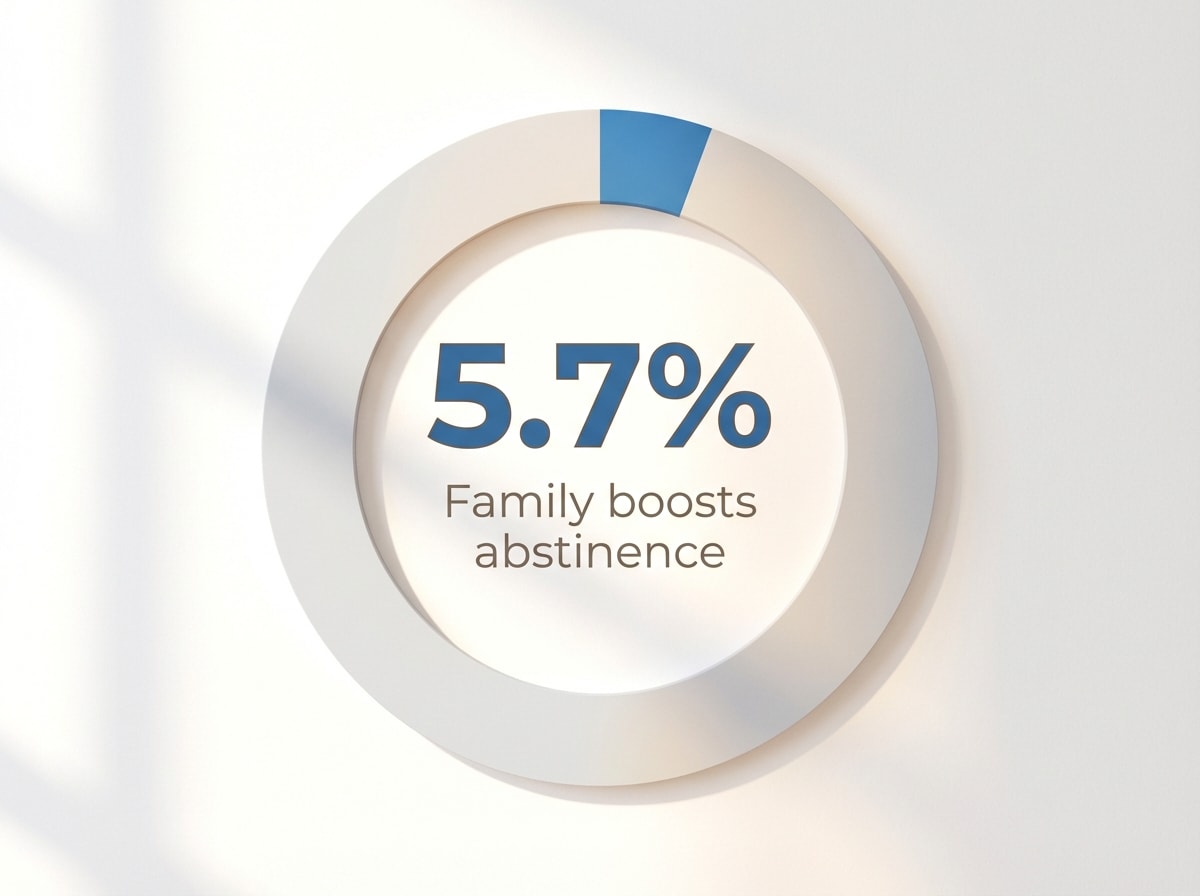
Think of family involvement like adding extra hands to steady a ladder—when loved ones are included, climbing out of addiction becomes safer and more stable. Research shows that when families take part in treatment, abstinence rates improve by 5.7% each year, and these gains can last for more than a year after leaving care10. In Ohio, leading recovery centers offer family therapy, education sessions, and support groups to help everyone heal together. Programs like Arista’s encourage families to learn about addiction, set healthy boundaries, and build communication skills, creating a stronger, more hopeful foundation for recovery.
Practice This: Ask your chosen Ohio addiction treatment center how they include families in the recovery process. Write down the types of family sessions or support groups available, and consider inviting a loved one to participate.
Skill Checkpoint: You’re ready for the next step when you can describe how family involvement helps you or your loved one stay on track and feel supported throughout recovery in Ohio.
Practical Considerations: Insurance and Confidentiality
Once you’ve identified the right treatment approach and specialization level, practical considerations like insurance coverage and privacy protections become your next focus. Understanding how you’ll pay for treatment and what safeguards exist for your privacy can significantly impact your recovery experience and peace of mind.
Most addiction treatment providers in Ohio accept various insurance plans, including major providers like Anthem, Medical Mutual, and Aetna. When contacting a potential treatment center, ask whether they’re in-network with your specific plan. In-network providers typically offer lower out-of-pocket costs, though you’ll still need to verify your copay amount and whether you’ve met your annual deductible. Some treatment providers operate on an out-of-network basis, which means you’ll pay upfront and submit claims for reimbursement. While this option may cost more initially, it can provide access to specialists whose expertise aligns perfectly with your recovery needs.
Insurance coverage for addiction treatment varies significantly by level of care. Outpatient services generally require standard copays, while residential treatment and medical detoxification often require prior authorization to confirm medical necessity. Your insurance company will evaluate factors like substance use severity, previous treatment attempts, and safety concerns when determining coverage. Treatment centers certified by OhioMHAS typically have established relationships with major insurers, which can facilitate the authorization process. If you don’t have insurance or your plan doesn’t cover behavioral health services adequately, many Ohio treatment providers offer sliding scale fees based on income. Don’t hesitate to discuss payment options during your initial consultation—treatment centers understand these concerns and want to work with you.
Regarding confidentiality, Ohio law and federal HIPAA regulations protect your privacy rigorously. Your treatment provider cannot share information about your sessions without your written consent, with limited exceptions for safety concerns. This means your employer, family members, or friends won’t learn about your treatment unless you choose to tell them. Even the fact that you’re receiving addiction treatment remains confidential.
For those in recovery, specialized programs often coordinate with insurance providers who understand the unique billing requirements for addiction treatment. These partnerships can streamline the approval process and reduce administrative stress, allowing you to focus entirely on healing and growth.
Navigating Insurance Coverage in Ohio
What you’ll learn: You’ll learn how to confidently ask about and check your insurance coverage before starting treatment at an Ohio addiction treatment center—and how to spot the tools and support that make the process easier. You’ll know you’ve learned it when you can explain how to verify your benefits, understand your options, and avoid surprise bills.
Sorting out insurance for addiction treatment can feel overwhelming, but you don’t have to figure it out alone. Most trusted Ohio recovery centers, including Arista, work directly with major insurance carriers and use online verification tools so you can see what’s covered before you begin care. These tools are designed to help you get answers quickly—just like checking the weather before heading out the door. This practical step means you can focus on healing, not paperwork, and lowers your risk of unexpected costs9.
Practice This: Use this simple script when calling admissions to clarify your costs:
"Hi, I'm checking coverage for [Patient Name].
1. Is your facility in-network with [Insurance Provider]?
2. What is my deductible, and how much has been met?
3. What is the co-pay or co-insurance for residential vs. outpatient care?"
Skill Checkpoint: You’re ready for the next step when you can describe how to use verification tools and ask questions about your coverage at any Ohio drug rehab or alcohol rehab center.
Verification Tools That Eliminate Surprises
What you’ll learn: You’ll find out how insurance verification tools at an Ohio addiction treatment center take the guesswork out of coverage. You’ll know you’ve learned it when you can describe how these tools help you avoid surprise bills and start recovery with confidence.
Think of verification tools like a flashlight that lets you see what’s ahead—no hidden fees or confusing fine print. At places like Arista, these online or phone-based tools let you enter your insurance details and quickly see what services are covered before you start care. Trusted Ohio rehab centers use these systems to give you clear, written answers about what’s paid for and what’s not, so you’re never caught off guard. This means you can plan for your recovery without worrying about surprise expenses, and focus on getting better9.
Practice This: Use a center’s insurance verification tool or ask the admissions team to walk you through it step by step. Write down what’s covered and what your next steps are.
Skill Checkpoint: You’re ready for the next step when you can explain how using verification tools helps you avoid financial surprises at any Ohio rehab or alcohol treatment facility.
Maximizing Benefits with Major Carriers
What you’ll learn: You’ll see how to make the most of your insurance benefits at an Ohio addiction treatment center by working with major carriers. You’ll know you’ve learned it when you can ask smart questions about coverage and spot how a center like Arista helps you maximize what your plan provides.
Think of your insurance like a membership card—it can unlock important services, but only if you know how to use it. Leading Ohio drug rehab and alcohol rehab centers partner directly with big insurance companies to help you get the broadest range of care possible. The admissions team can explain which treatments your plan covers, how to avoid out-of-network charges, and what steps to take if you need extra support. This means you’ll have fewer barriers and more time to focus on recovery9.
Practice This: Bring your insurance card to your first call and ask the center to walk you through your benefits. Write down the types of treatment and support your plan includes.
Skill Checkpoint: You’re ready for the next step when you can describe how partnering with major carriers helps you access high-quality care at an Ohio addiction treatment facility.
Your Privacy Rights Under 42 CFR Part 2
What you’ll learn: You’ll understand your privacy rights under 42 CFR Part 2 at an Ohio addiction treatment center—so you can feel safe sharing your story and getting the support you need. You’ll know you’ve learned it when you can explain how these protections go further than standard medical privacy rules.
Think of 42 CFR Part 2 as a locked vault for your recovery records—only you decide who gets the key. This federal law gives extra confidentiality to anyone seeking drug or alcohol treatment in Ohio, protecting details like your diagnosis, treatment plan, and even your identity from being shared without your written consent. These protections are designed to prevent stigma, discrimination, or worries about your information being used against you9. All trusted Ohio rehab centers, including Arista, follow both HIPAA and 42 CFR Part 2, so your privacy is always a top priority.
Practice This: Ask your chosen Ohio addiction treatment center how they protect your records and what steps you can take if you have privacy concerns. Write down the rights and safeguards they describe.
Skill Checkpoint: You’re ready for the next step when you can confidently describe your rights under 42 CFR Part 2—and feel secure reaching out for support at an Ohio recovery center. Next, we’ll break down how 42 CFR Part 2 protections go beyond HIPAA and how Ohio centers ensure your information stays private.
Protections Beyond Standard HIPAA
What you’ll learn: You’ll discover how 42 CFR Part 2 protections at an Ohio addiction treatment center go above and beyond everyday HIPAA rules. You’ll know you’ve learned it when you can explain how these extra layers of privacy help you feel safe seeking help.
Think of HIPAA as a sturdy lock on your health records—good for most medical care. But 42 CFR Part 2 is like adding an alarm system and a secret code, just for your recovery information. At a trusted Ohio facility like Arista, your substance use treatment details are only shared if you give written permission. This means your identity, diagnosis, and treatment plan stay private—even stricter than standard hospital visits. These safeguards work to protect you from stigma or discrimination and encourage more Ohioans to get the support they need without worry9.
Practice This: Ask your Ohio addiction treatment center how 42 CFR Part 2 protects your information compared to regular HIPAA rules. Write down the differences and how you’ll be notified about any requests for your records.
Skill Checkpoint: You’re ready for the next step when you can name at least two ways 42 CFR Part 2 gives you stronger privacy than standard medical care.
Confidentiality for Professional Discretion
What you’ll learn: You’ll see how an Ohio addiction treatment center keeps your personal story safe by practicing strict professional discretion. You’ll know you’ve learned it when you can explain how staff training and clear rules keep your information private from the moment you reach out.
Think of professional discretion like having a trusted advisor—someone who listens but never shares your details without permission. At Arista and other top Ohio rehab programs, all team members follow 42 CFR Part 2 and receive special training on confidentiality. This means your diagnosis, treatment notes, and even the fact that you sought help are kept private unless you choose to share them. These steps help protect you from stigma and make it easier to ask for support, knowing your privacy is respected every step of the way9.
Practice This: Ask your Ohio addiction treatment center about their confidentiality policy and staff training. Write down the steps they take to protect your privacy.
Skill Checkpoint: You’re ready for the next level when you can explain how professional discretion makes it feel safer to reach out for recovery support in Ohio.
Frequently Asked Questions
Beyond insurance and privacy concerns, you probably have questions about the day-to-day realities of treatment. Here are answers to some of the most common concerns families in Ohio bring to us.
How long does addiction treatment typically last in Ohio?
The length of addiction treatment at an Ohio addiction treatment center depends on your needs and the program type. Most residential or inpatient programs in Ohio last about 30 to 90 days, while outpatient care can run several months or longer. Research shows that staying in treatment for at least 90 days leads to stronger results and a better chance at long-term recovery7. Many Ohio drug rehab and alcohol rehab centers, including Arista, also offer step-down or continuing care so you can keep building skills and support after the main program ends. The best path is the one that feels right for you and gives you time to heal at your own pace.
What happens if I relapse after completing treatment?
Relapse can feel discouraging, but it’s a common part of the recovery journey—even after completing a program at an Ohio addiction treatment center. If you slip, it doesn’t mean you failed; it signals that you may need more support or a change in your recovery plan. Leading Ohio rehab programs, like Arista, encourage reaching out right away for help. Many centers offer relapse response services, such as counseling, support groups, or a short return to structured care. Research shows that returning to treatment and staying engaged with continuing care improves long-term recovery outcomes7. Recovery is a process, not a one-time event—and each step forward, including asking for help after relapse, builds strength and hope.
Can I visit a treatment center before committing to admission?
Yes, you can usually visit an Ohio addiction treatment center before making any decisions. Most trusted centers, including Arista, encourage tours or virtual meetings so you and your family can get a real sense of the environment, meet staff, and ask questions about the recovery process. This visit can help ease worries and make it easier to see if the program fits your needs. Touring a facility is a good way to check for things like accreditation, staff credentials, and a welcoming atmosphere—all signs of quality care2, 3. Visiting also lets you see how staff treat clients and families, which research shows is linked to better treatment experiences and outcomes7.
Will my employer find out if I enter treatment?
Your decision to seek help at an Ohio addiction treatment center is protected by some of the strongest privacy laws in the country. By law, your employer cannot be told about your treatment unless you give written permission. Federal rules like HIPAA and 42 CFR Part 2 make it clear that your diagnosis, attendance, and progress stay confidential—even stricter than regular medical care9. Most Ohio drug rehab and alcohol rehab centers, including Arista, train staff to guard your privacy from the very first call. If you need time off, you may choose to use sick leave, FMLA, or short-term disability—without sharing your medical details. You can feel safe knowing that your recovery journey is yours alone and will not be shared with your workplace without your consent.
What if my insurance doesn’t cover the full cost of treatment?
If your insurance doesn’t cover all the costs at an Ohio addiction treatment center, you still have options. Many Ohio drug rehab and alcohol rehab programs, including Arista, offer payment plans, sliding scale fees, or help you find financial assistance through local organizations. Some centers also connect you with grants or state-supported resources designed to fill these gaps. It’s a good idea to ask the admissions team about alternative payment options—they’re used to helping families navigate these challenges and can guide you to practical solutions9. Quality addiction treatment centers want to see you succeed, not get stuck by financial barriers, so don’t hesitate to reach out and discuss your situation.
How do I know if I need inpatient or outpatient treatment?
Choosing between inpatient and outpatient treatment at an Ohio addiction treatment center depends on your personal situation, the severity of substance use, and your support system. Inpatient (residential) care is often best if you need 24/7 support, have struggled with relapse, or face mental health challenges alongside addiction. Outpatient programs work well for people with stable home environments who can safely manage daily life while attending regular therapy sessions. Most trusted Ohio centers use tools like the ASAM Criteria to match you with the right level of care, taking into account your health, readiness for change, and risk factors4, 7. Arista’s team can guide you through this process, making sure your treatment plan fits your needs and gives you the best chance at lasting recovery.
Can I bring my phone or personal belongings to residential treatment?
Most Ohio addiction treatment centers allow you to bring personal items—like comfortable clothes, toiletries, and a small number of approved belongings—to residential treatment. When it comes to phones, each facility sets its own rules. Some centers permit limited phone use during certain hours, while others hold phones for safekeeping until specific phases of treatment are reached. These policies are designed to help you focus fully on recovery, minimize distractions, and ensure privacy for everyone in care9. Before you pack, ask your chosen Ohio rehab center for a list of approved and restricted items. Arista’s team will walk you through what you can bring, helping you feel prepared and supported from your first day.
What if my loved one refuses to go to treatment?
If your loved one isn’t ready to enter an Ohio addiction treatment center, you’re not alone—this is a common and challenging situation for families. The first step is to listen without judgment and offer support, since shame or pressure often makes people pull away. Sometimes, arranging a gentle conversation with a counselor or intervention specialist can help your loved one feel safer discussing their fears about rehab. Research shows that family involvement—like joining support groups or family therapy—can boost recovery rates by 5.7% each year and help keep hope alive, even if treatment doesn’t start right away10. Arista’s team is here to guide families through these tough moments, offering education, resources, and encouragement until your loved one is ready to take the next step.
Are there treatment options that accommodate my work schedule?
Yes, many Ohio addiction treatment centers offer flexible options to fit your work schedule. Outpatient programs are especially designed for people who need to keep working or attend school—they provide counseling and support during evenings or weekends so you don’t have to choose between your job and your recovery. Leading centers like Arista also use telehealth and virtual sessions, making it even easier to access care from home or on breaks. This approach follows national trends showing that outpatient recovery programs are growing quickly because they help people balance treatment with everyday life7. If you’re worried about missing work, ask your chosen Ohio drug rehab or alcohol rehab program about their scheduling and remote care options—they’re ready to help you succeed at both work and recovery.
How do Ohio treatment centers address fentanyl addiction specifically?
Ohio addiction treatment centers address fentanyl addiction with a focused, multi-step approach tailored to the unique risks of this powerful opioid. First, many centers use medical detox with 24/7 supervision, since fentanyl withdrawal can be intense and unpredictable. Trusted Ohio programs, including Arista, rely on FDA-approved medications like Suboxone, which has a 94% success rate for treatment initiation8. Beyond detox, centers combine medication-assisted treatment (MAT) with individual and group counseling, trauma-informed care, and ongoing relapse prevention. Because fentanyl is now involved in 78% of Ohio overdose deaths, treatment plans often include extra education on harm reduction and overdose response (like naloxone training)5. By blending MAT, counseling, and support for families, Ohio recovery centers help people safely manage fentanyl addiction and build a strong path to long-term healing.
What continuing care support is available after I complete treatment?
After you complete treatment at an Ohio addiction treatment center, continuing care support helps you stay on track and build lasting recovery. Most trusted Ohio programs, like Arista, offer outpatient counseling, alumni groups, peer recovery coaching, and regular check-ins to help you transition back to daily life. Many centers also provide virtual sessions, family support, and relapse prevention planning, so you’re never alone if challenges come up. Research shows that ongoing care—sometimes called aftercare or step-down support—significantly improves long-term outcomes and helps people maintain healthier routines and relationships7. These resources are designed to meet you where you are, offering encouragement and practical help well beyond your main treatment program.
Can my family participate in my treatment even if they live far away?
Yes, your family can be part of your recovery at an Ohio addiction treatment center—even if they live far away. Most centers, including Arista, offer virtual family therapy sessions, phone check-ins, and online educational workshops so loved ones can participate no matter where they are. Research shows that family involvement boosts abstinence by 5.7% each year and leads to longer-lasting recovery10. These programs mean your support system stays connected, helping you build trust and strengthen relationships from a distance. If you’re considering care, ask the admissions team about remote family options—trusted Ohio drug rehab and alcohol rehab centers will have flexible ways to keep everyone involved.
What should I ask during my first call to a treatment center?
Your first call to an Ohio addiction treatment center is a great time to ask questions and get a feel for the support you’ll receive. Start by asking about accreditation—does the center have CARF or Joint Commission approval? Next, check if the staff are licensed and what types of therapies are offered, such as evidence-based approaches or medication-assisted treatment7. Ask about assessment tools (like the ASAM Criteria) and how they’ll tailor a plan to your needs4. Don’t forget practical details: ask about insurance coverage, privacy protections, and family involvement options. Trusted centers like Arista encourage you to ask anything that helps you feel confident, safe, and hopeful about your recovery. Making a list before you call can help you cover what matters most to you.
How do I transition from detox to residential treatment smoothly?
Transitioning smoothly from detox to residential treatment at an Ohio addiction treatment center is all about preparation, teamwork, and clear communication. After detox, your care team—often including doctors, nurses, and counselors—works closely with you to review your needs and create a personalized plan for the next stage. They’ll help you know what to expect, answer questions, and arrange a gentle move between programs. Top centers in Ohio, like Arista, use evidence-based practices and staff with specialized credentials to make this process less stressful and more supportive7. It’s helpful to ask about daily routines, what belongings you can bring, and how your family can stay involved as you move forward. With a trusted Ohio rehab program guiding you, this important step can feel much more manageable and hopeful.
What makes Ohio treatment centers different from programs in other states?
Ohio addiction treatment centers stand out for their deep focus on community needs, strong regulatory standards, and a rapid response to local trends. Programs here are shaped by Ohio’s unique challenges, like fentanyl’s role in 78% of state overdose deaths5. Because of this, centers often offer robust harm reduction, naloxone education, and specialized opioid recovery support. Ohio’s licensing board sets careful standards for counselor credentials, and most centers use evidence-based therapies and the ASAM Criteria to ensure care is truly personalized4, 6. There’s also a strong emphasis on family involvement—shown to boost abstinence rates by 5.7% each year10—and on integrating mental health services, which isn’t always the case in other states. Arista is proud to reflect these Ohio values, blending local expertise with national best practices so you and your loved ones feel understood, protected, and truly supported.
Finding Hope and Help in Central Ohio
Armed with knowledge about quality standards, treatment approaches, specialized options, and practical considerations, you’re ready to take action on your recovery journey. Throughout this guide, you’ve learned to evaluate credentials, compare evidence-based modalities, assess specialized program offerings, and navigate insurance considerations. Now it’s time to put this framework into practice.
Ohio offers a strong network of accredited treatment centers and support systems designed to help individuals and families navigate the path to healing. Whether you’re taking the first step toward sobriety or supporting a loved one through their journey, you now have the tools to identify quality care that fits your unique situation. From medically supervised detoxification to outpatient counseling and peer support groups, the range of services available across the state means you can find evidence-based treatment that addresses the physical, emotional, and psychological aspects of addiction.
To move forward effectively, start by verifying credentials through the Ohio Department of Mental Health and Addiction Services (OhioMHAS) website to confirm accreditation status. Next, schedule assessments at 2-3 facilities to compare their treatment approaches, staff qualifications, and how well their philosophy aligns with your needs. Finally, contact your insurance provider to understand your coverage details, including which facilities are in-network and what your out-of-pocket costs will be for different levels of care.
Beyond formal treatment, Ohio’s recovery community provides ongoing support through 12-step meetings, SMART Recovery groups, and faith-based programs throughout the state. These connections often become lifelines during challenging moments and celebrate victories along the way. Many treatment centers also work with families to provide education and support, recognizing that recovery affects everyone in a person’s life.
You now have the framework to identify quality care and make an informed decision about your recovery journey. The decision to seek help is courageous, and with the quality standards you’ve learned to evaluate, you can confidently select treatment that offers the best chance for lasting recovery. Ohio’s accredited professionals understand what you’re going through and are ready to provide evidence-based care. Taking that first step today, equipped with this knowledge, could be the turning point you’ve been waiting for.
References
- SAMHSA – Key Data and Statistics on Behavioral Health. https://www.samhsa.gov/data-outcomes-quality/key-data-statistics-behavioral-health
- CARF International – Accreditation Standards. https://www.carf.org/accreditation/
- Joint Commission – Behavioral Health Care Accreditation. https://www.jointcommission.org/accreditation/behavioral-health-care-and-human-services/
- ASAM Criteria – Placement and Treatment Standards. https://www.asam.org/asam-criteria/about-the-asam-criteria
- Ohio Department of Health – Drug Overdose Prevention. https://odh.ohio.gov/know-our-programs/violence-injury-prevention-program/drug-overdose/
- Ohio Chemical Dependency Professionals Board – Certification Requirements. https://www.ocdp.ohio.gov/get-certified-licensed
- National Institute on Drug Abuse – Research Reports. https://nida.nih.gov/research-reports-and-findings
- SAMHSA – Medications for Substance Use Disorders. https://www.samhsa.gov/medications-substance-use-disorders
- HHS – 42 CFR Part 2 Confidentiality Rule for Substance Use Treatment. https://www.hhs.gov/hipaa/for-professionals/regulatory-initiatives/fact-sheet-42-cfr-part-2-final-rule/
- NIH – Family Involvement in Substance Use Disorder Treatment. https://pmc.ncbi.nlm.nih.gov/articles/PMC8380649/
