 Now under new ownership & part of the Arista Recovery Network! For more information,

Key Takeaways for Ohio Families
- Client-Centered Approach: MET focuses on your internal motivation rather than external pressure, making it ideal for those unsure about recovery.
- Short-Term Commitment: Typically involves 2–4 sessions, offering a manageable entry point into treatment without a long-term initial obligation.
- Resolves Ambivalence: Specifically designed to help you navigate the “tug-of-war” between wanting to change and wanting to stay the same.
- Dual Diagnosis Friendly: Highly effective for individuals managing mental health conditions alongside substance use.
- Local Availability: Arista Recovery provides specialized motivational enhancement therapy in Hilliard, OH, tailored to the local community.
Foundation: Understanding Motivational Enhancement Therapy in Hilliard, OH
Motivational enhancement therapy in Hilliard, OH operates on a simple but powerful premise: the motivation to change comes from within. Rather than telling someone what they should do, MET helps individuals explore their own reasons for change and resolve the ambivalence that often keeps them stuck.
At its core, MET recognizes that most people struggling with addiction feel torn between two realities. Part of them wants to continue using because it provides relief, connection, or comfort. Another part recognizes the harm it’s causing to their health, relationships, and future. This internal conflict is completely normal, and MET creates a safe space to examine both sides without judgment.
“Instead of confrontation, you’ll experience collaboration. Instead of being lectured, you’ll be heard.”
The therapy typically unfolds over four structured sessions, though the exact approach can be tailored to individual needs. During these sessions, therapists use specific techniques to help you articulate your own goals and identify personal values that may be compromised by continued drug or alcohol use. One key principle is meeting you exactly where you are in your recovery journey. Whether you’re just beginning to consider change or you’ve already taken steps forward, MET adapts to your readiness level.
This flexibility makes it particularly effective for people who may feel resistant to traditional treatment approaches or who haven’t found success with other methods. Throughout Ohio, treatment centers have embraced MET because it honors the complexity of addiction recovery. It acknowledges that lasting change requires more than willpower—it requires understanding your own motivations, building confidence in your ability to change, and developing a clear plan that aligns with what matters most to you.
What Makes MET Different from Other Therapies
MET stands out because it is built on partnership, not pressure. Instead of telling you what to do, your counselor guides you in uncovering your own reasons for change—think of it like a coach helping you discover what motivates you to get up and try again. This approach is especially effective for people in Ohio who may feel unsure or stuck about recovery, as it helps you set goals that actually matter to you.

Studies show that even a few sessions of MET can match the results of longer, more traditional therapies—saving time while still delivering meaningful progress1. To help you decide if this path is right for you, compare the approaches below:
| Feature | Traditional/Directive Therapy | Motivational Enhancement Therapy (MET) |
|---|---|---|
| Primary Focus | Teaching skills and following steps | Building internal motivation and readiness |
| Therapist Role | Expert / Authority figure | Partner / Guide |
| Approach to Resistance | Confrontation or correction | Rolling with resistance (listening/exploring) |
| Duration | Often open-ended or long-term | Brief and focused (typically 2-4 sessions) |
The Science Behind Intrinsic Motivation
Think of intrinsic motivation as the inner voice that nudges you to make changes because you want to, not because someone tells you to. In MET, counselors help you find and strengthen that voice, tapping into your personal reasons for recovery—whether it’s rebuilding trust, returning to work, or just feeling better every day.
Research shows that when people feel ownership of their goals, they’re more likely to stick with treatment and see real results5. For Ohioans considering evidence-based addiction counseling or substance use treatment, MET’s focus on your own drive and readiness is what makes it so effective. Studies have found that programs rooted in intrinsic motivation, like MET, show positive outcomes in about 74-80% of clinical trials5.
How MET Resolves Your Ambivalence
Feeling unsure about quitting or changing is normal—this is called ambivalence. MET addresses this by helping you talk through both sides: what you like about your current habits and what you hope for instead. Instead of pushing you, your counselor listens and gently helps you explore these mixed feelings.
This process, called developing discrepancy, lets you see for yourself how your actions line up (or don’t) with your values and goals. Research shows that when you talk openly about both the pros and cons, you’re more likely to make decisions you stick with1.
Four Core Principles That Guide Your Sessions
Think of these principles as the “rules of the road” for every session at Arista or any Ohio-based provider using MET. These ideas aren’t just theory—they’re proven building blocks for successful addiction counseling and substance use treatment1.
- Express Empathy: Your counselor truly listens without judgment, creating a safe space where you are heard, not criticized.
- Develop Discrepancy: Helping you see the difference between where you are now and where you want to be (your values vs. your actions).
- Roll with Resistance: Instead of pushing back or arguing, the counselor moves with your hesitation, making it easier to talk about hard things.
- Support Self-Efficacy: Building your confidence so you truly believe you are capable of change.
Expressing Empathy Without Judgment
Imagine sitting down with someone who lets you share your story without interrupting or criticizing. That’s what empathy looks like in MET sessions at Arista Recovery. Your counselor creates a safe, welcoming space—no shaming or finger-pointing. When you feel understood, it’s easier to lower your guard and talk honestly about your hopes and fears.
Research shows that therapist empathy is one of the strongest predictors of positive treatment outcomes for addiction and recovery3. This approach is especially helpful for Ohio families who may be worried about stigma or being judged.
Developing Discrepancy to Spark Change
Developing discrepancy is like holding up a mirror and noticing the small or big ways your life now isn’t lined up with what matters most to you. In MET sessions at Arista Recovery, your counselor guides you—at your pace—to talk through what you value (like family, health, or freedom) and what your habits actually look like.
This gentle process helps you see your own reasons for change, instead of being told what you “should” want. Research shows that when people in Ohio recognize the gap between their hopes and their current path, they’re much more likely to take positive action1.
Intermediate Practice: Motivational Enhancement Therapy in Hilliard, OH in Action
Understanding MET’s principles is one thing—seeing how they work in real sessions is another. Let’s explore how Motivational Enhancement Therapy actually unfolds in recovery settings. MET sessions typically take shape as structured conversations where therapists guide you toward your own insights about change.
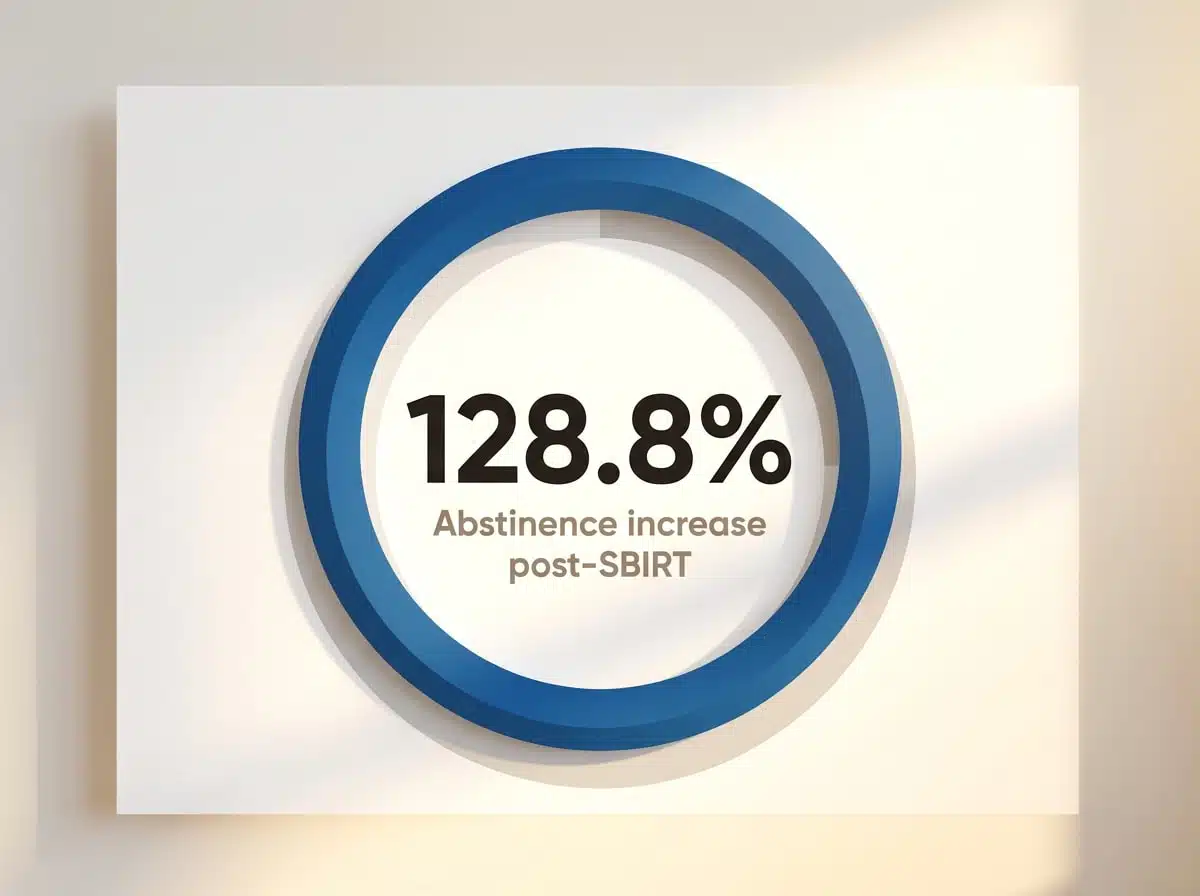
In a typical MET session, your therapist might start by asking you to complete a decisional balance exercise. Imagine you’re struggling with alcohol use. You would list the pros (helps me relax after work, makes social events easier) and cons (morning hangovers affecting my job performance, arguments with my spouse) of your current drinking pattern. Then you’d explore the benefits of change alongside the challenges.
This isn’t about being lectured—it’s about seeing your own thoughts laid out clearly. Many people in Ohio’s recovery community describe this exercise as the moment things “clicked” for them. Throughout these conversations, your therapist practices reflective listening, carefully mirroring back what you’ve shared. Here is how this might sound in practice:
You: “I know I need to cut back, but I’m worried about losing my friends. They all drink, and I don’t know what we’d do together.” Therapist: “You’re recognizing the need for change, and you’re also concerned about your social connections. It sounds like your friendships are really important to you.” You: “Yeah, exactly. But honestly, sometimes I wonder if they’re real friends if drinking is all we do together.”
This reflection helps you hear your own ambivalence and work through it at your own pace, often leading to insights you might not have reached through direct advice. The beauty of MET in action is its flexibility. Whether you’re just beginning to consider recovery or you’ve already taken steps toward change, these techniques meet you exactly where you are.
Recognizing Change Talk vs. Sustain Talk
A critical skill in MET is learning to distinguish between “change talk” and “sustain talk.” Recognizing these in your own speech can help you understand your current mindset regarding recovery.
- Change Talk: Statements that favor making a positive change. Examples:"I want things to be better." or "I think I can cut back."
- Sustain Talk: Statements that favor maintaining the status quo. Examples:"I’m not sure I can do this." or "I don’t really want to quit yet."
This isn’t about judging yourself—it’s about noticing the tug-of-war that happens when you’re thinking about recovery. At Arista Recovery, counselors listen for both types of talk during addiction counseling and substance use treatment, because research shows that the more you voice change talk, the more likely you are to follow through with new actions6.
How Your Words Predict Your Recovery Success
Picture your words like seeds you plant: statements about wanting change are seeds for growth, while sustain talk can slow things down. Research shows that the more you express change talk during addiction counseling or substance use treatment, the more likely you are to follow through with action and see results6.
In fact, the ratio of change talk to sustain talk is one of the best predictors of long-term recovery outcomes—this is true for people across Ohio and beyond. At Arista Recovery, counselors listen closely for these clues. By helping you notice and build on change talk, they support your motivation, making it easier to move forward.
Practice Exercise: Identifying Your Own Talk
Tool: The Daily Talk Tracker
For one day, pay attention to your thoughts and conversations about making changes. Try this simple exercise:
- Write down at least three statements you make or think about recovery.
- Label each as Change Talk (leaning toward health) or Sustain Talk (leaning toward old habits).
- Review your list: Which type of talk was more frequent today?
This simple exercise helps you become more aware of the language you use, which is a key foundation in addiction counseling and substance use treatment6.
The Stages of Change Framework
Think of recovery like a hike with several rest stops. In addiction counseling and substance use treatment, knowing your stage helps you avoid feeling lost or overwhelmed. This approach is central at Arista Recovery, where counselors use the Stages of Change to guide individualized support for people throughout Ohio6.
| Stage | Description |
|---|---|
| Precontemplation | Not yet thinking about change; may not see a problem. |
| Contemplation | Considering change but feeling ambivalent (“on the fence”). |
| Preparation | Getting ready to act; making small plans. |
| Action | Actively making changes to behavior and environment. |
| Maintenance | Keeping up the changes and preventing relapse. |
Assessing Your Current Stage of Readiness
Start by asking yourself: Am I just thinking about change, preparing to act, already making changes, or working to maintain them? In addiction counseling and substance use treatment, being honest about your stage helps your Arista Recovery counselor tailor support—so you’re not pushed too fast or left feeling lost.
Research shows that matching your treatment to your readiness can boost your engagement and success in recovery6. Try this: Write down one reason you might want to change and one reason you’re hesitant. Then, circle which stage best describes you today. This reflection is a key step in evidence-based recovery programs.
Moving from Contemplation to Action
Making the jump from contemplation to action can feel scary, but you don’t have to do it alone. At Arista Recovery, your counselor helps you break big changes into smaller, manageable pieces—like deciding to attend one support group or talking to a friend about your goals.
Research shows that when people in Ohio are guided to take even one small action, their chances of sticking with recovery go up6. This is a key approach in addiction counseling and substance use treatment, where celebrating small wins builds momentum for bigger changes.
Advanced Applications: MET for Complex Needs
As you become more comfortable with Motivational Enhancement Therapy, you’ll discover its remarkable flexibility in addressing complex, layered challenges that often accompany addiction disorders. Many individuals seeking recovery face multiple barriers simultaneously—perhaps co-occurring mental health conditions like depression or anxiety, chronic pain management needs, or complicated family dynamics.
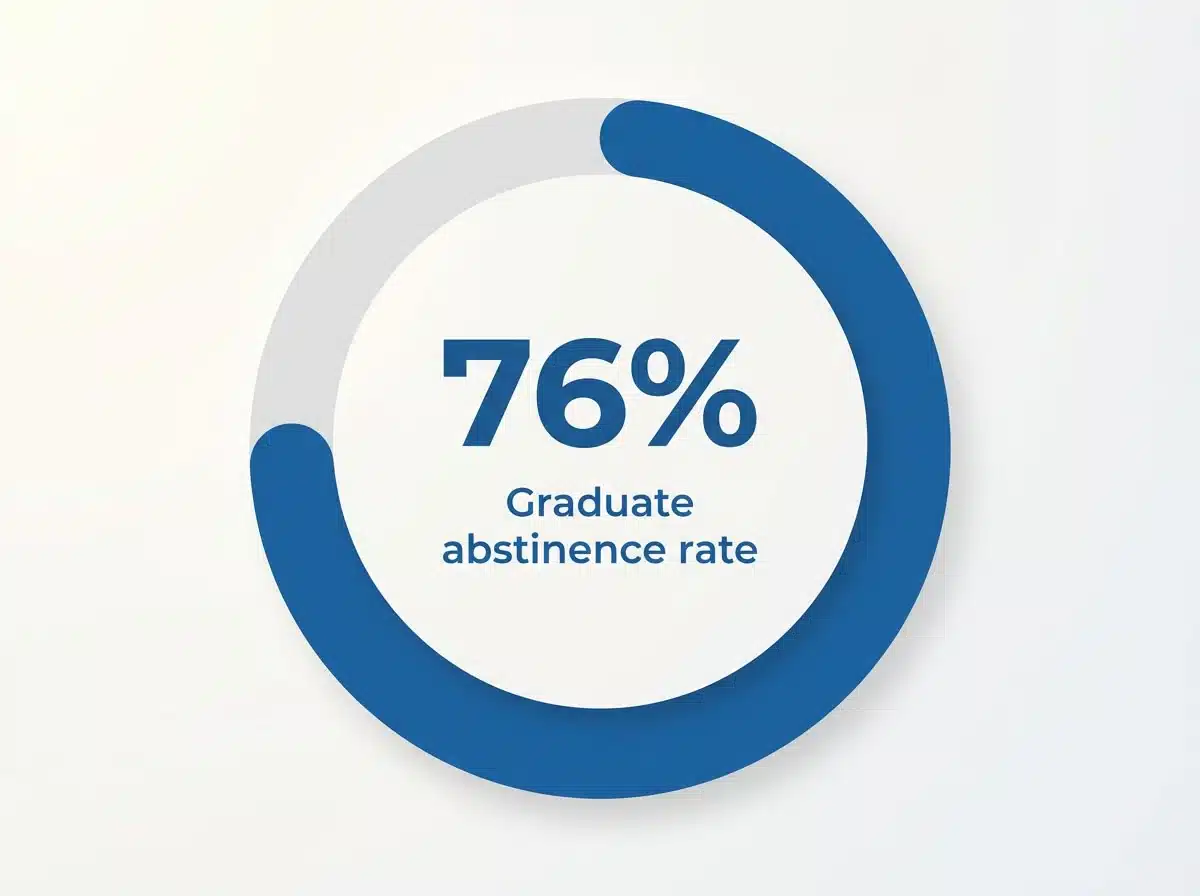
Research indicates that MET shows comparable effectiveness for individuals with co-occurring disorders as for those with substance use concerns alone, making it a valuable approach for complex presentations. MET adapts beautifully to these multifaceted situations. Consider Michael, who struggled with both alcohol dependence and severe anxiety. Through MET, he explored how his drinking temporarily reduced anxiety but ultimately intensified it, creating a destructive cycle.
His therapist used reflective listening to help Michael articulate his own reasons for change—his desire to be present for his children and to feel genuinely calm rather than chemically numbed. This collaborative exploration helped Michael develop internal motivation that addressed both concerns simultaneously rather than treating each challenge in isolation.
Dual Diagnosis Motivational Interviewing
Dual Diagnosis Motivational Interviewing (DDMI) is a special form of motivational counseling that addresses addiction and mental health together, instead of treating them like separate issues. Imagine trying to fix two tangled ropes at once: DDMI helps you gently untangle both by focusing on what matters most to you, even if you’re dealing with anxiety, depression, or cognitive challenges.
At Arista Recovery, counselors adjust MET’s core strategies—like empathy and support for self-efficacy—to meet you where you are, making sure your care fits your real-life needs. Research has shown that these modifications make a big difference for people with dual diagnoses, leading to better outcomes and more continuous engagement in recovery programs4.
Click to learn how DDMI helps with Cognitive Challenges
In some cases, mental health conditions or medications can make it harder to concentrate, remember details, or follow through on plans. At Arista Recovery, counselors use special strategies to help. These might include breaking information into smaller steps, using visual aids, repeating important points, or checking in more often to make sure you feel comfortable and understood. DDMI often involves working at a slower pace and offering extra reminders, so you never feel rushed or left behind.
Addressing Mental Health and Addiction Together
When you’re facing anxiety, depression, or another mental health challenge along with substance use, it can feel like you’re carrying two heavy backpacks at once. Dual Diagnosis Motivational Interviewing (DDMI), an adaptation of MET, helps lighten the load by treating both concerns side by side. Instead of focusing on just one problem, counselors at Arista Recovery use evidence-based addiction counseling that weaves together support for your mental health and your recovery goals.
Research shows that people with co-occurring conditions are more likely to stay engaged and see progress when treatment addresses the whole person—not just symptoms in isolation4. In Ohio, this kind of integrated substance use treatment is especially important for families and individuals looking for real, lasting results.
Combining MET with Other Evidence-Based Therapies
Think of MET as a strong foundation for your recovery house, while therapies like cognitive behavioral therapy (CBT) and dialectical behavior therapy (DBT) are the walls and roof that add protection and structure. MET helps you get ready for deeper work by building motivation and confidence. Then, CBT or DBT can teach you new skills for handling stress, negative thoughts, or tough emotions.
Research has shown that using MET before or alongside these therapies increases engagement and keeps people connected to care4. In Hilliard and throughout Ohio, Arista Recovery uses this layered approach because it meets you where you are and adapts as your needs grow.
MET as Pre-Treatment for CBT and DBT
Think of MET as laying the groundwork before you start building a house. At Arista Recovery, MET is often used as a “pre-treatment” to help you clarify your reasons for change, boost your readiness, and address any doubts about starting something new. Once you feel confident and motivated, CBT or DBT can teach you tools to manage thoughts, feelings, and behaviors more effectively.
Research shows that starting with MET increases engagement and helps people stick with more intensive therapies—making each session count for more4. In Ohio, this approach is especially helpful for people who feel unsure about taking on a bigger commitment or have struggled to finish treatment before.
Culturally Informed MET for Special Populations
Culturally informed MET recognizes that everyone’s story is different. For example, if you’re part of Ohio’s Appalachian, Black, Latino, or LGBTQ+ communities, you may face unique stresses or barriers in recovery. Arista Recovery counselors are trained to listen for how culture, language, or past experiences shape your motivation and your view of substance use.
This means exploring how your values, traditions, or identity impact recovery—and making sure counseling feels safe and respectful. Research shows that when MET is delivered in a culturally sensitive way, it helps clients feel more understood, leading to better engagement and long-lasting results8.
Troubleshooting Common MET Challenges
Even with the best intentions, you might encounter obstacles when working through Motivational Enhancement Therapy. Understanding these common challenges helps you navigate them effectively and stay committed to your change process.
- Stuck in Ambivalence: You might find yourself cycling through the same pros and cons without reaching clarity. When this happens, it’s helpful to explore the values beneath your conflicting feelings.
- Difficulty with Decisional Balance: You might minimize the negatives or discount the positives of change. Try approaching the exercise from different angles—consider how someone who cares about you would complete it.
- Resistance to Reflection: You might find yourself deflecting questions or intellectualizing feelings. Remember that this resistance is normal and actually provides valuable information about sensitive areas worth examining.
- External Pressure: If family or legal requirements brought you to therapy, you may struggle to find your own reasons for change. Working through this involves honest exploration of what you want for yourself.
Overcoming Resistance and Court-Mandated Care
It’s common to feel defensive or unmotivated when you’re required to attend addiction counseling or substance use treatment. MET is different because it doesn’t try to force you—instead, counselors at Arista Recovery focus on “rolling with resistance” and supporting your right to make your own choices.
This approach builds trust and helps people in Ohio find their own reasons for change, even in tough situations. Research shows that MET’s style—collaborative, not confrontational—works better than traditional methods when people feel coerced or resistant9.
Rolling with Resistance Instead of Fighting It
In addiction counseling and substance use treatment, resistance is a normal part of recovery—especially if you’re feeling pressured or unsure. Instead of debating or convincing you, Arista Recovery counselors listen and explore your concerns side by side with you. This skill, called rolling with resistance, means your feelings aren’t ignored or fought against; they’re respected as part of your journey.
Research shows that when counselors avoid confrontation and support your right to make choices, you’re more likely to stay engaged and eventually find your own reasons for change9.
Finding Autonomy When You Feel Coerced
Feeling forced into addiction counseling or substance use treatment can make you want to shut down, but MET is built to hand decision-making back to you. At Arista Recovery, your counselor helps you notice the small choices that are still yours—like what you want from treatment or how you want to approach change. Research highlights that an autonomy-supporting approach leads to better engagement, especially for people who feel coerced or resistant9.
When Brief MET Isn’t Enough
Sometimes a few sessions of MET are all you need to get started, but everyone’s journey is different. If you find yourself hitting a plateau, struggling with cravings, or facing new challenges in your daily life, it might be time to consider extended addiction counseling or a more comprehensive substance use treatment plan.
Research shows that while brief MET can lead to strong early progress, lasting change often requires ongoing support—especially when life gets complicated or stress levels are high6. In Ohio, continuing care options can help you build momentum and stay connected to recovery resources.
Recognizing When You Need Extended Treatment
Sometimes, early sessions with MET get you off to a strong start—but recovery isn’t always a straight line. If you notice you’re stuck in old patterns, struggling with cravings, or facing new stressors that make it harder to stay on track, these may be signs that a longer or more intensive approach is needed. Research shows that while brief MET can spark positive change, ongoing addiction counseling or substance use treatment may be needed for lasting progress, especially when challenges pile up or progress stalls6.
Transitioning from MET to Comprehensive Care
Transitioning from MET to extended addiction counseling or substance use treatment isn’t a setback—it’s part of building lasting recovery. Your counselor at Arista will help you review your progress, talk about any ongoing challenges, and set new goals for the next stage. They might recommend adding group sessions, trying a different therapy (like CBT), or connecting you with community resources in Ohio. Research highlights that warm handoffs and motivational check-ins during these transitions boost your odds of staying engaged and seeing real results2.
Frequently Asked Questions
You likely have questions about how Motivational Enhancement Therapy works and whether it’s the right approach for your recovery journey. Here are answers to some of the most common concerns families and individuals in Hilliard bring to us.
How many MET sessions will I need before seeing results?
Most people notice some positive changes within just a few sessions of motivational enhancement therapy in Hilliard, OH. Research shows that even a brief course—such as four sessions—can lead to results that are just as strong as longer, more intensive therapies1. That means you might start feeling more motivated, clearer about your goals, or ready to take action after only a handful of meetings. Of course, everyone is different. Some Ohio residents benefit from a bit more time, especially if their recovery journey is complex or if they want extra support. At Arista Recovery, your counselor will work with you to decide how many addiction counseling or substance use treatment sessions feel right for your needs.
Is MET effective if I’m not sure I want to quit using substances?
Yes, motivational enhancement therapy in Hilliard, OH is designed to help you even if you aren’t sure you want to quit using substances. In fact, many people start MET feeling uncertain or ambivalent about change—and that’s completely normal. MET focuses on exploring both sides of your feelings with support and respect, never pressure. Your counselor at Arista Recovery will help you talk through what you like about your current habits and what you hope for instead, meeting you exactly where you are. Research shows that this approach—called developing discrepancy—helps people in Ohio and beyond move from indecision to taking steps toward healthier choices, all at their own pace1, 6.
Does my insurance cover Motivational Enhancement Therapy in Ohio?
Most insurance plans in Ohio—including Medicaid, Medicare, and many private insurers—often cover motivational enhancement therapy in Hilliard, OH when it’s part of a medically necessary addiction counseling or substance use treatment program. Coverage can vary depending on your specific plan, so it’s a good idea to call your insurance provider or ask the team at Arista Recovery for help verifying your benefits. Many Ohio families find that insurance will pay for at least part of their MET sessions, especially when referred by a doctor or licensed counselor. Recent research also shows that connecting with the right treatment faster—like MET—improves engagement and outcomes, making insurance coverage for these services even more valuable for recovery in our community2.
Can MET help if I’ve already been through treatment before and relapsed?
Yes—motivational enhancement therapy in Hilliard, OH can be a powerful support even if you’ve experienced a relapse after previous treatment. Many people in Ohio return to treatment more than once, and MET is designed to help you explore what matters most to you now, not just repeat what you’ve already tried. Instead of focusing on setbacks, MET encourages you to talk about your recent experiences, rebuild your confidence, and find new motivation for recovery. Research shows that MET’s focus on empathy, personal goals, and supportive addiction counseling makes it especially effective for people who feel discouraged or stuck1, 5.
What happens if I struggle with both addiction and depression or anxiety?
If you’re facing both addiction and depression or anxiety, you’re not alone—and help is available right here in Hilliard. Motivational enhancement therapy in Hilliard, OH can be adapted to support people with co-occurring mental health and substance use challenges. At Arista Recovery, counselors use special strategies called Dual Diagnosis Motivational Interviewing (DDMI). This means you’ll get support for your mood, anxiety, and recovery goals in the same safe space, so you don’t have to pick which problem matters more. Research shows that when addiction counseling and mental health treatment happen together, people in Ohio are more likely to stay engaged and make real progress4.
How is MET different from traditional 12-step programs?
Motivational enhancement therapy in Hilliard, OH is different from traditional 12-step programs in several key ways. MET is a structured, evidence-based approach that centers on your own reasons for change and uses guided conversations to help you build motivation and confidence. Instead of following a set series of steps or group traditions, as in 12-step recovery, MET focuses on personalized, one-on-one counseling where your goals and values lead the way. Research shows that MET can help people achieve results similar to longer or more intensive treatments, often in just a few sessions1.
Will MET work if I was mandated to treatment by the court?
Yes, motivational enhancement therapy in Hilliard, OH can work even if you were mandated to treatment by the court. Many people in Ohio start MET feeling unsure or resistant, especially when participation isn’t their choice. MET is different from other approaches because counselors at Arista Recovery focus on respecting your autonomy and exploring your own reasons for change—not forcing you to comply. Research shows that this collaborative, non-confrontational style works especially well for justice-involved individuals, leading to better engagement and improved treatment outcomes compared to more confrontational methods9.
Can I receive MET while taking medication for opioid addiction?
Yes, you can receive motivational enhancement therapy in Hilliard, OH while taking medication for opioid addiction—this combination is actually encouraged in Ohio’s evidence-based recovery programs. Approaches like medication-assisted treatment (MAT) and MET work well together because each addresses a different part of recovery: MAT helps manage cravings and withdrawal, while MET builds your motivation and confidence to make lasting changes. At Arista Recovery, counselors are trained to support clients who are using medications such as buprenorphine or methadone as part of their substance use treatment plan. Research shows that integrating MET with medical treatment leads to better engagement and outcomes, especially for those with complex needs or dual diagnoses4.
How do I know if I’m ready to move from MET to more intensive therapy?
You might be ready to move from motivational enhancement therapy in Hilliard, OH to a more intensive therapy if you notice you’ve hit a plateau—like feeling stuck, having repeated setbacks, or facing challenges that don’t improve with a few sessions. Signs can include strong cravings, new stress in your daily life, or not feeling as motivated as before. Research shows that while brief MET is often enough to spark change, ongoing addiction counseling or substance use treatment may be needed for lasting progress, especially when life gets more complicated6.
What if I feel like my therapist doesn’t understand my background or culture?
If you feel like your therapist doesn’t understand your background or culture during motivational enhancement therapy in Hilliard, OH, you’re not alone—and your feelings are valid. Recovery works best when you feel truly seen and respected, so it’s important to speak up about your experiences or traditions. Arista Recovery counselors are trained to create a safe, welcoming space for people from all walks of life, including those from Ohio’s diverse communities. Research shows that when MET is delivered in a culturally sensitive way, clients feel more understood and are more likely to stay engaged in treatment8.
Does Arista Recovery offer MET as part of their programs in Hilliard?
Yes, Arista Recovery offers motivational enhancement therapy in Hilliard, OH as a key part of our addiction counseling and substance use treatment programs. MET is used to help you explore your own reasons for change and build the motivation you need for lasting recovery. Our team in Hilliard is specially trained to deliver MET in a way that fits your unique needs—whether you’re just starting out, have tried treatment before, or need extra support with mental health or cultural concerns. Research shows that including evidence-based therapies like MET as part of addiction treatment programs leads to higher engagement and better results for individuals and families throughout Ohio1, 2.
How can my family be involved in my MET treatment?
Your family can play an important role in your motivational enhancement therapy in Hilliard, OH. At Arista Recovery, family involvement might include joining certain sessions (with your permission), learning about how MET supports your recovery, and practicing supportive communication at home. Your counselor can guide family members on how to encourage your change talk and help reduce judgment or pressure, making your home environment more welcoming for recovery. Studies show that when family is included in addiction counseling or substance use treatment, people in Ohio often feel more understood and stay engaged longer8.
What should I expect during my first MET session?
During your first motivational enhancement therapy (MET) session in Hilliard, OH, you can expect a welcoming, no-pressure conversation focused on your unique story and hopes for recovery. Your Arista Recovery counselor will start by listening—really listening—to what brings you in and how you feel about making changes. You won’t be judged or told what to do. Instead, you’ll talk about what’s important to you, any worries or hesitations you have, and what you might want from the process.
This first meeting is about building trust and comfort, not rushing into big decisions. Your counselor may ask open-ended questions and gently guide you to explore your own motivation, which is a proven approach in addiction counseling and substance use treatment1.
Is MET effective for stimulant addiction like cocaine or methamphetamine?
Motivational enhancement therapy in Hilliard, OH can be helpful for people wanting to recover from stimulant addiction, like cocaine or methamphetamine, but it’s usually most effective when paired with other supports. Research shows that MET helps many people build motivation and get started with change—even for harder-to-treat substances6. For stimulant use, MET is often used as a first step in addiction counseling or substance use treatment, especially in Ohio, to boost engagement and help you feel ready for action.
Your Next Steps with MET in Hilliard, OH
Taking the first step toward change can feel overwhelming, but you don’t have to navigate this journey alone. If you’re considering therapy to address concerns about substance use or other behavioral patterns, Motivational Enhancement Therapy offers a collaborative approach that helps you discover your own reasons for change and builds on your personal strengths.
Starting your journey with MET begins with finding a therapist trained in this specific approach. Look for mental health professionals who list motivational interviewing or motivational enhancement therapy among their specialties. During your initial consultation, you’ll experience the collaborative nature of MET firsthand—your therapist won’t tell you what to do, but rather will help you explore your own thoughts about change in a supportive, non-judgmental environment.
Many people find it helpful to prepare for this first session by reflecting on what brought them to consider therapy and what they hope might be different in their lives. You might also bring questions about how MET works or what to expect in the coming sessions. Remember, MET recognizes that ambivalence about change is completely normal. Your therapist understands this and will work with you exactly where you are, without pressure or judgment.
As you move forward with MET, you’ll find that each session builds on your own insights and motivations. The personalized feedback you receive helps you see discrepancies between your current behaviors and your personal values or goals. This self-awareness, combined with the empowering realization that you have the capacity to make meaningful changes, creates a strong foundation for lasting transformation.
Change is possible, and it starts with recognizing your own power to shape your future. MET doesn’t impose external solutions—it helps you tap into your internal motivation and existing strengths. By taking this next step and working with an MET-trained therapist, you’re choosing a path that respects your autonomy while providing the structure and support that facilitates real growth. The collaborative partnership you build through MET can help you move toward the life you envision for yourself.
References
- Project MATCH Volume 2: Motivational Enhancement Therapy Manual. https://www.niaaa.nih.gov/sites/default/files/match02.pdf
- Real-world effectiveness of Motivational Enhancement for Engagement in Treatment. https://pmc.ncbi.nlm.nih.gov/articles/PMC12433798/
- Motivational Interviewing: An Evidence-Based Approach for Use in the Medical Care of Various Target Groups. https://pmc.ncbi.nlm.nih.gov/articles/PMC8200683/
- Dual Diagnosis Motivational Interviewing. https://pmc.ncbi.nlm.nih.gov/articles/PMC3865805/
- Motivational Interviewing: A Systematic Review and Meta-Analysis. https://pmc.ncbi.nlm.nih.gov/articles/PMC1463134/
- Using Motivational Interviewing in Substance Use Disorder Treatment. SAMHSA Advisory 35. https://library.samhsa.gov/sites/default/files/PEP20-02-02-014.pdf
- Engagement and Retention in a Motivational, Discovery, and Transitional Recovery Program. https://pmc.ncbi.nlm.nih.gov/articles/PMC12542339/
- Enhancing Motivation for Change in Substance Use Disorder Treatment. https://www.ncbi.nlm.nih.gov/books/NBK571061/
- Effectiveness of Motivational Interviewing with Justice-involved People. https://pmc.ncbi.nlm.nih.gov/articles/PMC12097221/
- Screening, Brief Intervention, and Referral to Treatment (SBIRT). https://www.samhsa.gov/substance-use/treatment/sbirt
