 Now under new ownership & part of the Arista Recovery Network! For more information,

Key Takeaways
- Understand the Needs: Recognize the deep connection between PTSD, trauma, and substance use among Ohio veterans.
- Identify Effective Care: Look for mental health programs for veterans that utilize evidence-based therapies like CBT and MAT.
- Verify Quality: Ensure the program you choose is accredited and prioritizes military cultural competency.
- Utilize Resources: Take advantage of Ohio-specific support networks, including peer groups and crisis lines.
Goal: You will be equipped to select a comprehensive treatment path that honors your service and supports a lasting recovery.
Understanding Veteran Mental Health Needs
PTSD and Trauma-Related Conditions
PTSD (Post-Traumatic Stress Disorder) and trauma-related conditions are common challenges faced by veterans in Ohio. When exploring mental health programs for veterans, it is important to recognize that returning home after military service often involves carrying invisible wounds from combat, training accidents, or other traumatic events. These experiences can manifest in various ways, including:
- Nightmares and flashbacks
- Trouble sleeping
- Feeling constantly on edge
- Difficulty trusting others or reconnecting with family
PTSD is not a sign of weakness—it is a very real and treatable condition. While it affects about 3-4% of the general adult population, rates are significantly higher among military veterans due to their unique experiences.3 For Ohio veterans, the impact can be profound.
Veterans are 1.5 times more likely to die by suicide than non-veterans, which shows just how serious these mental health needs are.6
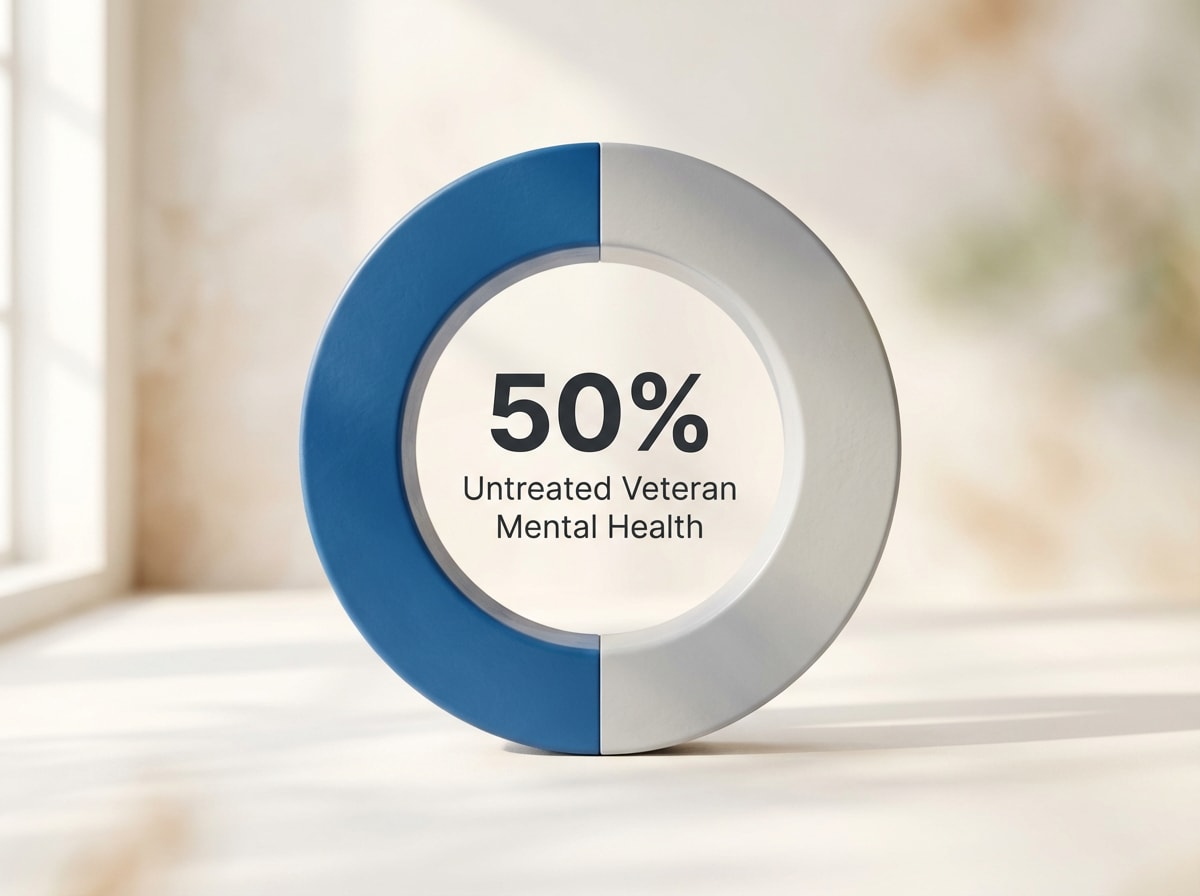
Sadly, over half of veterans with mental health conditions do not seek treatment, often due to stigma or a fear of being misunderstood.6 Arista understands these struggles and works to break down barriers to care. Our programs focus on trauma-informed treatment, building trust, and providing support every step of the way. We use proven therapies recommended by experts to help veterans manage symptoms, regain hope, and reconnect with the people and activities they love.5
Co-Occurring Substance Use Disorders
Many Ohio veterans who struggle with mental health challenges also face substance use disorders. This is known as a co-occurring disorder, meaning both problems exist simultaneously. For instance, a veteran dealing with anxiety or depression might turn to alcohol or drugs as a coping mechanism. Over time, this can complicate recovery. Studies indicate that nearly one in four male veterans and one in five female veterans who served in Iraq and Afghanistan and use VA care have PTSD, and a significant number also struggle with substance use.6
Common Signs of Co-Occurring Disorders
If you or a loved one are experiencing increased tolerance to substances, withdrawal symptoms, or using substances to manage emotional pain, these may be signs of a co-occurring disorder that requires integrated treatment.
Living with both mental health and substance use struggles can feel overwhelming, but you are not alone. In Ohio, many veterans experience this dual challenge. When both issues are present, it is vital to find a treatment program that understands the connection and treats both concurrently. Programs that focus on only one issue may leave the other untreated, hindering full recovery. Integrated care—often called dual diagnosis treatment—has been shown to help veterans regain control of their lives and improve their well-being.1
At Arista, our programs always screen for substance use and provide support for both mental health and addiction. We know that hope is possible and recovery is real, even when the road feels tough.
Evidence-Based Mental Health Programs for Veterans
Cognitive Behavioral and Exposure Therapies
Cognitive Behavioral Therapy (CBT) and exposure therapies are two of the most trusted methods for helping Ohio veterans heal from trauma. These approaches are recommended by leading experts for treating PTSD and similar challenges because they teach practical skills to manage difficult memories, thoughts, and feelings.5 In CBT, you work with a specially trained therapist to identify negative patterns—such as self-blame or hypervigilance. Together, you learn how to challenge these thoughts and replace them with more balanced perspectives. Over time, this can lead to better sleep, reduced anxiety, and a renewed sense of control.
Exposure therapy is slightly different. It helps you face reminders of trauma in a safe, gradual manner, often through conversation or virtual reality. While this may sound daunting, it is conducted step-by-step, ensuring you never move faster than you are ready. Many Ohio veterans report that this helps them feel less afraid and more capable of participating in daily life.5 At Arista, we utilize these proven methods because research demonstrates their effectiveness in recovery.5
Medication-Assisted Treatment Options
Medication-assisted treatment (MAT) is another trusted approach available through many mental health programs for veterans in Ohio. MAT utilizes FDA-approved medications, such as buprenorphine or naltrexone, alongside counseling and therapy. This combination can be transformative for veterans struggling with opioid or alcohol use, particularly when those challenges are linked to trauma or PTSD. MAT helps manage cravings and withdrawal symptoms, allowing you to focus on healing both your mind and body.
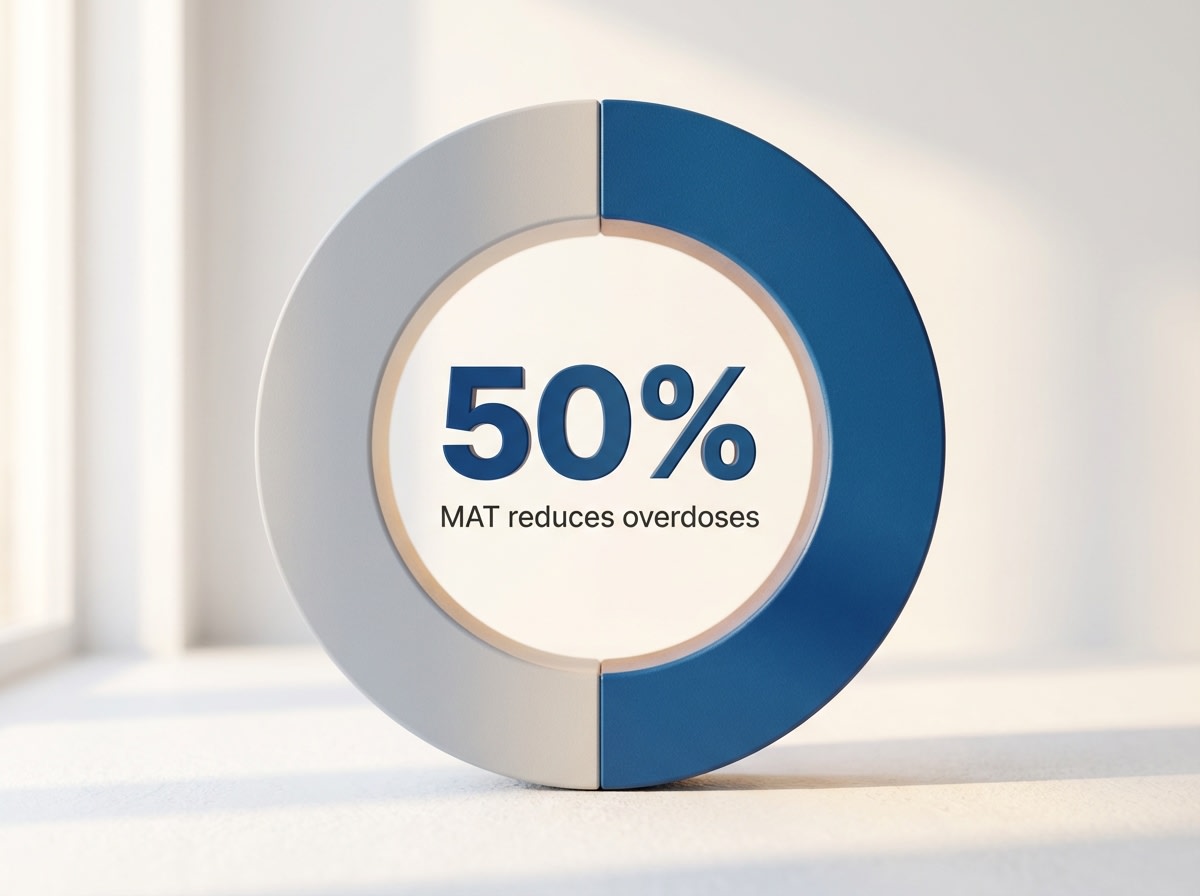
Research indicates that MAT can reduce the risk of opioid overdose death by approximately 50%.10 This is a significant step forward, especially given the higher risk of overdose among veterans. However, MAT is most effective when paired with support groups, therapy, and connection to others who understand your journey. At Arista, we incorporate MAT as part of a whole-person recovery plan, tailored to your unique needs.
| Approach | Benefits | Considerations |
|---|---|---|
| MAT + Therapy | Reduces cravings, lowers overdose risk | Requires ongoing monitoring |
| Therapy Only | No medication side effects | May be slower for severe SUD |
If you are wondering whether MAT could help you or a loved one, our caring team at Arista is here to answer your questions.
Evaluating Mental Health Programs for Veterans
Military Cultural Competency Standards
When evaluating mental health programs for veterans in Ohio, military cultural competency should be a top priority. This ensures that counselors, doctors, and staff truly understand the unique experiences, language, and challenges faced by those who have served. Veterans are shaped by military life—by leadership roles, teamwork, and sometimes, by trauma. Programs that value military culture facilitate trust, which is essential for healing.6
In Ohio, many providers now participate in specialized training to better support veterans. For example, more than 4,600 Ohio clinicians have completed military cultural competency training since 2015.6 This training covers service-related stress, the chain of command, and how military values impact mental health, helping to reduce barriers like stigma. At Arista, we believe cultural respect is a promise. Our team listens to your story, values your service, and creates a safe environment for your recovery.
Accreditation and Clinical Expertise
It is also smart to look closely at accreditation and the clinical expertise of the staff. Accreditation indicates that a program has met strict quality and safety standards set by outside organizations, such as The Joint Commission. Choosing an accredited program helps ensure you or your loved one will receive care that meets national best practices.8
Clinical expertise is equally important. Skilled professionals—such as licensed therapists, psychiatrists, and addiction specialists—should have experience working with veterans and using evidence-based therapies like CBT and trauma-focused care.5
| What to Check | Why It Matters |
|---|---|
| Accreditation (e.g., Joint Commission) | Ensures high standards and safety |
| Staff Credentials | Shows clinical skill and up-to-date knowledge |
| Veteran Treatment Experience | Indicates understanding of unique veteran needs |
Arista’s programs are built on accredited care and a team with deep clinical expertise. If you are seeking recovery in Ohio, choosing a program with these strengths can provide peace of mind.
Ohio-Specific Resources and Support
VA and State-Funded Programs
If you are a veteran in Ohio, you have access to a wide range of VA and state-funded mental health programs. These services are often the first step for many seeking help with PTSD, depression, or substance use. The Department of Veterans Affairs (VA) operates medical centers and outpatient clinics across Ohio, offering therapy, medication management, and crisis support. Many Ohio veterans also benefit from the Veterans Crisis Line, which is available 24/7 for immediate help. You can reach them by dialing 988 and then pressing 1.4
Ohio’s state-funded programs work alongside the VA to fill gaps in care. The Ohio Department of Mental Health and Addiction Services coordinates public mental health centers and special veteran programs, focusing on integrated care for substance use and trauma. This ensures veterans can receive treatment for both issues in one place, which research shows leads to better recovery outcomes.1 If you are unsure where to start, Arista can help you navigate these choices and connect with trusted local resources.
Peer Support and Community Networks
Peer support and strong community networks are integral to successful recovery for Ohio veterans. Connecting with people who have walked a similar path makes it easier to discuss tough experiences and feel less alone. Peer support groups—whether in-person or virtual—allow veterans to share stories, coping strategies, and encouragement. Benefits of these networks include:
- Shared Understanding: Building trust with those who have served.
- Reduced Isolation: Seeing that recovery is possible.
- Ongoing Mentorship: Peer supporters often become lifelong friends.
In Ohio, peer support programs have grown rapidly. Since 2015, over 150 veterans have completed official peer supporter training.1 Research shows that active participation in peer groups improves treatment success and helps individuals adhere to their recovery plans.9 Community networks, such as veteran-specific meetups and family support groups through organizations like NAMI, add another layer of support.6 At Arista, we encourage every veteran to tap into these connections because healing happens faster together.
Frequently Asked Questions
How long does treatment typically take for veterans with PTSD and substance use issues?
Treatment length for Ohio veterans with PTSD and substance use issues can vary, but most evidence-based mental health programs for veterans recommend at least 12 to 16 weeks of therapy, especially for trauma-focused approaches like Cognitive Behavioral Therapy 5. Some veterans may need a longer stay in care if their symptoms are severe or if they have both PTSD and substance use challenges. Recovery is not a race—many people benefit from ongoing support, including aftercare or peer groups, to help prevent relapse 9. At Arista, we help you build a care plan that matches your needs, so every step feels manageable and you’re never alone.
Will my insurance cover mental health treatment, and how do I verify my benefits?
Most insurance plans—including VA benefits, TRICARE, Medicaid, and many private insurers—do cover mental health programs for veterans in Ohio. Coverage details can vary, so it’s smart to check exactly what your plan provides. To verify your benefits, you can call the number on your insurance card or log into your provider’s website. Many Ohio mental health providers, like Arista, offer free insurance verification and can walk you through the process. If you feel overwhelmed or run into confusing language, don’t hesitate to ask for help. Getting clear answers up front helps you focus on your recovery, not paperwork 1.
What should I do if a veteran I love refuses to seek help?
If a veteran you care about in Ohio refuses to seek help, it’s natural to feel worried or helpless. Many veterans hesitate due to stigma, fear of being misunderstood, or past bad experiences with care—over half of veterans with mental health conditions don’t get treatment 6. Start by listening and offering support without pushing. Share information about local mental health programs for veterans and let them know that reaching out is a sign of strength, not weakness. It can help to involve a trusted peer, family member, or even another veteran. If there’s a crisis, contact the Veterans Crisis Line for immediate support 4. Arista can guide families on gentle ways to encourage help and connect everyone to trusted resources.
Can I receive treatment outside the VA system in Ohio?
Yes, you can absolutely receive treatment outside the VA system in Ohio. There are many community-based mental health programs for veterans, including private clinics and state-funded centers that welcome veterans for care. These options are helpful if you want more choices or if you prefer not to use VA services. The Ohio Department of Mental Health and Addiction Services offers a directory of licensed providers, making it easier to find a good fit 1. At Arista, we help veterans and families explore all available paths—both VA and non-VA—so you can choose what feels right for your recovery journey.
How do I know if a program truly understands military culture?
To know if a mental health program truly understands military culture, start by asking if their staff have completed military cultural competency training. In Ohio, over 4,600 providers have completed this specialized training since 2015, which means they’re more likely to understand the language, values, and stressors unique to veterans 6. Look for programs that hire veterans or have peer supporters on staff—these team members can bridge gaps in trust and communication. At Arista, our mental health programs for veterans prioritize cultural respect and make sure you feel understood and valued, not just treated. If you’re unsure, don’t hesitate to ask programs about their experience working with veterans.
What happens if I relapse after completing treatment?
If you relapse after completing treatment, don’t lose hope—relapse is a common part of recovery, especially for Ohio veterans facing PTSD or substance use challenges. It’s not a failure or a reason to give up. In fact, many veterans need several rounds of support before lasting change takes hold 9. The most important step is to reach out for help right away. At Arista, our mental health programs for veterans are designed to welcome you back without judgment. We work with you to adjust your care plan, strengthen your support network, and rebuild your confidence. Recovery is a journey, and you’re never alone if you stumble.
Are telehealth mental health services available for Ohio veterans?
Yes, telehealth mental health services are available for Ohio veterans. Many mental health programs for veterans in Ohio—including those offered by the VA and state-funded clinics—now offer video visits, phone counseling, and secure messaging with therapists. This can be a great option if travel is hard, or if you prefer the privacy and comfort of home. Telehealth has expanded in recent years to help veterans in rural areas and those with busy schedules access care faster 1. At Arista, we support veterans and families in choosing between in-person or virtual care, always focusing on what makes your recovery journey easier and more accessible.
Finding Comprehensive Care in Ohio
When seeking addiction treatment in Ohio, comprehensive care dramatically improves your chances of lasting recovery. Studies show that integrated treatment approaches can increase long-term sobriety rates by up to 40% compared to single-focus programs. Comprehensive care goes beyond addressing substance use; it considers your physical health, mental well-being, co-occurring mental health disorders, and practical needs like employment skills and housing stability.
Look for treatment centers that offer medical detox, multiple therapy approaches, and personalized treatment plans. The most effective programs integrate evidence-based therapies like Cognitive Behavioral Therapy (CBT) and Dialectical Behavior Therapy (DBT) with holistic approaches such as mindfulness practices. This combination addresses both the symptoms and underlying causes of addiction.
Ohio residents have access to facilities that provide different levels of care matched to your recovery stage. Options range from residential programs offering 24/7 support to outpatient services that allow you to maintain work and family commitments. According to the Ohio Department of Mental Health and Addiction Services, over 180 licensed treatment facilities across the state provide varying levels of comprehensive care. By choosing comprehensive care that treats the whole person, you are investing in a healthier future for yourself and your loved ones.
References
- Ohio Department of Mental Health and Addiction Services. https://ohiomentalhealthandaddictionservices.ohio.gov/
- SAMHSA National Helpline – Treatment Referral Service. https://www.samhsa.gov/find-help/national-helpline
- Post-Traumatic Stress Disorder (PTSD) – National Institute of Mental Health. https://www.nimh.nih.gov/health/topics/post-traumatic-stress-disorder-ptsd
- Veterans Crisis Line and Suicide Prevention – VA Mental Health. https://www.mentalhealth.va.gov/suicide_prevention/index.asp
- Clinical Practice Guideline for PTSD – American Psychological Association. https://www.apa.org/ptsd-guideline
- NAMI Veterans Mental Health Resources. https://www.nami.org/veterans
- Diagnostic and Statistical Manual of Mental Disorders (DSM-5) – American Psychiatric Association. https://www.psychiatry.org/psychiatrists/practice/dsm
- The Joint Commission – Healthcare Accreditation Standards. https://www.jointcommission.org/
- Benefits of Peer Support in Addiction Treatment – National Center for Biotechnology Information. https://www.ncbi.nlm.nih.gov/pmc/articles/PMC5047716/
- Opioid Overdose Prevention – CDC. https://www.cdc.gov/drugoverdose/epidemic/index.html
