 Now under new ownership & part of the Arista Recovery Network! For more information,

Key Takeaways: Your Recovery Decision Guide
- Assess Severity: If you experience withdrawal symptoms or have a dual diagnosis, medical detox and residential care are recommended over outpatient.
- Verify Quality: Always check for Joint Commission or CARF accreditation to ensure safety standards.
- Financial Planning: Ohio insurance plans generally cover treatment; expect out-of-pocket costs to range based on deductibles.
- Immediate Action: If you are in crisis, call for immediate placement. For planned admissions, use the 30-day roadmap below.
Understanding Inpatient Rehab Ohio
Navigating the landscape of inpatient rehab Ohio can be overwhelming, but understanding your options is the first step toward healing. In 2022, Ohio faced a significant challenge with overdose rates, prompting a robust expansion of state-licensed residential facilities. Inpatient treatment—often called residential care—immerses you in a 24-hour therapeutic environment. Unlike outpatient care, you live at the facility, removing you from the triggers of daily life and providing a safe space to reset.
These programs typically run between 28 and 90 days. During this time, you engage in a structured mix of medical monitoring, individual counseling, and group therapy. Whether you are in Cleveland, Columbus, or a quiet rural setting, the goal remains the same: to build a foundation for long-term sobriety using evidence-based practices.
- Detox (3-7 Days): Medical stabilization.
- Inpatient Rehab (30-90 Days): Intensive therapy and skill-building.
- Outpatient/Aftercare (Ongoing): Continued support while returning to daily life.
What Makes Inpatient Rehab Different
If you are trying to decide between inpatient and other forms of care, use this comparison to see where residential treatment stands out:
| Feature | Inpatient Rehab | Outpatient Program |
|---|---|---|
| Supervision | 24/7 Medical & Clinical Support | Scheduled appointments only |
| Environment | Trigger-free, controlled facility | Home environment (potential triggers) |
| Intensity | 30+ hours of therapy weekly | 3-9 hours of therapy weekly |
| Best For | Moderate to severe addiction, dual diagnosis | Mild addiction, strong home support |
24/7 Medical Support and Safety
The primary advantage of choosing an inpatient rehab Ohio facility is safety. Withdrawal symptoms can be unpredictable and, in some cases, life-threatening. Facilities like Arista Recovery provide round-the-clock nursing care to manage these symptoms immediately.
This is particularly vital for those with co-occurring disorders. Approximately half of those with addiction also struggle with mental health conditions5. Continuous supervision allows for real-time medication adjustments and emotional support that outpatient settings simply cannot provide.
Structured Environment for Recovery
Chaos often fuels addiction. Inpatient care counters this with rigorous structure. Your day is planned from morning wellness checks to evening group sessions. This predictability reduces anxiety and helps retrain the brain to function without substances.
“Research shows that people who stick with structured programs are more likely to stay in treatment and reach long-term recovery goals.”11
Who Benefits Most from Residential Care
Residential care is not always necessary for everyone, but it is critical for specific groups. If you have tried to quit on your own and failed, or if your home environment involves drug use or high conflict, inpatient care offers the separation needed to heal.
Complex Medical and Mental Health Needs
For individuals managing “dual diagnosis” (addiction plus anxiety, depression, or PTSD), integrated care is non-negotiable. In Ohio, top-tier facilities utilize Medication-Assisted Treatment (MAT) alongside psychotherapy. This coordinated approach ensures that you aren’t treating the addiction in isolation while ignoring the underlying mental health drivers3.
Self-Assessment: Is Inpatient Right for You?
Deciding on the level of care is a major medical decision. Use the following assessment tool to gauge the severity of your situation.

Self-Assessment Checklist:
- Have you experienced severe withdrawal symptoms (shaking, seizures, hallucinations) in the past?
- Do you have a co-occurring mental health condition (depression, bipolar disorder, PTSD)?
- Is your home environment unstable or filled with triggers (e.g., others using substances)?
- Have you tried outpatient treatment before and experienced a relapse?
- Are you using multiple substances simultaneously?
Scoring: If you answered “Yes” to 2 or more of these questions, inpatient treatment is strongly recommended to ensure your safety and success.
Decision Framework for Treatment Level
Professionals use the ASAM Criteria (American Society of Addiction Medicine) to place patients. You can mimic this logic by evaluating your “Risk Rating.”
If your risk of relapse is high due to environmental factors or cravings, you require Level 3 (Residential) care. If your risk is manageable and you have a sober support system at home, Level 2 (Intensive Outpatient) might suffice11.
Finding Quality Inpatient Rehab Ohio Programs
Not all facilities offer the same standard of care. When searching for treatment in Ohio, you must look beyond the marketing photos and verify the clinical backbone of the program.
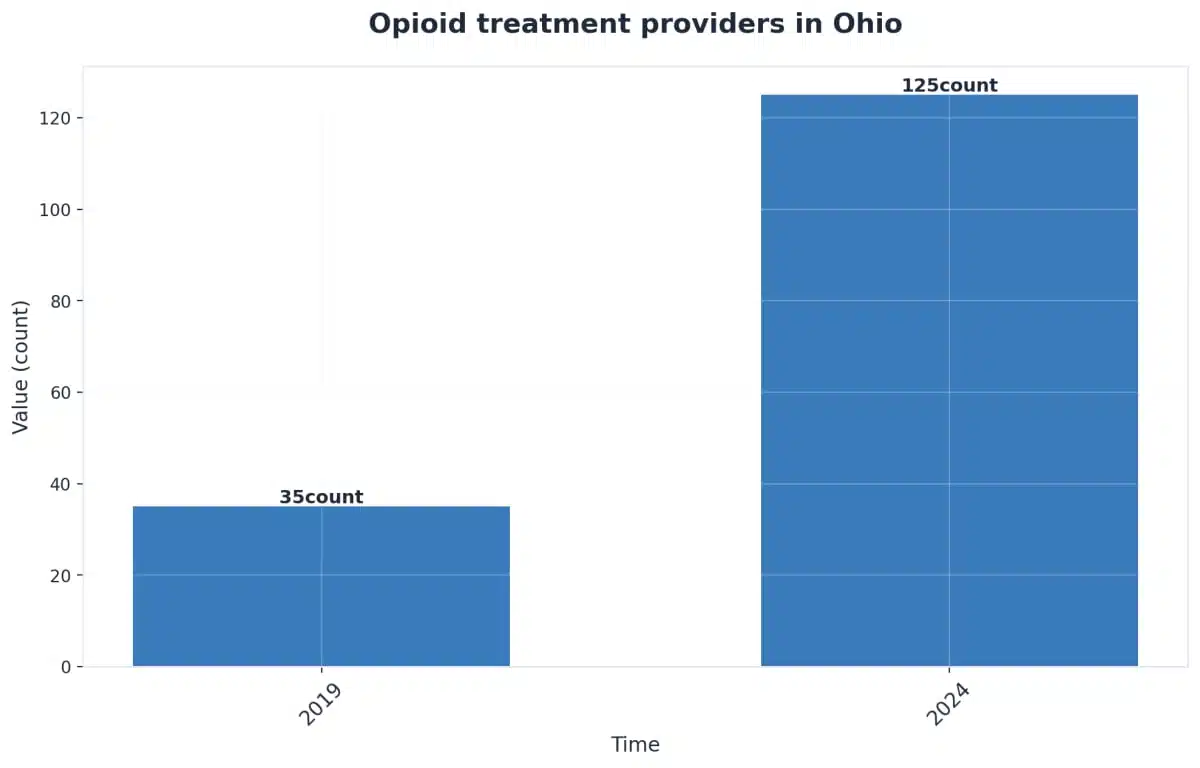
Vetting Checklist: What to Look For
Before committing to a facility, verify these three critical pillars of quality:
- Accreditation: Look for the Gold Seal of Approval from The Joint Commission or accreditation from CARF. These indicate the facility meets rigorous national safety standards4.
- Evidence-Based Therapies: Ensure they offer CBT (Cognitive Behavioral Therapy), DBT (Dialectical Behavior Therapy), and trauma-informed care.
- Licensing: The facility must be licensed by the Ohio Department of Mental Health and Addiction Services.
Navigating Insurance and Costs
Cost is often the biggest barrier to entry, but coverage is likely better than you think.
How to Verify Your Benefits
You can check your coverage by calling the number on the back of your insurance card. To get the most accurate information, use this script when speaking to a representative:
"Hello, I need to verify benefits for inpatient substance abuse treatment. Specifically, I need to know my deductible, my out-of-pocket maximum, and if pre-authorization is required for residential care (ASAM Level 3.5 or 3.7)."
Alternatively, admissions teams at centers like Arista Recovery can perform this verification for you, often within an hour, and explain the costs in plain English11.
Your Next 30 Days: Taking Action
The window of willingness to accept help can close quickly. If you are ready to move forward, follow this 4-week roadmap to transition from chaos to recovery.

Week-by-Week Implementation Plan
Week 1: Assessment & Research
Acknowledge the problem. Research 3-5 inpatient rehab Ohio facilities. Check their Google reviews and accreditation status. Call your insurance provider to understand your budget.
Week 2: Consultations
Call the admissions lines. Ask specific questions: “What is your staff-to-patient ratio?” and “Do you treat co-occurring disorders?” Schedule a tour if possible.
Week 3: Logistics & FMLA
If you are employed, contact HR about FMLA (Family and Medical Leave Act). You do not need to disclose the specific nature of your medical leave. Arrange for pet care or childcare.
Week 4: Packing & Admission
Finalize your intake date. Pack according to the facility’s list. Arrive at the center. The first 72 hours will be an adjustment, but you are in a safe place.
Resource Planning: The “Go-Bag” Checklist
When preparing for admission, knowing what to pack reduces stress. Use Ctrl + P (or Cmd + P on Mac) to print this list.
- Documents: Photo ID, Insurance Card, Pharmacy Card.
- Medications: Current prescriptions in original bottles (staff will review them).
- Clothing: 7 days of comfortable, modest clothing (laundry is usually provided).
- Toiletries: Alcohol-free mouthwash, shampoo, soap, toothbrush.
- Comfort: A journal, recovery literature, or photos of loved ones.
- Prohibited: Alcohol, unsealed food, weapons, and often personal electronics (check facility rules).
Frequently Asked Questions
Below are answers to the most common questions regarding decision paralysis, budgeting, and timing for inpatient care.
How much does inpatient rehab cost in Ohio, and what will my insurance cover?
The cost of inpatient rehab in Ohio typically ranges from $5,000 to $30,000 for a 30-day program, depending on the facility’s amenities and medical capabilities. However, thanks to federal parity laws, most Ohio insurance plans are required to cover addiction treatment in a manner similar to other medical conditions. You will likely be responsible for a deductible or co-pay. Facilities like Arista Recovery can run a free insurance verification to give you a clear estimate of out-of-pocket costs9.
What is the difference between 30-day and 90-day inpatient programs?
A 30-day program is generally sufficient for stabilization, detox, and learning the basics of recovery tools. It is best for those with mild-to-moderate addiction. A 90-day program allows for “brain healing” and deeper behavioral modification. Research consistently shows that longer stays (90 days or more) are linked to significantly lower relapse rates, making them the better choice for those with chronic relapse history or severe dependency7.
Can I bring my medications with me to inpatient treatment?
Yes, you should bring your prescribed medications. However, upon arrival, the medical staff will review them for safety and compatibility with your treatment plan. They will typically store and administer the medications to you at the appropriate times. Be sure to bring them in their original, labeled pharmacy bottles.
Will I be able to contact my family during treatment?
Yes, but usually with some restrictions. Most centers have a “blackout period” of 3 to 7 days upon arrival to help you focus entirely on stabilization. After that, phone time is typically allowed during designated hours, and family therapy sessions are encouraged to help rebuild trust and support systems11.
How do I verify a treatment center’s accreditation and licensing in Ohio?
You should look for accreditation from The Joint Commission or CARF. You can verify a facility’s status by visiting these organizations’ websites and searching for the facility name. Additionally, you can check the Ohio Department of Mental Health and Addiction Services website for state licensure status. Accreditation ensures the facility meets high standards for safety and care quality4.
What happens if I need to leave treatment early for a family emergency?
If a genuine emergency arises, staff will work with you to handle the situation. However, leaving against medical advice (AMA) is discouraged as it interrupts the healing process. Facilities can often help facilitate communication or temporary solutions to manage the emergency without fully discharging you from the program.
Is medication-assisted treatment (MAT) available at all Ohio inpatient facilities?
Not all facilities offer MAT. While it is the gold standard for opioid and alcohol use disorders, some centers follow an abstinence-only model. If you require medications like Suboxone or Vivitrol to manage cravings, you must specifically ask the admissions team if they provide MAT services before enrolling3.
Finding Hope at Arista Recovery
Recovery is not just about stopping substance use; it is about building a life you are excited to live. At Arista Recovery, we specialize in helping Ohioans navigate this complex journey with dignity and expertise.
Our dual-diagnosis programs are designed to treat the whole person, not just the symptoms. By combining medical excellence with compassionate, trauma-informed care, we provide the tools necessary for lasting change. If you are ready to take the first step, our team is available 24/7 to answer your questions and verify your insurance benefits.
Call (888) 123-4567 today. Your future is waiting.
References
- SAMHSA National Survey on Drug Use and Health: Ohio State Report. https://www.samhsa.gov/data/sites/default/files/reports/rpt29393/2021NSDUHsState.pdf
- Ohio Department of Health – Prevention and Wellness Division. https://health.ohio.gov/Divisions-and-Offices/Prevention-and-Wellness
- NIDA – Treatment of Opioid Use Disorder in Specialized Settings – NCBI Bookshelf. https://www.ncbi.nlm.nih.gov/books/NBK532949/
- The Joint Commission – Behavioral Health Care Accreditation Standards. https://www.jointcommission.org/accreditation/behavioral-health-care/
- NAMI – Understanding Co-Occurring Disorders. https://www.nami.org/Get-Involved/Awareness-Events/Mental-Health-Month/Co-Occurring-Disorders
- American Psychiatric Association – DSM-5 Diagnostic Framework. https://www.psychiatry.org/psychiatrists/practice/dsm/updates-to-the-dsm-5
- JAMA – Long-term Outcomes of Addiction Treatment Follow-up Study. https://jamanetwork.com/journals/jama/article-abstract/1486408
- American Psychological Association – Substance Abuse Treatment Resources. https://www.apa.org/ed/precollege/psychology-teacher-network/resources/substance-abuse
- Health Affairs – Insurance Coverage and Addiction Treatment Access. https://www.healthaffairs.org/articles/addiction-treatment-access-and-insurance
- Ohio Attorney General’s Office – Opioid Settlement and Prevention Initiatives. https://www.ohioattorneygeneral.gov/
- Inpatient Addiction Treatment in Ohio: A Comprehensive Guide to Finding Trustworthy Care. local://document
