 Now under new ownership & part of the Arista Recovery Network! For more information,

Key Takeaways: Is Inpatient Care Right for You?
- Assess Your Safety: If you experience shakes, seizures, or severe anxiety when stopping alcohol, 24/7 medical monitoring is critical.
- Check Your Environment: If your home life includes triggers or lack of support, a residential stay provides the necessary separation to heal.
- Review Your History: If outpatient therapy hasn’t prevented relapse in the past, the structured environment of inpatient care offers a higher level of intervention.
- Immediate Action: Call a provider to verify insurance benefits before a crisis occurs; knowing your coverage reduces decision paralysis.
Ohio’s Inpatient Rehab Alcohol Landscape in 2025
Understanding Ohio’s Recovery Progress
Ohio is making real strides in helping people recover from alcohol use disorder, and understanding the current landscape can help you feel more confident in seeking inpatient rehab alcohol services. If you live in Columbus, Cincinnati, Cleveland, or anywhere in between, the data shows a hopeful trend toward better access and outcomes.
Recent statistics highlight significant improvements in the state’s recovery ecosystem:
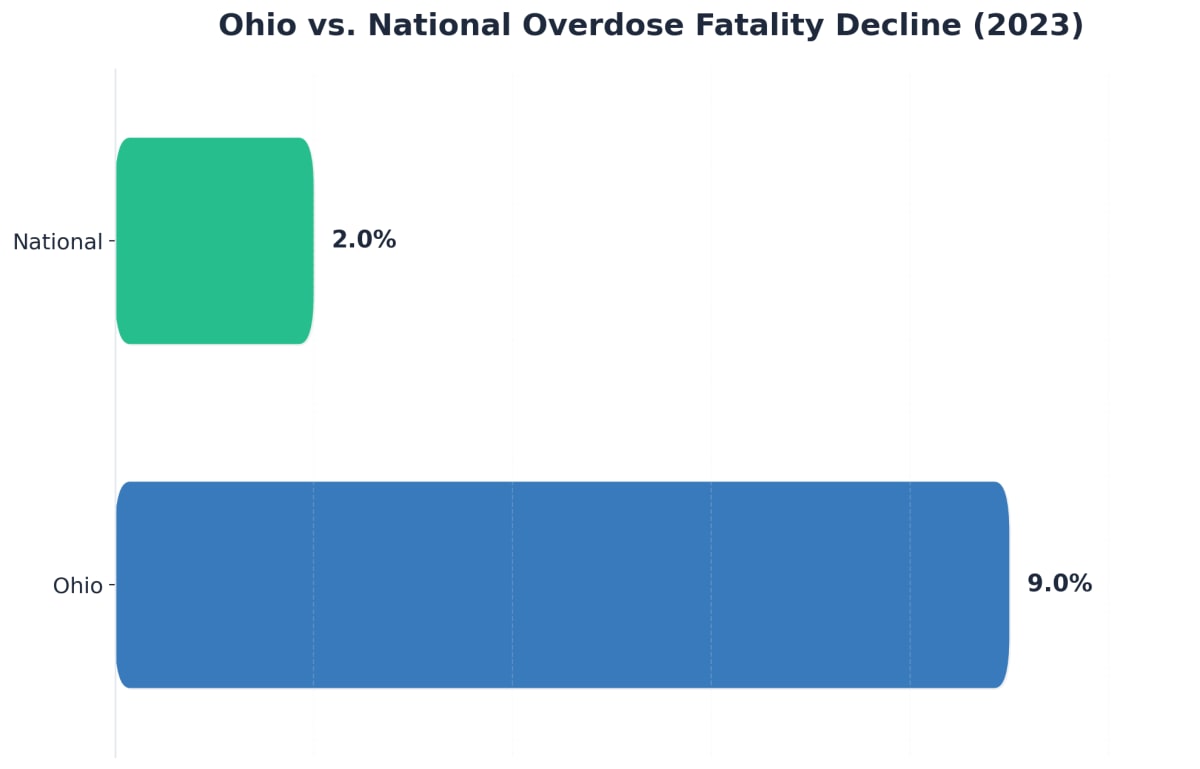
- Overdose Reduction: In 2023, Ohio saw a 9% drop in overdose deaths, significantly outpacing the national average of 2%.
- Projected Success: Projections for 2024 indicated a massive 35% decrease in overdose deaths, marking the largest single-year decline since 2019.1
- Provider Growth: The network of treatment providers has expanded from 35 in 2019 to 125 today, increasing your ability to find help nearby.
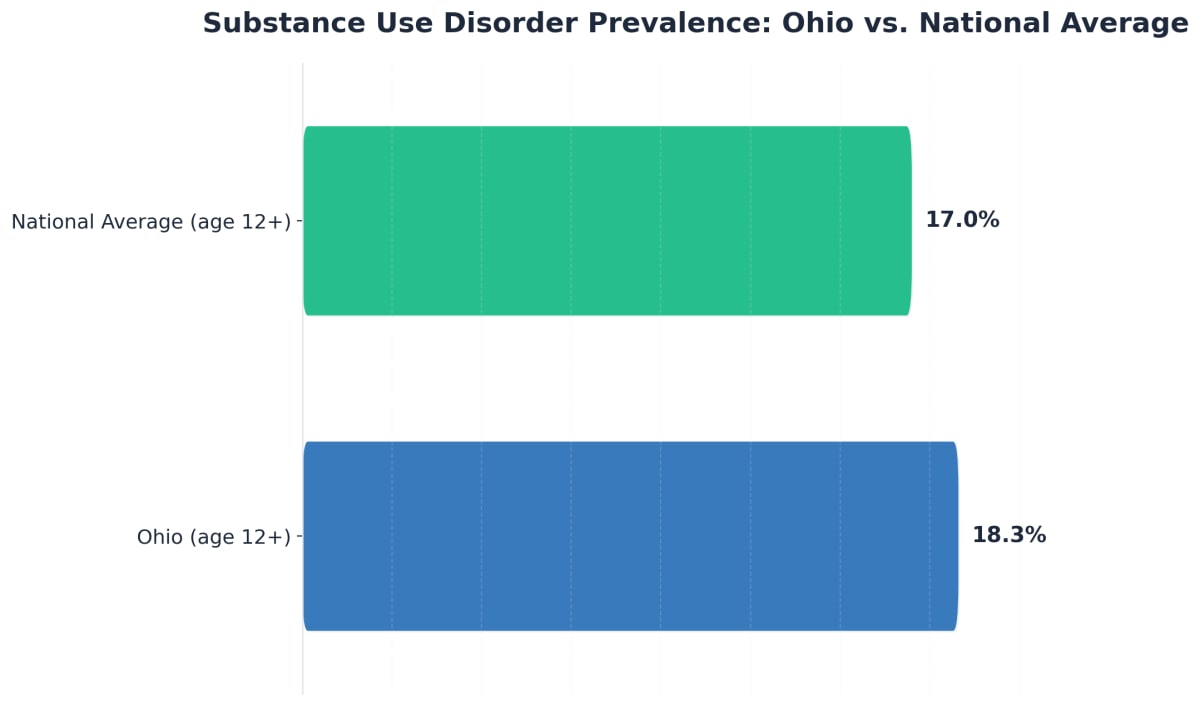
Despite this progress, challenges remain. Approximately 18.3% of Ohioans age 12 and up still live with a substance use disorder, which is higher than the national average.1 As you explore your options, remember that recovery is possible—and Arista is here to guide you through the process.
What Inpatient Alcohol Rehab Provides
When you or someone you love enters inpatient rehab alcohol treatment in Ohio, you are securing a structured environment designed to break the cycle of addiction. Unlike outpatient care, inpatient rehab involves living at the facility for a set period, removing you from everyday triggers and allowing your mind and body to focus entirely on healing.
A comprehensive inpatient program typically includes the following core components:
- 24/7 Medical Support: Round-the-clock access to doctors and nurses to manage health needs.
- Structured Therapy: Daily schedules including individual counseling, group therapy, and educational sessions.
- Medication-Assisted Treatment (MAT): Evidence-based medical interventions to reduce cravings and prevent relapse.
- Family Involvement: Sessions designed to rebuild trust and strengthen your home support system.
Research indicates that starting medication-assisted treatment at discharge can lower the risk of hospital re-admission or death by 42%.2 At Arista, we integrate these evidence-based practices to ensure you feel understood and cared for during your journey.
Medical Detox & Treatment Approaches
Safe Alcohol Withdrawal Management
The first step in many inpatient rehab alcohol programs in Ohio is medical detox. This process manages the physical symptoms of withdrawal, which can range from uncomfortable to life-threatening. Attempting to detox alone (“cold turkey”) can be dangerous, making professional medical supervision essential.
Common withdrawal symptoms managed during detox include:
- Mild: Anxiety, shaky hands, headache, nausea.
- Moderate: Increased blood pressure, confusion, rapid heartbeat.
- Severe: Seizures, hallucinations, or Delirium Tremens (DTs).
Doctors often use benzodiazepines to ease these symptoms and prevent seizures, a practice supported by national medical guidelines.7 Ohio has invested heavily in expanding detox resources in cities like Columbus and Cincinnati, ensuring that accredited facilities like Arista can provide care that meets strict state and federal safety standards.
Medication-Assisted Treatment Benefits
Medication-Assisted Treatment (MAT) is a cornerstone of modern recovery. It combines behavioral therapy with medications like naltrexone and acamprosate to treat substance use disorders. This isn’t about swapping one addiction for another; it is a medical intervention to stabilize brain chemistry.
“Starting medication-assisted treatment at hospital discharge can cut the risk of returning to the hospital or dying within 30 days by 42%.” 2
Whether you are in Cleveland, Dayton, or a rural community, access to these treatments has expanded. Arista’s team utilizes MAT to help reduce cravings and normalize body functions, allowing you to focus fully on the counseling and peer support aspects of your recovery plan.
Ohio Regulations & Insurance Coverage
State Licensing & Accreditation Standards
When choosing a facility, verification is key. In Ohio, reputable inpatient rehab alcohol programs must be licensed by the Ohio Department of Mental Health and Addiction Services (OhioMHAS). This licensure ensures the facility meets safety, staffing, and operational standards.
Beyond state licensing, look for national accreditation from bodies such as:
- CARF: Commission on Accreditation of Rehabilitation Facilities.
- The Joint Commission: The gold standard for healthcare quality and safety.
Facilities accepting Medicare or Medicaid must also adhere to federal guidelines, including specific therapy hour requirements and quality reporting.10 Arista is committed to meeting these rigorous standards to provide you with safe, effective care.
Understanding Treatment Costs in Ohio
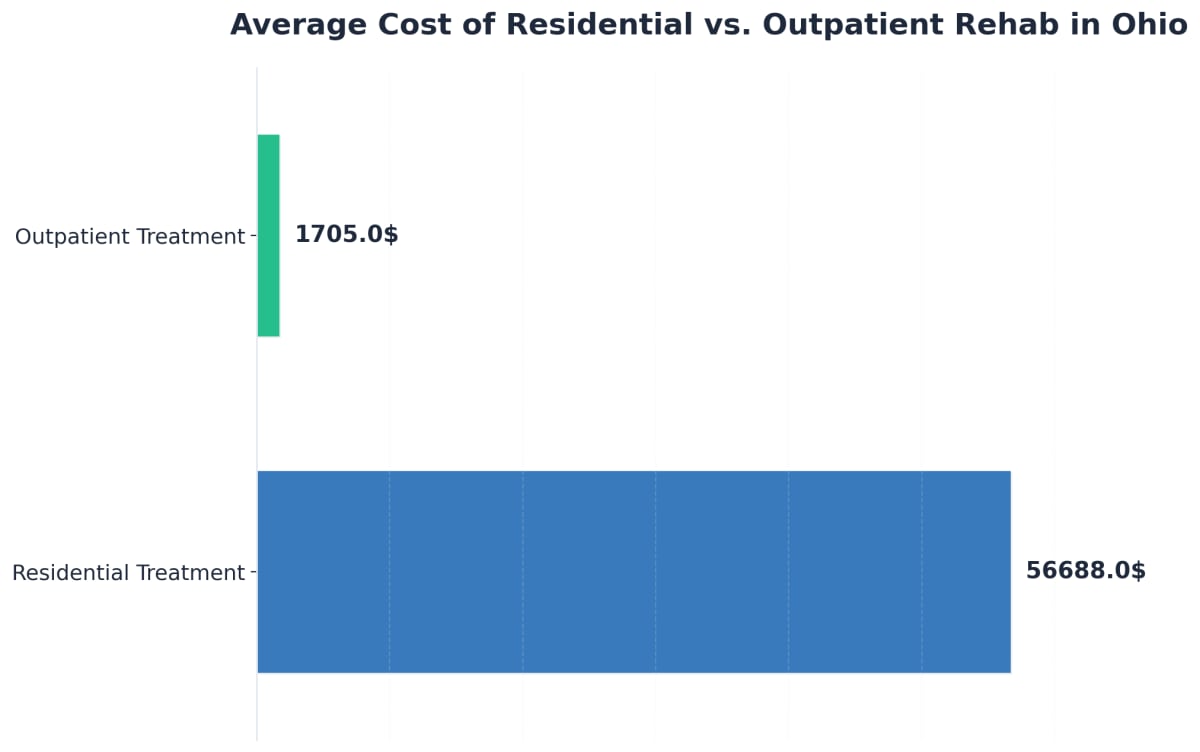
Cost is often the biggest concern for families. Understanding the financial landscape helps you plan effectively. The table below outlines typical cost ranges for treatment in Ohio, though specific costs vary by facility and location.
| Treatment Type | Average Cost (Ohio) | Best Suited For |
|---|---|---|
| Residential (Inpatient) | ~$56,688 per stay3 | Severe addiction, co-occurring disorders, lack of safe home environment. |
| Outpatient | $1,400 – $10,000 (30 days)3 | Mild symptoms, strong support system, need to maintain employment. |
Most Ohio centers accept private insurance, Medicaid, or Medicare. However, navigating “medical necessity” rules can be complex.4 Arista acts as a partner in this process, helping you verify benefits and handle the paperwork so you can focus on recovery.
Specialized Programs & Regional Access
Dual Diagnosis & Co-Occurring Disorders
It is common for individuals seeking inpatient rehab alcohol treatment to also struggle with mental health issues like depression, anxiety, or PTSD. This is known as a dual diagnosis. Research confirms that anxiety and depression rates are significantly higher among those with alcohol use disorder.8
Integrated treatment addresses both conditions simultaneously, which leads to better outcomes than treating them separately. At Arista, a dual diagnosis care plan might include:
- Psychiatric Evaluation: To identify underlying mental health conditions.
- Medication Management: To stabilize mood and reduce anxiety.
- Trauma-Informed Therapy: To address the root causes of substance use.
Finding Treatment Across Ohio Communities
Access to care varies depending on where you live in Ohio. While the number of providers has jumped to 125, regional differences exist.1
Regional Considerations:
- Urban Centers (Columbus, Cleveland, Cincinnati): Higher density of specialized facilities but potentially longer waitlists for state-funded beds.
- Rural Areas: May face transportation barriers, though telehealth and peer support networks are expanding.
If you are in a rural area or a busy city, Arista can help you navigate these logistics to ensure a smooth transition into care.
Choosing the Right Inpatient Rehab Alcohol Program
Finding the right inpatient rehab alcohol program requires looking beyond the brochure. Use this checklist to evaluate potential facilities and ensure they align with your specific recovery needs:
- Treatment Philosophy: Does the program use evidence-based approaches like Cognitive Behavioral Therapy (CBT) and MAT? Look for a balance of clinical care and holistic practices like nutrition and mindfulness.
- Staff-to-Patient Ratio: Aim for a ratio of 1:6 or better. This ensures you receive individualized attention rather than getting lost in a crowd.
- Family Involvement: Does the facility encourage family therapy? Patients whose families participate often see success rates improve by up to 50%.
- Location Strategy: Consider if you need to be close to home for family visits (easier for Ohio residents staying in-state) or if a secluded environment further away would help minimize distractions.
- Aftercare Planning: Does the program start planning your discharge on day one? Quality care includes connecting you with local support groups and outpatient services before you leave.
Trust your instincts during facility tours or phone consultations. The right program should feel like a safe space where you can be vulnerable and committed to your healing.
Frequently Asked Questions
How long does inpatient alcohol rehab typically last in Ohio?
Most inpatient rehab alcohol programs in Ohio last between 28 and 90 days. The exact length depends on your needs, your provider, and sometimes your insurance. While a 30-day stay is common, research shows that people who stay in treatment for at least three months have better long-term recovery outcomes compared to those with shorter stays 9. Some Ohio facilities, including Arista, can tailor your stay based on progress and medical recommendations. No matter the length, every day in treatment is a step toward healing, and Arista’s team will help find the right fit for your journey.
Will my insurance cover inpatient alcohol treatment in Ohio?
Most insurance plans in Ohio, including Medicaid, Medicare, and many private insurers, do cover some or all of the costs for inpatient rehab alcohol treatment. However, coverage can vary a lot depending on your plan, the facility, and what services you need. Some families run into limits like strict medical necessity rules or certain treatments not being covered, especially with Medicaid and private plans 4. That’s why it helps to work with a trusted provider like Arista, who can walk you through your options and help with insurance paperwork. If you’re unsure, reach out—Arista will help you understand your coverage and next steps.
Can I receive alcohol treatment if I also have anxiety or depression?
Yes, you can absolutely receive alcohol treatment if you also have anxiety or depression. In fact, many Ohio inpatient rehab alcohol centers, including Arista, specialize in treating both issues at the same time—a practice called integrated or dual diagnosis care. Studies show that people with alcohol use disorder often have much higher rates of anxiety or depression than the general Ohio population, and addressing both together leads to better recovery outcomes 8. Your treatment plan can include therapy, medication management, and extra support for your mental health as well as your recovery. You don’t have to choose between getting help for alcohol or mental health—Arista makes sure you get the right care for both.
What happens if I relapse after completing inpatient treatment?
Relapse can feel discouraging, but it doesn’t mean your recovery is over. Many people in Ohio experience setbacks after completing inpatient rehab alcohol treatment—this is a normal part of the healing process. The most important step is to reach out for support right away. At Arista, we help you develop a plan before you leave treatment, so if relapse happens, you know who to call and what to do next. Studies show that having ongoing support and a plan for continuing care leads to better long-term outcomes for recovery 9. Remember, you’re not alone, and help is always available to get back on track.
Are family members involved in the treatment process?
Yes, family members are usually encouraged to be part of the inpatient rehab alcohol process in Ohio. Most treatment centers—including Arista—understand that recovery is stronger when loved ones are involved. Your family might join in educational sessions, group therapy, or family meetings designed to rebuild trust and support your healing. Research shows this kind of involvement can improve outcomes and help prevent relapse 8. If you’re worried about how your family fits in, Arista’s team will guide you and answer questions every step of the way. You’re not in this alone—recovery is a team effort.
How do I know if I need inpatient treatment versus outpatient care?
Deciding between inpatient rehab alcohol treatment and outpatient care in Ohio comes down to your needs and situation. Inpatient rehab is best if you need 24/7 support, have tried outpatient before without success, or face serious withdrawal risks at home. It’s a good fit if your daily life or safety is affected by alcohol use, or if you have other health challenges that need close monitoring. Outpatient care might work if you have a strong support system and your symptoms are less severe. If you’re unsure, Arista’s team can help you weigh your options and find the right level of care for your recovery journey 5.
What should I bring with me to inpatient alcohol rehab?
Packing for inpatient rehab alcohol treatment in Ohio doesn’t have to be stressful. You’ll want to bring comfortable clothes, personal toiletries (without alcohol), and a list of any current medications. Most centers recommend bringing a journal, family photos, and a few books for downtime. Leave valuables, large amounts of cash, and anything with alcohol or unapproved substances at home. Each Ohio facility, including Arista, has its own rules, so check their guidelines before you go. If you’re unsure, Arista’s team is always happy to help you prepare for this important step in your recovery journey 5.
Start Your Recovery Journey in Ohio
Once you have identified the program characteristics that matter most—whether that is dual diagnosis capability, family involvement, or specific therapeutic approaches—the next step is connecting with actual treatment providers who can assess your situation and recommend appropriate care.
Immediate Next Steps:
- Gather Information: Have your insurance card, a list of current medications, and a brief history of substance use ready.
- Verify Benefits: Contact Arista or your insurance provider to understand your coverage and out-of-pocket costs.
- Schedule an Assessment: Most facilities can schedule an intake assessment within 24-48 hours.
You can also contact the Ohio Department of Mental Health and Addiction Services helpline at 1-877-275-6364 for confidential guidance. Whether you are in Columbus, Cleveland, Cincinnati, or a smaller community, these initial conversations help match you with the structured environment necessary for lasting change. Your recovery journey begins with this first conversation—make that call today.
References
- Addiction Treatment Statistics in Ohio: What You Need to Know. https://www.recreateohio.com/addiction-treatment-statistics-in-ohio/
- Outcomes After Initiation of Medications for Alcohol Use Disorder at Hospital Discharge. https://jamanetwork.com/journals/jamanetworkopen/fullarticle/2816962
- Average Cost of Drug Rehab : by Type, State & More. https://drugabusestatistics.org/cost-of-rehab/
- Insurance barriers to substance use disorder treatment after …. https://pmc.ncbi.nlm.nih.gov/articles/PMC9948907/
- Treatment Types for Mental Health, Drugs and Alcohol | SAMHSA. https://www.samhsa.gov/find-support/learn-about-treatment/types-of-treatment
- Pharmacotherapy for Alcohol Use Disorder: A Systematic Review and Meta-Analysis. https://jamanetwork.com/journals/jama/fullarticle/2811435
- Alcohol Withdrawal Syndrome. https://www.aafp.org/pubs/afp/issues/2004/0315/p1443.html
- Alcohol Use Disorder and Common Co-occurring Conditions. https://www.niaaa.nih.gov/health-professionals-communities/core-resource-on-alcohol/mental-health-issues-alcohol-use-disorder-and-common-co-occurring-conditions
- The Continuing Care Model of Substance Use Treatment. https://pmc.ncbi.nlm.nih.gov/articles/PMC4007701/
- Inpatient Rehabilitation Facilities – CMS. https://www.cms.gov/medicare/health-safety-standards/certification-compliance/inpatient-rehabilitation-facilities
