Now under new ownership & part of the Arista Recovery Network! For more information,

Key Takeaways for Ohio Families
- Safety First: Inpatient detox is medically necessary for alcohol, benzodiazepine, and opioid withdrawal to prevent life-threatening complications like seizures.
- Financial Clarity: Most Ohio insurance plans cover medically necessary detox; verification typically takes less than 24 hours.
- Success Rates: Transitioning directly from detox to residential care increases 1-year sobriety rates by up to 60%2.
- Immediate Action: Use the ASAM criteria checklist below to determine if you need 24/7 monitoring versus outpatient support.
Understanding Inpatient Detox Ohio Needs
For many residents seeking inpatient detox Ohio services, medically supervised withdrawal is the safest place to begin recovery. Your body’s response to stopping substance use depends on several factors, including what substances you’ve been using, how long you’ve been using them, and your overall health. While some may consider handling this at home, the physical risks often necessitate professional intervention.
Some substances create physical dependencies that can be dangerous—or even life-threatening—to stop using without professional support. Alcohol and benzodiazepines, for example, can cause seizures during withdrawal. Opioids, while typically not life-threatening during withdrawal, can cause severe discomfort that makes it nearly impossible to complete detoxification without clinical assistance. Stimulants like methamphetamine may require monitoring for cardiovascular complications and psychological support during the crash period.
“Research shows that supervised detox reduces life-threatening complications by up to 80% compared to trying to quit on your own.”1
Professionally supervised withdrawal provides 24-hour care from healthcare professionals who can manage symptoms safely. This might include medications to ease discomfort, prevent complications, and reduce cravings. In Ohio, these programs are available in hospital settings, residential treatment centers, and specialized facilities throughout the state.
What Makes Withdrawal Dangerous
Withdrawal isn’t just uncomfortable—it can sometimes be life-threatening. The most dangerous symptoms include seizures, hallucinations, severe confusion, fast heart rate, and extreme blood pressure swings. These problems are most likely with alcohol, benzodiazepines, or when someone is using more than one substance at a time.
| Substance | Primary Risks | Medical Necessity |
|---|---|---|
| Alcohol | Seizures, Delirium Tremens (DTs), Dehydration | Critical |
| Benzodiazepines | Seizures, Psychosis, Rebound Anxiety | Critical |
| Opioids | Severe Dehydration, Vomiting, Relapse Risk | High |
For example, severe alcohol or benzodiazepine withdrawal can lead to a risk of death without medical oversight, with mortality rates as high as 2-5% if left untreated4. This approach is ideal for anyone in Ohio who has experienced withdrawal before, has underlying health issues, or doesn’t have a safe, supportive place to recover. At Arista, you’ll find a caring team ready to help you through these risks with round-the-clock monitoring.
Alcohol & Benzodiazepine Risks
When it comes to alcohol and benzodiazepine withdrawal, the risks are especially high. Complicated withdrawal can bring on seizures, hallucinations, or a dangerous state called delirium tremens—these are medical emergencies that need immediate attention. Inpatient detox Ohio programs, like those at Arista, are set up to watch for these issues 24/7 and act fast if needed.
Doctors often use medications such as benzodiazepines to safely manage alcohol withdrawal, but this needs careful monitoring to avoid new complications6. This approach works best when you or your loved one has a history of heavy drinking, long-term benzodiazepine use, or any serious health problems.
Opioid & Polysubstance Complications
Opioid withdrawal can feel overwhelming, with symptoms like muscle aches, vomiting, and intense cravings. When more than one substance is involved—what’s called polysubstance use—the risks get even trickier. Each drug can interact in unpredictable ways, making withdrawal symptoms less predictable and sometimes more severe.
For example, someone using both opioids and benzodiazepines may have overlapping withdrawal dangers that require constant medical attention. Inpatient detox Ohio programs, like Arista, have the experience and resources to handle these unpredictable situations with 24/7 care. Research shows that polysubstance withdrawal can quickly become a medical emergency without proper monitoring10.
Self-Assessment: Do You Need Inpatient Care?
Here’s a simple self-assessment tool to help you decide if inpatient detox in Ohio is the right step. Ask yourself the following questions:
- Are you worried about severe withdrawal (like shakes, confusion, or past seizures)?
- Do you have a medical or mental health condition that could get worse during withdrawal?
- Has outpatient detox or quitting at home failed before?
If you answered yes to any of these, professional help is likely needed. Research shows about 15–20% of people seeking treatment truly need the safety of 24-hour medical support3. Programs like Arista in Ohio are designed to keep you safe and support your journey, especially if you face multiple risks.
Decision Framework for Inpatient Detox Ohio
Choosing the right level of care for yourself or a loved one requires careful consideration of several key factors. Think of this decision as matching the intervention’s scope to the severity of withdrawal symptoms and overall health needs. Start by honestly assessing the substance involved and the duration of use.
Long-term dependence on alcohol, benzodiazepines, or opioids typically requires medical supervision due to potentially dangerous withdrawal complications. If you’ve been using substances daily for months or years, physician-supervised detoxification offers the safest path forward. Consider your physical health status next. Do you have existing medical conditions like heart disease, diabetes, or liver problems?
Are you taking medications that could interact with withdrawal symptoms? These factors significantly increase the need for 24/7 medical monitoring that residential detoxification provides. Your previous withdrawal experiences matter too. If you’ve attempted to quit before and experienced severe symptoms like seizures, hallucinations, or intense physical distress, you’ll benefit from more comprehensive medical support.
ASAM Criteria Explained Simply
Let’s break down the ASAM Criteria—a trusted tool used by Arista and most Ohio providers to match you with the safest detox setting. The ASAM Criteria (American Society of Addiction Medicine) is a set of guidelines that sorts people into different levels of care, based on how risky their withdrawal might be, their health needs, and their support at home.
Think of it as a decision tree: if your withdrawal symptoms are mild and you have strong support, outpatient care might be enough. But if you’re facing serious risks like seizures, heart problems, or mental health concerns, inpatient detox in Ohio is usually the safest route. About 15–20% of people needing addiction treatment meet the criteria for inpatient detox, so it’s not just for extreme cases3.
Six Assessment Dimensions
When you or a loved one in Ohio are being evaluated for inpatient detox, professionals at Arista and other trusted centers use the ASAM Criteria’s six assessment dimensions. Here’s a quick checklist to help you understand what’s reviewed:
- Withdrawal Potential: How risky or severe your symptoms might get.
- Medical Conditions: Any health problems like heart or liver issues.
- Emotional or Behavioral Health: Things like anxiety, depression, or recent trauma.
- Readiness to Change: How motivated you feel right now.
- Relapse Risk: Past attempts and triggers.
- Recovery Environment: Your support at home and in the community.
Each area helps paint a full picture of your needs, making sure inpatient detox Ohio is chosen when safety is a concern and extra support is needed. Research confirms that using these dimensions leads to better placement and safer outcomes for clients2.
Comparing Your Detox Options
Here’s a practical side-by-side tool to help you compare your detox choices in Ohio. On one hand, inpatient detox centers like Arista provide round-the-clock monitoring, immediate medical help, and a safe environment—especially if your withdrawal risks are high or unpredictable. Outpatient detox, meanwhile, lets you stay at home and visit a clinic for support, which may work if your symptoms are mild and you have a strong support system.
| Feature | Outpatient Detox | Inpatient Detox (Arista) |
|---|---|---|
| Supervision | Scheduled visits | 24/7 Medical Monitoring |
| Environment | Home (potential triggers) | Controlled, Substance-Free |
| Safety Level | Moderate (if stable) | Highest (Immediate response) |
| Cost | $1,000 – $1,500 (approx) | Varies by insurance/length |
Research shows that people with severe substance use or other health issues do best with 24/7 inpatient care, as it lowers life-threatening complication risks by up to 80% compared to being on your own1. This route fits those who need constant supervision, have tried outpatient options without success, or face multiple substance withdrawal.
Implementation Pathways for Recovery
Once you’ve identified the appropriate level of care, the next step involves turning that decision into action. For Ohio residents, several pathways can help you or your loved one access treatment quickly and effectively. Many people begin by contacting their insurance provider to understand coverage details and obtain a list of in-network facilities.

This conversation helps clarify what services are covered and whether pre-authorization is required. If you’re unsure about insurance benefits, treatment centers throughout Ohio typically offer free verification services that handle these steps for you. Another common pathway starts with a professional assessment. Addiction specialists, primary care physicians, or behavioral health professionals can conduct evaluations that determine the most suitable care level based on your specific situation.
Planning Your Inpatient Detox Stay
Planning your inpatient detox stay in Ohio can feel much less daunting when you know what to expect. Most inpatient detox Ohio programs, like Arista, will walk you through each part before arrival, answering any questions you have. These facilities offer 24/7 support from nurses, doctors, and mental health professionals—all trained to help you feel safe and supported.
Click to view the Pre-Admission Checklist
- Confirm Date: Lock in your admission date and time.
- Documents: Gather ID, insurance card, and a list of current medications.
- Logistics: Arrange transportation to the facility and inform close family.
- Medical History: Prepare a brief history of substance use and medical conditions for the intake nurse.
- Packing: Pack 5-7 days of comfortable clothes (no drawstrings/belts usually allowed).
Research shows that having a clear plan and coordinated care helps patients in Ohio move smoothly from detox into ongoing recovery, increasing their chances of long-term success by up to 60% when paired with follow-up treatment2.
Medication-Assisted Treatment Options
Medication-assisted treatment (MAT) means using safe, proven medicines to ease withdrawal symptoms and reduce cravings while you’re in inpatient detox Ohio. Common options include buprenorphine or methadone for opioid use, and carefully managed benzodiazepines for alcohol withdrawal. These medications are chosen based on your health history and substance use, and are always started under close watch by Arista’s medical team.
MAT is especially helpful if you’ve struggled with cravings, relapsed in the past, or need extra support to stay comfortable during detox. Research shows starting MAT during inpatient detox boosts the chances of moving successfully into ongoing recovery treatment by up to 85% in integrated programs7.
Resource Planning & Insurance Coverage
Taking care of the details—like insurance and resources—can make your inpatient detox Ohio experience run much smoother. Start by calling your insurance provider or asking Arista’s admissions team to check your plan’s coverage for inpatient addiction treatment. Every plan is different—some cover most of your stay, while others may have limits or require pre-authorization.
Be sure to ask if your policy covers medication-assisted treatment, mental health services, and ongoing recovery programs. Most insurance plans in Ohio will cover at least part of medically necessary detox, but out-of-pocket costs can vary. Research shows that when coverage details are sorted ahead of time, up to 85% of patients successfully move from detox to ongoing care in integrated programs7.
Your Next 30 Days Action Plan
Taking your initial move toward recovery can feel overwhelming, but breaking it down into manageable actions makes the journey less daunting. Here’s a practical 30-day roadmap to help you or your loved one move from contemplation to action.

Week 1: Assessment & Verification
Week one of your inpatient detox Ohio plan is all about setting a strong foundation with assessment and insurance verification. Most Ohio detox programs—especially at Arista—make this process warm and welcoming, not intimidating, because they know how stressful it can feel.
ACTION SCRIPT:
"Hello, I am calling to verify benefits for [Name].
We are looking for inpatient detox services in Ohio.
Can you check if [Insurance Provider] is in-network
and what the out-of-pocket costs might be?"
Research shows that early assessment and clear insurance planning help up to 85% of patients move smoothly from detox into treatment, keeping recovery on track7. This approach is ideal if you want to focus on healing instead of paperwork and make sure your support is lined up from day one.
Weeks 2-4: Detox to Ongoing Treatment
Weeks two through four of your inpatient detox Ohio experience are all about building momentum and making a smooth shift into ongoing treatment. Most inpatient detox programs, including Arista’s, now emphasize rapid transitions—aiming to move you into your next level of care within 24-72 hours after detox is complete.
Maximizing Your Inpatient Stay
To get the most out of your inpatient detox Ohio experience, it helps to approach weeks two through four with intention. Join daily therapy groups and activities—these are where you’ll learn coping skills and build bonds with others facing similar challenges. Meet regularly with your Arista care team to review progress, ask questions, and adjust your plan as needed.
Stay open about struggles—sharing honestly helps staff tailor support and spot any early signs of trouble. Inpatient detox programs in Ohio that focus on engagement and rapport-building see much higher rates of people moving into ongoing recovery—up to 85% successfully transition, compared to much lower numbers in less integrated settings7.
Transitioning to Residential Care
Transitioning from inpatient detox Ohio to residential care is a key step in keeping your recovery on track. Work with your Arista care team early to schedule your next level of care—most Ohio programs aim for a handoff within 24-72 hours after detox. Review your aftercare plan together, covering medications, therapy, and any mental health needs.
Arrange transportation and make sure your insurance is updated for the new setting. Research shows that up to 85% of patients successfully continue treatment when these transitions are planned ahead in integrated programs, lowering the chance of relapse and boosting long-term recovery7.
Finding Expert Inpatient Detox in Ohio
Finding the right medically supervised withdrawal program in Ohio requires careful consideration of several key factors. You’ll want to start by verifying that any facility you’re considering is licensed by the Ohio Department of Mental Health and Addiction Services. This ensures they meet state standards for safety, staffing, and care quality.
Look for programs that offer 24/7 medical supervision with board-certified physicians and experienced nursing staff. Medical expertise is essential during detox, as withdrawal symptoms can be unpredictable and potentially serious. The best facilities have protocols in place to manage complications and keep you comfortable throughout your stay.
Consider the treatment approach each program uses. Evidence-based care should include medication-assisted treatment when appropriate, individual counseling, and a clear transition plan to continuing care. Ask about their success rates and how they measure outcomes. Transparency about results indicates a commitment to quality care.
If you’re ready to learn more about treatment options or need help determining the right level of support, reaching out for a confidential conversation is a meaningful move toward healing and transformation. You can contact admissions at 1-800-XXX-XXXX (placeholder) or visit Arista Recovery online.
Frequently Asked Questions
How much does inpatient detox cost in Ohio, and what will my insurance cover?
The actual cost of inpatient detox in Ohio varies based on your length of stay, insurance plan, and the type of treatment center. Most insurance plans—including Medicaid, private insurance, and some employer benefits—do cover medically necessary inpatient detox, but they may have specific requirements like pre-authorization or referrals. The best way to know your coverage is to call your insurer or let Arista’s admissions team verify your benefits for you. While every plan is different, research shows that when insurance is sorted out ahead of time, up to 85% of people in integrated programs make a smooth transition from detox to ongoing care, reducing stress for families7.
What happens if I’ve tried outpatient detox before and it didn’t work?
If outpatient detox hasn’t worked for you, don’t lose hope—many people in Ohio find they need more support to get through early recovery. When outpatient detox doesn’t stick, it’s usually a sign that withdrawal symptoms are too tough or that other health or mental health issues are in play. Research shows that people who move from outpatient to inpatient detox Ohio, then continue into ongoing treatment, have up to double the success rate for staying sober over a year compared to those who only do detox without follow-up care2.
Can I detox at home with family support instead of going to inpatient treatment?
Detoxing at home with family support might sound comforting, but it isn’t always safe—especially if you’re dealing with alcohol, benzodiazepines, or opioids. Withdrawal from these substances can cause dangerous symptoms like seizures, hallucinations, or heart problems. Inpatient detox Ohio programs, such as Arista, offer 24/7 medical monitoring to catch problems early and provide immediate help. Research shows that supervised detox reduces life-threatening complications by up to 80% compared to trying to quit on your own1.
How long does inpatient detox typically last, and what happens afterward?
Most inpatient detox in Ohio usually lasts between 5 and 14 days, depending on your health, the substances involved, and how severe your withdrawal symptoms are. Staff at centers like Arista check on you every day and adjust your care as you get stronger. After your detox stay, it’s common to move directly into a residential or outpatient recovery program—this step is key because research shows that up to 85% of people who go straight from detox to ongoing treatment have a much better shot at long-term recovery7.
Will my employer find out if I enter inpatient detox?
Your privacy is protected when you enter inpatient detox in Ohio, including at trusted centers like Arista. By law, your treatment information is confidential and cannot be shared with your employer without your written permission. This includes details about your stay, your diagnosis, and any medication-assisted treatment you may receive. The only exceptions are rare cases where you choose to use sick leave, short-term disability, or ask your employer for a formal leave of absence—then you might need to provide a doctor’s note, but it won’t list your specific reason for care.
What if I have both a mental health condition and substance use disorder?
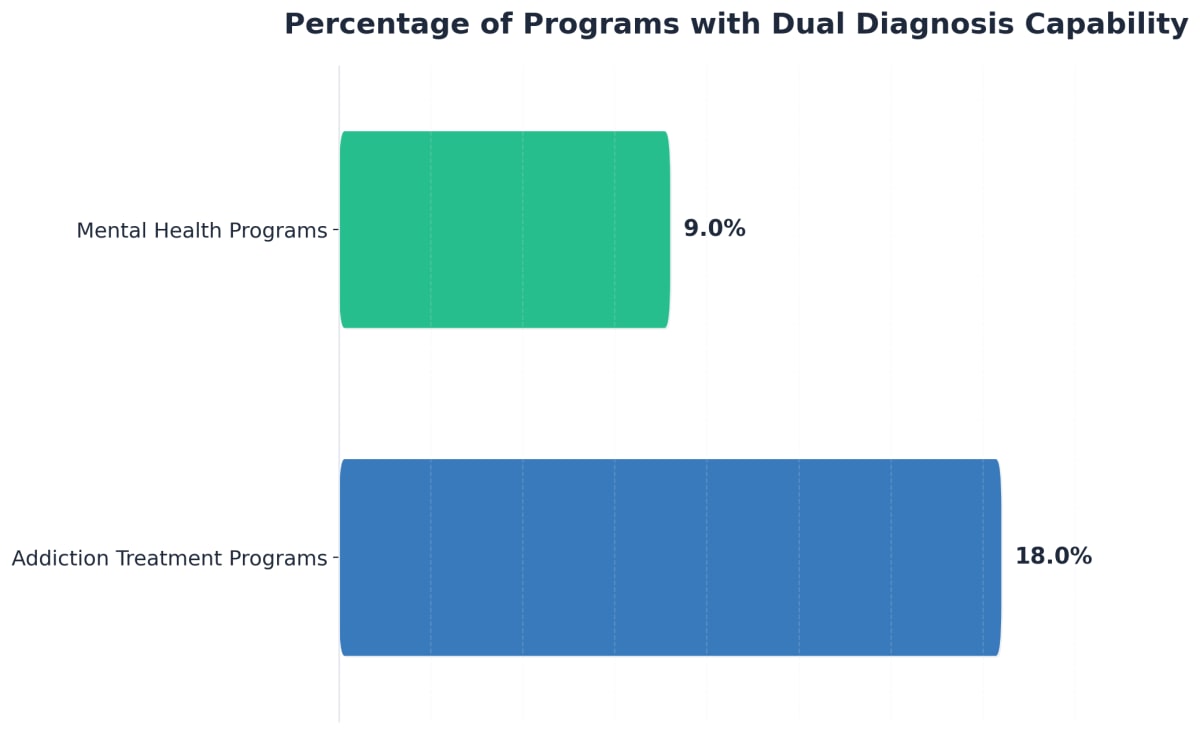
If you have both a mental health condition and a substance use disorder—what’s called a dual diagnosis—you’re not alone. Many people in Ohio face this challenge, but finding the right support makes a big difference. Inpatient detox Ohio programs like Arista are specially equipped to care for both issues together. Only about 18% of addiction treatment centers nationwide are truly set up for dual diagnosis care, so choosing a center with this experience is key8.
Can I start medication-assisted treatment during inpatient detox?
Yes, you can begin medication-assisted treatment (MAT) during your inpatient detox Ohio stay. MAT means using proven medications like buprenorphine for opioid withdrawal or carefully managed benzodiazepines for alcohol detox, always under the care of doctors and nurses. Starting MAT while in a supportive, 24/7 setting like Arista makes the process safer and more comfortable. Research shows that starting medication-assisted treatment during inpatient detox boosts the chances of moving successfully into ongoing recovery treatment by up to 85% when part of an integrated program7.
What’s the difference between a hospital detox and a specialized detox facility?
A hospital detox in Ohio usually takes place in a general hospital setting, where medical staff focus on keeping you safe through the most dangerous withdrawal symptoms. These units are often best for people with severe medical problems or when a crisis happens, like seizures or heart complications. Specialized detox facilities, like Arista, are designed just for addiction recovery. They offer 24/7 care, but in a calmer, more private environment that also supports your mental health and ongoing recovery planning.
How do I convince a loved one they need inpatient detox instead of trying to quit on their own?
Convincing a loved one in Ohio to choose inpatient detox instead of trying to quit on their own can feel overwhelming, but you’re not alone in this. Start by calmly sharing your concerns, focusing on your care for their safety and well-being. Explain that withdrawal from substances like alcohol, opioids, or benzodiazepines can be far more dangerous than most people realize. Research shows that supervised inpatient detox reduces the risk of seizures, severe withdrawal, and even death by up to 80% compared to going it alone1.
What should I bring with me to inpatient detox, and what’s not allowed?
When preparing for inpatient detox Ohio, pack light but thoughtfully. Bring comfortable clothing (enough for 5-7 days), basic toiletries (like toothbrush, toothpaste, and deodorant), and important documents such as your ID and insurance card. You may also want to include a list of current medications and emergency contacts. Most centers—like Arista—ask you to leave sharp objects, electronics, outside food, and anything with alcohol or drugs at home to keep everyone safe.
Is inpatient detox necessary for marijuana or stimulant use, or just for alcohol and opioids?
In most cases, inpatient detox isn’t necessary for marijuana or stimulant use alone. Unlike alcohol, opioids, or benzodiazepines—which can cause life-threatening withdrawal symptoms—withdrawal from marijuana or stimulants like cocaine and methamphetamine is rarely physically dangerous. Inpatient detox Ohio programs, such as Arista, are usually recommended only if you have other health conditions, mental health challenges, or you’re using multiple substances at once (polysubstance use), where risks can quickly increase10.
What happens if I have a medical emergency during detox?
If you have a medical emergency during inpatient detox Ohio, you’ll get immediate care from trained medical staff—there’s always a nurse or doctor on-site or close by to help. Emergencies like seizures, severe confusion, or heart problems are quickly recognized and treated with proven protocols. This quick response helps reduce the risk of serious complications or even death by up to 80% compared to unsupervised withdrawal1.
Can family members visit during inpatient detox, or participate in my treatment?
Yes, family members can often visit during inpatient detox in Ohio, but there are usually set visiting hours and guidelines to keep everyone safe and comfortable. Many centers, including Arista, encourage family participation because support from loved ones can make a big difference in your recovery journey. Some programs offer family education sessions or allow family members to join parts of your treatment plan, such as group meetings or care planning discussions.
What’s the success rate of inpatient detox, and how can I avoid relapse afterward?
The success rate of inpatient detox in Ohio depends on what happens after your stay. On its own, completing inpatient detox helps you get through the toughest withdrawal symptoms safely, but lasting recovery is much more likely if you move straight from detox into ongoing treatment. Research shows that when people transition from inpatient detox Ohio into a residential or outpatient program, 40–60% are still sober one year later—compared to just 20–30% for those who only do detox without follow-up support2.
References
- TIP 45: Detoxification and Substance Abuse Treatment (SAMHSA Technical Assistance Publication). https://www.samhsa.gov/sites/default/files/tip45_detoxification_finalpdf.pdf
- The ASAM Criteria, Fourth Edition (American Society of Addiction Medicine). https://www.asam.org/asam-criteria
- Settings, Levels of Care, and Patient Placement (NCBI Medical Literature). https://www.ncbi.nlm.nih.gov/books/NBK64109/
- Principles of Drug Addiction Treatment: A Research-Based Guide (National Institute on Drug Abuse). https://nida.nih.gov/publications/principles-drug-addiction-treatment-research-based-guide-third-edition
- Pharmacological Strategies for Detoxification (Peer-Reviewed Clinical Pharmacology). https://pmc.ncbi.nlm.nih.gov/articles/PMC4014033/
- Clinical Management of Alcohol Withdrawal: A Systematic Review (Evidence-Based Clinical Review). https://pmc.ncbi.nlm.nih.gov/articles/PMC4085800/
- Transitioning from Detoxification to Substance Use Disorder Treatment (VA Systems Research). https://pmc.ncbi.nlm.nih.gov/articles/PMC6448765/”
- Dual Diagnosis Capability in Mental Health and Addiction Treatment Services (Assessment Study). https://pmc.ncbi.nlm.nih.gov/articles/PMC3594447/
- Alcohol DrugFacts (National Institute on Drug Abuse). https://nida.nih.gov/publications/research-reports-commonly-abused-drugs-charts/alcohol
- Polysubstance Use Disorder: What It Is, Symptoms & Treatment (Clinical Health System Resource). https://my.clevelandclinic.org/health/diseases/polysubstance-abuse