 Now under new ownership & part of the Arista Recovery Network! For more information,

Key Takeaways: Your Action Plan
- Assess Your Needs: Use the checklist in Section 1 to determine if you need medical detox or outpatient support.
- Understand the Investment: Review the cost table in Section 3 to see insurance coverage estimates and time commitments (30-90 days).
- Local Advantage: Choosing a Hilliard rehab ensures easier family involvement and smoother aftercare transitions.
- Immediate Action: If you are in crisis, call a local helpline or Arista immediately; waiting often increases health risks.
Understanding Hilliard Rehab and Recovery Foundations
Recovery from addiction isn’t a one-size-fits-all journey, and understanding what makes a strong foundation can help you or your loved one move forward with confidence. Finding the right Hilliard rehab is the first step toward building a life free from substance dependence. At its core, successful recovery rests on three essential pillars: professional treatment, personal commitment, and ongoing support.
Professional treatment provides the medical and therapeutic expertise you need to address both the physical and psychological aspects of addiction. In Ohio, evidence-based approaches like cognitive behavioral therapy, medication-assisted treatment, and trauma-informed care have shown remarkable results in helping individuals build lasting sobriety. These methods work because they treat addiction as the complex health condition it truly is, rather than a simple matter of willpower.
Your personal commitment forms the second pillar. This means actively participating in your treatment, being honest with yourself and others about your struggles, and making daily choices that support your recovery goals. It’s not about being perfect—it’s about showing up for yourself, even on difficult days. Recovery requires patience and self-compassion as you learn new coping strategies and rebuild your life.
The third pillar, ongoing support, extends far beyond formal treatment. This includes connecting with peer support groups, maintaining relationships with counselors or sponsors, and building a network of family and friends who understand your journey. Those in recovery throughout Ohio discover strength through local recovery communities, where they can share experiences and learn from others who’ve walked similar paths.
These three foundations work together to create stability during early recovery and provide strength for the road ahead. When you understand how each element supports the others, you can make informed decisions about your treatment path and set realistic expectations for your healing process. With the right foundation in place, you’ll be better prepared to develop a personalized recovery plan that fits your unique needs and circumstances.
Recognizing When You Need Help
- Do you need to use more of the substance to get the same effect?
- Have you tried to cut back but failed?
- Is substance use affecting your work, school, or relationships?
- Do you experience withdrawal symptoms (shaking, nausea, anxiety) when not using?
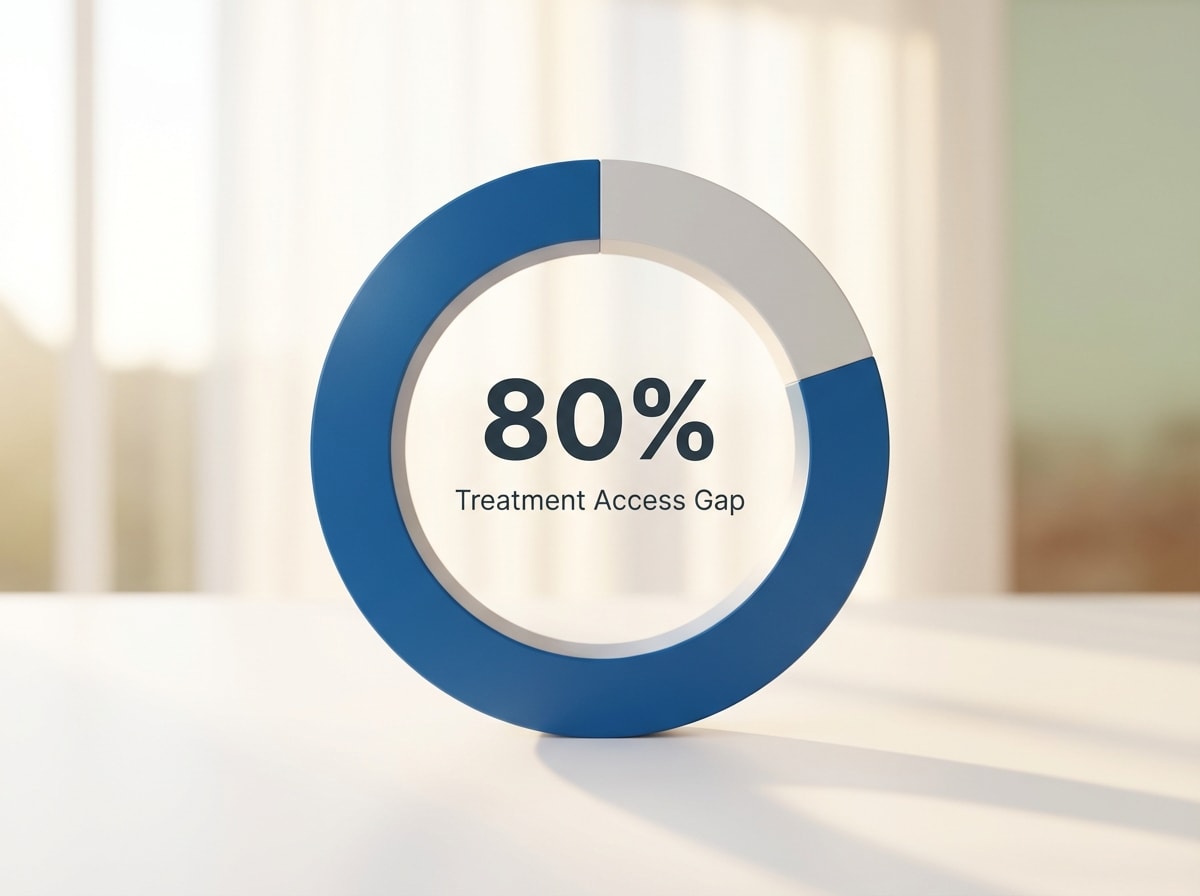
Recognizing when help is needed can be tough, especially if you’re worried about stigma or think things “aren’t that bad yet.” In Ohio, many people delay seeking care—about 80% of those who need treatment never receive it1. If you notice that substance use is affecting relationships, work, or daily life, it’s a sign to look closer. Hilliard rehab centers like Arista are here to support you with understanding, not judgment.
Practice This: Write down three ways substance use has impacted your life, then share them with a trusted friend or family member.
Skill checkpoint: You’re ready to move on when you can name a few warning signs and know who to contact for help in Hilliard.
Signs of Substance Use Disorder
Substance use disorder shows up in many ways, not just through how often someone uses a substance. Some common signs include needing more of the substance to get the same effect, struggling to cut back, missing work or school, or pulling away from friends and family. You might also notice mood swings, changes in sleep, or trouble handling daily responsibilities5. In Ohio, treatment centers like Arista see these patterns often and understand how hard it can be to reach out.
Overcoming Treatment Access Barriers
Many people in Ohio struggle to start recovery because of obstacles like cost, insurance worries, or fear of judgment. In fact, nearly 80% of people who need treatment don’t receive it, often due to these barriers1. Hilliard rehab centers like Arista work to remove these roadblocks by offering confidential support, help with insurance questions, and flexible scheduling. Some programs even offer peer support or transportation help, making it easier to begin treatment close to home.
Types of Addiction Treatment Available
When you start thinking about recovery, it can feel confusing to sort through all the choices. In Ohio, Hilliard rehab centers like Arista offer several pathways. Use the table below to compare your options:
| Treatment Type | Best For | Typical Duration |
|---|---|---|
| Medical Detox | Physical dependency, managing withdrawal symptoms safely. | 3–7 Days |
| Residential (Inpatient) | Those needing 24/7 support and a structured environment away from triggers. | 30–90 Days |
| Outpatient (IOP/PHP) | Balancing treatment with work/family; transitioning from residential care. | 8–12 Weeks |
Each option is designed to give you the right level of support—some people need round-the-clock care, while others can attend therapy and return home at night. Outpatient rehab and intensive outpatient programs are popular here, especially for those balancing work or family responsibilities. These choices reflect Ohio’s commitment to individualized care and recovery-oriented support2.
Medical Detox vs. Residential Care
Medical detox is like a safe landing pad. It helps your body clear substances while doctors and nurses manage withdrawal and keep you comfortable. This is often the first step for people with strong physical dependence, and it’s offered in many Ohio addiction treatment centers, including those in Hilliard. Residential care, on the other hand, is a deeper level of support—think of it as moving into a healing environment where you stay day and night, get counseling, and join group programs.
Both options are available locally and are tailored to your needs, which is important since every recovery journey is unique2. In Ohio, these programs often work together, making sure you can move smoothly from detox to ongoing care.
Medication-Assisted Treatment Options
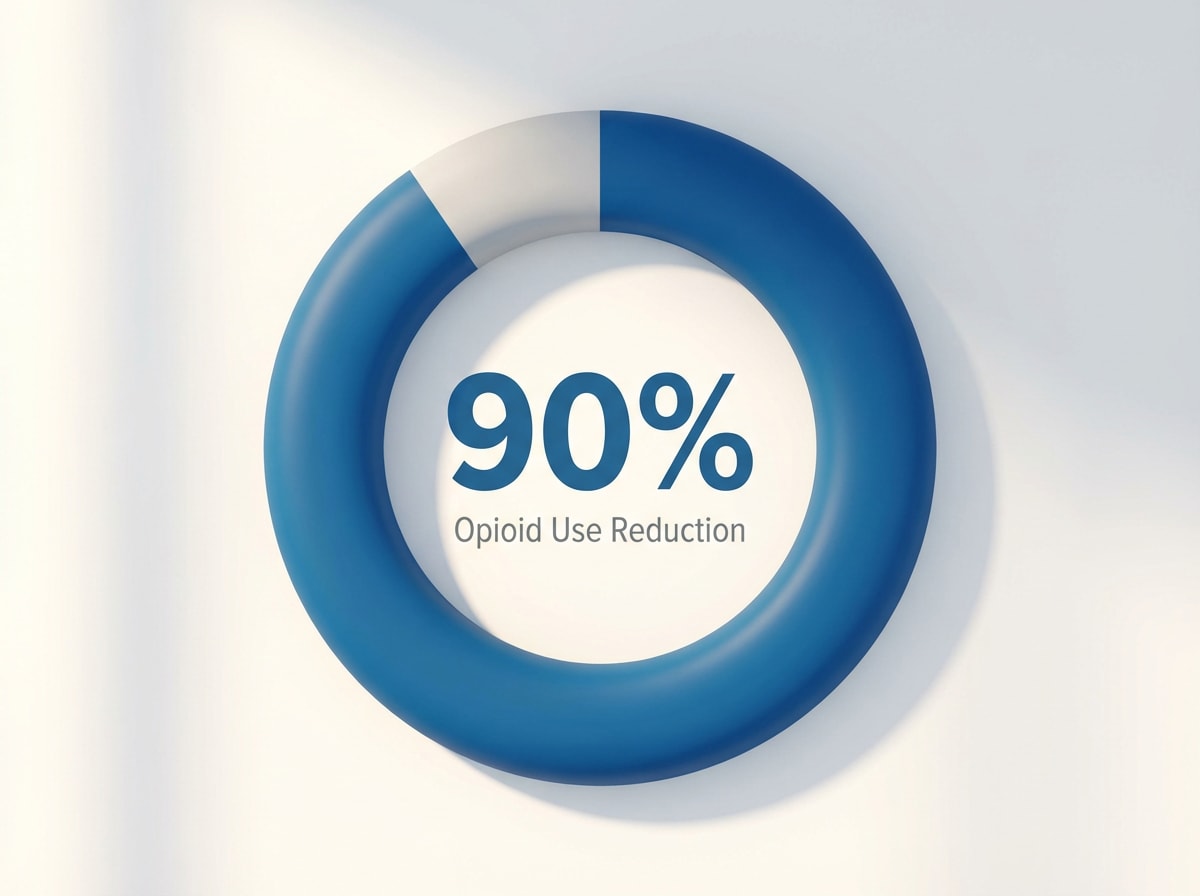
Medication-assisted treatment (MAT) combines safe, doctor-prescribed medications (like buprenorphine or naltrexone) with counseling and support. Think of MAT as giving your brain and body a helpful “reset button”—it eases cravings and withdrawal, so you can focus on rebuilding your life. In Ohio, MAT is available at many local addiction treatment centers and has helped people reduce opioid use by up to 90% when paired with therapy3.
Building Your Personal Recovery Plan at a Hilliard Rehab
Creating a personal recovery plan gives you a roadmap for your journey ahead. This isn’t a one-size-fits-all document—it’s your unique guide that reflects your specific needs, challenges, and goals. Think of it as a living document that evolves as you progress through treatment and discover what works best for you.
- Identify Triggers: Start by identifying your personal triggers and high-risk situations. Maybe stress at work leads to cravings, or certain social settings make staying sober difficult. Write these down honestly. Awareness is your first line of defense.
- List Coping Strategies: List healthy coping strategies you can turn to when triggers arise—things like calling a trusted friend, going for a walk, practicing deep breathing, or attending a support group meeting.
- Define Support Network: Your plan should also include your support network. Who can you reach out to during difficult moments? This might include family members, friends, sponsors, therapists, or support group contacts. Keep their phone numbers readily accessible.
- Set Goals: Set both short-term and long-term goals. Short-term goals might include attending a certain number of therapy sessions per week. Long-term goals could involve rebuilding relationships or returning to work.
- Recognize Warning Signs: Finally, include warning signs that might indicate you’re struggling. These could be changes in sleep patterns, increased irritability, or isolation. When you notice these signs, your plan should outline immediate steps to take.
Addressing Co-Occurring Mental Health
Many people in Ohio who seek help for addiction also deal with issues like anxiety, depression, or trauma. In fact, 1 in 5 Americans experience some form of mental illness each year, and having both mental health and substance use struggles makes recovery more complicated10. That’s why Hilliard rehab centers focus on treating the whole person—not just the addiction. When you address both sides together, you build a stronger foundation for healing.
Learn more about Dual Diagnosis Treatment
Dual Diagnosis Treatment Approach
A dual diagnosis means someone is facing both a substance use disorder and a mental health challenge, like anxiety or depression. Instead of treating just one issue, Hilliard-area addiction treatment centers use a team approach: mental health professionals and addiction counselors work together to create a plan that fits you. This way, your care covers all parts of your life and makes recovery more likely to last. In Ohio, programs that offer dual diagnosis care see better results because they treat the whole person—not just the symptoms2, 10.
Learn more about Trauma-Informed Care
Trauma-Informed Care Integration
Trauma-informed care means your story matters—care teams in Ohio listen and work with you, not just for you. At Hilliard rehab facilities, up to 95% of people in treatment have experienced trauma, so staff are trained to help you heal without judgment or pressure4. Think of it as building a recovery plan that respects your boundaries and avoids re-traumatizing you. This approach uses gentle support, choices, and kindness every step of the way.
Choosing the Right Treatment Setting
Picking a treatment setting is a bit like choosing the right shoes for a long walk: you want a fit that’s comfortable and supports your journey. In Ohio, addiction treatment options include residential (inpatient) care, outpatient programs, and intensive outpatient settings. Hilliard rehab centers like Arista guide you through these choices, making sure your plan matches your personal strengths, daily life, and support system. Outpatient programs are especially popular in Ohio, since they let you keep up with work, school, or family while getting structured support2.
Specialized Programs for Your Needs
Not every recovery journey looks the same, and that’s why Hilliard addiction treatment centers like Arista have developed programs just for you. Whether you’re a veteran coping with trauma, a woman needing a safe space, or someone facing both mental health and substance use challenges, there’s a program that fits. These Ohio-based addiction recovery services also support young adults, LGBTQ+ individuals, and people struggling with polysubstance use. By choosing a specialized track, you get care that matches your life experience and values, which makes long-term success more likely2.
Benefits of Local Ohio Treatment
Staying close to home for addiction treatment gives you familiar support, easier visits from loved ones, and care teams who understand Ohio’s unique challenges. Hilliard rehab centers are designed to fit the needs of local residents and connect you with long-term community resources. Studies show recovery programs that focus on personalized, nearby care have higher rates of engagement and ongoing support—especially in regions like Ohio where outpatient rehab is growing fast2.
Navigating Treatment Logistics Successfully
Once you’ve outlined your personal recovery plan, the next step is turning that vision into reality by navigating the practical aspects of treatment. Understanding the logistics ahead helps reduce stress and builds confidence. The process might feel overwhelming at first, but breaking it down into manageable tasks makes everything much smoother.
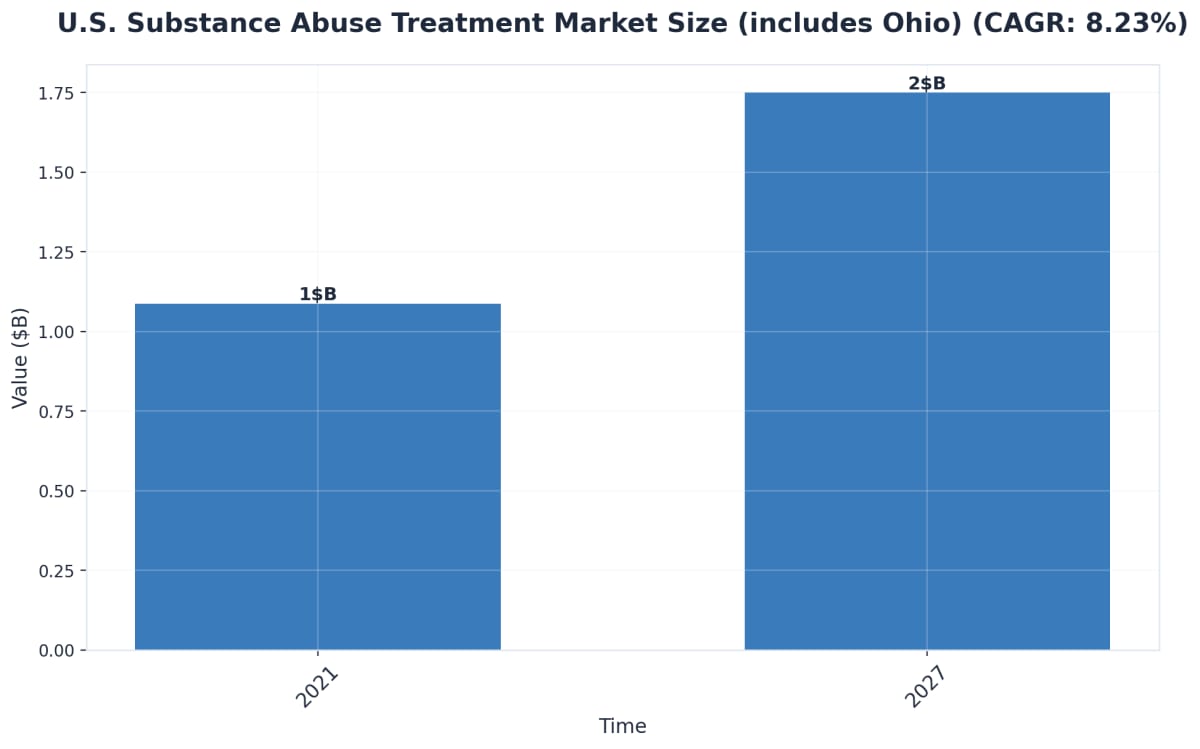
| Item | Estimated Range | Notes |
|---|---|---|
| Insurance Coverage | 60% – 100% | Varies by plan (PPO vs HMO) and network status. |
| Out-of-Pocket (Deductible) | $500 – $5,000+ | Depends on if you have met your annual deductible. |
| Time Commitment | 30 – 90 Days | Residential is 24/7; Outpatient is 9-15 hours/week. |
Start by contacting treatment centers directly to discuss your specific situation. Most Ohio facilities offer free assessments to determine the appropriate level of care. During these conversations, ask about their admission process, what to bring, and what a typical day looks like. For example, outpatient programs typically involve attending therapy sessions 2-3 times per week for a few hours each day, allowing you to maintain work and family commitments.
Insurance verification is a crucial early step. Contact your insurance provider to understand your behavioral health benefits, including coverage limits, copays, and any pre-authorization requirements. Many treatment centers can help verify your benefits and explain what’s covered. If you don’t have insurance or need additional financial assistance, ask about payment plans or state-funded programs available to Ohio residents.
Understanding Insurance Coverage
Insurance can feel like a puzzle, but understanding it is key to starting care at a Hilliard rehab center. Most Ohio insurance plans (including Medicaid and private insurance) are required to cover substance use treatment, thanks to mental health parity laws that protect you from unfair limits8. Coverage often includes detox, outpatient rehab, residential care, and medication-assisted treatment. Since plans vary, it’s smart to call your insurance company or the admissions team at Arista for help checking details.
Verifying Your Benefits for Rehab
Verifying your benefits is like double-checking your ticket before a trip—you want no surprises on the day you start care. In Ohio, most insurance plans must cover substance use disorder treatment, but the details—such as copays, in-network providers, and prior authorization rules—can differ8. To get started, gather your insurance card, make a list of questions, and call both your insurance company and Arista’s admissions team.
Ohio Mental Health Parity Protections
Ohio enforces mental health parity, which means your insurance must cover substance use disorder benefits just like other medical needs—no more higher copays or unfair limits for addiction treatment coverage8. This matters for you and your loved ones because it ensures equal access to care at Hilliard rehab centers. If you ever feel your plan is setting extra rules for addiction services, you have the right to ask questions or file an appeal.
Preparing for Treatment Admission
Preparing for admission can feel overwhelming, but Ohio centers like Arista make it easier by guiding you each step. Most Hilliard rehab programs provide a checklist—think of it like packing for a big trip. You’ll usually need your ID, insurance card, a list of current medications, and comfortable clothing. Local addiction treatment centers often recommend bringing a support person to help with paperwork and offer comfort.
What to Expect During Intake
The intake process is your first big step into recovery. When you arrive at a local addiction treatment center, you’ll meet caring staff who walk you through paperwork, review your insurance and medications, and answer any last-minute questions. Next, a team member will do a private assessment—this is just a conversation about your health, substance use, and goals so your care plan fits you. In Ohio, rehab programs like Arista use this information to match you with services (like counseling or medical detox) that best fit your needs2.
Confidentiality and Privacy Rights
Your privacy matters just as much as your recovery. At Hilliard rehab centers like Arista, strict state and federal laws protect your health records and personal details. In Ohio, addiction treatment coverage and mental health services are covered by laws that make it illegal to share your information without your permission—except in rare emergencies8. Only staff directly involved in your care can see your records.
Maintaining Long-Term Recovery Success
Recovery doesn’t end when you complete a treatment program—it’s an ongoing journey that requires commitment, support, and the right strategies. Understanding how to maintain your progress helps you build a fulfilling life beyond addiction.
Pro Tip: Create a Crisis Plan Before leaving treatment, write down three emergency contacts and one safe place you can go if you feel a relapse coming on. Keep this list in your wallet or phone case.
Creating a strong aftercare plan is essential for long-term success. This typically includes ongoing therapy sessions, participation in support groups, and regular check-ins with healthcare providers. Those in Ohio often find that connecting with local recovery communities provides accountability and encouragement during challenging moments. Whether you attend 12-step meetings, faith-based groups, or other peer support networks, staying connected reminds you that you’re not alone in this journey.
Advanced Relapse Prevention Strategies
Staying substance-free after leaving a Hilliard rehab program means more than just “saying no.” It’s about having a real plan for tricky situations and knowing where to turn for help. Imagine relapse prevention as building a weatherproof shelter: you want strong walls (coping skills), a sturdy roof (support network), and regular checks for leaks (stress or triggers). Ohio-based recovery centers like Arista teach you how to recognize early warning signs, practice new coping skills, and build a safety net of friends, family, and local recovery groups2.
Identifying Your Personal Triggers
Everyone’s triggers are unique, but some common ones in Ohio include stress from work or family, being around old drinking or drug-using friends, or even certain times of year. Triggers can also be more subtle, like feeling lonely or overwhelmed. Think of a trigger as a spark: if you know what sparks cravings, you can put safety measures in place before a fire starts. At Hilliard rehab centers like Arista, you’ll learn to spot these sparks early and practice healthy ways to cope2.
Building Your Recovery Support Network
A recovery support network is like having a team cheering you on through every step. This network can include family, friends, mentors, counselors, and local recovery groups. At Hilliard rehab centers, you’ll discover there are many ways to build these connections: join a peer support group, find a sponsor, or stay in touch with your Arista care team. Research shows that people who stay connected to recovery support and local resources are less likely to experience addiction relapse in Ohio2.
Aftercare and Continuing Support
Finishing treatment is a huge milestone, but lasting recovery is built day by day with continued support. Aftercare at a Hilliard rehab means you don’t have to do it alone. This could include regular check-ins with your care team, group counseling, peer recovery coaching, or connecting with community resources in Ohio. Just like having a coach after the big game, aftercare helps you practice what you’ve learned and handle life’s ups and downs2.
Transitioning from Residential Care
Leaving residential treatment is a big step, and it’s normal to feel both excited and nervous. Think of this transition as moving from a safe harbor into open water—but with a map and crew by your side. Hilliard rehab programs in Ohio help you plan your next steps with aftercare services like outpatient counseling, peer support, and regular check-ins. Staying connected to these supports lowers the risk of relapse and makes long-term recovery more likely2.
Ohio Recovery Community Resources
Ohio is packed with recovery community resources that make it easier to stay connected and supported after treatment. You’ll find everything from peer-led recovery groups and sober social events to recovery community organizations (RCOs) and county support programs. Hilliard residents can access free or low-cost meetings like AA, NA, SMART Recovery, and local family support groups, plus specialized peer recovery coaching and job-readiness workshops offered by organizations funded by the Ohio Department of Mental Health and Addiction Services2.
Frequently Asked Questions
As you consider these recovery foundations and strategies, you may have practical questions about how this applies to your specific situation. Here are answers to some of the most common concerns families and individuals share when exploring recovery options in Ohio.
How quickly can I start treatment at a Hilliard rehab facility?
You can often begin treatment at a Hilliard rehab facility quickly—sometimes within just a few days after reaching out. Arista and other local addiction recovery centers in Ohio make it a priority to remove barriers and help you start as soon as possible. Your admission may depend on factors like available openings, insurance verification, and your specific treatment needs, but Ohio’s focus on expanding access has made it easier to get timely support2.
What makes Ohio treatment centers different from out-of-state programs?
Ohio treatment centers, like those in Hilliard, stand out because they’re deeply connected to the local community and understand the specific needs of Ohio families. Unlike many out-of-state programs, Hilliard rehab centers offer care teams who know the region’s resources, laws, and recovery challenges. This means your treatment plan is built with Ohio’s unique support systems in mind—like easy access to family, state-funded aftercare, and peer-led groups just down the road2, 8.
Will I be able to continue medication-assisted treatment after leaving rehab?
Yes, you can continue medication-assisted treatment (MAT) after leaving rehab. In Ohio, many Hilliard rehab centers—including Arista—work with outpatient clinics and local doctors to make sure you have a smooth transition. This means you’ll be able to keep getting safe, doctor-prescribed medications like buprenorphine or naltrexone, along with counseling and support groups in your community3.
How do treatment centers handle polysubstance use or multiple addictions?
Treatment centers in Hilliard, like Arista, are well-equipped to help people who use more than one substance at a time (polysubstance use). This means your care team will carefully assess which drugs are involved—such as opioids, stimulants, or alcohol—and create a plan that addresses each addiction together. In Ohio, rehab programs use a mix of strategies: medical support for withdrawal, medication-assisted treatment if needed, and counseling that looks at the whole picture of your health and habits2.
What support is available for families while their loved one is in treatment?
Families in Hilliard have many ways to get support while their loved one is in treatment. Hilliard rehab centers like Arista offer family counseling, education groups, and regular updates so you never feel left out of the recovery process. These sessions help you understand addiction, set healthy boundaries, and learn how to take care of yourself, too. Staying involved is proven to help both your loved one’s progress and your own well-being2.
Can I keep my phone or have internet access during residential treatment?
Most Hilliard rehab centers, including Arista, have guidelines about phone and internet access to support your recovery. During the first part of residential treatment, you may need to keep your phone with staff or in a secure area—this helps you focus on healing and connect with others in the program. Some Ohio addiction treatment centers allow scheduled phone calls or supervised internet use once you’ve settled in, especially for important family or work needs2.
Will my employer find out if I enter addiction treatment?
Your employer does not have to know you are entering addiction treatment at a Hilliard rehab. In Ohio, state and federal privacy laws protect your health information, including details about substance use disorder care. Only you or someone you authorize can share this information, and treatment centers like Arista take these privacy protections very seriously8.
Can I visit my loved one during residential treatment?
Yes, you can usually visit your loved one during residential treatment at a Hilliard rehab center—though the details depend on the facility’s policies and your loved one’s stage of recovery. Most Ohio addiction treatment programs, including Arista, see family involvement as an important part of healing. Visits are often scheduled during specific hours and may include family therapy sessions or support groups2.
What happens if I relapse after completing treatment?
Relapse can feel discouraging, but it’s actually a common part of the recovery process—even after completing treatment at a Hilliard rehab center. Many people in Ohio experience setbacks before reaching lasting sobriety, and it doesn’t mean you’ve failed. Arista and other local addiction treatment programs will welcome you back without judgment, helping you revisit your care plan and strengthen your relapse prevention tools2.
How do I know if I need detox before starting rehab?
Detox may be needed before starting rehab if your body is physically dependent on alcohol, opioids, or certain other substances. Signs you might need detox include strong cravings, withdrawal symptoms (like shaking, sweating, or nausea), or if you have used large amounts over a long time. Medical detox at a Hilliard rehab center like Arista helps you safely manage withdrawal with medical support and comfort2.
Are there treatment options specifically for women or veterans in the Hilliard area?
Yes, there are specialized treatment options for both women and veterans at Hilliard rehab centers. Arista and other Ohio-based addiction treatment programs recognize that each group faces unique challenges. For women, treatment might include trauma-informed care and support groups focused on women’s health. Veterans in Hilliard benefit from services that understand military culture, offer PTSD support, and connect with VA resources2, 9.
What if my insurance denies coverage for the full treatment program?
If your insurance denies coverage for all or part of your Hilliard rehab program, don’t panic—there are steps you can take. First, ask your insurance company for a written explanation of the denial. In Ohio, you have the legal right to appeal this decision, and Arista’s admissions team can guide you through the process or even help file an appeal on your behalf8.
Can I bring my medication for other health conditions to treatment?
Yes, you can usually bring your prescribed medications for other health conditions to treatment at a Hilliard rehab center. When you arrive, be sure to tell the admissions team about all your current medications, including those for diabetes, heart conditions, mental health, or any other medical needs. The care team at Arista will review your medication list to make sure everything is safe and works well with your recovery plan2.
How do I convince my family member to enter treatment?
Convincing a family member to enter treatment can feel overwhelming, but your support really does make a difference. Start by sharing your concerns in a gentle, honest way—focus on how much you care and what changes you’ve noticed in their behavior or health. In Ohio, almost 80% of people who need treatment haven’t received it, often because they don’t feel ready or worry about being judged1.
Starting Your Recovery Journey in Hilliard
Taking the first step toward recovery can feel overwhelming, but you don’t have to navigate this journey alone. Communities throughout Ohio—including Hilliard and surrounding areas—offer supportive networks and accessible resources designed to help you or your loved one begin the path to healing. Whether you’re dealing with substance use challenges, mental health concerns, or co-occurring conditions, local treatment options provide the foundation you need to start rebuilding your life.
Recovery begins with reaching out. Individuals across Ohio start by contacting a treatment center directly to discuss their situation in a confidential setting. During this initial conversation, you’ll have the opportunity to ask questions, share your concerns, and learn about available programs that match your specific needs. This first contact is simply about gathering information and understanding what support looks like—there’s no pressure or judgment involved.
Communities like Hilliard understand that recovery isn’t a one-size-fits-all process. You’ll find various levels of care available, from intensive programs for those who need structured support to flexible options that allow you to maintain work and family commitments. Many treatment centers also offer family involvement opportunities, recognizing that healing often extends beyond the individual to include those closest to you.
When you take this first step, you’re actually engaging all three foundational pillars of successful recovery. You’re accessing professional treatment through evidence-based programs and expert clinical care. You’re exercising personal commitment by acknowledging your needs and choosing to seek help. And you’re opening yourself to support systems—both professional and community-based—that will sustain you throughout your journey. These three elements work together from day one, creating the comprehensive approach that makes lasting change possible.
As you consider your options, remember that starting recovery is an act of courage and self-compassion. Treatment professionals throughout Ohio have dedicated their careers to helping individuals reclaim their lives from addiction and mental health challenges. They’ve walked alongside countless clients on this same journey and understand both the difficulties you’re facing and the possibilities that lie ahead. You deserve support, and that support is available in your community—ready to help you create a personalized plan for lasting recovery whenever you’re ready to begin.
References
- National Survey on Drug Use and Health – Treatment Access Analysis. https://www.samhsa.gov/data/sites/default/files/reports/rpt32834/2023-NSDUH-CAI-LR/2023NSDUHCoverageReport.pdf
- Ohio Department of Mental Health and Addiction Services. https://www.ohio.gov/gov/directory/agencies/ohio-department-mental-health-and-addiction-services
- Medications for Opioid Use Disorder Treatment – SAMHSA. https://www.samhsa.gov/MAT/medications-counseling-related-conditions
- American Psychological Association – Trauma and Addiction Recovery. https://www.apa.org/monitor/2024/11/cc-trauma-recovery
- DSM-5-TR Criteria for Substance Use Disorders. https://www.psychiatry.org/File%20Library/Psychiatrists/Practice/DSM/APA_DSM-5-TR_Criteria-for-Substance-Use-Disorders.pdf
- CDC – Mental Health and Substance Use Data Portal. https://www.cdc.gov/mentalhealth/data-research/index.html
- NIH – Recent Opioid Research and Public Health Response. https://www.nih.gov/news/releases/understanding-opioid-crisis-new-research-insights
- Ohio Department of Insurance – Health Coverage and Mental Parity. https://www.insurance.ohio.gov/
- VA – Substance Use Disorder Treatment for Veterans. https://www.veterans.gov/health-care/health-conditions/substance-use-disorder/
- Mental Health and Substance Use Statistics – NAMI. https://www.nami.org/Get-Involved/Awareness-Events/Mental-Health-Awareness-Month/Get-the-Facts
