 Now under new ownership & part of the Arista Recovery Network! For more information,

Key Takeaways: Your Recovery Roadmap
- Identify the Cycle: If substance use increases when your mental health declines (or vice versa), you likely require dual diagnosis Hilliard OH treatment rather than standard rehab.
- Integrated Care is Critical: Treating both conditions simultaneously reduces relapse rates. Look for programs offering CBT, DBT, and medication management under one roof.
- Know Your Rights: Ohio’s parity laws ensure your insurance covers mental health and addiction services equally.
- Immediate Action: Don’t wait for “rock bottom.” Use the 30-day plan below to schedule an assessment this week.
Understanding Dual Diagnosis in Hilliard, OH
When you are facing both a psychiatric condition and addiction at the same time, you are dealing with what professionals call a dual diagnosis—or co-occurring disorders. If you are searching for dual diagnosis Hilliard OH, you are likely looking for a solution that addresses the whole picture, not just the symptoms. Throughout Ohio, this situation is far more common than many people realize.
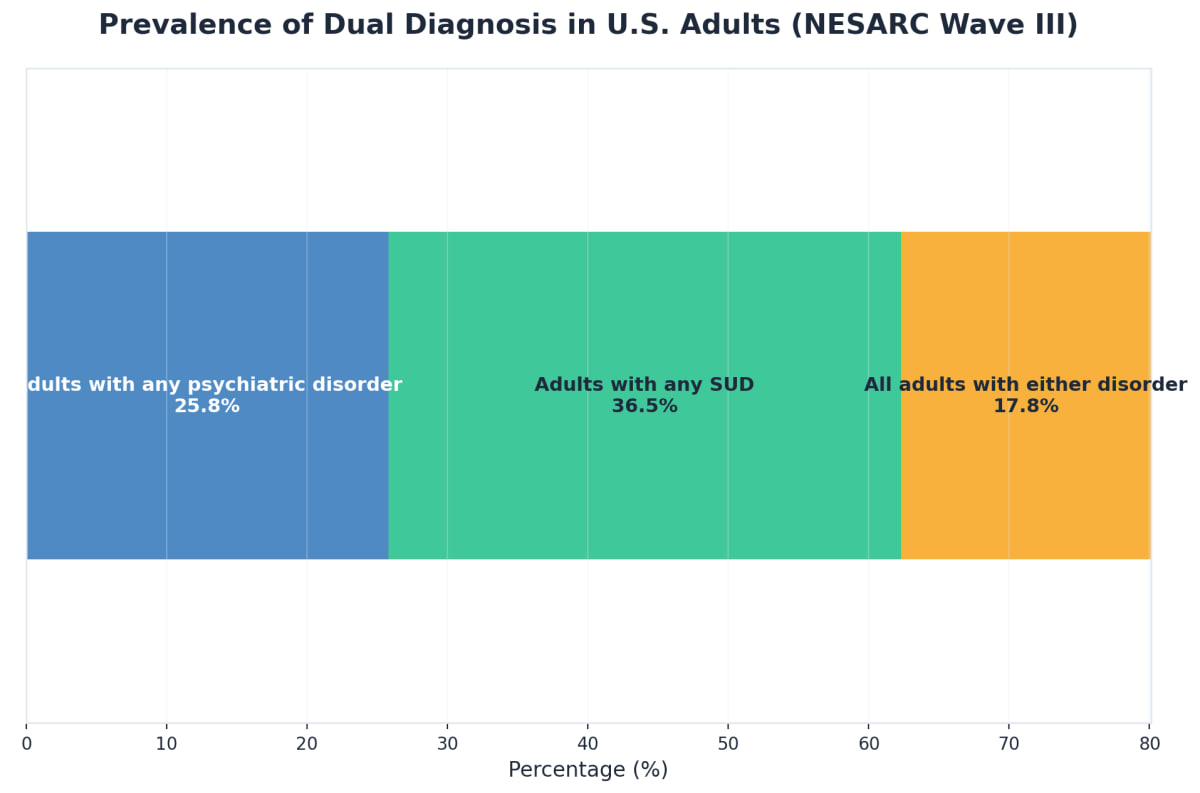
“Nearly 9.2 million adults in the United States experience co-occurring disorders, and Ohio reflects similar patterns with thousands of residents navigating this complex challenge every year.”1
A dual diagnosis might look like depression alongside alcohol dependence, anxiety paired with prescription drug misuse, or bipolar disorder combined with cocaine use. These conditions often feed off each other in a challenging cycle: psychiatric symptoms can lead to drug or alcohol dependency as a way to cope, while addiction can worsen psychological symptoms or even trigger new ones.
What Co-Occurring Disorders Really Mean
Let’s start by making sense of the term “co-occurring disorders.” This simply means facing both a mental health challenge (like depression, anxiety, or PTSD) and a substance use issue (such as alcohol or opioid misuse) at the same time. For many people in Hilliard and throughout Ohio, these problems don’t show up on their own—they’re connected, each affecting the other.
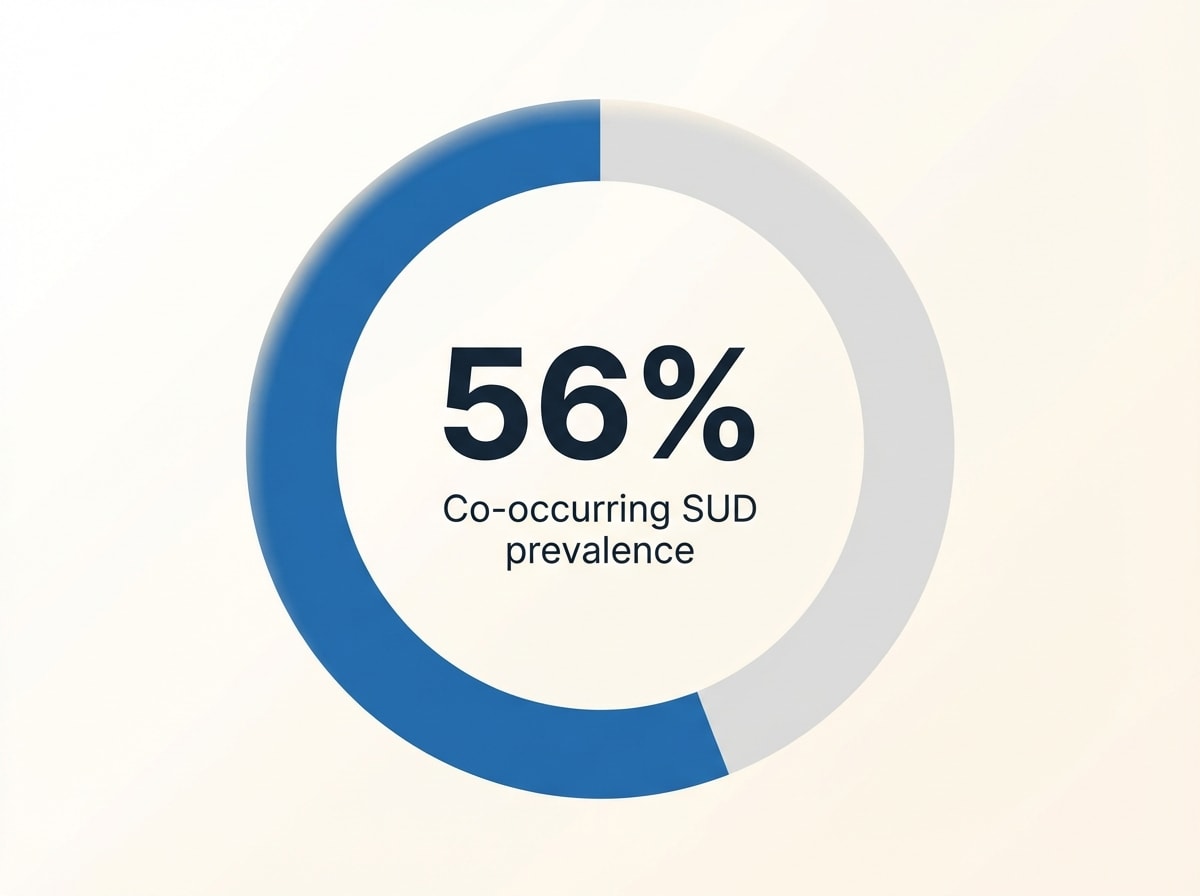
Experts call this dual diagnosis, and it’s more common than you might think: about 56% of Ohioans with serious mental illnesses also deal with a substance use disorder during their lives6.
The Connection Between Mental Health and Addiction
Mental health and addiction are tightly linked. If you’re feeling anxious, depressed, or struggling with trauma, it’s common to try substances like alcohol or drugs as a way to feel better—at least in the short term. But over time, this can make mental health symptoms worse, creating a cycle where one problem feeds the other.
Experts have found that having a mental health disorder increases your risk of developing a substance use problem, and vice versa1.
Common Dual Diagnosis Combinations
Recognizing the specific combination you are facing is the first step toward getting the right help. Here are common pairings seen in Central Ohio:
| Mental Health Condition | Common Substance Pairing | Why They Often Connect |
|---|---|---|
| Depression | Alcohol | Alcohol provides temporary relief from sadness but is a depressant that worsens long-term mood. |
| Anxiety Disorders | Benzodiazepines / Opioids | Substances are used to “quiet” the mind, leading to rapid physical dependence. |
| PTSD | Opioids / Alcohol | Used to numb traumatic memories or nightmares, often delaying trauma processing. |
| Bipolar Disorder | Stimulants / Alcohol | Substances may be used to manage manic highs or depressive lows. |
LGBTQ+ individuals in Ohio are especially likely to experience both substance use and mental health challenges at the same time, with about 30% affected—much higher than the general population8.
Self-Assessment: Recognizing Your Dual Diagnosis
If you’re living in Hilliard or elsewhere in Ohio and are unsure if you might have a dual diagnosis, a self-check can make things clearer. Use this quick self-assessment tool.
Diagnostic Questions to Ask Yourself
To get a clearer picture of whether dual diagnosis Hilliard OH treatment is right for you, ask yourself these key questions:
- Do you find your mood, anxiety, or energy changes often lead you to use alcohol or drugs to cope?
- When you try to cut back on substances, do your mental health symptoms become much stronger or harder to manage?
- Have you noticed that treating one issue alone—like only focusing on depression or just trying to stop drinking—hasn’t led to lasting improvement?
- Are there times when you feel stuck in a cycle: using substances to handle tough feelings, but then feeling worse after?
- Has a doctor or counselor in Hilliard ever mentioned both mental health and substance use concerns at the same time?
Answering “yes” to more than one question suggests integrated support may be needed. In Ohio, up to 56% of people with serious mental illness also face substance use challenges, but most get help for only one or neither6.
Integrated Treatment for Dual Diagnosis in Hilliard, OH
When you’re facing both a psychiatric condition and addiction, fragmented care simply isn’t enough. Integrated treatment brings together behavioral health and recovery services under one coordinated approach, addressing both conditions simultaneously rather than treating them as separate issues.
This comprehensive method recognizes that your depression and addiction, or your anxiety and alcohol dependence, aren’t isolated problems—they’re interconnected challenges that influence each other. Traditional treatment that focuses on only one condition often leads to relapse because the underlying issues remain unaddressed.
Why Treating Both Conditions Simultaneously Works
If you’re facing both a mental health challenge and substance use, treating them together is the key to real progress. Studies show that people in integrated programs have fewer hospital stays, better daily functioning, and higher recovery rates than those who tackle issues separately2.
Evidence-Based Approaches That Show Results
When you’re looking for proven help with dual diagnosis Hilliard OH, it helps to know what actually works. The best results come from evidence-based treatments:
Cognitive Behavioral Therapy (CBT)
Helps you identify negative thought patterns that trigger both substance use and emotional distress, teaching you practical skills to interrupt the cycle.
Dialectical Behavior Therapy (DBT)
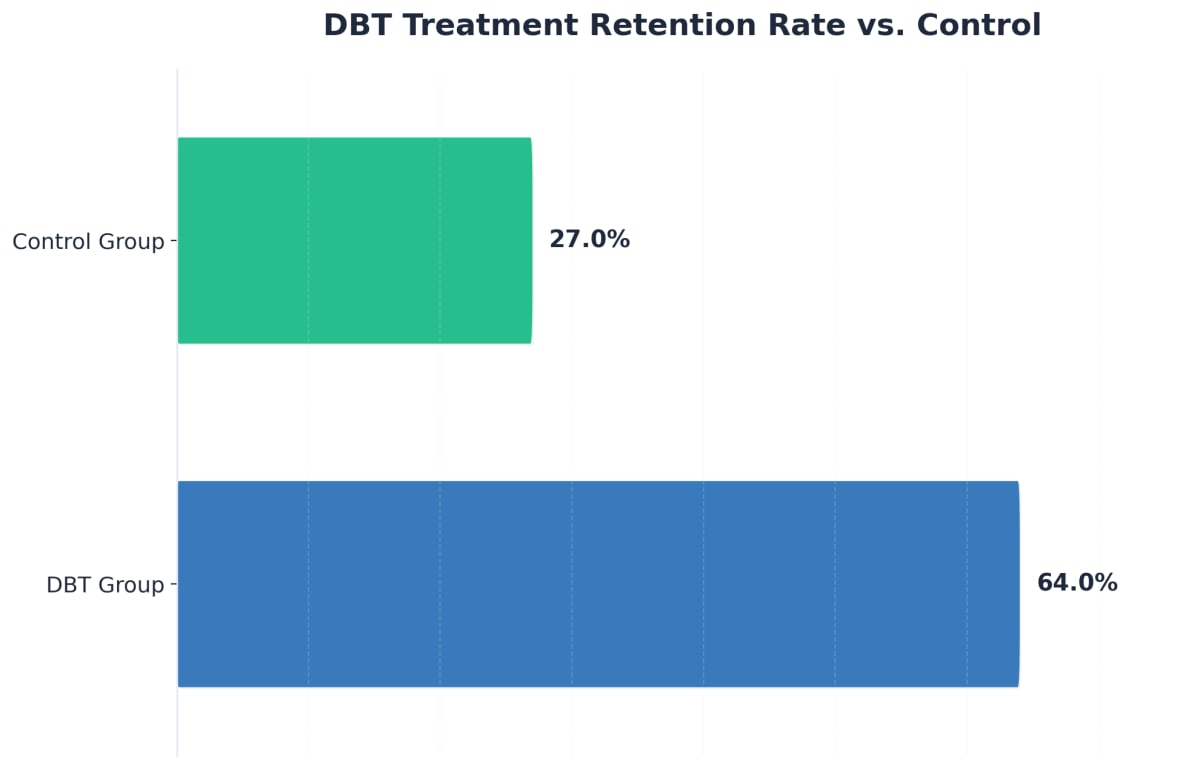
Focuses on emotional regulation and distress tolerance. DBT has shown it can help people stay in treatment and reduce substance use, with 64% of participants staying in care compared to just 27% in standard programs10.
Medication-Assisted Treatment (MAT)
Uses FDA-approved medications to stabilize brain chemistry, reduce cravings, and manage psychiatric symptoms simultaneously.
Decision Framework: Choosing Your Treatment Level
Choosing the right level of care is a critical decision. Use this framework to determine which environment suits your current needs:
| Level of Care | Best Suited For… | Time Commitment |
|---|---|---|
| Outpatient (OP) | Individuals with a stable home environment, mild symptoms, and strong support systems. | 1-3 hours per week (flexible). |
| Intensive Outpatient (IOP) | Those needing more structure than OP but who can still live at home and potentially work. | 9-15 hours per week (usually evenings/days). |
| Partial Hospitalization (PHP) | Individuals requiring daily medical monitoring and therapy but who return home at night. | 20+ hours per week (Mon-Fri). |
| Residential / Inpatient | Those with severe symptoms, safety concerns, or unstable home environments requiring 24/7 support. | 24/7 residence for 30-90 days. |
Implementation Pathways for Different Situations
Implementation pathways for dual diagnosis Hilliard OH are designed to meet you where you are.
- In Crisis? Rapid-response crisis stabilization units and certified peer supporters are available around the clock in Hilliard.
- Stepping Down? For those leaving a hospital setting, day treatment or intensive outpatient programs provide a safety net.
- Busy Professional? Evening outpatient therapy allows you to maintain employment while receiving care.
- Specialized Needs? Veterans and LGBTQ+ individuals can access programs tailored to their specific trauma and community experiences2, 8.
Resource Planning and Practical Considerations
Once you understand how integrated treatment works, the next step is preparing yourself practically and financially. Before beginning treatment, understanding what resources you’ll need helps remove barriers and reduces stress.
Navigating Insurance and Financial Options
Navigating insurance for dual diagnosis Hilliard OH can feel overwhelming. Start with this practical checklist:
- Review your insurance policy for “Behavioral Health” coverage.
- Ask about copays, deductibles, and visit limits.
- Verify if your plan covers integrated treatment (billing codes often differ).
When calling your insurance provider, you can use this script to ensure you get the right information:
"I am seeking treatment for co-occurring disorders. Does my plan cover dual diagnosis treatment under the Mental Health Parity Act? Specifically, what are my out-of-pocket costs for Intensive Outpatient (IOP) or Residential care in network?"Understanding Your Coverage in Ohio
Thanks to the Mental Health Parity and Addiction Equity Act (MHPAEA), your insurance—whether it’s private or through Medicaid—must treat mental health and addiction benefits the same as other medical coverage. That means no extra copays, limits, or hurdles for counseling or integrated dual diagnosis care compared to, say, a visit to your primary doctor7.
Protecting Your Rights and Privacy
Protecting your rights and privacy is a big part of feeling safe while seeking treatment. In Ohio, your mental health and addiction records are protected by both state laws and federal regulations like HIPAA.
Your employer won’t be notified unless you give written permission. Your information can only be released in rare situations, such as a medical emergency. Clinics like Arista follow strict confidentiality rules, so you can focus on recovery without worrying about unwanted disclosure7.
Your Next 30 Days: A Plan for Dual Diagnosis in Hilliard, OH
Recovery doesn’t require perfect timing—it requires a single decision to start. The next 30 days can become the foundation for lasting change.
Week 1: Assessment and Initial Contact
Your first week is about gathering information and making the connection.
- Day 1-2: Gather your medical history. Write down symptoms, substances used, and past treatments.
- Day 3: Call Arista Recovery or a local provider. Press 1 for admissions and ask for a “Dual Diagnosis Assessment.”
- Day 4-7: Complete your initial assessment. Be honest about both mental health and substance use to ensure the right level of care.
Weeks 2-4: Beginning Your Recovery Journey
In weeks two through four, you move from planning to action.
- Intake: You will meet your care team, including a therapist and medical staff.
- Stabilization: If needed, medical detox or medication adjustments will happen here.
- Routine Building: You will start attending group therapy and individual sessions, building a schedule that prioritizes your health.
Research shows that thorough, integrated assessments set the stage for better results—helping people see reduced substance use and improved mental health in the first weeks of care2.
Frequently Asked Questions
When you’re considering treatment options in Ohio, you likely have questions about what to expect. Here are answers to common concerns about dual diagnosis Hilliard OH.
How do I know if I need dual diagnosis treatment instead of just addiction treatment?
You might need dual diagnosis treatment if you notice both mental health symptoms (like depression, anxiety, mood swings, or trauma) and problems with substance use—especially if these issues seem to feed off each other. If treating just addiction hasn’t helped your mental health, these are strong signs that standard addiction treatment isn’t enough. In Hilliard and across Ohio, up to 56% of people with serious mental health challenges also have a substance use disorder6.
Will my insurance cover dual diagnosis treatment in Ohio?
Yes, most insurance plans in Ohio are required to cover dual diagnosis treatment thanks to the Mental Health Parity and Addiction Equity Act (MHPAEA). This law means your insurance—whether private or Medicaid—must treat mental health and substance use benefits the same as regular medical coverage7.
Can I receive treatment for PTSD and addiction at the same time?
Yes, you can receive treatment for PTSD and addiction at the same time. The most up-to-date research supports integrated care, meaning both conditions are treated together. Receiving trauma-focused therapy and substance use treatment at once leads to better results compared to trying to tackle one problem before the other4, 5.
How long does dual diagnosis treatment typically take?
The length of treatment depends on your unique needs. Outpatient programs in Central Ohio often last several months, while residential care may last from a few weeks to a few months. Research shows that ongoing, integrated care leads to stronger and longer-lasting results2.
What makes integrated treatment more effective?
Integrated treatment is more effective because it tackles both mental health and substance use challenges at the same time with one team. Studies show people in integrated programs have better outcomes, including bigger drops in substance use and fewer hospital visits compared to those who get separate treatments2, 3.
Can I continue working while receiving dual diagnosis treatment?
Yes, many people continue working while receiving treatment, especially if they join outpatient or intensive outpatient programs. These options are designed with flexibility in mind. Ohio’s laws also protect your right to seek care without risking your employment7.
What if I’ve tried treatment before and it didn’t work?
If you’ve tried treatment before and didn’t see results, it doesn’t mean recovery isn’t possible. Earlier programs may not have offered true integrated care. Research shows integrated care leads to much better outcomes for people facing both mental health and substance use challenges together2.
Finding Hope and Healing in Hilliard
You’ve learned about the signs of dual diagnosis, the importance of integrated treatment, and the path toward comprehensive healing. Now it’s time to take that knowledge and transform it into action. Hilliard offers a supportive community where healing is possible, and resources like Arista Recovery are here to walk alongside you.
If you or someone you love is ready to explore treatment options, the most important step you can take today is reaching out to ask about a dual diagnosis assessment. Call Arista Recovery at (844) 918-8218 to speak with a recovery specialist. There’s no judgment here—only understanding, support, and a genuine commitment to walking beside you on your path forward.
References
- Co-Occurring Disorders and Other Health Conditions | SAMHSA. https://www.samhsa.gov/substance-use/treatment/co-occurring-disorders
- Integrated Treatment for Co-Occurring Disorders: Building Your Program. https://library.samhsa.gov/sites/default/files/ebp-kit-building-your-program-10112019.pdf
- Chapter 7—Treatment Models and Settings for People With Co-Occurring Disorders. https://www.ncbi.nlm.nih.gov/books/NBK571024/
- Integrated Treatment of PTSD and Substance Use Disorders – NIH. https://pmc.ncbi.nlm.nih.gov/articles/PMC5294962/
- Treatment of Co-Occurring PTSD and Substance Use Disorder in VA. https://www.ptsd.va.gov/professional/treat/cooccurring/tx_sud_va.asp
- Rates and correlates of dual diagnosis among adults with psychiatric and substance use disorders in a nationally representative U.S sample. https://pubmed.ncbi.nlm.nih.gov/35834863/
- The Mental Health Parity and Addiction Equity Act (MHPAEA) – CMS. https://www.cms.gov/marketplace/private-health-insurance/mental-health-parity-addiction-equity
- LGBTQ+ & Recovery. https://www.recoveryanswers.org/resource/lgbtq-in-recovery/
- 2024 Ohio Drug Epidemic in Review: Key Numbers & Trends. https://ccbh.net/wp-content/uploads/2025/02/2024OhioDrugEpidemicReview_01.30.2025.pdf
- Dialectical Behavior Therapy for Substance Abusers. https://pmc.ncbi.nlm.nih.gov/articles/PMC2797106/
