 Now under new ownership & part of the Arista Recovery Network! For more information,

Key Takeaways for Your Recovery Journey
- Assess Your Urgency: Use the “ASAM Criteria” concept—if you have withdrawal symptoms or an unsafe home environment, prioritize medical detox or residential care immediately.
- Verify Quality: Look for the “Gold Standard” combination: State of Ohio License + JCAHO/CARF Accreditation + Dual Diagnosis capabilities.
- Plan for Costs: Ohio Medicaid and most private insurance plans cover substance use treatment. Verify your benefits before admission to avoid surprise costs.
- Immediate Action: If you or a loved one is in crisis, call a local helpline or Arista Recovery to schedule a confidential assessment today.
Understanding Your Needs for Drug Rehab Hilliard OH
Tool: Initial Needs Assessment Checklist
Before calling a facility, check the boxes that apply to your situation to help guide the conversation:- Physical Dependence: Do you experience shakes, nausea, or illness when you stop using? (Indicates need for Detox)
- Mental Health: Do you struggle with anxiety, depression, or trauma? (Indicates need for Dual Diagnosis)
- Environment: Is your current home environment supportive of sobriety? (If no, Residential care is recommended)
- Obligations: Can you take 30+ days off work/school? (Helps decide between Inpatient vs. Outpatient)
Finding the right drug rehab Hilliard OH center starts with an honest look at your specific situation. No two recovery journeys are identical, and the “best” program is simply the one that matches your medical, emotional, and logistical needs. In Ohio, treatment facilities range from intensive hospital-based detox to flexible outpatient counseling, so understanding where you fit on the spectrum of care is vital.
Start by considering the severity of your substance use. If you are experiencing physical dependence—meaning your body reacts negatively when you stop using—you will likely need medically supervised detox. This is a critical safety step, especially for alcohol or opioid use, where withdrawal can be dangerous. Some facilities in Ohio offer integrated detox and treatment programs, allowing you to transition seamlessly from medical stabilization to therapy without changing locations.
Next, evaluate your emotional well-being. Many people facing addiction also navigate depression, anxiety, or trauma. Look for programs that offer dual diagnosis treatment, where both conditions are treated simultaneously. This integrated approach addresses the whole person rather than treating addiction in isolation.
Assessing Your Substance Use Pattern
To make smart choices about recovery, you need to track your patterns. Think of this like keeping a health diary. In Ohio, nearly one in five people report substance use struggles, so recognizing these patterns places you on the path to a solution8.
Practice This: Create a simple log of your last week’s substance use. Note the time of day, the substance, and the emotion you felt immediately before using (e.g., “5:00 PM – Alcohol – Stressed about work”).
Skill Checkpoint: You are ready for the next step if you can identify your primary “triggers”—the people, places, or emotions that spark the urge to use. Share this insight with the admissions team at Arista Recovery or your chosen provider.
Identifying Withdrawal Risks
Stopping certain substances suddenly can be risky. Withdrawal from alcohol, benzodiazepines, and opioids often requires medical supervision. Ohio’s recent increase in opioid treatment options highlights the importance of professional medical detox8.
If you experience tremors, hallucinations, seizures, or severe flu-like symptoms when you stop using, do not attempt to detox alone. These are signs that you need a facility with 24/7 nursing care.
Recognizing Co-Occurring Conditions
A “co-occurring condition” simply means you have a mental health challenge alongside addiction. If you feel ongoing sadness, panic, or detachment even when you are sober, you may need dual diagnosis care. Treating both issues together is the standard of care at top drug rehab Hilliard OH centers4.
Determining Your Level of Care
The American Society of Addiction Medicine (ASAM) provides a framework to help you decide “how much” treatment you need. Local centers like Arista Recovery use these guidelines to place you in a safe environment9.
| Level of Care | Best Suited For… | Typical Time Commitment |
|---|---|---|
| Medical Detox | Physical dependence, risk of seizure, severe withdrawal. | 5–10 Days (24/7 care) |
| Residential (Inpatient) | Unsafe home environment, history of relapse, need for structure. | 28–90 Days (Live on-site) |
| Intensive Outpatient (IOP) | Stable home life, work/school obligations, stepping down from rehab. | 9–15 Hours per week |
| Outpatient (OP) | Long-term maintenance, mild substance use issues. | 1–3 Hours per week |
Medical Detox vs. Residential Treatment
Medical detox is the “emergency room” phase of recovery—it stabilizes your body. Residential treatment is the “classroom” phase—it heals your mind and teaches you how to live sober. Most people need detox first, followed immediately by residential treatment to prevent relapse.
Understanding ASAM Criteria Levels
ASAM levels range from 0.5 (Early Intervention) to 4 (Medically Managed Intensive Inpatient). When you call a provider, ask: “What ASAM level of care do you provide?” This ensures you aren’t signing up for a program that is too intense or too lenient for your needs.
Evaluating Quality at Drug Rehab Hilliard OH Centers
Tool: Facility Vetting Questions
When touring or calling a facility, ask these three critical questions to cut through the marketing:- “Are you accredited by JCAHO or CARF, and can I see the seal?”
- “Do you have a medical doctor on staff or on call 24/7?”
- “What specific evidence-based therapies do you use daily (e.g., CBT, DBT)?”
Not all treatment centers offer the same level of expertise. In Ohio, you can verify a facility’s legitimacy through the Ohio Department of Mental Health and Addiction Services. Beyond the basic license, look for voluntary accreditation from The Joint Commission (JCAHO) or CARF. These are the “gold stars” of the industry, indicating the facility meets rigorous safety and ethical standards.
Staff qualifications are equally important. You want a team that includes licensed counselors (LCDC, LICDC), nurses, and psychiatrists. Be cautious of facilities that rely solely on “recovery coaches” without clinical oversight. While peer support is valuable, it should complement—not replace—clinical therapy.
Evidence-Based Treatment Approaches
“Evidence-based” means the treatment is scientifically proven to work. In Ohio, the most effective programs utilize Cognitive-Behavioral Therapy (CBT), Medication-Assisted Treatment (MAT), and Motivational Interviewing2. Avoid programs that rely strictly on lectures or shaming tactics.
Medication-Assisted Treatment (MAT) Options
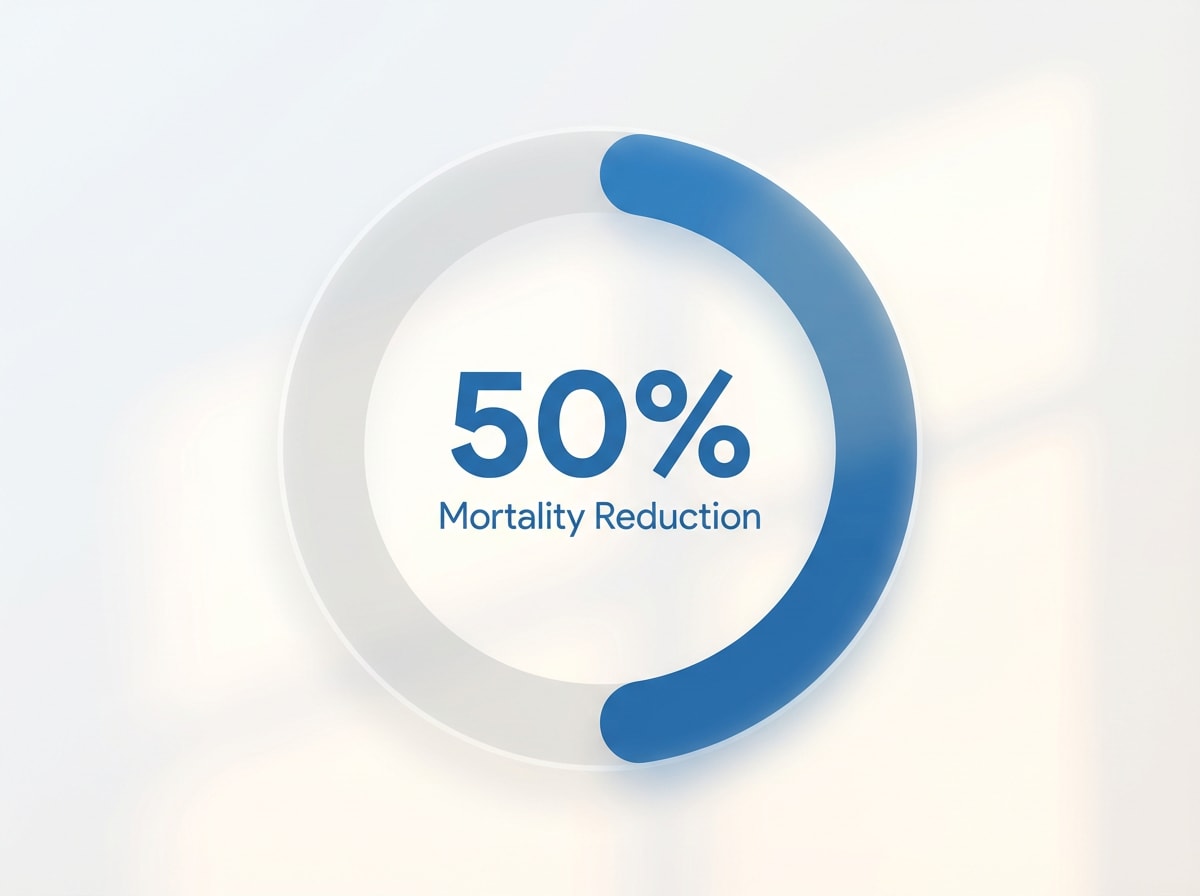
MAT involves using FDA-approved medications—like buprenorphine (Suboxone) or naltrexone (Vivitrol)—to reduce cravings and block the effects of opioids or alcohol. In Ohio, MAT is considered the gold standard for opioid use disorder because it cuts the risk of overdose death by approximately 50%3. It is not “trading one addiction for another”; it is a medical tool to stabilize brain chemistry.
Therapy Modalities That Work
CBT (Cognitive Behavioral Therapy): Helps you identify the negative thought patterns that lead to drug use. Motivational Interviewing: Helps you find your own internal motivation to change, rather than being forced by others. Family Therapy: Heals the family unit, which is often the biggest support system for recovery.
Facility Credentials and Standards
Always check for the Joint Commission (JCAHO) or CARF seal on a facility’s website. These organizations inspect everything from fire safety to patient rights. If a drug rehab Hilliard OH center does not have one of these accreditations, ask why.
Accreditation and Licensing Markers
State licensing is mandatory; accreditation is voluntary. A facility that invests in accreditation is investing in your safety. Research confirms that accredited programs generally deliver better outcomes for Ohio families2.
Staff Qualifications to Look For
Look for these acronyms after staff names: MD/DO (Doctor), RN/NP (Nurse), LICDC (Licensed Independent Chemical Dependency Counselor), and LISW (Licensed Independent Social Worker). These credentials ensure you are being treated by professionals who are accountable to a state board.
Navigating Specialized Drug Rehab Hilliard OH Programs
Tool: Program Fit Decision Tree
If you are a Veteran: Look for “Trauma-Informed” tracks with PTSD specialization. If you are a Professional: Look for “Executive” tracks that allow laptop/phone access. If you have a Co-Occurring Disorder: You must choose a “Dual Diagnosis” facility.
One size does not fit all in recovery. Ohio offers specialized tracks designed for specific populations. For example, veterans may benefit from programs that understand military culture and combat trauma, while young adults often thrive in peer-driven environments.
Faith-based programs integrate spiritual principles for those who find strength in religion, while holistic centers might emphasize nutrition, yoga, and acupuncture. The most effective treatment honors your personal story. If you feel out of place in a program, you are less likely to stay. Finding a “cultural fit” is just as important as the clinical care.
Population-Specific Treatment Tracks
Specialized tracks create a safe space where you don’t have to explain yourself. In a gender-specific group, for instance, women might feel safer discussing trauma or domestic violence than they would in a mixed-gender group.
Gender-Specific and LGBTQ+ Programs
LGBTQ+ individuals often face unique stressors related to identity and discrimination. Programs with an LGBTQ+ track ensure staff are trained in these specific issues, fostering an environment of affirmation rather than judgment. Similarly, men’s and women’s programs allow for focused discussions on gender-specific societal pressures.
Veterans and Trauma-Informed Care
Trauma-informed care shifts the question from “What is wrong with you?” to “What happened to you?” For veterans in Ohio, this approach is critical. It recognizes that substance use is often a coping mechanism for deep-seated pain or PTSD. Arista Recovery utilizes these protocols to help veterans heal the root cause, not just the symptom4.
Dual Diagnosis Treatment Integration
Treating addiction without treating the underlying depression or anxiety is like fixing a flat tire but ignoring the engine. Dual diagnosis programs address both simultaneously. In Ohio, this integrated model is linked to significantly lower relapse rates4.
Simultaneous Mental Health Support
Expect to see a psychiatrist for medication management and a therapist for counseling. This isn’t “extra”—it is a core part of the recovery process at reputable centers.
Polysubstance Dependency Approaches
Many people struggle with more than one substance (e.g., alcohol and cocaine). “Polysubstance” treatment plans are more complex because withdrawal symptoms can overlap. A skilled medical team will map out a detox strategy that addresses all substances safely.
Planning for Long-Term Success After Drug Rehab Hilliard OH
Tool: Financial Readiness Checklist
- Insurance: Have you called the number on the back of your card to verify “Behavioral Health” benefits?
- Deductible: How much of your annual deductible have you met? (In Ohio, deductibles often range from $1,000 to $5,000).
- FMLA: Have you contacted HR to file for FMLA protection? (This secures your job for up to 12 weeks).
Recovery is a marathon, not a sprint. The work you do in the first 30 days sets the foundation, but the planning you do for the months afterward ensures you stay standing. A robust aftercare plan is the best predictor of long-term sobriety.
Your support system at home plays a vital role. Family therapy helps loved ones understand that addiction is a disease, not a choice. Open communication and healthy boundaries create an environment where wellness can flourish.
Insurance and Financial Considerations
Cost should not be a barrier to saving your life. Thanks to the Affordable Care Act and Ohio state laws, most insurance plans—including Medicaid—must cover substance use treatment. Out-of-pocket costs can vary widely, from $0 for Medicaid recipients to co-pays of $20-$50 per session for private plans7.
Verifying Coverage in Ohio
Call Arista Recovery or your insurance provider directly. Ask specifically: “Is residential treatment covered, and is prior authorization required?” Getting this “prior auth” is a critical administrative step that the facility usually handles for you.
Maximizing Your Benefits
If you have a high deductible, ask the facility about payment plans. Many centers in Hilliard offer sliding scale fees or financing options to make the deductible manageable over time.
Aftercare and Relapse Prevention
Relapse rates are estimated at 40-60%, similar to other chronic illnesses like diabetes or asthma2. This doesn’t mean treatment failed; it means the treatment plan needs adjustment. A strong aftercare plan includes sober living housing, continued therapy, and community support groups like AA or NA.
Building Your Recovery Support System
Isolation is the enemy of recovery. In Hilliard, you can connect with alumni groups from your treatment center or local recovery community organizations. Having three people you can call at 2:00 AM when cravings hit is a practical, lifesaving tool.
Transitioning to Outpatient Services
Stepping down from residential care to “real life” is the most fragile time. Intensive Outpatient Programs (IOP) bridge this gap, allowing you to work during the day and attend therapy at night. This “step-down” approach is proven to help maintain long-term sobriety.
Frequently Asked Questions
Deciding on treatment can be paralyzing. Here are direct answers to the most common logistical and financial questions families in Ohio ask.
How long does treatment typically last at a drug rehab in Hilliard?
The length of treatment at a drug rehab Hilliard OH center depends on your needs, the type of program, and your recovery goals. In Ohio, most residential or inpatient addiction treatment programs last from 28 to 90 days, with some people choosing longer stays for extra support. Outpatient programs often last several weeks to a few months and can be adjusted as you make progress. Research shows that staying in treatment for at least 90 days leads to the best outcomes for sustained recovery2. At Arista Recovery and other trusted addiction treatment centers in Hilliard, you’ll work with your team to create a personalized plan, so you get the right amount of care for your situation.
What should I bring with me to residential treatment?
When preparing for residential treatment at a drug rehab Hilliard OH center, pack simple, comfortable clothing for about a week, including layers for Ohio’s changing weather. Bring basic toiletries (no alcohol-based items), a photo ID, insurance card, and a list of current medications. Most facilities recommend closed-toe shoes and encourage a favorite book or journal for reflection. Leave valuables, revealing clothing, or anything that could disrupt a safe environment at home.
Can I keep my job while attending rehab in Ohio?
Yes, you may be able to keep your job while attending drug rehab Hilliard OH, thanks to workplace protections and flexible treatment options in Ohio. Many addiction treatment centers offer outpatient programs, evening sessions, or telehealth visits that fit around your work schedule. The Family and Medical Leave Act (FMLA) can protect your job while you get treatment for a substance use disorder, as long as you meet basic requirements and give your employer the right notice.
What happens if I relapse after completing treatment?
If you relapse after finishing treatment at a drug rehab Hilliard OH center, you’re not alone—about 40-60% of people in recovery experience a relapse at some point2. A relapse doesn’t mean you’ve failed or lost all your progress. Think of it like a detour on your recovery journey, not the end of the road. In Ohio, many addiction treatment centers, including Arista Recovery, are ready to support you if this happens.
How do I know if I need medical detox before starting rehab?
You might need medical detox before starting drug rehab Hilliard OH if you’ve been using alcohol, opioids, or other drugs heavily or for a long time. Signs you may need detox include strong cravings, shaking, sweating, nausea, anxiety, or confusion when you try to stop or cut back. Trying to quit some substances suddenly—like alcohol or opioids—can be risky and sometimes even life-threatening without medical help.
Will my family be involved in my treatment at Hilliard facilities?
Yes, most drug rehab Hilliard OH centers, including Arista Recovery, encourage family involvement as part of your treatment plan. In Ohio, research shows that when family members join therapy or support sessions, people are more likely to stick with recovery and have better outcomes2. Family support can mean joining educational workshops, attending family therapy, or simply staying connected through regular updates.
What if I’ve tried rehab before and it didn’t work?
If you’ve been through drug rehab Hilliard OH and didn’t get the results you hoped for, know that you’re far from alone. Many people in Ohio try treatment more than once before finding what truly works for them—recovery is a journey, not a single event. Research shows that 40–60% of people will experience a relapse or may need to try different approaches along the way2.
Are there treatment options if I can’t afford to take time off work?
Absolutely—if you can’t take time off work, there are flexible treatment options at drug rehab Hilliard OH centers. Many Ohio addiction treatment programs now offer evening, weekend, and telehealth sessions, so you can fit recovery support around your job and family responsibilities. Outpatient and intensive outpatient programs let you attend therapy and group sessions while still working during the day.
How do Ohio’s specialty court programs work as an alternative to incarceration?
Ohio’s specialty court programs—often called drug courts or treatment courts—are designed to give people with substance use disorders a second chance. Instead of going to jail, eligible participants work with a team that includes judges, treatment providers, and case managers. The focus is on getting the right addiction treatment in Hilliard, OH, like counseling, drug testing, and recovery support, all while being supervised by the court.
What support is available after I complete residential treatment?
After you finish residential treatment at a drug rehab Hilliard OH center, you’re not on your own. Local addiction treatment centers like Arista Recovery offer ongoing support to help you stay steady in your recovery. This might include outpatient therapy, alumni groups, relapse prevention workshops, and access to sober living homes right here in Ohio.
How can I convince a loved one to enter treatment?
Convincing a loved one to enter drug rehab Hilliard OH can feel overwhelming, but your compassion and patience really matter. Start by choosing a calm moment to express your concern, using “I” statements to share what you’ve noticed—like changes in mood, behavior, or health. Avoid blame, and instead, let them know you care and want to help. In Ohio, research shows that family support can lower substance use and improve treatment outcomes2.
Does Ohio Medicaid cover addiction treatment services?
Yes, Ohio Medicaid covers addiction treatment services—including care at drug rehab Hilliard OH centers. Medicaid in Ohio is required to pay for mental health and substance use treatment, thanks to state and federal rules like the Affordable Care Act. This means you can get help with detox, outpatient therapy, residential rehab, medication-assisted treatment, and counseling if you qualify for Medicaid.
What’s the difference between inpatient and outpatient rehab programs?
The main difference between inpatient and outpatient rehab at a drug rehab Hilliard OH center is where and how you receive care. Inpatient (or residential) rehab means you live at the facility, getting 24/7 support, therapy, and medical care. This is helpful if you need a break from daily stress or have a severe addiction. Outpatient rehab lets you keep living at home while attending therapy and support sessions several times a week.
How do I verify a treatment center’s credentials and accreditation?
To verify a treatment center’s credentials and accreditation in Hilliard, start by asking if the drug rehab Hilliard OH facility is licensed by the State of Ohio and accredited by respected organizations like the Joint Commission (JCAHO) or CARF. These credentials mean the center meets strict standards for safety, ethics, and quality care. You can often find this information on the treatment center’s website or by calling them directly.
Taking the Next Step for Drug Rehab in Hilliard, OH
Recovery is a deeply personal journey, and finding the right support in your Ohio community can make all the difference. Whether you’re in a bustling city or a quiet suburb, accessing care close to home allows you to heal while staying connected to the people, places, and routines that provide stability during this important transition.
If you or someone you care about is ready to explore treatment options, reaching out is the most important step you can take today. Throughout Ohio, compassionate, evidence-based care is available to meet you exactly where you are. Whether you’re considering outpatient services that allow you to maintain your daily routine, or you need more intensive support to build a strong foundation, there’s a path forward that fits your unique situation.
Starting a conversation about treatment can feel overwhelming, but it doesn’t have to be complicated. A simple phone call to a local provider can answer your questions about what care looks like, what insurance covers, and how to begin the process. Quality treatment centers across Ohio—including facilities like Arista Recovery and others in your area—employ teams who understand that every person’s story is different, taking time to listen without judgment and help you understand your options clearly.
Choosing care within your own community means you won’t have to travel far to access the support you need. You can attend sessions, participate in therapy, and build your support network while staying connected to the people and places that matter most to you. This local approach helps create the continuity and stability that are essential during recovery.
Healing is possible, and it starts with one decision to seek help. Whether you’re taking this step for yourself or supporting a loved one through their journey, know that experienced, caring professionals throughout Ohio are ready to walk alongside you. The path to wellness is waiting, and it begins right here in your own community.
References
- Pew Charitable Trusts. (2016). Medication-Assisted Treatment Improves Outcomes for Patients With Opioid Use Disorder. https://www.pew.org/en/research-and-analysis/fact-sheets/2016/11/medication-assisted-treatment-improves-outcomes-for-patients-with-opioid-use-disorder
- Recovery Research Institute. (n.d.). Guide: 11 Indicators of Quality Addiction Treatment. https://www.recoveryanswers.org/resource/effective-addiction-treatment-what-makes-a-good-addiction-treatment-program/
- National Center for Biotechnology Information. (n.d.). The Effectiveness of Medication-Based Treatment for Opioid Use Disorder. https://www.ncbi.nlm.nih.gov/books/NBK541393/
- Substance Abuse and Mental Health Services Administration. (n.d.). Managing Life with Co-Occurring Disorders. https://www.samhsa.gov/mental-health/serious-mental-illness/co-occurring-disorders
- National Institute of Mental Health. (n.d.). Finding Help for Co-Occurring Substance Use and Mental Disorders. https://www.nimh.nih.gov/health/topics/substance-use-and-mental-health
- National Center for Biotechnology Information. (n.d.). Cognitive-Behavioral Therapy for Substance Use Disorders. https://pmc.ncbi.nlm.nih.gov/articles/PMC2897895/
- U.S. Centers for Medicare & Medicaid Services. (n.d.). Mental health & substance abuse coverage. https://www.healthcare.gov/coverage/mental-health-substance-abuse-coverage/
- State of Ohio. (n.d.). Opioid Use Disorder Project Phase 1 Results. https://data.ohio.gov/wps/portal/gov/data/projects/08opioid-use-disorder
- American Society of Addiction Medicine. (n.d.). The ASAM Criteria, Fourth Edition. https://www.asam.org/asam-criteria
- Centers for Disease Control and Prevention. (n.d.). Understanding the Opioid Overdose Epidemic. https://www.cdc.gov/overdose-prevention/about/understanding-the-opioid-overdose-epidemic.html
