 Now under new ownership & part of the Arista Recovery Network! For more information,

Key Takeaways: Navigating Costs & Care
-
1. Assess Your Financial Zone:
Medicaid: Covers ~60% of Ohio admissions with minimal out-of-pocket costs.
Private Insurance: Higher potential coverage but watch for “parity gaps” in Ohio law. -
2. Choose Your Level of Care:
Outpatient/IOP: Lower cost, high flexibility for work/family.
Residential: Higher investment ($56k+ avg), 24/7 medical support. -
3. Immediate Next Step:
If you live in one of Ohio’s 75 shortage counties, call Arista Recovery immediately to verify out-of-network benefits or telehealth options before waitlists grow.
Alcohol Rehab Prices & Ohio’s Treatment Landscape
Statewide Costs & What Drives Them
When you look at alcohol rehab prices in Ohio, you’ll notice costs can be quite different depending on the type of care, location, and even who is paying. Recent surveys show the average cost for residential treatment in Ohio is around $56,688, but this number can go up or down based on several key factors11.
Understanding what drives these prices helps you plan effectively. The primary drivers include:
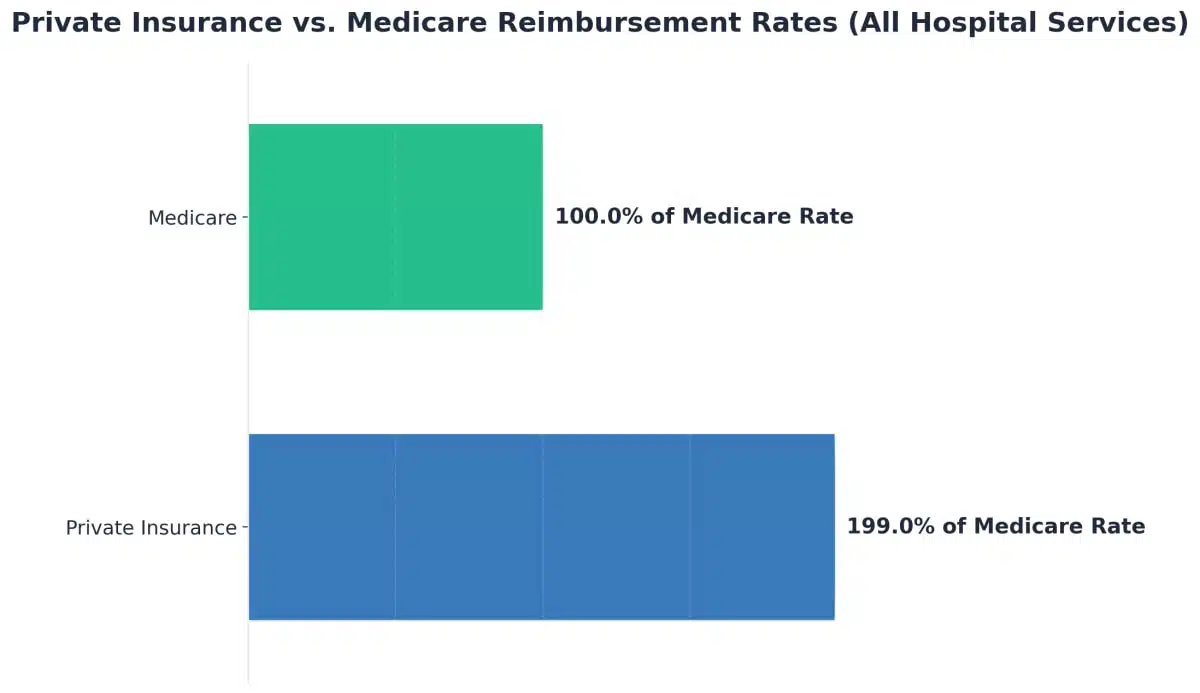
- Insurance Coverage: Private insurers in Ohio sometimes pay much more than Medicare for hospital services, which can make out-of-pocket costs unpredictable1.
- Length of Stay: Longer programs naturally incur higher costs but often yield better long-term results.
- Service Intensity: Medical detox and specialized counseling sessions add to the total investment.
- Provider Availability: Ohio has seen a 353% jump in demand for behavioral health care since 2013, but there aren’t enough providers to keep up4.
When there are fewer specialists, prices often rise because treatment spots are limited. Arista Recovery is here to guide you through each step, making the process as clear as possible.
Urban vs. Rural Treatment Access
Where you live in Ohio can have a big impact on both your access to care and what you might pay for alcohol rehab. In cities like Columbus, Cleveland, and Cincinnati, you’ll usually find more treatment centers and a wider range of services. This can mean shorter wait times and, sometimes, more options for in-network care.
In contrast, many rural Ohio counties face a different reality. Consider these statistics regarding rural access:
“75 out of 88 counties are officially designated as mental health professional shortage areas.”3
For families in places like the Appalachian region or the northwest counties, there just aren’t enough providers. This often leads to longer drives, waitlists, or the need to use out-of-network programs. Research shows rural Ohioans are 20% more likely to use out-of-network providers for substance use treatment, which can drive up alcohol rehab prices and add to financial stress2. Telehealth and regional grant programs are helping to bridge some of these gaps, but the challenge remains real for many families.
Breaking Down Alcohol Rehab Prices by Level
Outpatient & Intensive Outpatient Pricing
Outpatient and intensive outpatient programs (IOP) are popular choices for Ohioans who want to balance recovery with daily responsibilities like work or family. With outpatient care, you might visit a clinic in places such as Dayton or Akron a few times a week, focusing on counseling, group sessions, and check-ins.
IOP offers a bit more structure—often meeting several days a week for a few hours at a time—but still lets you return home each night. Alcohol rehab prices for these programs in Ohio can vary significantly:
| Program Type | Cost Factors | Insurance Note |
|---|---|---|
| Standard Outpatient | Typically a few thousand dollars for a full course. | Lower out-of-pocket costs generally. |
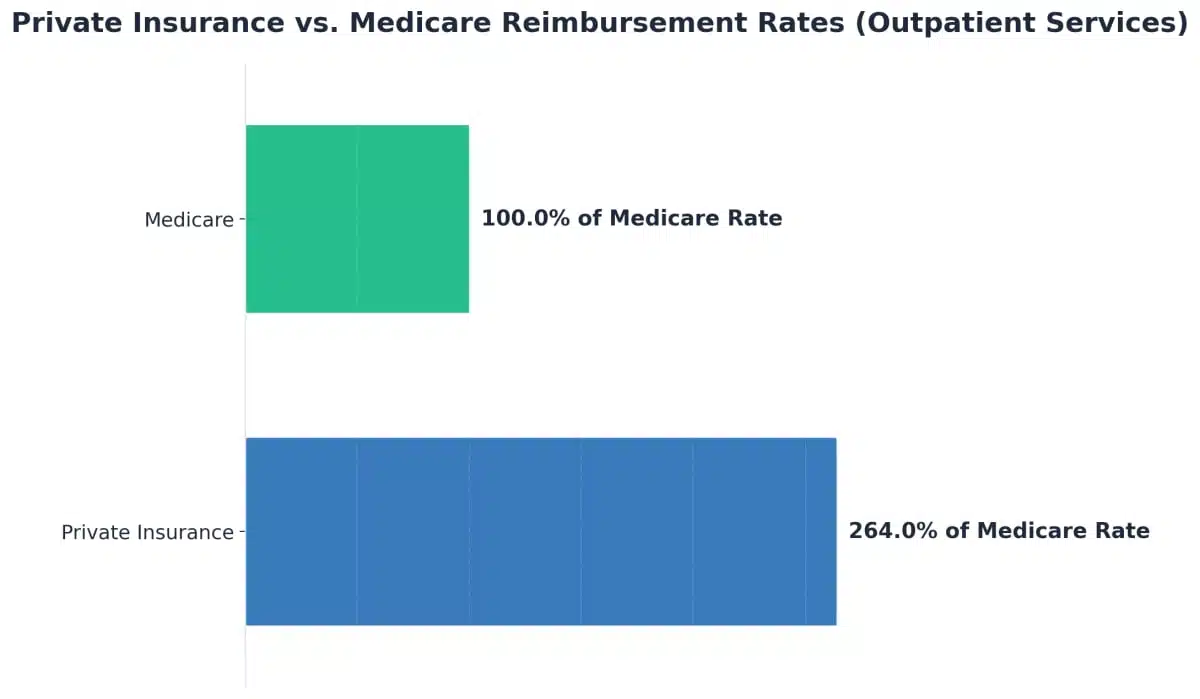
| Intensive Outpatient (IOP) | Higher cost due to increased hours and services. | Private insurers may pay up to 264% of Medicare rates1. |
If you have private insurance, your out-of-pocket costs could be higher than with Medicare. That means it’s smart to check with your insurer and local providers before starting care. At Arista Recovery, we help families across Ohio—from Toledo to Athens—navigate these choices.
Residential & Medical Detox Investment
Residential treatment and medical detox offer the highest level of support for Ohioans ready to make a big step in their recovery journey. These programs give you a safe space to focus fully on healing, with 24/7 care and expert help every step of the way. Alcohol rehab prices for residential care in Ohio average about $56,688, though this varies by length of stay and specialized detox needs11.
Insurance plays a massive role in affordability here. Private insurers in Ohio sometimes pay much more than Medicare for hospital-based detox, which means some families face unpredictable bills1. However, Medicaid may help more if you qualify, since Ohio’s Medicaid expansion covers a wide range of substance use treatments8. For families in areas like the Miami Valley or Appalachian counties, workforce shortages can also affect availability, causing waitlists or higher fees when spots are limited4.
How Ohio Insurance Covers Rehab
Commercial Plans & Parity Requirements
Commercial insurance plans play a major role in shaping alcohol rehab prices across Ohio. If you have a private plan—whether through your job in Cleveland, Columbus, or a smaller town—you’re covered by both state and federal rules. The federal Mental Health Parity and Addiction Equity Act (MHPAEA) says your insurer must treat addiction care the same as medical care regarding copays and limits13.
However, there is a critical distinction in state law that affects your coverage:
“Ohio’s own insurance law only guarantees full parity for certain mental illnesses, not substance use disorders like alcohol addiction.”9
This means insurers in Ohio can still use stricter rules for substance use treatment, leading to more paperwork, extra approvals, or limits on payments. This gap can surprise families expecting equal coverage. At Arista Recovery, we help you navigate these insurance rules so you can focus on getting well.
Medicaid Expansion’s Critical Role
Ohio’s Medicaid expansion has become a lifeline for thousands of families seeking alcohol rehab, especially in regions where private insurance may fall short. Thanks to this expansion, nearly 770,000 Ohioans now have coverage that includes a broad range of behavioral health services, such as residential treatment, outpatient care, and medical detox12.
Medicaid covers about 60% of substance abuse treatment admissions in the state, dwarfing the 15% covered by private insurance3. For many, this means access to care without the stress of unpredictable bills. The federal government picks up 90% of the cost, making this program sustainable for Ohio and its residents12. If you live in the Appalachian region, Central Ohio, or anywhere in between, Medicaid expansion helps level the playing field.
State Resources & Financial Assistance
OneOhio Grants & Federal SOR Funding
Ohio families searching for help with alcohol rehab prices often wonder if there are state or federal resources to make treatment more affordable. The OneOhio Recovery Foundation is a major player in this area. In January 2026, OneOhio launched its second regional grant cycle, making $45.7 million available to support prevention, treatment, and recovery programs across the state’s 19 regions5.
These grants come from Ohio’s share of opioid settlement funds, allowing local organizations to create new services or expand access. Additionally, Federal State Opioid Response (SOR) funding is a vital resource. Ohio is one of just three states to receive over $100 million in SOR grants, which help community boards and providers offer low- or no-cost treatment15.
Navigating Out-of-Pocket Costs
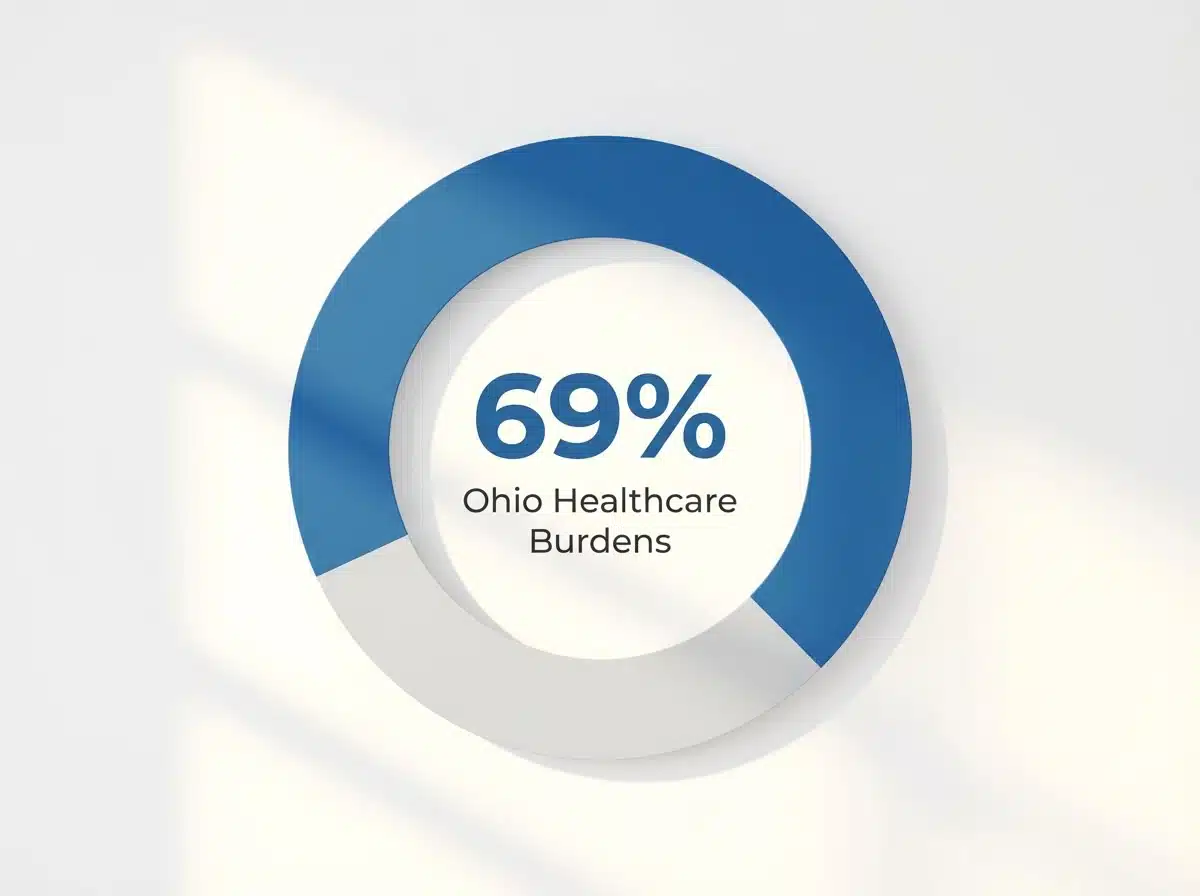
Out-of-pocket costs can be one of the most confusing parts of paying for alcohol rehab in Ohio. Many families find themselves surprised by bills for things like deductibles, copays, or services that aren’t covered by insurance. In fact, nearly 70% of Ohioans have faced at least one healthcare affordability issue in the past year7.
If you have a private insurance plan, you may notice that your share of costs is higher than expected, since private insurers in Ohio often pay much more than Medicare for hospital and outpatient services1. Those extra costs can add up quickly, especially if you have to use an out-of-network provider or need extra support, like medical detox. At Arista Recovery, we work with you to explain every step and help you find ways to manage costs.
Making Your Investment Count in Ohio
Building on your understanding of treatment options, let’s examine how to evaluate the actual value of your investment in Ohio addiction treatment. When you’re considering treatment options in Ohio, understanding the value behind your investment helps you make confident decisions. Quality addiction treatment represents more than just a financial commitment—it’s an investment in long-term health, restored relationships, and a sustainable future.
Effective treatment programs offer comprehensive care that addresses both immediate needs and long-term recovery goals. In practice, this means you should look for a program that includes:
- Evidence-Based Therapies: Cognitive Behavioral Therapy (CBT) and Dialectical Behavior Therapy (DBT).
- Structured Timelines: Typically delivered over 30, 60, or 90-day programs depending on your needs.
- Comprehensive Plans: Medical supervision during detox, individual therapy (3-5 times weekly), group counseling, and family therapy.
- Aftercare: Structured planning and alumni networks that extend beyond the initial program.
Ohio residents have access to various payment options that can make quality treatment more accessible. Under Ohio’s mental health parity laws, most insurance plans must provide substantial coverage for addiction treatment equivalent to medical care coverage. Many facilities work directly with providers to maximize your benefits and verify coverage before admission.
The true measure of value lies in outcomes. Programs that invest in qualified staff (including licensed therapists and certified addiction counselors) and maintain appropriate staff-to-client ratios typically produce better long-term results. For example, programs incorporating family therapy and robust aftercare support see clients maintain sobriety at rates 40-60% higher one year post-treatment compared to programs without these components.
Frequently Asked Questions
What should I do if my insurance denies coverage for alcohol treatment in Ohio?
If your insurance denies coverage for alcohol treatment in Ohio, don’t lose hope. First, ask your insurer for a written explanation—sometimes denials are based on missing paperwork or a lack of pre-authorization. You have the right to appeal, and the process often just means submitting more information or a letter from your provider. Federal law requires most plans to cover addiction treatment at the same level as other medical care, but Ohio’s state rules let insurers set stricter guidelines for substance use disorders9. If you’re stuck, Arista Recovery can help guide you through the appeals process or connect you with state and federal resources so alcohol rehab prices don’t keep you from getting help.
Can I access treatment in Ohio if I live in a rural county with limited providers?
Yes, you can access alcohol rehab in Ohio even if you live in a rural county with limited providers, but it may take extra planning. Nearly 75 of Ohio’s 88 counties are officially mental health professional shortage areas, so it’s common for rural residents to face longer wait times or travel farther for in-person care3. Many people in rural Ohio—especially in places like the Appalachian region—are 20% more likely to use out-of-network providers, which can affect alcohol rehab prices and coverage2. Arista Recovery can help you explore telehealth options, connect with regional grant-supported programs, and find resources that fit your needs. Recovery is possible—even when local choices are few.
How does Medicaid coverage for rehab differ from private insurance in Ohio?
Medicaid coverage for rehab in Ohio is often broader and more predictable than private insurance. Thanks to Medicaid expansion, nearly 770,000 Ohioans have access to residential, outpatient, and detox services, with 60% of substance abuse treatment admissions paid by Medicaid compared to just 15% with private insurance312. Medicaid covers most alcohol rehab prices with minimal out-of-pocket costs, while private plans may have strict limits, require more paperwork, or leave you with higher bills. If you qualify, Medicaid can remove much of the financial stress from seeking help. Arista Recovery can walk you through the process to make sure you get the coverage you need.
Are there free or low-cost alcohol treatment options available in Ohio?
Yes, Ohio offers free and low-cost alcohol treatment options, so help is available even if money is tight. Many local programs are funded by state and federal grants, like the OneOhio Recovery Foundation and federal State Opioid Response (SOR) funding, which support no- or low-cost care in every region515. If you qualify for Medicaid, it covers most alcohol rehab prices—including residential, outpatient, and detox services—across the state12. You can also call SAMHSA’s free, confidential helpline for treatment referrals and support 24/76. Arista Recovery can help you find the right resources and guide you through the process, so cost doesn’t block your path to recovery.
What happens if I need treatment but can’t afford to miss work?
If you’re worried about missing work for treatment, you’re not alone—many Ohioans feel the same way. The good news is that outpatient and intensive outpatient (IOP) programs offer flexibility, letting you get help during evenings or weekends so you can keep your job and care for your family11. Some employers also offer leave or Employee Assistance Programs (EAPs) that protect your job while you focus on recovery. Alcohol rehab prices for these flexible programs can vary, but Arista Recovery can help you find options that work with your schedule and budget. You don’t have to choose between your health and your paycheck.
Does Arista Recovery accept out-of-state insurance for Ohio residents?
Yes, Arista Recovery does work with many out-of-state insurance plans for Ohio residents. Our admissions team checks your coverage details and helps you understand how your plan applies to alcohol rehab prices in Ohio. Because insurance rules can differ by state and provider, coverage for treatment may vary—sometimes needing extra paperwork or pre-approvals. We’ve helped families from Cleveland to the Appalachian region use both in-state and out-of-state insurance for care. If you have questions about your insurance, we’re here to walk you through every step, making sure cost or confusion doesn’t keep you from starting recovery.
How long does it typically take to get insurance approval for rehab in Ohio?
Getting insurance approval for alcohol rehab in Ohio can take anywhere from a few days to a couple of weeks. The timeline depends on your insurance plan, how quickly your provider submits the paperwork, and whether your insurer asks for extra information or pre-authorization. Commercial insurance often requires more documents or steps, which can slow things down—especially since Ohio law allows stricter rules for substance use treatment compared to federal guidelines9. Medicaid approvals are usually faster, especially if you already have coverage. At Arista Recovery, our team works hard to speed up this process and keep you informed about alcohol rehab prices at every step, so you don’t feel left in the dark.
Your Path Forward with Arista Recovery
Now that you understand what to look for in quality treatment and how to evaluate the investment in your recovery, the question becomes: which program offers the right combination of expertise, support, and proven outcomes? Arista Recovery brings evidence-based care directly to Ohio communities, with specialized tracks for co-occurring mental health conditions and a trauma-informed approach that addresses the root causes of addiction—not just the symptoms.
Whether you’re exploring options for yourself or a loved one, our team is ready to provide detailed information about your specific situation. When you connect with our admissions specialists, you’ll discuss your treatment history, current challenges, insurance benefits, and personal recovery goals. We’ll walk you through our program structure, explain exactly what your daily schedule would look like, and answer questions about everything from family involvement to aftercare planning.
Recovery is possible, and it begins with getting accurate information about your options. Contact Arista Recovery at [phone number]—our admissions team is available 24/7 to provide immediate support. Before calling, consider jotting down any questions about treatment length, specific therapies, or insurance coverage. You deserve a life free from addiction, and we’re committed to providing the transparent guidance and comprehensive care that makes lasting wellness achievable.
References
- KFF – How Much More Than Medicare Do Private Insurers Pay?. https://www.kff.org/medicare/how-much-more-than-medicare-do-private-insurers-pay-a-review-of-the-literature/
- Rural-Urban Differences in Out-of-Network Treatment for Substance Use Disorders. https://pmc.ncbi.nlm.nih.gov/articles/PMC11366955/
- Access to Mental Health Care for Ohio Children and Youth – Policy Brief. https://www.healthpolicyohio.org/files/publications/childmhbrief312.08.2025.pdf
- The Ohio Council – Breaking Point: Ohio’s Behavioral Health Workforce Crisis. https://www.theohiocouncil.org/breakingpoint
- OneOhio Recovery Foundation – Grant Process and Cycle 2 Funding. https://www.oneohiofoundation.com/grants
- SAMHSA’s National Helpline – Treatment Referral and Information Service. https://www.samhsa.gov/find-help/helplines/national-helpline
- Healthcare Value Hub – Ohio Survey on Healthcare Affordability. https://healthcarevaluehub.org/chess-state-survey/ohio/2024/ohio-survey-respondents-struggle-to-afford-high-health-care-costs-worry-about-affording-health-care-in-the-future-support-government-action-across-party-lines/
- ASAM – Federal Law and Ohio Medicaid Coverage of Substance Use Disorder Treatment. https://www.asam.org/docs/default-source/education-docs/ohio-medicaid-slides.pdf
- Franklin County Law Library – Ohio Insurance Law: Insurance Parity for Mental Health. https://fclawlib.libguides.com/insurancelaw/parityformentalhealth
- Ohio Department of Behavioral Health – 2025 Annual Report. https://dbh.ohio.gov/wps/portal/gov/dbh/about-us/media-center/annual-reports/2025-annual-report
- How Much Does Rehab Cost? | Average Price of Treatment. https://drugabusestatistics.org/cost-of-rehab/
- Access to mental health and substance use disorder treatment: The role of Medicaid expansion. https://www.healthpolicyohio.org/our-work/publications/access-to-mental-health-and-substance-use-disorder-treatment
- Mental health & substance abuse coverage. https://www.healthcare.gov/coverage/mental-health-substance-abuse-coverage/
- In Pursuit of Parity: Where Ohio Stands on Insurance Coverage for Mental Illness and Substance Use Disorders. https://www.communitysolutions.com/resources/pursuit-parity-ohio-stands-insurance-coverage-mental-illness-substance-use-disorders
- How much money does the government appropriate to combat the opioid epidemic?. https://usafacts.org/articles/how-much-money-does-the-government-appropriate-to-combat-the-opioid-epidemic/
- OneOhio Announces Regional Grant Cycle 2 to Abate Opioid Crisis. https://oneohiofoundation.com/grantawards-1
- Obstacles to alcohol, drug treatment higher for rural Americans. https://news.osu.edu/obstacles-to-alcohol-drug-treatment-higher-for-rural-americans/
- 30-years later, what factors predict who’s most likely to remit from an alcohol use disorder?. https://www.recoveryanswers.org/research-post/30-years-later-factors-that-predict-whos-most-likely-to-remit-from-alcohol-use-disorder/
