 Now under new ownership & part of the Arista Recovery Network! For more information,

Key Takeaways
- Essential Tools: Gather your insurance policy documents, the Ohio Department of Behavioral Health locator, and FindTreatment.gov.
- Core Steps:
- Identify your budget and verify insurance coverage.
- Use state-verified locators to find certified providers.
- Match your specific needs to evidence-based therapy types.
- Outcome: You will successfully connect with a qualified Ohio provider to begin a supported, sustainable recovery journey.
Understanding Ohio’s Alcohol Treatment Landscape
What Makes Ohio’s System Unique
Ohio stands out in the realm of addiction recovery because it blends strong community resources with exceptionally high standards for care. If you are currently searching for alcohol counseling near me, it is helpful to know that every county in Ohio has an Alcohol, Drug Addiction, and Mental Health Services (ADAMHS) board. These boards are a valuable first stop; they help local families find support, connect to funding, and ensure treatment providers are certified and trained.8
What is also unique is how Ohio sets the bar for counselor qualifications. The Ohio Chemical Dependency Professionals Board oversees all licensing, requiring counselors to complete anywhere from 30 to 180 hours of education plus supervised experience. This means when you see an Ohio-certified counselor, you can trust you are working with someone who has met strict state and national standards.5
| Certification Level | Minimum Education Hours |
|---|---|
| CDCA (Entry Level) | 30 Hours |
| LCDC II/III, LICDC | 180 Hours |
Ohio is also ahead in expanding access. Medicaid covers most types of alcohol treatment, including counseling, medication-assisted treatment, and even withdrawal management, so more families can get help without worrying about big bills.3 Plus, recent growth in telehealth means rural Ohioans can access expert counseling from home. If you or a loved one is ready to start, Arista can help you understand your options and connect you with the right resources.
Levels of Care Explained Simply
When you look for counseling in Ohio, you will notice there are several levels of care. These are like stepping stones, each offering a different amount of support so you can get the right help at the right time. First is outpatient care, which is great if you need support but can keep up with your daily life—like work or school. Outpatient usually means meeting with a counselor a few times a week, often less than 9 hours total for adults.

Next is intensive outpatient or partial hospitalization. This level gives you more support, with sessions happening more often and for longer periods, but you still sleep at home. If you need extra care or a safe place to focus on recovery, residential or inpatient treatment is available. Here, you stay at a treatment center and get around-the-clock help until you are ready to step down to a lower level.3
| Level of Care | Where You Stay | Typical Time Commitment |
|---|---|---|
| Outpatient | Home | <9 hours/week |
| Intensive Outpatient | Home | 9+ hours/week |
| Residential/Inpatient | Treatment Center | 24/7 (live-in) |
No matter where you start, Arista’s team can help you figure out which option fits your needs best. Recovery is not one-size-fits-all. Now, let’s talk about how to identify your coverage and budget, so you know what is possible for your family.
Step 1: Identify Coverage for Alcohol Counseling Near Me
Ohio residents face unique challenges when navigating addiction treatment options, but understanding your insurance coverage and financial resources is the critical first step in accessing the care you need. Before you begin reaching out to treatment centers, take time to understand what your insurance policy covers and what your financial options look like. This foundation will help you make informed decisions and reduce stress during an already challenging time.
Start by locating your insurance card and policy documents. Most insurance companies provide detailed benefits information through online portals or mobile apps where you can review your mental health and substance use disorder coverage. Look specifically for information about:
- Inpatient treatment coverage
- Outpatient services and therapy
- Residential rehabilitation programs
- Deductibles, copayments, and out-of-pocket maximums
Call your insurance company’s customer service line and ask specific questions about addiction treatment coverage in Ohio. Request a list of in-network providers and facilities in your area. Ask whether you need prior authorization or a referral from your primary care physician before entering treatment. Understanding these requirements upfront can prevent delays when you are ready to begin recovery.
“The Mental Health Parity and Addiction Equity Act requires most insurance plans to cover mental health and substance use disorder treatment at levels comparable to medical and surgical care.”
Many people discover that their insurance covers more than they initially realized. This means your policy likely includes coverage for various levels of care, from detoxification to ongoing therapy. If you don’t have insurance or your coverage is limited, don’t let that stop you from seeking help. Ohio’s Medicaid expansion currently covers over 3 million residents, including comprehensive addiction treatment services for those who qualify.
Many facilities offer sliding scale fees based on income, and Ohio law requires certain insurance plans to cover substance use disorder treatment, including medication-assisted treatment. Create a realistic budget that accounts for both direct treatment costs and indirect expenses. Consider transportation to and from the facility, any childcare needs during your treatment, and lost income if you will be taking time off work. Having this financial picture clear from the start helps you choose a program that fits your situation without creating additional financial strain.
Step 2: Use Locators to Find Alcohol Counseling Near Me
State and Federal Search Tools
Finding alcohol counseling near me in Ohio can feel overwhelming, but there are trusted tools that make it much easier. Two of the most reliable resources are FindTreatment.gov (run by SAMHSA) and the Ohio Department of Behavioral Health’s treatment locator. Both are free, private, and updated regularly.
Start with FindTreatment.gov. This website lets you search by city or ZIP code and filter for services like alcohol counseling, telehealth, and programs that accept Medicaid or offer sliding-scale fees. It lists only licensed and approved providers, so you know you are getting safe, quality care.4 The Ohio Department of Behavioral Health also has a searchable directory, focused on in-state facilities and local resources. This is especially helpful if you want to see which options are close to your home or if you are looking for specific support, like family therapy or medication-assisted treatment.2
| Tool | What It Does | Who Should Use It |
|---|---|---|
| FindTreatment.gov | Nationwide search, many filters | Anyone starting a search |
| Ohio DBH Locator | Ohio-specific, local resources | Ohio residents, families |
If you get stuck or just need a caring voice, Arista’s team can help you use these search tools and guide you through your next steps. The next step is making sure any provider you find is fully qualified and meets Ohio’s standards.
Verifying Provider Credentials
Before you choose a provider for alcohol counseling in Ohio, make sure they have the right credentials. Not all counselors are the same, so checking their background helps you feel confident about your care. Ohio takes counselor qualifications seriously—every addiction counselor must be certified or licensed by the Ohio Chemical Dependency Professionals Board. This means they have met strict education, training, and testing rules before working with clients.5
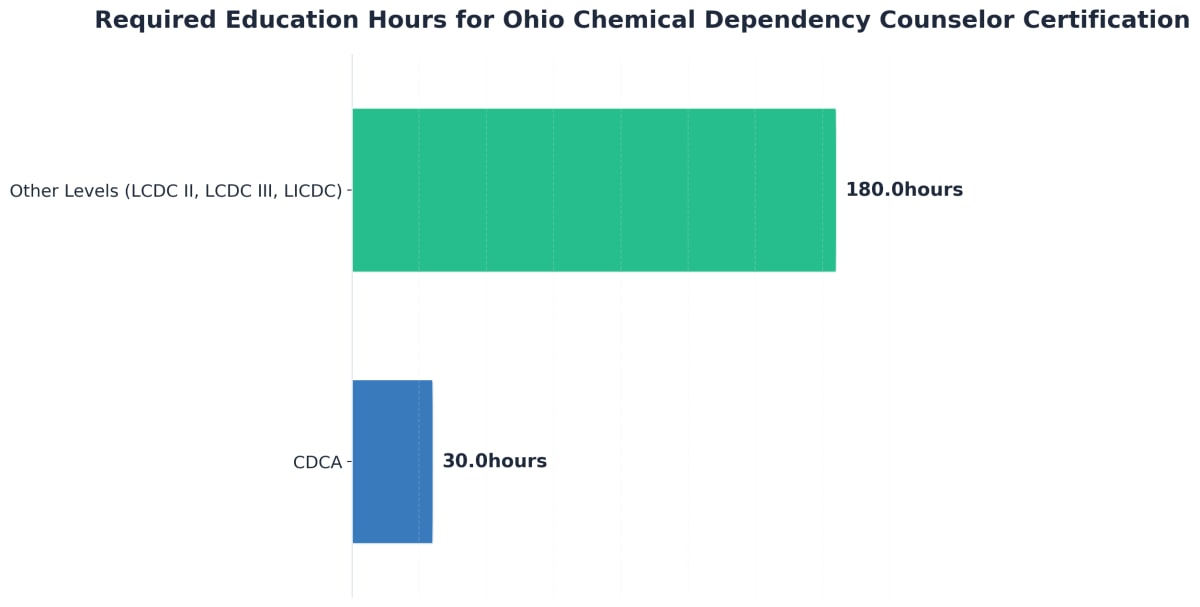
For example, entry-level counselors (CDCA) need at least 30 hours of special education, while higher-level counselors (like LCDC II, III, or LICDC) must complete 180 hours and pass a national exam. You can check a counselor’s license online through the Ohio eLicense Portal or ask the treatment facility to show proof.
| Credential | What It Means |
|---|---|
| CDCA | Entry-level, basic education/training |
| LCDC II/III | Advanced education, national exam |
| LICDC | Master’s degree, highest certification |
Also, look for programs that are listed by the Ohio Department of Behavioral Health. These facilities are regularly reviewed for safety and quality.2 If you have questions or want help checking a provider, Arista’s team is always ready to guide you through the process.
Step 3: Match Your Needs to Treatment Types
Evidence-Based Therapy Options
When you begin your search for alcohol counseling in Ohio, it helps to know which therapy approaches are proven to work. Evidence-based therapies are methods backed by research, so you can feel confident you are getting care that is safe and effective. In Ohio, counselors most often use a few trusted therapies.
Cognitive Behavioral Therapy (CBT) is one of the most common. It helps you spot the patterns and triggers that lead to drinking, then teaches you healthier coping skills. Motivational Interviewing is another approach. Here, your counselor works with you to find your own reasons for making a change—no judgment, just support. Some programs offer Family Therapy, which brings loved ones into the process to strengthen support at home. These therapies can be delivered one-on-one, in groups, or with family members, depending on what fits you best.6
For some people, medication-assisted treatment (MAT) is recommended alongside counseling. Medications like naltrexone, acamprosate, or disulfiram can make cravings easier to manage and improve your chances of sticking with recovery. These medications are safe, and research shows that MAT is about as effective as therapy on its own—combining both can lead to even better results.6
| Therapy Type | What It Focuses On | Setting |
|---|---|---|
| CBT | Changing thoughts & behaviors | Individual/group |
| Motivational Interviewing | Building motivation | Individual |
| Family Therapy | Improving family support | Family/group |
| Medication-Assisted | Reducing cravings | With counseling |
Arista can help you understand which mix of therapies might work best for you or your loved one. Up next, we will look at specialized programs worth considering for unique needs.
Specialized Programs Worth Considering
Every recovery journey is different, and sometimes you need more than standard therapy to address special circumstances. When searching for alcohol counseling in Ohio, you will find a range of specialized programs that go beyond the basics. These are designed to meet unique needs, whether that means addressing mental health along with substance use, supporting specific age groups, or providing extra structure for lasting recovery.
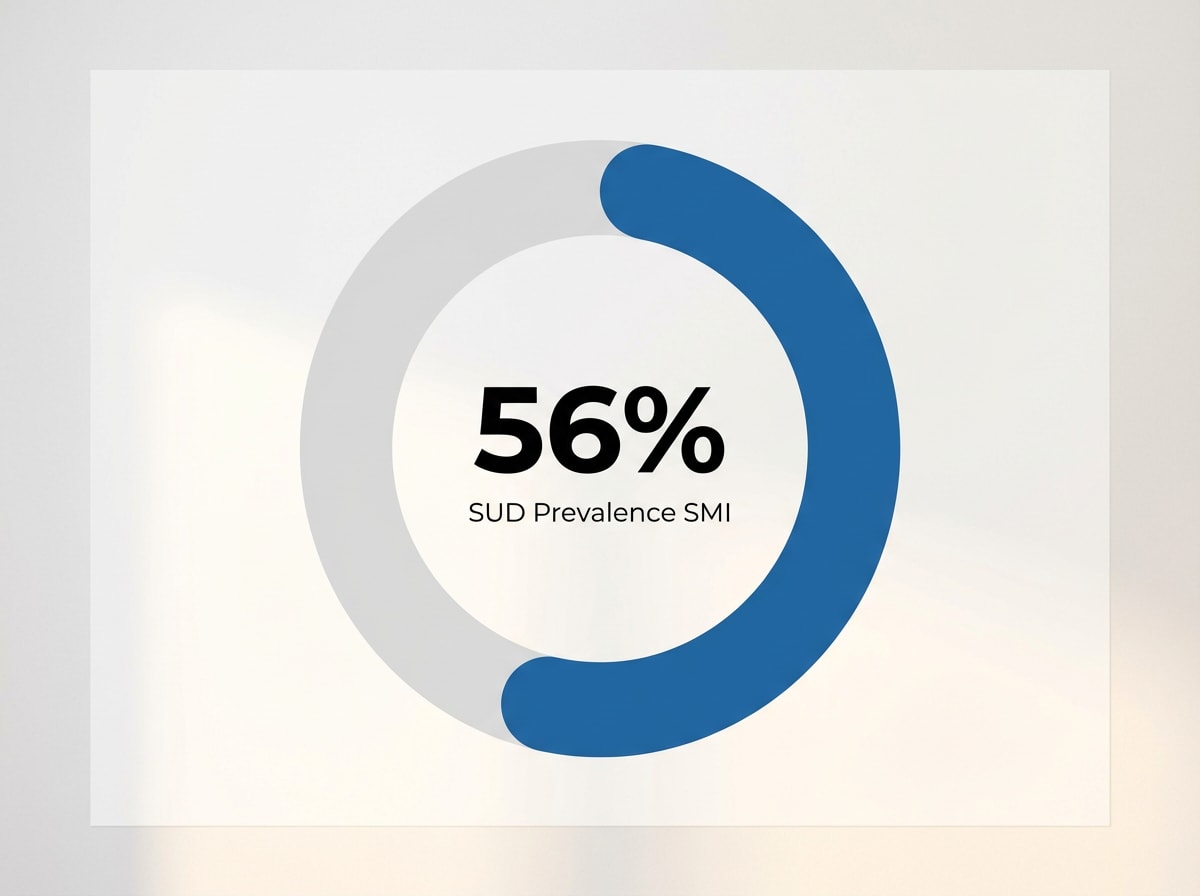
Integrated treatment programs are especially important if you or your loved one struggles with both alcohol use and mental health conditions like depression or anxiety. Up to 56% of people with serious mental illnesses have a co-occurring substance use disorder, so it is common to need both types of help at the same time.9 The best programs offer integrated care—meaning the same team helps with both challenges at once, making it easier to heal.
Young adults, older adults, and families can also benefit from specialized tracks. For example, some Ohio centers have groups just for teens or seniors, so you are surrounded by peers who understand what you are facing. There are also gender-specific groups, LGBTQ+ affirming programs, and trauma-focused care for those who have experienced loss or violence. Structured support like recovery housing or intensive outpatient programs (IOPs) can help you stay on track after finishing a higher level of care. Peer support groups—like 12-step meetings or SMART Recovery—are available statewide and are a great way to connect with others in recovery.6
| Program Type | Who It’s For | Key Benefit |
|---|---|---|
| Integrated Treatment | Co-occurring mental health/SUD | One team, full support |
| Youth/Teen Programs | Adolescents/young adults | Age-appropriate care |
| Gender-Specific/LGBTQ+ | Women, men, LGBTQ+ individuals | Safe, affirming space |
| Trauma-Informed Care | Trauma survivors | Focus on healing trauma |
| Peer Support Groups | Anyone in recovery | Ongoing community support |
Arista’s team is familiar with Ohio’s specialized options and can help you find a program tailored to your unique needs. Once you know which program type fits best, you will be ready to take the next step toward starting your recovery journey.
Frequently Asked Questions
Does Ohio Medicaid cover family therapy sessions along with individual counseling?
Yes, Ohio Medicaid does cover family therapy sessions in addition to individual counseling for substance use and alcohol treatment. This means if you’re searching for alcohol counseling near me, you can receive both types of support through Medicaid-approved providers. Family therapy is often encouraged, as it helps loved ones learn how to support each other and build a healthier home environment. According to Ohio Medicaid guidelines, behavioral health services include counseling and psychotherapy “in a family or group setting” as well as one-on-one sessions.3 Arista’s team can help you find providers who accept Medicaid and offer these services, making recovery more accessible for your whole family.
What should I do if my insurance denies coverage for the recommended level of care?
If your insurance denies coverage for a recommended level of care, don’t give up. First, ask your provider for a written denial letter and the specific reason for the decision. Sometimes, your counselor or treatment center can help you file an appeal or provide extra documentation to show why this care is medically needed. Ohio’s Alcohol, Drug Addiction, and Mental Health Services (ADAMHS) boards may also offer funding or connect you to sliding-scale programs if you’re stuck.8 You can search for alcohol counseling near me with help from Arista, who will guide you through appeals or help you find other options, so you’re not facing this challenge alone.
Can I switch counselors or treatment programs if the first one isn’t a good fit?
Yes, you can switch counselors or treatment programs if you feel the first one isn’t a good fit. In Ohio, your comfort and trust are important for recovery, and it’s common to try a different approach or provider if things aren’t working out. If you’re using a service found by searching for alcohol counseling near me, let the program know your concerns—many centers are happy to help you transfer or refer you to someone else. You might find that a different counselor’s style or a new program better supports your needs.2 Arista is always here to guide you through finding the right fit for your recovery journey.
How do I know if a counselor specializes in co-occurring mental health conditions like depression or anxiety?
To find out if a counselor specializes in co-occurring mental health issues like depression or anxiety, start by checking their credentials and the services offered by their treatment center. In Ohio, look for programs or counselors that specifically mention “integrated treatment” or “dual diagnosis” care. This means they are trained to address both substance use and mental health together, not separately. According to research, up to 56% of people with serious mental illness also have a substance use disorder, so integrated care is important for full recovery.9 When searching for alcohol counseling near me, ask directly about experience with conditions like depression or anxiety. Arista’s team can help you review your options and connect you with the right specialists.
Are telehealth counseling sessions as effective as in-person treatment for alcohol addiction?
Yes, telehealth counseling sessions can be just as effective as in-person treatment for alcohol addiction, especially when you work with a certified Ohio provider. Studies show that virtual therapy helps many people stay connected to care, even if they live in rural areas or have busy schedules.4 During the past few years, Ohio expanded telehealth so more families could access alcohol counseling near me from home. Most evidence-based therapies—like cognitive behavioral therapy and motivational interviewing—work well online, and many people feel safer opening up from their own space.6 If you need help deciding between telehealth and in-person options, Arista can guide you to the choice that supports your recovery and comfort.
What happens if I relapse during or after completing counseling?
Relapse can feel discouraging, but it is a normal part of the recovery process for many people in Ohio. If you experience a return to drinking during or after counseling, don’t think of it as failure. Instead, it’s a sign you may need extra support or a different approach. You can reach out to your counselor, treatment center, or peer support group right away—even if you’ve finished your program. Many Ohio providers, including those you’ll find by searching for alcohol counseling near me, welcome people back for booster sessions or to adjust treatment plans. Research shows that lasting recovery often takes several tries, and support is always available.6 Arista can help you reconnect with care and find hope again.
How long does alcohol counseling typically last in Ohio programs?
Alcohol counseling in Ohio can last anywhere from a few weeks to several months, depending on your needs and treatment goals. Outpatient programs often involve meeting with a counselor once or twice a week for 6 to 12 weeks, but some people continue care longer for extra support. Intensive outpatient and residential programs are more structured and may last 30 to 90 days or more.3 Your counselor will help you decide what’s right for you, and many Ohio programs offer flexible options so you can adjust if life changes. When searching for alcohol counseling near me, Arista can help you find a program with a timeline that fits your life and recovery goals.
Begin Your Recovery Journey in Ohio
Now that you understand your coverage options and financial resources available in Ohio, it is time to take action. Taking the first step toward recovery is a significant decision, and you do not have to navigate it alone. Throughout Ohio, compassionate treatment centers stand ready to support you or your loved one with evidence-based care tailored to individual needs.
Start by calling your insurance provider this week to verify your specific mental health and substance use disorder benefits. For immediate guidance, contact the Ohio Department of Mental Health and Addiction Services CareLine at 1-877-275-6364, available 24/7 to connect you with local resources. You can also visit mha.ohio.gov to access the state’s treatment facility directory and additional recovery support services.
Arista Recovery specializes in helping Ohio residents navigate insurance verification and understand their coverage options for addiction treatment. Our team can review your specific benefits, explain your out-of-pocket costs, and identify which treatment levels—from inpatient programs to outpatient services and aftercare support—your plan covers. Recovery is possible, and finding the right treatment fit both clinically and financially sets a strong foundation for lasting healing. Contact us today to receive a free, confidential insurance verification and take your first step toward a healthier, substance-free life.
References
- Rule 5160-27-09: Substance use disorder treatment services. https://codes.ohio.gov/ohio-administrative-code/rule-5160-27-09
- Ohio Department of Behavioral Health (formerly Ohio Department of Mental Health and Addiction Services). https://dbh.ohio.gov
- Ohio Medicaid Behavioral Health Services. https://medicaid.ohio.gov/families-and-individuals/srvcs/bh/bh
- SAMHSA Find Help: Treatment Locators and Helplines. https://www.samhsa.gov/find-help
- Ohio Chemical Dependency Professionals Board – Get Certified or Licensed. https://ocdp.ohio.gov/get-certified-licensed
- NIAAA: Recommend Evidence-Based Treatment – Know the Options. https://www.niaaa.nih.gov/health-professionals-communities/core-resource-on-alcohol/recommend-evidence-based-treatment-know-options
- Healthcare.gov: Mental Health & Substance Abuse Coverage. https://www.healthcare.gov/coverage/mental-health-substance-abuse-coverage/
- ADAMHS Boards and the Ohio Department of Behavioral Health (DBH). https://www.adamhscc.org/resources/information-for-providers/ohiomhas
- SAMHSA: Integrated Treatment for Co-Occurring Disorders – Building Your Program. https://library.samhsa.gov/sites/default/files/ebp-kit-building-your-program-10112019.pdf
- InterCoast College: Qualities and Qualifications of Successful Addiction Counselors. https://intercoast.edu/articles/do-you-have-what-it-takes-to-become-an-addiction-counselor-the-key-traits-and-qualifications-of-a-successful-drug-alcohol-counselor/
