 Now under new ownership & part of the Arista Recovery Network! For more information,

- Identify the Signs: Use the comparison tools below to distinguish between social drinking and alcohol addiction symptoms.
- Assess Severity: Determine if you or your loved one falls into the mild, moderate, or severe category to choose the right level of care.
- Act on Safety: If physical withdrawal symptoms (shaking, confusion) are present, seek immediate medical detox in Ohio rather than attempting to quit alone.
- Integrated Care: Successful recovery often requires treating co-occurring mental health conditions like anxiety or depression simultaneously.
Understanding Alcohol Addiction Symptoms Today
How AUD Differs from Social Drinking
It is common to wonder where the line is drawn between a casual habit and a diagnosable condition. The clearest way to distinguish the two is by examining specific alcohol addiction symptoms regarding patterns and consequences. Social drinking typically involves occasional consumption during events or weekends without negatively impacting health or responsibilities.
In contrast, Alcohol Use Disorder (AUD) is characterized by a loss of choice. To help you visualize the difference, consider this comparison:
| Social Drinking | Alcohol Use Disorder (AUD) |
|---|---|
| Drinks occasionally for pleasure or social reasons. | Drinks to feel “normal,” cope with stress, or avoid withdrawal. |
| Can stop after one or two drinks easily. | Often drinks more than intended or cannot stop once started. |
| No impact on work, family, or safety. | Continued use despite problems at work, home, or with health. |
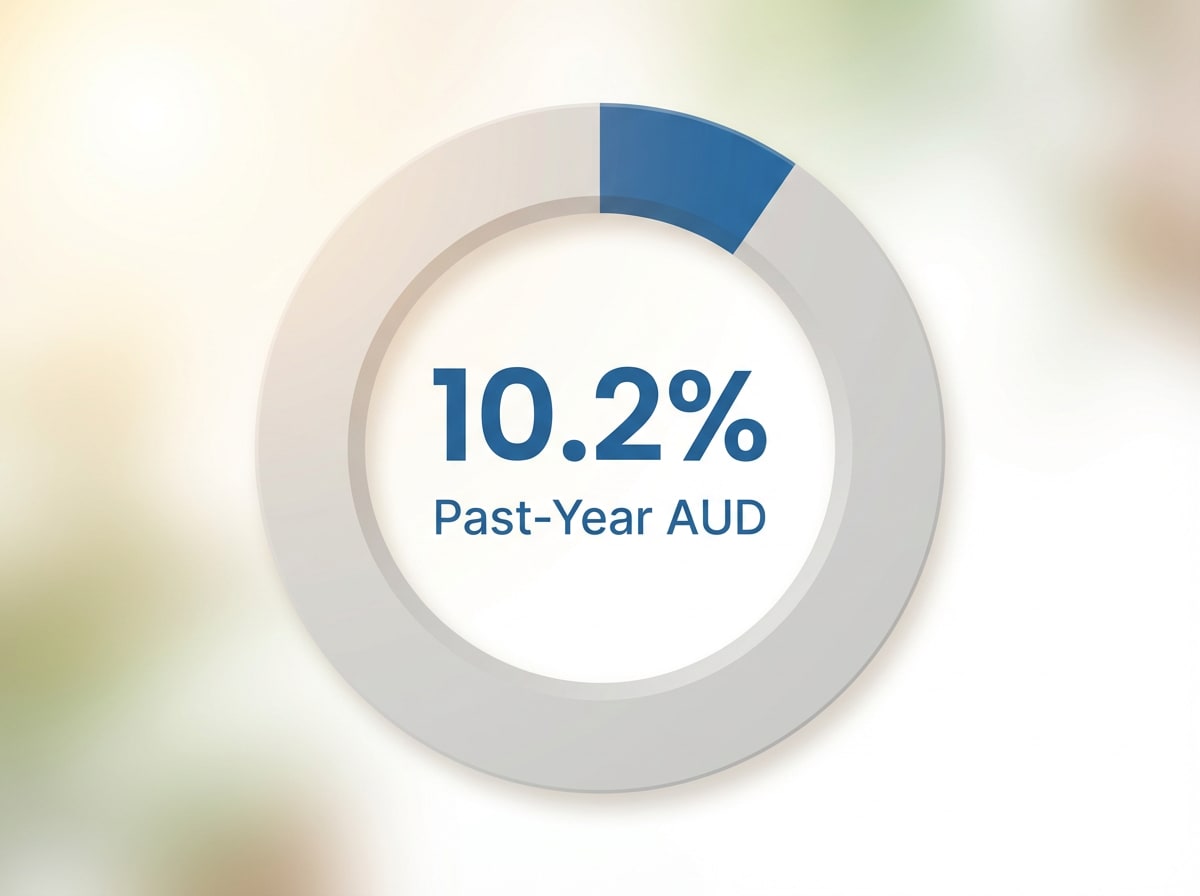
If you are in Ohio, it is helpful to know that approximately 10% of Americans aged 12 and older meet the criteria for AUD annually9. If drinking takes priority over hobbies you once loved, or if anxiety spikes when alcohol is unavailable, these are indicators that require attention. Arista is available to help you assess your situation and determine the necessary next steps.
The Spectrum: Mild to Severe AUD
Alcohol Use Disorder is not a binary condition; it exists on a spectrum based on the number of criteria met within a 12-month period. Understanding where you or a loved one falls on this scale can help determine the urgency and type of care needed:
- Mild AUD (2–3 Symptoms): You may drink more than intended occasionally or find it difficult to cut back, but daily functioning is largely intact.
- Moderate AUD (4–5 Symptoms): The impact becomes visible to others. You might miss work deadlines, experience increased conflict with family, or engage in risky behaviors like driving after drinking.
- Severe AUD (6+ Symptoms): This stage often involves physical dependence. You may need alcohol to function, experience withdrawal symptoms when stopping, and continue drinking despite knowing it is causing severe health issues1.
Recovery is possible at every stage of this spectrum. Whether the signs are just appearing or have been present for years, Arista provides guidance tailored to the severity of the condition.
Behavioral and Psychological Alcohol Addiction Symptoms
Loss of Control and Craving Patterns
Loss of control is a hallmark of addiction. It is not simply a lack of willpower; it is a physiological change in the brain’s reward system. Many clients in Ohio describe a specific cycle:
“I promise myself every morning that I will only have one drink with dinner. But once I start, the ‘off switch’ disappears, and I finish the bottle.”
Cravings accompany this loss of control. These are not casual thoughts but intense, intrusive urges triggered by stress, specific locations, or even the time of day. If you find yourself rearranging your schedule to ensure you can drink, or feeling irritable until you do, you are experiencing a core symptom of the disorder6, 8.
Social and Occupational Consequences
Alcohol addiction symptoms frequently manifest in professional and social environments before physical health declines. In the workplace, these signs often include:
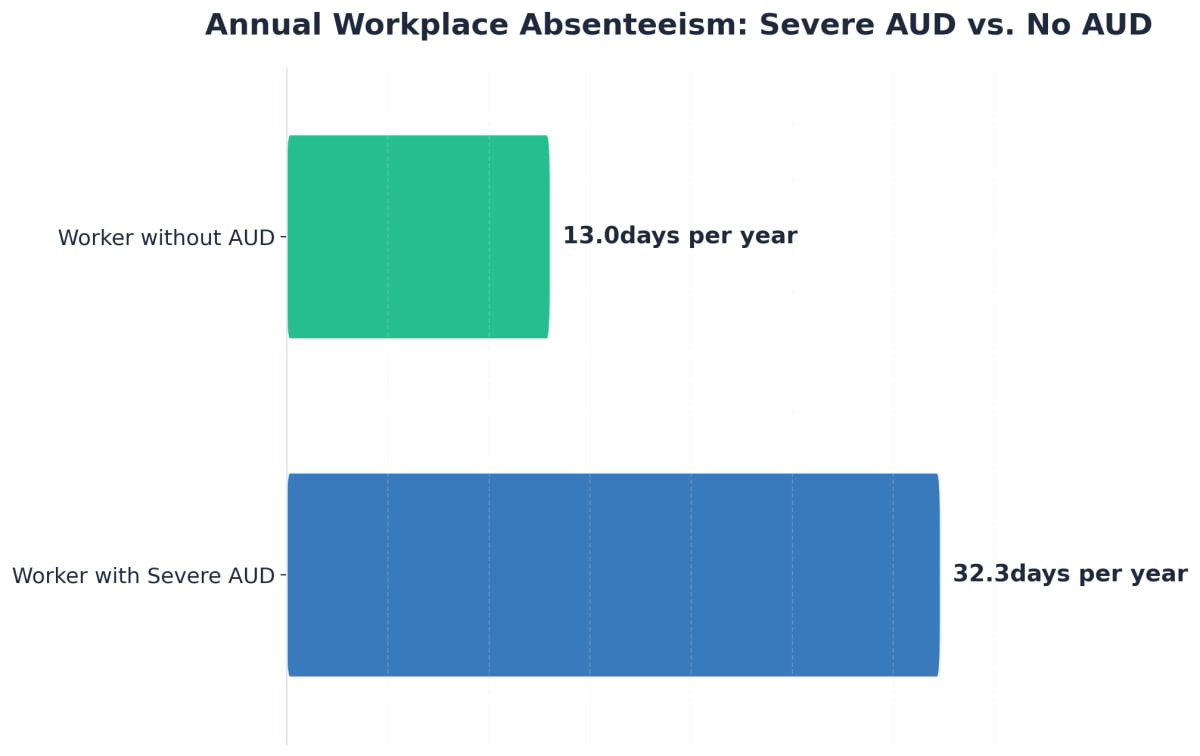
- Absenteeism: Research indicates people with severe AUD miss an average of 32.3 workdays annually, compared to 13 days for those without7.
- Performance Decline: Difficulty concentrating, missed deadlines, or erratic behavior.
- Isolation: Withdrawing from colleagues or avoiding team lunches to hide drinking habits.
Socially, the impact is often felt through isolation. You may find yourself choosing alcohol over time with friends or family, leading to loneliness and strained relationships. If you are an employer or family member in Ohio observing these patterns, recognize them as potential signs of a treatable condition rather than moral failings. Arista helps rebuild the stability and trust that these behaviors often erode.
Physical Symptoms Across Stages
Early Stage: Tolerance and Blackouts
Identifying physical changes early can prevent long-term damage. Tolerance is often the first physical sign; it means requiring larger amounts of alcohol to achieve the effects that were previously felt with less. For example, needing three or four drinks to “unwind” instead of one.
Blackouts are another critical warning sign. Unlike “passing out,” a blackout occurs when a person is conscious and interacting but the brain stops recording memories. This indicates significant neurobiological impact1. If you or a family member in Ohio cannot recall conversations or events from the night before, it is a serious indicator that professional assessment is needed.
Advanced Stage: Withdrawal and Damage
As the disorder progresses, the body becomes physically dependent. Stopping alcohol suddenly can trigger withdrawal symptoms ranging from uncomfortable to life-threatening. Common symptoms include tremors (the “shakes”), sweating, nausea, and severe anxiety.
Click to view the Withdrawal Timeline & Risks
- 6–12 Hours: Mild symptoms start, including anxiety, insomnia, and tremors.
- 12–24 Hours: Risk of hallucinations or seizures increases.
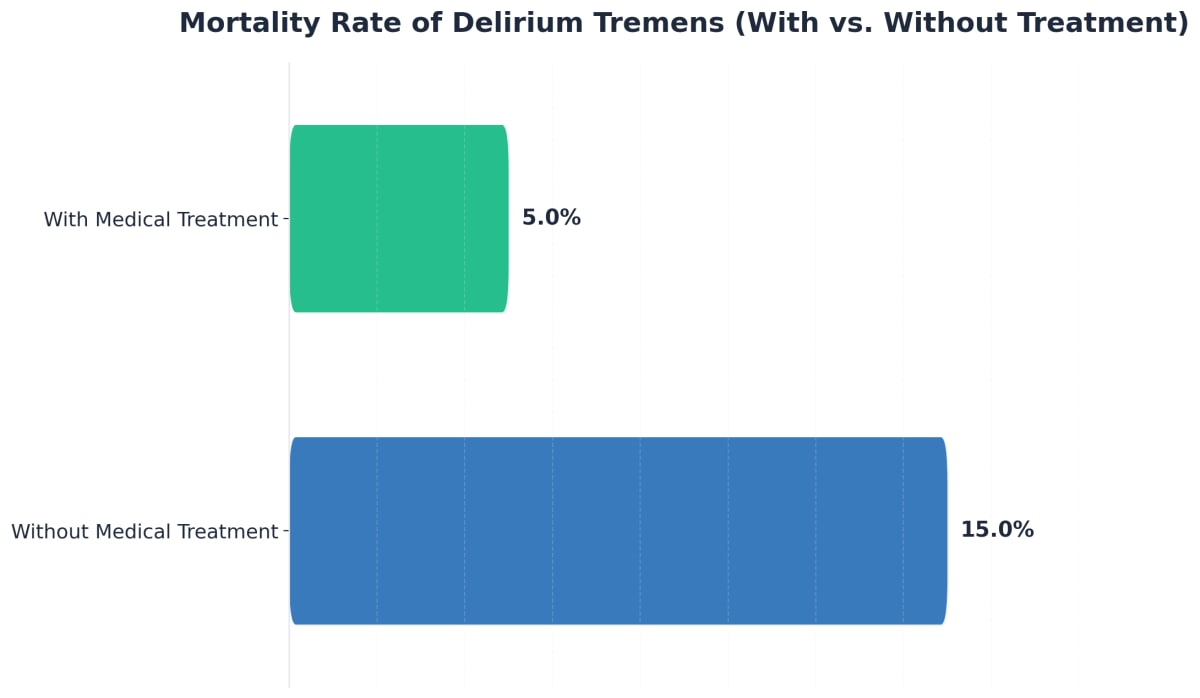
- 48–72 Hours: Peak risk for Delirium Tremens (DTs). DTs have a mortality rate of 15% if untreated, dropping to 5% with medical care5.
Note: Never attempt to detox from severe alcohol use alone. Medical supervision is vital.
Long-term physical damage also accumulates, affecting the liver (cirrhosis), heart (hypertension), and cognitive function. If you notice persistent confusion or illness, immediate medical intervention is required. Arista’s team is equipped to manage these risks safely, ensuring a secure transition into recovery.
Co-Occurring Mental Health Conditions
Mental health and addiction are deeply interconnected. Research compiled by the National Institute of Mental Health suggests that approximately 75% of people with major depressive disorder also experience another mental health condition. In Ohio, we see this frequently: alcohol is often used to self-medicate, which ultimately worsens the underlying mental health issue.
Common co-occurring conditions include:
- Anxiety Disorders: Many people drink to calm racing thoughts, but alcohol withdrawal creates a rebound effect that spikes anxiety higher than before.
- Depression: Alcohol is a depressant. While it may provide temporary relief, it depletes the brain’s neurotransmitters, deepening feelings of hopelessness.
- PTSD: Trauma survivors may use alcohol to numb flashbacks or hypervigilance. Trauma-informed care is essential to treat both the memory and the substance use.
Effective treatment must address both the addiction and the mental health condition simultaneously. This is known as “dual diagnosis” treatment. At Arista, we utilize integrated care plans that treat the whole person, ensuring that as you recover from alcohol use, you also build the resilience and tools needed to manage mental health challenges2.
Frequently Asked Questions
Can someone recover from severe alcohol use disorder without professional treatment?
It’s very rare for someone with severe alcohol use disorder to recover without professional treatment, especially when alcohol addiction symptoms like withdrawal, cravings, and loss of control are present. Most people find it extremely difficult and even dangerous to quit on their own. Severe withdrawal can lead to seizures or delirium tremens, which have a high risk of death if not treated in a medical setting5. In Ohio, medical detox, therapy, and ongoing support greatly increase the chance of success and safety. Arista offers compassionate, expert help that makes recovery possible, even for those who feel stuck.
How do I know if my loved one needs inpatient versus outpatient treatment in Ohio?
Deciding between inpatient and outpatient treatment in Ohio depends on the severity of your loved one’s alcohol addiction symptoms and their daily stability. Inpatient care is best when symptoms are severe—such as withdrawal, medical complications, or repeated relapses—because it offers 24/7 support and a safe environment. Outpatient programs work well for those with milder symptoms who still have strong support at home and can manage daily routines safely. If your loved one struggles to stop drinking on their own or their health is declining, inpatient treatment is likely the safest path1. Arista can help you make this decision based on your family’s unique needs.
What happens if alcohol withdrawal symptoms are ignored?
Ignoring alcohol withdrawal symptoms can be very risky, especially for people in Ohio who may be trying to quit on their own. Mild symptoms like sweating or shaking might seem manageable at first, but more serious problems—such as seizures, confusion, or hallucinations—can develop quickly and become life-threatening without medical help. In fact, the most severe withdrawal reaction, called delirium tremens (DTs), has a mortality rate of about 15% if untreated, but this drops to around 5% with proper medical care5. If you or someone you love is showing alcohol addiction symptoms and wants to stop drinking, reaching out to Arista or another trusted provider for help can save lives.
Does insurance typically cover alcohol addiction treatment programs?
Most insurance plans in Ohio do cover alcohol addiction treatment, but the amount and type of coverage can vary. If you or your loved one is struggling with alcohol addiction symptoms, check with your insurance provider to see what options are available. Many plans include coverage for both inpatient and outpatient care, detox, and counseling. However, some may require pre-authorization or referrals. Medicaid and Medicare also cover certain services related to Alcohol Use Disorder. While costs can differ based on your plan, contacting Arista can help you understand your benefits and get the support you need to begin recovery with less financial stress4.
How can I help someone who doesn’t think they have a drinking problem?
Helping someone in Ohio who doesn’t recognize their drinking as a problem takes patience and care. Start by gently sharing specific examples of how alcohol addiction symptoms—like missed work, mood changes, or broken promises—are affecting their life. Avoid blaming or arguing. Instead, express your concern and let them know you care about their well-being. Offer to listen if they ever want to talk, and provide information about resources like Arista, which can help assess whether their drinking is causing harm. Many people with Alcohol Use Disorder don’t realize the full impact until someone they trust points out the patterns1. Recovery begins with understanding, and your support can make a difference.
What is the typical success rate for alcohol addiction recovery programs?
Success rates for alcohol addiction recovery programs can vary, especially in Ohio where access and support levels differ. Nationally, research shows that about 40% to 60% of people experience a relapse, a rate similar to other chronic illnesses like asthma or hypertension1. This doesn’t mean treatment fails—it highlights the ongoing nature of recovery. Programs that combine medical detox, counseling, and regular follow-up tend to have the best outcomes. If you or a loved one is struggling with alcohol addiction symptoms, know that sticking with a personalized treatment plan—like those at Arista—can greatly improve your chances for long-term recovery and a healthier future.
Are there treatment options for people who need to maintain their job during recovery?
Yes, there are treatment options in Ohio designed for people who must keep working while managing alcohol addiction symptoms. Outpatient programs, including intensive outpatient (IOP) and evening therapy sessions, allow you to get care without leaving your job. These programs typically offer flexible scheduling so you can attend sessions before or after work. Many Ohio employers also support time off for treatment through the Family and Medical Leave Act (FMLA). This approach works best when your symptoms are stable and you have a safe, supportive home environment. Arista can help you find a plan that fits your work life and supports real recovery.1
Conclusion
Recognizing the connection between depression, anxiety, and alcohol use is the first step toward comprehensive healing. These conditions rarely exist in isolation; they intertwine in complex ways that require a sophisticated, integrated approach to treatment. Understanding these relationships helps you see the full picture of what you are experiencing and why professional support is so critical.
Recovery is not just about managing symptoms—it is about healing the whole person. Whether you are dealing with mild AUD or severe physical dependence, the path forward involves understanding the connections between your mental health and your substance use. By building a foundation for long-term wellness, you can reclaim your life from the cycle of addiction.
If you are struggling with these challenges in Ohio, know that help is available. You do not have to face this journey alone. Reaching out to treatment professionals at Arista who understand the complexities of co-occurring conditions can make all the difference. Taking that first step may feel overwhelming, but it is the most courageous thing you can do for yourself.
References
- Alcohol use disorder – Symptoms and causes. https://www.mayoclinic.org/diseases-conditions/alcohol-use-disorder/symptoms-causes/syc-20369243
- Alcohol Use Disorder and Common Co-occurring Conditions. https://www.niaaa.nih.gov/health-professionals-communities/core-resource-on-alcohol/mental-health-issues-alcohol-use-disorder-and-common-co-occurring-conditions
- Alcohol Withdrawal: Symptoms, Treatment & Timeline. https://my.clevelandclinic.org/health/diseases/alcohol-withdrawal
- SAMHSA’s National Helpline. https://www.samhsa.gov/find-help/helplines/national-helpline
- Alcohol Withdrawal Syndrome. https://www.ncbi.nlm.nih.gov/books/NBK441882/
- What Is Craving? Models and Implications for Treatment. https://pmc.ncbi.nlm.nih.gov/articles/PMC6760371/
- Association Between Workplace Absenteeism and Alcohol Use Disorder. https://jamanetwork.com/journals/jamanetworkopen/fullarticle/2790205
- Alcohol addiction linked to major brain gene changes. https://www.drugtargetreview.com/news/192992/alcohol-addiction-linked-to-major-brain-gene-changes/
- Risks: Alcohol misuse. https://www.nhs.uk/conditions/alcohol-misuse/risks/
- Neuroscience: The Brain in Addiction and Recovery. https://www.niaaa.nih.gov/health-professionals-communities/core-resource-on-alcohol/neuroscience-brain-addiction-and-recovery
