 Now under new ownership & part of the Arista Recovery Network! For more information,

Key Takeaways: Financing Your Recovery
- Assess Your Eligibility: Use the checklists below to determine if you qualify for Medicaid expansion (income <138% FPL) or OhioMHAS state grants before assuming you must pay out of pocket.
- Calculate the ROI: Remember that every $1 invested in treatment saves approximately $7 in future legal and health costs—recovery is a financial gain, not just an expense.
- Take Immediate Action: Don’t let “sticker shock” paralyze you. Call 1-800-720-9616 or Arista Recovery today to request a free insurance verification and financial assessment.
Affordable Rehab Ohio: When Addiction Costs More Than You Can Pay
Finding affordable rehab Ohio families can trust is often the first hurdle in the recovery journey. The financial burden of addiction extends far beyond the immediate cost of substances. When you’re struggling with substance use disorder, the expenses compound quickly—lost wages from missed work, legal fees, medical bills from emergency room visits, and damaged relationships that carry their own emotional and financial toll. For many Ohioans, these mounting costs create a seemingly impossible barrier to accessing treatment.
You might find yourself in a painful catch-22: addiction has drained your financial resources, yet the treatment you desperately need feels financially out of reach. This is when many people delay seeking support, hoping circumstances will somehow improve on their own. But addiction rarely resolves without intervention, and waiting often means the costs—both financial and personal—continue to escalate.
| Expense Category | Cost of Treatment (Investment) | Cost of Untreated Addiction (Loss) |
|---|---|---|
| Financial | One-time or monthly program fees (often covered by insurance/grants). | Daily substance costs, lost wages, legal fines, job loss. |
| Health | Medical stabilization, improved physical health. | Emergency room visits, chronic illness, overdose risk. |
| Legal | None (voluntary treatment is confidential). | DUIs, court costs, potential incarceration. |
Here’s what you need to know: financial hardship doesn’t have to prevent you from accessing quality addiction treatment in Ohio. While the cost of care is a legitimate concern, numerous funding options exist specifically for people in your situation. State-funded programs, Medicaid coverage, sliding-scale payment options, and specialized grants are designed to ensure that money isn’t the barrier between you and recovery.
The Real Price of Treatment in Ohio
When thinking about affordable rehab Ohio families often worry about the sticker shock, but understanding the real price of treatment helps you plan. The average cost for medical detox can range from $500 to $1,500 per day, and residential programs in Ohio may charge between $24,000 and $80,000 for a month of care3. This often feels out of reach, especially if you’re uninsured or underinsured.
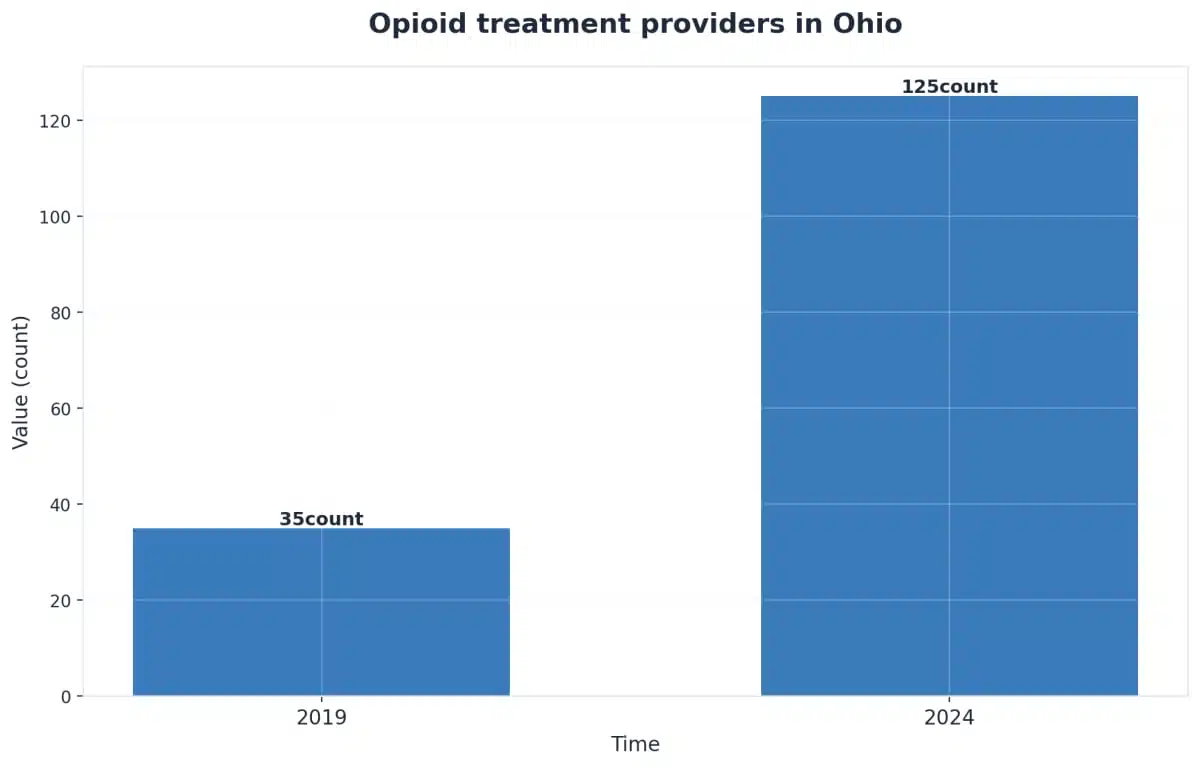
But here’s the encouraging part: Ohio has expanded public funding, sliding scale options, and more than 125 opioid treatment providers in 2024 (up 250% since 2019), making it easier to find a program that fits your budget3. If you’re looking for addiction treatment in Ohio, knowing these costs—along with financial help options—can help you take the next step toward recovery with Arista as your guide.
What Medical Detox Actually Costs
Medical detox is often the first step if you want to safely stop using drugs or alcohol, especially when withdrawal can be dangerous. In Ohio, the average daily cost of medical detox ranges from $500 to $1,500 depending on the setting and level of monitoring needed3. Factors like the type of substance, medical needs, and how long detox takes can all affect the final price.
While that number may seem overwhelming, options like public funding or sliding scale programs can make this critical care more accessible for Ohio families seeking affordable addiction treatment. Arista Recovery can help you find a path to safe, medically supervised detox that fits your needs and budget.
Residential Care Investment Breakdown
Residential care is a major step in recovery, giving you 24/7 support and a safe space to heal. In Ohio, the investment for these programs can range from $24,000 to $80,000 for a month of care, depending on the facility, amenities, and level of clinical services3. While that price is daunting, many centers—including those working with Arista—offer financial assistance, public funding, or sliding scale rates to help you access affordable rehab Ohio families need.
Here’s a quick comparison to help you weigh your options:
- Private-pay residential: Higher cost, quicker access, more amenities.
- State-funded or sliding scale: Lower cost, longer wait times, basic comforts.
No matter your budget, Ohio’s growing network of treatment centers means you have more choices than ever before.
Why Cost Shouldn’t Stop Your Recovery
It’s easy to feel stuck when you see the numbers for treatment, but don’t let cost stop you from reaching out for help—recovery is possible and worth it. Every dollar spent on affordable rehab Ohio programs saves seven dollars in law enforcement and criminal justice costs alone, not to mention the health and personal benefits for you and your family4.
Delaying care often leads to more medical bills, lost work, and emotional pain, making things harder long-term. Ohio offers treatment options like sliding scale fees and public funding, so even if money is tight, you can access support. With Arista Recovery, you’ll find a caring team ready to help you navigate these choices and fight for a healthier tomorrow.
The 7:1 Return on Treatment Investment
When you invest in affordable rehab Ohio programs, you gain much more than sobriety—you’re building a stronger future for yourself and your community. For every $1 spent on treatment, Ohio saves $7 in law enforcement and court costs, and $4 more in healthcare expenses4. This means choosing rehab isn’t just a personal step; it’s a smart decision for families and neighborhoods across the state.
“Investing in recovery yields a 7:1 return by reducing crime and criminal justice costs. When healthcare savings are included, the ratio rises to 12:1.”
Pros:
- Saves money for families and taxpayers
- Reduces crime and emergency room visits
- Improves family stability and job security
Possible Cons:
- Upfront cost can still feel high
- Requires time and commitment
With Arista Recovery guiding you, these savings and life changes are within reach.
Hidden Costs of Delaying Care
Waiting to seek help for addiction often leads to higher costs—both in your wallet and in your life. Medical bills can pile up as untreated substance use increases the risk of ER visits, hospital stays, or accidents. Missing work or losing a job can mean lost income, making it even harder to afford any kind of care. Emotional stress grows for both you and your loved ones, and relationships can suffer.
Studies show that when Ohioans delay accessing affordable rehab Ohio programs, the price tag grows through ongoing health issues and legal troubles4. The longer treatment is put off, the more support, time, and resources are needed to get back on track. Choosing recovery early protects your health and saves money over time.
Ohio’s Public Funding Pathways for Affordable Rehab
Now that you understand what resources are available, let’s examine the specific public funding pathways that can make treatment accessible regardless of your financial situation. When you’re facing addiction without the means to pay for treatment, Ohio offers several public funding options that can open doors to the care you need.
Ohio Medicaid serves as the primary public funding source for addiction treatment across the state. Under Ohio’s Medicaid expansion, you qualify if your income is at or below 138% of the federal poverty level—that’s approximately $20,780 annually for a single adult or $43,056 for a family of four in 2024. If you’re a single adult earning less than $20,000 annually, you likely qualify for Medicaid coverage that includes detoxification, residential treatment, outpatient counseling, and medication-assisted treatment.
The Ohio Department of Mental Health and Addiction Services (OhioMHAS) administers grants to treatment providers throughout the state, creating opportunities for reduced-cost or free services. These funds specifically target individuals who lack insurance or whose coverage doesn’t adequately address their treatment needs. For example, someone earning slightly above Medicaid thresholds might access outpatient counseling sessions at $15-25 per visit instead of the standard $100-150, or receive residential treatment with fees based on a sliding scale.
Medicaid Coverage Under the ACA
Medicaid coverage under the Affordable Care Act (ACA) has made getting help for addiction much more possible for Ohio families. If you qualify, Medicaid pays for most types of substance use disorder treatment, including detox, inpatient rehab, and outpatient programs—helping many people access affordable rehab Ohio can count on for real recovery6.
This is especially important because Medicaid now covers nearly 3 million Ohioans, reaching more low-income adults and families than ever before3. For those worried about the cost of addiction treatment, this kind of coverage removes a big barrier and brings much-needed hope.
What Ohio Medicaid Covers for SUD
Ohio Medicaid covers a wide range of substance use disorder (SUD) treatment services to help you or your loved one start recovery without overwhelming costs. This includes medical detox, inpatient rehab, outpatient programs, medication-assisted treatment (like Suboxone or methadone), counseling, and aftercare planning—all essential for affordable rehab Ohio families can count on6.
These benefits are designed to support you at every stage, from withdrawal management to long-term relapse prevention. Medicaid also supports treatment for alcohol, opioid, and stimulant addictions, reflecting Ohio’s changing needs3. With Arista’s experience navigating local Medicaid plans, you can feel confident that help is available and accessible.
How to Verify Your Eligibility
Checking if you qualify for Ohio Medicaid is easier than you might think—and it’s the first step toward affordable rehab Ohio families can trust. Follow this simple checklist to get started:
- Gather Documents: Have your proof of income (pay stubs), household size information, and citizenship/immigration documents ready.
- Visit the Portal: Go to the official Ohio Benefits website or visit your local county Job and Family Services office.
- Check Income Limits: Verify if your household income is at or below 138% of the federal poverty level6.
- Apply: Submit your application online or in person.
If you’re unsure, Arista Recovery can guide you through this process and answer questions about Medicaid for addiction treatment. Taking a few minutes to verify eligibility could open the door to addiction treatment resources and support that fit your needs.
State-Funded Treatment Options
State-funded treatment options make recovery possible even if you don’t have Medicaid or private insurance. In Ohio, agencies like the Department of Mental Health and Addiction Services (OhioMHAS) use state and federal dollars to help cover the cost of addiction care for those who qualify. These options include local treatment centers, outpatient programs, and even residential rehab facilities that offer low-cost or free care to Ohio residents.
Many families discover that affordable rehab Ohio programs funded by the state are available right in their communities, lowering barriers to getting help3. You’ll often find a mix of support, such as counseling, group therapy, and medication-based treatments, all focused on helping you start your recovery journey. Arista Recovery can help you connect with these programs and guide you through the application process.
OhioMHAS Programs and Resources
OhioMHAS (the Ohio Department of Mental Health and Addiction Services) is your main gateway to state-funded addiction help in Ohio. OhioMHAS works with local providers across all 88 counties to offer affordable rehab Ohio families can access, including outpatient care, residential treatment, detox, counseling, and medication-assisted options3.
These programs are designed to meet you where you are—whether you need support for opioid, alcohol, or stimulant use. An encouraging sign: Ohio has increased its network of opioid treatment providers by 250% since 2019, helping more people find care close to home3. With Arista’s guidance, you can connect to the right OhioMHAS-approved services, making recovery support more available than ever.
Federal Block Grant Services
Federal block grants play a big role in making affordable rehab Ohio families need available, especially in communities where local resources are stretched thin. These grants, provided by SAMHSA, help fund outpatient counseling, residential treatment, detox, aftercare, and more for people who might not have insurance or Medicaid. Programs supported by these grants focus on both urgent help and long-term recovery, with services ranging from group therapy to medication-assisted treatment5.
The major benefit is that these funds allow centers like those Arista partners with to lower or even remove costs for people in need. A possible drawback is that spots may be limited due to demand, and wait times can be longer than with private insurance options. Still, federal block grant services are a lifeline for many Ohioans seeking substance use treatment and support.
Commercial Insurance and Sliding Scales
If you have commercial health insurance through an employer or the Health Insurance Marketplace, your plan may cover behavioral health and substance use treatment. Under the Mental Health Parity and Addiction Equity Act, insurance companies must provide coverage for behavioral health services comparable to what they offer for physical health conditions. This means your policy likely includes benefits for residential treatment, outpatient therapy, and medication-assisted treatment.
Start by reviewing your insurance policy or calling the customer service number on your card to understand your specific coverage. Ask about in-network providers, deductibles, copays, and any pre-authorization requirements. Many treatment centers in Ohio, including Arista Recovery, work directly with insurance companies to verify benefits and handle claims on your behalf, removing much of the administrative burden during an already stressful time.
Even if you have insurance, high deductibles or limited coverage can still create affordability challenges that feel overwhelming. For those whose insurance doesn’t fully cover treatment costs—or who don’t have insurance at all—sliding scale payment options can make recovery accessible. Sliding scale fees adjust based on your income and family size, ensuring that financial limitations don’t become barriers to accessing care.
For example, someone earning $30,000 annually might pay $50 per session instead of $150, while someone with higher income pays the full rate. These arrangements recognize that everyone’s financial situation is different and that recovery should be within reach regardless of economic circumstances.
Maximizing Your Insurance Benefits
Making the most of your insurance for recovery in Ohio can open the door to affordable rehab Ohio families need. First, check your policy for addiction treatment coverage—most plans must cover substance use care just like other health needs, thanks to mental health parity laws6. Then, call your insurance provider to verify what’s included (like outpatient, inpatient, or medication-assisted treatment) and ask if you need pre-approval.
It’s easy to miss key details, so having a team like Arista walk you through the fine print can save you time and stress. Remember, using commercial insurance for addiction recovery often means access to a wider network of care options, but you might still have deductibles or copays. Some plans require you to use in-network providers, and missing paperwork can delay care.
Pros: More treatment choices, faster admission, privacy. Cons: May face out-of-pocket costs, need paperwork and approvals.
Understanding Mental Health Parity Laws
Mental health parity laws require insurance companies in Ohio to treat substance use disorder coverage the same way as any other medical condition. This means your plan must offer equal benefits for addiction treatment—like rehab, counseling, or medication-assisted treatment—so you don’t face unfair limits or higher costs just because you’re seeking help for addiction6.
If you have trouble getting approval or are told certain affordable rehab Ohio services aren’t covered, you have the right to ask questions and appeal. Parity laws help more Ohio families access addiction recovery services, but understanding your rights can still be tricky. Arista’s local team can help you review your policy and make sure you get the coverage you deserve.
Pre-Authorization and Verification Tips
Getting pre-authorization for addiction treatment in Ohio can feel overwhelming, but a few simple steps can help you move forward. Use this script when calling your insurer:
“I am seeking treatment for substance use disorder. Does my plan require pre-authorization for residential or outpatient care? Do I need a referral from my primary care doctor? Please provide a list of in-network facilities in Ohio.”
Write down the name of the person you talk to and keep notes, since this helps if questions come up later. Most plans want you to use in-network providers and may ask for a letter from your doctor or an assessment from a treatment center. Double-check that your chosen Ohio rehab is in-network, as this can save a lot on out-of-pocket costs6.
Sliding Scale and Payment Plans
Sliding scale and payment plans are a lifeline for many Ohio families searching for affordable rehab Ohio programs. These options mean the cost of your addiction treatment is matched to what you can realistically pay, based on your income and financial situation. If you’re uninsured or your insurance doesn’t cover everything, sliding scale fees let you access care without the stress of a huge bill.
Most Ohio treatment centers—like those Arista partners with—offer flexible payment plans, so you don’t have to choose between getting help and paying the rent. Research shows that removing financial barriers like high upfront costs increases the number of people who actually complete treatment and begin recovery3.
Income-Based Fee Structures Explained
Income-based fee structures, or sliding scales, make affordable rehab Ohio centers more accessible by linking the cost of treatment to your ability to pay. Here’s how it works: after sharing your household income and size, a treatment center calculates a fee that matches your budget. This way, you’re not expected to pay more than you can afford, and you can get started on recovery even if money is tight.
Most Ohio addiction recovery programs use simple guidelines to set these fees, so the process is straightforward and not intimidating. The main advantage is that more people can start treatment right away, but some programs may have limited spots or longer wait times. Arista Recovery partners with local providers to help you navigate these options and find an income-based plan that supports lasting recovery3.
Negotiating Manageable Payment Terms
Negotiating payment terms for affordable rehab Ohio treatment can make a big difference for your family’s peace of mind. Start by talking openly with your chosen center about what you can realistically pay each month. Most Ohio recovery programs—especially those Arista works with—offer payment plans that let you spread costs out over several months or longer, often with little or no interest.
Be ready to provide details about your income and living expenses, since this helps the provider suggest options that match your situation. The upside: manageable payments mean you don’t have to delay getting help, and you’re less likely to face financial strain. Arista’s team can help you understand your options and advocate for a payment schedule that fits your needs, so cost doesn’t stand in the way of your recovery3.
Accessing Local Support in Ohio
Now that you understand your payment options, the next step is connecting with the right support system in your community. Finding the right support for addiction recovery in Ohio means accessing resources designed specifically for your needs. The state offers a robust network of treatment centers, crisis intervention services, and recovery support programs that understand the unique challenges facing Ohio residents.
Start by reaching out to the Ohio Department of Mental Health and Addiction Services (OhioMHAS), which maintains a comprehensive directory of licensed treatment providers across all 88 counties. Their helpline connects you with specialists who can assess your situation and recommend appropriate care options in your area. Many counties also have their own Alcohol, Drug Addiction, and Mental Health Services (ADAMHS) boards that coordinate local resources and can guide you toward community-based programs.
Ready to take action today? Follow these three steps:
- Call the Ohio CareLine: Dial 1-800-720-9616 to discuss your situation and get initial guidance.
- Contact your county ADAMHS board: Learn about local resources and community-based programs.
- Schedule assessments: Book appointments with 2-3 different providers to compare approaches and find the best match for your needs.
Finding Treatment Near Columbus
If you’re searching for affordable rehab Ohio residents can access near Columbus, you’ll find a growing network of trusted options. Central Ohio now offers more treatment providers than ever, thanks to statewide efforts to expand services and make care easier to reach3. You can start by contacting local treatment centers, community clinics, or your county board for mental health and addiction services—these groups often have up-to-date info on available programs and openings.
Many facilities in and around Columbus work with public funding or sliding scale fees, helping you focus on recovery instead of cost. Arista Recovery is a welcoming partner for Columbus-area families, offering help with insurance, payment plans, and quick connections to local support. Ready to see what resources are available in your county or how insurance can be used for treatment? Let’s walk through those steps next.
County-Specific Resources and Boards
Each county in central Ohio has its own mental health and recovery board—these local organizations are your best starting point for finding affordable rehab Ohio residents need. County boards keep updated lists of treatment centers, manage public funding, and help match you with services that fit your situation. In the Columbus area, for example, the Alcohol, Drug and Mental Health (ADAMH) Board of Franklin County connects people to outpatient, residential, and crisis care, many with sliding scale fees or state support.
Neighboring counties, like Delaware and Licking, have similar boards offering guidance and referrals for substance use recovery. These resources are especially helpful if you’re not sure which program to choose or how to access funding. With more than 125 opioid treatment providers now operating across Ohio—a 250% increase since 2019—you have a stronger local network to support your recovery journey3.
How Arista Recovery Accepts Insurance
Arista Recovery makes it easier for Columbus-area families to use their health insurance for addiction treatment—removing a big barrier to affordable rehab Ohio residents need. They accept most major commercial plans, including employer-based, private, and Medicaid, and their team will walk you through what your insurance covers step by step. This means you get help understanding deductibles, copays, and any pre-approvals needed, so there are no surprises when you begin care.
The benefit is clear: more people can access treatment quickly and with less financial worry. One thing to consider is that some insurance plans may limit your choice of programs or require paperwork, but Arista’s local specialists help you handle those details. With their support, you can focus on recovery instead of paperwork, making healing more accessible for your family6.
Taking the First Step Today
Taking the first step toward recovery can feel intimidating, but you don’t have to do it alone. If you’re considering affordable rehab Ohio programs, reaching out is a sign of strength, not weakness. Many local centers and trusted teams like Arista offer free, confidential support to help you understand your options and start the process. Research shows that early access to care boosts your chances of success and reduces long-term health and financial costs3.
Whether you’re calling for yourself or a loved one, you’ll find caring people ready to answer your questions and guide you through each step. Remember, the road to recovery in Ohio is built on small, hopeful choices—beginning with a single call or message. Next, let’s explore what happens during your first conversation and how crisis support works in real time.
Free Verification and Crisis Support
Free verification and 24/7 crisis support are lifelines for Ohio families facing addiction. When you reach out to Arista Recovery, their team will check your insurance benefits or payment options at no cost, giving you a clear picture of what affordable rehab Ohio care you can access right now. This step is quick, confidential, and never a commitment—it’s simply about learning what’s possible for your recovery.
If you’re in a crisis, Arista’s staff connects you to urgent addiction resources, local hotlines, and immediate support, so you’re not left waiting or worrying alone. Research shows that having fast access to support improves recovery outcomes and lowers the risks of ongoing health or financial struggles3. With free verification and real-time crisis help, you have a caring partner ready to guide you toward hope.
What to Expect During Admission
When you reach out to start affordable rehab Ohio programs, the admission process is designed to be welcoming and clear. First, you’ll talk with a caring intake specialist—often over the phone—who will ask simple questions about your health, substance use, and what’s bringing you in. This helps create a plan just for you, not a one-size-fits-all approach.
Next, you’ll share info about your insurance or payment options (and don’t worry if you’re unsure—Arista can help with this step). Most Ohio centers, including Arista Recovery, explain what to expect, answer your questions, and help you feel at ease before you ever walk through the door. Research shows that starting treatment quickly improves your recovery odds and lowers long-term health costs3.
Frequently Asked Questions
Now that you know where to find local resources throughout Ohio, let’s address the most common questions families have—especially the financial concerns that often feel like the biggest barrier to getting help.
What if my insurance denies coverage for treatment?
If your insurance denies coverage for addiction treatment, don’t give up—there are still paths forward for affordable rehab Ohio families can access. First, ask your insurer for a written explanation and check if the denial is due to missing paperwork or a need for pre-authorization. Ohio’s mental health parity laws require insurers to treat substance use treatment the same as any other health service, so you have the right to appeal a denial6. Sometimes, a simple appeal or additional documentation from your doctor can reverse the decision. If your appeal isn’t successful, Arista Recovery can help you look into other recovery options, like sliding scale programs or state-funded care, so cost doesn’t block your path to healing.
Can I get treatment in Ohio if I don’t have insurance or Medicaid?
Yes, you can still get addiction treatment in Ohio even if you don’t have insurance or Medicaid. Many local centers offer affordable rehab Ohio families can count on through state-funded programs, federal grants, and sliding scale fees—so your income or coverage status isn’t a barrier3. Ohio’s Department of Mental Health and Addiction Services partners with clinics in every county to provide low-cost or sometimes free care for those who qualify. Sliding scale and payment plans are also common, letting you pay based on what you can afford.
How do I know if I qualify for state-funded treatment programs?
To qualify for state-funded treatment programs in Ohio, you usually need to show that you live in Ohio, have limited income, and lack other coverage like Medicaid or private insurance. Most affordable rehab Ohio programs funded by the state use basic guidelines—often tied to the federal poverty level—to decide who gets help. You’ll be asked about your household income, size, and residency. Each county’s mental health and recovery board can guide you through the process, explain what you need, and help match you with programs that fit your situation3.
What happens if I relapse after completing treatment?
Relapse can feel discouraging, but it’s actually a common part of the recovery process—about 40–60% of people experience setbacks like this early on4. If you relapse after completing affordable rehab Ohio programs, it does not mean you’ve failed. Instead, it’s a signal that you might need more support or a different approach. Many Ohio recovery centers, including Arista, help you return for additional counseling, medication-assisted treatment, or group support that matches your new needs.
Will going to rehab affect my job or professional license?
Worrying about your job or professional license is common when considering affordable rehab Ohio programs. Good news: many Ohio employers recognize that addiction recovery is a health need, not a reason for punishment. Laws like the Family and Medical Leave Act (FMLA) may protect your job while you seek treatment, and most medical boards or licensing agencies in Ohio want to see that you’re getting help—not hiding a problem. Some jobs may require paperwork or a short leave, but taking care of your health is often viewed as a positive step3.
How can I convince a family member to accept treatment?
Convincing a loved one to seek help can be tough, but your patience and support can make a big difference. Start with honest, caring conversations—let them know you’re worried because you care, not because you’re angry. Listen to their fears about affordable rehab Ohio options or recovery, and avoid judgment or ultimatums. Sometimes sharing facts about how many Ohioans have found hope through treatment helps break down shame (over 29 million U.S. adults have resolved a substance use problem)4.
What’s the difference between inpatient and outpatient treatment costs?
In Ohio, inpatient (residential) treatment usually costs much more than outpatient care because it includes housing, meals, and 24/7 support. Inpatient rehab can range from $24,000 to $80,000 per month, while outpatient programs often cost less since you return home after each session3. Outpatient addiction recovery lets you keep up with work or family and works well for people with strong support systems. Both types of affordable rehab Ohio programs may offer sliding scale fees or payment plans, but inpatient care is more intensive and comes with higher expenses.
Are medication-assisted treatments like Suboxone covered by Ohio Medicaid?
Yes, Ohio Medicaid covers medication-assisted treatments (MAT) like Suboxone, methadone, and buprenorphine as part of its addiction recovery benefits. These treatments are proven to help people manage opioid use disorder, reduce cravings, and prevent relapse. If you’re seeking affordable rehab Ohio options, MAT is often included alongside counseling and other support services, so you don’t have to choose between medication and therapy6.
How long does treatment typically last, and what if I can’t afford extended care?
Treatment length in Ohio can vary depending on your needs and the type of affordable rehab Ohio program you choose. Many outpatient programs last several weeks to a few months, while residential care often runs 30, 60, or 90 days. Research shows that sticking with treatment for at least 90 days gives you the best chance for long-term recovery4. If you’re worried about affording extended care, ask about sliding scale fees, payment plans, or state-funded options—these are common in Ohio and can make longer treatment possible.
What if I need treatment immediately but have to wait for insurance approval?
If you need help right away but your insurance approval is taking time, you still have options for affordable rehab Ohio programs. Many local centers and teams like Arista Recovery can help you find interim support, such as outpatient counseling or crisis services, while you wait. Some providers offer sliding scale or state-funded care to bridge the gap, so you don’t have to put recovery on hold. Fast access to support—even if it’s not your first-choice program—improves your chances of a safe recovery and prevents setbacks3.
Does Arista Recovery offer payment plans for people without full coverage?
Yes, Arista Recovery does offer payment plans for people without full insurance coverage. Their team understands that the cost of addiction recovery can be overwhelming, especially if you don’t have complete benefits. That’s why Arista works with you to create flexible payment options—such as manageable monthly payments or sliding scale fees—to make affordable rehab Ohio families need possible. These payment plans are designed around your budget and financial situation, so you don’t have to wait to get help.
What support is available after I complete a treatment program?
After you complete a treatment program in Ohio, support doesn’t stop—there are many ways to keep moving forward in your recovery journey. Options include outpatient counseling, alumni groups, peer recovery coaches, and sober living homes, which can help you stay connected and avoid setbacks. Many affordable rehab Ohio centers work with you to set up aftercare plans, making sure you have access to ongoing support that fits your life. Research shows that people who stay involved in recovery activities and community support have better long-term outcomes and are less likely to relapse4.
How do I find out which Ohio counties have the most treatment resources?
To find out which Ohio counties have the most treatment resources, start by checking the Ohio Department of Mental Health and Addiction Services (OhioMHAS) website. They keep an updated directory of all certified addiction recovery centers, outpatient clinics, and detox programs across the state3. Some counties—like Franklin, Cuyahoga, and Hamilton—offer a wider range of affordable rehab Ohio options due to larger populations and more funding, while rural counties may have fewer but still valuable programs.
What should I look for to know if a treatment program is legitimate and effective?
To know if a treatment program is legitimate and effective in Ohio, start by checking if it’s certified by the Ohio Department of Mental Health and Addiction Services (OhioMHAS) or follows recognized standards like those from the American Society of Addiction Medicine3. Look for programs offering evidence-based care—things like counseling, medication-assisted treatment, and aftercare plans. Ask about staff credentials, success rates, and if they use outcome tracking.
Your Path to Recovery Starts Here
Now that you understand the financial options available to make treatment accessible, you might be wondering what comes next. Taking the first step toward recovery can feel overwhelming—especially after navigating insurance coverage, payment plans, and financial assistance—but you’re now equipped with the knowledge to move forward confidently. The financial barriers that once seemed insurmountable can be overcome with the right information and support.
When you reach out to any treatment provider, you should feel empowered to ask direct questions about costs and financial transparency. Don’t hesitate to request a detailed breakdown of what your insurance will cover versus out-of-pocket expenses, ask about the specific payment plan options available, and inquire whether they offer sliding scale fees or financial assistance programs. A reputable treatment center will welcome these questions and provide clear, honest answers without pressure or evasiveness.
Recovery looks different for everyone, which is why it’s important to find a program that addresses your unique situation—both clinically and financially. During your initial consultation, ask how the facility customizes treatment plans, what their success rates look like, and how they support patients who face financial constraints. You deserve to understand exactly what you’re committing to, both therapeutically and financially, before making this important decision.
As you begin contacting treatment providers, remember that you have every right to comparison shop and ask tough questions. Request information about their accreditation, staff credentials, treatment approaches, and—critically—their billing practices and financial policies. A quality provider will respect your need for financial clarity and work with you to create a plan that makes recovery possible without creating additional financial hardship.
Remember, the financial challenges you’ve learned about in this article are common, and they can be addressed. Seeking treatment isn’t just about finding help—it’s about finding help you can actually afford and sustain. The path to recovery starts with informed decisions, and you now have the financial knowledge to take that first step with confidence.
References
- SAMHSA – 2023 National Survey on Drug Use and Health State Estimates for Ohio. https://www.samhsa.gov/data/sites/default/files/NSDUH-2023-state-estimates-Ohio.pdf
- Ohio Department of Health – Substance Abuse and Overdose Data. https://www.odh.ohio.gov/wps/portal/gov/odh/events-and-data/data-reports/substance-abuse-data
- Ohio Department of Mental Health and Addiction Services. https://mha.ohio.gov/
- National Institute on Drug Abuse – Drug Facts and Research. https://nida.nih.gov/publications/drugfacts
- SAMHSA – Substance Abuse and Mental Health Services Administration Grants. https://www.samhsa.gov/grants
- Centers for Medicare & Medicaid Services – Medicaid Overview. https://www.medicaid.gov/
- American Society of Addiction Medicine – Treatment Standards and Guidelines. https://asam.org/quality-practice/standards-guidelines
- Pew Research – Addiction in America. https://www.pewtrusts.org/en/research-and-analysis/fact-sheets/2023/addiction-in-america
- National Institutes of Health – NIH HEAL Initiative. https://www.nih.gov/news-events/news-releases/nih-heal-initiative
- CDC – National Center for Health Statistics Overdose Dashboard. https://www.cdc.gov/nchs/nvsr/vsrr/overdose-dashboard.htm
