 Now under new ownership & part of the Arista Recovery Network! For more information,

Key Takeaways: Your Insurance Roadmap
- Assess Your Coverage: Federal parity laws ensure your addiction treatment benefits match your medical benefits.
- Verify Before You Go: Use the specific script provided below to confirm network status and out-of-pocket costs.
- Know Your Rights: If coverage is denied, you have a 39-59% chance of success upon appeal.
- Immediate Action: Call Arista Recovery to run a complimentary benefits check today.
Understanding Your Insurance Coverage Rights for a Private Rehab That Accepts Insurance in Ohio
How Federal Parity Laws Protect Your Access
Navigating the financial aspects of recovery can be daunting, but understanding your rights is the first step toward securing a spot at a private rehab that accepts insurance in Ohio. The Mental Health Parity and Addiction Equity Act (MHPAEA) fundamentally changed the landscape by requiring most insurance plans to treat substance use disorder (SUD) services with the same level of importance as medical or surgical care.
This legislation means your insurance provider cannot impose more restrictive copays, visit limits, or approval steps for addiction treatment than they do for physical conditions like diabetes or a broken arm. For instance, if your plan offers unlimited doctor visits for chronic illnesses, it cannot arbitrarily cap visits for recovery support.1
“Parity = Fairness. If you notice higher costs, more paperwork, or stricter rules for addiction treatment than for other health issues, your rights may be violated—and you can appeal these decisions.”
Skill Checkpoint: To ensure you are receiving fair treatment, create a simple list comparing your plan’s requirements for medical services versus addiction services. If you spot discrepancies, you are ready to advocate for your access to care.
What Ohio Medicaid Expansion Covers Today
Since Ohio expanded Medicaid, over 770,000 residents have gained access to essential health insurance, with nearly 40% of these individuals having a primary mental health or substance use disorder diagnosis.2 This expansion has transformed Medicaid into a vital lifeline, covering a broad spectrum of services from outpatient counseling to residential treatment.

Thanks to the 1115 waiver, Medicaid in Ohio now covers up to 30 days of residential treatment in larger facilities—a benefit that was not available prior to 2019.3 To help you understand what is available, review the comparison of covered services below:
| Treatment Service | Coverage Status (Ohio Medicaid) | Ideal For |
|---|---|---|
| Outpatient Counseling | Covered | Ongoing maintenance & mild SUD |
| Intensive Outpatient (IOP) | Covered | Structured support while living at home |
| Residential Treatment | Covered (up to 30 days via waiver) | Stabilization & intensive care |
| Medication-Assisted Treatment (MAT) | Covered | Opioid & Alcohol Use Disorders |
Practice This: Visit the Ohio Benefits website to verify your eligibility. Once confirmed, contact Arista Recovery to discuss how these benefits apply to specific programs in your county.
Verifying Your Insurance Benefits Step-by-Step
Questions to Ask Your Insurance Provider
Before committing to a facility, it is crucial to eliminate financial surprises. Coverage can vary widely; for example, some Ohio plans may still require prior authorization for specific medications despite federal recommendations.4
When you call your insurance provider (the number is usually on the back of your card), use the following script to get clear answers. You can copy and paste this into your notes app:
Script for Insurance Verification:

1. "Is [Facility Name] considered in-network or out-of-network for my plan?"
2. "Does my plan cover [Inpatient/IOP/MAT] for substance use disorder?"
3. "What is my deductible, and how much of it have I met so far this year?"
4. "What is my co-pay or co-insurance percentage for addiction treatment?"
5. "Is prior authorization required before I can be admitted?"
6. "Is there a limit on the number of days or visits covered per year?"
Why this matters: Knowing your specific out-of-pocket costs puts you in control. Arista Recovery can help you interpret these answers if the insurance jargon becomes confusing.
Navigating Prior Authorization Requirements
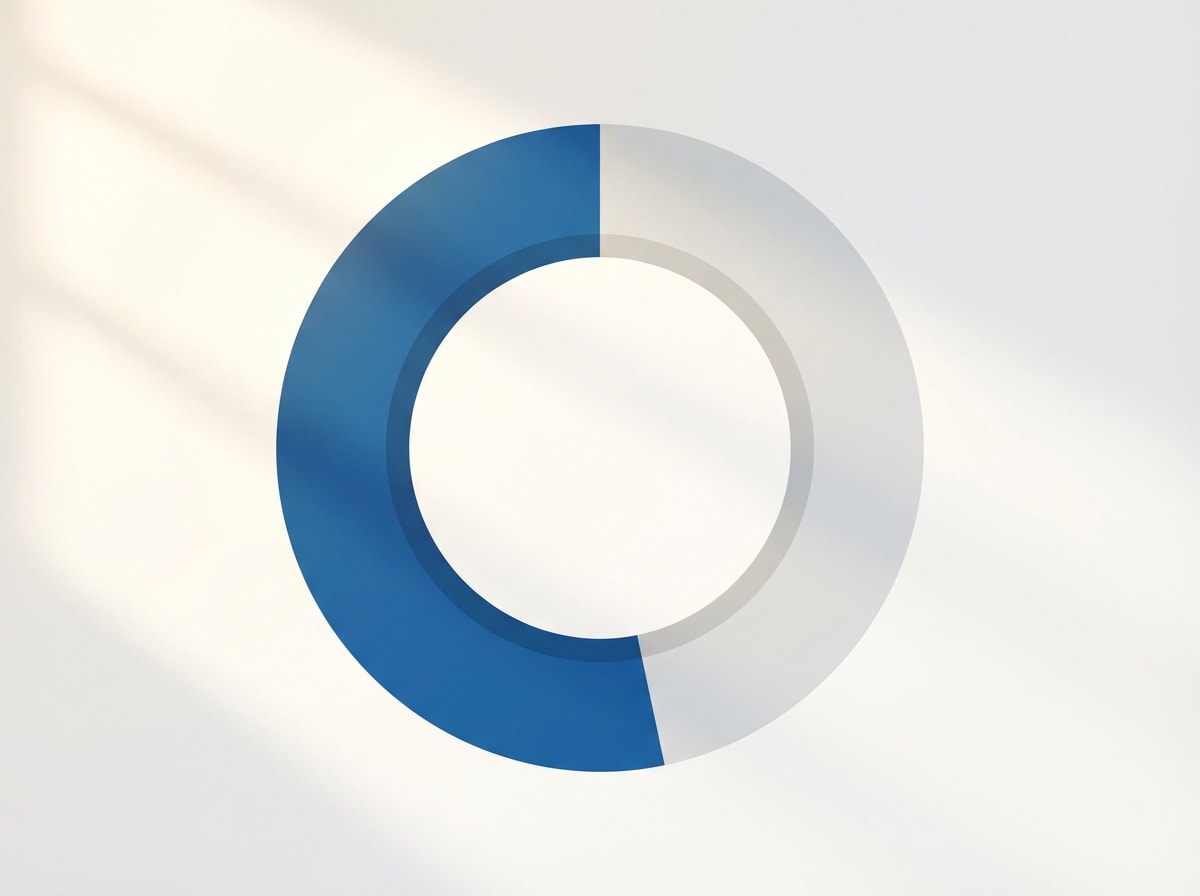
Prior authorization is essentially a “green light” from your insurer confirming they agree to pay for the care. In Ohio, approximately 53% of Medicaid beneficiaries still encounter prior authorization hurdles for certain addiction medications.4 While this process can be frustrating, you do not have to navigate it alone.
Most private rehabs, including Arista Recovery, will assist you in collecting necessary documents, such as medical history and doctor assessments, to submit to your insurance. If you are told a decision will take time, remember that new federal rules are pushing for decisions on urgent requests within 72 hours.4
Pro Tip: What if authorization is delayed?
If you are facing a delay, ask your provider to flag the request as “Urgent/Expedited.” Document every call, including the name of the representative and the reference number for the call. This paper trail is vital if you need to appeal later.
Skill Checkpoint: You are ready to move forward when you have a checklist of required documents and a partner at your chosen facility to help submit them.
Identifying a Quality Private Rehab That Accepts Insurance in Ohio
Accreditation Standards That Signal Excellence
Accreditation acts as a seal of quality and safety for treatment centers. In Ohio, the most rigorous standards come from The Joint Commission or CARF (Commission on Accreditation of Rehabilitation Facilities). These organizations ensure that a facility meets strict guidelines for patient rights, safety, and evidence-based care.10
Many insurance companies strongly prefer, or even require, that you choose an accredited provider. This protects you from substandard care and ensures that the treatment methods used are current and effective. When speaking with Arista Recovery, ask about our accreditation status to ensure you are choosing a partner committed to excellence.
Evidence-Based Programs Your Insurance Covers
Insurance companies in Ohio typically follow national standards, such as the ASAM Criteria, to determine what treatment is “medically necessary.”8 This means they are most likely to cover programs that utilize evidence-based therapies with a proven track record of success.

When evaluating a private rehab that accepts insurance in Ohio, ensure they offer the following core therapies, which are widely recognized and covered by most plans:
- Cognitive Behavioral Therapy (CBT): Helps identify and change negative thought patterns.
- Medication-Assisted Treatment (MAT): Uses FDA-approved medications to manage cravings and withdrawal.
- Group Counseling: Facilitates peer support and shared learning.
- Family Therapy: Addresses the family dynamic and builds a support system at home.
Practice This: Ask your top rehab choice for a list of therapies they offer and cross-reference this with your insurance benefits to ensure your personalized treatment plan will be covered.
Overcoming Denials and Maximizing Benefits
Your Appeal Rights When Coverage Is Denied
A denial letter is not the end of the road; it is often just the beginning of a negotiation. You have the legal right to appeal any coverage denial. In Ohio, the process typically follows a specific sequence, and statistics show that 39-59% of addiction treatment appeals are eventually overturned in the patient’s favor.9
If you receive a denial, follow these steps immediately:
- Request the “Reason Code”: Ask your insurer for the specific written reason for the denial.
- Gather Evidence: Work with Arista Recovery to compile medical records and letters of medical necessity.
- File an Internal Appeal: Submit your case to the insurance company for a second review.
- Request External Review: If the internal appeal fails, you can request a review by an independent third party.
Skill Checkpoint: You are ready to advocate for yourself when you can explain the difference between an internal appeal and an external review to a family member.
Coordinating Care Across Treatment Levels
Recovery is a journey that often involves moving between different levels of care, such as transitioning from inpatient detox to outpatient therapy. In Ohio, quality private rehabs use the ASAM Criteria to match you with the appropriate level of care at the right time, working with your insurance to cover each step.8
Effective coordination ensures that your treatment plan follows you, preventing important details from getting lost. Arista Recovery facilitates this by sharing updates with outpatient providers and verifying insurance benefits as you “step down” to less intensive levels.
“Think of recovery like climbing a staircase—each step (detox, inpatient, outpatient) helps you build on your progress. Coordinated care ensures you don’t miss a step.”
Practice This: Create a timeline of your treatment goals. Share this with your rehab team and ask them to help you review your insurance coverage as your needs evolve.
Frequently Asked Questions
What happens if my insurance denies coverage after I’ve already started treatment?
If your insurance denies coverage after you’ve started treatment at a private rehab that accepts insurance in Ohio, don’t panic—help is still available. You have the right to appeal the decision, and many people are surprised to learn that 39-59% of addiction treatment appeals are successful9. Start by asking your insurance company for a written reason for the denial. Then, work with your care team—like the specialists at Arista Recovery—to gather any extra paperwork or information that might help your case. Staying connected with your treatment provider and insurance can boost your chances of having coverage reinstated.
Can I switch from an out-of-network facility to an in-network one without restarting treatment?
Yes, you can often switch from an out-of-network facility to an in-network one without fully restarting your addiction treatment. In Ohio, insurance plans typically allow for a smooth transfer of care, but it’s important to coordinate with both your current provider and the new in-network facility to make sure your medical records and treatment plans follow you. This helps prevent gaps in support and reduces extra costs. Arista Recovery can help you navigate the process, so you don’t lose progress in your recovery while switching to a private rehab that accepts insurance in Ohio. Always check with your insurance for specific requirements1.
How do I know if a treatment center is using my insurance information appropriately?
To make sure a private rehab that accepts insurance in Ohio is using your insurance details properly, ask about their privacy policies and how your information is handled. Accredited centers, like those with Joint Commission approval, must follow strict standards for protecting your personal and insurance data10. You can also check if staff explains what information is shared with your insurer and why. If anything feels unclear, ask for a written privacy notice or contact your insurance company to confirm what’s been billed. Arista Recovery takes your privacy seriously and is always transparent about how your insurance is used.
Does Ohio Medicaid cover family therapy sessions as part of addiction treatment?
Yes, Ohio Medicaid does cover family therapy sessions as part of addiction treatment for eligible members. Family therapy is included in many Medicaid-funded programs because research shows it can improve recovery outcomes and help rebuild trust and support at home2. Coverage may depend on the type of treatment setting and if the therapy is considered medically necessary by your provider. If you’re considering a private rehab that accepts insurance in Ohio, ask the admissions team if family therapy sessions are included in your Medicaid plan and how to arrange them. Arista Recovery can help you navigate these benefits and make sure your whole family gets the support you need.
What should I do if prior authorization is taking too long and I need treatment now?
If prior authorization is taking too long and you need treatment right away, let your provider and insurance know your situation is urgent. In Ohio, new federal rules will soon require insurance companies to make decisions on urgent requests within 72 hours, but many families still face delays4. Ask your treatment team—like Arista Recovery—to help flag your request as expedited and gather any extra documents your insurer needs. Meanwhile, discuss temporary support options so you don’t lose momentum. Private rehab that accepts insurance in Ohio can often help you navigate these barriers and keep your recovery on track.
Will changing insurance plans during treatment affect my coverage continuity?
Switching insurance plans while you’re in treatment can affect your coverage, but it doesn’t have to interrupt your care. In Ohio, federal and state laws require insurance companies to provide continuity of care, especially for ongoing addiction treatment1. If you change plans, your new insurer may need to review your treatment, but most private rehabs that accept insurance in Ohio—including Arista Recovery—will work directly with both your old and new plans to keep your recovery moving forward. Always let your care team know about any changes so they can help you avoid gaps in coverage or unexpected costs.
How can I verify a facility accepts my specific insurance plan before admission?
To verify a private rehab that accepts insurance in Ohio takes your specific plan, start by calling the facility’s admissions team and sharing your insurance details. Reputable centers like Arista Recovery will check your benefits directly with your insurer and explain what’s covered before you commit. You can also contact your insurance company and ask if the facility is in-network, which usually results in lower costs for you. In Ohio, insurance plans are required to provide clear information about network providers and covered services, so don’t hesitate to request written confirmation1. This step helps you avoid surprises and begin recovery with confidence.
Finding Expert Support in Central Ohio
Central Ohio’s behavioral health landscape includes several treatment levels designed to support recovery at different stages. In the Columbus area, you’ll find intensive outpatient programs (IOPs) that typically meet 9-12 hours per week, partial hospitalization programs (PHPs) offering more structured daily support, and standard outpatient therapy for ongoing maintenance. Understanding these options helps you identify which level of care aligns with your current needs.
Quality treatment programs in this region typically incorporate evidence-based approaches such as cognitive behavioral therapy (CBT), which helps you identify and change unhelpful thought patterns; dialectical behavior therapy (DBT), particularly effective for emotion regulation; and medication-assisted treatment (MAT) when appropriate for substance use concerns. Look for programs that offer individualized treatment planning, licensed clinical staff, and family involvement opportunities—these elements consistently correlate with better outcomes.
When evaluating local options, consider practical factors alongside clinical quality. Programs with flexible scheduling allow you to maintain work or family commitments during treatment. Arista Recovery, located in the Columbus area, offers this flexibility through intensive outpatient and therapy services designed around your schedule, with personalized plans that address your specific goals and circumstances.
Recovery strengthens when you can access consistent professional support without extensive travel, keeping you connected to your existing support network. If you’re exploring treatment options, reaching out for a consultation helps clarify which services match your situation. That initial conversation can provide the guidance needed to take your next step forward.
References
- The Mental Health Parity and Addiction Equity Act (MHPAEA) – CMS. https://www.cms.gov/marketplace/private-health-insurance/mental-health-parity-addiction-equity
- Access to Mental Health and Substance Use Disorder Treatment – Health Policy Institute of Ohio (HPIO). https://www.healthpolicyohio.org/our-work/publications/access-to-mental-health-and-substance-use-disorder-treatment
- Ohio Section 1115 Demonstration Waiver for Substance Use Disorder Treatment – Ohio Department of Medicaid. https://medicaid.ohio.gov/resources-for-providers/bh/sud-1115-sub/sud-1115
- Prior Authorization in Medicaid – Medicaid and CHIP Payment and Access Commission (MACPAC). https://www.cms.gov/newsroom/fact-sheets/macpac-prior-authorization-medicaid
- Coverage and Prior Authorization Policies for Medications for Opioid Use Disorder – JAMA Health Forum. https://jamanetwork.com/journals/jama-health-forum/fullarticle/2798039
- 2022 National Survey on Drug Use and Health (NSDUH) – SAMHSA. https://www.samhsa.gov/data/sites/default/files/reports/rpt29393/2022NSSDUHsummaryfindings.pdf
- The Affordable Care Act and Substance Use Disorder Treatment – Kaiser Family Foundation. https://www.kff.org/health-reform/fact-sheet/the-affordable-care-act-and-substance-use-disorder-treatment/
- About the ASAM Criteria – American Society of Addiction Medicine. https://www.asam.org/asam-criteria/about-the-asam-criteria
- Health Insurance Appeals Process – National Health Law Program. https://www.nhelp.org/Pages/Insurance-Appeals.aspx
- Joint Commission Accreditation Standards – Behavioral Health Care – The Joint Commission. https://www.jcaho.org/accreditation/standards/behavioral-health-care
