 Now under new ownership & part of the Arista Recovery Network! For more information,

Key Takeaways: Planning Your Recovery Budget
- Assess Your Coverage: Before committing, check if you qualify for Ohio Medicaid or if your private insurance falls under Parity Laws to reduce out-of-pocket expenses.
- Compare Modalities: Outpatient care in Ohio averages significantly less ($5,700/mo) than residential care ($56,688/stay), offering a cost-effective path for those with stable home environments.
- Identify Regional Resources: Urban centers like Columbus offer more facility choices, while rural areas may require utilizing telehealth or transportation assistance programs.
- Take Action: If costs are unclear, request a full “Verification of Benefits” from Arista Recovery to get a transparent breakdown of your potential investment.
Ohio’s Alcohol Treatment Landscape
Prevalence and Impact of Alcohol Use
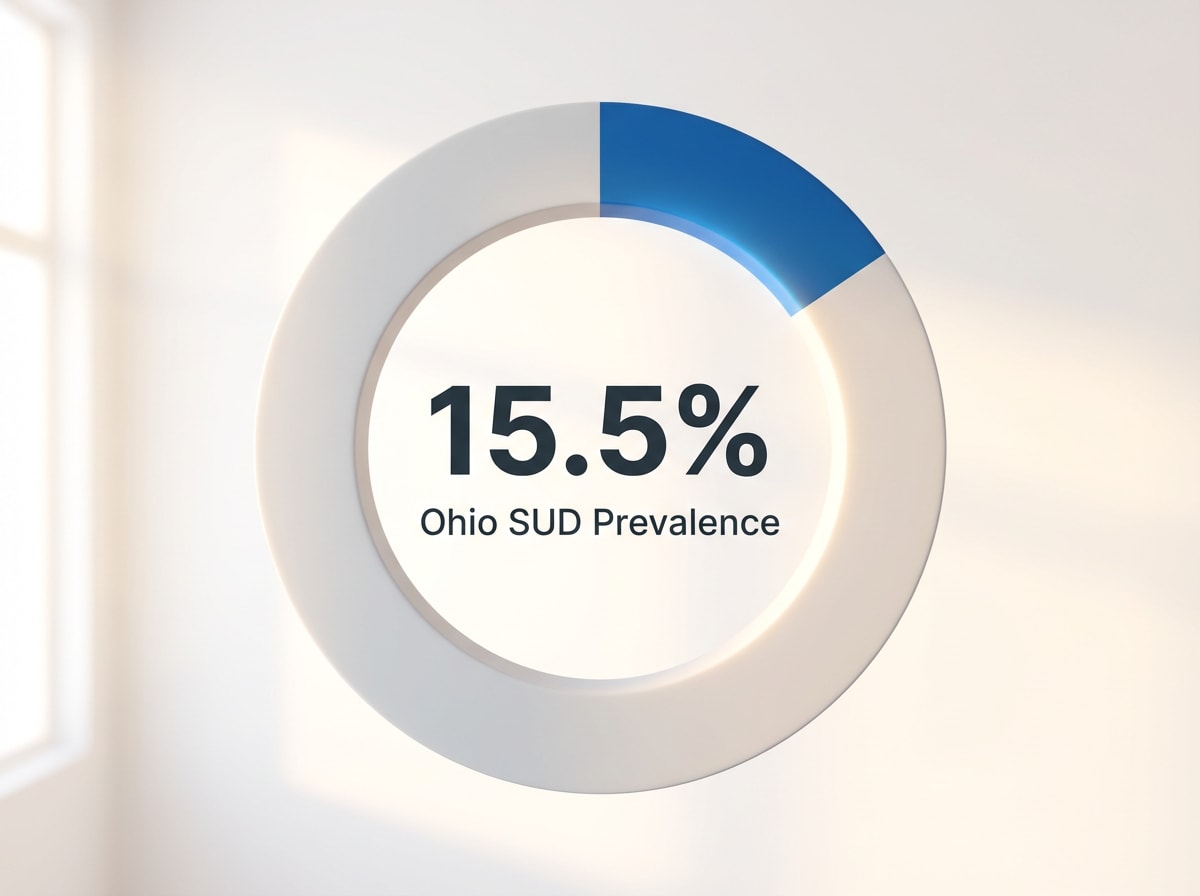
Navigating the alcohol rehab cost in Ohio can feel overwhelming, but understanding the landscape is the first step toward finding affordable care. Alcohol use has a deep and lasting effect on Ohio’s communities. Roughly 15.5% of Ohioans ages 12 and older have experienced a substance use disorder—higher than the national average—with alcohol remaining the most common concern for families statewide6.
Excessive drinking rates are above average in Ohio, driving up costs for everyone. The financial impact on the state is staggering:
According to the Health Policy Institute of Ohio, alcohol-related issues cost the state nearly $10 billion each year in healthcare, lost workplace productivity, and criminal justice expenses4.
Sadly, these numbers reflect real people: alcohol-related deaths have increased dramatically over the past decade, touching neighborhoods from Cleveland to Cincinnati to smaller towns across the state4. Stress from the pandemic and tough economic conditions have made things even harder, especially for families already struggling. If you or someone you love is affected by alcohol use, you’re not alone—and there is hope. At Arista, we help Ohio families find the right support to begin their recovery journey, every step of the way.
Treatment Options Available Statewide
Ohio offers a wide range of alcohol treatment options, so you can find support close to home—whether you’re in a big city like Columbus or a rural community in the Appalachian foothills. Common treatment paths include:
- Outpatient Counseling: Flexible therapy sessions that fit around work or school.
- Intensive Outpatient Programs (IOP): More frequent structured therapy while living at home.
- Residential Rehab: Live-in care providing 24/7 support and separation from triggers.
- Detox Services: Medical supervision to safely manage withdrawal symptoms.
- Medication-Assisted Treatment (MAT): Using FDA-approved medications to reduce cravings.
In recent years, Ohio’s Medicaid program has expanded coverage for residential and intensive outpatient treatment, making care more accessible for people with lower incomes1. Still, gaps remain—especially in rural regions, where transportation and the shortage of local treatment providers can make it harder to get help9. Statewide initiatives like RecoveryOhio are working to close these gaps and have helped lower overdose deaths by 9% in 20233.
Breaking Down Alcohol Rehab Cost in Ohio
Average Costs by Treatment Level
Understanding the average alcohol rehab cost in Ohio can help you plan your next steps effectively. Costs vary significantly based on the intensity of care required. The table below outlines estimated costs for common treatment types in the state:
| Treatment Type | Estimated Cost (Ohio) | Description |
|---|---|---|
| Residential Rehab | ~$56,688 per stay | Full-time living at a facility with 24/7 support2. |
| Inpatient Treatment | ~$12,500 (30 days) | Clinical setting focused on stabilization and medical care. |
| Intensive Outpatient (IOP) | ~$17,250 per month | Frequent clinic visits while living at home2. |
| Standard Outpatient | ~$5,700 per month | Regular therapy sessions with lower time commitment. |
| Sober Living Homes | ~$1,750 per month | Transitional housing to support reintegration2. |
Although these numbers may feel overwhelming, many Ohio families find that investing in recovery leads to long-term savings in healthcare and quality of life. Arista Recovery is here to help you make sense of these choices and find the right fit for your situation.
Factors That Influence Your Total Cost
Many factors shape your total financial investment in recovery. Understanding these variables helps you make confident choices for yourself or your loved one:
- Program Duration: Longer residential stays generally cost more than short-term interventions.
- Insurance Plan: Thanks to Ohio’s Medicaid expansion and the Mental Health Parity and Addiction Equity Act, many plans must cover substance use treatment similarly to other health needs, but deductibles and copays vary1, 5.
- Location: Urban areas like Cleveland and Columbus may offer more options, but rural Ohio often faces higher transportation costs or fewer local facilities, which can limit choices and increase overall expense9.
- Amenities & Therapies: Facilities offering specialized therapies or luxury amenities will have higher price points.
Access barriers remain a critical issue: 93% of low-income Ohioans who needed treatment reported not getting it, even after insurance reforms, due to stigma, lack of openings, or distance to care7. At Arista, we help you explore every option and break down what influences your cost—so you can focus on getting the right help.
Insurance Coverage and Payment Options
Understanding Mental Health Parity Laws
You may have heard about the Mental Health Parity and Addiction Equity Act—often called MHPAEA—but what does it really mean for families in Ohio facing rehab costs? In plain terms, this law mandates that insurance companies must treat mental health and substance use disorder (SUD) coverage the same as regular medical coverage.
What does “Parity” mean for my plan?
Under parity laws, your insurance plan cannot impose:
- Higher copays or deductibles for rehab than for medical/surgical care.
- Stricter limits on the number of visits or days of coverage.
- Extra rules or “prior authorization” requirements that don’t apply to other medical services5.
For Ohioans, this law works alongside state rules and the Affordable Care Act, which require many insurance plans to cover SUD treatment as an essential health benefit. But there are still gaps: studies show that, even after these laws, many low-income Ohio families reported not getting the treatment they needed—often because of stigma or difficulty finding services, not just insurance barriers7. At Arista, we help you check your insurance benefits, understand your rights under parity laws, and advocate for the coverage you deserve.
Medicaid and State-Funded Resources
If you’re wondering how to make treatment affordable, Medicaid and state-funded resources are key options—especially for families with limited income. Ohio Medicaid covers a wide range of alcohol treatment services, including:
- Outpatient counseling and therapy.
- Residential rehabilitation.
- Intensive outpatient programs (IOP).
- Medication-assisted treatment (MAT).
- Withdrawal management (detox)10.
Thanks to Ohio’s Section 1115 Demonstration Waiver, Medicaid has expanded coverage for residential and intensive outpatient treatment, making it easier for more people to access quality care1. State-funded programs also help fill gaps for those who don’t qualify for Medicaid or private insurance. However, many communities—especially in rural areas—still face challenges like transportation barriers and long waitlists for treatment9. Arista Recovery can help you understand your eligibility and connect you with the right state-funded programs to keep your recovery journey on track.
Maximizing Value and Managing Alcohol Rehab Cost
Cost-Effectiveness Across Modalities
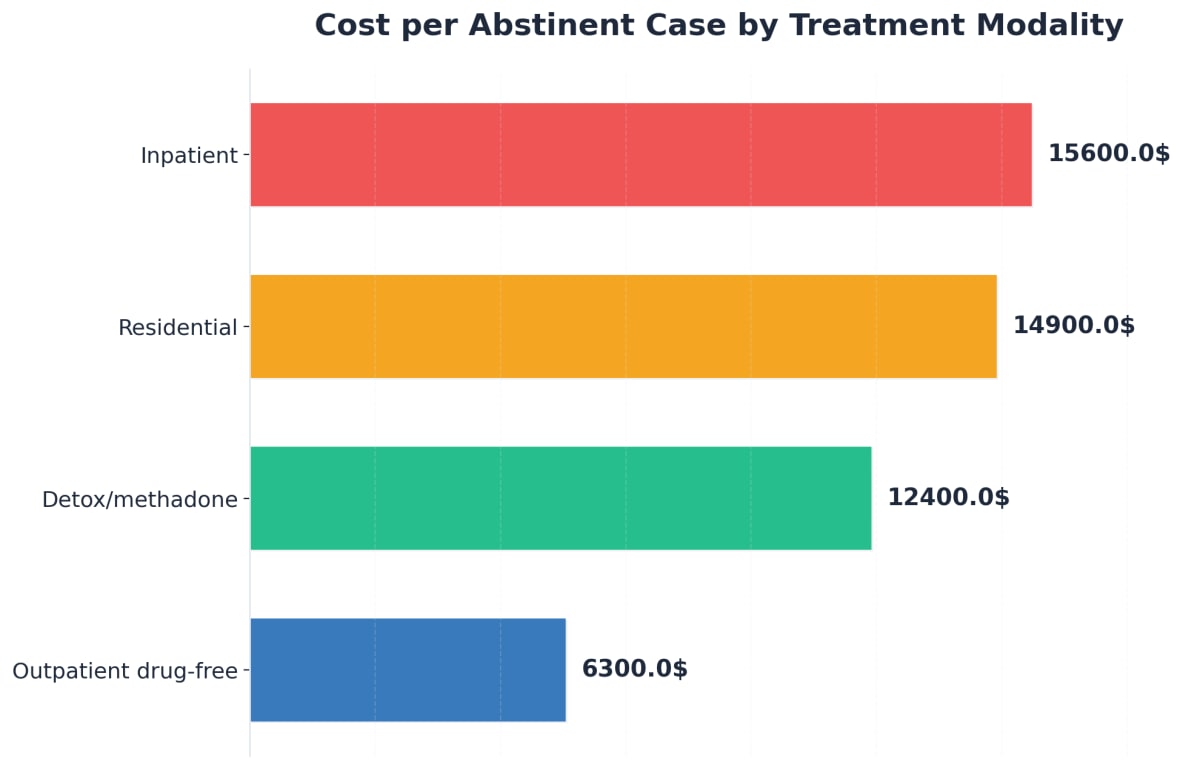
Choosing the right treatment in Ohio isn’t just about the price tag—it’s about getting the best value for your recovery. Studies indicate that outpatient programs are often the most cost-effective, averaging about $6,300 per person who becomes abstinent, compared to $14,900 for residential care or $15,600 for inpatient stays7. This means outpatient care might stretch your dollars further, especially if you have strong support at home and a less severe addiction.
Still, everyone’s journey is different. Residential and inpatient programs can offer more structure and supervision, which some people need to feel safe and stable. While these options cost more, they may be worth it for those with more complex needs. Family-involved therapies also help keep costs down while boosting your chances of success7. Arista Recovery will help you weigh these choices so you get the support you need—without spending more than necessary.
Overcoming Financial and Access Barriers
When you’re working to overcome alcohol rehab cost and access barriers in Ohio, it can feel like there are roadblocks at every turn—especially if you live in a rural area or have a limited income. Research shows that 93% of low-income Ohioans who needed treatment said they didn’t get it, even after insurance reforms like the ACA. Common reasons include:
- Not knowing where to find help.
- Fear of stigma in the community.
- Long waitlists for state-funded beds.
- Transportation challenges in rural counties7, 9.
In places outside big cities like Cleveland or Columbus, it can be even harder to find a nearby treatment center, and getting there may take hours if you don’t have reliable transportation9. Arista Recovery understands these challenges and works with you to find creative solutions, from connecting you with state-funded programs to helping you discover telehealth or transportation services if travel is an issue.
Regional Considerations Across Ohio
When choosing a recovery path in Ohio, your location significantly influences the resources available to you and the practical considerations you’ll need to navigate. Ohio’s diverse landscape means recovery resources and considerations vary significantly depending on where you live.
Urban Centers (Cleveland, Columbus, Cincinnati)
You’ll find a wider concentration of treatment facilities, specialized programs, and support group meetings. These cities offer more transportation options and immediate access to medical services, which can be particularly helpful during early recovery. However, the fast-paced environment and potential triggers may require additional coping strategies.
Suburban Communities (Dublin, Westerville, Mason)
These areas often provide a middle ground, offering access to quality treatment centers while maintaining a quieter, more structured environment. Many have developed strong recovery communities with regular meetings and family support programs that blend accessibility with a sense of community.
Rural Regions
While approximately 60% of Ohio’s treatment facilities are concentrated in the state’s ten largest counties, rural communities often offer tight-knit support networks where anonymity and personal connections can both play important roles in recovery. Telehealth services have become increasingly valuable in these areas, bridging gaps in access to counseling and medical support.
Weather patterns also matter across Ohio’s regions. Harsh winters in northern counties may affect transportation to meetings and appointments, making it wise to establish backup plans and explore virtual options. Southern Ohio’s milder winters can make year-round program attendance more manageable.
To find resources specific to your region, start by contacting Ohio’s central addiction services hotline (1-800-662-HELP), which can connect you with facilities and support groups in your area. Your county’s mental health and addiction services board can also provide localized information about treatment options, sliding-scale payment programs, and community support networks tailored to your specific geographic and practical needs.
Frequently Asked Questions
What if my insurance denies coverage for alcohol rehab in Ohio?
If your insurance denies coverage for alcohol rehab in Ohio, don’t panic—there are steps you can take. Start by asking your insurer for a written explanation of the denial and review your plan’s details. Thanks to the Mental Health Parity and Addiction Equity Act, most plans must treat substance use disorder coverage the same as other health needs, so you may have grounds to appeal5. File an appeal with your insurance company and consider reaching out to the Ohio Department of Insurance or a patient advocate for help. Arista Recovery can guide you through this process and connect you to other options if you need support.
Are there free or low-cost alcohol treatment options in Ohio?
Yes, Ohio offers free and low-cost alcohol treatment options for those who qualify. If you have limited income, Ohio Medicaid covers many services, including outpatient, residential, and intensive outpatient programs10. State-funded programs and local boards also help fill the gaps for people who don’t have Medicaid or private insurance, especially in rural communities where resources are scarce9. Still, some families run into barriers like long waitlists or transportation challenges. Arista Recovery can help you explore all your options, from Medicaid to sliding-scale or grant-funded programs, so alcohol rehab cost doesn’t stand in the way of recovery.
How do I know if I need inpatient or outpatient treatment?
Choosing between inpatient and outpatient treatment depends on your needs, safety, and support system. Inpatient care in Ohio means you live at the rehab center and get round-the-clock support, which is helpful if you have a severe addiction or home isn’t a safe space. Outpatient treatment lets you live at home and visit for therapy—this can work well if your addiction is less severe and you have strong family support. Studies show outpatient rehab is often just as effective as inpatient for many people and can be more cost-effective7. At Arista Recovery, we help you decide which path is the best fit so alcohol rehab cost brings the most value to your recovery.
Does Ohio Medicaid cover medication-assisted treatment for alcohol addiction?
Yes, Ohio Medicaid does cover medication-assisted treatment (MAT) for alcohol addiction. This coverage includes approved medications and therapy designed to help you reduce cravings, manage withdrawal, and support your recovery journey. Ohio Medicaid recognizes that MAT is a proven, evidence-based approach—not just for opioid use disorder, but for alcohol use as well. Covered services can include counseling and medications prescribed by your treatment team10. The alcohol rehab cost is often lower with Medicaid, making treatment more accessible for families throughout Ohio. If you’re unsure about your eligibility or how to get started, Arista Recovery can guide you every step of the way.
What happens if I can’t afford to complete my treatment program?
If you can’t afford to finish your treatment program in Ohio, don’t give up—there are still ways to get support. Many people run into financial barriers, especially in Ohio’s rural or low-income areas, where 93% of those who need help report not getting it7. You may qualify for Ohio Medicaid or state-funded programs that help cover remaining costs10. Some centers also offer payment plans or sliding-scale fees. Arista Recovery can help you explore every option, connect with financial resources, and find alternative programs so alcohol rehab cost never has to end your recovery journey early.
Can I access treatment in rural Ohio if I don’t have transportation?
Yes, it is possible to access alcohol treatment in rural Ohio even if you don’t have your own transportation. Many rural counties face big gaps in local services, and most residents live more than 15 minutes from the nearest program8. That’s why Ohio is expanding solutions like mobile clinics, telehealth counseling, and partnerships with local agencies to help you get the care you need—even if you can’t drive. Some state-funded programs may offer transportation assistance, and Arista Recovery can help you find these resources. Don’t let transportation or alcohol rehab cost keep you from starting your recovery journey—support is closer than you think.
How does Arista Recovery help families navigate treatment costs?
Arista Recovery helps Ohio families make sense of alcohol rehab cost by guiding you through every step—from checking your insurance benefits to finding state-funded programs if you’re uninsured. Our team explains your options in plain language, so you understand what’s covered and what isn’t. We know that costs and coverage can be confusing, especially with laws like the Mental Health Parity and Addiction Equity Act and the changes brought by Ohio Medicaid expansion15. If barriers like transportation or paperwork stand in your way, we help you find solutions or connect with resources to ease your journey. Our goal is to make sure treatment is within reach for every family.
Taking Your Next Step Toward Recovery
Now that you understand how Ohio’s regional differences affect treatment access and options, it’s time to take concrete action. Whether you’re in Columbus, Cleveland, Cincinnati, or a smaller community across Ohio, state-specific resources are available to help you or your loved one take that first courageous step.
Start with Ohio’s dedicated support infrastructure. The Ohio Department of Mental Health and Addiction Services (OhioMHAS) operates a 24/7 hotline at 1-877-275-6364 that connects you directly with treatment navigators who understand Ohio’s care landscape. For mental health crises, the Ohio CareLine at 1-800-720-9616 provides immediate support and referrals to local providers. These aren’t generic national hotlines—they’re staffed by professionals familiar with Ohio-specific programs, insurance options, and regional facility availability.
Many Ohioans have successfully navigated this system. Take Maria from Dayton, who called the OhioMHAS hotline unsure if she could afford treatment. Within one conversation, she learned about Ohio’s Medicaid expansion coverage for addiction services and was connected to a nearby outpatient program that accepted her insurance. Within a week, she’d completed her intake assessment and begun treatment—all because she made that first call to a resource designed specifically for Ohio residents.
Your next step is clear: contact the OhioMHAS hotline at 1-877-275-6364 or visit mha.ohio.gov to explore Ohio’s treatment directory and financial assistance programs. Recovery is possible, and thousands of Ohioans are living proof that life after addiction can be fulfilling and meaningful. You don’t have to navigate Ohio’s treatment landscape alone—state-specific, compassionate, evidence-based care is just one call away.
References
- Substance Use Disorder 1115 – Ohio Department of Medicaid. https://medicaid.ohio.gov/resources-for-providers/bh/sud-1115-sub/sud-1115
- Average Cost of Drug Rehab : by Type, State & More. https://drugabusestatistics.org/cost-of-rehab/
- RecoveryOhio – State Initiative. https://recoveryohio.gov
- Health Policy Brief – Alcohol Use in Ohio. https://www.healthpolicyohio.org/files/publications/alcoholbrief12.3.20211.pdf
- The Mental Health Parity and Addiction Equity Act (MHPAEA) – CMS. https://www.cms.gov/marketplace/private-health-insurance/mental-health-parity-addiction-equity
- Behavioral Health Barometer: Ohio, Volume 6. https://www.samhsa.gov/data/sites/default/files/reports/rpt32852/Ohio-BH-Barometer_Volume6.pdf
- Effectiveness and Cost-effectiveness of Four Treatment Modalities for Substance Use Disorder. https://pmc.ncbi.nlm.nih.gov/articles/PMC1360883/
- Gaps and barriers in drug and alcohol treatment following ACA implementation. https://pmc.ncbi.nlm.nih.gov/articles/PMC9835109/
- Expanding access to methadone treatment in Ohio through federally qualified health centers. https://pmc.ncbi.nlm.nih.gov/articles/PMC7901120/
- Behavioral Health – Ohio Department of Medicaid. https://medicaid.ohio.gov/families-and-individuals/srvcs/bh/bh
