 Now under new ownership & part of the Arista Recovery Network! For more information,

Recovery Decision Guide: Is It Time?
If you are unsure where to start, consider these three critical factors for moving forward:
- Assess Your Safety: If you are using fentanyl-laced substances or experiencing health complications, immediate medical detox is the priority.
- Check Your Coverage: Most Ohio insurance plans cover essential addiction benefits. Verification takes less than 24 hours.
- Commit to Time: Research indicates that programs lasting 30–90 days significantly increase the likelihood of long-term sobriety compared to shorter stays.
Immediate Action: If you are in crisis, call 1-800-662-4357 immediately.
Understanding Heroin Addiction Treatment in Ohio
Ohio’s Opioid Crisis: Current Landscape
Navigating the landscape of heroin addiction treatment in Ohio can feel overwhelming, but understanding the current environment is the first step toward empowerment. In this section, we will break down the state of the crisis, highlighting both the challenges and the significant progress being made. By the end, you will be able to identify key trends that underscore why seeking help now is safer and more accessible than ever before.
The reality is stark but changing. Approximately 700,000 Ohioans aged 12 and older require drug rehab services annually. Furthermore, about 18.3% of the state’s population meets the criteria for a substance use disorder, a figure that exceeds the national average1, 4. While these statistics highlight the severity of the issue, recent data offers a strong beacon of hope.
“In 2023, Ohio recorded 4,452 unintentional drug overdose deaths, but early data from 2024 shows a promising 35% drop—the largest single-year decline since 2019.”1
This progress is not accidental; it is the result of concerted efforts by communities and providers. Key improvements include:
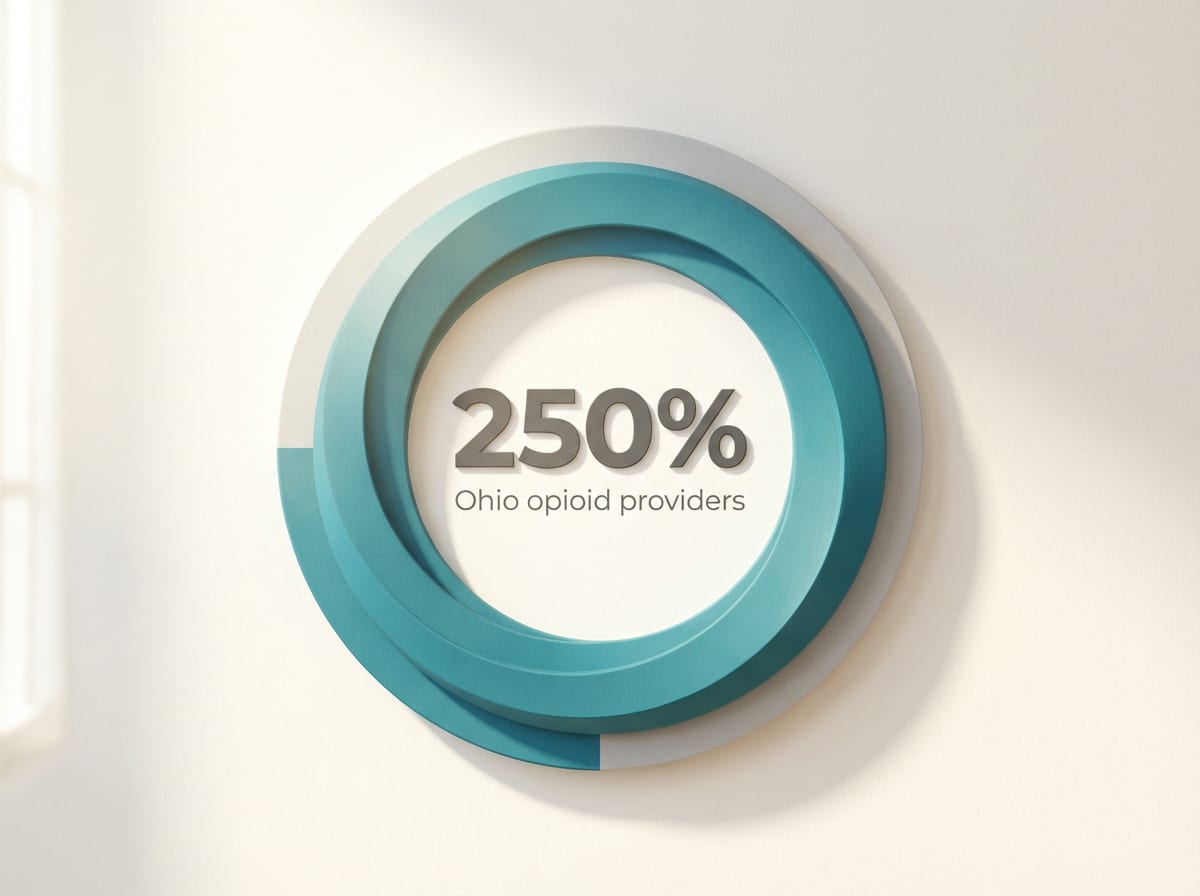
- Provider Expansion: Ohio has increased opioid treatment providers by 250% since 2019.
- Harm Reduction: Over 291,000 naloxone kits were distributed in 2023, resulting in more than 20,000 known overdose reversals1.
- Access Gap: Despite these gains, nearly 90% of Ohioans with substance use disorders still do not receive necessary care, emphasizing the critical need for accessible support1.
Arista Recovery is dedicated to bridging this gap, helping you and your family navigate these challenges with compassion. Next, we will examine the biological impact of heroin to help you understand the science behind the recovery process.
How Heroin Affects Your Brain and Body
Understanding the biological changes caused by heroin is essential for realizing that addiction is a medical condition, not a moral failing. In this section, you will learn how heroin alters brain chemistry and why these changes make professional heroin addiction treatment in Ohio necessary for a safe recovery.
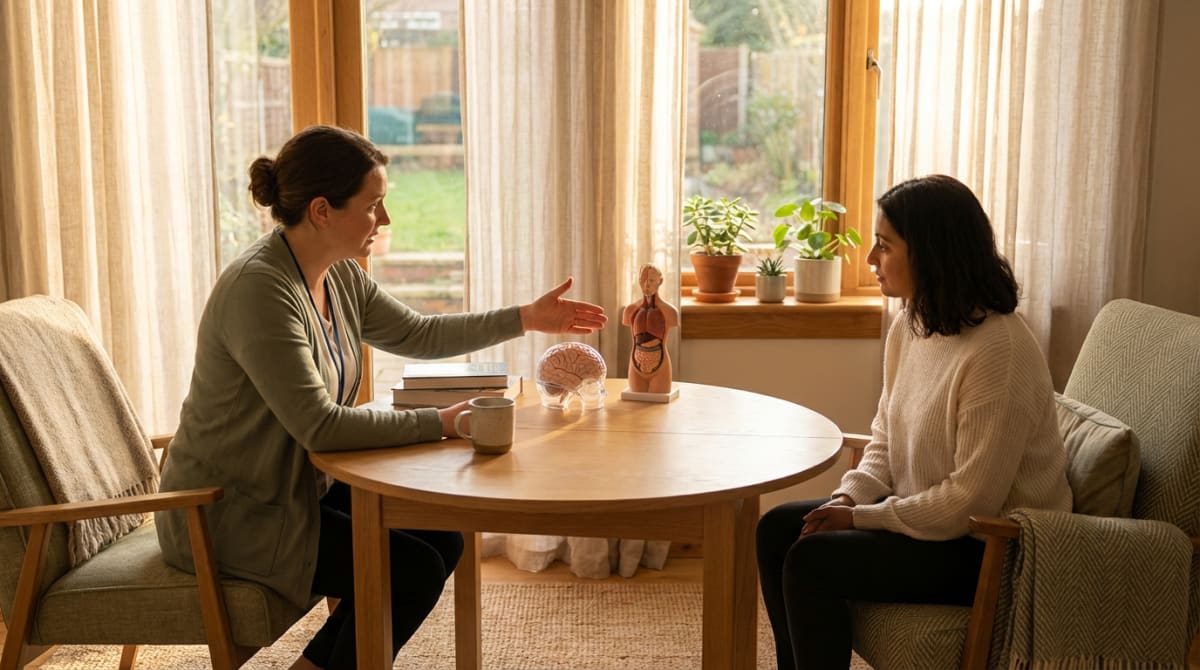
Heroin rapidly enters the brain, binding to opioid receptors that regulate pain, mood, and breathing. This interaction creates an intense “rush,” but repeated exposure fundamentally alters brain function. The brain eventually relies on the drug to feel “normal,” and its natural production of dopamine—the chemical responsible for pleasure—diminishes significantly.
When use stops suddenly, the brain struggles to recalibrate, leading to severe withdrawal symptoms such as anxiety, muscle aches, and insomnia10. Beyond the brain, the physical toll is heavy:
| System Affected | Potential Consequences |
|---|---|
| Respiratory | Slowed breathing to dangerous levels; hypoxia. |
| Cardiovascular | Infection of heart lining and valves; collapsed veins. |
| Immune System | Increased susceptibility to infections. |
In Ohio specifically, the prevalence of fentanyl mixed with heroin drastically increases the risk of accidental overdose4. Recognizing that withdrawal is both a physical and mental challenge is the first step in accepting help.
Practice This: Visualize or sketch the path of heroin from the bloodstream to the brain’s receptors. Understanding this rapid connection helps explain why willpower alone is often insufficient against biological cravings.
Next, we will explore the most effective, evidence-based treatment approaches available to reverse these effects.
Evidence-Based Heroin Addiction Treatment in Ohio
Medical Detox: Your First Step to Safety
Medical detox is the cornerstone of safe recovery. In this section, you will learn why professional supervision is critical during the initial phase of heroin addiction treatment in Ohio. You will be ready to move forward when you understand that detox is a medical intervention designed to protect your health, not just a test of endurance.
Heroin withdrawal is physically demanding, often presenting with severe anxiety, muscle pain, and chills. Attempting to quit without medical oversight can lead to complications like severe dehydration or immediate relapse due to the intensity of cravings. At Arista Recovery, medical detox ensures you are monitored 24/7 by professionals who prioritize your safety and dignity10.
With Ohio’s treatment capacity expanding by 250% since 2019, high-quality, supervised detox is more accessible than ever1. Our evidence-based protocols use medications to ease discomfort, allowing you to stabilize physically before addressing the psychological aspects of addiction.
Checklist: Are You Ready for Detox?
- Have you tried to quit on your own and experienced severe symptoms?
- Do you have fears about the physical pain of withdrawal?
- Are you looking for a safe environment away from triggers?
Practice This: Write down three specific fears you have about detox. Discuss these with an admissions counselor—getting factual answers can alleviate anxiety and help you take that first brave step.
Next, let’s look at how medication-assisted treatment continues to support your brain after detox.
Medication-Assisted Treatment Options
Medication-Assisted Treatment (MAT) is a gold standard in modern recovery. This section explains the basics of MAT, how it functions, and why it is a life-saving component of heroin addiction treatment in Ohio. By the end, you will be able to articulate why MAT is a tool for stability rather than a “crutch.”
MAT combines FDA-approved medications with counseling and behavioral therapies. These medications—such as buprenorphine, methadone, and naltrexone—work to normalize brain chemistry, block the euphoric effects of opioids, and relieve physiological cravings. This “safety net” allows you to focus on rebuilding your life without the constant distraction of withdrawal symptoms.
The data supports this approach: patients utilizing methadone or buprenorphine are 50% less likely to die from overdose compared to those who do not receive treatment2. In Ohio, legislative changes and clinic expansions have made accessing these treatments easier1.
- Methadone: Reduces cravings and withdrawal; usually dispensed daily at a clinic.
- Buprenorphine (Suboxone): Diminishes cravings; can often be prescribed for home use.
- Naltrexone (Vivitrol): Blocks opioid receptors preventing the “high”; non-addictive injection.
Practice This: Identify two myths you have heard about MAT (e.g., “it’s trading one addiction for another”) and research the medical reality, or ask a provider to explain the science of stabilization.
Next, we will dive into how residential treatment and therapy build a robust framework for long-term sobriety.
Comprehensive Recovery Programming
Residential Treatment and Therapy Modalities
Residential treatment offers a structured environment essential for deep healing. In this section, you will explore what residential care entails and the therapy options available at Arista Recovery. You will understand why this immersive level of care is often the most effective route for heroin addiction recovery.
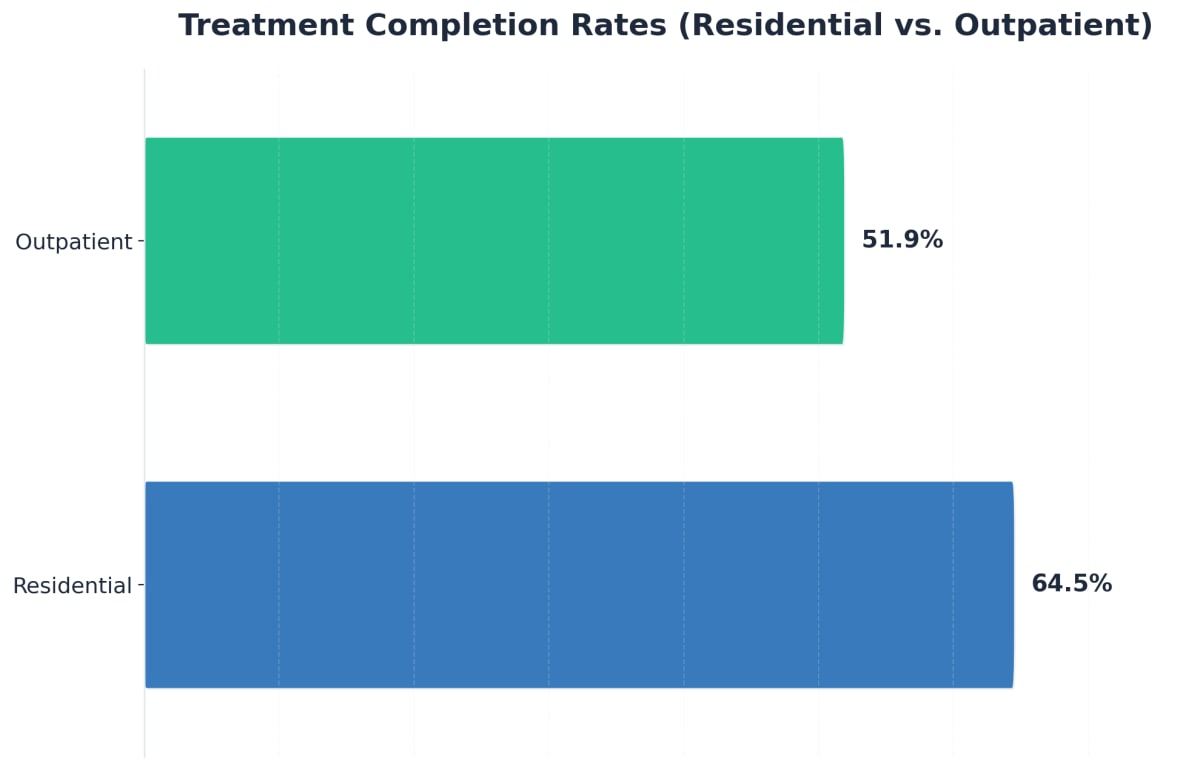
Residential treatment involves living onsite with 24-hour support from a clinical team and peers. This separation from daily stressors and triggers allows for a total focus on recovery. The statistics favor this approach:
“Residential programs in the U.S. have a 64.5% completion rate versus 51.9% for outpatient care, making residents more than three times as likely to finish their program.”6
At Arista Recovery, we utilize a blend of therapies to address the root causes of addiction:
- Cognitive Behavioral Therapy (CBT): Identifies and modifies negative thought patterns.
- Group Counseling: Provides peer connection and accountability.
- Family Therapy: Heals relationships and educates loved ones.
- Experiential Approaches: Uses activity-based healing to process emotions.
Practice This: Write down one hope and one fear regarding residential treatment. Sharing these with a trusted person or your intake coordinator can help normalize your feelings.
Next, we will see how addressing mental health challenges alongside addiction leads to greater success.
Addressing Co-Occurring Mental Health
Treating addiction in isolation is rarely enough. This section explains the importance of addressing co-occurring disorders—such as depression or anxiety—alongside heroin addiction. You will learn why integrated care at Arista Recovery offers the best chance for a holistic recovery.
Many individuals seeking heroin addiction treatment in Ohio also struggle with mental health issues, known as dual diagnoses. If left untreated, these underlying issues often trigger relapse. Integrated care means treating both conditions simultaneously.
Research confirms that concurrent treatment leads to higher retention rates, reduced substance use, and improved quality of life7. At Arista, you might work with a therapist for coping strategies while seeing a psychiatrist for medication management, ensuring that your mood, stress, and cravings are addressed together.
Practice This: Note two emotions or worries you experience regularly—one related to substance use and one related to general mental health. Bring this list to your assessment to ensure your treatment plan is comprehensive.
Next, we will show how specialized programs and aftercare keep you moving forward.
Building Your Recovery Foundation
Specialized Programs for Your Needs
Recovery is not one-size-fits-all. In this section, you will discover how specialized programs make treatment more personal and effective. By the end, you will be able to identify specific tracks that align with your life circumstances.
Arista Recovery offers targeted programs to meet diverse needs, including age-specific groups, trauma-informed care, and LGBTQ+ support. For example, parents may benefit from family-focused support to rebuild trust, while professionals might need case management for career-related issues. Ohio’s expanded recovery services now support a wider variety of these specialized tracks than ever before1.
Practice This: List your primary life roles (e.g., parent, employee, student) and ask your care team which specialized program supports those specific identities.
Next up, see how aftercare and relapse prevention strategies keep your recovery strong long after treatment ends.
Aftercare and Relapse Prevention Strategies
Completing treatment is a milestone, not the finish line. This section outlines how a robust aftercare plan protects your recovery. You will learn to identify tools that help navigate life’s ups and downs without returning to use.
Effective aftercare at Arista Recovery may include ongoing therapy, support groups, and assistance with housing or employment. Additionally, Ohio boasts over 6,000 certified peer supporters—individuals with lived experience who provide real-world guidance1.
A solid relapse prevention plan includes:
- Trigger Identification: Knowing people, places, or emotions that spark cravings.
- Healthy Distractions: A pre-written list of activities to shift focus.
- Emergency Contacts: A list of safe people to call immediately if cravings hit.
Practice This: Write down three “warning signs” that indicate you might be slipping toward old habits. Share this list with a peer or counselor to establish accountability.
Next, discover how to start your recovery journey today.
Frequently Asked Questions
Will my insurance cover heroin addiction treatment at Arista Recovery?
Most insurance plans in Ohio—including Medicaid, Marketplace, and many private policies—cover heroin addiction treatment at Arista Recovery because substance use disorder care is considered an essential health benefit9. This means you can’t be denied coverage or charged more due to a pre-existing condition like addiction. Your exact coverage may depend on your plan’s details, such as deductibles, co-pays, or approved providers. Arista’s admissions team will help verify your benefits and explain what’s included, so you don’t have to navigate the process alone. Reach out to get a free, confidential insurance check and start exploring your options.
How long will I need to stay in treatment for heroin addiction?
How long you’ll need to stay in treatment for heroin addiction depends on your needs, goals, and progress. Many people in Ohio start with 30 to 90 days of care, but research shows that longer stays—especially in residential treatment—lead to higher completion rates and better chances for lasting recovery. For example, residential programs in the U.S. have a 64.5% completion rate versus 51.9% for outpatient care6. Your care team at Arista Recovery will help you find a program length that feels right for you, with regular check-ins to adjust as needed. Recovery is a personal journey, and you’re not alone each step of the way.
Can my family be involved in my recovery process?
Yes, your family can absolutely be involved in your recovery process at Arista Recovery. Family participation is encouraged because having loved ones involved can boost motivation, strengthen support, and help everyone heal together. Many Ohio programs—including Arista—offer family therapy, education sessions, and support groups, so your loved ones can learn about addiction, set healthy boundaries, and rebuild trust alongside you. Studies show that involving family improves treatment engagement and leads to better long-term outcomes for people seeking heroin addiction treatment in Ohio7. If you want your family included, let your care team know—they’ll help you find the best ways to stay connected.
What happens if I relapse after completing treatment?
Relapse can feel discouraging, but it doesn’t mean you’ve failed or that recovery isn’t possible. Many people in heroin addiction treatment in Ohio experience setbacks before reaching lasting recovery. If you relapse after completing treatment, the most important thing is to reach out for support right away—don’t try to handle it alone. At Arista Recovery, your care team can help you review your aftercare plan, adjust your treatment, and reconnect with resources like peer supporters or therapy sessions. Studies show that ongoing support and quick action after a relapse can greatly improve your chances of long-term success7.
Is medication-assisted treatment the same as replacing one drug with another?
Medication-assisted treatment (MAT) isn’t just swapping one drug for another. Instead, it uses carefully chosen medications like buprenorphine or methadone, prescribed by a doctor, to help balance your brain chemistry and reduce cravings. These medications do not give you a high when taken as directed—instead, they help you feel normal and stable, so you can focus on healing and rebuilding your life. Studies show that people receiving MAT for heroin addiction treatment in Ohio are 50% less likely to die from overdose compared to those who don’t get treatment2. At Arista Recovery, MAT is combined with counseling and support to give you the best chance at lasting recovery.
How do you handle withdrawal symptoms during detox?
During detox at Arista Recovery, withdrawal symptoms are closely managed by medical professionals who understand what you’re going through. Symptoms like body aches, anxiety, chills, and trouble sleeping are common, but you won’t face them alone. The team uses safe, evidence-based medications to ease discomfort and monitor your health around the clock. This approach lowers the risk of complications and helps you feel supported instead of overwhelmed10. Heroin addiction treatment in Ohio often includes these supervised detox services, making the process safer and more comfortable. If you’re worried about withdrawal, know that help is available every step of the way.
What makes Arista Recovery different from other treatment centers in Ohio?
Arista Recovery stands out for heroin addiction treatment in Ohio because we provide care that’s both personal and proven. What makes us unique is our blend of evidence-based therapies, specialized programs for different needs, and a warm, welcoming team that treats you like family. We offer integrated mental health support alongside addiction care, which research shows leads to better recovery outcomes7. Our approach is grounded in science but always centered on your story. With Ohio expanding treatment options by 250% since 2019, Arista is proud to be at the forefront of compassionate, tailored recovery support1.
Starting Your Recovery Journey Today
Taking the first step toward recovery can feel overwhelming, but you don’t have to do it alone. Whether you’re seeking help for yourself or a loved one, reaching out today can make all the difference in starting a healthier, more fulfilling life.
Recovery begins with a single conversation. You can start by calling SAMHSA’s National Helpline at 1-800-662-4357, a free, confidential, 24/7 service that provides treatment referrals and information in English and Spanish. Another concrete step is scheduling an appointment with your primary care physician, who can assess your situation and provide referrals to specialists. You might also consider attending a local support group meeting, such as AA, NA, or SMART Recovery, to connect with others who understand what you’re going through.
Remember that recovery is a personal journey, and there’s no single “right” path. What matters most is finding support that aligns with your needs, values, and goals. Many people benefit from a combination of medical care, counseling, peer support, and lifestyle changes.
Studies show that approximately 75% of people who complete a treatment program maintain their recovery for at least one year, demonstrating that lasting change is not only possible but probable with the right support.
If you’re ready to explore treatment options, start by asking potential programs important questions:
- What is your success rate?
- Do you offer evidence-based treatments like Cognitive Behavioral Therapy (CBT) or Medication-Assisted Treatment (MAT)?
- What does aftercare support look like?
Tour facilities if possible, and trust your instincts about where you’ll feel most supported. The path to recovery is within reach—don’t wait another day to take the step that could transform your life.
References
- Addiction Treatment Statistics in Ohio: What You Need to Know. https://www.recreateohio.com/addiction-treatment-statistics-in-ohio/
- Medication-Assisted Treatment (MAT) for Opioid Use Disorder. https://www.naco.org/resource/osc-mat
- National Helpline for Mental Health, Drug, Alcohol Issues – SAMHSA. https://www.samhsa.gov/find-help/helplines/national-helpline
- Strategies and Policies to Address the Opioid Epidemic. https://pmc.ncbi.nlm.nih.gov/articles/PMC5497298/
- Medication-Assisted Treatment for Opioid Use Disorder (CDC/NIOSH). https://www.cdc.gov/niosh/docs/wp-solutions/2019-133/pdfs/2019-133.pdf
- Residential Versus Outpatient Treatment in the US. https://www.recoveryanswers.org/research-post/residential-versus-outpatient-treatment-in-the-us/
- Navigating the Complex Intersection of Substance Use and Mental Illness – PMC. https://pmc.ncbi.nlm.nih.gov/articles/PMC10889170/
- 5 Things to Know About Naloxone | Overdose Prevention – CDC. https://www.cdc.gov/overdose-prevention/reversing-overdose/about-naloxone.html
- Mental Health & Substance Abuse Coverage. https://www.healthcare.gov/coverage/mental-health-substance-abuse-coverage/
- Clinical Guidelines for Withdrawal Management and Treatment of Drug Dependence – WHO/NCBI. https://www.ncbi.nlm.nih.gov/books/NBK310652/
