 Now under new ownership & part of the Arista Recovery Network! For more information,

Key Takeaways for Your Recovery Journey
- Assess Your Needs: Determine if you require medical detox (for physical withdrawal) or residential care (for 24/7 structure) using our continuum of care guide.
- Verify Coverage: Most Ohio insurance plans cover treatment. Verification takes minutes and removes financial uncertainty.
- Prioritize Duration: Programs lasting longer than 30 days significantly reduce relapse rates compared to shorter stays.
- Immediate Action: If you are in crisis, contact a provider immediately. Same-day admissions are often available to prevent delays in care.
Understanding Options for Drug Rehab Near Columbus Ohio
When you or a loved one are facing a mental health or substance use challenge, knowing where to start can feel overwhelming. However, finding the right drug rehab near Columbus Ohio is the vital first step toward healing. In Ohio, you have access to a range of evidence-based services designed to meet you wherever you are on this journey.
Treatment isn’t one-size-fits-all. What works for one person may look different for another, which is why quality treatment centers offer multiple levels of care. You might begin with intensive support and gradually step down as you build skills and confidence, or you might start with outpatient services that fit around your daily responsibilities. The key is finding an appropriate match for your individual needs and circumstances.
Your treatment options typically fall into several categories:
- Inpatient or Residential Programs: Provide 24-hour care in a structured environment, ideal when you need intensive support to stabilize and focus entirely on healing.
- Partial Hospitalization Programs (PHP): Offer several hours of treatment daily while allowing you to return home each evening.
- Intensive Outpatient Programs (IOP): Provide focused therapy and support several times per week, giving you the flexibility to maintain work or family commitments.
- Standard Outpatient Therapy: Offers ongoing support as you continue building a strong foundation for wellness.
Beyond the level of care, you’ll also encounter different treatment modalities. Individual therapy gives you one-on-one time with a counselor to address personal challenges, while group therapy connects you with others who understand what you’re going through. Family therapy helps repair relationships and creates a supportive home environment. Many programs also incorporate holistic approaches that address physical, emotional, and spiritual well-being.
Why Ohio’s Recovery Landscape Matters
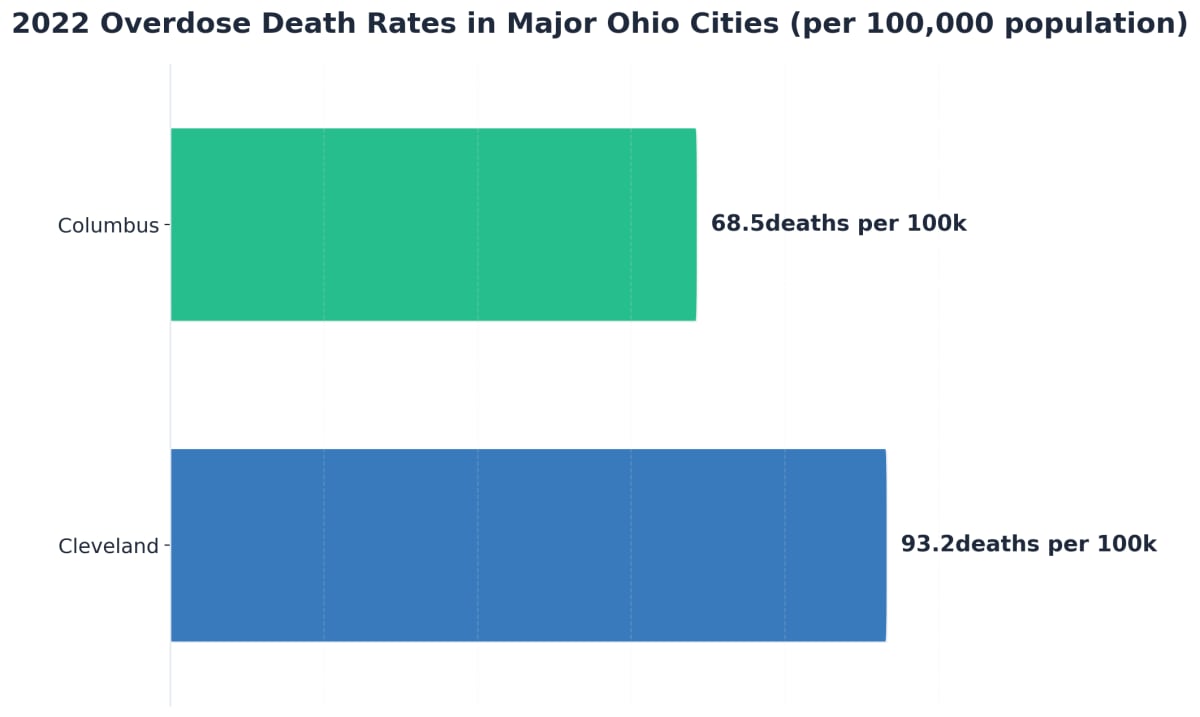
Ohio has faced some of the highest overdose rates in the country, especially in cities like Columbus, which ranked ninth nationally for drug-related deaths in 2022 with 68.5 deaths per 100,000 people2. However, the landscape is shifting. Last year, Ohio saw a 9% decrease in unintentional overdose deaths, beating the national average decline by more than four times3.
This positive trend demonstrates that recovery services across Ohio, including addiction treatment centers near Columbus, are making a real difference. When you search for a trusted resource like Arista Recovery, you’re taking advantage of a statewide momentum that’s saving lives.
Columbus Ranks Among Nation’s Hardest-Hit
Columbus isn’t just Ohio’s capital; it’s a city deeply affected by addiction. The high rate of drug-related deaths means that when you seek drug rehab near Columbus Ohio, you’re not alone—many families and individuals in your area are facing similar struggles. Because the crisis is so concentrated here, finding a recovery center that truly understands the needs of the Columbus community is especially important.
Practical Tool: Provider Checklist
- Location: Do you need to be close to home or away from triggers?
- Community Understanding: Does the center know the local landscape?
- Support Options: Do they offer family programs?
Ohio’s 9% Decline Shows Treatment Works
Ohio’s 9% decrease in unintentional overdose deaths is more than just a statistic—it’s a sign that evidence-based addiction treatment programs are helping to save lives3. This drop is over four times faster than the national average, indicating that Ohio’s approach—including increased access to substance abuse treatment centers—is working. When you consider treatment options in Ohio, you’re joining a movement that’s helping families break free from addiction.
The Continuum of Care Explained
Think of the continuum of care like a ladder: each step helps you climb closer to lasting recovery. In Ohio, top addiction treatment centers use this approach, guiding you from a safe start in medical detox, to skill-building in residential rehab, and then to community support through outpatient programs. Research shows that people who complete all stages are more likely to stay substance-free a year later1.
| Stage of Care | Primary Focus | Typical Environment |
|---|---|---|
| Medical Detox | Safety & Stabilization | 24/7 Medical Supervision |
| Residential Treatment | Skill Building & Therapy | Structured Inpatient Living |
| Outpatient (PHP/IOP) | Transition & Practice | Therapy during day, home at night |
| Aftercare | Maintenance & Support | Community Groups & Check-ins |
Medical Detox: Your Safe Starting Point
Medical detox is the foundation of your recovery journey. At trusted drug rehab centers near Columbus Ohio, detox means you’re not left alone to face withdrawal. Nurses and doctors monitor your health 24/7, easing symptoms and helping you stay comfortable. This step is especially important for substances like opioids or alcohol, where withdrawal can be dangerous without medical help1.
Action Step: Addressing Detox Fears
Residential Treatment Builds Recovery Skills
Residential treatment acts as a training camp for recovery. You live in a safe, supportive setting—away from old triggers—while focusing on building new habits. In Ohio, many inpatient addiction treatment centers offer group therapy, one-on-one counseling, and life-skills training under one roof. Research shows that the more time spent in a structured environment like this, the lower the risk of relapse9.
Evidence-Based Treatment Approaches
Building on the treatment modalities available, it’s essential to focus on evidence-based approaches—methods backed by scientific research and proven to support lasting change. These aren’t experimental; they are treatments with documented success rates.
- Cognitive Behavioral Therapy (CBT): Shows 60-70% effectiveness in treating depression and anxiety disorders. It helps identify thought patterns contributing to substance use.
- Medication-Assisted Treatment (MAT): Combines FDA-approved medications with counseling. Research shows MAT reduces opioid relapse by approximately 50%.
- Dialectical Behavior Therapy (DBT): Teaches mindfulness and emotional regulation, particularly effective for co-occurring conditions.
- Motivational Interviewing: A collaborative approach that respects your autonomy while strengthening your commitment to change.
- Family Therapy: Involving loved ones improves outcomes by 20-50% and helps rebuild damaged relationships.
Medication-Assisted Treatment Saves Lives
Medication-assisted treatment (MAT) blends safe, doctor-prescribed medications with counseling. Think of it like giving your brain a chance to heal while you build new habits. In Ohio, MAT has been proven to cut the risk of deadly opioid overdoses by 50% or more, giving families hope and time to rebuild4.
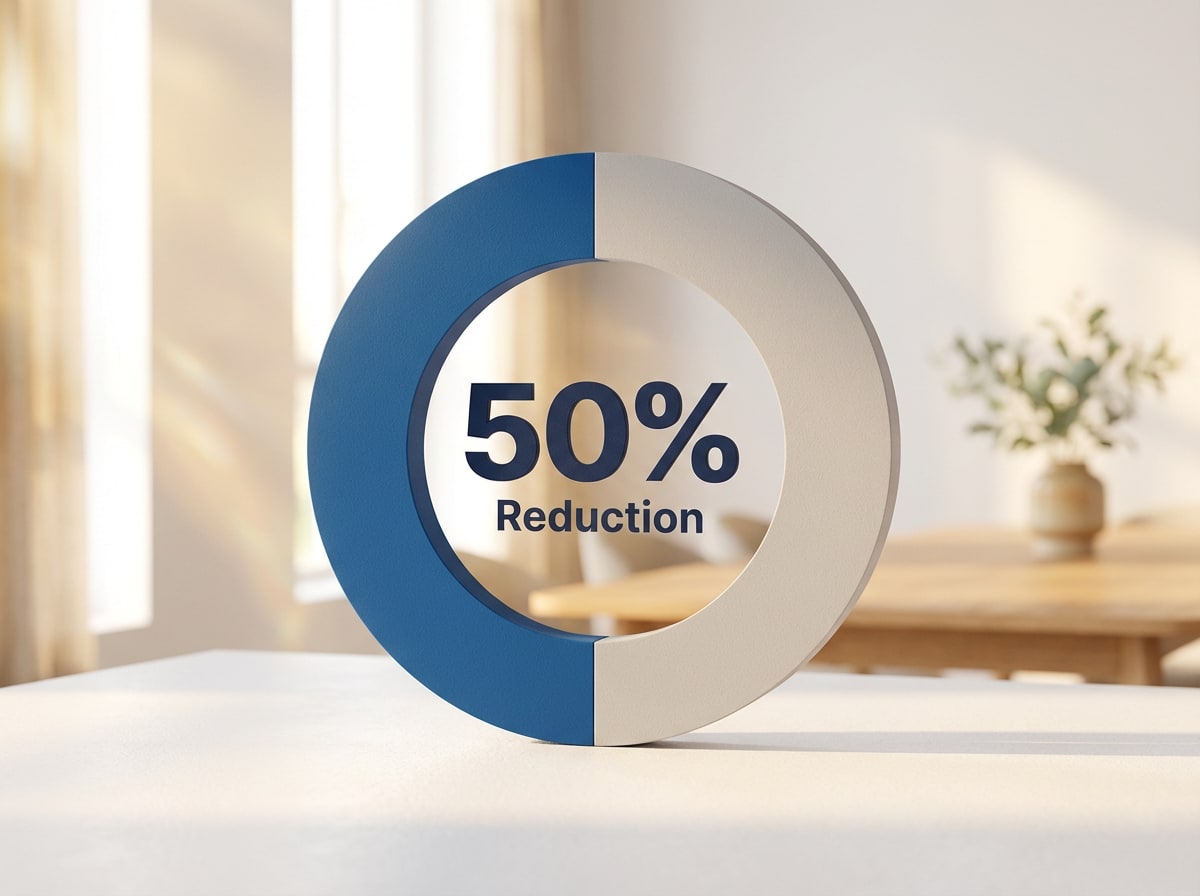
MAT Reduces Overdose Deaths by 50% or More
“Research from SAMHSA confirms that using MAT can cut the risk of fatal opioid overdoses in half or more.”4
This means families around Columbus have a real, evidence-backed way to fight back against addiction. At Arista Recovery, MAT is offered as part of a caring, individualized plan, giving hope and time for real healing.
Suboxone, Vivitrol, and Methadone Options
Each medication-assisted treatment option has strengths. Suboxone (buprenorphine/naloxone) helps manage cravings with less risk of misuse. Vivitrol (naltrexone) is a monthly shot that blocks the effects of opioids. Methadone is a long-acting medication taken daily at a specialized clinic. Studies prove that using medicines like buprenorphine or methadone can cut overdose risk by up to 76% in the first three months8.
Comparison Tool: MAT Options
Dual Diagnosis Treatment for Co-Occurring Disorders
Many people seeking addiction treatment in Ohio also struggle with depression, anxiety, or trauma. Ignoring one issue while treating the other rarely works. Research shows that recovery is strongest when both are addressed at the same time4. Unfortunately, only about 18% of addiction programs nationwide are truly set up to treat co-occurring disorders6.
Why Treating Both Conditions Matters
Imagine trying to patch only half of a leaky roof—the water will still find a way in. Research shows that about half of people with serious mental health conditions also face substance use issues. Integrated care leads to better outcomes and helps people feel truly supported in every area of their lives.
Integrated Care for PTSD, Anxiety, Depression
Integrated care means your treatment isn’t just about substance use—it’s also about healing the stress, sadness, or trauma that often goes hand-in-hand. At leading addiction treatment centers in Ohio, care teams include counselors, mental health therapists, and medical staff who work together on one plan. This approach is particularly effective when trauma or PTSD is part of the picture4.
Finding the Right Drug Rehab Near Columbus Ohio
Choosing a treatment program is one of the biggest decisions you’ll make. With so many options available throughout Ohio, it’s essential to find a program that aligns with your particular needs. Start by considering the level of care you need. If you’re dealing with severe substance use disorder, you might benefit from residential treatment. If you have a strong support system at home, outpatient programs offer flexibility.
When contacting potential treatment centers, come prepared with specific questions that will help you make an informed decision:
- What evidence-based therapies do you offer? Look for specific mentions of CBT, DBT, or MAT.
- What are the credentials of your clinical staff? Look for licensed therapists and certified addiction counselors.
- How do you address co-occurring mental health conditions? Ensure they have integrated treatment plans.
- What does your aftercare planning look like? Look for transition support and alumni programs.
- How do you involve family members? Look for family therapy sessions and educational workshops.
- What is your approach to measuring outcomes? Ask how they track long-term recovery success.
- What insurance do you accept? Ensure transparency about costs and financial assistance.
Specialized Programs Improve Outcomes
Programs that fit you—like support for veterans, women, or the LGBTQ+ community—aren’t just extra features. They’re proven to make a real difference. Research shows that when therapy is tailored to things like family involvement, trauma, or cultural background, people are more likely to stay in treatment and maintain recovery10.
Veterans, Women, LGBTQ+ Affirming Care
Care that understands your background or identity can make all the difference. Veterans in Ohio may have unique experiences with trauma, while women often benefit from support that addresses family roles. LGBTQ+ affirming programs create safe spaces where you can share openly. These specialized tracks go beyond the basics, providing understanding and community.
Family Involvement Extends Recovery Success
When your family or close friends join your recovery journey, you’re not facing challenges alone. Research shows that programs involving family lead to better outcomes that last—even up to 18 months after treatment ends10. Bringing loved ones into your care plan can help you rebuild trust and set healthy boundaries.
Navigating Insurance and Admission
It can feel overwhelming to figure out insurance details. In Ohio, most major health insurance plans are accepted at leading addiction treatment centers. The good news is that verifying your insurance is usually fast and confidential. Research shows that removing barriers at this stage makes it more likely people will enter and stay in treatment10.
Major Insurers Accepted in Columbus Area
Most reputable addiction treatment centers around Columbus accept a wide range of insurance plans, including:
- Medicaid & Medicare
- Anthem Blue Cross Blue Shield
- Aetna
- Cigna
- UnitedHealthcare
- Molina
Having options means more people in central Ohio can access substance abuse treatment without worrying as much about up-front costs.
Verification Process Takes Minutes, Not Days
Verifying your insurance for addiction treatment centers in Ohio takes just minutes. All you need to do is call or fill out a secure online form, and a team member will check your benefits right away. This quick process helps remove delays and uncertainty, so you can focus on getting help instead of paperwork.
Action Step: Verify Now
Building Long-Term Recovery Success
Choosing an appropriate treatment program marks an important first step, but lasting recovery requires ongoing commitment. Recovery is a journey that unfolds over time, not a destination you reach and leave behind. Research consistently shows that individuals who remain engaged in aftercare services experience significantly better outcomes.
Why Treatment Duration Predicts Outcomes
Think of recovery like growing roots. Short programs may start growth, but research shows they often don’t give enough time for real change. By staying in residential treatment or outpatient care for a longer period, you give yourself a stronger base to handle life’s ups and downs.
Programs Under 30 Days Show Higher Relapse
Short-term rehab programs might seem appealing for fast results, but studies show they often don’t provide enough time to build lasting change. Research reveals that people leaving residential treatment after less than 30 days have a 25% chance of being readmitted within a year—much higher than those in longer programs9.
36% Achieve One-Year Abstinence After Care
“Research shows that 36% of adults stay completely substance-free when checked one year after finishing care.”1
These numbers prove that with the right support, guidance, and ongoing aftercare, lasting recovery is possible for families in Ohio.
Aftercare and Relapse Prevention Strategies
Staying on the recovery path takes more than finishing a program—it’s about ongoing support. In Ohio, research highlights that the most effective drug and alcohol rehab centers teach practical relapse prevention skills and connect you with aftercare. Peer support in groups like Alcoholics Anonymous is especially powerful—studies show these groups often work even better than therapy for lasting sobriety7.
Five Rules of Recovery That Work
Think of these rules as your personal recovery roadmap. Research shows that using these strategies can lower relapse rates11:
- Change your life: Build new routines and friendships that support sobriety.
- Be honest: Honesty with yourself and others helps spot problems early.
- Ask for help: Reach out to family, friends, or your care team.
- Practice self-care: Manage stress, eat well, and sleep enough.
- Don’t bend the rules: Stay firm in your commitment to avoid excuses.
Peer Support and Alumni Resources Matter
Peer support is more than just attending meetings—it’s about having a community that truly understands your journey. Alumni programs and support groups give you a safe space to celebrate wins and share setbacks. Research confirms that these ongoing connections lower relapse rates and help people feel less alone in recovery7.
Frequently Asked Questions
As you build your long-term recovery plan, these common questions can help you make informed decisions about treatment options in the Hilliard and Columbus area.
What types of addiction treatment programs are available in Hilliard?
Hilliard and the greater Columbus area offer a comprehensive range of treatment options including residential programs, outpatient services, intensive outpatient programs (IOP), and partial hospitalization programs (PHP). Ohio’s established recovery infrastructure means you’ll find specialized programs for various substances and co-occurring mental health conditions.
How long does addiction treatment typically last?
Treatment duration varies based on individual needs. While some programs last 30 days, research shows that longer treatment periods—typically 60 to 90 days or more—often lead to better outcomes. A treatment team will work with each person to determine the appropriate timeline.
Will my insurance cover addiction treatment in Ohio?
Most insurance plans provide some level of coverage for addiction treatment thanks to federal mental health parity laws and Ohio’s additional consumer protections. Coverage varies by provider and plan, so it’s important to verify individual benefits. Many facilities in Hilliard can assist with understanding insurance coverage.
Can I continue working or going to school during treatment?
Outpatient programs are specifically designed to accommodate work and school schedules, with evening and weekend sessions available. Residential programs require a temporary pause from daily responsibilities, but this dedicated time often provides the foundation needed for lasting healing.
What happens after I complete a treatment program?
Healing doesn’t end when a program concludes. Aftercare planning includes ongoing therapy, support groups, sober living arrangements if needed, and connections to community resources. In the Hilliard and Columbus area, you’ll find numerous recovery support meetings and peer support programs.
How quickly can I start treatment at Arista Recovery?
You can often start treatment at Arista Recovery within just a few days of reaching out—sometimes even on the same day. The admissions team makes the process simple and confidential. Removing barriers to fast admission has been shown to help more Ohioans enter and stay in substance abuse programs10.
Do you offer treatment for people struggling with both addiction and mental health issues?
Yes, Arista Recovery offers specialized treatment for people facing both addiction and mental health challenges—known as dual diagnosis care. Research shows that integrated care leads to better outcomes and helps people feel truly supported in every area of their lives6.
What support is available after I complete residential treatment?
Arista Recovery connects you with aftercare services including ongoing outpatient counseling, regular check-ins, peer support groups like Alcoholics Anonymous, and alumni programs. Research shows that aftercare can lower relapse rates significantly7.
How do I convince a loved one to go to rehab?
Start by having an honest, judgment-free conversation. Share your concern with kindness. In central Ohio, family involvement is proven to improve outcomes, so including trusted relatives or friends in these talks may help your loved one feel less alone10.
Are your programs LGBTQ+ friendly and affirming?
Yes, Arista Recovery’s programs are LGBTQ+ friendly and fully affirming. Research proves that treatment tailored to your identity and life experience leads to stronger, longer-lasting recovery outcomes10.
What if I need to take time off work for treatment?
The Family and Medical Leave Act (FMLA) allows many employees in Ohio to take up to 12 weeks of unpaid, job-protected leave for serious health conditions, including substance use treatment10.
What happens during the detox process?
During detox, you’ll be cared for by medical professionals who help your body safely adjust. Staff provide 24/7 support and use medications if needed to ease symptoms. This supervised detox lowers health risks and sets the stage for lasting success1.
Can I bring my cell phone or personal items to residential treatment?
Most centers allow basic clothing and toiletries. Cell phone rules vary to minimize distractions. These guidelines exist to support your healing and help everyone in the program stay on track for long-term recovery10.
What if I’ve tried treatment before and relapsed?
Relapse doesn’t mean failure. Research shows that longer and repeated engagement with addiction treatment centers greatly increases your chances of success over time11.
Can family members visit during treatment?
Yes, family members can usually visit. Research shows that when families are included in the treatment process, outcomes improve and the benefits can last up to 18 months after leaving the program10.
Is medication-assisted treatment the same as replacing one addiction with another?
No. MAT uses safe, carefully monitored medications to help manage cravings. Research shows MAT can lower opioid overdose deaths by 50% or more and helps people stay in treatment longer4.
What makes Arista Recovery different from other rehabs near Columbus?
Arista Recovery focuses on personalized, evidence-based care. We offer integrated support for both addiction and mental health, something only about 18% of programs nationwide are fully equipped to do6.
Your Next Step Toward Recovery in Hilliard
Taking the first step toward recovery can feel overwhelming, but you don’t have to navigate this process alone. Whether you’re seeking help for yourself or a loved one, the road to sobriety begins with reaching out and exploring the treatment options available to you right here in Hilliard.
Transformation is possible, and it starts with making that initial connection. Consider scheduling a confidential assessment to discuss your unique situation, treatment goals, and any concerns you might have. During this conversation, you’ll have the opportunity to ask questions, learn about different levels of care, and understand what the recovery process might look like for your individual needs.
If you’re not quite ready to commit to treatment but want to learn more, that’s completely understandable. Many people find it helpful to tour facilities, speak with admissions counselors, or gather information about insurance coverage and payment options before making a decision. There’s no pressure—just support and guidance as you consider your options.
Join the thousands of Ohioans who have found lasting recovery through evidence-based treatment. When you’re ready to take that crucial first step, call a treatment center directly, visit their website to learn about program options, or attend a free information session. Compassionate, personalized care grounded in proven methods is available right here in your community.
References
- Outcomes Research Proves Addiction Treatment Works. https://vista-research-group.com/outcomes-research-proves-how-effective-treatment-can-be
- Overdose Crisis: Ohio Cities Among Worst in Nation. Data Brief. https://ccbh.net/wp-content/uploads/2025/01/OverdoseCrisisOhioCitiesAmongWorstInNation_01.08.2025.pdf
- Drug Overdose. https://odh.ohio.gov/know-our-programs/violence-injury-prevention-program/drug-overdose/
- Integrated Treatment for Co-Occurring Disorders: The Evidence. https://library.samhsa.gov/sites/default/files/ebp-kit-the-evidence-10242019.pdf
- National Helpline for Mental Health, Drug, Alcohol Issues. https://www.samhsa.gov/find-help/helplines/national-helpline
- Dual diagnosis capability in mental health and addiction treatment. https://pmc.ncbi.nlm.nih.gov/articles/PMC3594447/
- Alcoholics Anonymous Most Effective Path to Alcohol Abstinence. https://med.stanford.edu/news/all-news/2020/03/alcoholics-anonymous-most-effective-path-to-alcohol-abstinence.html
- Comparative Effectiveness of Different Treatment Pathways for Opioid Use Disorder. https://jamanetwork.com/journals/jamanetworkopen/fullarticle/2760032
- Data from NAATP Build Case for Value of Extended Residential Treatment. https://www.naatp.org/resources/blog/data-naatp-build-case-value-extended-residential-treatment
- Involving Family Members in Substance Use Disorder Treatment. https://www.recoveryanswers.org/research-post/involve-family-in-treatment-enhance-substance-use-disorder-outcomes/
- Relapse Prevention and the Five Rules of Recovery. https://pmc.ncbi.nlm.nih.gov/articles/PMC4553654/
