 Now under new ownership & part of the Arista Recovery Network! For more information,

Key Takeaways: Your Path to Recovery
- Decision Assessment: If you answer “Yes” to 3 or more of the diagnostic questions below, professional addiction treatment Ohio resources are recommended immediately.
- Top 3 Success Factors:
- Early intervention (don’t wait for “rock bottom”).
- Integrated Dual Diagnosis treatment for co-occurring mental health needs.
- Active family involvement in the recovery process.
- Immediate Next Action: If you are in crisis, call
988. For planned admission, verify your insurance coverage using the guide in Section 3.
Understanding the Need for Addiction Treatment Ohio
Ohio faces one of the most severe addiction challenges in the nation, making the search for effective addiction treatment Ohio resources more critical than ever. In 2022, Ohio reported 5,017 unintentional drug overdose deaths—a rate of 43.5 deaths per 100,000 residents, ranking the state fourth highest nationally. Understanding the scope of this crisis helps you recognize that if you or someone you love is struggling, you’re far from alone—and effective help is available.
The opioid epidemic hit Ohio particularly hard, transforming communities across the state. While prescription painkillers initially drove the crisis, synthetic opioids like fentanyl now account for approximately 81% of overdose deaths5. These substances are extraordinarily potent, making even small amounts potentially lethal. In counties like Montgomery, first responders report reviving the same individuals multiple times in a single week, while local emergency departments see families cycling through crisis after crisis. Beyond opioids, stimulants including methamphetamine and cocaine have surged in recent years, often combined with other drugs in dangerous ways.
Geography plays a role in how addiction affects different regions. Urban areas like Cleveland, Columbus, and Cincinnati face high overdose rates alongside concentrated poverty and limited access to care. Meanwhile, rural communities throughout Appalachian Ohio struggle with geographic isolation, fewer treatment facilities, and economic hardship that can fuel substance use.
Despite these sobering realities, there’s genuine reason for hope. Ohio’s Project DAWN (Deaths Avoided With Naloxone) has distributed over 300,000 naloxone kits since 2014, reversing thousands of overdoses. The state has expanded access to evidence-based treatment, increased medication-assisted treatment availability by 47% in recent years, and built recovery support networks throughout the state. Recovery is possible, and thousands of Ohioans prove it every day.
The Current State of Addiction in Ohio
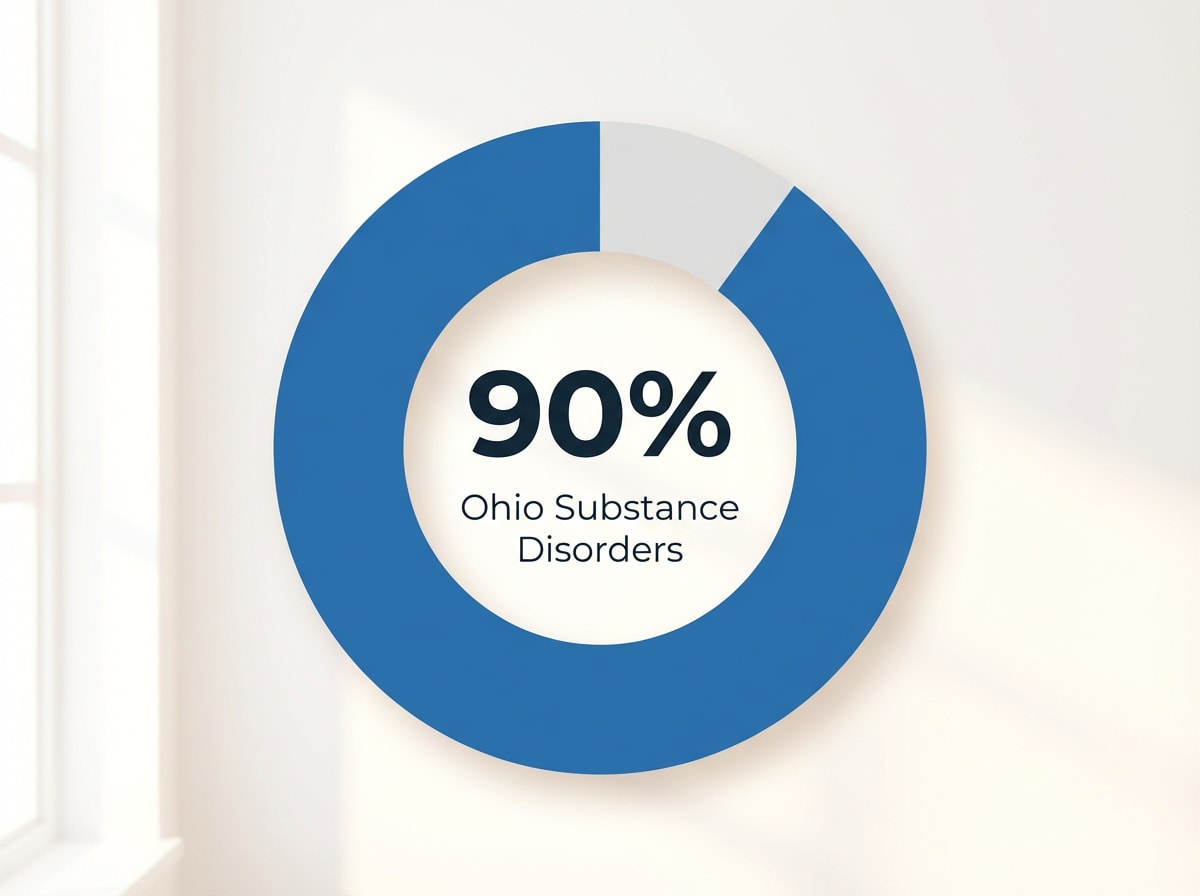
To get a real sense of Ohio’s struggle with substance use, let’s look at some quick facts. Nearly 700,000 people in Ohio ages 12 and older need drug rehabilitation or treatment services each year1. Still, about 90% of those who need help don’t receive any formal addiction treatment1. This treatment gap is especially noticeable in cities like Cleveland, where the drug-related death rate is three times higher than the national average2.
When you hear about addiction treatment Ohio, remember that Arista Recovery is here to help close this gap—offering hope, understanding, and resources tailored to those who need it most.
Ohio’s Overdose Statistics and Trends
Ohio’s overdose statistics tell a story of both struggle and hope. After peaking at over 4,900 overdose deaths in 2022, the state saw a drop to about 4,452 in 2023—a 9% decrease, which is much better than the national average decline5. Early projections for 2024 are even more promising, with overdose deaths expected to reach their lowest point in nearly a decade4. Despite these improvements, overdose rates in Ohio’s largest cities remain among the highest nationwide, showing why local addiction treatment resources matter more than ever.
Fentanyl’s Role in Ohio Overdose Deaths
Fentanyl is now a major driver of overdose deaths in Ohio, showing up in about 78% of unintentional drug overdoses across the state5. This synthetic opioid is much stronger than heroin or prescription painkillers, and just a tiny amount can be deadly. Often, fentanyl is mixed with other drugs without people knowing, which can make using even more dangerous. That’s why Arista Recovery focuses on up-to-date, evidence-based treatments and harm reduction strategies to help keep people safer and offer hope for recovery5.
Self-Assessment: Do You Need Help?
Here’s a quick self-assessment tool to help you see if addiction treatment Ohio could be right for you or someone you care about. Start by asking: Has substance use started to get in the way of work, school, or family life? Are you using more than you planned, or have you tried to cut back without success?
Diagnostic Checklist for Substance Use
Use this quick checklist to spot signs that treatment could help you or your loved one:
- Tolerance: Have you noticed needing more of a substance to get the same feeling?
- Preoccupation: Are you spending a lot of time thinking about or getting drugs or alcohol?
- External Concern: Have friends or family in Ohio expressed concern about your use?
- Failed Attempts: Have you tried to quit but couldn’t?
- Impact on Life: Is it hard to keep up with work, school, or home duties because of substance use?
About 90% of Ohioans who need treatment don’t get it, so you’re not alone if these questions sound familiar1. These questions can help you decide if it’s time to reach out for support.
Recognizing Co-Occurring Mental Health
About half of people living with substance use in Ohio also have a mental health condition like depression or anxiety—this is called a “co-occurring disorder” or “dual diagnosis”8. It can be tough to tell where one challenge ends and the other begins. If you notice ongoing sadness, mood swings, trouble sleeping, or feeling hopeless along with substance use, these may be signs of a co-occurring mental health issue. When both are present, recovery is harder without addressing each together.
Addiction Treatment Ohio Options
In response to this crisis, Ohio has developed a comprehensive range of treatment options designed to meet different needs and circumstances. When you’re seeking help for yourself or a loved one struggling with addiction, understanding what’s available empowers you to make informed decisions about your recovery journey.
Levels of Care Comparison
Understanding the different levels of care is crucial for selecting the right path. The table below outlines the primary options available throughout Ohio:
| Level of Care | Typical Duration | Best Suited For |
|---|---|---|
| Medical Detox | 3–7 Days | Individuals needing safe, medically supervised withdrawal from alcohol, opioids, or benzodiazepines. |
| Residential (Inpatient) | 30–90 Days | Those requiring 24/7 support, a structured environment, and separation from triggers. |
| Partial Hospitalization (PHP) | 5–7 Days/Week | People needing intensive daily therapy but who can return home or to sober living at night. |
| Intensive Outpatient (IOP) | 3–5 Days/Week | Individuals balancing treatment with work, school, or family obligations. |
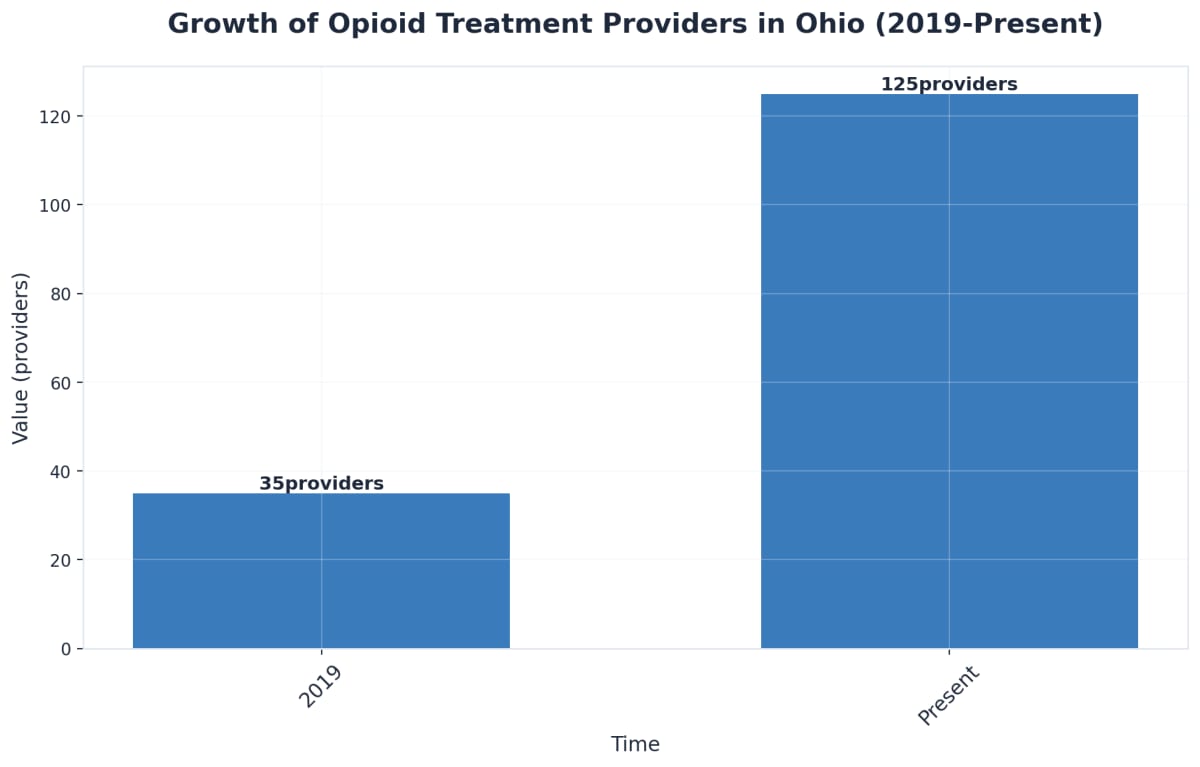
With more than 125 opioid treatment providers now available statewide2, finding the right addiction treatment Ohio plan is easier than before. Outpatient rehab and recovery housing are two options that keep growing to meet local needs4.
Medical Detox and Withdrawal Management
If you’re looking at addiction treatment Ohio, medical detox is often the first step. Detox means safely clearing substances from your body while doctors and nurses help with symptoms and keep you comfortable. In Ohio, detox usually lasts just a few days—long enough to get past the toughest withdrawal symptoms2. This method works best if you or your loved one is using substances where quitting suddenly could be dangerous (like opioids or alcohol).
Residential vs. Outpatient Programs
Choosing between residential and outpatient programs depends on your unique needs. Residential care means staying at a facility around the clock—this can help if you need a safe, structured environment or have tried outpatient care before without success. Outpatient programs let you live at home and visit for scheduled sessions, making them a great fit for those balancing work, school, or family responsibilities. Both options use evidence-based therapies and support your long-term recovery goals.
Evidence-Based Therapies Available
Ohio families can trust that addiction treatment options here are grounded in science, not guesswork. Does your program offer therapies backed by research, like Medication-Assisted Treatment (MAT) or cognitive-behavioral therapy? Are group and individual counseling available? Ohio’s updated approach means you’ll often find these methods, which have been shown to reduce relapse and boost treatment success10.
Medication-Assisted Treatment Options
Medication-Assisted Treatment, or MAT, is a proven method for helping people recover from opioid or alcohol addiction in Ohio. MAT combines safe, doctor-prescribed medications—like buprenorphine or methadone—with counseling and support. Ohio has expanded access to MAT, even launching mobile medication units in 2025 to bring this lifesaving care to more rural and underserved communities4. Studies show MAT can cut the risk of overdose and help people stay in treatment longer, which is crucial for real recovery10.
Behavioral Therapies That Work
Behavioral therapies are a core part of effective addiction treatment in Ohio. These are approaches like cognitive-behavioral therapy (CBT) and Dialectical Behavior Therapy (DBT), which help you understand triggers, manage stress, and change habits that lead to substance use. For example, DBT has been shown to keep 64% of people in treatment, compared to just 27% with traditional counseling in research studies6. This approach is ideal if you want practical coping tools and support for both addiction and mental health struggles.
Choosing the Right Addiction Treatment Ohio Program
Now that you understand the treatment options available—from medically supervised inpatient care to flexible outpatient programs—the next question becomes: which one is right for your situation? Choosing the right treatment program for yourself or a loved one requires matching your specific needs with the appropriate level of care. A structured decision framework can help you make this critical choice with confidence.

Start by evaluating these key decision criteria:
- Medical complexity: Are you at risk for severe withdrawal symptoms? Do you have co-occurring physical health conditions that require monitoring? These factors typically indicate a need for inpatient or residential care with 24/7 medical supervision.
- Addiction severity: Professional assessment tools like the ASAM (American Society of Addiction Medicine) Criteria provide standardized evaluation across six dimensions, including withdrawal potential, biomedical conditions, and relapse history. Ask treatment centers if they use ASAM criteria for placement decisions.
- Mental health considerations: Do you have depression, anxiety, PTSD, or other mental health conditions? Programs offering integrated dual diagnosis treatment address both conditions simultaneously for better outcomes.
- Environmental stability: Is your home environment supportive of recovery, or does it contain triggers and access to substances? An unstable environment often necessitates residential treatment initially.
- Support system strength: Do you have family or friends committed to supporting your recovery? Strong support systems make outpatient treatment more viable.
- Practical obligations: Can you take extended time away from work, school, or caregiving responsibilities? Your answer influences whether inpatient or outpatient care is feasible.
Evaluating Treatment Programs in Ohio
When comparing addiction treatment programs in Ohio, it helps to use a simple evaluation tool. Start with this checklist: Are staff certified and experienced with Ohio families? Does the program offer evidence-based therapies like Medication-Assisted Treatment or cognitive-behavioral therapy? Is there support for both substance use and mental health needs, such as dual diagnosis care? Ohio now offers more than 125 opioid treatment providers—a 250% increase since 2019—so you have a wider range of local choices than ever before2.
Key Quality Indicators to Consider
When you’re choosing an addiction treatment Ohio program, focus on a few key quality indicators. First, check if the staff are licensed and have experience working with Ohio families. Next, look for programs that use evidence-based therapies, like Medication-Assisted Treatment (MAT) or cognitive-behavioral therapy—these are proven to help people stay in recovery longer10. Strong programs also support both substance use and mental health needs, often called “dual diagnosis” care. Prioritize this when you want care that treats the whole person, not just the addiction.
Specialized Programs for Your Needs
Every person’s recovery story is different, so specialized programs in Ohio help meet unique needs—whether you’re a teen, expectant parent, veteran, or need support for both addiction and mental health at once. Ohio now offers options like dual diagnosis care for those with both substance use and mental health conditions, recovery housing for people who need a stable place to live, and programs for young adults or families27.
Insurance and Financial Planning
When planning for addiction treatment in Ohio, figuring out insurance and financial steps can feel overwhelming—but you don’t have to do it alone. Start with this simple checklist: Does your health insurance (including Ohio Medicaid) cover the type of care you need, such as detox, outpatient, or residential treatment? Can you get help with co-pays or out-of-pocket costs? Ohio Medicaid covers a wide range of addiction services through community providers, making it a solid option for many families2.
Understanding Ohio Medicaid Coverage
Ohio Medicaid is a lifeline for many families needing addiction treatment Ohio, and it’s helpful to know what’s covered. Here’s a quick checklist: Are you enrolled in Medicaid, or do you qualify? Ohio Medicaid covers a wide range of substance use services, including counseling, withdrawal management (detox), intensive outpatient, residential treatment, and medications for opioid use disorder2. Support is available through local community providers and managed care plans, so you can get help close to home.
Maximizing Commercial Insurance Benefits
Maximizing your commercial insurance can help make addiction treatment Ohio more accessible. Start by checking if your plan covers evidence-based care, such as detox, outpatient therapy, or dual diagnosis services. Look for in-network treatment centers—these often include more Ohio options since the state’s network of opioid treatment providers has grown by 250% since 20192. Be sure to ask about coverage for mental health support, as many plans now include behavioral health alongside substance use help.
Your 30-Day Action Plan for Recovery
Important: This action plan is designed for situations where you have time to research and plan your treatment decision. If you’re experiencing a medical emergency, severe withdrawal symptoms, or thoughts of self-harm, call 911 or the 988 Suicide and Crisis Lifeline immediately. For urgent but non-emergency situations, many treatment centers offer same-day or next-day admissions—call their 24/7 helplines to discuss immediate options.
For those able to plan ahead, recovery doesn’t happen overnight, but having a structured timeline helps transform overwhelming decisions into manageable steps. This roadmap guides you through the critical first month of your recovery journey.
- Immediate Action (Days 1-3): Crisis Assessment and Initial Outreach Determine your urgency level honestly. Are you safe to wait, or do you need help now? Contact 2-3 treatment programs to discuss your situation and timeline. Many facilities can expedite admissions for urgent cases. If you’re experiencing withdrawal symptoms or health concerns, speak with a medical professional immediately—some situations require supervised detox before residential treatment.
- Short-Term Planning (Days 4-10): Research and Decision-Making Schedule consultations with at least three treatment programs. Ask about their approach to your specific challenges, insurance verification processes, and typical treatment timelines. Gather your medical records, insurance information, and create a list of medications you’re currently taking. Compare programs based on treatment philosophy, location, and how comfortable you felt during consultations.
- Pre-Admission Preparation (Days 11-21): Logistics and Arrangements Complete all admission paperwork and pre-treatment assessments. Begin arranging logistics—who will care for your home, pets, or dependents while you’re in treatment? Start having honest conversations with your support system about your decision to seek help. Pack according to your facility’s guidelines, typically including comfortable clothing, personal care items, and any approved electronics.
- Treatment and Beyond (Days 22-30+): Your First Steps in Recovery Your first week in treatment focuses on medical stabilization, comprehensive assessment, and beginning to build relationships with your care team and peers. You’ll start developing coping strategies and learning about the recovery process. As you move through weeks 2-4, you’ll deepen your therapeutic work, participate in group sessions, and begin planning for life after treatment.
Week One: Assessment and Outreach
Week one is all about taking those first meaningful steps toward recovery. Start by scheduling a confidential assessment with an Ohio addiction specialist—this is a safe, judgment-free conversation where you share your story, discuss substance use, and begin to map out a plan that matches your needs. Many people in Ohio wait too long; around 90% who need addiction treatment aren’t getting it yet1.
Contacting Ohio Treatment Resources
Reaching out for help in Ohio can feel intimidating, but you have more ways than ever to get connected with addiction treatment resources. Start with this quick checklist:
- Call a trusted helpline like SAMHSA’s 24/7 national helpline (
1-800-662-HELP), which provides support for Ohio residents and can point you to local programs1. - Contact local treatment centers directly—Ohio now has over 125 opioid treatment providers, so there’s likely one close by2.
- Ask your doctor or a mental health professional in your area for a referral to substance abuse treatment or drug rehab.
Insurance Verification and Pre-Auth
Insurance verification and pre-authorization are important first steps before starting addiction treatment Ohio. Use this quick assessment: 1) Do you know if your insurance or Medicaid plan covers substance abuse treatment, detox, or mental health services? 2) Have you gathered your insurance card and personal info? 3) Are you prepared to call your provider or have Arista Recovery help check your benefits? Most Ohio plans, including Medicaid, cover a range of treatment services through community providers2.
Weeks Two Through Four: Starting Care
Weeks two through four are when your recovery journey in Ohio truly begins. Here’s an action checklist to guide you: 1) Prepare for detox and your first days in care, 2) Set up a routine for treatment sessions, and 3) Start building your support network. Most Ohio detox programs last just a few days, and then you’ll transition to outpatient or residential care, depending on your needs2.
Preparing for Detox and Admission
Preparing for detox and admission is a big step, but it doesn’t have to feel overwhelming. Use this short checklist: 1) Pack comfortable clothes and any allowed personal items, 2) Arrange time off work or school if needed, and 3) Make a list of current medications for your care team. Most Ohio detox programs last just a few days, so packing light is best2.
Building Your Recovery Support Network
Building your recovery support network is a huge step forward during addiction treatment Ohio. Start with this checklist: 1) Join group therapy or support meetings at your treatment center, 2) Ask your care team about local recovery groups like AA or NA, and 3) Let trusted family or friends know how they can help you stick with your plan. In Ohio, connecting with others who understand your journey has been shown to boost both treatment retention and long-term success—programs like Dialectical Behavior Therapy keep 64% of people in treatment, more than double the usual rate6.
Frequently Asked Questions
As you work through these steps toward finding help, you may have additional questions about the recovery process and what to expect. Here are answers to some of the most common concerns we hear from individuals and families in Ohio seeking help for substance use challenges.
What should I do if my loved one refuses to get treatment?
When a loved one in Ohio refuses addiction treatment, it’s tough to know what to do next. Start by keeping open, judgment-free conversations—let them know you care about their safety and well-being. You can offer information about local recovery resources and support them in exploring their options, but avoid pressing or giving ultimatums, as this can push them away. It helps to talk to an Ohio addiction counselor or call a confidential helpline like SAMHSA’s 24/7 number (1-800-662-HELP) for advice on how to approach your loved one and get guidance for your whole family1. Remember, in Ohio, about 90% of people who need addiction treatment don’t get it, so you are not alone in facing this challenge1. Arista Recovery is here to support families with resources, education, and hope, even when someone isn’t ready for rehab.
How much does addiction treatment cost in Ohio, and what if I can’t afford it?
The cost of addiction treatment in Ohio can vary widely depending on the type of care, location, and your insurance coverage. Many Ohio families worry about paying for detox, outpatient programs, or residential care, but there are options to help. If you have Ohio Medicaid, a wide range of substance abuse treatment and mental health services are covered through community providers2. For those with commercial insurance, most plans now include coverage for evidence-based treatment and drug rehab, especially as Ohio has expanded its network of providers by over 250% since 20192. If you don’t have insurance or can’t afford out-of-pocket costs, free or sliding-scale programs are available.
Will my employer find out if I go to rehab?
In most cases, your employer will not automatically find out if you attend addiction treatment in Ohio. Addiction treatment centers and healthcare providers are required by law to keep your information private—this includes your participation in drug rehab or substance abuse treatment1. If you use vacation days, medical leave, or FMLA (Family and Medical Leave Act) for your care, you can choose how much you share with your employer. Addiction treatment Ohio programs, like those at Arista Recovery, respect your confidentiality and will only communicate with your employer if you give written permission.
What happens during the first 24 hours of treatment?
The first 24 hours of addiction treatment in Ohio usually focus on helping you settle in and feel safe. When you arrive, you’ll meet caring staff who check in with you about your health, answer your questions, and explain what your day will look like. You’ll go through a simple assessment—this means sharing about your substance use, any medications, and mental health needs so your team can create a plan just for you. Early support often includes a health screening, meeting your care team, and, if needed, starting medical detox to help you through withdrawal safely2.
Can I bring my medications to treatment?
Yes, you can usually bring your current medications to addiction treatment in Ohio, but there are a few steps to follow. When you arrive, staff will review all prescriptions and over-the-counter medicines for safety. Make a list of your medications and bring them in their original pharmacy bottles—this helps your care team make sure nothing interacts poorly with your treatment. Many Ohio drug rehab and substance abuse programs have specific guidelines, so it’s a good idea to check with your chosen center before you come.
How do I know if I need detox before starting treatment?
Knowing if you need detox before addiction treatment in Ohio starts with a quick self-check. Ask yourself: Do you experience withdrawal symptoms—like shakes, sweating, anxiety, or trouble sleeping—when you cut back or stop using drugs or alcohol? Are you using opioids, alcohol, or benzodiazepines, where sudden quitting can be risky? Most detox programs in Ohio last just a few days and are designed to help you safely get through the toughest part of withdrawal2.
What’s the difference between being in treatment in Cleveland versus rural Ohio?
There are some real differences between getting addiction treatment in a city like Cleveland versus rural Ohio. In Cleveland, you’ll find a higher concentration of treatment centers, more choices for specialized drug rehab, and faster access to services because of the larger network—Cuyahoga County alone has some of the most providers in the state2. In rural Ohio, treatment options may be fewer and farther apart, so travel can be a challenge. But rural programs often offer smaller, close-knit communities and more personal attention. The state has expanded mobile medication units to help bridge this gap, bringing addiction treatment Ohio resources directly to underserved areas4.
Can I still see my family during residential treatment?
Yes, most residential addiction treatment centers in Ohio encourage family involvement as part of recovery. Many programs offer regular visiting hours, family therapy sessions, or virtual meetings to help you stay connected with loved ones while focusing on your healing. The specific rules can vary, so it’s a good idea to ask your treatment center about their policies before you start. This solution fits people who find strength and encouragement from family support, which research shows can help improve treatment outcomes1.
What if I’ve tried treatment before and relapsed?
If you’ve gone through addiction treatment in Ohio before and experienced a relapse, you’re not alone—relapse is a common part of recovery, not a sign of failure. Many people need more than one round of drug rehab or substance abuse treatment before finding the right fit or approach6. The good news is that Ohio now offers more support than ever, with expanded options like evidence-based therapies and specialized programs tailored to your unique journey2.
Is medication-assisted treatment really recovery, or am I just trading one drug for another?
Medication-assisted treatment (MAT) is real recovery—it’s not just swapping one drug for another. MAT uses safe, doctor-prescribed medications like buprenorphine or methadone to help manage cravings and withdrawal, while you also get counseling and support. These medications are carefully monitored and don’t create the high or dangerous cycles linked to addiction. In Ohio, MAT is considered a gold-standard, evidence-based approach that reduces overdose risk and helps people stay in treatment longer10.
How long will I need to be in treatment?
The length of time you’ll need for addiction treatment in Ohio depends on your personal situation, the type of program, and your recovery goals. Some people start with detox, which often lasts just a few days, then move into outpatient care or residential treatment that can range from a couple of weeks to several months2. Outpatient programs in Ohio are designed to fit around your schedule and may continue for as long as you need support.
What support is available after I complete my program?
After finishing your program, you’ll find plenty of support in Ohio to help you stay on track. Many addiction treatment centers offer outpatient counseling, alumni groups, and ongoing therapy—these give you a space to talk, share, and keep building healthy habits. Peer recovery groups like AA, NA, or SMART Recovery are active across Ohio and can connect you with others who understand your journey. Housing support and recovery housing are available in many communities for those who need a stable place after treatment2.
Does Arista Recovery accept Ohio Medicaid or Medicare?
Yes, Arista Recovery accepts Ohio Medicaid for addiction treatment services, making care accessible to many individuals and families across the state. Medicaid in Ohio covers a wide range of substance use and mental health treatments—including detox, outpatient, residential, and medication-assisted treatment—through approved community providers2. If you have Medicare, coverage options can vary, so it’s a good idea to contact Arista Recovery directly for the most up-to-date information and help with verifying your specific plan.
What should I pack for residential treatment?
Packing for residential addiction treatment in Ohio is all about comfort and simplicity. Most centers recommend bringing about a week’s worth of comfortable clothes, basic toiletries (no mouthwash with alcohol), and any required medications in their original pharmacy bottles—staff will review these for safety when you arrive2. Remember your photo ID, insurance card, and a list of important contacts. Leave valuables, large amounts of cash, or electronics at home, since treatment centers focus on safety and minimizing distractions.
Can I get treatment if I’m pregnant or have young children?
Yes, you can absolutely get addiction treatment in Ohio if you’re pregnant or caring for young children. Many Ohio treatment programs—including those at Arista Recovery—are designed with special support for parents and expectant mothers. Some centers offer family-friendly services, such as on-site childcare or parenting classes, to help you focus on recovery while knowing your child is safe. Ohio Medicaid covers substance abuse treatment and mental health care for pregnant women, making care more accessible2.
Finding Hope at Arista Recovery
Now that you understand the landscape of addiction treatment options available across Ohio, let us share how Arista Recovery can support your specific journey. Taking the first step toward recovery can feel overwhelming, but you don’t have to face it alone. Our team understands the challenges that come with addiction and mental health struggles, and we’re here to walk alongside you throughout your healing journey.
Located in the heart of Ohio, we’ve built our programs around the specific needs of individuals and families in our community. Whether you’re struggling with substance use, co-occurring mental health conditions, or supporting a loved one through their recovery, our compassionate staff provides evidence-based treatment in a supportive environment where healing can truly begin.
Recovery looks different for everyone, which is why we offer personalized treatment plans tailored to your unique circumstances. From medical detox and residential care to outpatient services and aftercare support, our comprehensive approach addresses not just the symptoms of addiction, but the underlying factors that contribute to it. What makes Arista Recovery distinctive is our integrated dual-diagnosis treatment model—we simultaneously address substance use disorders and mental health conditions with coordinated care from both addiction specialists and licensed mental health professionals.
“Arista didn’t just help me get sober—they taught me how to rebuild my life. The skills I learned in their life coaching sessions and the connections I made with other residents gave me a foundation I still rely on three years later.”
If you’re ready to explore your options or simply have questions about what recovery might look like for you or your loved one, we’re here to help. Call our admissions team at [PHONE NUMBER]—we’re available 24/7 to discuss your situation, verify insurance benefits, and help you understand the next steps. Recovery is possible, and it starts with a single conversation. Contact us today to learn how we can support you on your path to wellness and renewed hope.
References
- SAMHSA’s National Helpline for Mental Health, Drug, Alcohol Issues. https://www.samhsa.gov/find-help/helplines/national-helpline
- Behavioral Health Services – Ohio Department of Medicaid. https://medicaid.ohio.gov/families-and-individuals/srvcs/bh/bh
- Drug Overdose – Ohio Department of Health. https://odh.ohio.gov/know-our-programs/violence-injury-prevention-program/drug-overdose/
- Ohio Launches First Mobile Medication Units. https://dbh.ohio.gov/about-us/media-center/news/pr10.17.2025
- Grant Awards — OneOhio Recovery Foundation. https://www.oneohiofoundation.com/grantawards
- Dialectical Behavior Therapy for Substance Abusers – PubMed Central. https://pmc.ncbi.nlm.nih.gov/articles/PMC2797106/
- Housing Stability and Recovery Among Chronically Homeless – NIH. https://pmc.ncbi.nlm.nih.gov/articles/PMC3490566/
- Dual Diagnosis (Co-Occurring Disorders) – Cleveland Clinic. https://my.clevelandclinic.org/health/diseases/24426-dual-diagnosis
- The Opioid Epidemic in the United States – SHADAC. https://www.shadac.org/opioid-epidemic-united-states
- Evidence on Strategies for Addressing the Opioid Epidemic – NCBI. https://www.ncbi.nlm.nih.gov/books/NBK458653/
