 Now under new ownership & part of the Arista Recovery Network! For more information,

Key Takeaways: Your Action Plan
- Assess Urgency: If you are using alcohol, benzodiazepines, or opioids, medical detox is not optional—it is a safety requirement.
- Verify Credentials: Ensure your chosen facility holds a current OhioMHAS license and national accreditation (CARF or Joint Commission).
- The 48-Hour Rule: Aim for admission within 48 hours of your decision to seek help; delays significantly increase the risk of backing out.
- Look Beyond Detox: Success rates skyrocket when you have a pre-planned transition to residential or outpatient care immediately following detox.
- Financial Clarity: 63% of Ohio centers accept private insurance; verify your benefits immediately to understand out-of-pocket costs.
Understanding Detox as Your First Step
Before you can begin the journey of recovery, your body needs to safely process and eliminate substances that have built up over time. This is what detox does—it’s the medical process of clearing drugs or alcohol from your system while managing withdrawal symptoms under professional supervision. When you are looking for a detox center Ohio, understanding this crucial first step empowers you to make informed decisions about treatment.
Detox isn’t the same as rehabilitation. Think of it as the foundation that makes everything else possible. While detox addresses the physical dependence on substances, it typically lasts anywhere from a few days to two weeks, depending on what substance you’ve been using and for how long. During this time, medical professionals monitor your vital signs, provide medications when appropriate, and ensure you’re comfortable and safe as your body adjusts.
The withdrawal process can range from uncomfortable to potentially dangerous, which is why attempting to detox alone at home carries serious risks. Certain substances, particularly alcohol and benzodiazepines, can cause life-threatening complications during withdrawal. Professional detox programs in Ohio provide 24/7 medical oversight to manage these risks and address any complications immediately.
What many people don’t realize is that detox also serves as an assessment period. During your stay, treatment professionals evaluate your physical health, mental health needs, and the severity of your substance use. This information becomes the roadmap for your ongoing treatment plan. At facilities like Arista Recovery, this comprehensive approach ensures that when you complete detox, you’re not just physically stable—you’re ready to engage in the therapeutic work that leads to lasting recovery.
What Medical Detox Actually Means
Medical detox means you’re getting care from doctors and nurses who keep you safe and as comfortable as possible as drugs or alcohol leave your system. This isn’t just about waiting out withdrawal—it’s about monitoring vital signs, managing symptoms, and, when needed, using approved medications to prevent dangerous complications. At a detox center Ohio, you’ll usually find both medical supervision and access to support staff, which sets these programs apart from non-medical or “social” detox facilities.
This approach works best when your health or withdrawal risks are high, or when you need extra support right from the start. Facilities like Arista follow these best practices, making sure your safety comes first and increasing your chances of moving on to full recovery treatment. Studies show that detox is most effective when it’s paired with a plan for ongoing care—not just a brief hospital stay2.
The Three Phases of Safe Detoxification
Detox happens in three key phases, and knowing what to expect can help you feel more prepared:
- Evaluation: Medical professionals check your health, substance use history, and any risks.
- Stabilization: Doctors or nurses monitor you, manage withdrawal symptoms, and might use medications to keep you safe and comfortable.
- Transition to Care: Making a plan for what comes after detox.
In Ohio, leading centers like Arista guide you through each phase so you’re never alone. This step-by-step approach is recommended because research shows people have better outcomes when detox is connected to continued care2.
Why Detox Alone Isn’t Treatment
Detox on its own is just the beginning—it helps your body clear drugs or alcohol, but it doesn’t teach you how to stay sober. Many people in Ohio finish detox and feel better physically, but without follow-up treatment, most return to old patterns. In fact, research shows that detoxification by itself is not substance abuse treatment or rehabilitation2.
A quality detox center Ohio will connect you with counselors, therapy, and aftercare planning right away. This makes a big difference because ongoing support, like group therapy or medication-assisted treatment, leads to much higher success rates in staying sober long-term7. If you’re looking for a recovery center, prioritize those—like Arista—that guide you past detox into real recovery support.
Self-Assessment: Is Medical Detox Right?
Here’s a quick self-assessment tool to help you decide if a medical detox program is the right fit. Take a moment to reflect on these questions:
- Are you experiencing strong cravings or withdrawal symptoms?
- Have you tried stopping before and found it too difficult or unsafe?
- Do you have medical or mental health concerns that could make withdrawal riskier (e.g., heart issues, depression)?
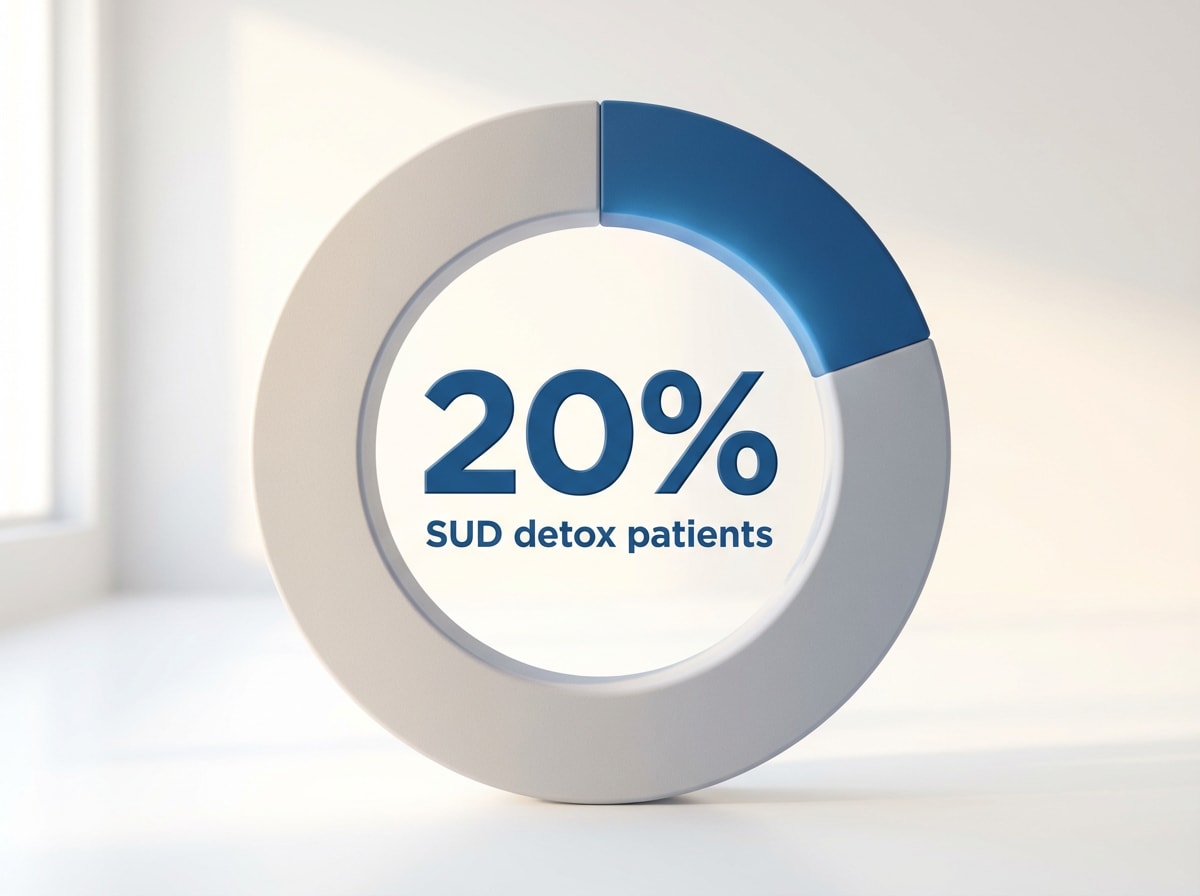
Medical detox at an Ohio recovery center—like Arista—works best when you need support to manage these challenges, especially if you use multiple substances or have a history of severe withdrawal. Only about 20% of people in hospital detox programs get connected to further treatment, so choosing a facility that guides you to next steps matters2.
Withdrawal Risk Factors to Consider
Before picking a facility, take a moment to check your risk factors for withdrawal. If you’ve used alcohol, benzodiazepines, or opioids heavily, or if you mix more than one substance, you’re more likely to face serious withdrawal symptoms that need medical care. A history of seizures, severe depression, or heart conditions can also make withdrawal riskier.
In Ohio, nearly half of overdose deaths now involve both opioids and stimulants, showing that polysubstance use is common and especially dangerous9. This solution fits people who have tried quitting before and experienced severe symptoms, or anyone with underlying health problems. Arista’s team in Ohio understands these risks and can guide you to the safest recovery plan.
Questions to Ask Before Choosing a Center
Before you commit to a detox center in Ohio, it helps to ask the right questions so you know you’re choosing a place that puts your health and recovery first. Here’s a quick checklist to bring with you:
- Is the center licensed by the state of Ohio, and do they have staff who are medically trained to handle your specific needs?
- Can they admit you quickly—ideally within 48 hours—to avoid long waits, since delays can lower your chances of starting and sticking with treatment8?
- Do they offer medication-assisted treatment (MAT) from day one if you need it?
- Do they treat both addiction and any mental health concerns?
- Will the team help set up your next steps, like therapy or residential care, before you leave?
Centers like Arista in Ohio walk you through this process so you’re not left making decisions alone. These questions help you spot a recovery center that prioritizes your safety, offers evidence-based care, and connects you to ongoing support—key features of a quality detox facility2.
Verifying Quality in a Detox Center Ohio
When you’re evaluating detox programs in Ohio, certain quality markers can distinguish between adequate care and exceptional support. Accreditation from organizations like The Joint Commission or CARF signals that a facility meets rigorous national standards for safety and treatment protocols. These certifications aren’t just paperwork—they represent ongoing commitment to evidence-based practices and continuous improvement.

Medical staffing deserves your closest attention. Look for programs with 24/7 physician availability, not just on-call support. Board-certified addiction medicine specialists and experienced nursing staff trained specifically in withdrawal management make a measurable difference in both comfort and safety. Ask directly about staff-to-client ratios during your initial conversations—quality detox programs typically maintain ratios of at least 1:6 during acute withdrawal phases.
| Quality Indicators (Green Flags) | Warning Signs (Red Flags) |
|---|---|
| Accredited by CARF or Joint Commission | No clear information about credentials |
| 24/7 Licensed Medical Staff on-site | Staff only “on-call” or unavailable at night |
| Individualized assessment before admission | Guarantees of specific results or “cures” |
| Clear discharge planning for continuing care | Pressure to commit without answering questions |
| Family education and involvement options | Isolation from support systems without cause |
Examine the physical environment and amenities as well. While comfort shouldn’t be your only consideration, clean facilities with private or semi-private rooms, nutritious meals, and calming spaces contribute to healing. You deserve to detox in an environment that supports your dignity during this challenging process.
Licensing and Accreditation Standards
When reviewing a detox center Ohio, checking for proper licensing and recognized accreditation should be at the very top of your list. Here’s a quick tool: ask to see the center’s Ohio Department of Behavioral Health license, and look for national accreditation seals like CARF, which signal a commitment to high standards and safety5, 6.
Licensed facilities must meet Ohio’s specific rules for addiction treatment, and accredited programs are regularly evaluated for quality and accountability. Notably, almost 95% of substance use treatment centers nationwide report some form of oversight, with accreditation linked to better business practices and improved outcomes for clients6, 10.
Ohio State Licensure Requirements
To operate as a detox center in Ohio, a facility must be licensed by the Ohio Department of Mental Health and Addiction Services (OhioMHAS). This license shows the center meets state standards for patient care, safety, and staff training. Always ask to see proof of current licensure when you tour or call a detox facility. You can also check the OhioMHAS Licensure and Certification Tracking System (LACTS) online to confirm a center’s status5.
National Accreditation: CARF and Beyond
National accreditation from organizations like CARF (Commission on Accreditation of Rehabilitation Facilities) is a big sign that a facility meets top safety and care standards. Accredited centers go through regular, in-depth reviews to ensure they’re following the latest evidence-based practices and putting your health first. About 24% of accredited substance use treatment facilities choose CARF, making it one of the most trusted names in the field10.
Medical Staffing and Clinical Expertise
A top-quality detox center Ohio stands out by offering round-the-clock medical staffing and specialized clinical expertise. Here’s a quick tool: as you review Ohio detox programs, check if they have 24/7 physician and nursing coverage and a team experienced in withdrawal management and medication-assisted treatment (MAT). Research shows that integrating medical supervision with evidence-based protocols greatly improves outcomes and safety for people in recovery2, 4.
24/7 Physician and Nursing Coverage
When you’re comparing options, one of the top things to check is whether doctors and nurses are available 24/7. This means you’ll have immediate access to medical professionals no matter the hour, which is especially important if you have health issues or your withdrawal symptoms change quickly. Around-the-clock coverage allows staff to monitor your vital signs, adjust care plans, and respond right away in case of an emergency.
Medication-Assisted Treatment Availability
Ask if the center offers medication-assisted treatment (MAT) as part of their detox process. MAT means doctors can use FDA-approved medications—like buprenorphine, methadone, or naltrexone—to help ease withdrawal and reduce cravings. This approach is ideal if you’re dealing with opioid, alcohol, or polysubstance use, as research shows that starting MAT during detox can improve your chances of sticking with treatment and lower your risk of overdose later4.
Decision Framework for Your Situation
Now that you understand how to evaluate facility quality and credentials, let’s translate those insights into a practical decision that fits your specific situation. Choosing the right medical detox program depends on several personal factors that deserve careful consideration—your decision should balance medical necessity, personal circumstances, and the support you’ll need for long-term success.
Start with your substance use profile. If you’ve been using alcohol, benzodiazepines, or opioids heavily for an extended period, medical supervision isn’t just helpful—it’s essential for your safety. Withdrawal from these substances can cause serious complications that require professional monitoring and intervention.
Consider your life circumstances and environment. Different situations call for different approaches:
If you’re a working parent with young children
You might initially consider outpatient detox to maintain your responsibilities, but be realistic—if your substance use is severe, the safety and focus of residential treatment often proves more effective and gets you back to your family faster and healthier.If you’re surrounded by triggers at home
Living with people who still use substances or in an environment filled with reminders makes recovery exponentially harder. Residential treatment following detox provides the physical separation you need to establish new patterns.If you have strong local support networks
Proximity to family, a therapist you trust, or a recovery community in Ohio can be valuable. Consider facilities that allow family involvement and are located where your support system can stay engaged.Evaluate your health complexity. Your physical and mental health history matters significantly. If you’re managing chronic conditions, taking medications, or dealing with co-occurring mental health challenges like depression or anxiety, you need a program equipped to address these complexities simultaneously.
Matching Services to Your Specific Needs
Matching the right services to your unique needs can make all the difference when choosing a detox center Ohio. Use this quick checklist:
- Do you need help for both addiction and mental health (dual diagnosis)?
- Are you seeking a program designed for veterans, LGBTQ+ individuals, or another specific group?
Personalizing your search ensures you’ll find a recovery center that truly understands your background and challenges. Research shows that detox and ongoing care tailored to individual needs leads to much better long-term outcomes2.
Dual Diagnosis and Co-Occurring Disorders
If you have both a substance use issue and a mental health concern—like depression, anxiety, or PTSD—you’ll want to look for centers that specialize in dual diagnosis care. Dual diagnosis means treating both conditions at the same time, so nothing gets overlooked. Top Ohio detox programs, including Arista, offer coordinated care teams with experience in both addiction and mental health.
Specialized Programs: Veterans, LGBTQ+
If you or a loved one is a veteran or identifies as LGBTQ+, finding a detox center with specialized programs can make your recovery journey feel safer and more welcoming. Look for centers that offer trauma-informed care, peer support for veterans, or LGBTQ+-affirming spaces. Matching with a program like this means you’re more likely to stay engaged and feel understood, which research links to better long-term recovery outcomes2.
Insurance Coverage and Financial Planning
Sorting out insurance coverage and planning for costs can feel overwhelming, but it’s a big part of choosing the right facility. Here’s a quick planning tool: write down your current insurance (private, Medicaid, Medicare, or none) and call the recovery centers you’re considering—ask them to verify your benefits and walk you through what’s covered.
In Ohio, about 63% of substance use treatment centers accept private insurance, and nearly 40% take Medicaid, so there are options no matter your situation10. Arista’s patient advocates can help you check insurance, explain out-of-pocket costs, and explore payment plans or state-funded programs if you’re uninsured1.
Verifying Ohio Insurance Acceptance
To make sure a detox center Ohio will accept your insurance, start by gathering your insurance card and policy details, then call the center’s admissions team directly. Ask them to verify your benefits while you’re on the phone. Don’t hesitate to ask for a written summary of what your insurance covers or see if the center will help you file any needed paperwork.
Understanding Out-of-Pocket Costs
If your insurance doesn’t cover everything, it’s helpful to know what out-of-pocket costs might look like. Start by asking the admissions team for a clear, written estimate that lists all fees, including room, medical care, and medications. About 84% of treatment centers in the region accept cash payments, which means most facilities can work with you if you’re paying yourself10.
Your Journey at a Detox Center Ohio: The First 30 Days
Taking the first step toward recovery means entering a structured process designed to support you every step of the way. Understanding what happens during your first month—including the challenging moments—can ease anxiety and prepare you mentally for the journey ahead.
- Days 1-7 (Medical Detox): Healthcare professionals monitor your vital signs around the clock and manage withdrawal symptoms safely. You’ll typically wake at 7 AM for vitals checks, receive medications to ease discomfort, and have access to nursing staff 24/7.
- Days 8-30 (Active Treatment): Once medically stable, you’ll transition into active treatment programming. You’ll attend your first group session around 9 AM, followed by individual therapy mid-morning, lunch at noon, and afternoon activities like art therapy or recreational sessions.
“I felt like I had the worst flu of my life, but the medical team kept reassuring me that my body was healing. They were right—by day 5, I could finally sleep through the night.” — Sarah, Ohio Detox Alumnus
Throughout these 30 days, you’ll also focus on restoring physical health through proper nutrition, exercise (many Ohio facilities offer yoga or walking groups), and sleep routines—basics that addiction often disrupts. Family education and involvement typically begin during week two, enabling your loved ones to understand addiction as a medical condition.
The Critical Transition to Treatment
Transitioning from detox to the next phase of treatment is one of the most important steps in your recovery journey at a detox center Ohio. Here’s a quick planning tool: before you leave detox, ask your care team to help schedule your first follow-up treatment session within 48 hours. This short window matters because research shows that waiting longer dramatically lowers your chances of staying in a recovery program and increases the risk of relapse8.
Why 48 Hours Matters for Admission
If you’re leaving detox, timing really does matter—especially those first 48 hours. Research shows that people who wait longer than 48 hours to start their next phase of recovery are much more likely to drop out or relapse, making that quick transition absolutely crucial for your progress8. In Ohio, trusted recovery centers like Arista coordinate this handoff, helping you move smoothly from detox into ongoing therapy or residential care.
Integrated Residential Treatment Pathways
Integrated residential treatment pathways are the bridge that connects your time in a detox center to deeper, longer-term recovery work. Before leaving detox, ask your care team to outline your next steps for residential treatment—what program, what therapies, and how your needs will be supported every day. Research shows that people who remain in treatment for three months or more see much stronger outcomes and lower relapse rates than those with shorter stays7.
Building Your Continuing Care Plan
A strong continuing care plan helps you keep moving forward after leaving a detox center Ohio. Use this step-by-step tool: before you finish detox, sit down with your treatment team to map out your next 90 days. This might include weekly therapy, regular check-ins, and joining aftercare groups—each piece acts like a safety net as you adjust to life outside the recovery center.
The 90-Day Treatment Success Benchmark
Here’s a simple tool to help you track your progress: mark your calendar for 90 days from your first day at a detox center. Why is this milestone so important? Research shows that people who stay in treatment for at least three months are much more likely to see big improvements and stay substance-free compared to those with shorter stays7. The first three months give your brain and body time to adjust and give you space to build healthy routines.
Aftercare and Relapse Prevention Resources
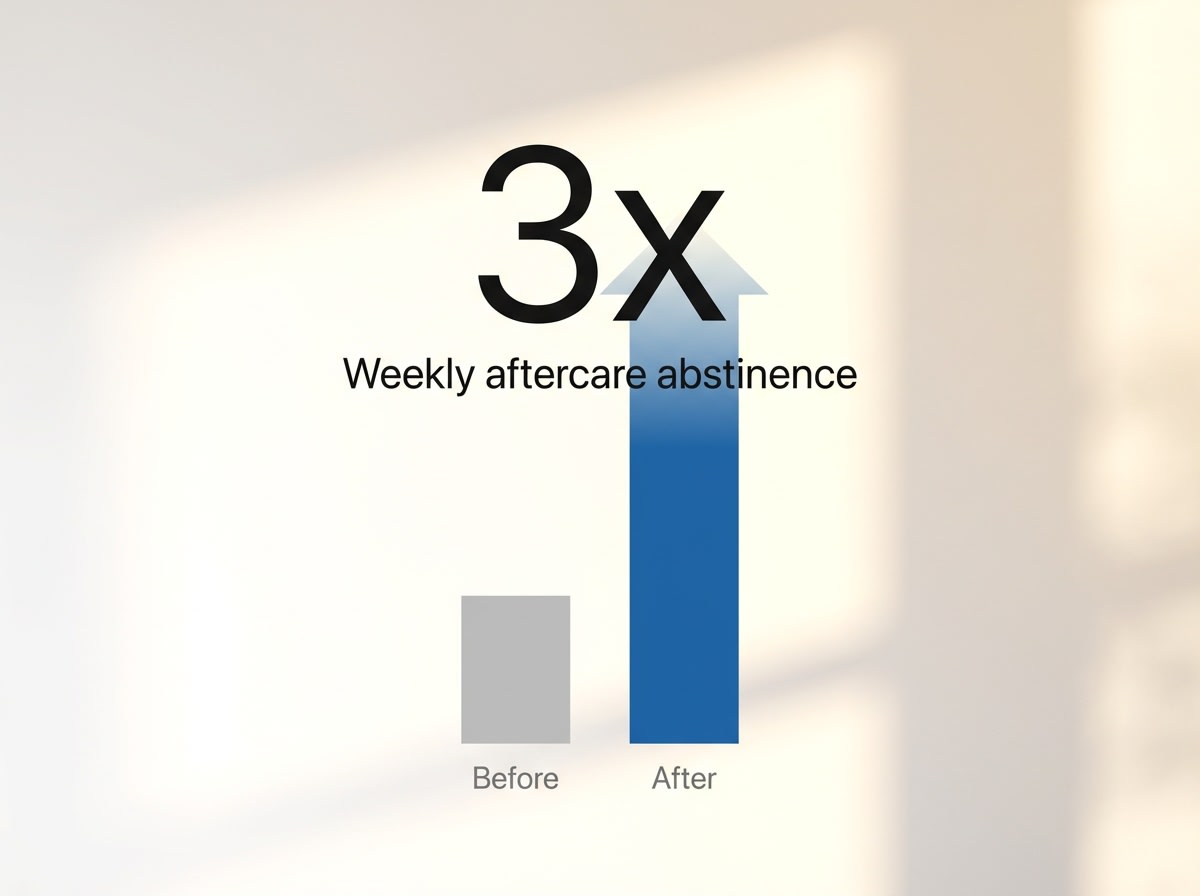
After you finish your first months at a detox center, the real work of staying sober often happens through aftercare and relapse prevention programs. Research shows that people who attend formal aftercare groups each week are up to three times more likely to stay substance-free at nine months compared to those who don’t7. In Ohio, recovery centers like Arista connect you to local and virtual support meetings, relapse prevention classes, and family education workshops.
Frequently Asked Questions
If you’re considering detox in Ohio, you likely have questions. Here are answers to some of the most common concerns we hear from individuals and families taking this important first step.
How quickly can I get admitted to a detox center in Ohio?
Most Ohio detox centers aim to admit new clients quickly—often within 24 to 48 hours of your first call. Rapid admission is a top priority because research shows that waiting more than 48 hours to start treatment can sharply lower your chances of following through and increases the risk of dropping out8. This approach suits anyone seeking immediate support, especially if you’re in crisis or worried about withdrawal symptoms at home.
How long does the detox process typically take in Ohio?
Detox at a recovery center in Ohio usually lasts anywhere from 3 to 7 days, but the exact timeline depends on the substance involved, your overall health, and how long you’ve been using. For example, alcohol or benzodiazepine detox may take a full week, while opioid detox is often a bit shorter. Medical supervision ensures withdrawal is as safe and comfortable as possible.
What happens after I complete detox—do I have to go to residential treatment?
Finishing detox at a recovery center in Ohio is a huge achievement, but what comes next depends on your individual needs. You don’t always have to go straight to residential treatment—many people move into outpatient programs, therapy, or aftercare groups instead. Research shows that the most important thing is to have a plan for continued support, because detox alone is not enough for lasting recovery2.
Can I detox at home with medical supervision instead of going to a center?
Detoxing at home under medical supervision is sometimes possible, but it’s rarely recommended in Ohio—especially for substances like alcohol, benzodiazepines, or opioids, which can cause dangerous withdrawal symptoms. Research shows that most people do best with 24/7 medical supervision and quick access to help if complications arise2. Without in-person medical care, serious problems can go unnoticed or untreated.
How do I verify that a detox center in Ohio is properly licensed?
To verify that a detox center in Ohio is properly licensed, start by asking the facility to show you their Ohio Department of Mental Health and Addiction Services (OhioMHAS) license. You can also search the OhioMHAS Licensure and Certification Tracking System (LACTS) online—just type in the center’s name to see their current status and certification dates5.
What should I pack or bring with me to detox?
When you’re packing for a detox center Ohio, keep it simple and focus on comfort and essentials. Most recovery centers recommend bringing a few changes of loose-fitting clothes, basic toiletries (like a toothbrush and shampoo), and any prescription medications in their original containers. Don’t forget your ID, insurance card, and a list of emergency contacts. Always ask your chosen center for their specific guidelines before you arrive2.
Are there detox centers in Ohio that offer gender-specific or LGBTQ+-affirming care?
Yes, there are detox centers in Ohio that specifically offer gender-specific and LGBTQ+-affirming care. Many leading recovery centers, including Arista, understand the importance of safe, supportive spaces for people of all backgrounds. Research shows that people are more likely to stay engaged and succeed in recovery when treatment is tailored to their background and identity2.
What happens if I don’t have insurance or can’t afford detox?
If you’re worried about paying for a detox center Ohio, you’re not alone—and there are real solutions. Many Ohio recovery centers accept cash, and about 84% offer payment options for people without insurance, so you can still get help even if coverage is an issue10. State-funded programs and support from organizations like Arista can connect you with sliding scale fees or help you apply for aid through Medicaid if you qualify1.
Can I bring my medications with me to detox?
Most detox centers in Ohio, including Arista, allow you to bring your current prescription medications with you, but there are a few important steps to follow. When you’re admitted, the medical team will review all your medications—so be sure to bring them in their original pharmacy packaging, along with a list of dosages and your prescribing doctor’s contact info2.
Will my family be able to visit me during detox?
Family visitation policies can vary by detox center Ohio, but most recovery centers understand how important loved ones are during this first step. Some facilities offer set visiting hours or allow family meetings once you’re medically stable, while others may limit visits early on to help you settle in and focus on your health. Including your family can make your time at a detox facility more supportive1.
How do I know if a detox center can handle my specific substance?
To find out if a detox center in Ohio can safely treat your specific substance, start by asking the admissions team about their experience with your main drug of use. Top recovery centers, like Arista, are prepared for a wide range of substances and have protocols for complex cases, including polysubstance use, which is increasingly common in Ohio9.
What if I’ve tried detox before and relapsed?
Relapse after detox can feel discouraging, but it’s actually a normal part of the recovery process—not a sign of failure. Addiction is a chronic condition that usually requires ongoing support and sometimes several attempts at treatment to achieve lasting change3. Research shows that staying connected to treatment—especially for three months or longer—greatly increases your chances of success7.
Is detox confidential, and will my employer find out?
Yes, your treatment at a detox center Ohio is confidential. By law, recovery centers must keep your health information private and will not share details with your employer or others without your written consent. In Ohio, facilities like Arista follow strict federal privacy rules (called HIPAA) and state laws that protect your right to confidentiality1.
Can I start medication-assisted treatment during detox, or do I have to wait?
Yes, you can usually begin medication-assisted treatment (MAT) right at the start of your detox at a quality detox center Ohio. MAT uses FDA-approved medications like buprenorphine, methadone, or naltrexone to help manage withdrawal and reduce cravings. Studies show that starting MAT during detox can improve your chances of staying in treatment and lower your risk of relapse or overdose4.
What’s the difference between medical detox and social detox?
Medical detox means you’re under the care of doctors and nurses who monitor your health, manage withdrawal symptoms, and can use medications to keep you safe and comfortable. Social detox, on the other hand, provides a supportive, non-medical setting—staff offer encouragement and help, but there isn’t continuous medical care or medication for withdrawal2.
Finding Hope and Help in Ohio
Taking the first step toward recovery can feel overwhelming, but you don’t have to navigate this journey alone. Throughout Ohio, from Cleveland to Cincinnati, Columbus to Toledo, compassionate professionals stand ready to support you or your loved one through every stage of healing—starting with medically supervised detox, the critical foundation we’ve explored throughout this guide.
If you’re considering treatment for yourself or a loved one, here are your immediate next steps:
- Get a Free Assessment: Arista Recovery offers confidential consultations to help you understand your detox options and determine the appropriate level of care. Call their admissions team to discuss your situation, ask questions about the detox process, and verify your insurance coverage.
- Access Ohio-Specific Resources: The Ohio Department of Mental Health and Addiction Services operates a 24/7 helpline at 1-877-275-6364 for immediate support and referrals to local treatment programs. For crisis situations, Ohio’s Crisis Text Line is available by texting 4HOPE to 741741.
- Involve Your Support System: Family members and friends play a vital role in successful recovery. Many Ohio treatment centers offer family education sessions that explain what to expect during detox, how to provide effective support, and how to address co-occurring mental health concerns.
Remember that medically supervised detox isn’t just about getting substances out of your system—it’s about safely managing withdrawal, addressing underlying health issues, and creating a foundation for lasting recovery. Every person who has achieved long-term sobriety started with this same critical first step: reaching out for professional help.
Whether you choose Arista Recovery or another accredited Ohio facility, the key is taking action today. Your questions deserve answers, your concerns deserve attention, and your recovery deserves the medical expertise that makes detox both safe and effective.
References
- SAMHSA’s National Helpline – Treatment Referral and Information Service. https://www.samhsa.gov/find-help/helplines/national-helpline
- Detoxification and Substance Abuse Treatment – NCBI/NIH. https://www.ncbi.nlm.nih.gov/books/NBK64119/
- Treatment and Recovery – National Institute on Drug Abuse (NIDA). https://nida.nih.gov/publications/drugs-brains-behavior-science-addiction/treatment-recovery
- Medications for Opioid Use Disorder – NIDA. https://nida.nlm.nih.gov/research-topics/medications-opioid-use-disorder
- Licensure and Certification – Ohio Department of Behavioral Health. https://dbh.ohio.gov/supporting-providers/licensure-and-certification
- CARF International – Home. https://carf.org
- The Continuing Care Model of Substance Use Treatment – NIH. https://pmc.ncbi.nlm.nih.gov/articles/PMC4007701/
- Waiting Time as a Barrier to Treatment Entry – NIH. https://pmc.ncbi.nlm.nih.gov/articles/PMC2396562/
- Understanding the Opioid Overdose Epidemic – CDC. https://cdc.gov/overdose-prevention/about/understanding-the-opioid-overdose-epidemic.html
- National Survey of Substance Abuse Treatment Services (N-SSATS) – California Profile. https://www.samhsa.gov/data/sites/default/files/quick_statistics/state_profiles/NSSATS-CA19.pdf
