 Now under new ownership & part of the Arista Recovery Network! For more information,

Key Takeaways
- Prerequisites: A clinical evaluation and insurance verification (Medicaid or private) to determine eligibility.
- Step 1: Complete a professional assessment to match with Standard, Intensive Outpatient (IOP), or Partial Hospitalization (PHP) care.
- Step 2: Engage in evidence-based therapies and medication-assisted treatment while maintaining your daily life at home.
- Step 3: Develop robust relapse prevention skills to manage triggers in real-world environments.
- Outcome: You build a sustainable, sober lifestyle while maintaining your career and family connections.
Understanding How Does Outpatient Alcohol Rehab Work in Ohio
What Defines Outpatient Alcohol Rehab
If you are wondering how does outpatient alcohol rehab work, it is designed for people who want help with alcohol use but do not need to stay overnight in a treatment facility. In Ohio, this type of care means you receive support and therapy while continuing to live at home, work, or go to school. The main goal is to help you build healthy habits and coping skills in your everyday setting, not just in a clinic or hospital.
So, how does outpatient alcohol rehab work in practice? You’ll attend scheduled sessions at a treatment center like Arista, where trained counselors and medical professionals guide you through therapy, education, and sometimes medication support. Sessions might be in person or, thanks to Ohio’s expanded telehealth services, online. This flexibility makes recovery more accessible for people in smaller towns or those without easy transportation options7.
A typical outpatient program in Ohio may include group therapy, individual counseling, and family meetings. You’ll work with your care team to set recovery goals and track your progress. There are different levels of outpatient care so you can find the right fit for your needs:
- Standard Outpatient: Less intensive, focusing on maintenance and stability.
- Intensive Outpatient (IOP): More frequent sessions for building stronger coping mechanisms.
- Partial Hospitalization (PHP): The highest level of outpatient care, offering daily structure.
Studies show that outpatient alcohol rehab can be just as effective as inpatient care for many people, especially when care is matched to your situation4. Arista is here to walk with you each step of the way, providing guidance and encouragement. Next, let’s look at the rules and standards that protect your care across Ohio.
Ohio’s Regulatory Framework and Standards
Ohio’s outpatient alcohol rehab programs are guided by a strong set of state regulations designed to keep your care safe and effective. Every treatment provider, including Arista, must obtain a license from the Ohio Department of Mental Health and Addiction Services (OhioMHAS). This means programs are regularly reviewed for quality, staff training, and patient safety. The state’s Licensure & Certification Regulatory Division oversees more than 2,300 behavioral health providers, so you can trust that centers are held to consistent standards2.
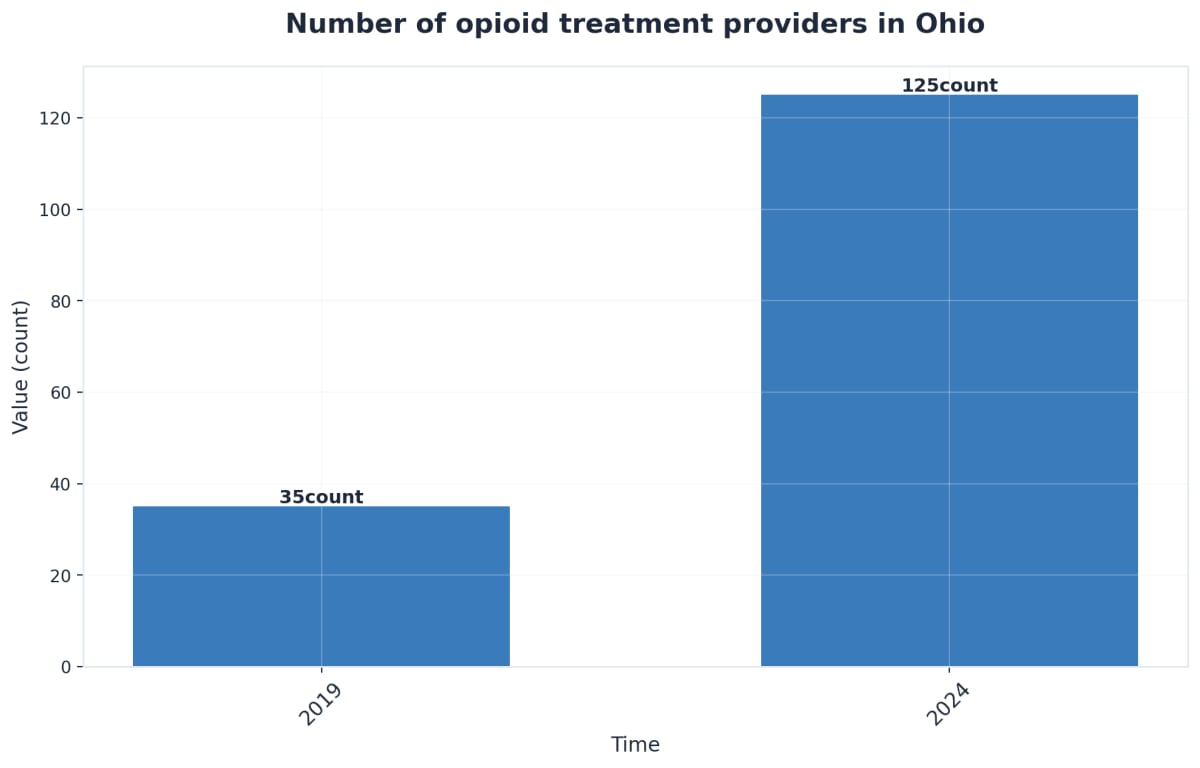
How does outpatient alcohol rehab work under these rules? Licensed centers follow strict guidelines for things like staff credentials, patient privacy, and treatment planning. For example, every program must offer evidence-based therapies and create a personalized treatment plan for each client. You’ll also find that Ohio requires facilities to report data and follow ethical guidelines, so your voice matters if you ever have concerns.
Arista is proud to meet and exceed Ohio’s standards, giving families peace of mind during a vulnerable time. Knowing your program is regulated can help you focus on healing.
Another layer of protection comes from insurance requirements. Ohio Medicaid and most private insurers work only with licensed providers, helping ensure your treatment is recognized and covered9. Plus, state and federal privacy laws protect your health information while you’re in care. Up next, we’ll walk through the first steps you’ll take—starting with your initial assessment and finding the right program fit.
Step 1: Assessment and Program Placement
Clinical Evaluation Process
Your journey with outpatient alcohol rehab in Ohio begins with a clinical evaluation. This first step is all about understanding your unique needs, so your care team can support you the right way from the start. At Arista, a licensed counselor or medical professional will meet with you to ask about your drinking patterns, health history, and any challenges you’re facing at home, work, or school. This isn’t a test—think of it as a conversation focused on your well-being.
During the evaluation, you’ll also talk about your goals for recovery and your support system. The team may use standardized questionnaires to help pinpoint where you are on your recovery path. Medical screenings are common too, especially if you have other health conditions. All of this information helps decide if outpatient care is a good fit, or if you might need a different level of support.
So, how does outpatient alcohol rehab work during this assessment? In Ohio, providers like Arista follow state guidelines to make sure your evaluation is private, respectful, and tailored to you2. The process usually takes about one to two hours and can be done in person or via telehealth.
A careful assessment is linked with better long-term outcomes, as people who seek treatment are 10 times more likely to achieve lasting recovery than those who don’t5.
After the evaluation, your team will help you explore program options—next, you’ll learn how you’re matched to the right program level for your needs.
Matching You to the Right Program Level
After your initial clinical evaluation, your care team will recommend the best program level to match your needs. In Ohio, outpatient alcohol rehab comes in several forms—standard outpatient, intensive outpatient (IOP), and partial hospitalization (PHP). Each offers a different amount of structure and time commitment, so you can find the right balance for your situation.

How does outpatient alcohol rehab work when it comes to choosing a program level? Your team at Arista reviews your health history, daily responsibilities, and the severity of your alcohol use to guide this decision. For example, if you have a strong support system at home and mild to moderate symptoms, standard outpatient care might be enough. If you need more supervision but still want to live at home, an IOP or PHP could be the right fit. This careful matching process helps make treatment more effective and keeps life disruptions to a minimum4.
Here’s a quick look at the main differences:
| Program Level | Typical Weekly Hours | Best For |
|---|---|---|
| Standard Outpatient | 1–5 | Mild symptoms, work/school life |
| Intensive Outpatient | 9–20 | Moderate needs, extra support |
| Partial Hospitalization | 20+ | Higher needs, medical monitoring |
Your input matters at every step. The team at Arista will talk with you and your family about what feels realistic and safe, always aiming for the least restrictive option that’s still effective. Once you’re matched, you’ll move forward with your treatment plan—next, we’ll explore what happens in the core treatment phase.
Step 2: How Does Outpatient Alcohol Rehab Work in Core Treatment
Evidence-Based Therapies You’ll Experience
When you join outpatient alcohol rehab at Arista in Ohio, you’ll take part in therapies that are proven to help people recover. These evidence-based treatments are the backbone of how outpatient alcohol rehab works, making real change possible while you keep up with your daily life.
Most programs start with individual counseling. Here, you’ll meet one-on-one with a trained therapist to talk about your drinking patterns, set goals, and learn new ways to handle stress. Cognitive-behavioral therapy (CBT) is a common approach. With CBT, you practice spotting the thoughts and triggers that lead to drinking, then find healthier responses. This hands-on style is backed by years of research showing it helps reduce cravings and prevent relapse4.
Group therapy is also a big part of outpatient care in Ohio. In these sessions, you connect with others who are working on recovery. Sharing stories and strategies can help you feel less alone and give you practical tips. Some groups focus on building social skills, while others use 12-step or mutual aid models. In fact, studies have found that 12-step programs like AA can lead to higher rates of long-term abstinence than many other approaches8.
Family therapy is often included, too. Involving your loved ones helps everyone understand the recovery process and rebuild trust. At Arista, your care team works with you and your family to create a support system that lasts. Up next, you’ll learn how medication-assisted treatment can be added to your outpatient plan for even more support.
Medication-Assisted Treatment Options
Medication-assisted treatment (MAT) is a powerful support tool that can be added to your outpatient alcohol rehab plan in Ohio. If you’re wondering how does outpatient alcohol rehab work when it comes to medications, here’s what you need to know: MAT uses FDA-approved medicines to help reduce cravings and prevent relapse. These medications are not a “cure,” but when combined with counseling and support at Arista, they give you a much better chance at long-term recovery.
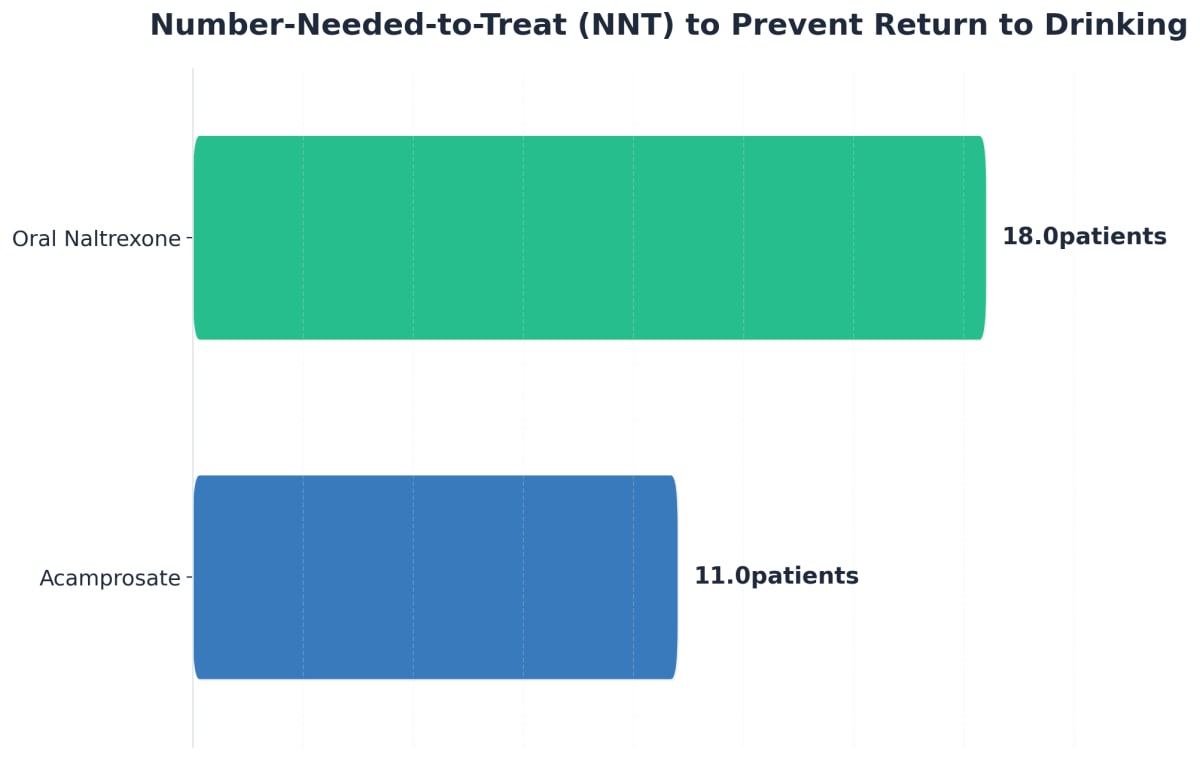
MAT works by targeting the way alcohol affects your brain and body. Common medications include:
- Naltrexone: Can lower the rewarding effects of alcohol, making it easier to say no.
- Acamprosate: Helps your brain rebalance after you stop drinking, which can ease some withdrawal symptoms.
- Disulfiram: Causes unpleasant reactions if you drink alcohol, acting as a strong deterrent.
Research shows that MAT is most effective when paired with therapy and regular check-ins with your care team4. It’s important to know that while MAT is proven and safe, it’s still underused—only about 2% of Americans with alcohol use disorder receive these medications, even though they’re backed by strong evidence3.
At Arista, your team will talk with you about whether MAT makes sense for your situation and will closely monitor your progress if you choose this route. Families are encouraged to ask questions and be involved in these decisions. Next, we’ll walk through the steps you’ll take to build lasting relapse prevention skills and protect your recovery for the long haul.
Step 3: Building Your Recovery Foundation
Developing Relapse Prevention Skills
Building strong relapse prevention skills is a key part of how does outpatient alcohol rehab work in Ohio. At Arista, you’ll learn practical ways to handle triggers and stressful situations that could lead to drinking again. Your care team will help you spot warning signs—like certain feelings, places, or people—that might make you want to drink. By practicing new coping strategies, such as calling a support person, using relaxation techniques, or joining a group meeting, you’ll be better prepared for tough moments.
One important lesson is that recovery is a journey, not a straight line. If you slip, it doesn’t mean you’ve failed. In fact, research shows that people who return to treatment and keep working on their skills are more likely to achieve lasting recovery5. Outpatient programs like Arista focus on teaching you how to make a quick plan if cravings hit and how to rebuild healthy routines at home, school, or work.
Family sessions may also help everyone learn how to support your goals and recognize signs of stress. Developing these skills is proven to make a real difference—people who get treatment are 10 times more likely to report lasting recovery than those who don’t5. Next, let’s talk about how insurance coverage and payment options can support your treatment journey.
Insurance Coverage and Cost Considerations
Understanding how outpatient alcohol rehab works in Ohio also means knowing what to expect when it comes to insurance and costs. Most outpatient programs—including those at Arista—are covered by Ohio Medicaid and many private insurance plans. This coverage helps remove barriers for families who need help but worry about paying for treatment. In fact, about 27% of Ohio residents are covered by Medicaid, which includes behavioral health services like counseling, medication support, and group therapy9.
Outpatient treatment is often more affordable than inpatient care. For a 30-day program, costs generally range from $1,400 to $10,000, depending on the level of care and services provided1. Here’s a simple comparison:
| Payment Option | What It Covers | Who Qualifies |
|---|---|---|
| Ohio Medicaid | Most outpatient services, medications, therapy | Ohio Medicaid members |
| Private Insurance | Varies by plan, usually covers core services | Insured Ohio residents |
| Self-Pay | All services you choose | Anyone |
If you’re unsure about your coverage, Arista’s team can help you check your benefits and explain what’s included. Their staff can also suggest payment plans or sliding scale options if you’re paying out of pocket. The goal is to make sure that cost doesn’t keep you from starting your recovery journey. Next, we’ll guide you through how to find the right path forward and connect with support in Ohio.
Frequently Asked Questions
Can I work full-time while attending outpatient rehab in Ohio?
Yes, you can work full-time while attending outpatient alcohol rehab in Ohio. Outpatient programs are built to fit around your daily life, including work schedules. Many treatment centers, like Arista, offer sessions in the evenings or on weekends so you don’t have to miss your job. Telehealth options are also available, making it even easier to join group or individual therapy without extra travel time7.
How does outpatient alcohol rehab work for working adults? Your care team will help you create a schedule that matches your job hours and personal needs. This flexible approach means you can keep supporting your family and career while taking care of your health. If you have concerns about balancing work and treatment, Arista’s staff will guide you through your options.
What happens if I relapse during outpatient treatment?
If you relapse during outpatient alcohol rehab in Ohio, you are not alone. Relapse is a common part of the recovery process, and it does not mean you have failed. At Arista, your care team will help you look at what happened without judgment, so you can learn from the experience and get back on track. Research shows that people who return to treatment and keep practicing new skills are much more likely to achieve lasting recovery—treatment seekers are actually 10 times more likely to stay in remission than those who don’t seek help5. How does outpatient alcohol rehab work when a relapse occurs? Your team may adjust your treatment plan, add extra support, or involve your family if needed. The goal is to help you keep moving forward, one step at a time.
Does Ohio Medicaid cover telehealth outpatient services for alcohol rehab?
Yes, Ohio Medicaid does cover telehealth outpatient services for alcohol rehab. This means you can access therapy, counseling, and even medication support from home or another private space, using your phone or computer. The state expanded telehealth options to help more Ohioans get care, especially those in rural or hard-to-reach areas. How does outpatient alcohol rehab work with Medicaid and telehealth? You’ll schedule online visits with licensed providers like Arista, and your sessions are covered if you’re a Medicaid member. This added flexibility makes it easier to start and stick with your recovery journey9.
How long does outpatient alcohol rehab typically last in Ohio?
The length of outpatient alcohol rehab in Ohio depends on your needs and the type of program you join. Most people participate for about 8 to 16 weeks, but some stay involved for several months if extra support is helpful. Standard outpatient programs often run 1 to 3 times per week, while intensive outpatient and partial hospitalization programs may meet more often. How does outpatient alcohol rehab work when it comes to program length? Your care team at Arista will regularly review your progress and adjust your plan with you, making sure you get the right amount of help. Research shows that sticking with treatment increases the chances of lasting recovery5.
Will my employer find out I’m attending outpatient rehab?
Your employer will not automatically find out you are attending outpatient alcohol rehab in Ohio. State and federal privacy laws, like HIPAA, protect your health information—including your participation in treatment. Treatment centers such as Arista are required to keep your records confidential, and they won’t share details with your job unless you give written permission. If you need to miss work for appointments, you can request time off or use sick leave without giving specific medical details. How does outpatient alcohol rehab work with job privacy? The focus is on your recovery, and your right to privacy is supported by Ohio’s strict regulations2.
Can family members participate in my outpatient treatment program?
Yes, family members can absolutely participate in your outpatient alcohol rehab program in Ohio. In fact, involving loved ones is encouraged and often included as part of your treatment plan at centers like Arista. When family takes part—through counseling sessions, education, or support groups—they learn how best to help you and also get the tools they need to support their own well-being. This teamwork helps rebuild trust and strengthens your recovery network. Research shows that family involvement can improve treatment outcomes and help everyone feel more hopeful about lasting change4. How does outpatient alcohol rehab work when families are included? Your care team will guide you on the best ways for family to be involved, tailoring support to fit your unique situation.
What if outpatient treatment isn’t enough—can I switch to inpatient care?
If outpatient treatment isn’t enough for your needs, you can switch to inpatient care in Ohio. This transition is sometimes necessary if you need more medical support, structure, or safety than outpatient rehab can provide. At Arista, your care team will talk with you and your family to decide if a higher level of care makes sense. How does outpatient alcohol rehab work in this situation? Your counselors will help you smoothly transfer to an inpatient program, making sure your treatment continues without gaps. Studies show that matching the right level of care improves your chances for recovery and safety4.
Finding the Right Path Forward in Ohio
Taking the first step toward recovery can feel overwhelming, but you don’t have to navigate this journey alone. Ohio offers a range of evidence-based treatment options designed to meet you where you are. These include Cognitive Behavioral Therapy (CBT), which helps you identify and change unhelpful thought patterns; Medication-Assisted Treatment (MAT), combining FDA-approved medications with counseling for substance use disorders; and group therapy, where you connect with others facing similar challenges. Research shows that people who engage in evidence-based treatment are 50% more likely to maintain long-term recovery compared to those who receive no treatment.
The key is finding a treatment approach that aligns with your unique needs and circumstances. Consider factors like the level of support you need, your daily responsibilities, and what type of environment helps you feel most comfortable. For example, if you’re managing a full-time job and family responsibilities, an evening outpatient program might provide the structure you need while maintaining your routine. If you’re facing more intensive challenges or need a break from triggering environments, a residential program could offer the immersive support that creates space for healing. Many people benefit from starting with an assessment that helps identify which services will provide the strongest foundation for lasting recovery.
Recovery looks different for everyone, and there’s no single “right” way forward. What matters most is taking that first step and connecting with professionals who understand the challenges you’re facing. Throughout Ohio, compassionate teams are ready to listen without judgment, answer your questions, and help you build a personalized plan that supports your goals. Ohio’s CareLine (1-800-720-9616) provides free, confidential support 24/7 and can connect you with local resources tailored to your situation.
You deserve support that honors your story and empowers your healing. Start today by calling Ohio’s CareLine at 1-800-720-9616 or scheduling a confidential assessment with a local treatment provider—that single conversation could be the turning point you’ve been looking for.
References
- How to Turn Your Practice into an Addiction Treatment Center in Ohio. https://behavehealth.com/blog/2024/8/22/how-to-turn-your-practice-into-an-addiction-treatment-center-in-ohio
- Licensure and Certification – Ohio Department of Behavioral Health. https://dbh.ohio.gov/supporting-providers/licensure-and-certification
- Sobering Perspectives on the Treatment of Alcohol Use Disorder. https://jamanetwork.com/journals/jamanetworkopen/fullarticle/2816968
- Advances in the science and treatment of alcohol use disorder – PMC. https://pmc.ncbi.nlm.nih.gov/articles/PMC6760932/
- 30 Years Later: Factors that Predict Who’s Most Likely to Remit from Alcohol Use Disorder. https://www.recoveryanswers.org/research-post/30-years-later-factors-that-predict-whos-most-likely-to-remit-from-alcohol-use-disorder/
- National Helpline for Mental Health, Drug, Alcohol Issues – SAMHSA. https://www.samhsa.gov/find-help/helplines/national-helpline
- Health Policy Brief: Alcohol Use in Ohio. https://www.healthpolicyohio.org/files/publications/alcoholbrief12.3.20211.pdf
- New Research Affirms Effectiveness of AA and Other 12-Step Programs in Treating Alcohol Use Disorder. https://www.psychiatry.org/news-room/apa-blogs/new-research-affirms-effectiveness-of-aa-and-other
- Behavioral Health – Ohio Department of Medicaid. https://medicaid.ohio.gov/families-and-individuals/srvcs/bh/bh
- Moderation Management – Change Your Relationship with Alcohol. https://moderation.org
