 Now under new ownership & part of the Arista Recovery Network! For more information,

Key Takeaways
- Residential drug rehab Ohio is a live-in treatment option providing 24/7 medical and emotional support for substance use recovery.
- Programs typically last 30 to 90 days and include structured daily routines, evidence-based therapies, and life skills training.
- This level of care is best for individuals with severe addiction, co-occurring mental health disorders, or those lacking a supportive home environment.
- Ohio-specific programs address local challenges like the opioid crisis and offer specialized care for veterans and families.
Understanding Residential Drug Rehab in Ohio
Residential drug rehab Ohio is a full-time treatment program where you live at a facility while receiving intensive addiction care. Unlike outpatient programs where you return home each day, residential treatment means staying at the center 24/7, typically for 30 to 90 days or longer, depending on the severity of your addiction and your progress.
This level of care is designed for people who need more support than outpatient services can provide. You might benefit from a residential program if you’re struggling with severe addiction, have experienced multiple relapses, or face a home environment that doesn’t support your recovery goals. Many people in Ohio choose residential rehab because it removes them from situations where substances are easily accessible or where relationships and routines reinforce unhealthy patterns.
Residential treatment is particularly recommended when you need medical supervision during detox, when you’ve tried less intensive treatment without success, or when co-occurring mental health conditions require integrated care. It’s also the right choice if your daily environment presents significant triggers or if you lack a stable support system at home.
The residential setting creates physical and psychological distance from the people, places, and circumstances connected to your substance use. This separation isn’t about running away—it’s about giving yourself the protected space necessary to break destructive patterns and build new ones. During your stay, you’ll work intensively on understanding the underlying causes of your addiction and developing practical skills for managing cravings, stress, and triggers.
“The goal isn’t just achieving initial sobriety—it’s building a foundation for lasting recovery. By the time you complete a residential program, you’ll have developed concrete relapse prevention strategies, established healthier coping mechanisms, and gained the confidence to navigate real-world challenges without returning to substance use.”
Defining Residential Treatment Programs
Defining a residential treatment program is like describing a supportive neighborhood where people come to recover. In Ohio, residential drug rehab means you actually live at the treatment center for a set period of time—usually weeks or months. Unlike outpatient care, where you go home each night, here you become part of a community focused on healing from substance use. These programs give you a stable place to stay, daily routines, and access to therapies that support long-term recovery. Research has shown that staying in residential treatment for about 90 days or longer can help with not just substance use, but also mental health and life stability1. At Arista, residential drug rehab Ohio is designed to help you or your loved one feel safe and supported every step of the way.
Live-In Care Beyond Hospital Settings
Live-in care at a residential drug rehab Ohio center is different from staying in a hospital. Think of it more like moving into a friendly, supportive house where everyone is working on recovery together. In these settings, you’re not surrounded by hospital beds or medical equipment. Instead, you get a comfortable room, daily routines, and caring staff who help you feel safe as you focus on getting better. This home-like environment helps many people in Ohio feel less alone and more motivated to work on their goals. Research shows that these live-in programs—sometimes called non-hospital residential treatment—can improve both mental health and daily life skills, especially when your stay is around 90 days or longer1. Programs like Arista give you a chance to step away from old triggers and start fresh in a setting designed for healing.
24/7 Support and Structured Environment
A big part of residential drug rehab Ohio is having caring support and a steady routine every hour of the day. Imagine being on a sports team with coaches and teammates always nearby, ready to help if you’re struggling. In these programs, staff are available 24/7, so there’s always someone to talk to if you feel anxious or just need guidance. The daily schedule includes things like group therapy, healthy meals, and time for hobbies—all designed to bring structure to your life. Studies show that this kind of round-the-clock support, paired with clear routines, helps people in Ohio stick with their recovery plans and build healthy habits1. At Arista, you’ll find a safe space where encouragement and a predictable rhythm make a real difference as you work toward recovery.
Who Benefits from Residential Care
Not everyone needs the same level of help to recover from addiction, and that’s where residential drug rehab Ohio programs can make a big difference. Residential care is especially helpful for people who have tried other options but still struggle with cravings, relapse, or mental health concerns. For example, if someone in Ohio has both a substance use disorder and depression or anxiety, the extra support of living at a treatment center can help manage both at once. Research shows that people with complex needs or those lacking strong support at home often benefit most from this type of care4. Programs like Arista provide a safe, structured environment where you don’t have to face recovery alone.
Complex Needs and Co-Occurring Disorders
Some people who come to residential drug rehab Ohio have what are called complex needs. This means they might be facing addiction and a mental health challenge—like depression, anxiety, or PTSD—at the same time. Imagine trying to solve a puzzle with missing pieces; if you only focus on one problem, it’s tough to make real progress. That’s why programs like Arista are set up to help with both issues together, using a team trained for dual diagnosis care. Research shows that treating addiction and mental health in the same place helps people in Ohio build stronger, longer-lasting recovery4. These specialized addiction treatment centers also offer routines and support that help manage tough emotions, making the process less overwhelming.
When Community Supports Aren’t Enough
Sometimes, the support you get from friends, family, or local groups just isn’t enough to help you stop using substances. Imagine trying to repair a car with only a few basic tools—sometimes you need a whole team of skilled mechanics and the right equipment. In Ohio, residential drug rehab steps in when community resources can’t meet all your needs, especially if cravings or relapses keep happening. Research finds that people who lack strong support at home or feel overwhelmed by daily triggers often do best when they live in a safe, structured place designed for recovery4. Programs like Arista offer this kind of addiction treatment center, giving Ohio residents a caring space with round-the-clock guidance.
How Residential Drug Rehab Ohio Works
Residential treatment provides a structured, immersive environment where you can focus entirely on recovery without the distractions and triggers of daily life. When you enter a residential program, you’ll stay on-site for the duration of care, typically ranging from 30 to 90 days depending on your individual needs and progress.
Your day follows a carefully designed schedule. A typical day is structured to balance therapy, personal time, and community building.
| Time | Activity | Purpose |
|---|---|---|
| 7:00 AM | Wake-up | Start the day with routine. |
| 7:30 AM | Meditation or Yoga | Mindfulness and physical grounding. |
| 8:00 AM | Breakfast | Nutritional support. |
| 9:00 AM | Group Therapy | Explore triggers with peers. |
| 10:30 AM | Individual Counseling | One-on-one personal work. |
| 12:00 PM | Lunch | Community dining. |
| 1:00 PM | Educational Workshops | Learning about addiction neuroscience. |
| 5:00 PM | Recreational Activities | Exercise and creative expression. |
| 6:00 PM | Dinner | Social connection. |
| 7:30 PM | Evening Reflection | Reviewing the day’s progress. |
A typical week includes diverse therapeutic experiences. Monday might focus on cognitive behavioral therapy groups, Tuesday on family therapy sessions (either in-person or virtual), Wednesday on art or music therapy, Thursday on relapse prevention planning, and Friday on life skills workshops.
The residential setting creates a community of peers who understand what you’re going through. You’ll share meals together, participate in recreational activities, and support each other’s recovery journeys. This peer connection often becomes one of the most valuable aspects of inpatient care, helping you realize that you’re not alone in your struggles. Clinical staff monitor your progress continuously, adjusting your care plan as needed. You’ll work with counselors, therapists, medical professionals, and case managers who collaborate in supporting your recovery.
The Treatment Journey and Timeline
The treatment journey at a residential drug rehab Ohio center is a lot like following a clear path with helpful guides at every step. When you first arrive, you’ll go through an assessment so the team can understand your needs and goals. Most people start with medical detox, where trained staff help your body safely adjust without drugs or alcohol. After detox, the days are filled with group sessions, therapy, and skill-building activities. Think of it like learning a new routine—each day builds on the last, helping you gain confidence and healthy habits. Research shows that sticking with the program for 90 days or more gives you the best chance for lasting recovery and improved mental health1. At Arista, the timeline is designed for steady progress, always with staff ready to support you and your family.

Medical Detox as Your Starting Point
Medical detox is often the very first step at a residential drug rehab Ohio center, and it’s designed to help your body safely adjust to life without drugs or alcohol. Think of it like having a pit stop at the beginning of a long journey—you need to refuel and check your engine before heading out. During detox, trained medical staff in Ohio are there every hour to monitor your health, ease withdrawal symptoms, and keep you comfortable. This level of support makes a big difference, especially if you’re feeling nervous or have tried to quit on your own before. Research shows that starting with a supervised detox helps set people up for a smoother recovery and lowers health risks along the way1. At Arista, you don’t have to face this challenging step alone—our team helps you start strong, so you can move forward with counseling and skills training in a safe, caring environment.
Why 90+ Days Makes a Difference
Why does staying at a residential drug rehab Ohio center for 90 days or more matter? Think of recovery like learning to ride a bike. At first, you need someone holding on and lots of practice to stay steady. The same goes for treatment—time helps you build new habits and grow stronger each day. Research shows that people who spend at least 90 days in residential addiction treatment have better results. They experience more improvements in their mental health, substance use, and daily life, compared to shorter stays1. In Ohio, programs like Arista use this longer timeline so you have the best chance to feel stable and confident before heading home. Longer residential care gives you time to practice healthy routines, build trust with your support team, and handle tough days safely.
Evidence-Based Therapies and Services
Evidence-based therapies and services are the building blocks of every strong residential drug rehab Ohio program. Imagine them as the tools in a toolbox—each one is proven to help with different parts of recovery. At Arista and other Ohio addiction treatment centers, these services include things like group and individual counseling, skills training, and medication support when needed. Research shows that using methods backed by science, such as cognitive-behavioral therapy (CBT) and medication-assisted treatment (MAT), leads to better outcomes for people working to overcome addiction10. These therapies help you understand triggers, build healthy habits, and manage cravings. Many Ohio recovery programs also offer support for mental health so you can heal as a whole person.
Medication-Assisted Treatment Options
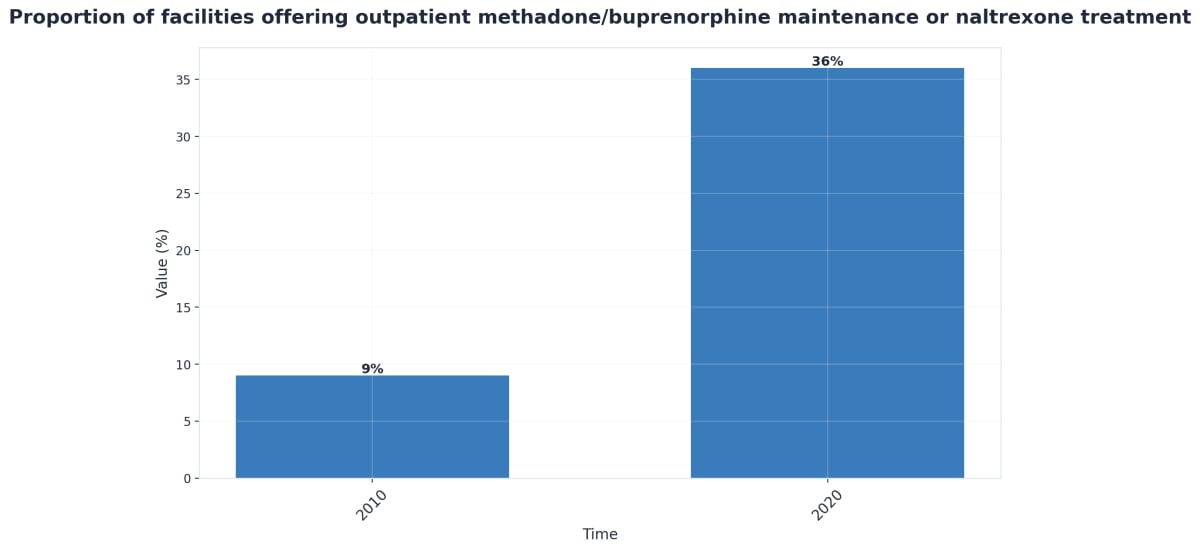
Medication-assisted treatment (MAT) is like having extra tools to help you through recovery at a residential drug rehab Ohio center. MAT uses safe, doctor-prescribed medications—such as buprenorphine, methadone, or naltrexone—alongside therapy to manage cravings and prevent relapse. Imagine trying to climb a steep hill; MAT acts like a sturdy walking stick, making that climb more manageable and less risky. In Ohio, this approach is especially important for people recovering from opioid addiction, since research shows that medications for opioid use disorder can reduce illicit opioid use by up to 90%6. At Arista, MAT is offered as part of a whole-person approach, so you get both medical support and counseling.
Therapy Modalities That Drive Recovery
Therapy at a residential drug rehab Ohio center is like having a toolkit filled with different ways to help you heal and grow. Some of the most helpful therapy styles, or “modalities,” include cognitive-behavioral therapy (CBT), which teaches you how to spot and change unhelpful thoughts, and group therapy, where you learn from others going through similar struggles. There’s also motivational interviewing, which helps you discover your own reasons for wanting to get better. At Arista and other Ohio addiction treatment centers, these therapy approaches are proven to help people manage cravings, understand their triggers, and build stronger coping skills. Using a mix of therapies, chosen based on what works best for you, leads to better outcomes for long-term recovery10.
Key Components of Quality Programs
Not all residential programs offer the same level of care. When evaluating options in Ohio, look for these essential components that distinguish quality treatment from mediocre alternatives. Programs accredited by The Joint Commission or licensed by the Ohio Department of Mental Health and Addiction Services meet rigorous standards for care quality and safety.
- Medical Supervision: Licensed medical professionals monitor your physical health throughout detoxification and stabilization, managing withdrawal symptoms and addressing any co-occurring health conditions. This 24/7 medical presence ensures immediate care is available whenever needed.
- Individual Therapy: Licensed therapists work with you one-on-one, identifying underlying trauma, developing healthy coping mechanisms, and creating strategies for maintaining sobriety after completing the program.
- Group Therapy: These facilitated sessions allow participants to build communication skills, practice accountability, and develop a support network. Many people find that sharing experiences with others facing similar struggles reduces feelings of isolation and shame.
- Evidence-Based Therapies: Approaches like Cognitive Behavioral Therapy (CBT) and Dialectical Behavior Therapy (DBT) teach practical skills for managing triggers and changing thought patterns.
- Family Involvement: Quality programs in Ohio recognize that addiction affects entire families and offer family therapy sessions, educational workshops, and communication training.
- Life Skills Training: Programs may include nutrition education, financial planning, job readiness training, and stress management techniques.
- Aftercare Planning: Ensures continuity of care beyond the inpatient phase, connecting you with outpatient services, support groups, and community resources throughout Ohio.
Red flag: Programs that lack on-site medical staff or rely solely on “on-call” physicians cannot provide adequate crisis response. Quality programs should clearly explain which therapies they use and why—vague promises of “holistic healing” without specific methodologies are a warning sign.
Specialized Programming for Your Needs
Specialized programming at a residential drug rehab Ohio center is a bit like having a menu with options made just for you. No two people are the same, so a good program offers care that fits your background, needs, and life experiences. For example, some people in Ohio may need trauma-informed addiction treatment, while others benefit from therapy designed for veterans or LGBTQ+ individuals. Research shows that when addiction treatment centers tailor services to specific groups, people are more likely to feel understood and supported, leading to better recovery outcomes4. At Arista, you’ll find a team that takes time to learn about your unique story and matches you with therapies and support that make sense for you.
Gender-Specific and LGBTQ+ Affirming Care
Gender-specific and LGBTQ+ affirming care at a residential drug rehab Ohio center is like having a safe room where everyone is welcome and understood. Treatment that separates groups by gender, or creates spaces for LGBTQ+ individuals, helps people feel more comfortable opening up about their struggles. For example, women may want to talk about recovery in a group where they feel safe from judgment, while LGBTQ+ clients might need support that respects their experiences and identities. National studies show that when addiction treatment centers offer specialized programs for different groups, people are more likely to stick with treatment and feel truly supported4. At Arista, the team takes extra care to make sure everyone—no matter their gender or background—feels seen, heard, and respected.
Veterans and Trauma-Informed Treatment
Veterans and people who have experienced trauma often need extra support on their recovery journey. At a residential drug rehab Ohio center, trauma-informed care means staff understand how difficult experiences like combat or abuse can affect both addiction and healing. For veterans, programs may include counseling for post-traumatic stress disorder (PTSD) and connections to other veterans, helping you feel understood and less alone. Trauma-informed addiction treatment focuses on building trust, safety, and respect, so you don’t have to worry about being judged or misunderstood. Research shows that when addiction treatment centers offer specialized programs for veterans and those with trauma, people are more likely to engage in treatment and see better recovery outcomes4.
Family Involvement and Aftercare Support
Family involvement and aftercare support are two of the strongest pillars in a quality residential drug rehab Ohio program. Think of family involvement as having a cheering section at every game—you feel stronger knowing loved ones are rooting for you. Research shows that when families are part of addiction recovery, people use substances for about three fewer weeks per year on average, showing real, lasting benefits5. Aftercare is like a safety net that catches you when you leave treatment, with ongoing support, counseling, and resources to help you stay on track. At Arista, both family support and a clear aftercare plan are woven into care so you and your loved ones feel confident facing life outside treatment.
Why Family Therapy Improves Outcomes
Why does family therapy make such a difference in residential drug rehab Ohio? Picture recovery as a team sport—when your family understands the game plan and cheers you on, you’re more likely to reach your goals. In Ohio, addiction treatment centers like Arista invite loved ones to join therapy sessions, helping everyone learn new ways to communicate and solve problems together. Studies show that people who have family involved in their treatment use substances for about three fewer weeks per year compared to those who don’t—proving this support really works5. Family therapy also helps heal old hurts and builds trust, so you don’t feel alone in your recovery journey.
Aftercare Planning for Long-Term Success
Aftercare planning in residential drug rehab Ohio is like mapping out your next steps after a big journey—you don’t just finish treatment and go home without a plan. Instead, the team at Arista helps you set up support before you leave, so you’re not left wondering what to do if challenges pop up. This often includes setting appointments for ongoing therapy, connecting you with local recovery groups, and even helping with things like finding a safe place to live. Research shows that sticking with aftercare—such as alumni programs or continued counseling—predicts stronger recovery and fewer relapses over time4. Ohio addiction treatment centers know that having these supports in place is key for lasting success.
Why Residential Rehab Matters in Ohio
Ohio faces significant challenges when it comes to addiction disorders. According to the Ohio Department of Health’s 2023 data, the state recorded over 4,000 unintentional drug overdose deaths, with fentanyl present in approximately 80% of these fatalities. Beyond the statistics, these numbers represent real people—parents, children, friends, and neighbors—who deserve access to comprehensive care that addresses the full scope of their recovery needs.
Residential rehab programs are particularly critical in Ohio’s current crisis because the prevalence of fentanyl-laced substances requires close medical supervision that outpatient settings cannot consistently provide. The unpredictable potency of street drugs means withdrawal can be medically dangerous, and the risk of relapse during early recovery is exceptionally high. In a residential setting, you have 24/7 access to medical professionals who can manage withdrawal symptoms safely and intervene immediately if complications arise—a level of care that’s simply not possible when you’re going home each evening.
Ohio residents also face specific barriers to outpatient success, including limited transportation in rural areas, unstable housing situations, and the challenge of avoiding social circles where substance use remains prevalent. Residential treatment removes these obstacles entirely. You’ll participate in multiple therapy sessions throughout the week, engage with peers who understand your struggles, and develop coping strategies in real-time with professional support available around the clock. This intensive approach is particularly valuable for those with co-occurring mental health conditions, long-term addiction patterns, or previous unsuccessful treatment attempts.
For Ohio residents specifically, choosing a local inpatient program means staying connected to the community you’ll return to after treatment. You’ll work with professionals who understand the unique challenges facing Ohioans, from the prevalence of certain substances in the region to the resources available for ongoing support. This regional understanding helps create a transition plan that’s realistic and sustainable for your life in Ohio, setting the foundation for long-term recovery success.
Treatment Outcomes and Success Rates
Treatment outcomes and success rates in residential drug rehab Ohio centers are like a report card for recovery, showing how much progress people can make. Research shows that staying in treatment for 90 days or more leads to stronger improvements in mental health, substance use, work, and relationships1. About two-thirds of studies found that people in structured residential programs, like therapeutic communities, had better substance use and legal outcomes than those who tried other options2. It’s helpful to remember that recovery is different for everyone, and success might look like fewer relapses, healthier routines, or being able to rebuild family bonds. At Arista and similar Ohio addiction treatment centers, the focus is on building real, lasting changes using proven therapies and ongoing support.
What Research Shows About Effectiveness
What does research say about how well residential drug rehab Ohio programs work? Studies show that when people stay in residential treatment for 90 days or longer, they see bigger improvements in substance use, mental health, and even things like work and family life1. Imagine it like training for a big race—the more time you spend practicing with good coaches, the better your results. About two-thirds of studies on therapeutic communities, a type of structured residential program, found that people had stronger substance use and legal outcomes compared to those in other types of care2. These findings are especially true for Ohioans with complex needs or limited support at home. Addiction treatment centers in Ohio, like Arista, use these proven approaches to help you or your loved one build a fresh start.
Understanding Relapse as Part of Recovery
Understanding relapse as part of recovery is a lot like learning to ride a bike—sometimes you wobble or fall, but that doesn’t mean you can’t keep going. In residential drug rehab Ohio, relapse is not a sign of failure; instead, it’s a common part of the healing process. In fact, between 40% and 60% of people in recovery may experience a relapse at some point, which is about the same as people managing other long-term health conditions like diabetes or asthma1. Ohio addiction treatment centers, like Arista, help you prepare for these tough moments by teaching coping skills and building a strong support network. This way, if you stumble, you have a safe place to get back on track. By viewing relapse as a learning step, you and your family can stay hopeful and focused on long-term recovery.
Accessing Care with Insurance Coverage
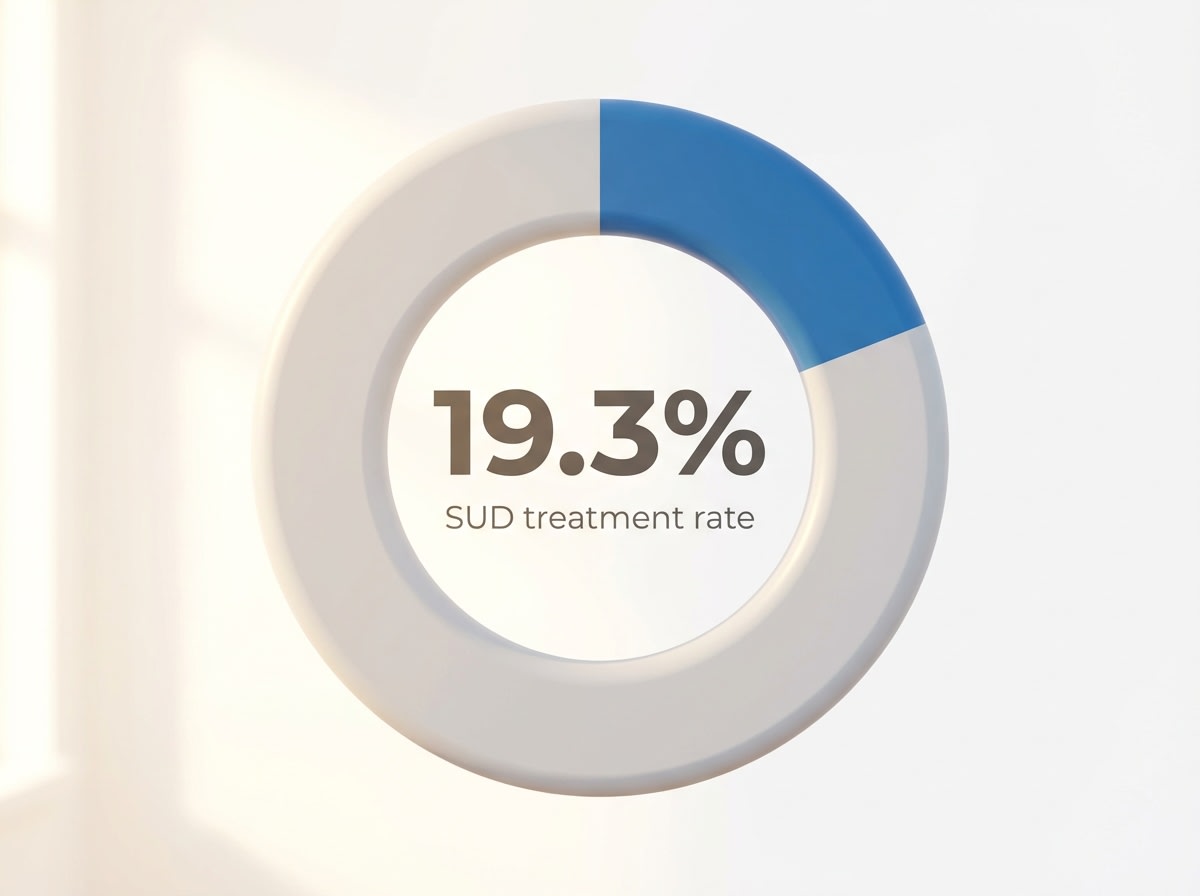
Accessing care at a residential drug rehab Ohio center often starts with understanding your insurance coverage. Imagine insurance as a key that can help open the door to treatment, making it less stressful to get the help you need. In Ohio, most addiction treatment centers—including Arista—work with a variety of insurance plans, including Medicaid and private insurance. While coverage can vary, many plans now include benefits for substance use disorder treatment thanks to state and federal rules. This matters because only about 19% of people with a substance use disorder actually receive treatment, and insurance can be a big reason why some get help and others don’t8. Arista’s team is ready to help you and your family review your options, answer your questions, and guide you through the process.
Navigating Insurance Benefits in Ohio
Navigating insurance benefits for residential drug rehab Ohio can feel confusing, but you’re not alone—many families in Ohio have the same questions. Think of your insurance plan as a guidebook: it holds important details about what addiction treatment services are covered, what steps you need to take, and which centers like Arista are in-network. Most Ohio insurance, including Medicaid and private plans, now include benefits for substance use disorder treatment thanks to state and federal rules. Still, only about 19% of people with a substance use disorder actually get treatment, and insurance barriers are a big reason why8. Arista’s team is here to help you check your coverage, understand co-pays or paperwork, and find the best fit for your recovery needs.
Bridging the Treatment Gap Locally
Bridging the treatment gap in Ohio means making sure everyone who needs help with addiction can actually get it, even if their insurance doesn’t cover everything. While only about 19% of people with a substance use disorder receive treatment, local solutions work to close this gap by offering sliding scale fees, scholarships, or county-funded programs8. At Arista, we understand that financial barriers can make recovery feel out of reach, so our team helps connect you with community resources and support options. Addiction treatment centers in Ohio often partner with local agencies and advocacy groups to make residential drug rehab more accessible. By working together, these programs create more paths to healing—so you and your loved ones have hope, even when challenges come up.
Frequently Asked Questions
As you consider residential options in Ohio, you likely have practical questions about what to expect. Understanding the specifics can help ease concerns and make the decision-making process clearer.
Is residential rehab the same as inpatient treatment?
Residential rehab and inpatient treatment sound similar, but in Ohio, they have some important differences. Both mean you stay overnight at a center for addiction treatment, but residential drug rehab Ohio usually feels more like a home—less medical, more focused on community, routines, and support. Inpatient treatment often takes place in a hospital or medical setting and is for people who need close medical care, usually for a short time. Residential care, like what Arista offers, gives you a stable place to live, daily therapy, and 24/7 staff support without the hospital feel. This type of addiction treatment center is best for building long-term recovery skills and confidence4.
Can I work or attend school while in residential treatment?
Most residential drug rehab Ohio programs, including those at Arista, are designed as live-in environments with a full daily schedule, so working a job or attending regular school during treatment usually isn’t possible. Think of it like a summer camp or sports retreat—you step away from your usual routine to focus on healing and building new skills in a supportive setting. Some Ohio addiction treatment centers may offer educational support or vocational counseling as part of their services, helping you plan for work or school after you complete treatment7. This time away gives you space to recover and prepare for a stronger return to your responsibilities.
What happens if I relapse after completing residential treatment?
If you relapse after completing a residential drug rehab Ohio program, it’s important to remember that you’re not alone and you haven’t failed. Relapse is actually pretty common—between 40% and 60% of people in recovery experience it at some point, which is about the same as for other long-term illnesses like diabetes or asthma1. Think of it as falling off your bike while learning to ride; you can always get back up and try again. Ohio addiction treatment centers like Arista are ready to support you if you need to return for help or adjust your recovery plan. Many people find that using aftercare, alumni groups, or reaching out for support right away makes a big difference in getting back on track with sobriety.
Will my insurance cover residential drug rehab in Ohio?
Most insurance plans in Ohio—like Medicaid and many private options—help cover the costs of residential drug rehab Ohio programs. Coverage can vary, though, so it’s important to check your specific plan or call the treatment center for help. Only about 19% of people with a substance use disorder receive treatment, and insurance barriers are a big reason why many don’t get the support they need8. At Arista, our team will walk you through your insurance benefits, answer your questions, and help you find a path to care. If your plan doesn’t cover everything, Ohio addiction treatment centers often work with community resources to fill in the gaps. You don’t have to figure this all out alone—support is available for you and your family.
Can I bring my phone or personal belongings to residential treatment?
Most residential drug rehab Ohio centers, including Arista, understand how important personal comfort is during recovery. You can usually bring basic personal belongings, like clothes, toiletries, and a few books, to help you feel at home. However, bringing your phone or other electronics is often limited or not allowed at first. This rule is there to help you focus on your recovery and avoid outside distractions—think of it as a chance to take a break from daily stress. Addiction treatment centers in Ohio want everyone to feel safe, so they may check belongings for anything that could get in the way of healing. If you have questions about what to pack, Arista’s team will give you a clear list and support you every step of the way4.
How do I know if I need residential treatment versus outpatient care?
Deciding between residential drug rehab Ohio and outpatient care is like choosing between staying at camp full-time or just visiting during the day. Residential treatment is best if you’re struggling with strong cravings, have tried outpatient care but keep relapsing, or face mental health challenges along with addiction. It’s also a good fit if you don’t have steady support at home or feel unsafe in your current environment. Research shows that people with complex needs or little family support often do better when they live at the treatment center, since they get round-the-clock help and a safe space to heal4. Outpatient care works well for those who have milder symptoms and strong support at home. If you’re unsure, Arista’s caring team in Ohio can help you and your family decide which path gives you the best chance to recover.
What if I have a job or family responsibilities I can’t leave?
If you have a job or family responsibilities you can’t leave, deciding on residential drug rehab Ohio can feel overwhelming. Many people in Ohio worry about stepping away from work or caring for loved ones. While residential treatment does require you to live at the center, addiction treatment centers like Arista understand these concerns. The team can help you explore options such as job protection under the Family and Medical Leave Act (FMLA) and work with you to plan care for your family while you’re away. Research shows that taking time for treatment leads to better long-term health and stability—even if it means a short break from everyday life4. Some Ohio rehab programs offer flexible scheduling or can connect you to resources for family support, so you don’t have to face these worries alone.
Are medications like Suboxone or Vivitrol available in residential programs?
Yes, medications like Suboxone (buprenorphine/naloxone) and Vivitrol (naltrexone) are available in many residential drug rehab Ohio programs, including at Arista. These medicines are part of something called medication-assisted treatment, or MAT. Think of MAT as using helpful tools—just like a cast helps a broken bone heal, these medications support your recovery by reducing cravings and lowering the risk of relapse. In Ohio, MAT has become a key part of treating opioid and alcohol use disorders, and research shows that medications for opioid use disorder can reduce illicit opioid use by up to 90%6. Your treatment team will work with you to decide if these medications are a good fit for your needs. Residential addiction treatment centers in Ohio use MAT along with counseling and healthy routines to help you feel stable and supported as you recover.
Can family members visit me during residential treatment?
Yes, most residential drug rehab Ohio programs—including Arista—encourage family involvement and offer visiting opportunities, though the timing and rules may vary. Visits are often scheduled after an initial adjustment period so you can settle into your recovery routine first. Think of it like getting used to a new school before parents come for open house—this helps you focus and feel comfortable. Many Ohio addiction treatment centers have set visiting hours and may include family therapy sessions, since research shows family support helps recovery last longer and leads to better outcomes5. The team at Arista will guide you and your loved ones through the visiting process, making sure everyone feels welcome and supported as part of your healing journey.
What happens after I complete a residential program?
After completing a residential drug rehab Ohio program, your journey isn’t over—it’s actually the start of a new chapter. Most addiction treatment centers, including Arista, help set you up with an aftercare plan before you leave. This might include ongoing therapy, support groups, and connections to local resources in Ohio, making your transition back home smoother. Think of aftercare as a safety net: it gives you extra support if challenges pop up and helps you stay focused on recovery. Research shows that participating in aftercare—like alumni programs or continued counseling—helps people avoid relapse and build a stronger, longer-lasting recovery4. Programs like Arista make sure you and your family have the support and guidance you need, every step of the way.
Is residential treatment confidential? Will my employer find out?
Yes, residential drug rehab Ohio programs—including Arista—treat your information with strict confidentiality. Think of your treatment records like a locked diary that only you and your care team can open. By law, addiction treatment centers in Ohio must follow privacy rules, such as HIPAA, which protect your personal details and medical history. Your employer will not be notified that you are in residential care unless you give written permission. If you need to use job protection laws like FMLA, only basic details about your absence—not your addiction or treatment—are shared. This way, you can focus on recovery knowing your privacy is respected every step of the way4.
What’s the difference between a 30-day and 90-day residential program?
A 30-day residential drug rehab Ohio program is like a quick jumpstart—it gives you time to step away from triggers, start learning new habits, and build a foundation for recovery. However, research shows that a 90-day program is more like growing roots for a strong tree: it gives your mind and body more time to heal, practice healthy routines, and get comfortable with new skills before returning home. People who stay 90 days or longer in Ohio addiction treatment centers usually see better results in their mental health, substance use, and daily life than those in shorter programs1. At Arista, you and your family can talk through which length fits your needs best, knowing longer stays often mean a stronger recovery.
Do residential programs in Ohio treat co-occurring mental health conditions?
Yes, most residential drug rehab Ohio programs—including Arista—are equipped to treat co-occurring mental health conditions, sometimes called dual diagnosis. This means if you’re facing both addiction and issues like depression, anxiety, or PTSD, you can get help for both at the same time. Think of it like fixing two leaky faucets in your house instead of just one—addressing both problems can help you heal more fully. Ohio addiction treatment centers use a mix of counseling, medication, and daily support to manage these challenges together. Research shows that treating mental health and addiction side by side leads to stronger, longer-lasting recovery for people with complex needs4. If you or your loved one needs specialized care, Arista’s team is here to guide you every step of the way.
How quickly can I get admitted to residential treatment?
Admission to a residential drug rehab Ohio center like Arista can happen quickly, often within a few days if a spot is available. The process starts with a phone call or online inquiry, followed by a simple assessment to understand your needs and make sure residential care is the best fit. Think of it like signing up for a sports team: once you complete the basics, the team gets you ready to join as soon as possible. Because demand for addiction treatment centers in Ohio can be high, wait times might vary. Arista’s staff will guide you every step, answer questions, and help you start your recovery journey without unnecessary delays. Research notes that timely access to treatment is key to better recovery outcomes, so reaching out promptly is important4.
What if I’ve tried residential treatment before and it didn’t work?
If you’ve tried residential drug rehab Ohio before and didn’t feel successful, you are not alone—and it doesn’t mean you’ve failed. Recovery can take more than one try; just like learning a tough skill, some people need extra practice and support. Research shows that between 40% and 60% of people in addiction treatment may experience relapse along the way, which is similar to other long-term health conditions like asthma or diabetes1. Sometimes, a new approach—like a different addiction treatment center, longer stay, or more specialized therapies—can make a real difference. At Arista, our Ohio team is here to help you and your family find fresh hope and new solutions, no matter how many times you’ve tried. Recovery is always possible, and every attempt brings you closer to lasting change.
Finding Hope and Help Near Columbus
Taking the first step toward recovery can feel overwhelming, but you don’t have to navigate this journey alone. Throughout Ohio, compassionate professionals understand what you’re facing and stand ready to support your path toward reclaiming your life from addiction.
Ohio offers a supportive network of treatment options across the state, from outpatient counseling to comprehensive residential programs. In the Columbus area and beyond, whether you’re struggling with alcohol dependence, prescription medication misuse, or other chemical dependency challenges, you’ll find evidence-based care tailored to your unique situation. When researching facilities, look for programs that offer transparent information about their treatment approaches, staff credentials, and outcomes. Quality centers should provide clear details about insurance acceptance and costs upfront.
Recovery isn’t just about stopping drug and alcohol consumption—it’s about building a life worth living. Quality treatment programs throughout Ohio address the underlying factors contributing to addiction, including mental health concerns, trauma, and life stressors. Through individual therapy, group support, and holistic approaches, you’ll develop practical skills to manage triggers, rebuild relationships, and create lasting positive change.
Your loved ones also deserve support during this time. Family involvement often strengthens recovery outcomes, and many programs across the state offer education and counseling for those affected by a family member’s addiction. Understanding that addiction is a medical condition, not a moral failing, helps families heal together.
At Arista Recovery in Columbus, we’ve witnessed countless individuals transform their lives through dedicated treatment and ongoing support. Our team recognizes that every person’s path to recovery looks different, which is why we emphasize personalized care in a welcoming environment. We accept most major insurance plans including Medicaid—contact us for a free benefits verification to understand your coverage. If you’re ready to explore your options, call us at [PHONE NUMBER] to speak with an admissions specialist who can answer your questions and help you take the next step. Hope, healing, and a brighter future are within reach right here in Ohio.
References
- What is the evidence for residential treatment? A review and update. https://www.recoveryanswers.org/research-post/residential-treatment-review-update/
- Therapeutic Communities for Addictions: A Review of Their Effectiveness and Mechanisms. https://pmc.ncbi.nlm.nih.gov/articles/PMC3562581/
- Stability of Outcomes Following Residential Drug Treatment | NIH. https://pmc.ncbi.nlm.nih.gov/articles/PMC3146302/
- Chapter 5—Specialized Substance Abuse Treatment Programs | NCBI. https://www.ncbi.nlm.nih.gov/books/NBK64815/
- Family Involvement in Treatment and Recovery for Substance Use Disorders. https://pmc.ncbi.nlm.nih.gov/articles/PMC8380649/
- Opioid Use Disorder – Psychiatry.org. https://www.psychiatry.org/patients-families/opioid-use-disorder
- Chapter 1—The Need for Vocational Services in Substance Abuse Treatment. https://www.ncbi.nlm.nih.gov/books/NBK64320/
- NCDAS: Substance Abuse and Addiction Statistics . https://drugabusestatistics.org
- SAMHSA Releases Annual National Survey on Drug Use and Health. https://www.samhsa.gov/newsroom/press-announcements/20250728/samhsa-releases-annual-national-survey-on-drug-use-and-health
- Evidence-based practices for substance use disorders – PMC – NIH. https://pmc.ncbi.nlm.nih.gov/articles/PMC3678283/
