Now under new ownership & part of the Arista Recovery Network! For more information,

Key Takeaways for Ohio Families
- Federal Protection: Laws like MHPAEA and ACA ensure your BCBS plan must cover addiction treatment comparably to medical care.
- Verification is Vital: Always check your specific plan details, including deductibles and out-of-pocket maximums, before starting care.
- Quality Standards: Look for facilities with OhioMHAS certification and ASAM alignment to ensure high-quality, safe treatment.
- Holistic Approach: Programs offering family therapy and dual diagnosis support often yield better long-term recovery outcomes.
Understanding Coverage at Alcohol Treatment Centers That Accept BCBS in Ohio
Federal Laws Protecting Your Treatment Access
When you’re looking into alcohol treatment centers that accept BCBS in Ohio, it helps to know that federal laws are on your side. Two major laws—the Mental Health Parity and Addiction Equity Act (MHPAEA) and the Affordable Care Act (ACA)—make sure your BCBS insurance must treat alcohol use disorder just like any other medical condition. This means your plan can’t limit the number of treatment visits or put higher copays on alcohol treatment than on other health services.
For example, if your plan covers hospital stays or doctor visits, it must offer similar coverage for inpatient rehab or outpatient addiction services1, 2.
The MHPAEA makes it illegal for insurance companies to set stricter rules for mental health or substance use care than they do for regular medical care. The ACA goes a step further by making alcohol and substance use treatment an essential health benefit—so all Marketplace BCBS plans in Ohio have to cover it, and can’t set yearly or lifetime dollar limits2.
These laws protect you and your family while you focus on recovery. If you ever feel that your BCBS plan is putting up unfair barriers, you have the right to appeal and ask for help. Now, let’s break down what your BCBS plan in Ohio usually covers for alcohol treatment.
What Your BCBS Plan Typically Covers
Let’s take a closer look at what most Blue Cross Blue Shield (BCBS) plans cover when you’re seeking help from alcohol treatment centers that accept BCBS in Ohio. While each plan can be a little different, here’s a practical checklist you can use:
BCBS Alcohol Treatment Coverage Checklist (Ohio):
- Detox Services: Medical help for safe withdrawal, often the first step toward recovery.
- Inpatient/Residential Treatment: 24-hour support and therapy in a structured setting.
- Outpatient Programs: Care that lets you live at home—like Intensive Outpatient Programs (IOPs) and Partial Hospitalization Programs (PHPs).
- Medication-Assisted Treatment (MAT): Access to FDA-approved medications, such as naltrexone, to manage cravings and support long-term sobriety2.
- Family Therapy: Services to involve loved ones, which can boost your chances of lasting recovery8.
- Co-occurring Mental Health Care: Treatment for issues like anxiety or depression that often go hand-in-hand with alcohol use9.
Most plans also include follow-up or aftercare, since ongoing support helps prevent relapse. The exact mix of services, how long you can stay, and your out-of-pocket costs will depend on your BCBS plan details and the center you choose. Arista can walk you through your options and help you understand what’s covered.
Next, let’s see how you can verify your BCBS benefits step by step.
Verifying Your Benefits: A Step-by-Step Approach
If you or someone you care about is considering addiction treatment in Ohio, understanding your insurance coverage is one of the most important first steps you can take. This guide is designed to help you navigate the insurance verification process with clarity and confidence. Knowing what your insurance covers—and what it doesn’t—before you begin treatment helps you avoid unexpected costs, choose the right level of care, and focus your energy on recovery rather than financial surprises.
Understanding your insurance coverage doesn’t have to feel overwhelming. By breaking the verification process into clear steps, you can approach it with confidence and get the answers you need to move forward with treatment.
-
Gather Your Information: Start by locating your insurance card. You will need the following data points ready before you call:
- Policy Number
- Group Number (if applicable)
- Member Services Phone Number (typically on the back of the card)
-
Contact Your Provider: Call the number on your card and ask specific questions about behavioral health benefits.
- Is addiction treatment covered?
- Are there limitations on length of stay or number of sessions?
- What are the deductible, copayment, and out-of-pocket maximums?
- Check Network Status: Request information about in-network providers in Ohio. Ask specifically if the facility you are considering is in-network, as this typically results in lower costs. If looking at an out-of-network provider, inquire about out-of-network benefits and exceptions.
-
Document Everything: Take detailed notes during your call. Write down the date, time, name of the representative, and the
Reference Numberfor the call. This documentation is valuable if discrepancies arise later.
Many treatment facilities in Ohio, including those specializing in addiction recovery, offer free benefits verification services. This means their admissions team can contact your insurance company on your behalf, interpret the coverage details, and explain what your financial responsibility will be. This service removes much of the burden from your shoulders and ensures you’re getting accurate information from professionals who understand the nuances of behavioral health coverage.
Remember that verifying your benefits is not a commitment to treatment—it’s simply gathering information so you can make an informed decision. Taking this step demonstrates your readiness to explore your options and move toward recovery with clarity and confidence.
Ohio’s Treatment Standards and Quality Indicators
State Certification Requirements You Should Know
Before you choose an alcohol treatment center in Ohio, it’s smart to check that the facility meets the state’s strict certification rules. Ohio requires all alcohol treatment centers that accept BCBS in Ohio to be certified by the Ohio Department of Mental Health and Addiction Services (OhioMHAS). But what does this mean for you?
Here’s a simple tool you can use to verify quality:
- The center must have either OhioMHAS certification or national accreditation (like The Joint Commission or CARF).
- Facilities need to pass regular site visits and show they follow strict safety, staffing, and treatment standards3, 10.
- Residential programs must also meet the American Society of Addiction Medicine (ASAM) Level 3 standards, which means having licensed staff, individualized care plans, and access to medication-assisted treatment4.
- All centers must be able to admit, treat, or refer clients for medication-assisted treatment as needed.
This approach works best when you want reassurance that your treatment program meets Ohio’s highest quality standards. Arista only partners with centers that meet or exceed these requirements, so you and your loved ones can feel confident in your recovery journey.
Up next, you’ll learn how Ohio’s ASAM levels of care help match you with the right treatment intensity for your needs.
ASAM Levels of Care Matching Your Needs
Finding the right level of care is one of the most important steps in alcohol recovery. Ohio uses guidelines from the American Society of Addiction Medicine (ASAM) to make sure you get care that truly fits your needs. The ASAM Criteria sorts treatment into several levels, from basic outpatient sessions to 24-hour inpatient care, based on how much support you need each day5.
| ASAM Level | Type of Care | Description |
|---|---|---|
| Level 1 | Outpatient Services | Standard care, such as weekly therapy visits. |
| Level 2 | Intensive Outpatient / PHP | Structured care for several hours, multiple days a week. |
| Level 3 | Residential / Inpatient | Live-in care with round-the-clock support and supervision. |
| Level 4 | Medically Managed Intensive Inpatient | Hospital-based care for severe medical or psychiatric cases. |
This method works when you want a treatment plan that’s flexible and tailored to your personal situation, not a one-size-fits-all approach. Alcohol treatment centers that accept BCBS in Ohio use the ASAM Criteria to decide which level of care your insurance can support—so you get the right help, at the right time5.
Arista’s team can guide you through this assessment, answer your questions, and connect you to the level of care that matches your goals. Next, you’ll learn what to look for in a treatment program so you can make a choice that fits your recovery journey.
Choosing the Right Alcohol Treatment Centers That Accept BCBS in Ohio
Evaluating Program Components That Matter
When you’re comparing alcohol treatment centers that accept BCBS in Ohio, it helps to focus on the program components that make a real difference in recovery. Here’s a practical tool to guide your decision:
Key Program Components Checklist (Ohio BCBS Treatment Centers):
- Evidence-Based Therapies: Look for centers that use proven treatments like Cognitive Behavioral Therapy (CBT) or Motivational Interviewing. These are backed by research to help people make lasting changes7.
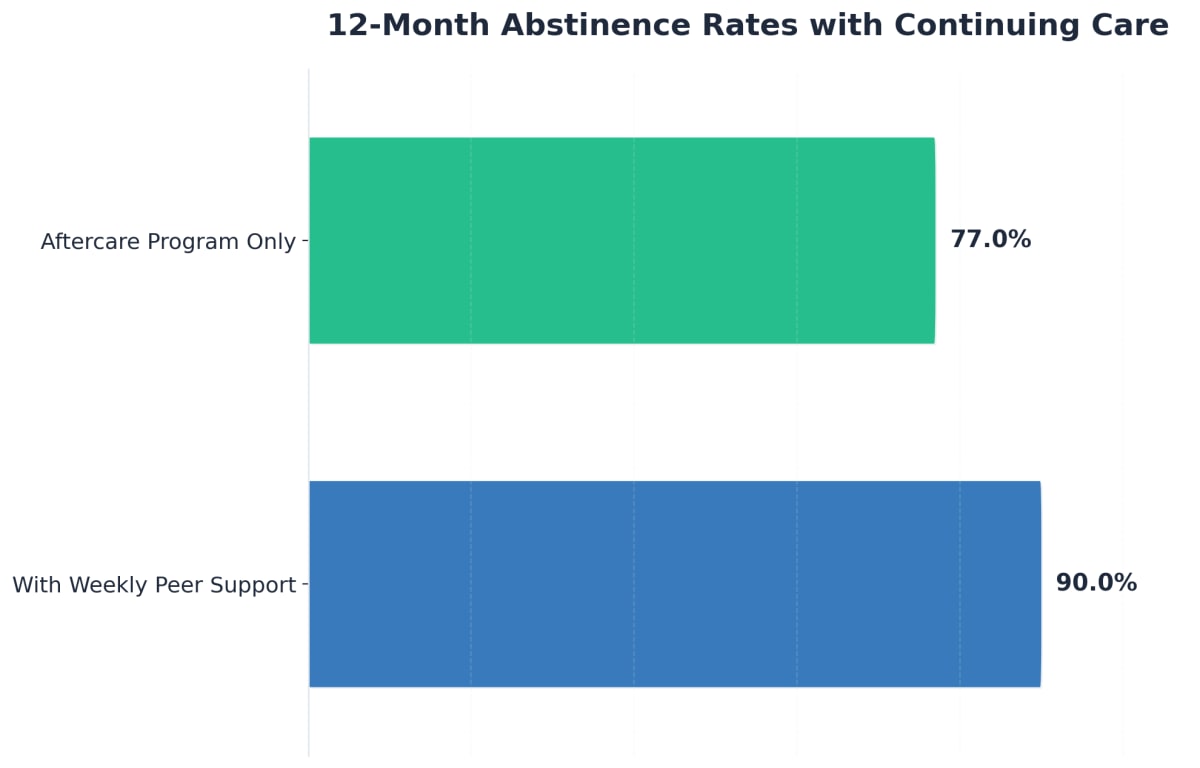
- Continuing Care/Aftercare: Recovery doesn’t end after a 30-day stay. Programs that offer aftercare—like ongoing support groups or check-ins—help maintain progress. Studies show that 12-month abstinence rates jump from 77% to 90% when aftercare is paired with weekly peer support7.
- Family Involvement: Centers that invite family to participate can boost your chances of long-term success. In fact, involving loved ones in treatment leads to about 6% greater reductions in substance use, with the benefits lasting over a year8.
- Qualified Staff: Make sure the program has licensed counselors, medical professionals, and addiction specialists on-site.
- Flexible Levels of Care: Check if the center offers both inpatient and outpatient options, so you can adjust your care if your needs change.
This method works when you want to choose a program that supports every step of your recovery—not just the first phase. Arista is here to answer questions about these components and help you find a center that fits your personal goals.
Next, let’s look at how treatment centers address co-occurring conditions and special needs.
Addressing Co-Occurring Conditions and Special Needs
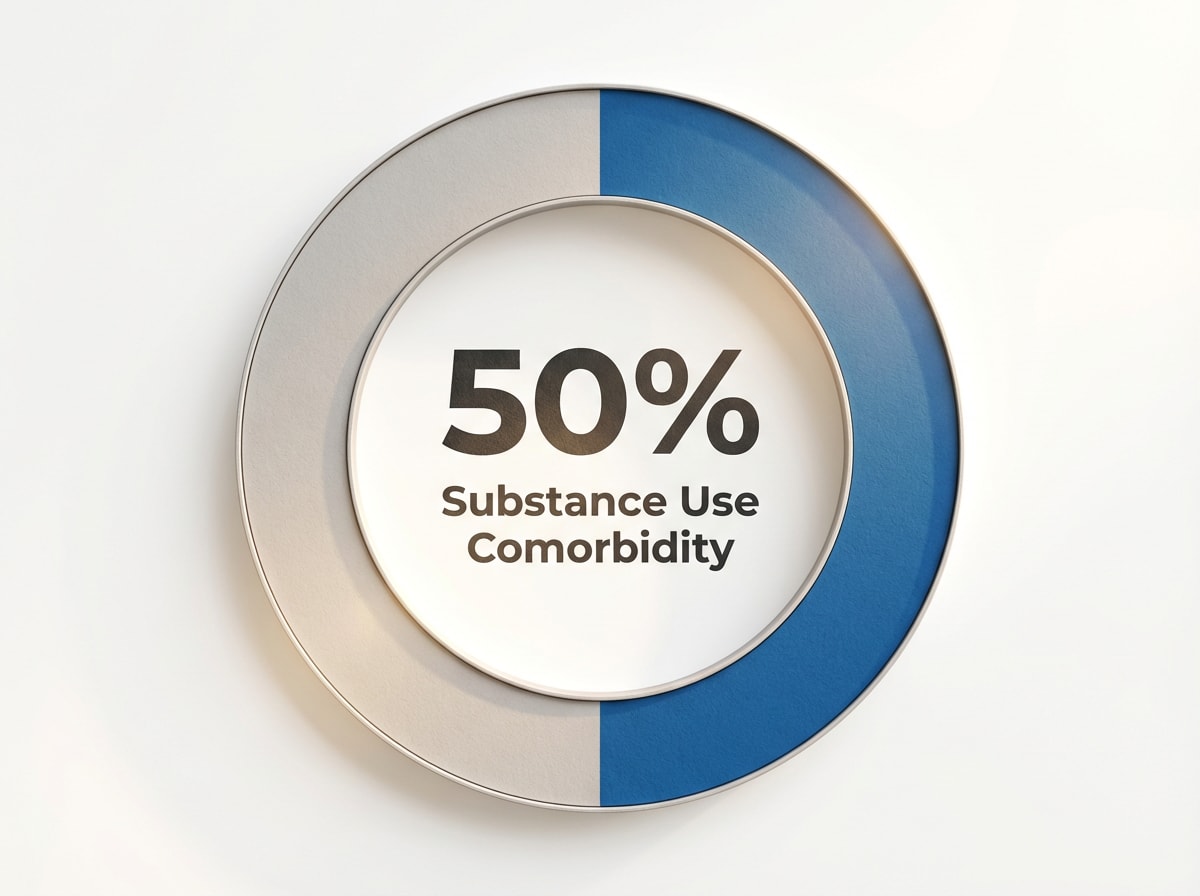
If you or your loved one is seeking help from alcohol treatment centers that accept BCBS in Ohio, it’s important to know how these centers address co-occurring conditions—also called “dual diagnosis.” This means treating both alcohol use disorder and another mental health issue, such as depression or anxiety, at the same time. About half of people with a substance use disorder will also have a mental health disorder during their lifetime, so integrated care is a must for lasting recovery9.
Click to view the Dual Diagnosis & Special Needs Checklist
- Offers both mental health and addiction therapy under one roof
- Provides individualized treatment plans that address your unique medical, emotional, and social needs
- Has medical staff experienced with psychiatric medications alongside addiction care
- Supports those with trauma histories, chronic illnesses, or disabilities
- Connects you to resources for housing, legal help, or employment support
This path makes sense for you if you have a history of depression, PTSD, or other challenges that go beyond alcohol use. When you choose a center like Arista, you’ll find teams who understand how these conditions interact and will partner with you for whole-person healing9.
Coming up, you’ll get answers to the most common questions Ohio families have about using BCBS for alcohol treatment.
Frequently Asked Questions
What should I do if BCBS denies coverage for recommended treatment?
If Blue Cross Blue Shield (BCBS) denies coverage for recommended alcohol treatment in Ohio, don’t lose hope. First, request a written explanation for the denial—this helps you understand if it’s about paperwork, medical necessity, or another reason. Federal laws like the Mental Health Parity and Addiction Equity Act (MHPAEA) and the Affordable Care Act (ACA) require BCBS to cover alcohol use disorder treatment on par with other medical care, so you have the right to appeal 12. Work with your treatment center (like Arista) to gather medical records or letters of support. Many families succeed after an appeal, so keep advocating for your recovery.
How much will I pay out-of-pocket for alcohol treatment with BCBS in Ohio?
The amount you’ll pay out-of-pocket at alcohol treatment centers that accept BCBS in Ohio depends on your specific BCBS plan. Most plans require you to first meet your deductible, which is the amount you pay before coverage starts. After that, you’ll likely pay co-pays or coinsurance for each service, much like you would for other medical care. Federal law ensures BCBS can’t charge higher costs for alcohol treatment than for similar medical services 12. To avoid surprises, ask for a Summary of Benefits from your plan or have Arista’s team help you review your coverage and estimate costs.
Can family members participate in treatment, and does BCBS cover family therapy?
Yes, family participation is encouraged at many alcohol treatment centers that accept BCBS in Ohio, and most BCBS plans do cover family therapy as part of a treatment plan. Involving loved ones can play a big role in your recovery. Research shows that adding family therapy leads to about 6% greater reductions in substance use, with lasting benefits over a year compared to individual treatment alone 8. Coverage and the number of sessions can vary by plan, so it’s smart to review your BCBS benefits or let Arista’s team help you check. Family involvement gives everyone more tools to support healing at home.
How do I transition from residential treatment to outpatient care while maintaining BCBS coverage?
Transitioning from residential treatment to outpatient care at alcohol treatment centers that accept BCBS in Ohio is a key part of staying on track with your recovery. To keep your BCBS coverage active, work closely with your treatment team to develop a step-down plan—this often includes moving from 24/7 care to programs like Intensive Outpatient Programs (IOPs) or Partial Hospitalization Programs (PHPs). BCBS typically requires that your care level change is medically necessary and pre-authorized, so ask your provider and Arista’s insurance specialists to help update your records and handle any paperwork 25. This teamwork helps prevent gaps in coverage and supports a smoother recovery journey.
Does BCBS cover medication-assisted treatment for alcohol use disorder in Ohio?
Yes, Blue Cross Blue Shield (BCBS) generally covers medication-assisted treatment (MAT) for alcohol use disorder at alcohol treatment centers that accept BCBS in Ohio. MAT uses FDA-approved medications—like naltrexone or acamprosate—along with counseling to help reduce cravings and support long-term recovery. Federal law requires BCBS to provide this coverage on par with other medical services, so there are usually no extra restrictions or limits compared to other treatments 2. Coverage may vary by plan, so it’s a good idea to check your specific benefits or have Arista’s team review your options. MAT can be a key part of a strong, hopeful recovery plan.
What happens if I need treatment but haven’t met my BCBS deductible yet?
If you need help from alcohol treatment centers that accept BCBS in Ohio but haven’t met your deductible, you’ll usually be responsible for the full contracted rate until you reach that amount. Think of your deductible as a yearly minimum you must pay before your insurance starts sharing costs. After you meet it, BCBS typically covers most treatment expenses—leaving you with smaller co-pays or coinsurance for ongoing care 12. If cost feels like a barrier, talk with Arista’s team. Many treatment centers offer payment plans, and Arista can help you review your benefits and create a manageable plan so you can begin your recovery journey without unnecessary delays.
Are there Ohio treatment centers that offer same-day admission with BCBS insurance?
Yes, some alcohol treatment centers that accept BCBS in Ohio may offer same-day admission, especially if you’re facing an urgent situation. This option often depends on the availability of beds, how quickly your insurance can be verified, and whether the necessary pre-authorization steps are completed. BCBS has streamlined some processes recently to help speed up urgent admissions for detox and inpatient care, but the exact timing can still vary by center and plan 2. Arista’s team can help you navigate these steps, check availability, and handle paperwork, so you can get started on your recovery as soon as possible.
Your Next Steps Toward Recovery in Ohio
Now that you have your coverage details and reference number from the verification process, you can use this information strategically when contacting treatment facilities. Keep your benefits summary, copay amounts, and any pre-authorization requirements handy—you’ll reference these details in every conversation.
When evaluating facilities that accept your insurance, ask specific questions: What does their typical treatment timeline look like? How does their program structure align with your approved coverage days? What will your actual out-of-pocket costs be after insurance? Request a written estimate based on your verified benefits. Contact at least three facilities to compare approaches, costs, and availability before making your decision.
For Ohio-specific resources, the Ohio Department of Mental Health and Addiction Services maintains a treatment provider directory at mha.ohio.gov, where you can search by insurance accepted and location. You can also call the Ohio CareLine at 1-800-720-9616 for free, confidential assistance connecting to local services. These state resources can help you identify accredited facilities and understand your rights as a patient.
If your verification reveals that your coverage is limited or insufficient, you have options. Many facilities offer sliding-scale fees, payment plans, or can help you apply for state-funded programs. Ohio’s Medicaid expansion has increased access to addiction treatment—ask facilities about eligibility if cost is a barrier.
You now have the practical tools to move forward: verified insurance information, questions to ask facilities, and Ohio-specific resources to guide your search. Taking action with this knowledge puts you in a stronger position to find appropriate, affordable care.
References
- The Mental Health Parity and Addiction Equity Act (MHPAEA) – CMS. https://www.cms.gov/marketplace/private-health-insurance/mental-health-parity-addiction-equity
- Mental Health & Substance Abuse Coverage – Healthcare.gov. https://www.healthcare.gov/coverage/mental-health-substance-abuse-coverage/
- Community Behavioral Health Services Certification – Ohio Department of Mental Health and Addiction Services. https://dbh.ohio.gov/about-us/rules-and-regulations/rules/draft-rules/community-behavioral-health-services-certification
- Ohio Administrative Code Rule 5122-29-09: Residential and Withdrawal Management Substance Use Disorder Services. https://codes.ohio.gov/ohio-administrative-code/rule-5122-29-09
- The ASAM Criteria, Fourth Edition. https://www.asam.org/asam-criteria
- 2024 Health Value Dashboard: Leading Causes of Death Analysis – Ohio. https://www.healthpolicyohio.org/files/publications/databriefleadingcausesfinal.pdf
- The Continuing Care Model of Substance Use Treatment – National Center for Biotechnology Information. https://pmc.ncbi.nlm.nih.gov/articles/PMC4007701/
- Family Involvement in Treatment and Recovery for Substance Use – PubMed Central. https://pmc.ncbi.nlm.nih.gov/articles/PMC8380649/
- Dual Diagnosis (Co-Occurring Disorders) – Cleveland Clinic. https://my.clevelandclinic.org/health/diseases/24426-dual-diagnosis
- Behavioral Health Care & Human Services Accreditation Program – The Joint Commission. https://www.jointcommission.org/en-us/accreditation/behavioral-health-care-and-human-services