 Now under new ownership & part of the Arista Recovery Network! For more information,

Key Takeaways
- Hilliard residents have access to central Ohio residential and detox programs within a 20-40 minute drive, with treatment governed by OhioMHAS licensing and ASAM Level 3 standards 2.
- A legitimate program will confirm OhioMHAS licensing, explain medical oversight during the first 72 hours of withdrawal, and provide written continuing care planning rather than guaranteed cures.
- Because alcohol use disorder often co-occurs with anxiety, depression, or trauma, ask whether intake assessments and treatment plans address both conditions together rather than drinking alone.
- Before committing, compare insurance verification practices, daily program structure, dual diagnosis capability, transportation logistics, and how each facility individualizes length of stay based on clinical readiness.
If you’re reading this at 2 a.m.
If you’re reading this at 2 a.m. — phone tilted toward your face so the light doesn’t wake anyone else in the house — you’re already doing something brave. Maybe it’s your own drinking that finally scared you tonight. Maybe it’s someone you love, asleep down the hall or not home yet, and you don’t know what tomorrow is supposed to look like.
Take a breath. You don’t have to solve this by morning.
This guide is written for people in Hilliard and the wider Columbus area who are trying to understand what real alcohol addiction treatment actually involves — what medically supervised detox feels like, what residential care looks like day to day, how insurance and Ohio Medicaid factor in, and how to tell a legitimate program from a marketing pitch. It’s written in plain language, grounded in Ohio’s own rules for residential and withdrawal management care 2, and built around the questions families here actually ask before they pick up the phone.
You don’t need to have it all figured out right now. You just need the next honest piece of information. That’s what the rest of this is for.
Understanding Alcohol Use Disorder in Hilliard
Hilliard: Beyond the Surface
Hilliard, a Columbus suburb, boasts a population of approximately 38,800 residents and a median household income near $128,000 1. While often associated with good schools and family-friendly amenities, this picture doesn’t fully capture the reality of alcohol use disorder within the community.
The largest demographic in Hilliard, roughly 24,000 people, falls within the working-age range of 18 to 64 1. This group is most susceptible to alcohol use disorder and often quietly supports loved ones struggling with addiction. High household incomes, while providing a sense of security, can inadvertently enable the concealment of drinking problems, delaying intervention.
If you’re concerned about alcohol use in Hilliard, either for yourself or a loved one, know that you are not alone. This issue affects a significant portion of the community, often silently.
Distinguishing Social Drinking from Alcohol Use Disorder
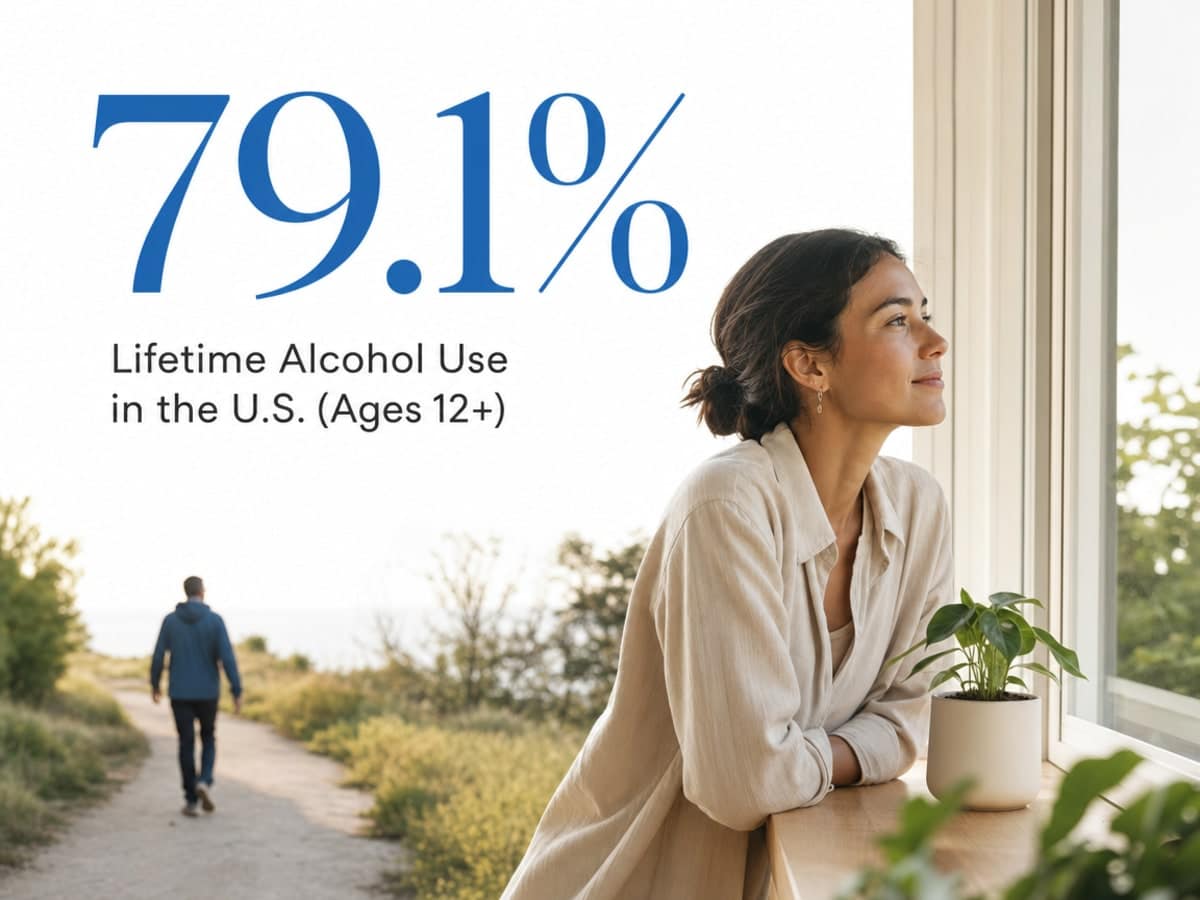
Social drinking is common; about 79.1% of Americans aged 12 and older have consumed alcohol at some point 4. However, alcohol use disorder (AUD) is a distinct medical condition characterized by an inability to control drinking despite negative consequences to health, work, and relationships.
AUD is not a moral failing but a complex medical problem involving brain changes. The shame associated with AUD often prevents individuals from seeking help. Recognizing this distinction is crucial, as medical science offers diagnostic processes and treatments that do not involve judgment.
Ohio’s Regulatory Framework for Alcohol Treatment
OhioMHAS and ASAM Level 3 Standards
Ohio has clear regulations for alcohol treatment programs, ensuring a standard of care. The Ohio Department of Mental Health and Addiction Services (OhioMHAS) licenses residential and withdrawal management programs 16. Specifically, Ohio Administrative Code 5122-29-09 outlines the standards for these services 2.
A key requirement is that residential alcohol treatment in Ohio must adhere to ASAM Level 3 standards. This national framework from the American Society of Addiction Medicine mandates clinically managed, 24-hour residential care 2. This means legitimate programs provide round-the-clock staff, comprehensive assessments upon arrival, individualized treatment plans, and appropriate medical oversight for withdrawal 2. This structured environment differentiates it from less regulated settings.
Further oversight comes from county ADAMH boards, which plan and fund prevention, treatment, and recovery services. Franklin County, where Hilliard is located, has a robust system 17. This multi-layered structure ensures that legitimate programs near Hilliard operate with a high degree of organization and accountability.
Identifying a Legitimate Treatment Program
To identify a legitimate program, ask direct questions: Is the facility licensed by OhioMHAS? Does residential care follow ASAM Level 3 standards? Who provides medical oversight during detox, and how often will a nurse or physician be seen in the first 72 hours? A reputable program will provide clear, specific answers 16, 2.
A legitimate program views your questions as integral to the process, not as interruptions. If you feel hesitant to ask questions, or that your inquiries are unwelcome, consider it a red flag.
The First 72 Hours of Medically Supervised Detox
Medically supervised alcohol withdrawal, when properly managed, is typically a quiet, watchful, and steady process. The environment is often more ordinary than anticipated, focusing on safety and comfort.
Under Ohio’s ASAM Level 3 framework 2, here’s what to expect:
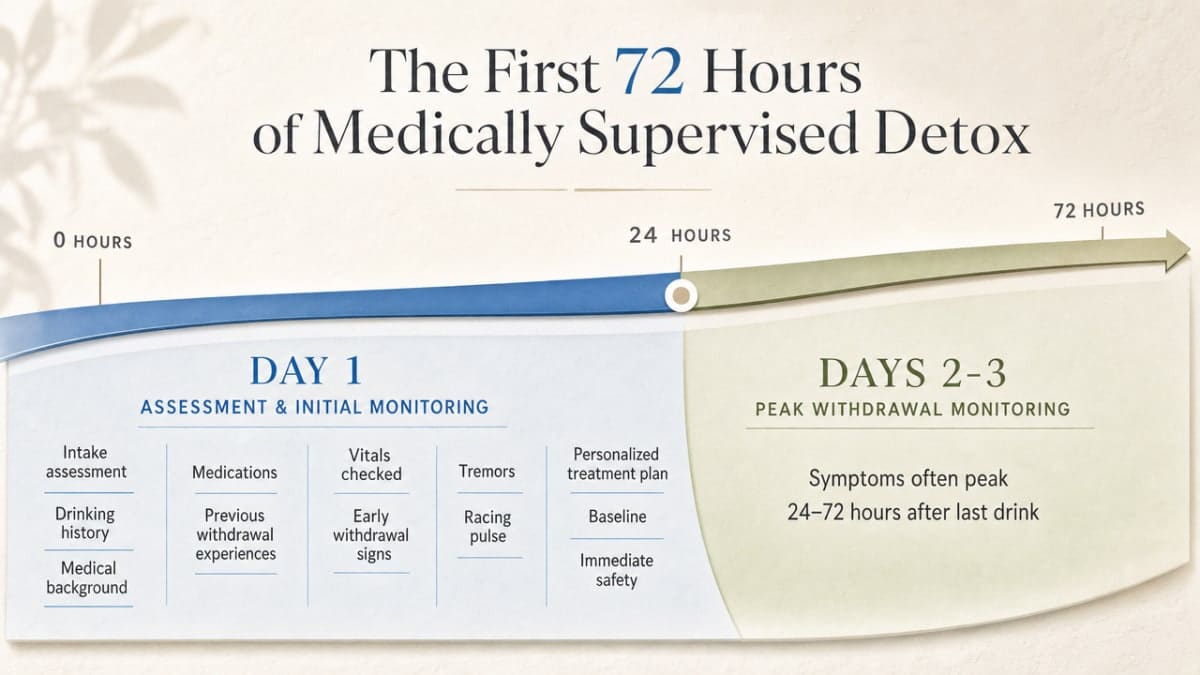
Day 1: Assessment and Initial Monitoring. Upon arrival, a nurse and clinician conduct an intake assessment, covering drinking history, medical background, medications, and previous withdrawal experiences. Vitals are checked, and early withdrawal signs like tremors or a racing pulse are monitored. A personalized treatment plan is developed collaboratively. This initial phase focuses on establishing a baseline and ensuring immediate safety.
Days 2 and 3: Peak Withdrawal Monitoring. Alcohol withdrawal symptoms typically peak between 24 and 72 hours after the last drink. This critical period necessitates 24-hour clinical supervision, as mandated by Ohio’s regulations 2. Staff frequently check on patients, administering medication as needed to manage symptoms and maintain comfort. While restlessness, nausea, or fogginess may occur, the constant medical oversight prevents severe complications.
Days 4 through 7: Stabilization and Transition. As the body stabilizes, vital signs normalize, and appetite gradually returns. Patients begin meeting with counselors, and the program initiates planning for the transition into residential care, where the deeper work of sustained sobriety begins 2.
This process, while not glamorous, prioritizes safety and provides a supportive environment for the body to detoxify, laying the groundwork for subsequent treatment.
Residential Care: A Day-to-Day Overview
After detox, residential treatment focuses on rebuilding and developing coping mechanisms. This phase often feels less like a hospital and more like a structured, clinically supported home environment.
A typical day in an Ohio ASAM Level 3 program follows a consistent rhythm 2. Mornings usually involve breakfast, medication administration, and a brief check-in with staff. The core clinical work, such as group therapy on topics like trigger identification, individual counseling sessions, and personalized treatment plan reviews, occurs in the morning 2.
Afternoons often combine skills-based groups—covering relapse prevention, communication, and coping strategies—with opportunities for physical activity, journaling, or outdoor time. Evenings typically include peer support meetings, family communication windows, and time for relaxation before bedtime.
Legitimate programs avoid excessive unstructured time or overly rigid, punitive schedules. Ohio’s regulations emphasize individualized treatment planning and clinically managed care, ensuring the daily schedule adapts to each person’s specific needs 2.
The initial week can be challenging, but by the second week, the structure often begins to feel supportive, providing a framework for stability and progress.
Addressing Co-Occurring Mental Health Conditions
For many entering treatment, alcohol use disorder is intertwined with other mental health challenges like anxiety, depression, or trauma. This co-occurrence is common; approximately 23.2% of individuals in Ohio’s substance use disorder treatment programs have a primary alcohol use disorder diagnosis 13. In Franklin County, an estimated one in four adults experiences mental illness annually 15, highlighting the significant overlap.
This phenomenon is known as dual diagnosis, and it significantly impacts the approach to effective care. If a program addresses only the drinking while neglecting underlying mental health issues, the risk of relapse remains high. Ohio’s residential standards mandate individualized treatment plans that consider all aspects of a person’s health 2. A thorough assessment will inquire about mood, sleep patterns, past trauma, current medications, and family history, not just drinking habits.
If you’ve ever felt that you could stop drinking if only you felt better emotionally, this indicates a potential co-occurring condition. The most effective programs treat both the alcohol use disorder and any underlying mental health issues simultaneously, often incorporating therapy and appropriate medication, to foster lasting stability and sobriety.
Navigating Treatment Costs and Logistics
Insurance Coverage: Ohio Medicaid and Commercial Plans
Concerns about treatment costs are common, but in Ohio, various options exist to make care accessible.
For those with Ohio Medicaid, behavioral health benefits, including alcohol use disorder treatment, are covered through Medicaid Managed Care Organizations. These organizations are required to provide adequate networks for mental health and substance use services, ensuring detox and residential care are covered benefits 7. The Children’s Health Insurance Program (CHIP) offers similar coverage for minors 7. If your financial situation has changed, you may now qualify for Medicaid. SAMHSA’s Ohio page provides enrollment information, and their confidential National Helpline offers 24/7 assistance in finding local options 7, 6.
Commercial insurance plans, such as Aetna, Blue Cross Blue Shield, Cigna, and UnitedHealthcare, also cover substance use disorder treatment under federal parity rules. A reputable program will conduct a benefits check before admission, providing a written breakdown of coverage, deductibles, and estimated out-of-pocket expenses. Always request a written verification of benefits and note the name of the person who provided the information.
Transportation to a Treatment Facility from Hilliard
Logistically, Hilliard’s location near I-270 and I-70 means most licensed residential programs in central Ohio are within a 20- to 40-minute drive 10. This proximity eliminates the need to travel long distances for quality care.
Typically, a family member or trusted friend provides transportation. Patients are advised to pack light, bringing comfortable clothing, a list of current medications, their insurance card, and identification. Programs will provide specific packing instructions. If transportation is an issue, inquire about assistance during your intake call, as many facilities can coordinate this, especially for individuals coming from hospitals or emergency rooms.
Supporting a Loved One Through Treatment
Family members often play a significant, though often unacknowledged, role in managing a loved one’s struggle with alcohol. When treatment becomes a possibility, their support can be crucial.
Instead of broad statements, offer specific, supportive communication. For example, “I’m concerned about your drinking and want to help you find someone to talk to this week” is more effective than accusatory language. Provide information and resources rather than ultimatums. SAMHSA’s free, confidential National Helpline is available 24/7 to help locate local options and initiate conversations 6.
Take proactive steps to manage logistics that don’t require their direct permission. Research insurance coverage, prepare questions for programs, and arrange practicalities like transportation or childcare. This support helps clear the path for treatment without being overbearing.
Equally important is self-care for family members. Engaging in support groups like Al-Anon, seeking personal therapy, or finding healthy outlets can help manage the emotional toll. Supporting a loved one through recovery requires maintaining your own well-being.
Taking the First Step Towards Recovery
The initial step toward recovery is often simpler than it seems: a phone call made in a private moment to someone who will listen without judgment.
If you’re unsure where to begin, SAMHSA’s National Helpline offers free, confidential assistance 24/7 in English and Spanish, connecting callers with local treatment options 6. If you have a specific program in mind, contact them to request a benefits check and an intake assessment, which are often available promptly.
You don’t need to be fully committed to treatment to make this call; you only need to be willing to ask a question. Whether you choose a program like Arista Recovery in Hilliard or another facility, the journey begins with a conversation, not a final decision. The person you will become in a month is already hoping you make that call tonight.
Start Your Hilliard Alcohol Recovery Journey Today
Connect for a rapid, confidential assessment and begin safe, supportive alcohol addiction treatment in Hilliard.
Frequently Asked Questions
Is it dangerous to stop drinking on my own at home?
For individuals with heavy, consistent alcohol use, attempting to stop drinking independently can be dangerous. Alcohol withdrawal symptoms can range from tremors and severe anxiety to seizures or delirium tremens. Ohio mandates that residential and withdrawal management programs provide 24-hour clinically managed care under ASAM Level 3 standards to ensure safety during this process 2. If you have concerns, contact a treatment program or SAMHSA’s 24/7 helpline before attempting to stop drinking abruptly 6.
How long does residential alcohol treatment near Hilliard typically last?
The duration of residential alcohol treatment is tailored to each individual’s needs, rather than being a fixed period. Ohio’s regulations for residential and withdrawal management services require comprehensive assessment and individualized treatment planning 2. This means your timeline will depend on factors such as the severity of withdrawal, any co-occurring clinical issues, and the plan for continuing care. When inquiring with programs, ask how they determine readiness for transition and listen for a clinically-based explanation.
Will Ohio Medicaid or my commercial insurance cover alcohol addiction treatment?
In most cases, yes. Ohio Medicaid Managed Care Organizations cover mental health, drug, and alcohol treatment, and are required to maintain adequate provider networks 7. CHIP offers similar coverage for children and teens 7. Commercial insurance plans, including those from Aetna, Blue Cross Blue Shield, Cigna, and UnitedHealthcare, cover substance use treatment due to federal parity rules. Always request a written benefits check from any program before admission.
What if I’m also struggling with anxiety, depression, or trauma alongside drinking?
It is very common for alcohol use disorder to co-occur with mental health conditions. In Franklin County, approximately one in four adults experiences mental illness annually, and these often overlap with alcohol use 15. Effective residential programs conduct thorough assessments during intake to identify mood disorders, sleep disturbances, past trauma, and other diagnoses. They then develop a comprehensive treatment plan that addresses both the alcohol use disorder and any co-occurring mental health issues simultaneously 2. If a program focuses solely on drinking, inquire about their approach to managing other mental health concerns.
How do I know a treatment program is legitimate and properly licensed in Ohio?
In Ohio, residential treatment facilities for substance use disorder are licensed and regulated by the Ohio Department of Mental Health and Addiction Services (OhioMHAS) 16. A legitimate program will readily confirm its OhioMHAS licensing and state that its residential care adheres to ASAM Level 3 standards 2. Exercise caution with programs that are evasive about these details, cannot provide written information about their assessment process, or pressure you to commit before a clinical consultation.
What’s the first step if my loved one isn’t ready to admit they need help?
Even without immediate buy-in from your loved one, you can take meaningful steps. Discreetly gather information by calling SAMHSA’s free, confidential National Helpline, available 24/7 in English and Spanish, to learn about local options 6. Verify insurance coverage. Then, initiate a calm, specific conversation: describe what you’ve observed, express your concerns, and suggest a concrete next step, such as a phone assessment. Small, consistent efforts can be more impactful than waiting for perfect timing.
References
- QuickFacts: Hilliard city, Ohio. https://www.census.gov/quickfacts/fact/table/hilliardcityohio/PST045224
- Rule 5122-29-09 | Residential and withdrawal management substance use disorder services. https://codes.ohio.gov/ohio-administrative-code/rule-5122-29-09
- Chapter 5122-29 | Requirements and Procedures for Behavioral Health Services. https://codes.ohio.gov/ohio-administrative-code/chapter-5122-29
- Alcohol Use in the United States: Age Groups and Demographic Characteristics. https://www.niaaa.nih.gov/alcohols-effects-health/alcohol-topics-z/alcohol-facts-and-statistics/alcohol-use-united-states-age-groups-and-demographic-characteristics
- Addressing Excessive Alcohol Use: State Fact Sheets. https://www.cdc.gov/alcohol/fact-sheets/states/excessive-alcohol-use-united-states.html
- National Helpline for Mental Health, Drug, Alcohol Issues. https://www.samhsa.gov/find-help/helplines/national-helpline
- Help for mental health, drugs, alcohol: OH Medicaid, CHIP. https://www.samhsa.gov/find-support/health-care-or-support/professional-or-program/medicaid-or-chip/ohio
- Alcohol Facts and Statistics. https://www.niaaa.nih.gov/alcohols-effects-health/alcohol-topics-z/alcohol-facts-and-statistics
- Drunk Driving. https://www.nhtsa.gov/risky-driving/drunk-driving
- Ohio Interstate Routes. https://www.transportation.ohio.gov/programs/highway-systems/ohio-interstate-routes
- Ohio Behavioral Health Barometer, Volume 6. https://mha.ohio.gov/about-us/data-and-reports/community-behavioral-health/ohio-bh-barometer-volume-6
- Behavioral Health Barometer: Ohio, Volume 6. https://www.samhsa.gov/data/sites/default/files/reports/rpt32852/Ohio-BH-Barometer_Volume6.pdf
- 2023 Alcohol Use Disorder – Updated Legend. https://dbh.ohio.gov/wps/portal/gov/dbh/research-and-data/dashboards-and-maps/documents/2023-alcohol-use-disorder-updated-legend
- Alcohol-Related Disease Impact (ARDI) Application: Ohio Alcohol-Attributable Deaths. https://nccd.cdc.gov/DPH_ARDI/Default/Report.aspx?T=AAM&P=61B492F6-8129-4525-B6F6-8815E788479C&R=6E9BEB44-2719-4F54-A9E4-A7DAB99
- Mental and Behavioral Health and Substance Use Disorder. https://wexnermedical.osu.edu/health-equity/mental-and-behavioral-health-and-substance-use-disorder
- State Residential Treatment for Behavioral Health Conditions: Regulation and Policy – Ohio. https://aspe.hhs.gov/sites/default/files/2021-08/StateBHCond-Ohio.pdf
- Behavioral Health Handbook. https://ohioauditor.gov/publications/docs/BH_Handbook_2024.pdf
